
Reviewed · SHIBUYA TOURS
Full Day Walking Tour in Shinjuku and Shibuya
Tokyo can feel like several cities stitched together, and this eight-hour walking tour gives you a useful sampler: old Shinjuku, a formal garden, Golden Gai, Meiji Jingu, Harajuku, and a finish at Shibuya Station. You get culture, city streets, pop culture, and a short train ride, all in one day.
I like the matcha and wagashi stop in Shinjuku Gyoen, which adds a small, calm Japanese tradition to a busy sightseeing day. I also like the guides named in the tour feedback, especially Beth and Jeff, who are praised for practical route help, local tips, patience, and adapting the day to individual requests.
The catch is the pace. You will spend hours outside, walking between stops and using public transport. Lunch is not included, and the final three-hour section around Meiji Jingu and Harajuku can feel long if you want a slow, unhurried day.
In This Review
- Key points to know before booking
- Why this route works for a first look at Tokyo
- Shinjuku Historical Museum sets the tone
- Shinjuku Gyoen adds tea, gardens, and breathing room
- Golden Gai and Kabukicho bring you into nighttime Shinjuku
- Meiji Jingu gives the afternoon a traditional center
- Harajuku and the route toward Shibuya
- What the $165.19 price really covers
- Who will enjoy this full day most
- Practical details that shape the day
- Should you book this Shinjuku and Shibuya tour?
- FAQ
- How long does the tour last?
- Where does the tour begin?
- Where does the tour end?
- Is lunch included?
- What is included in the price?
- How many people can join the tour?
Key points to know before booking
- Eight hours on foot: Expect a full day outdoors, with several walking stretches and a train ride between Shinjuku and Harajuku.
- A smart first-day route: The tour brings together major sights in Shinjuku, Harajuku, and Shibuya when your time in Tokyo is limited.
- Matcha in Shinjuku Gyoen: A tea house experience with matcha and wagashi is included in the day.
- Lunch is your responsibility: The Golden Gai and Kabukicho section includes free time for local food, but you pay for your own meal.
- Small group format: The maximum group size is 20 people, with an English-speaking local guide.
- Strong guide feedback: Beth and Jeff are specifically praised for warmth, flexibility, route planning, and useful tips.
Why this route works for a first look at Tokyo
This tour is built around contrast. You begin with Shinjuku’s local story, move into a landscaped garden, pass through the narrow drinking lanes of Golden Gai, then shift toward shrine grounds, Harajuku fashion, and central Shibuya.
That mix matters because Tokyo is not one single experience. A visitor who only sees giant stations and bright signs misses the quieter side of the city. A visitor who only visits temples misses the playful, modern edge. This route gives you both in one day.
I would consider it especially useful early in a Tokyo stay. A guide can help you understand how the districts connect, how to use the train between Shinjuku and Harajuku, and which areas deserve more time later. At the same time, the day is not designed for deep exploration of every neighborhood. You are getting a broad introduction, not a slow local wander.
The start is at 9:30 a.m. at Yotsuya-Sanchome Station, outside the ticket gates near the yellow information stand. Pay attention to that detail. Tokyo stations can have several exits and long underground passages, so arriving at the correct side of the gates will save you a needless morning scramble.
A few more Tokyo tours and experiences worth a look

Shinjuku Historical Museum sets the tone
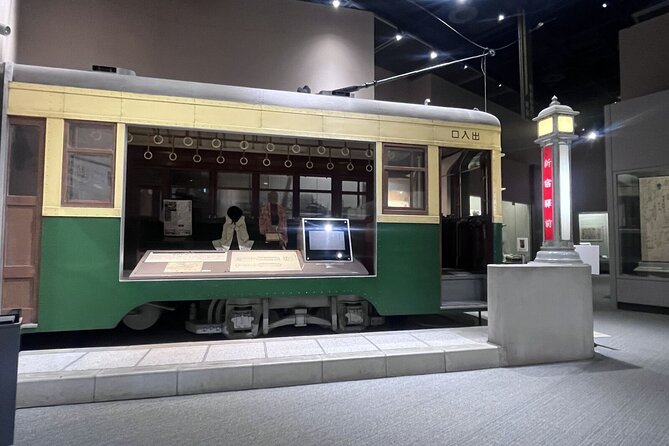
The first stop is the Shinjuku Historical Museum, with about 90 minutes for a guided visit. This is a good opening because it gives the modern district some context before you head into its louder streets.
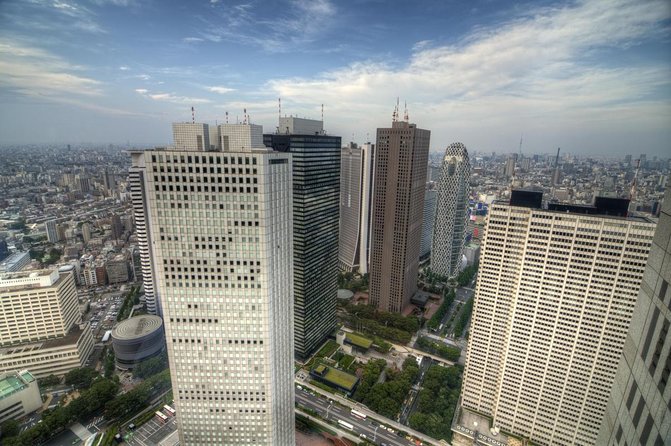
Shinjuku is now famous for department stores, huge transport links, office towers, nightlife, and entertainment. A museum visit helps you look at the area as a place that changed over time, rather than just a collection of neon signs and crowded crossings.
The admission fee is included. That removes one small decision from the morning and lets you focus on the guide’s explanation. Guides such as Beth and Jeff are praised for giving background as well as practical help, so this is likely the point where the day begins to feel more personal than a simple sightseeing checklist.
The museum section is also a sensible pace setter. You are indoors at the beginning, before the longer outdoor portions. Still, 90 minutes is not a huge amount of time. If you love museums and prefer to read every panel, you may wish the visit were longer. This tour is aimed at seeing several parts of Tokyo in one day, so the guide will keep the group moving.
Shinjuku Gyoen adds tea, gardens, and breathing room
From the museum, you walk about 20 minutes to Shinjuku Gyoen National Garden. The garden portion lasts around two hours and 15 minutes, making it one of the day’s most substantial stops.
I like this change of pace. Shinjuku Gyoen gives you room to step away from traffic, tall buildings, and station crowds without leaving the district. The guide can point out the character of the park while you enjoy a quieter setting and a traditional tea break.
The included tea house experience features matcha and wagashi, the small Japanese sweets served with tea. It is not just another drink stop. It gives you a direct taste of a custom that can be easy to miss when your Tokyo day is filled with shopping streets and train platforms.
Admission to the garden is included in the tour price. The supplied details describe the park admission as included even though the stop itself has no separate charge listed for you, so you do not need to budget an additional entrance fee for this visit.
This is a good place to manage your energy. You have already walked from the museum, and more city streets are ahead. Wear comfortable shoes and bring water, especially in warm weather. One guide, Jeff, is praised for making a hot day easier through route planning and practical help. That kind of support matters here because the tour does not use a private vehicle.
The garden visit may be the most restful section, but do not mistake it for a short photo stop. More than two hours here means the day is not a nonstop march through famous streets. If you prefer a fast hit of landmarks, the garden time may feel generous. If you want a break from concrete and crowds, it is one of the better choices in the schedule.
Golden Gai and Kabukicho bring you into nighttime Shinjuku
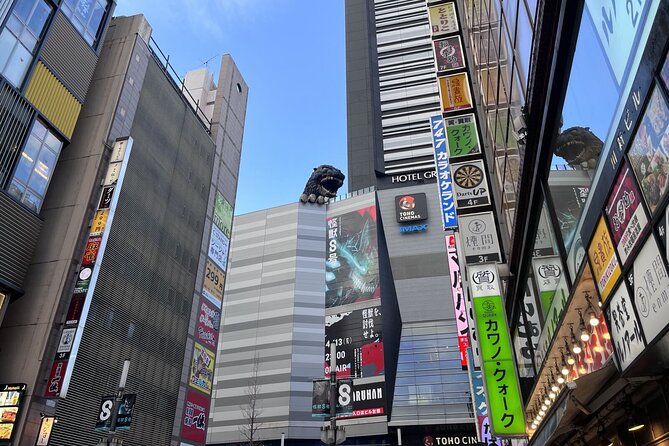
After the garden, you walk to Golden Gai and Kabukicho, Shinjuku’s entertainment center. This section lasts about an hour and 15 minutes and includes time for lunch and local food at your own expense.
Golden Gai is known for its narrow lanes and tiny bars. Kabukicho offers a larger, louder entertainment district around it. The value of having a guide here is orientation. These streets can seem confusing when you first arrive, and a guide can explain what you are seeing without requiring you to make sense of the area alone.
The timing also works well. You have already had the museum and garden, so the shift into nightlife Shinjuku feels like a clear change of mood. You can look around, ask questions, and choose something to eat during the free time.
Lunch is not included, so carry enough Japanese yen or a payment method that works for you. The tour details do not specify a restaurant, menu, or set meal. That gives you freedom, but it also means the final cost of the day depends partly on what you choose to eat.
I would not book this tour expecting an evening bar crawl. The schedule offers a guided look at Golden Gai and Kabukicho during the day, followed by personal time for food. The value is in seeing the district with context, not in spending hours inside one venue.
Meiji Jingu gives the afternoon a traditional center
After Shinjuku, you take a short train ride from Shinjuku Station to Harajuku Station. The train fare is included, and this is the only specific rail transfer listed in the tour.
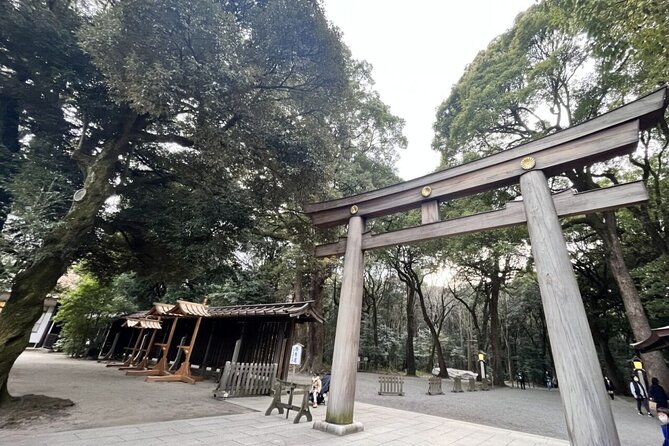
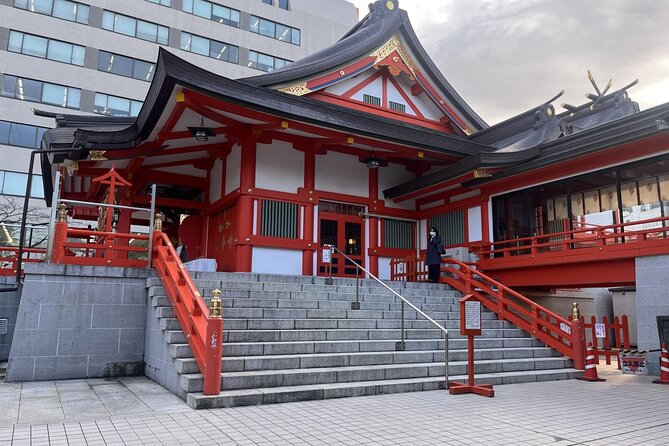
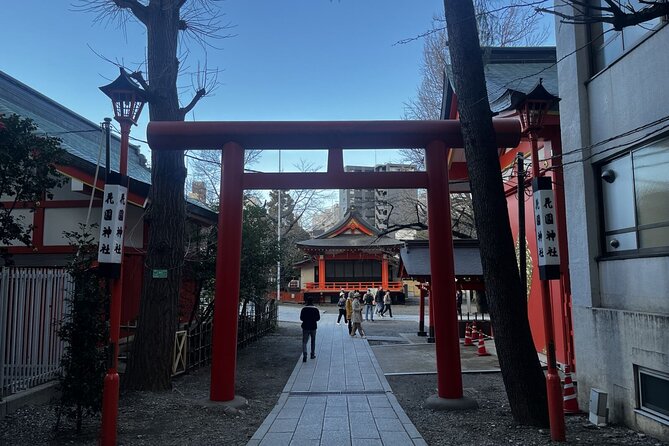
Meiji Jingu Shrine is the next major stop. The guide leads you around the shrine before you continue into Harajuku. This section lasts about three hours, the longest part of the day, so expect plenty of outdoor walking.
Meiji Jingu offers a strong contrast with Kabukicho. Instead of tight entertainment lanes, you get a shrine setting and a more ceremonial side of Tokyo. I like that the tour does not treat traditional culture as a separate day trip. It places the shrine right beside Harajuku, where youth style and popular culture take over.
A guide can make a shrine visit more meaningful by explaining what you are looking at and how to behave respectfully. The supplied information does not promise a special ceremony or private access, so expect a guided visit to the shrine grounds rather than a staged performance.
The length of this section is both a benefit and a warning. Three hours gives you enough time for Meiji Jingu and Harajuku instead of rushing through both. It also makes the afternoon the point where tired feet may become an issue. Good shoes are essential, and you should be ready for more time outside.
A few more Tokyo tours and experiences worth a look






Harajuku and the route toward Shibuya
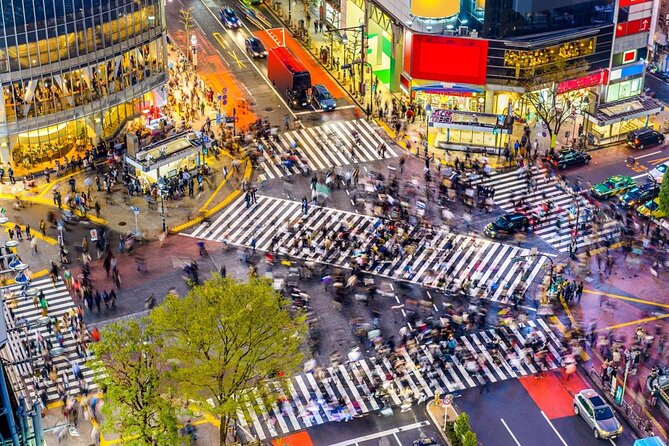
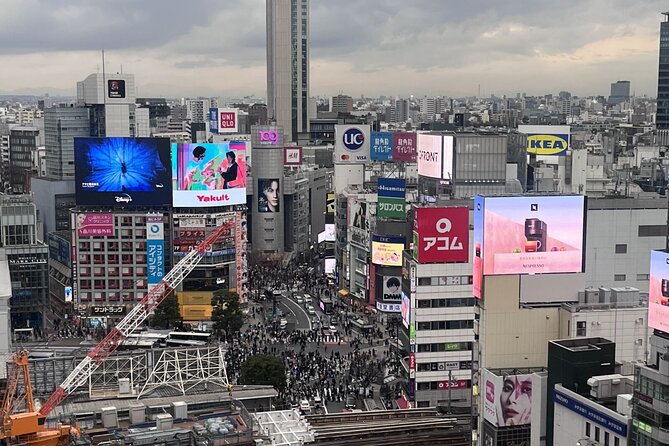
After Meiji Jingu, you cross into Harajuku, described as a quirky and energetic area with modern youth culture. The tour then concludes at Shibuya Station.
The details provided do not list a separate stop at Shibuya Crossing or a dedicated Shibuya landmark. That distinction matters. The experience is marketed around Shinjuku and Shibuya, but the scheduled sights focus on Shinjuku, Meiji Jingu, Harajuku, and the finish at Shibuya Station.
You should book this day if you want a guided route that links these districts. You should not book it expecting a full tour of every major Shibuya sight. The end point is useful, though. Once the guide says goodbye at Shibuya Station, you are positioned to continue exploring on your own.
Past feedback gives special credit to Beth for showing important sights and lesser-known corners around Shibuya, while Jeff is praised for route advice and flexibility. Since guides can vary, your exact emphasis may depend on who leads the day. The consistently useful quality is having someone who knows how to move between districts and adjust when the group needs help.
What the $165.19 price really covers
At $165.19 per person, this is not a cheap orientation walk. The price makes more sense when you count what is included: a local English-speaking guide, Shinjuku Historical Museum admission, Shinjuku Gyoen admission, the tea house experience, and the train from Shinjuku to Harajuku.
You still pay for lunch, and the tour does not use a private vehicle. That means you are paying primarily for route planning, explanation, admissions, and guidance through a complicated part of Tokyo, not for transport luxury.
I see the value most clearly if you have limited time or feel uneasy navigating Tokyo alone. The tour connects several districts without asking you to work out the stations, entrances, and order of visits yourself. It also gives you a useful introduction that can help you return to favorite areas later.
The value is weaker if you already know Shinjuku and Shibuya well, or if you prefer choosing your own restaurants and spending an entire afternoon in one place. You could visit many of these districts independently for less money, but you would give up the guide’s local context and the included tea experience.
The group can reach a maximum of 20 people. That is small enough to be manageable, but it is not a private tour. If you want the most personal pace possible, the available feedback suggests asking about a private option with Jeff, but the supplied tour information does not state a private-tour price or schedule.
Who will enjoy this full day most
This tour suits you if:
- You have only a short stay in Tokyo and want several major districts in one day.
- You want a mix of traditional sites, gardens, museums, nightlife streets, and modern city areas.
- You prefer an English-speaking guide to handle the route and explain local context.
- You are comfortable walking outdoors for several hours.
- You want matcha and wagashi included but do not need a planned lunch.
It may not suit you if you need frequent rest periods, dislike public transport, or want a slow day with long meals and independent shopping. The tour is also not ideal if your main goal is a detailed Shibuya-only experience, since the listed schedule gives the largest blocks of time to Shinjuku Gyoen and the Meiji Jingu and Harajuku section.
Most people can participate, according to the tour details, but that broad note does not change the practical reality: this is an active day. Tokyo’s stations can involve stairs and long walks, and the tour stays outdoors for much of its schedule.
Practical details that shape the day
The mobile ticket is convenient, and confirmation arrives when you book. Public transport is close to the start, and the tour begins at Yotsuya-Sanchome Station at 9:30 a.m.
Meet outside the ticket gates at the yellow information stand. Do not simply arrive at the station and wait anywhere. Tokyo stations are large enough that a vague meeting plan can create stress before the tour has even started.
Plan for the full eight hours, ending at Shibuya Station. Wear shoes suited to pavement and park paths, dress for the weather, and carry water. You will have a lunch break, but food is not covered.
Free cancellation is available up to 24 hours before the start time for a full refund. Changes or cancellations within 24 hours are not accepted for a refund, with cut-off times based on Tokyo local time.
Should you book this Shinjuku and Shibuya tour?
Book it if you want a well-planned first-day overview rather than a single-site visit. The combination of a museum, garden tea, Golden Gai, Meiji Jingu, Harajuku, and a Shibuya finish gives you a broad sense of Tokyo’s contrasting sides.
The strongest reasons to choose it are the included matcha experience, the public-transport guidance, and the warm, flexible approach associated with guides such as Beth and Jeff. The main caution is simple: eight hours is a long time on foot, and lunch is extra.
If you have limited time in Tokyo and want someone else to connect the dots, I think the price can be justified. If you want maximum freedom, a slow pace, or a detailed tour of Shibuya itself, choose a shorter or more focused outing instead.
FAQ
How long does the tour last?
The tour lasts approximately eight hours. It starts at 9:30 a.m. and concludes at Shibuya Station.
Where does the tour begin?
The meeting point is Yotsuya-Sanchome Station, outside the ticket gates at the yellow information stand in front of the gates.
Where does the tour end?
The tour ends at Shibuya Station, at 2 Chome-24, Shibuya, Tokyo.
Is lunch included?
No. Lunch is at your own expense. You have free time to explore and try local food around Golden Gai and Kabukicho.
What is included in the price?
The price includes admission to Shinjuku Historical Museum and Shinjuku Gyoen, the Shinjuku Gyoen tea house experience with matcha and wagashi, the train fare from Shinjuku Station to Harajuku Station, and a local English-speaking guide.
How many people can join the tour?
The maximum group size is 20 people. Most people can participate, and the tour uses public transport rather than a private vehicle.
More Walking Tours in Tokyo



More Shibuya Tours in Tokyo
More Shinjuku Tours in Tokyo

More tours in Tokyo we've reviewed









Shibuya Tours, compared.
 ★ 5.0Official Street Go-Kart in ShibuyaFrom $76
 ★ 4.9Tokyo: Street Kart Experience in ShibuyaFrom $741 hour
 ★ 5.0Shibuya Meltdown Nightlife Tour: All-You-Can-Drink Bar HoppingFrom $106
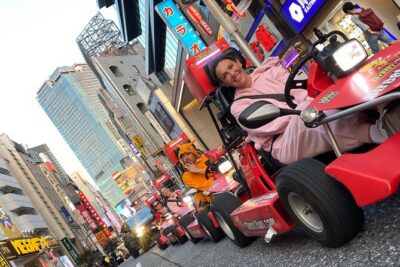 ★ 5.0Shibuya Official Street Go-Kart in Shibuya AnnexFrom $69
 ★ 5.0Tokyo: Shibuya Food Tour (13 dishes and 4 Eateries)From $77
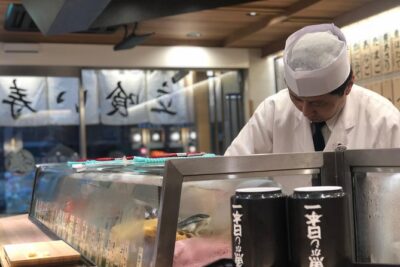 ★ 5.0Best of Shibuya Food TourFrom $217