
Reviewed · MT FUJI DAY TRIPS
Mt. Fuji & Hakone: Fuji Sengen Shrine, Cruise, and Ramen-Making
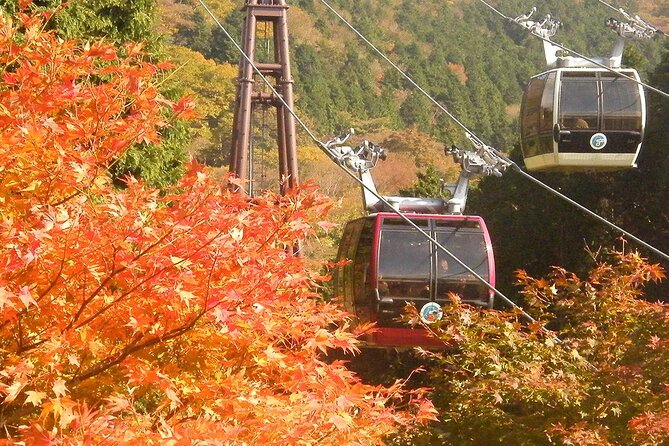
A Lake Ashi cruise, handmade ramen, clear spring ponds, and a famous Mt. Fuji shrine make this a busy but appealing day outside Tokyo. You get several of Japan’s best-known sights without wrestling with regional trains, buses, and confusing transfers on your own.
I like the comfortable air-conditioned bus, with reclining seats, power outlets, free Wi-Fi, and round-trip transportation from Shinjuku. I also like the ramen workshop, since it turns lunch into a hands-on cultural activity rather than another restaurant stop.
The catch is the schedule. This is an 11 to 12-hour outing, and traffic can eat into your time. Mt. Fuji views are never guaranteed, the cruise can be replaced in poor conditions, and reaching Churei-to Pagoda requires either 398 steps or a longer sloping path.
In This Review
- Key points to know before booking
- Why this day trip works for first-time visitors to Tokyo
- Starting at Shinjuku, with an early test of organization
- Lake Ashi and the 25-minute pirate ship cruise
- Making ramen from scratch near Mt. Fuji
- Arakura Fuji Sengen Shrine and the 398-step climb
- Oshino Hakkai and Mt. Fuji’s spring water
- What the $128.69 price really buys you
- Who will enjoy this tour most
- Should you book the Mt. Fuji and Hakone day trip?
- FAQ
- How long does the tour last?
- Where does the tour begin?
- What time should I meet the group?
- Is hotel pickup included?
- Is lunch included?
- Can I request a vegetarian meal?
- What happens if the Lake Ashi cruise is canceled?
- Is the tour suitable for people with limited mobility?
Key points to know before booking
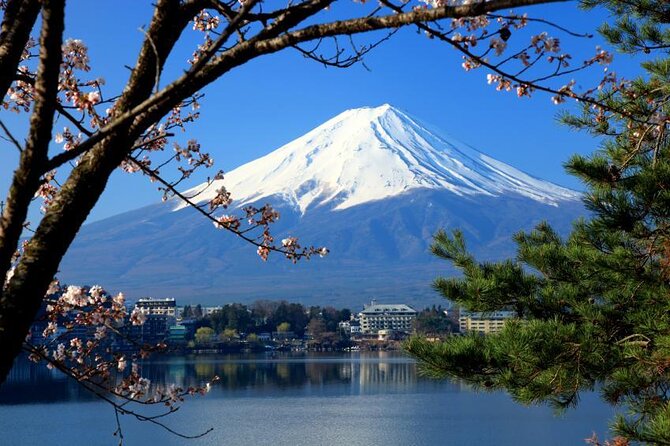
- Lake Ashi by pirate ship: The 25-minute cruise gives you a fine water-level view of Hakone and, on a clear day, Mt. Fuji.
- Ramen made by you: You choose the soup, seasonings, toppings, and noodle firmness, then eat the finished bowl for lunch.
- Arakura Fuji Sengen Shrine: Reach the five-story Churei-to Pagoda by 398 steps or a gentler slope for one of Japan’s classic Mt. Fuji views.
- Oshino Hakkai springs: Eight ponds fed by Mt. Fuji snowmelt sit among food stalls, fruit sellers, wine, and souvenirs.
- Early Shinjuku departure: Meet at 7:40 a.m., about a seven-minute walk from JR Shinjuku Station. The bus will not wait for late arrivals.
- Weather matters: Rain and cloud can hide Mt. Fuji, and a suspended cruise brings an alternative stop without a refund.
Why this day trip works for first-time visitors to Tokyo
Tokyo gives you endless city sights, but Mt. Fuji and Hakone require more planning than many first-time visitors expect. The attractions are spread across different areas, public transportation can be slow or awkward, and road traffic is a real concern.
This tour gathers them into one long day. You board an air-conditioned bus in Shinjuku, ride out toward Hakone and Yamanashi, and return to the same meeting point. That simple arrangement has real value at $128.69 per person, especially if you want a broad introduction rather than a slow, single-area visit.
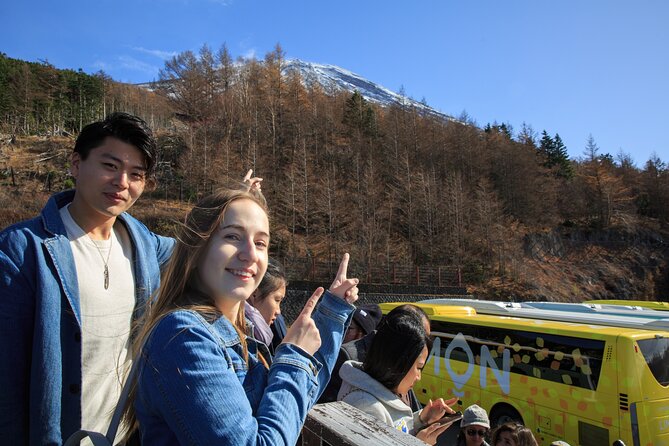
You should not expect a quiet mountain retreat. The bus carries up to 42 people, and the schedule moves from one stop to the next. Still, the combination is smart: water views at Lake Ashi, a meal you prepare yourself, a traditional shrine, and a rural spring village.
The strongest guides make a clear difference. Yoko is praised for being calm, polite, and helpful when plans changed. Mami has been noted for explaining Mt. Fuji during the drive, while Hiro is described as friendly, organized, and generous with local snacks. Guide quality can vary by departure, but these examples show how much personality can improve a long day on the road.
A few more Tokyo tours and experiences worth a look
Starting at Shinjuku, with an early test of organization
The meeting point is the Shinjuku Center Building at 1-chōme-25 Nishishinjuku. It is roughly a seven-minute walk from JR Shinjuku Station, but Shinjuku is not the place to cut things close. The station is large, exits are numerous, and the bus leaves on schedule at 7:40 a.m.
I would arrive early, give yourself at least 20 minutes to find the correct exit and building, and keep your mobile ticket ready. Some people have found the meeting point hard to identify, especially when looking around among many tour buses. The practical lesson is simple: locate the building the day before if you can.
Hotel pickup and drop-off are not included. You make your own way to Shinjuku, then return there at the end. That is less convenient than a hotel pickup, but the central meeting point is useful if you are staying near a major Tokyo rail line.
Once aboard, the bus becomes your base for the day. Free Wi-Fi, power outlets, reclining seats, and air conditioning are meaningful comforts during a full day that may stretch to 12 hours. Traffic can still make the ride tiring, so bring water and use the planned restroom stops.
Lake Ashi and the 25-minute pirate ship cruise
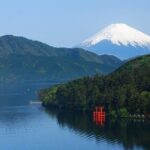
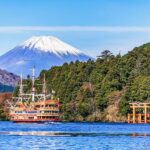
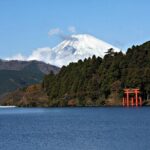
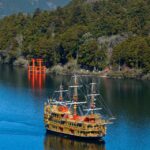
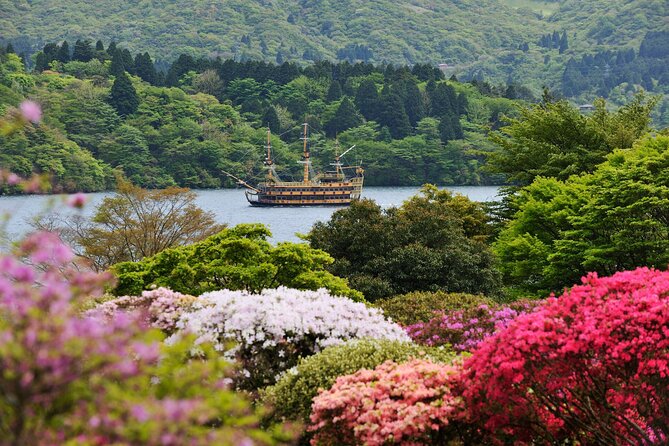
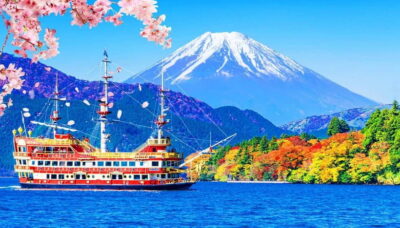
The first main stop is Lake Ashi, where you board the Hakone Pirate Ship for about 25 minutes. The ship is designed for sightseeing, and the ride gives you time to look across the lake toward wooded slopes, shoreline sights, and, if the air is clear, Mt. Fuji.
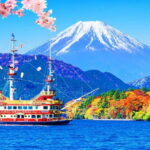
This is one of the more relaxing parts of the day. After leaving Tokyo early, you can simply stand outside or sit by a window and take photos. The lake is attractive in several seasons, with greenery in warmer months and cherry blossoms at the right time of year.
Mt. Fuji is the great prize, but weather controls the result. Cloud, rain, and haze can turn this into a pleasant lake ride without the famous mountain view. That is not a flaw in the cruise itself, but it matters when you are paying for a day built around Fuji photography.
The operator warns that the cruise may be suspended because of bad weather, traffic problems, or other access issues. In that case, you are taken to an alternative facility, but no refund is provided. A guide may also need to adjust the boarding point. Yoko received praise for arranging another pickup point after the original cruise station was missed, though that kind of change can add stress to a tightly timed day.
Making ramen from scratch near Mt. Fuji
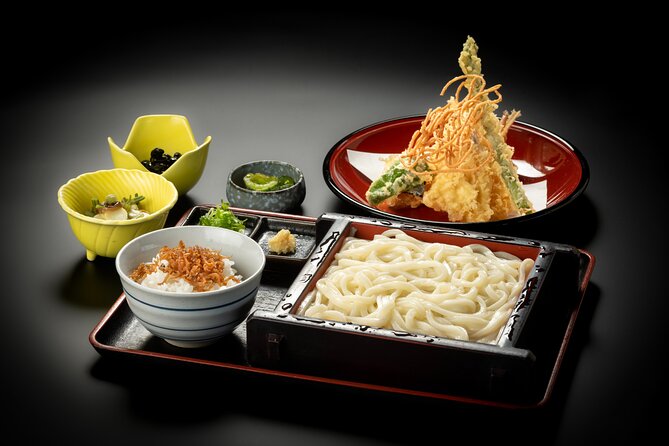
The ramen workshop is more than a quick lunch stop. At the Ramen Factory at Mt. Fuji, you make the noodles from scratch, select your soup base and seasonings, add toppings, and boil the noodles to your preferred firmness.
I like this part because it gives you something to do with your hands. You are not only looking at Japanese culture from behind a camera. You are working through a familiar food in a way that shows how much control can go into a simple bowl of ramen.
The session lasts about an hour. If you select the option that includes the meal, the finished ramen serves as lunch. The food is described as an authentic Japanese meal, but you should check the booking option carefully because lunch is not included in every version of the tour.
There are some important dietary limits. Vegetarian requests must be sent to the activity provider at least seven days in advance. Halal and vegan lunches are not available. That makes this a poor choice if you need one of those meals, and a tour provider should not be expected to solve the issue at the last minute.
One practical concern is dining comfort. Lunch may be served in a traditional low-to-the-floor setting, which can be difficult for some older people or anyone with stiff knees. One report also found the food a little cold, although it was ready on arrival. If you have mobility concerns, ask about the seating arrangement before booking.
Arakura Fuji Sengen Shrine and the 398-step climb

Arakura Fuji Sengen Shrine is the visual centerpiece for many people. Founded in 705, the Shinto shrine has a long connection with local religious tradition, and its approach begins beneath a large red torii gate.
Along the way, you pass the main hall and smaller Shiogama and Atago Shrines. The former is associated with safe childbirth, while the latter is linked with protection from fire. These details give the stop more meaning than a quick photo at the pagoda.
The climb is the key issue. You can take the Sakuya-Hime staircase, with 398 steps, or choose a gentler sloping path. Either way, you need to walk uphill, and the tour warns that it is not suited to anyone who struggles with walking for 10 to 15 minutes.
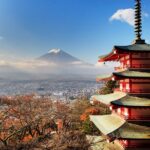
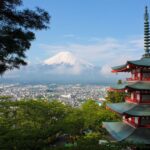
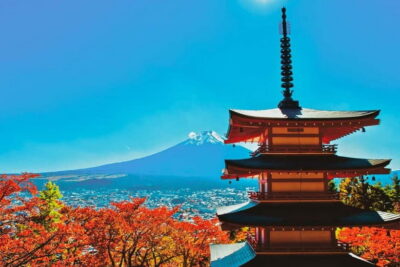
At the top, Churei-to Pagoda rises above the trees, with an observation deck nearby. The classic view lines up the red pagoda, Mt. Fuji, and the surrounding town. It is one of Japan’s most recognizable compositions, but the mountain may vanish behind cloud just when you reach the best viewpoint.
Allow time for both the climb and the descent. The scheduled stop is about 1 hour and 20 minutes, which sounds generous until you factor in the stairs, photographs, shrine buildings, and the walk back to the bus. Wear shoes with a solid grip, and do not spend every minute at the top.
The tour description also refers to a choice between Arakura Fuji Sengen Shrine and Tenku no Torii. The detailed stop provided for this experience is Arakura, so confirm your selected version when booking. The two options are not interchangeable from a walking and photography point of view.
A few more Tokyo tours and experiences worth a look

Oshino Hakkai and Mt. Fuji’s spring water
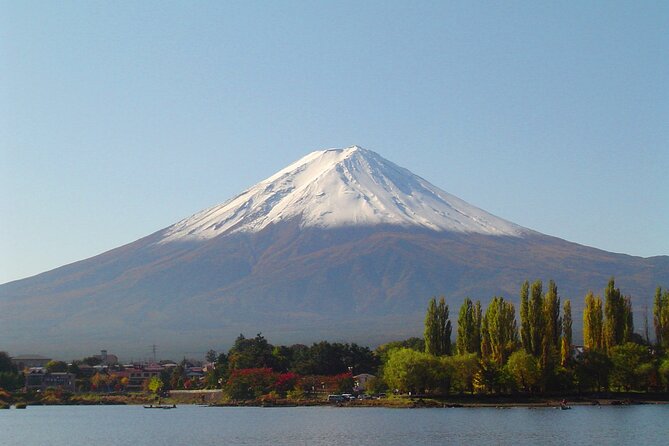
Oshino Hakkai offers a quieter kind of attraction. Its name refers to eight ponds, formed by snowmelt from Mt. Fuji and filtered through volcanic rock over roughly 80 years. The water is the star here, clear enough to reward a slow look rather than a rushed snapshot.
The village sits in Yamanashi Prefecture, known as Japan’s Fruit Kingdom. Around the ponds, you find larger markets and smaller local sellers offering fruit, regional snacks, wine, souvenirs, and other local products.
This stop is useful after the climb at Arakura because it offers a chance to wander at your own pace. You can focus on the ponds, browse food stalls, or buy a small regional gift. It is less about one grand viewpoint and more about seeing how a popular rural attraction works day to day.
It is also a busy stop in practical terms. Market areas can feel commercial, and the time passes quickly if you stop for food or shopping. I would first see the ponds, then decide how much time you want to give the stalls.
Oshino Hakkai may also become the replacement destination if another Fuji-area attraction is closed or inaccessible. That flexibility helps keep the day moving, but it means the exact feel of your tour can change with weather, traffic, or operating conditions.
What the $128.69 price really buys you
At $128.69 per person, this is not the cheapest way to see Mt. Fuji. You are paying for transport, a guide, the ramen activity and lunch when selected, and the Lake Ashi cruise ticket when that option is selected.
The value comes from saved planning time. Booking separate trains, buses, cruise tickets, meals, and shrine visits would require careful timing across Hakone and the Fuji Five Lakes area. You also avoid the worry of driving in unfamiliar traffic.
The tradeoff is control. You cannot linger at Oshino Hakkai, skip the ramen workshop, or wait all afternoon for the clouds to lift. The route is designed to cover several highlights in one day, not to give you a slow look at one place.
The ratings are strong, with a 4.8 average from 124 ratings and 97 percent recommending the experience. The most consistent praise is directed at the guides, the comfortable bus, the range of stops, and the chance to see Mt. Fuji from more than one location.
The main complaints are also consistent: rain, missed or changed cruise arrangements, limited commentary on some departures, difficult meeting-point directions, and heavy traffic on the way back. Those are not minor details. They explain why you should book this for convenience and variety, not for guaranteed perfect photographs or a relaxed pace.
Who will enjoy this tour most
This suits you if you are visiting Tokyo for the first time and want to see Mt. Fuji, Hakone, and a traditional village in one day. It is also a good fit if you prefer a guide and bus to a day of transfers.
Families and food-focused visitors should enjoy the ramen workshop. Photographers will appreciate the number of possible viewpoints, but should accept that weather may hide Fuji. Anyone interested in Shinto customs gets more from Arakura Shrine than a simple pagoda photo.
It is less suitable if you have difficulty walking, dislike early starts, need a halal or vegan meal, or want a flexible mountain day. It may also frustrate you if long bus rides and traffic are deal-breakers.
Wear comfortable shoes, bring layers, and keep your phone charged. The mobile ticket is convenient, but it does not replace careful meeting-point planning. Free cancellation is available up to 24 hours before the start time, while cancellations or changes inside that window are not accepted.
Should you book the Mt. Fuji and Hakone day trip?
Book it if you want a wide sampling of Fuji-area sights with transport handled for you. The Lake Ashi cruise, hands-on ramen lunch, Oshino Hakkai, and Arakura Shrine create a fuller day than a simple Mt. Fuji photo stop, and a good guide such as Yoko, Mami, or Hiro can make the long schedule feel personal.
Skip it if your priority is guaranteed Fuji views, a quiet pace, or deep time at one attraction. Cloud cover, cruise changes, and Tokyo traffic are outside the operator’s control.
For most first-time Tokyo visitors with limited time, the price is reasonable for the amount of ground covered. Just arrive early, prepare for plenty of walking, and treat the mountain view as a gift rather than a promise.
FAQ
How long does the tour last?
The experience lasts approximately 11 to 12 hours and ends back at the Shinjuku meeting point.
Where does the tour begin?
It begins at the Shinjuku Center Building, 1-chōme-25 Nishishinjuku, Shinjuku City, Tokyo. The building is about a seven-minute walk from JR Shinjuku Station.
What time should I meet the group?
The start time is 7:40 a.m. The bus leaves as scheduled and will not wait for late arrivals.
Is hotel pickup included?
No. Hotel pickup and drop-off are not included. You must reach the Shinjuku meeting point yourself.
Is lunch included?
Ramen-making and lunch are included when you select the option that includes them. Lunch is not included with every booking option.
Can I request a vegetarian meal?
Yes, but you must contact the activity provider at least seven days before the tour. Halal and vegan lunches are not available.
What happens if the Lake Ashi cruise is canceled?
If the cruise becomes inaccessible because of suspension, bad weather, traffic, or another operating issue, the tour provides an alternative facility. A refund is not given for this change.
Is the tour suitable for people with limited mobility?
The tour involves significant walking. Reaching Churei-to Pagoda requires either 398 stairs or a sloping path, and the experience is not recommended for anyone who has difficulty walking distances of 10 to 15 minutes.
More Bay & River Cruises in Tokyo


More Hakone Day Trips in Tokyo
More Mt Fuji Day Trips in Tokyo
More tours in Tokyo we've reviewed





Mt Fuji Day Trips, compared.
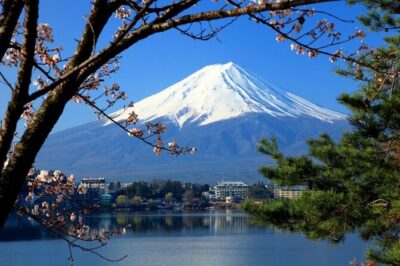 ★ 5.0Mt Fuji and Hakone 1-Day Bus Tour Return by Bullet TrainFrom $163
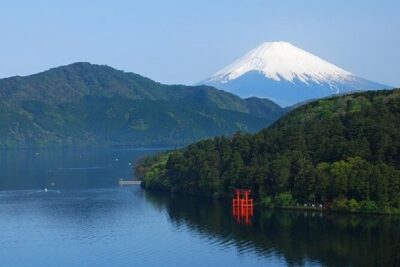 ★ 4.0Mt Fuji & Hakone Cruise, Drum Show Bullet Train 1 Day from TokyoFrom $149
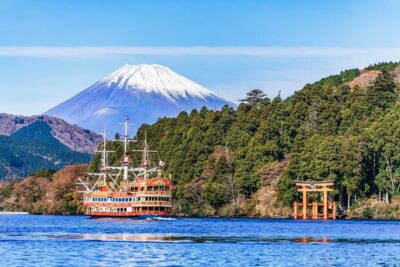 ★ 4.4Tokyo Mt Fuji 5th St & Hakone Cruise Bus Tour w/Bullet TrainFrom $15410 hours
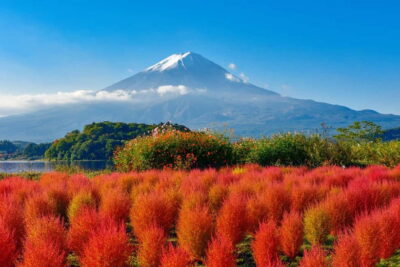 ★ 4.5From Tokyo: Mount Fuji Full-Day Sightseeing TripFrom $6810 hours
 ★ 4.7Tokyo: Mt. Fuji Tour, Hakone Ropeway, Owakudani, Lake AshiFrom $5410 hours
 ★ 4.4Tokyo:Mt.Fuji,Kawaguchiko Oishi Park,Arakurayama Sengen ParkFrom $5410 hours