
Reviewed · HISTORICAL TOURS
Edo Tokyo Small-Group Tour: History, Culture & Local Experiences
The most striking part of this four-hour walk is the Edo-period fire ceremony at Fukagawa Fudodo. It gives you a live, sensory look at Japanese religious practice, then the tour shifts to a shrine, a museum with full-size old streets, a traditional sweet shop, and a quiet garden. I like that the day connects history to ordinary life, and that a group of no more than seven lets your guide adjust the pace and answer questions. The main consideration is time: this is a full morning of walking and several stops, with no lunch included.
I also like the small-group format and the clear route through Koto, an area that feels more local and less focused on Tokyo’s famous central sights. Sandra has guided families especially well, using fun facts to keep children involved. The tour depends on good weather and may be changed or canceled if conditions are poor, so keep that in mind when planning a tight Tokyo schedule.
In This Review
- Key points at a glance
- Why this tour works for understanding old Tokyo
- Fukagawa Fudodo and the power of the fire ceremony
- Tomioka Hachimangu, founded in 1627
- Walking through the Fukagawa Edo Museum
- A small taste at the old-fashioned sweet shop
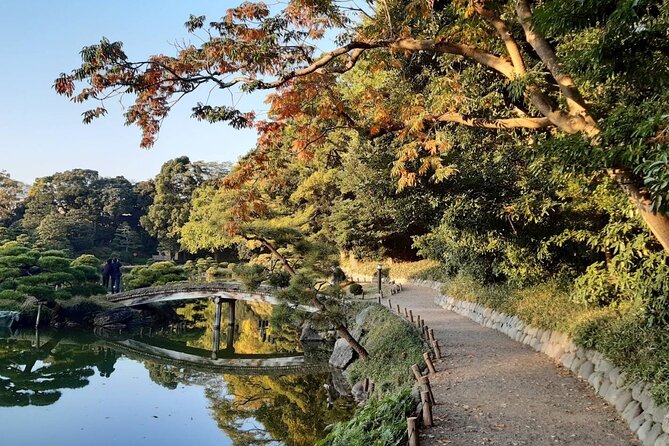
- Kiyosumi Teien provides a calm finish
- What the small group changes
- Price, timing, and practical value
- Who should book this Edo culture walk
- Should you book the Edo Tokyo Small-Group Tour?
- FAQ
- How long is the Edo Tokyo Small-Group Tour?
- Where does the tour begin?
- Where does the tour finish?
- What is the maximum group size?
- Is lunch included?
- Can I cancel for a full refund?
Key points at a glance
- Fukagawa Fudodo’s fire display: Watch a dramatic Buddhist ceremony connected with Edo-period religious life.
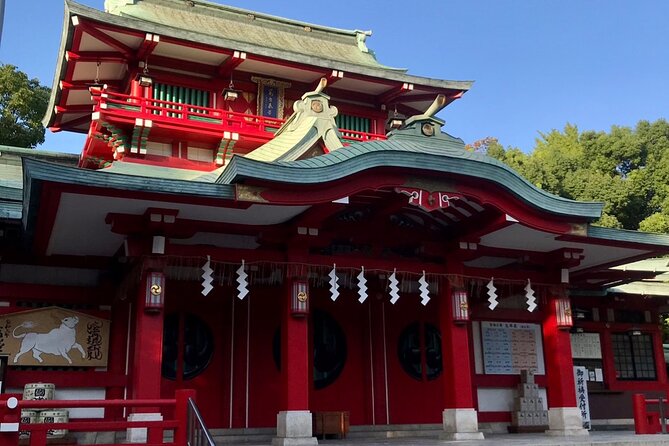
- Tomioka Hachimangu Shrine: See a Shinto site founded in 1627, including stones linked to sumo.
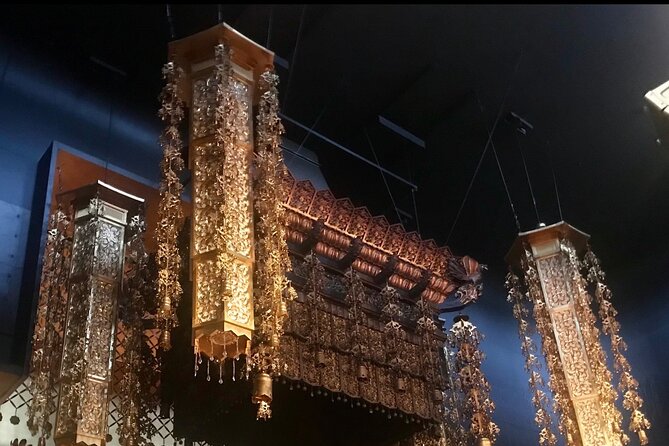
- Fukagawa Edo Museum: Walk through life-sized recreations of streets from the Edo period.
- Traditional sweets: Stop at an old-fashioned shop for a small taste of Japan’s past.
- Kiyosumi Teien: End beside a pond and tea house in one of Tokyo’s classic gardens.
- Small-group setting: The maximum of seven makes it easier to ask questions and stay together.
Why this tour works for understanding old Tokyo
Many Tokyo tours move quickly between major landmarks. This one takes a different path. You spend the morning in the eastern part of the city, where Buddhist worship, Shinto tradition, neighborhood sweets, reconstructed streets, and garden design all fit into one compact route.
That mix matters. A shrine alone tells you about worship. A museum alone shows you how people lived. A sweet shop adds a small taste of daily custom, while the garden gives you a quieter look at Japanese ideas of space and calm. I like the way these pieces support one another rather than feeling like unrelated stops.
The tour starts at Monzen-nakacho Station at 10:00 a.m. and finishes at Kiyosumi Gardens. You are not returned to the starting point, so plan your next activity from the Kiyosumi area. Since the route includes several stops and about four hours of sightseeing, comfortable shoes are a sensible choice.
The small group is one of the strongest features. With a maximum of seven people, your guide can explain details without trying to speak over a large crowd. You also have a better chance to pause for a question or spend a little more time at a stop that interests you.
Other historical tours in Tokyo
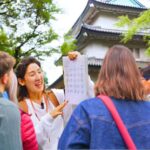
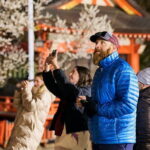
Fukagawa Fudodo and the power of the fire ceremony
The first stop, Fukagawa Fudodo, takes about 1 hour and 20 minutes and includes admission. The centerpiece is a Buddhist fire display connected with Japan’s Edo period.
This is not just a quick look inside a temple. The fire ceremony gives the morning a strong opening, with movement and visual drama that can make religious history easier to grasp. If you have never seen this type of ceremony, it may be the most memorable part of the tour.
Your guide’s role is especially useful here. Religious sites can be difficult to understand if you only glance at the architecture and leave. A guide can explain what you are seeing and place the ceremony within the wider story of Edo-era life.
The stop does require attention and patience. A fire display is more structured than a casual sightseeing visit, and you may spend a good portion of the tour’s first section at the temple. That suits history fans and people curious about Japanese customs, but it may feel slow if you prefer constant movement.
The supplied tour details do not promise a particular ceremony time beyond the morning visit, so the exact presentation may depend on the day. The experience also requires good weather, an important point if the tour includes outdoor walking around the temple area.
Tomioka Hachimangu, founded in 1627
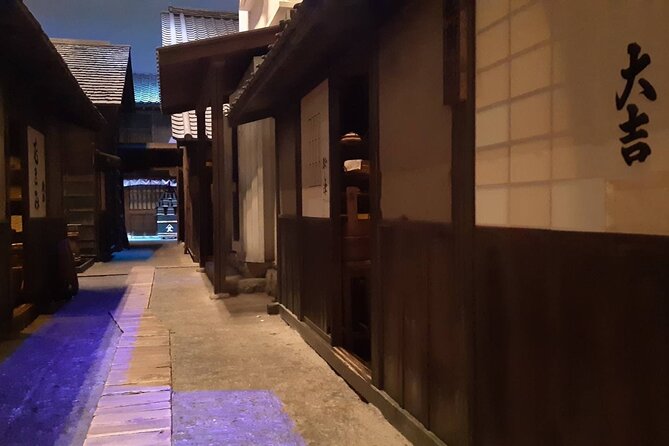
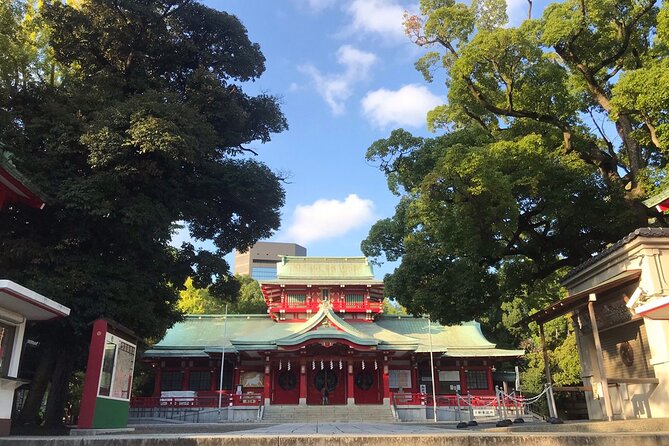
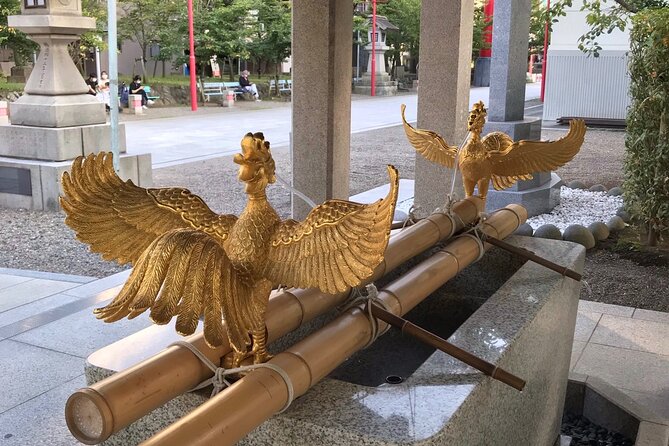
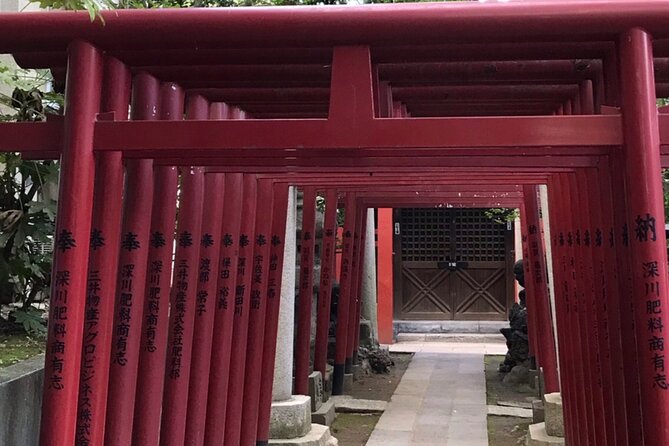
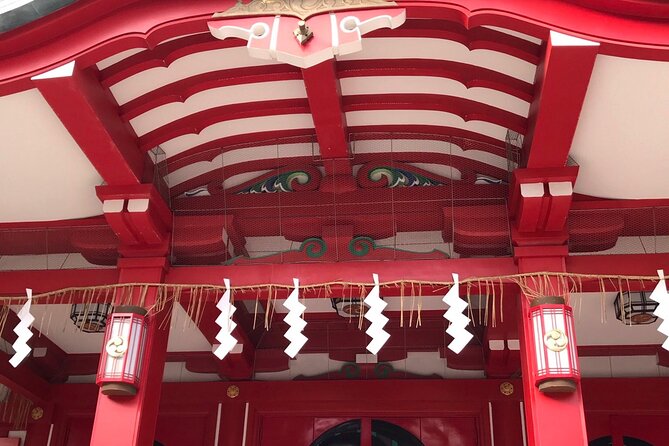
From the Buddhist temple, the tour continues to Tomioka Hachimangu for about 30 minutes. This Shinto shrine dates to 1627 and includes commemorative stones connected with sumo.
That combination makes the stop more interesting than a quick photo break. You get a chance to compare Shinto worship with the Buddhist setting at Fukagawa Fudodo, then see how sumo has a physical place in the shrine grounds through its memorial stones.
Thirty minutes is enough for an introduction without turning the visit into a long formal lecture. I would pay close attention to your guide here, since the value comes less from ticking off a shrine and more from understanding what makes this site different from the temple you have just visited.
The stop should appeal to anyone interested in the layers of Japanese culture. It also gives the morning a change of pace after the fire ceremony. Families may find the sumo connection easier to explain and remember than a long list of dates or architectural terms.
Walking through the Fukagawa Edo Museum
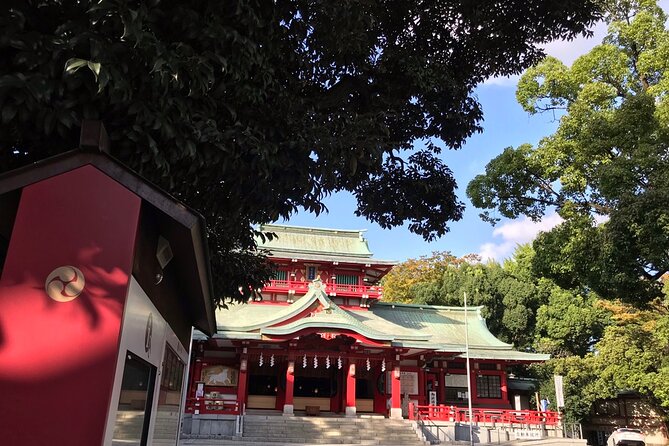
The Fukagawa Edo Museum receives about an hour of the tour. Admission is included in the route, and the main draw is its life-sized recreation of Edo-period streets.
This is where the history becomes physical. Instead of looking at small objects behind glass, you walk among reconstructed buildings and streets that show how a small Japanese neighborhood might have looked. The scale helps you picture daily life in a way that a written description often cannot.
One of the strongest details from the experience is the sense of a small village rather than a grand palace or famous monument. That focus is useful because most people in Edo did not live as samurai or elite officials. The museum points your attention toward ordinary streets and homes, giving the day a human scale.
An hour is a sensible amount of time for this stop. You have enough room to examine the displays and listen to explanations, but the visit does not take over the entire morning. I would consider this the most useful stop for children, too, since life-sized streets are easier to grasp than abstract historical dates.
The itinerary identifies this stop with the Fukagawa Edo Museum, even though the route details also refer to Fukagawa Library. When planning, use the museum name and confirm the meeting instructions supplied after booking if you need extra clarity.
A small taste at the old-fashioned sweet shop
The traditional sweet shop is a short 20-minute stop in Koto. It is not a full meal, and lunch is not included, but it adds an everyday detail that larger attractions often miss.
Traditional sweets can tell you plenty about local habits without requiring a long museum visit. You get a taste of an older style of Japan and a brief pause between the museum and the garden. The stop is also practical for families, since a small edible sample can break up a morning of historical explanation.
Do not book this tour expecting a food tour. The shop visit is brief, and the supplied details do not specify a particular sweet, quantity, or tasting menu. Think of it as a cultural sample rather than breakfast or lunch.
Because the tour begins at 10:00 a.m. and lasts about four hours, you may want to eat before meeting the group or plan lunch after reaching Kiyosumi Gardens. This is one of the few clear drawbacks for anyone hoping for a food-focused outing.


Kiyosumi Teien provides a calm finish
The final stop is Kiyosumi Teien, where you spend about 45 minutes among a classic Japanese garden, a pond, and a tea house. The tour ends at Kiyosumi Gardens rather than back at Monzen-nakacho Station.
This is a smart ending. After the temple ceremony, shrine, museum streets, and sweet shop, the garden gives you time to slow down. The pond and tea house create a visual contrast with the more active first half of the morning.
I like garden visits best when they are not rushed, and 45 minutes gives you a fair chance to take in the setting. You can focus on the arrangement of water, paths, and buildings while your guide explains why the garden matters. The stop also gives you a natural place to take a breath before continuing with your day.
The garden may be the highlight for visitors who want a quieter side of Tokyo. It is also a good reason to book this tour even if you have already seen major temples and shrines elsewhere in the city. The route finishes with atmosphere rather than another crowded attraction.
What the small group changes
A maximum of seven people makes this more personal than a standard city walking tour. You are less likely to lose the guide in a crowd, and questions can be handled without slowing a large party.
Sandra is named as a guide connected with several particularly successful outings. She has been effective with children, using fun facts and a patient approach to keep them interested. That makes this a strong choice for families who want history without forcing children through a long, formal lecture.
A small group also helps at the cultural sites. At a temple or shrine, you may want clarification about a symbol, ritual, or memorial stone. In a group of seven or fewer, asking that question feels natural.
Still, a small group does not mean a private tour. The experience can include people with different walking speeds and interests. The tour description does not promise a private booking, only a maximum group size, so keep your expectations realistic.
Price, timing, and practical value
At $48.99 per person, the tour offers four hours of guiding, admission fees, five distinct stops, and a route that links several types of cultural experience. I consider that fair value if you want context rather than simply directions between sights.
The price is strongest for first-time visitors who might otherwise pass through Koto without understanding what they are seeing. You are paying for the guide’s explanations and the structure of the morning as much as for entry to the sites.
The value is less convincing if you already know the area well or prefer to explore at your own speed. Some of the stops are free, and the sweet shop visit is short. Independent visitors could also visit parts of this route on their own, but they would lose the guided connection between Edo life, religious practice, local customs, and garden design.
All fees and taxes are included. Lunch is not. The tour runs for approximately four hours, starts at 10:00 a.m., and finishes at Kiyosumi Gardens. It is near public transportation, and most people can participate. Service animals are allowed.
You receive confirmation within 48 hours, subject to availability. Free cancellation is available up to 24 hours before the start time. Cancellations or changes made later are not refunded or accepted, and the tour can be moved or refunded if poor weather or an insufficient number of bookings prevents it from running.
Who should book this Edo culture walk
I would recommend this tour to you if you:
- Want historical context for everyday Japanese life
- Prefer a small group over a large bus tour
- Enjoy temples, shrines, museums, food samples, and gardens in one outing
- Are visiting Tokyo with children who need variety
- Have already seen the main central sights and want a different part of the city
- Like having a guide explain cultural differences as you go
It may not suit you if you want a full food experience, a private tour, or a leisurely visit to only one garden or museum. The four-hour route is well filled, so you should expect steady sightseeing rather than a slow morning at one location.
The route also has a clear historical focus. If your priority is modern Tokyo, shopping, nightlife, or pop culture, another tour would serve you better. This experience is about older customs and local places.
Should you book the Edo Tokyo Small-Group Tour?
Book it if you want a compact, well-rounded introduction to Edo-era culture with a guide who can make the subject approachable. The combination of Fukagawa Fudodo’s fire display, Tomioka Hachimangu’s sumo memorial stones, the life-sized museum streets, traditional sweets, and Kiyosumi Teien gives you far more range than a standard shrine walk.
I especially recommend it for families and history fans. Sandra’s patient style with children is a useful advantage, and the small group makes the morning easier to follow. Just plan to eat before or after, wear comfortable shoes, and leave space in your schedule in case weather affects the booking.
FAQ
How long is the Edo Tokyo Small-Group Tour?
The experience lasts approximately four hours.
Where does the tour begin?
The tour begins at Monzen-nakacho Station, at 2 Chome-4 Monzennakacho, Koto City, Tokyo 135-0048, Japan.
Where does the tour finish?
The tour ends at Kiyosumi Gardens, at 3-chōme-3-9 Kiyosumi, Koto City, Tokyo 135-0024, Japan.
What is the maximum group size?
The tour has a maximum of seven people.
Is lunch included?
No. Lunch is not included, although the route includes a short visit to an old-fashioned sweet shop.
Can I cancel for a full refund?
Yes. You can cancel at least 24 hours before the experience starts for a full refund. Later cancellations and changes are not refunded or accepted.
More Historical Tours in Tokyo
More tours in Tokyo we've reviewed









Historical Tours, compared.
 ★ 5.0Tokyo: Imperial Palace and Shogun Historical Walking TourFrom $22
 ★ 4.9Tokyo: Imperial Palace Japanese History Walking TourFrom $32
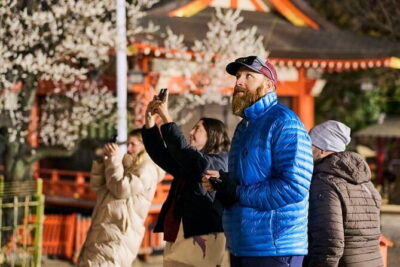 ★ 5.0Tokyo: Shinjuku Historical Walking Tour & Secret BackstreetsFrom $25
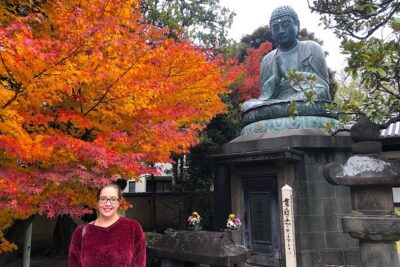 ★ 5.0Yanaka Walking Tour: Historic and Traditional District of TokyoFrom $72
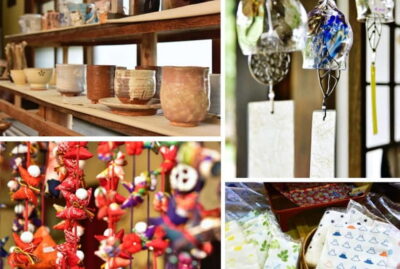 ★ 4.5Mt. Fuji Heritage Tour: Traditional Villages, Lakes & ShrineFrom $5010 hours
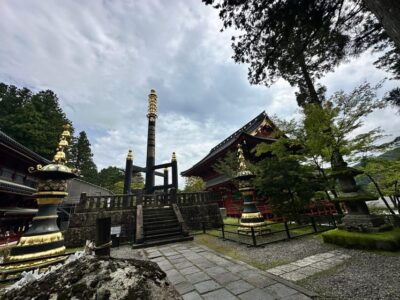 ★ 4.9From Tokyo: Nikko World Heritage Site Private Full-Day TripFrom $4831 day