
Reviewed · GUIDED
Edo Tokyo & Japanese Culture Tour with Government Licensed Guide
Tokyo can feel wonderfully modern and completely puzzling at the same time. This private tour helps you find the older city beneath the towers, tracing Edo, the former name of Tokyo, through palace grounds, sumo culture, traditional food, art, and the scars left by the Great Kanto earthquake.
I like the custom itinerary, which lets you choose three or four sites instead of following a fixed route. I also like the practical help with Tokyo transport. Guides such as Shinji, Kei-san, Andy, and Show have helped visitors read the train system, use an IC card, answer questions, and adjust the day to personal interests.
The main catch is distance. Six hours passes quickly, and sites spread across Tokyo can turn this into a long day of walking and train rides. Entrance fees, meals, and transportation are extra, so the advertised price is only part of your final cost.
In This Review
- Key points at a glance
- Tokyo history works best when you connect the places
- How the six-hour custom format really works
- Imperial Palace grounds and the former Edo Castle
- Ryogoku, where sumo is more than a sporting event
- Hokusai’s art in the Sumida neighborhood
- The Kanto Earthquake Memorial Museum and Tokyo’s recovery
- Lunch at Ryogoku Edo Noren
- Nihonbashi and the old center of Edo
- The Sumida River and the city’s waterways
- Edo-Tokyo Open Air Architectural Museum
- Fukagawa Edo Museum and reconstructed daily life
- What the guide adds to the day
- Price, extra costs, and the value question
- Who should book this Tokyo history tour?
- Should you book it?
- FAQ
- How long does the Edo Tokyo and Japanese Culture Tour last?
- Is the tour private?
- How many sites can I visit?
- Is transportation included?
- Can I enter the Imperial Palace?
- Are museum admission fees included?
- Is lunch included?
Key points at a glance
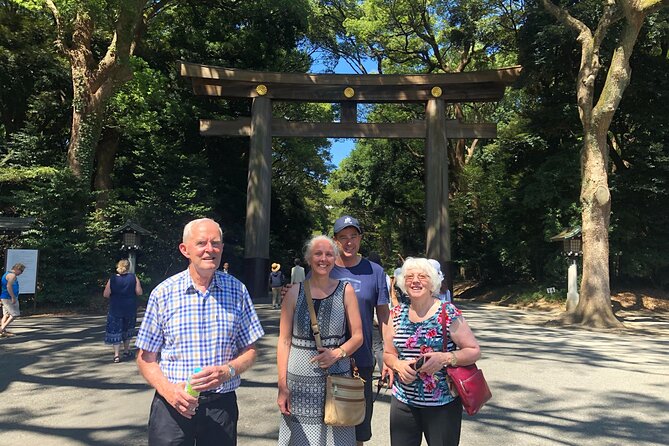
- Choose three or four sites: Shape the day around Edo history, sumo, art, architecture, or disaster recovery.
- Meet a licensed English-speaking guide: Pickup is on foot within a designated area, with no private vehicle included.
- See Tokyo’s past in several forms: Palace grounds, a sumo district, recreated Edo streets, museums, and old Nihonbashi.
- Expect a walking day: Public transport may be used, and you pay the fares yourself.
- Budget for add-ons: Museum admissions, lunch, drinks, and transport are not included.
- Best for history-minded visitors: The tour gives context that is easy to miss when you visit Tokyo’s sights alone.
Tokyo history works best when you connect the places
The strongest idea here is not simply visiting old-looking buildings. It is seeing how Tokyo changed from Edo, a castle town and political center, into a modern capital shaped by fire, earthquakes, war, commerce, and transport.
A guide can connect these pieces as you move around the city. At the Imperial Palace, you see the former site of Edo Castle. In Ryogoku, you meet the world of sumo. At Nihonbashi, you stand near the old starting point of five major roads. At the Kanto Earthquake Memorial Museum, you consider how destruction forced Tokyo to rebuild.
That connection is the real value. Without it, Tokyo’s traditional sites can seem scattered. With it, you begin to understand why the city looks the way it does.
This is a private tour for your group only, not a shared bus outing. That matters because you can tell the guide what interests you and skip subjects that do not. A visitor fascinated by architecture might favor Hokusai and the Edo-Tokyo Open Air Architectural Museum. Someone interested in food and daily life might choose Ryogoku Edo Noren and the Fukagawa Edo Museum.
Other guided tours in Tokyo
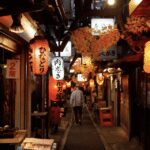

How the six-hour custom format really works
The experience lasts about six hours, although the precise route depends on your choices. You select three or four locations from the available options, then meet your guide on foot within the designated Tokyo pickup area.
The walking requirement deserves attention. You are not collected in a private car, and the tour does not include a private vehicle. Public transport may be used between distant stops, but you pay the fares. Tokyo’s rail and subway network is efficient yet can feel confusing at first, so guide assistance is useful here.
Past visitors have found the transport help especially practical. Show helped one group learn to use an IC card and understand the public transport system. That kind of support can save time for the rest of your trip, not just during this outing.
Still, do not select four far-flung sites casually. One guide apologized after a route ran well over time because the chosen places were too far apart. If you want a calm day, group sites in the same part of Tokyo. If you prefer variety and do not mind a packed schedule, tell the guide that clearly before setting the route.
Imperial Palace grounds and the former Edo Castle
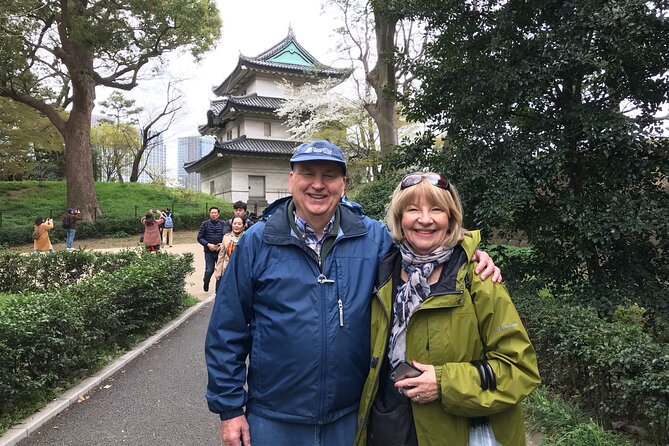
The Imperial Palace stop lasts about an hour and takes you around the broad grounds and moats on the former site of Edo Castle. This is a useful opening because it gives you the political setting for the city that became Tokyo.
You will not enter the inside of the Imperial Palace. That point is important. The attraction here is the surrounding area and the connection to Edo Castle, not an interior palace tour.
I would choose this stop if you want a clear introduction to Tokyo’s political past or if you enjoy wide open public spaces and historic fortifications. I would skip it if you mainly want preserved rooms, palace interiors, or a tightly packed sequence of indoor museums.
An admission fee may apply, and it is not included. Your guide entry fees are covered only for sights listed in the tour’s expected stops, so ask about the exact cost of your chosen route.
Ryogoku, where sumo is more than a sporting event
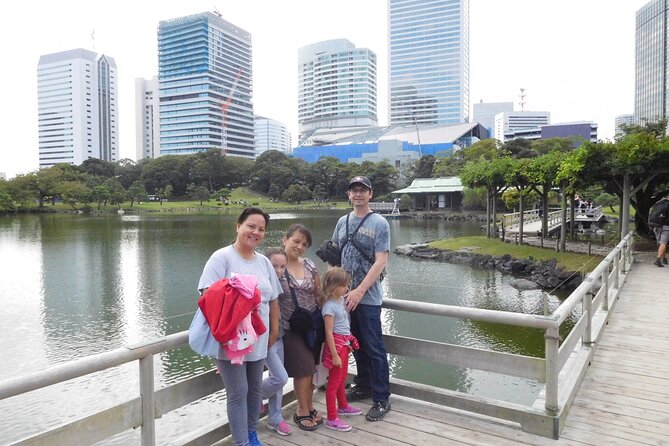
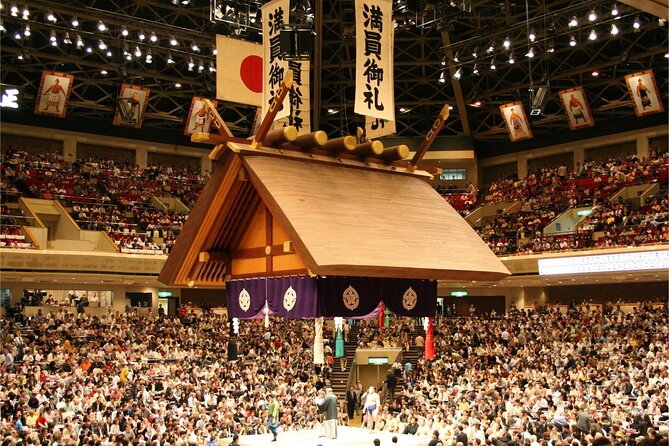
Ryogoku is Tokyo’s sumo district, home to the sumo stadium, sumo stables, chanko restaurants, and other places tied to the sport. The scheduled visit to Ryogoku Kokugikan lasts about 30 minutes and has no admission fee listed.
Even a short stop can help you understand why sumo is woven into local culture. This is not simply a stadium photo opportunity. The surrounding district carries the traditions, food, training culture, and public identity of sumo.
Do not expect a sumo tournament ticket to be included. The tour takes you to the district and stadium area, but the supplied information does not promise admission to a live event or access to a stable.
Ryogoku works well for visitors who want something distinctly Japanese but not limited to temples and shrines. Pair it with the Sumida Hokusai Museum or Ryogoku Edo Noren for a route that stays in the same general area.
Hokusai’s art in the Sumida neighborhood
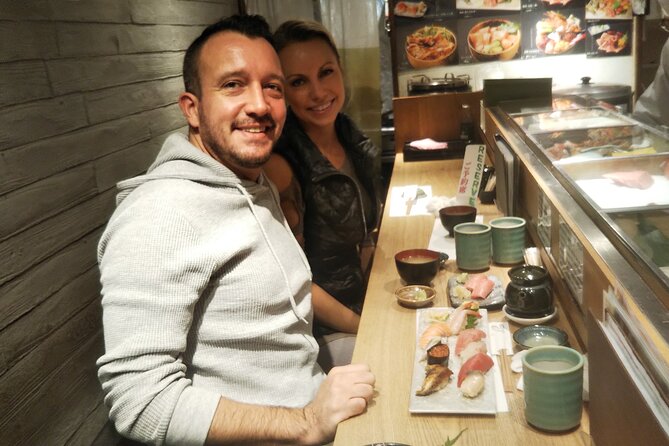
The Sumida Hokusai Museum focuses on Katsushika Hokusai, the ukiyo-e artist known around the world for works such as The Great Wave. The planned visit lasts about 30 minutes, with admission extra.
Half an hour is enough for an introduction, but it is not a long art study. If Hokusai is a major reason you want to visit, speak up when customizing the day. You may need to give this museum more attention and trim another stop.
The museum also adds a local angle. Hokusai is not presented as a distant name from an art textbook. He is linked to the Sumida area, making this a natural partner for Ryogoku and the Sumida River.
I like this stop for visitors who want a break from large historic sites. It offers a focused look at Japanese visual culture, although the extra ticket cost should be added to your budget.

The Kanto Earthquake Memorial Museum and Tokyo’s recovery
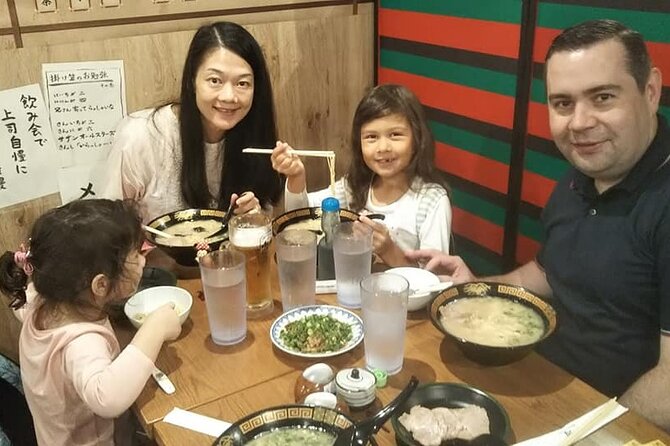
The Kanto Earthquake Memorial Museum gets about an hour, making it one of the more substantial stops. It explains the Great Kanto earthquake and how Tokyo rebuilt afterward.
This is a valuable part of the day because Tokyo’s past is not only about castles, art, and traditional neighborhoods. Disaster has repeatedly shaped the capital. Understanding the earthquake and the rebuilding effort helps explain the city’s modern form and the importance of preparedness in Japan.
The museum may be more serious than the food and sumo stops, so consider your group’s interests. For a history-focused day, I would keep it. For a lighter outing built around food and art, you may prefer another choice.
Admission is not included. The guide can provide context, but the museum itself supplies the exhibits and memorial setting.
Lunch at Ryogoku Edo Noren
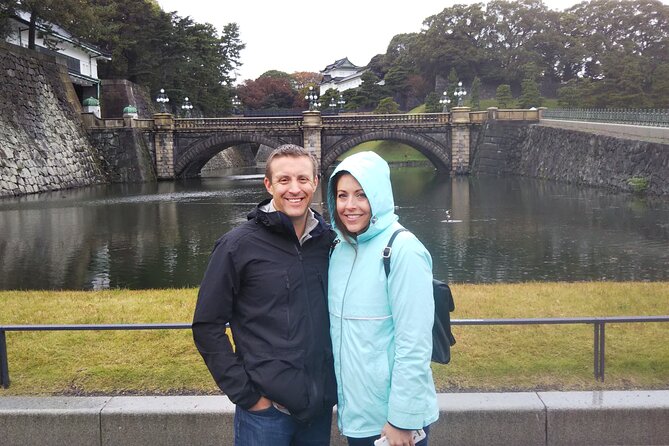
Ryogoku Edo Noren is a food court designed to resemble Edo period Japan. The scheduled time is about 45 minutes, and lunch is your responsibility.
This is a practical place to pause because it combines food with the theme of the tour. You are not just stopping at an ordinary modern restaurant. The setting gives you a visual reminder of the period you are studying.
Do not expect a meal to be covered in the tour price. You also may have limited time if your route includes several distant sites. Tell the guide if lunch matters to you, especially if you want to eat at a relaxed pace rather than fit in a quick meal.
The food court is a good match for a first visit to Tokyo because it gives you a chance to try local dishes without turning lunch into a separate research project. Personal expenses remain extra.
Nihonbashi and the old center of Edo
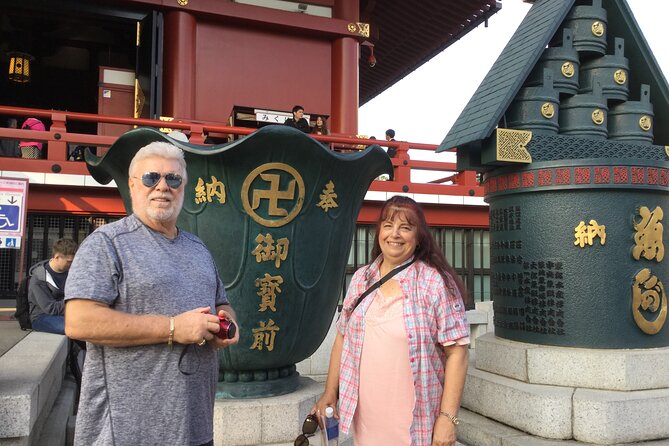
Nihonbashi was once the starting point of five major roads running across Japan. It prospered as the center of Edo, and the area still offers a sense of older Japan amid central Tokyo’s modern development.
There is no fixed time listed for this stop, which is another reason to discuss the route before the day begins. Nihonbashi can serve as a short orientation stop or a longer walk, depending on your interests and the time available.
I would choose it if you want to understand Tokyo as a trading and transport center. The bridge and surrounding district show that the city’s past was not limited to the shogun and the castle. Commerce, roads, river traffic, and everyday movement helped build Edo.
This stop pairs well with the Sumida River, another major waterway tied to Tokyo’s identity. It also gives the guide a chance to explain how the old city expanded and changed.
The Sumida River and the city’s waterways
The Sumida River begins north of central Tokyo and runs eastward through the city. It is one of Tokyo’s best-known rivers and a familiar point of reference for visitors.
A river stop can sound modest on paper, but it helps place several other sites on a map. Ryogoku, Nihonbashi, and the districts along the water make more sense when you see how waterways supported movement and trade.
The information provided does not specify a fixed duration or admission fee for this part of the route. Treat it as a flexible outdoor stop, not a formal museum visit. Weather can affect the experience, and you should be ready for changes if rain or poor conditions make outdoor walking less pleasant.
Edo-Tokyo Open Air Architectural Museum
The Edo-Tokyo Open Air Architectural Museum offers an off-the-beaten-track look at Japanese culture. It was established by the Tokyo Metropolitan Government in 1993 and is located in western Tokyo.
The suggested visit is only 15 minutes, with admission extra. That is a very short window for an open-air museum, especially if you want to examine buildings carefully. I would ask the guide how much time is realistic before choosing it.
This stop makes the most sense for people who care about buildings, streets, and the physical details of daily life. It offers a different kind of history from the palace or earthquake museum. Instead of focusing mainly on events, it lets architecture show how people lived and worked.
Its western Tokyo location also creates the biggest route-planning issue. Pairing it with eastern Tokyo sites such as Ryogoku, Nihonbashi, and Fukagawa may create a long transport day. Choose it for the subject, not because it can be casually added to everything else.
Fukagawa Edo Museum and reconstructed daily life
The Fukagawa Edo Museum recreates an entire Edo-era neighborhood, including streets, houses, and shops. The scheduled visit lasts about 30 minutes, with admission extra.
This may be the most direct way to picture ordinary life during the Edo period. The Imperial Palace explains power. Fukagawa helps you imagine the homes, businesses, and streets of the people who made the city function.
A recreated neighborhood can also be easier to grasp than displays of objects behind glass. You can see how the parts of a district fit together, which gives the guide useful material for explaining work, trade, and everyday routines.
Thirty minutes provides an introduction, not a slow inspection. If daily life interests you more than famous landmarks, consider making Fukagawa one of your main three or four choices.
What the guide adds to the day
A licensed local English-speaking guide is included, and the guide is the heart of the experience. The strongest practical benefit is not just facts. It is having someone help you move through Tokyo, explain local customs, and adjust the day when your interests change.
Shinji has tailored routes to what a group wanted and communicated clearly before the tour. Kei-san has been praised for his eye for architecture and aesthetics, as well as his ability to discuss Japanese history and philosophy. Andy has patiently handled questions, then researched answers and sent follow-up messages afterward.
These details suggest that guide style may vary, so share your interests early. Ask for architecture, sumo, art, food, disaster history, or transport help rather than simply requesting the main sights. The more specific you are, the easier it is to make six hours work for you.
The group size is private, which gives you room to ask questions and change pace. You cannot combine multiple tour groups, so this is not a way to merge separate bookings into one larger party.
Price, extra costs, and the value question
At $154.37 per person, the tour is not a budget sightseeing walk. Its value depends heavily on group size and how well you use the guide.
For one person or a couple, the price may feel high once you add museum admissions, train or subway fares, lunch, and personal expenses. For a private group, the cost can make more sense because you are paying for a dedicated guide rather than a fixed group schedule.
I would judge the price by the planning help as much as the sightseeing. Tokyo’s transport system can be bewildering at first, and the guide may help you learn to use an IC card and move around with more confidence later. That is useful beyond the six-hour tour.
The best value comes from a focused route of three or four nearby sites. A rushed attempt to cover every listed place gives you less time at each one and may extend the day because of long transfers.
Who should book this Tokyo history tour?
I would recommend it to first-time Tokyo visitors who want a historical frame for the city, especially those who enjoy asking questions and shaping their own day.
It also suits families or private groups with mixed interests. One person can focus on sumo, another on Hokusai, and another on architecture, as long as the route remains practical.
History enthusiasts will get the most from the Imperial Palace grounds, Kanto Earthquake Memorial Museum, Nihonbashi, and Fukagawa Edo Museum. Art lovers should consider Hokusai. Food-minded visitors may prefer Ryogoku Edo Noren. Architecture fans should ask carefully about the western Tokyo open-air museum and allow enough time.
I would not choose this experience if you want a private car, included admissions, a fixed schedule, or access inside the Imperial Palace. It is also a poor fit if you dislike walking or want to see many distant neighborhoods without spending time on public transport.
You can cancel for a full refund up to 24 hours before the local start time. Last-minute cancellations and changes are not accepted. Most people can participate, service animals are allowed, and the meeting arrangement is near public transportation.
Should you book it?
Book this tour if you want Tokyo’s past explained as you move through the real city, and if you value a guide who can help with both history and transport. The best plan is to choose three or four sites in one broad area, carry local money for fares and food, and be clear about your priorities before the day begins.
Skip it if you mainly want an Imperial Palace interior visit, a private vehicle, or included tickets. For the right visitor, the private format and thoughtful route planning make the $154.37 price worthwhile. For an overpacked route, the same price can buy a tiring day with too little time at each stop.
FAQ
How long does the Edo Tokyo and Japanese Culture Tour last?
The tour lasts approximately six hours.
Is the tour private?
Yes. Only your group participates, and multiple separate tour groups cannot be combined.
How many sites can I visit?
The tour includes a customizable selection of three or four sites from the available locations.
Is transportation included?
No. This is primarily a walking tour, and public transport may be used. You pay all transportation costs yourself.
Can I enter the Imperial Palace?
No. The tour does not include access inside the Imperial Palace. The visit focuses on the palace grounds and the former site of Edo Castle.
Are museum admission fees included?
No. Entrance fees are extra. Guide entry fees are covered only for sights listed under the tour’s expected locations.
Is lunch included?
No. Lunch and other personal expenses are not included. Ryogoku Edo Noren is available as a possible food stop, with its Edo-style food court setting.
More Guided Tours in Tokyo
More tours in Tokyo we've reviewed






Guided, compared.
 ★ 5.0Tokyo 6hr Private Tour with Government-Licensed GuideFrom $155
 ★ 4.9Tokyo: Shinjuku Local Bar and Izakaya Guided Walking TourFrom $343 hours
 ★ 4.8Tokyo: Private City Highlights Tour with Local GuideFrom $1064 - 8 hours
 ★ 4.9Tokyo: Tsukiji Fish Market Guided Walking TourFrom $222 hours
 ★ 5.0Tokyo 4hr Private Tour with Government-Licensed GuideFrom $109
 ★ 5.0Tokyo Guided Small-Group Biking TourFrom $106