
Reviewed · MT FUJI DAY TRIPS
Full Day Tour at Mt. Fuji, Onsen, Lake Kawaguchi and Yamanaka
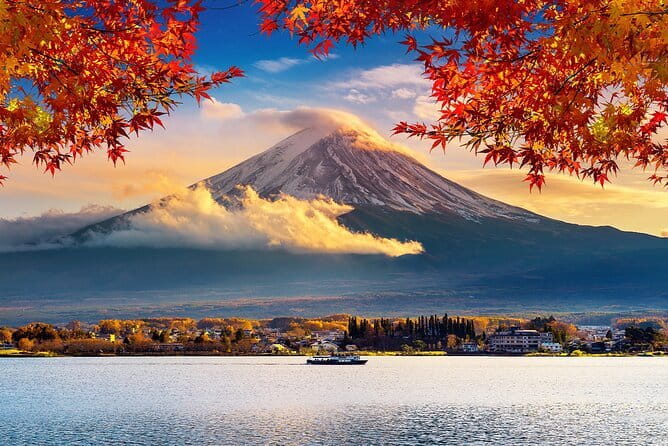
The big draw here is simple: one long day links several famous Fuji sights without asking you to rent a car or puzzle out rural bus connections. You get mountain viewpoints, lakeside time, and a choice of a swan boat or hot spring at Lake Yamanaka.
I like the low price of $49.97, especially for round-trip transport, a driver, a guide, and bottled water. I also like the seasonal plan: you visit Mt. Fuji’s 5th Station from April 26 through September 30, then switch to Arakurayama Sengen Park from October 1 through April 25 for a classic pagoda-and-Fuji view.
The catch is that this is not always the intimate private outing the opening description suggests. The practical details describe a shared group tour with up to 40 people, and some departures use carpooling or an older van. Traffic can also shorten stops and push your return past 8 p.m.
In This Review
- Key points before you book
- Why this 10-hour Fuji trip makes sense from Tokyo
- Arakurayama Sengen Park and the famous Fuji view
- Mt. Fuji 5th Station from April through September
- Lake Kawaguchi: an hour by the water
- Lake Yamanaka and the one-choice finish
- The ride, group size, and guide experience
- Traffic can reshape the whole day
- What to bring and how to plan the day
- Who will get the most value from this trip?
- Should you book the Mt. Fuji day tour?
- FAQ
- How long does the tour last?
- Does the tour visit Mt. Fuji’s 5th Station all year?
- Is the tour private or shared?
- What is included in the price?
- Are boat rides and the onsen included?
- Can I take the boat and visit the onsen at Lake Yamanaka?
- Are tattoos allowed at the onsen?
- What happens if I need to cancel?
Key points before you book
- Fuji access changes by season: The 5th Station is used from April 26 to September 30; Arakurayama Sengen Park replaces it from October 1 to April 25.
- Lake Yamanaka offers one choice: You can take the swan-shaped boat or visit the onsen, but not both.
- The $49.97 price is strong value: Transport and guiding are included, while boat, onsen, festival, and lunch costs extra.
- Guiding quality can vary: Damon, BC, Mario, and Laner are among the named guides praised for being friendly and helpful, but one report describes very little commentary.
- Build in a late return: Weekend and holiday traffic may push arrival back beyond 8 p.m.
- Fuji views are never guaranteed: Clouds can hide the mountain, even on a well-planned day.
Why this 10-hour Fuji trip makes sense from Tokyo
Mount Fuji is easy to admire from Tokyo and much harder to visit well on your own. The best viewpoints are spread around the Fuji Five Lakes and nearby mountain towns. Public transport can work, but the connections take planning, and a taxi for the full day would cost far more than this tour price.
This outing handles the basic transport in an air-conditioned vehicle. Pickup and drop-off are provided from a designated meeting point, and you receive bottled water. The tour is listed at about 10 hours, giving you a full day outside the city rather than a rushed half-day glimpse.
At $49.97 per person, I see the value mainly in the driving. You are paying for access to a wide area, not for admission to a long list of attractions. The vehicle, professional driver, multilingual guide, and return transport are included. Lunch is not, and optional activities cost about $8 each.
There is one important point to clear up before you pay. The experience is described in one place as private and suitable for groups of up to 10, but the additional details describe a shared tour with as many as 40 people. Some feedback also refers to carpooling and an older van with tight legroom. If you expect a private car, ask the operator to confirm the vehicle and group size.
A few more Tokyo tours and experiences worth a look
Arakurayama Sengen Park and the famous Fuji view
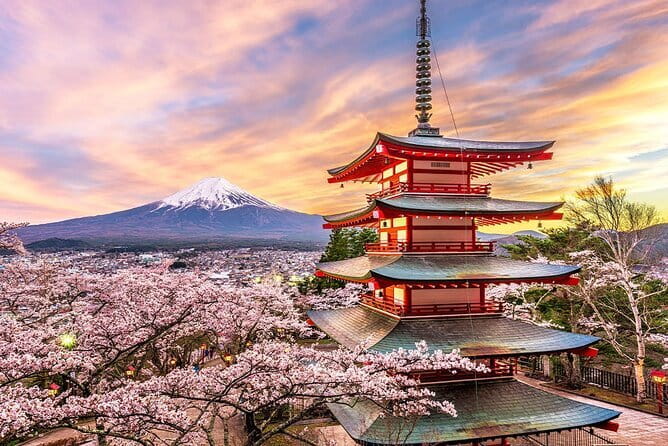
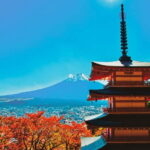
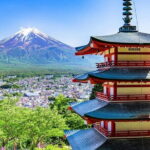
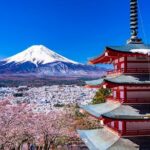
From October 1 through April 25, the first major stop is Arakurayama Sengen Park. The park has become famous for its view of a five-story pagoda with Mt. Fuji behind it, making it one of the most recognizable photo scenes in the region.
You have about one hour here, with no admission charge. That sounds generous, but the viewpoint involves a climb, so the time is not the same as an hour spent strolling on flat ground. If you have limited mobility or simply want an easy morning, ask how much walking is involved before setting out.
This is the photo-first stop of the seasonal plan. On a clear day, you can frame the red pagoda, wooded slopes, and Fuji in one shot. On a cloudy day, the pagoda remains, but the main subject may disappear. Bring patience and a phone or camera with enough storage, since the view changes as you move around the park.
The park is used only during the cooler half of the year. That seasonal change is not a minor detail. If you book in spring or autumn, check the exact date because the operator switches between Arakurayama and the 5th Station on April 26 and October 1.
Mt. Fuji 5th Station from April through September
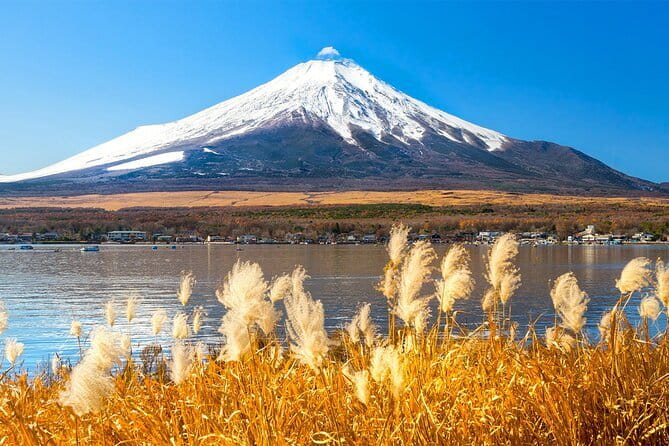
During the warmer season, the tour goes to Mt. Fuji’s 5th Station instead. At an elevation of 2,305 meters, this is roughly halfway up Japan’s highest mountain and provides a very different experience from Arakurayama.
You have about 40 minutes, so this is a short stop. The higher elevation can bring cooler conditions, and the weather may differ from Tokyo or the lakes below. A light layer is sensible, even if the day begins warm in the city.
The 5th Station is not the mountain summit. It is a stopping point with views toward the upper slopes and surrounding area. That distinction matters, since you should not expect a hiking day or a climb toward the peak. The attraction here is quick access by road and a chance to see Fuji from high on the mountain.
The stop works best when the summit is visible. Clouds can block the upper mountain, and the tour cannot control that. I would treat the 5th Station as a useful bonus rather than the sole reason to book. The wider day gives you several other scenic places if Fuji hides.
Lake Kawaguchi: an hour by the water
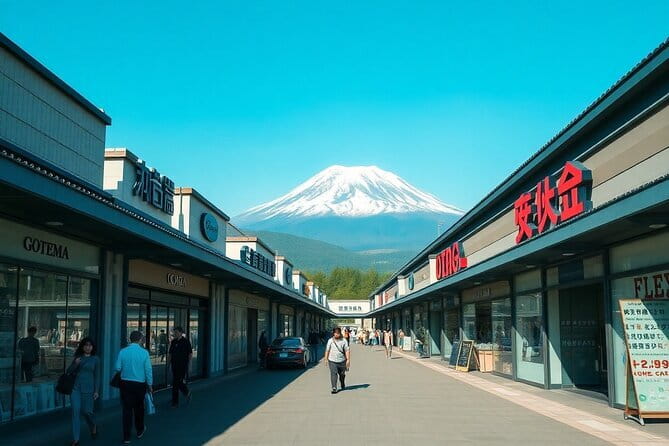
Lake Kawaguchi is the largest of the Fuji Five Lakes and gets about one hour in the schedule. The stop may include time around Oishi Park, a popular place for seasonal flowers and views toward Fuji.
The exact seasonal attraction can change from year to year. Cherry blossoms, other flowers, and the Fuji Shibazakura Festival may line up with your date, but you should not assume that a particular display will be at its peak. The festival has a separate entrance fee of about $8 per person.
Lake Kawaguchi gives the day a slower rhythm after the first mountain stop. You can walk, take photographs, and look for places to buy food or small items. A boat ride is available in the area, but it is not included in the tour price. The listed boat ticket costs about $8 per person.
One hour is enough to get a taste of the lake, not enough for a full circuit or an unhurried afternoon. I would keep your expectations in line with the schedule. If you prefer long walks, quiet cafés, or extended time at one viewpoint, this tour may feel too fast. If you want several separate sights in one day, the short stop is part of the appeal.
Lake Yamanaka and the one-choice finish
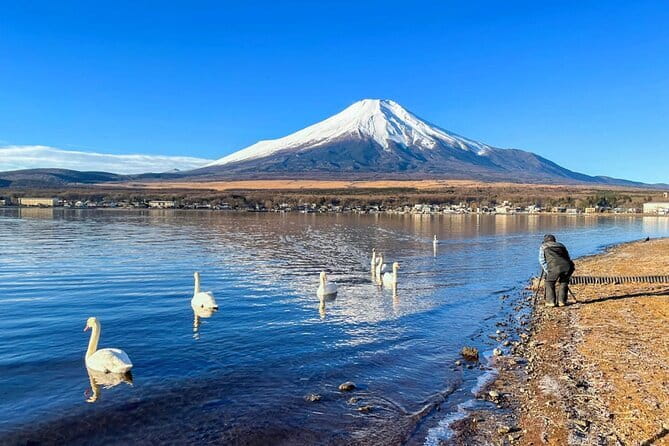
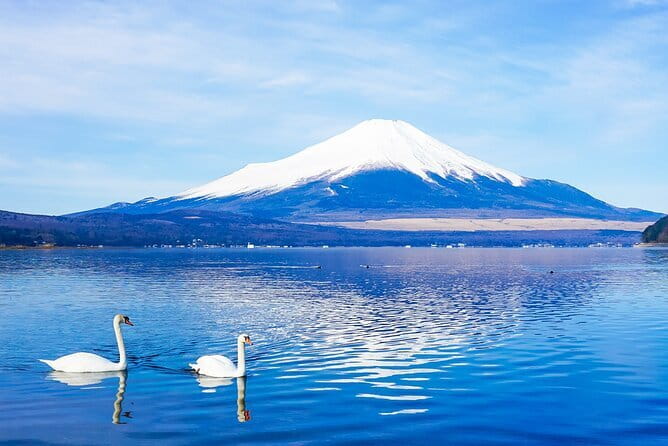
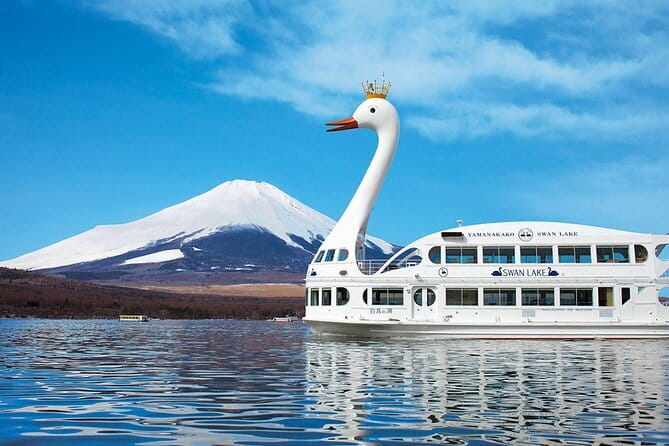
The last stop is Lake Yamanaka, known as Swan Lake because swans visit during winter. You have about one hour and 10 minutes here, with a choice between a scenic swan-shaped boat cruise and an onsen visit.
You cannot do both. Time limits require you to pick one, so decide in advance based on the kind of day you want. The boat ticket costs about $8 per person. The onsen ticket also costs about $8.
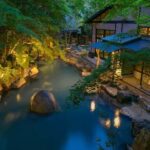
The boat is the more sightseeing-focused choice. It gives you time on the water and a different angle on the lake. The onsen is the better fit if your legs are tired after a full day of stops and driving. It is a practical way to end the outing, but remember that Japanese hot springs have tattoo rules.
A small tattoo may be covered with a tattoo sticker if it is smaller than a palm and there is only one. Large tattoos are not permitted in the hot spring. If you are unsure, ask before choosing the onsen, since the schedule does not allow time to switch to the boat afterward.
A few more Tokyo tours and experiences worth a look
The ride, group size, and guide experience
The vehicle is air-conditioned, and someone else handles the roads. That is a major benefit around Fuji, where traffic and winding routes can make a self-drive day tiring. Bottled water is included, but lunch is not, so bring cash and plan to buy food during the day.
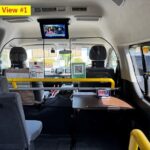
The vehicle situation deserves close attention. The tour offers several vehicle sizes for families and larger groups, but the practical information also calls it a shared group trip with a maximum of 40 people. One account describes an older van with limited legroom, especially for anyone over 5 feet 8 inches. If comfort matters to you, confirm the vehicle type rather than assuming a spacious private minivan.
The guide is meant to provide explanations in multiple languages. The strongest guide names attached to this departure are Damon, BC, Mario, and Laner. Damon is described as organized, fun, and helpful, while BC is noted for humor and care. Mario is described as friendly, and Laner is praised for helping with photographs and explaining different points along the way.
Still, guiding may not always mean a full history lesson. One account describes a driver who spoke only a few English words and offered little information about Fuji or local culture, though he helped with photos. If you want detailed interpretation, confirm the language support and guide arrangements before booking.
The day is designed for light sightseeing rather than hard exercise. You get time at each major stop, but you also spend many hours in the vehicle. That suits families, older adults, and anyone who walked heavily around Tokyo the day before. It may frustrate you if you want long hikes or a slow stay at one lake.
Traffic can reshape the whole day
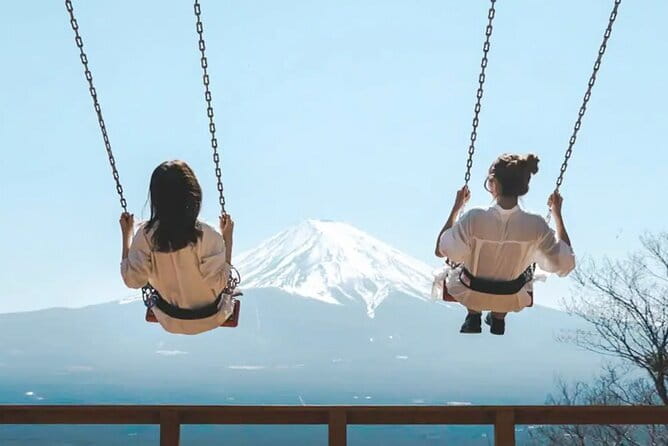
Fuji is a popular day trip from Tokyo, and roads can slow badly on weekends, holidays, and peak blossom periods. The return may come after 8 p.m., even though the planned duration is about 10 hours.
Traffic can also shorten, adjust, or cancel a stop. That is a real risk, not a minor footnote. Do not book a late train, airport transfer, dinner reservation with a strict cancellation fee, or evening show after this outing.
The schedule works best when you treat it as a flexible route rather than a promise of equal time at every place. On a smooth day, you may get the planned hour at each lake. On a difficult day, the guide may need to move the group along. The operator says it will cover overtime costs for the guide and driver, but that does not restore time lost at a viewpoint.
Arrive 15 minutes early at the meeting point. The guide carries a yellow flag with the Gogoday logo, and you identify yourself with the name used when booking. Late arrivals and no-shows do not receive a refund.
The operator cannot see your email address through the booking platform, so send it after booking. An email is expected around 9 p.m. the night before with the guide, driver, and vehicle license plate. Check your inbox carefully, then compare the plate at pickup.
What to bring and how to plan the day
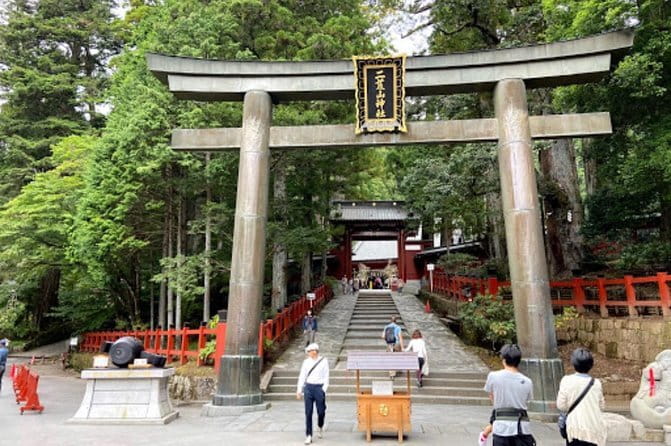
Bring cash. Some sights, restaurants, and other places in the Fuji area may not accept cards. You will need extra money if you want the boat, onsen, or Fuji Shibazakura Festival.
Pack a light layer for the 5th Station season, comfortable shoes for Arakurayama, and a phone or camera. Weather changes quickly around the mountain, and clear skies are never guaranteed. Fuji may appear for only a few minutes, so keep your camera ready.
Do not build the day around a single photograph. Arakurayama is ideal for the pagoda view, the 5th Station offers high mountain access, and the two lakes provide different angles and activities. The variety protects the day from one disappointing cloud bank.
The tour has mobile ticketing and confirmation at booking. Most people can participate, and the meeting point is near public transport. The exact pickup details matter, so read the final email and use the product gallery’s last two images to identify the meeting point.
Who will get the most value from this trip?
I would recommend this tour to you if you want to see several Fuji-area highlights without renting a car. It also suits families, larger groups, and anyone who values a seated ride between stops more than long stretches of independent exploring.
The price is especially attractive for a group. Transport alone can be costly across this wide area, and the tour brings together mountain access, two lakes, and an optional activity for under $50 before extras.
I would be cautious if you need a guaranteed private vehicle, generous legroom, or a detailed English-language lecture. The shared format, possible carpooling, variable vehicle comfort, and uneven guide commentary make this less predictable than a small private tour.
I would also skip it if your schedule cannot absorb a late return. The route is far enough from Tokyo that traffic can affect the whole afternoon. You gain convenience, but you give up control.
Should you book the Mt. Fuji day tour?
Book it if your priority is maximum coverage at a low price. You can see a seasonal Fuji viewpoint, Lake Kawaguchi, Lake Yamanaka, and choose between a boat and an onsen without arranging rural transport yourself.
Before booking, confirm whether your departure is shared or private, ask about vehicle space, and send your email so you receive the guide and license-plate details. Choose the onsen only if you meet the tattoo rules, and keep your evening free.
The strongest version of this day comes with clear skies, light traffic, and a friendly guide such as Damon, BC, Mario, or Laner. The weakest version involves a cramped van, limited commentary, and long traffic delays. At $49.97, that tradeoff can be worthwhile, as long as you value convenience and variety more than comfort and a slow pace.
FAQ
How long does the tour last?
The tour lasts about 10 hours, though weekend and holiday traffic may delay the return beyond 8 p.m.
Does the tour visit Mt. Fuji’s 5th Station all year?
No. The 5th Station is visited from April 26 through September 30. From October 1 through April 25 of the following year, the tour visits Arakurayama Sengen Park instead.
Is the tour private or shared?
The experience is described as private in the main description, but the additional details describe a shared group tour with a maximum of 40 people. Confirm the arrangement and vehicle size before booking.
What is included in the price?
The price includes an air-conditioned vehicle, pickup and drop-off from a designated point, a multilingual guide, a professional driver, and bottled water.
Are boat rides and the onsen included?
No. The boat ticket costs about $8 per person, and the onsen ticket costs about $8 per person. Lunch is also not included.
Can I take the boat and visit the onsen at Lake Yamanaka?
No. Because of time limits, you must choose either the swan-shaped boat ride or the hot spring experience.
Are tattoos allowed at the onsen?
A tattoo smaller than a palm may be covered with a tattoo sticker if it is the only tattoo. Large tattoos are not permitted in the hot spring.
What happens if I need to cancel?
You can receive a full refund if you cancel at least 24 hours before the experience start time. Cancellations or changes made less than 24 hours before the start are not refunded or accepted.
More Full-Day in Tokyo

More Spa & Hot Springs in Tokyo
More Mt Fuji Day Trips in Tokyo
More tours in Tokyo we've reviewed







Mt Fuji Day Trips, compared.
 ★ 5.0Mt Fuji and Hakone 1-Day Bus Tour Return by Bullet TrainFrom $163
 ★ 4.0Mt Fuji & Hakone Cruise, Drum Show Bullet Train 1 Day from TokyoFrom $149
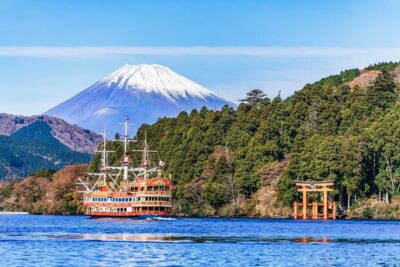 ★ 4.4Tokyo Mt Fuji 5th St & Hakone Cruise Bus Tour w/Bullet TrainFrom $15410 hours
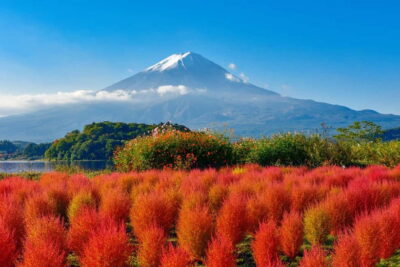 ★ 4.5From Tokyo: Mount Fuji Full-Day Sightseeing TripFrom $6810 hours
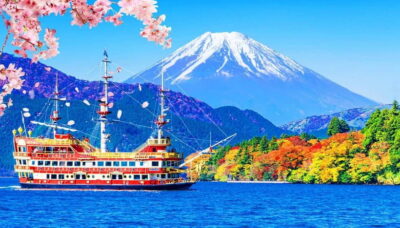 ★ 4.7Tokyo: Mt. Fuji Tour, Hakone Ropeway, Owakudani, Lake AshiFrom $5410 hours
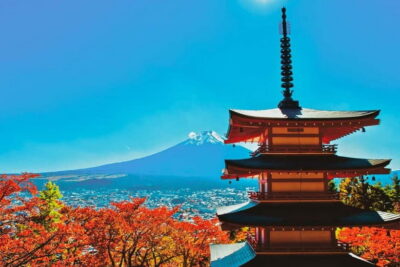 ★ 4.4Tokyo:Mt.Fuji,Kawaguchiko Oishi Park,Arakurayama Sengen ParkFrom $5410 hours