
Reviewed · CITY TOURS
Tokyo City Attractive One Day Tour
Tokyo is easiest to grasp from a moving car, and this private day tour gives you a useful first look at both old and new Tokyo. In one long day, you move from the temple lanes of Asakusa to the neon rush of Shibuya, with food, gardens, shrines, and observation towers in between. I like the private format and the hotel transfer convenience, especially if this is your first day in Japan.
I also like the range. Sensoji and Meiji Jingu show two very different sides of Japanese religious life, while Tsukiji adds a welcome taste of everyday food culture. The main concern is pace: nine stops in about nine hours leaves limited time at each one, and the two tower admission fees are extra.
- Sensoji and Nakamise: Begin with Tokyo’s oldest temple and its long lane of shops.
- Two tower options: See Skytree and Tokyo Tower, but budget separately for their observation decks.
- Tsukiji food stop: Browse small portions of sushi, egg rolls, and other Japanese foods.
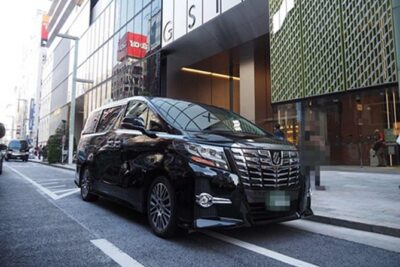
- Private vehicle: Avoid piecing together several train rides during a packed day.
- Modern Tokyo in one sweep: Shibuya, Hachiko, Harajuku, and Meiji Jingu create a strong contrast.
- Driver-guide arrangement: The driver serves as the guide, so set your expectations clearly before booking.
In This Review
- A fast first look at Tokyo’s many faces
- What $500 means for your group
- Sensoji and Nakamise: Tokyo’s oldest temple setting
- Tokyo Skytree: a high view with an extra ticket
- Tokyo Tower and the story of postwar Tokyo
- Tsukiji Outer Market: the best place to spend your food budget
- Shinjuku Gyoen: an hour of quiet in the city
- Meiji Jingu: forest paths and modern imperial history
- Harajuku and Takeshita Street: youth culture in one hour
- Shibuya Crossing and Hachiko: Tokyo’s famous meeting point
- The driver-guide question you should settle early
- Timing, comfort, and the limits of nine hours
- Who should book this Tokyo day tour
- Should you book it?
- FAQ
- How long does the Tokyo City Attractive One Day Tour last?
- How much does the tour cost?
- Where does the tour begin and end?
- Are Tokyo Skytree and Tokyo Tower tickets included?
- Is lunch included?
- Is this a private tour?
A fast first look at Tokyo’s many faces
This is not a slow, single-neighborhood walk. It is a broad survey of Tokyo, built for someone who wants to see the major names in one day and decide where to return later.
The schedule includes roughly an hour at most major stops, with 30 minutes at Shibuya Crossing and Hachiko. That sounds short, but it is enough to get a feel for each place, take photographs, and hear basic background before moving on. The vehicle matters here. Tokyo is huge, and crossing the city several times by train can eat into a one-day plan.
The tour begins and ends at The Tokyo Station Hotel. Pickup is offered, but the stated meeting point is the hotel, so confirm the exact arrangement before the day starts. You receive a private vehicle, an air-conditioned ride, private transportation, and a hotspot on board.
What $500 means for your group
The listed price is $500 per group of up to five people. At full capacity, that works out to $100 per person before food and tower tickets. For a couple, the per-person price is much higher, but the calculation changes if you value a private vehicle, a flexible pace, and a guide who stays with your party.
The price does not include lunch or dinner. You should also allow about $12 per person for Tokyo Skytree and $7 per person for Tokyo Tower if you want to go up. The wording around the tower tickets is repeated in the inclusions section, so I would treat both observation decks as extra costs.
This is a better buy for a family or group of friends than for a solo visitor. Five people sharing one private booking can make the cost reasonable, especially when compared with arranging separate taxis or paying for several private transfers. If you are comfortable using Tokyo’s excellent rail network and prefer to spend a full day in one district, you may get more from a cheaper walking or transit-based plan.
Other city tours we've reviewed in Tokyo


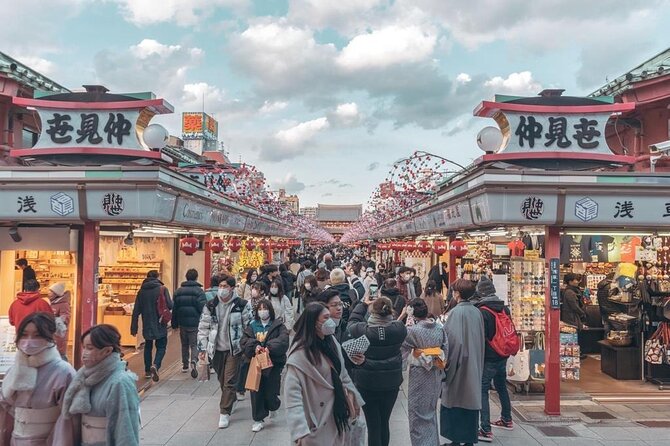
Sensoji and Nakamise: Tokyo’s oldest temple setting
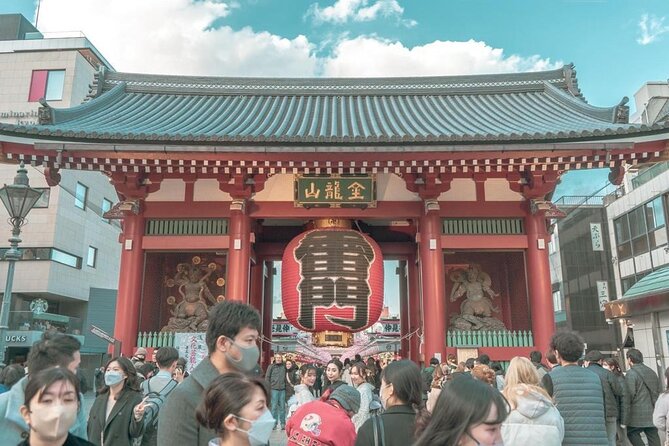
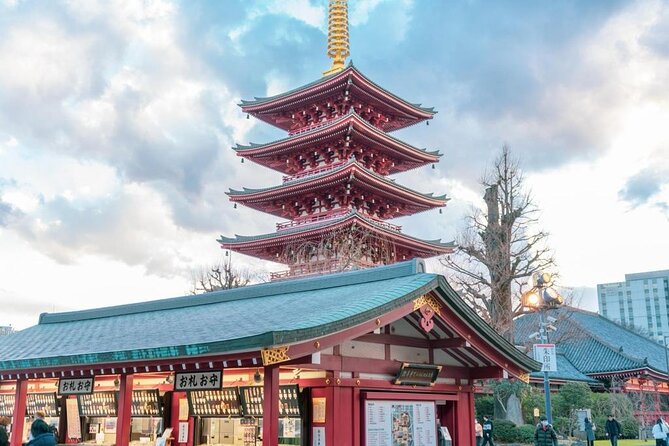
Your first major stop is Sensoji in Asakusa, also called Asakusa Kannon Temple. The temple’s story reaches back to 628, when two brothers reportedly pulled a statue of Kannon, the goddess of mercy, from the Sumida River. The statue kept returning when they put it back, leading to the temple’s construction nearby.
Sensoji was completed in 645, making it Tokyo’s oldest temple. You enter through a lively approach and walk along Nakamise, a shopping street more than 200 meters long. It leads toward Hozomon, the temple’s second gate, and sells Japanese souvenirs along with snacks and small gifts.
You have about an hour here. That is enough for a first visit, but not enough to inspect every shop or linger at length. I would use this stop to take in the temple approach, learn the basic story, and save shopping for the end of the day if your schedule allows.
Tokyo Skytree: a high view with an extra ticket
Skytree rises 634 meters and has observation decks at 350 and 450 meters. It is the taller of Tokyo’s two tower stops and gives you a different sense of the city’s scale.
The tower is part of Tokyo Skytree Town, which includes the Solamachi shopping complex, restaurants, retail shops, an aquarium, a Postal Museum, a display of robot technology, and a center showing local crafts. You are allotted about an hour, and the observation deck admission is not included.
One practical point matters here: an earlier booking experience specifically noted long lines and wished the tour time at Skytree had been clearer for arranging an advance ticket. That is useful advice. Ask before departure when you expect to arrive, then decide if an advance ticket fits the plan. A tower visit can use more than the scheduled hour if queues are heavy.
If you do not want to pay for the deck, Skytree Town still gives you a place to walk, eat, or shop. But with only an hour, you will need to choose rather than attempt every attraction in the complex.
Tokyo Tower and the story of postwar Tokyo
Tokyo Tower is 333 meters high and was completed in 1958. It was the country’s tallest structure until Skytree passed it in 2012. Its design recalls the Eiffel Tower, though Tokyo Tower is three meters taller than its model.
The tower is more than a lookout. It became a symbol of Japan’s postwar recovery and served as a broadcast antenna. That background gives this stop a useful purpose: Skytree represents modern engineering and a newer Tokyo, while Tokyo Tower connects you with the city’s postwar growth.
You have about an hour, but the observation deck ticket costs an additional $7 per person. Since Skytree also carries a separate fee, consider choosing one tower rather than automatically paying for both. Seeing both from the ground can still be worthwhile, especially if you want more time at Tsukiji or Harajuku.
Tsukiji Outer Market: the best place to spend your food budget
Tsukiji Outer Market is described as Japan’s Food Town, and this is likely the most hands-on stop of the day. The streets combine wholesale and retail shops with restaurants, offering traditional Japanese foods and smaller portions designed for casual sampling.
The market originally served professional buyers, so some goods were sold in sizes too large for a household. More shops now sell directly to the public. You might find ready-to-eat sushi in smaller servings, along with bite-sized egg rolls and other items that are easy to try without committing to a full meal.
Lunch is not included, so this is the natural place to buy food. Bring a separate budget and remember that the one-hour stop is not a leisurely restaurant meal. If you want to sample several foods, keep moving and choose small portions. If you prefer a proper lunch, ask how much time the driver can allow without disrupting the rest of the day.
A few more Tokyo tours and experiences worth a look


Shinjuku Gyoen: an hour of quiet in the city
Shinjuku Gyoen gives the day a needed pause. The park has broad lawns, walking paths, and calmer scenery near Shinjuku Station. In spring, it is one of Tokyo’s better places for cherry blossoms.
You have about an hour here, which works well for a walk and a reset after the market and towers. It is also one of the stops most affected by the season. Cherry blossom timing can make the garden especially appealing, but the park remains useful when flowers are not in bloom because it provides open space in an otherwise dense part of Tokyo.
Do not expect a long garden visit. This is a short breath of fresh air, not a full botanical tour. Wear comfortable shoes, since even a brief walk through the grounds adds to an already active day.
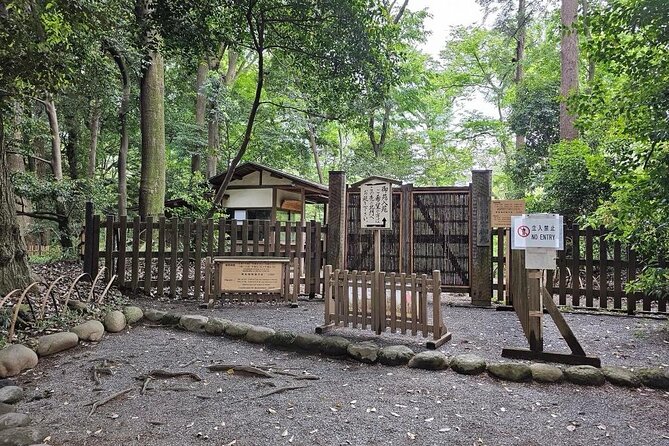
Meiji Jingu: forest paths and modern imperial history
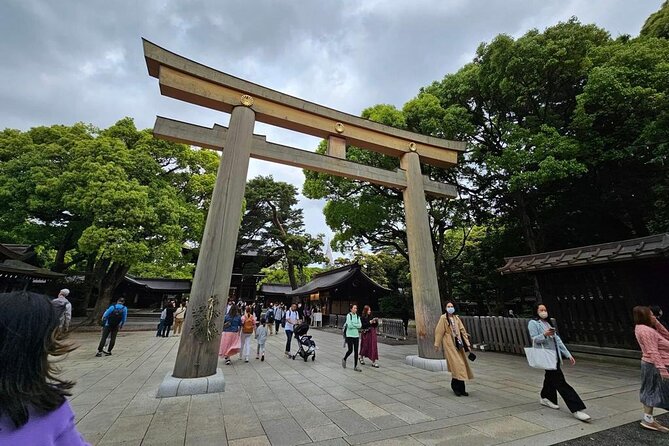
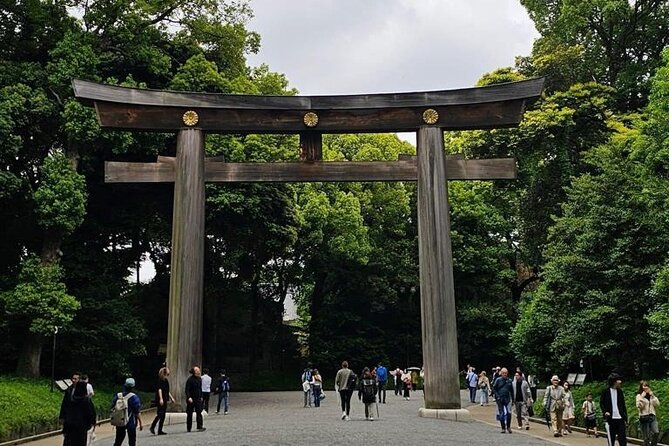
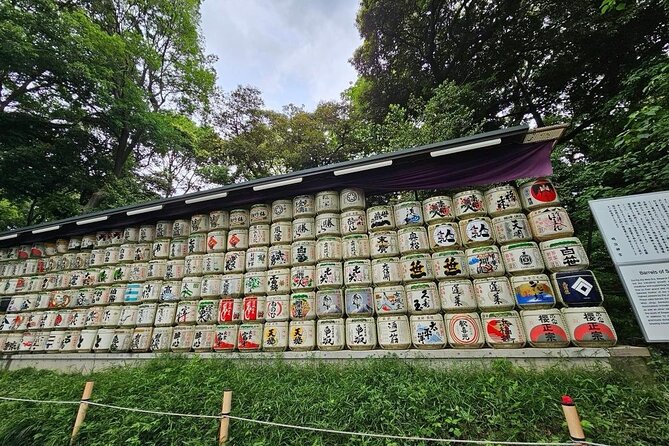
Meiji Jingu honors Emperor Meiji and Empress Shoken. The shrine was completed in 1920, after both had died, and was later rebuilt after wartime destruction.
Emperor Meiji was born in 1852 and took the throne in 1867, at the start of the Meiji Restoration. That period ended Japan’s feudal era and pushed the country toward modernization and the ranks of the world’s major powers. A visit here gives the tour an important historical anchor, linking the shrine to the transformation of Japan itself.
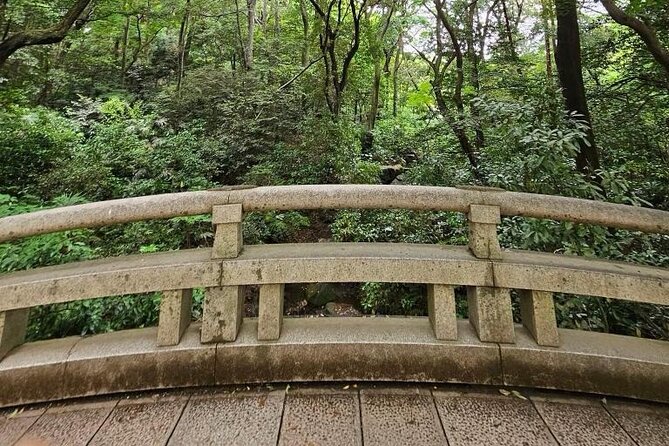
The shrine is paired naturally with Harajuku. You can move from a wooded religious setting to youth fashion and crowded shopping streets within the same general area. The contrast is one of the day’s strongest features.
Harajuku and Takeshita Street: youth culture in one hour
Harajuku is known for bold fashion and Japanese youth culture. Takeshita Street is lined with clothing shops, cafes, dessert shops, accessories, and unusual souvenirs. The entrance sits at the top of a hill, and the area can be very busy on weekends and holidays.
The tour allows about an hour. That is enough to walk a section of Takeshita Street and browse, but you should not expect to shop at every store. One example mentioned in the tour material is Paris Kids, an accessory shop offering fashionable items at reasonable prices. The area covers many styles, so even a short stop can be useful if you want inexpensive small gifts.
This stop is less about historic explanation and more about seeing present-day street culture. If shopping is not your priority, use the time to observe the clothing, signs, cafes, and crowds rather than trying to force a purchase.
Shibuya Crossing and Hachiko: Tokyo’s famous meeting point
Shibuya Crossing receives 30 minutes. Here, five major crosswalks and 10 lanes of traffic meet between tall buildings lit with colorful signs. The movement looks chaotic, but the crossing works through careful signals and timing.
The stop is brief, so you will mainly watch the crossing, take photographs, and get a quick sense of Shibuya. The area is also linked with large New Year’s Eve countdowns and famous Halloween gatherings, though those events are not part of the tour.
Hachiko is nearby and receives another 30 minutes. Hachiko was adopted by Professor Hidesaburo Ueno and became famous for waiting at Shibuya Station for his owner, even after Ueno died in 1925. The dog died in 1935, and the story later reached international audiences through the 2009 film Hachi: A Dog’s Tale.
These two stops work well together. Shibuya shows Tokyo’s present-day energy, while Hachiko adds a small, emotional story to a major transport hub. If you have seen the film, the statue will have extra meaning. If not, the short explanation still makes the stop worthwhile.
The driver-guide question you should settle early
This experience uses the company driver as the guide. That means your day includes transportation and guiding from the same person, rather than a separate driver and licensed city guide.
For many people, this arrangement is perfectly practical. You stay with your private group, avoid changing vehicles, and can ask for adjustments to the day. But if you expect long, detailed commentary at every site, clarify that before booking. One past booking raised a concern about wanting a separate guide, while the provider explained that the driver was the guide for the selected tour.
I would send your main interests in advance: food, temples, shopping, gardens, photographs, or tower views. The tour is private, so your priorities can shape the experience more than they could on a fixed group excursion.
Timing, comfort, and the limits of nine hours
The advertised duration is about nine hours, while the listed stops add up to roughly seven and a half hours. The remaining time is important. It allows for driving between Tokyo’s widely separated districts, loading and unloading, and the inevitable variation caused by city traffic and queues.
The air-conditioned vehicle is a real advantage. Tokyo’s summer heat, winter chill, rain, and long walking distances can make a packed day tiring. You still walk at temples, gardens, markets, shrines, and shopping streets, but you have a place to rest between them.
The schedule is ambitious. You will not experience any one neighborhood in depth, and extra tower queues could squeeze later stops. The private format helps, but it does not eliminate Tokyo’s traffic or the distances between districts.
Who should book this Tokyo day tour
I would consider it for:
- First-time Tokyo visitors with only one free day
- Families who want private transport and fewer train changes
- Groups of up to five who can share the $500 price
- People who want both historic sites and modern city icons
- Anyone who prefers a broad introduction before exploring alone
I would hesitate if you want a slow food tour, a long shrine visit, serious shopping time, or detailed specialist commentary. You can see a great deal here, but the day favors range over depth.
Free cancellation is available up to 24 hours before the start time. Changes or cancellations inside that window are not accepted for a refund. Most people can participate, the tour is near public transportation, and service animals are allowed.
Should you book it?
Book this tour if you want Tokyo’s major contrasts in one organized day: Sensoji, Tsukiji, a garden, Meiji Jingu, two tower options, Harajuku, and Shibuya. The strongest value comes when four or five people share the private vehicle and you use the guide’s flexibility to shape the stops.
Before paying, settle three points: where pickup will occur, which tower you plan to enter, and when Skytree is scheduled. If you accept a fast pace and understand that the driver is also the guide, this is a sensible first-day orientation. If you want a slower, more personal look at Tokyo, choose fewer neighborhoods and explore them on foot.
FAQ
How long does the Tokyo City Attractive One Day Tour last?
The tour lasts approximately nine hours.
How much does the tour cost?
The price is $500 per group of up to five people.
Where does the tour begin and end?
The stated meeting point is The Tokyo Station Hotel in Marunouchi. The activity ends back at the meeting point.
Are Tokyo Skytree and Tokyo Tower tickets included?
No. Admission tickets for both towers are extra. The listed prices are $12 for Skytree and $7 for Tokyo Tower.
Is lunch included?
No. Lunch and dinner are not included, so you should budget separately for food, especially at Tsukiji Outer Market.
Is this a private tour?
Yes. Only your group participates, and the tour uses an air-conditioned vehicle with private transportation. The company driver serves as the guide.
More 1-Day Tours in Tokyo
More City Tours in Tokyo



More tours in Tokyo we've reviewed





City Tours, compared.
 ★ 4.8Tokyo: Private City Highlights Tour with Local GuideFrom $1064 - 8 hours
 ★ 4.7Tokyo: Asakusa, Skytree & Akhihabara Go-Kart City ExperienceFrom $961h 10m
 ★ 4.8Tokyo: 3-Hour Bike or E-Bike City Highlights TourFrom $453 hours
 ★ 4.8Tokyo: Sumo Morning Practice Tour at Sumida CityFrom $1162 hours
 ★ 4.5Private Haneda Airport (HND) to Central Tokyo City TransferFrom $119
 ★ 4.8Tokyo: 3-hour Guided E-Bike Tour of the City’s Hidden GemsFrom $65