
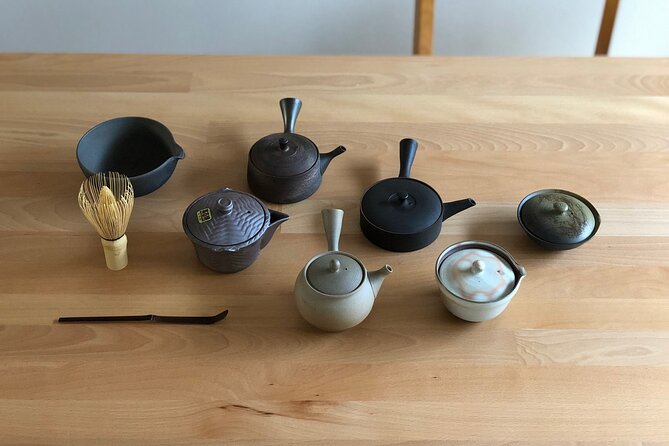
Reviewed · TEA CEREMONY & MATCHA
Authentic Japanese tea tasting session: sencha, matcha, gyokuro
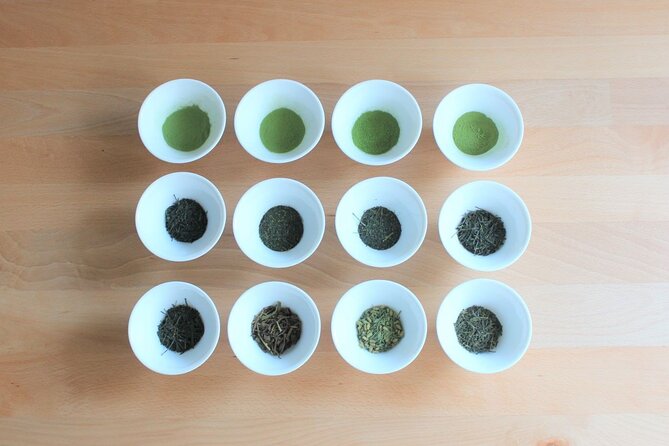
The most useful part of this Tokyo experience is the side-by-side tasting of Japanese tea. You do not simply hear that sencha, matcha, and gyokuro are different. You taste them in one sitting, with Yosuke explaining how production methods and growing regions shape the cup.
I like two things here: the wide range, from everyday tea to rare premium examples, and the small maximum group of four. The careful preparation, nine-page handout, brewing temperatures, plantation locations, and historical notes give you tools to understand what you are drinking. This is a tea class and tasting, not a formal tea ceremony, so expect learning and comparison rather than ritual.
The main consideration is the price, $90.80 per person, for about 90 minutes. That is a serious spend for an afternoon drink, and caffeine-sensitive visitors should alert the host before the session. The published plan describes 12 teas, though one account records nine, so ask Yosuke what the current tasting includes when you book.
In This Review
- Key points at a glance
- What makes this Tokyo tea tasting different
- Meeting Yosuke in Morishita
- The first tasting: understanding everyday Japanese tea
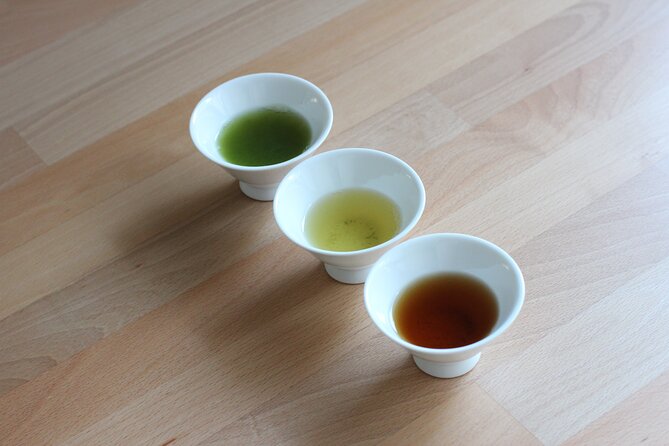
- Sencha, matcha, and gyokuro side by side
- Production, farming, and regional differences
- A guided tasting, not a formal tea ceremony
- Why the small group matters
- Is $90.80 good value?
- Who should book this experience?
- Timing, cancellation, and planning tips
- Should you book the ShiZen Tea session?
- FAQ
- Where does the Japanese tea tasting take place?
- What time does the experience start?
- How long does the tea tasting last?
- How many teas will I taste?
- Which types of tea are included?
- Is this a traditional tea ceremony?
- How many people can join?
- Who leads the session?
- What should I do if I am sensitive to caffeine?
- Can I cancel for a full refund?
Key points at a glance
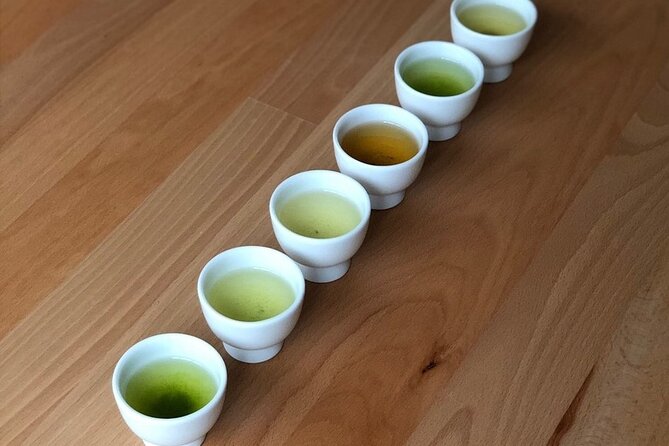
- Taste across the Japanese tea spectrum: Compare sencha, matcha, gyokuro, and other green teas in one guided session.
- Learn why each tea tastes different: Yosuke explains farming, processing, regional origin, brewing temperature, and history.
- Small group setting: The experience accepts no more than four people, allowing room for questions.
- Not a tea ceremony: The focus is flavor, production, and background rather than formal movements or traditional ceremony etiquette.
- A useful afternoon timing: The session starts at 1:30 pm and lasts about 90 minutes, leaving the rest of your day free.
- Flexible cancellation: You can receive a full refund if you cancel at least 24 hours before the local start time.
What makes this Tokyo tea tasting different
Many visitors first meet Japanese tea through a matcha latte or a small cup served with a meal. Those introductions are fine, but they can flatten a large subject into one familiar flavor. This session gives you a broader view.
You taste a range of teas together, which matters because comparison is the fastest way to notice differences. A tea that seems mild on its own may taste sweeter, more grassy, more savory, or more astringent beside another cup.
The session covers daily tea as well as high-end tea that can be unusual even for people living in Japan. That makes the experience useful for two kinds of people: you may be new to Japanese tea, or you may already drink it and want a better sense of quality and style.
Yosuke leads the session and explains each tea as it is prepared. The teaching is organized rather than casual. One useful feature is a nine-page handout that gives you something to follow while tasting, which can help when several varieties arrive in succession.
A few more Tokyo tours and experiences worth a look

Meeting Yosuke in Morishita
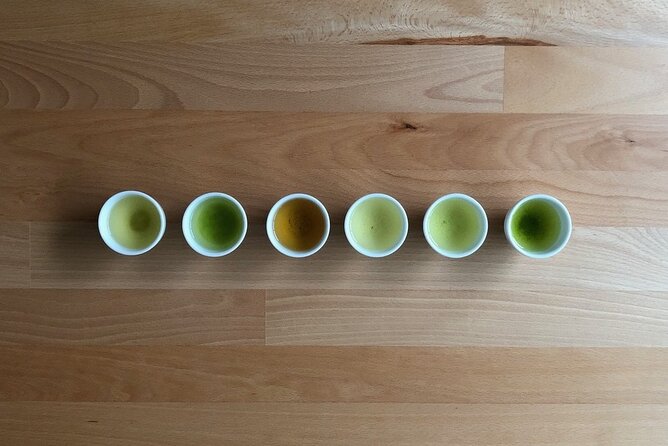
The meeting point is ShiZen Tea ExperienceJapan at 135-0004 Tokyo, Koto City, Morishita, 2-chōme 28-3, Morishita TM Mansion 202. The activity starts at 1:30 pm and finishes back at the same meeting point.
The address is near public transportation, but the supplied details do not name a particular station or give step-by-step directions. I would save the full address on your phone and allow time to find the building and room, especially if you are unfamiliar with Tokyo’s residential streets and apartment-style addresses.
The small group limit is a real advantage here. With a maximum of four people, you have a better chance to ask why one tea was brewed at a certain temperature or how a particular region affects flavor. A larger class can be useful for atmosphere, but it is less suited to detailed questions about tea.
The mobile ticket makes arrival simple. Confirmation is provided when you book. You should still check the meeting instructions carefully before leaving for Morishita, as the experience ends where it begins.
The first tasting: understanding everyday Japanese tea
The session begins by building a basic picture of Japanese tea. Sencha is likely to be central because it is one of the most familiar forms of Japanese green tea, but the exact order and selection may vary.
You learn not only what a tea is called, but how it is made. This distinction is important. Two green teas can come from the same broad plant family yet taste very different because of cultivation, harvesting, steaming, drying, shaping, and preparation.
The tasting also covers plantation locations and regional differences. These details give the tea a sense of place without turning the session into a geography lecture. As you move from cup to cup, you can connect origin and production with what you notice in the aroma and flavor.
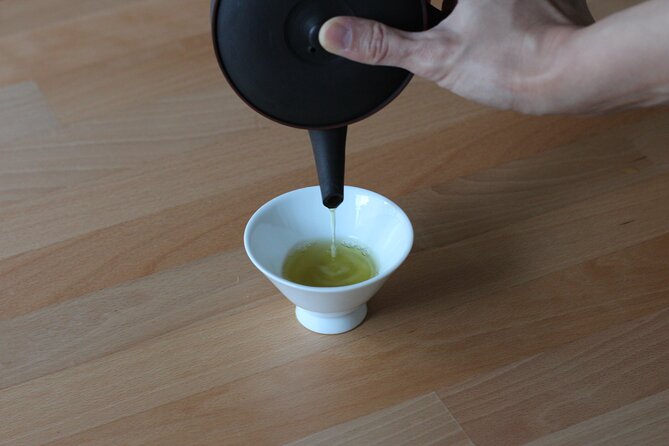
Yosuke also explains the correct water temperature for each type. That is one of the most practical parts of the class. A tea brewed too hot may taste harsh, while a lower temperature can bring out a softer or sweeter character. You leave with information you can use at home, not just a pleasant memory of the tasting.
Sencha, matcha, and gyokuro side by side
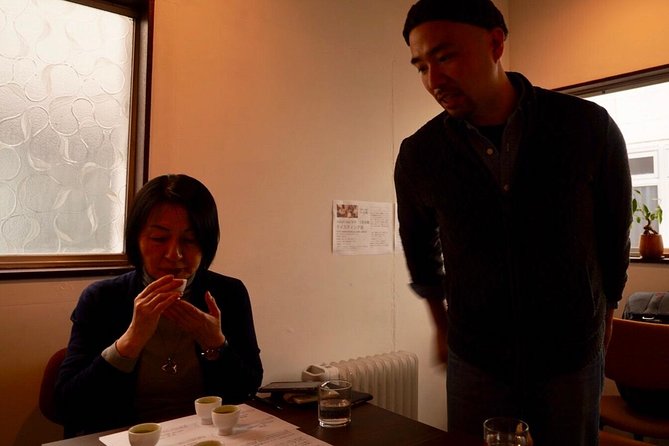
The session’s central strength is the chance to compare well-known tea categories directly.
Sencha is generally associated with brewed tea made from loose leaves or a tea bag. You can focus on the balance between aroma, bitterness, sweetness, and astringency. The point is not to memorize a definition, but to understand how a familiar Japanese tea fits into the larger picture.
Matcha is prepared as powdered tea rather than leaves steeped and removed. Since the powder is consumed as part of the drink, it has a different texture and presentation from sencha. This session does not present itself as a tea ceremony, so you should expect an explanation of matcha’s taste and production rather than a formal ceremonial performance.
Gyokuro represents the premium end of the tasting. It is a tea with a special reputation, and trying it alongside more common varieties helps explain why some Japanese teas command higher prices. You can pay attention to how preparation changes the experience and why careful brewing matters.
The supplied information also refers to 12 different teas, including premium varieties that can be hard to encounter in an ordinary visit. One account describes nine teas instead, so the number may depend on the current format or individual session. The important point is the breadth of the tasting, but I would confirm the exact lineup if a particular tea is your main reason for booking.
Production, farming, and regional differences
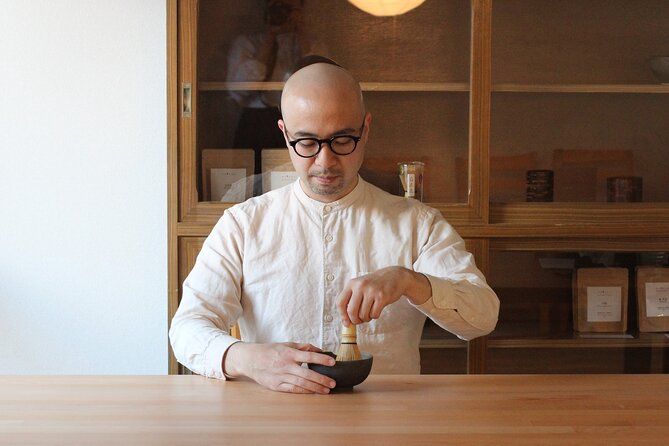
Tea is not just a finished beverage. The way it is grown and processed has a direct effect on the cup, and this is where the session goes beyond a simple sampling.
You learn about farming and production, including the relationship between plantation location and flavor. The class also places tea in its historical setting, helping you understand how Japanese tea developed and how different kinds became part of daily life or premium tea culture.
That background is useful because the labels alone can be confusing. Terms such as sencha, matcha, and gyokuro tell you something, but they do not answer every question about quality, growing conditions, or preparation. Yosuke’s explanations connect those pieces.
I especially like that the experience appears to treat tea as both an everyday drink and a specialized product. You are not pushed toward only the most expensive option. Instead, you can decide what you like. Some people may prefer the clean simplicity of a daily tea, while others may value the more distinctive character of a premium example.


A guided tasting, not a formal tea ceremony
Set your expectations correctly. This is not a traditional tea ceremony with formal gestures, prescribed movements, or a ceremonial performance. The emphasis is on how tea tastes, how it is produced, and why it has developed in different ways.
That makes it a good fit if you enjoy food-and-drink classes, wine tastings, or practical cultural lessons. You are encouraged to notice differences and ask questions. The methodical preparation is part of the teaching, showing how temperature and technique affect the final cup.
It may be less suitable if your main goal is a quiet, highly traditional ceremony in a historic setting. There is no indication that the session includes ceremonial dress, sweets, calligraphy, or a performance. Book it for the tea itself and for the explanation around it.
The pace is about 90 minutes. That is long enough to cover a large number of teas without taking over your day, though the amount of information may feel dense if you want a slow, meditative experience. The handout can help you keep track of the names and details.
Why the small group matters
A maximum of four people changes the feel of a class. You are not lost in a crowd, and the host can respond to individual questions. If you are unsure how to describe a flavor or want to know why one tea costs more than another, a small session gives you room to ask.
The format also supports comparison. With fewer people around the table, you can focus on the tea, the preparation, and the explanation. The host’s organized approach is especially helpful because 90 minutes can pass quickly when you are tasting many varieties.
This is not a private tour, since the available information only confirms a maximum group size rather than exclusive booking. Still, four people is small enough to feel personal. If you prefer a social class, you may enjoy meeting a few other tea drinkers. If you want total privacy, check the booking arrangement before paying.
Is $90.80 good value?
At $90.80 per person, this is not a budget activity. You could drink Japanese tea for far less at a café or buy several inexpensive packets from a shop. The value here comes from access, instruction, and comparison.
You are paying for a guided tasting of many varieties, including premium teas that may be difficult to encounter casually. You are also paying for Yosuke’s structured explanations of farming, production, history, regional differences, and brewing temperatures.
The price makes more sense if you already care about tea, enjoy food education, or want a focused cultural activity in Tokyo. It is harder to justify if you only want a quick cup of matcha or if you are unlikely to use the information again.
The small group improves the value because your questions are part of the experience. A class that simply pours tea would not justify this price as well. Here, the goal is to help you understand what kind of tea you actually like.
Who should book this experience?
I would recommend it to tea beginners who feel lost among Japanese tea labels. You do not need prior knowledge. The side-by-side format gives you a practical starting point, and the explanations help turn unfamiliar names into useful categories.
It also suits experienced tea drinkers. The premium tasting and discussion of production may give you a clearer way to think about quality. If you are already planning to buy tea in Japan, the session could help you make a more informed choice.
Food lovers and people interested in Japanese history should also find plenty to enjoy. Tea connects farming, trade, daily habits, regional identity, and changing tastes. You get a concentrated lesson without committing to a long museum visit or full-day tour.
I would be more cautious about booking if you dislike caffeine, want a formal tea ceremony, or prefer a sightseeing activity with movement through several Tokyo locations. The session takes place at one meeting point and focuses closely on the tasting table.
If you are caffeine sensitive, tell the host before the session. That is an important practical point when many teas are served in a short period.
Timing, cancellation, and planning tips
The 1:30 pm start works well as an afternoon activity. You can schedule it between morning sightseeing and dinner, with the experience ending at the same place after about an hour and a half.
Use the mobile ticket and keep the full address available. Since the published information only says the venue is near public transportation, do not rely on recognizing the area from a broad map pin alone.
Free cancellation is available if you cancel at least 24 hours before the local start time. Cancellations or changes made inside that window are not accepted for a refund, so check your Tokyo schedule before booking.
The experience is booked an average of 16 days ahead. That does not guarantee that every date sells out, but it is a useful sign that you should not leave a preferred afternoon until the last minute.
Should you book the ShiZen Tea session?
Book this if you want to understand Japanese tea rather than simply drink it. The combination of sencha, matcha, gyokuro, daily varieties, premium examples, production notes, and regional context gives you a clear way into a subject that can otherwise seem full of unfamiliar terms.
The strongest reasons to go are Yosuke’s organized teaching, the small group, and the chance to compare many teas in one sitting. The main drawbacks are the high price for 90 minutes, the caffeine load, and the fact that this is a class rather than a formal ceremony.
For tea enthusiasts, the cost is easier to defend. For curious first-time visitors, it depends on how much you value guided tasting over general sightseeing. If that sounds like your kind of afternoon, ShiZen Tea offers a focused and useful Tokyo experience.
FAQ
Where does the Japanese tea tasting take place?
It takes place at ShiZen Tea ExperienceJapan, 135-0004 Tokyo, Koto City, Morishita, 2-chōme 28-3, Morishita TM Mansion 202.
What time does the experience start?
The session starts at 1:30 pm.
How long does the tea tasting last?
The activity lasts approximately 1 hour and 30 minutes.
How many teas will I taste?
The experience description says you will taste 12 different Japanese teas. One supplied account describes tasting nine, so you may want to confirm the current selection with the host before booking.
Which types of tea are included?
The experience specifically focuses on sencha, matcha, and gyokuro, along with other Japanese tea varieties.
Is this a traditional tea ceremony?
No. The session focuses on taste, production methods, history, and regional differences rather than a formal tea ceremony.
How many people can join?
The activity has a maximum of four travelers.
Who leads the session?
The session is led by Yosuke from ShiZen Tea.
What should I do if I am sensitive to caffeine?
Inform the host before the session if you are caffeine sensitive.
Can I cancel for a full refund?
Yes. You can cancel for a full refund at least 24 hours before the experience start time. Cancellations or changes made less than 24 hours before the start are not refunded or accepted.
More Tea Ceremony & Matcha in Tokyo

More tours in Tokyo we've reviewed







Tea Ceremony & Matcha, compared.
 ★ 5.0Matcha Making Class in Tokyo with Authentic Japanese Sweets SetFrom $21
 ★ 5.0Tokyo: Traditional Tea Ceremony with a Tea MasterFrom $381 hour
 ★ 4.5Dynamic Tokyo: Tokyo Tower, Tea Experience, Bay Cruise Day TourFrom $99
 ★ 4.9Tokyo: Matcha Making Experience with Mochi Sweets in AsakusaFrom $221 hour
 ★ 4.7Tokyo: Matcha and Kimono ExperienceFrom $57
 ★ 5.0Tea Ceremony Workshop in Tokyo by the Experienced InstrucorFrom $38