
Reviewed · TOKYO FOOD TOURS
Flavours of Tokyo: A Journey Through Time – Small Group Food Tour
Tokyo’s food story unfolds neatly on this small-group walking tour, which links old Nihonbashi, postwar Ginza, Tokyo Station, and futuristic Akihabara. You taste 14 items while learning how ingredients, railways, office workers, convenience foods, and pop culture shaped what Japan eats today.
I like the thoughtful past, present, and future theme, and I like the group limit of nine. Guides such as Yasu, Keiko, Miko, and Paiva have earned strong praise for their warmth and clear explanations. The main caution is time: this is a five-and-a-half-hour cultural walk with food, not a quick eat-and-go crawl.
In This Review
- Key points to know
- Tokyo’s food story in four neighborhoods
- Nihonbashi begins with dashi and old Tokyo
- Ginza and Yurakucho explain the salaryman menu
- The Tokyo International Forum adds a short architecture break
- Tokyo Station serves commuter comfort food
- Akihabara looks toward the future of Japanese food
- What the guides add to the experience
- Walking, subway rides, and the five-and-a-half-hour pace
- Is $176 a fair price?
- Practical details before you reserve
- Who should book the Tokyo food walk?
- FAQ
- How long does the Tokyo food tour last?
- What time does the tour start?
- Where does the tour begin?
- Where does the tour end?
- How many people can join the group?
- How much walking is involved?
- Are subway fares included?
- What food and drinks are included?
- Do I need a high level of fitness?
- What happens if bad weather cancels the tour?
Key points to know
- Fourteen tastes across four central Tokyo areas: Nihonbashi, Ginza and Yurakucho, Tokyo Station, and Akihabara.
- Old-school foundations first: Learn about dashi, katsuobushi, kombu, and other building blocks of Japanese cooking.
- A real lunch is included: Yakitori, tempura soba, tamagoyaki, and a fruit sandwich appear alongside smaller samples.
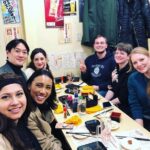
- The group is capped at nine: That makes it easier to ask questions and keep the outing social.
- Plan for 6.5 kilometers of walking: Two subway rides are used, but you pay those fares yourself.
- The focus is wider than food alone: Shrines, railway architecture, department stores, and Tokyo’s changing neighborhoods are part of the story.
Tokyo’s food story in four neighborhoods
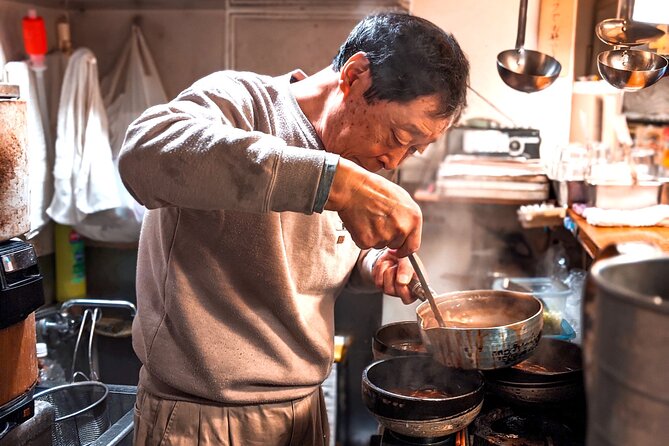
The clever part of this tour is its route. Instead of keeping you in one market or restaurant district, it uses four parts of central Tokyo to show how Japanese food changed over time.
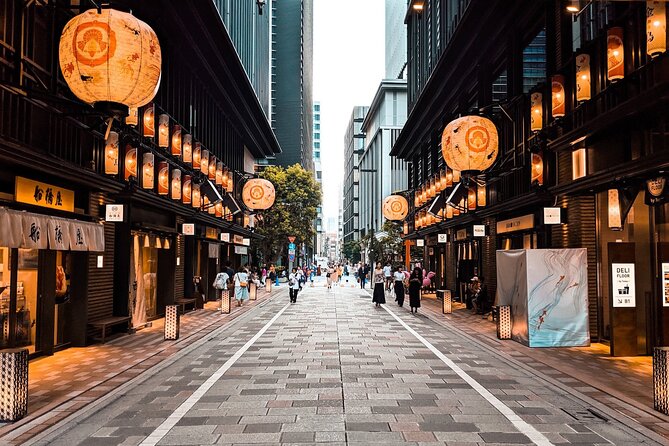
You begin in Nihonbashi, a district tied to old Tokyo and the Edo period. From there, the route moves through Ginza and Yurakucho, where railway tracks and postwar industry helped create a different eating culture. Tokyo Station brings commuter foods and department-store food shopping into the picture. The final stop is Akihabara, where traditional Japanese flavors meet playful modern sweets.
That structure gives the day a purpose. You are not simply collecting snacks. You are learning why certain foods exist, who ate them, and how Tokyo’s working life and technology changed the menu.
The five-and-a-half-hour schedule also gives the guide time to explain ingredients and customs. If you want a rapid tour with one dish at each stop, this may feel slow. If you enjoy connecting food with streets, buildings, and social change, the pace makes more sense.
A few more Tokyo tours and experiences worth a look

Nihonbashi begins with dashi and old Tokyo
Meet at 11:30 am near the Nihonbashi 1-chome Mitsui Building. The meeting point is close to public transport, but allow extra time to find it. The address can be a little confusing, and one useful navigation detail is Nihonbashi subway station exit B12.
The opening section lasts about 90 minutes and introduces the basic flavors behind Japanese cooking. Dashi is the star. This light stock often provides the savory base for soups, sauces, noodles, and other dishes, so understanding it helps you make sense of Japanese food for the rest of your trip.
You sample dashi, katsuobushi, and kombu. Katsuobushi is dried, fermented, and shaved bonito, while kombu is edible kelp. These are not flashy foods, but they are important ones. I like starting here because it teaches you to notice the quiet layers of flavor that can be missed when you are focused only on toppings or presentation.
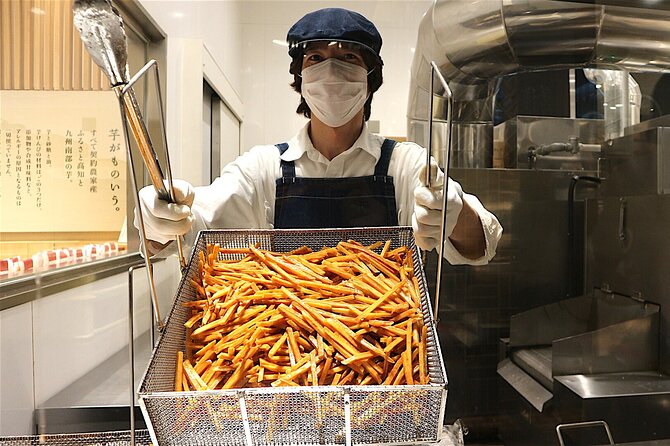
This section also includes Satsuma-age, a fried fish cake, along with amazake, a sweet rice drink, and snacks such as imo kenpi, candied sweet potato. Depending on the stop, you may also try daifuku or dorayaki. These foods help connect traditional ingredients with the snacks sold in Japan today.
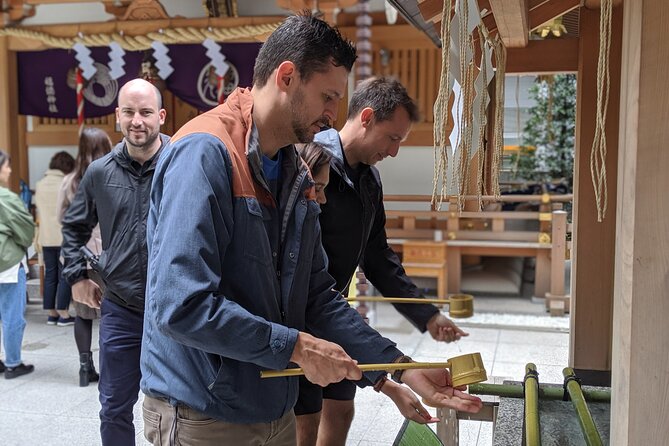
The route includes Nihonbashi Bridge, an important reference point for understanding the area. You also visit Fukutoku Shrine for about ten minutes. Here, your guide explains the difference between a Shinto shrine and a Buddhist temple, then shows you how to cleanse yourself and pray at a shrine.
It is a short cultural pause, but a useful one. Food tours can sometimes rush from shop to shop. This stop gives you a basic piece of Japanese etiquette that you can use during the rest of your visit.
Ginza and Yurakucho explain the salaryman menu
From Nihonbashi, you continue toward Ginza and Yurakucho. This part of the tour looks at Japan’s postwar industrial growth and the rise of the salaryman, the office worker whose daily routine helped shape modern eating habits.
Under and beside the railway tracks in Yurakucho are the gado shita bars and small restaurants. The name refers to places built beneath the elevated railway. These compact spots are strongly tied to after-work drinking, quick meals, and the social life of office workers.
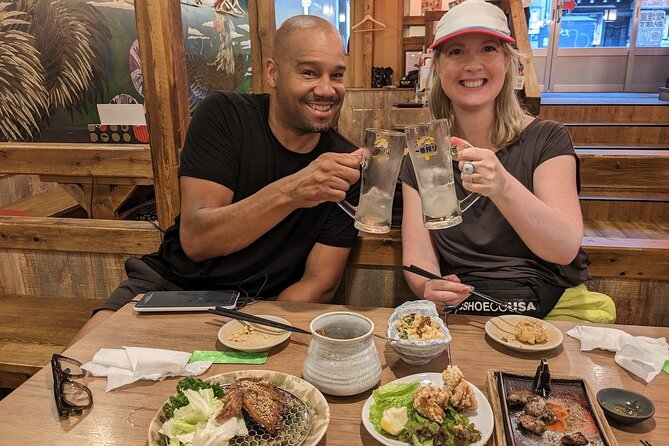
Here you try yakitori and a lemon sour, a Japanese alcoholic drink. Yakitori is particularly fitting for this setting. Skewered chicken served with a drink is simple, direct, and suited to a narrow bar near a train line.
The Ginza and Yurakucho section takes about 70 minutes. You are not just eating in a restaurant and leaving. The guide uses the railway and the surrounding streets to explain how work, commuting, and urban development affected Japanese dining.
That wider explanation is one of the tour’s best features. You see that food traditions do not sit still. A dish can be tied to a workplace, a train station, a department store, or a new pattern of city life.
The Tokyo International Forum adds a short architecture break
The walk from the railway tracks toward Tokyo Station includes a 15-minute stop at the Tokyo International Forum. This is not a food stop, but it breaks up the eating and helps you read the city around you.
You also pass through the Kitte Marunouchi building for about ten minutes. The route then reaches the Tokyo Station Marunouchi Ekimae Hiroba and Daimaru Tokyo area.
These brief stops matter because the tour is designed as a food-and-city experience. You spend part of the day inside or near places where people work, commute, shop, and meet. That gives the dishes a setting instead of treating them as isolated samples.
The tradeoff is clear. If you measure value only by time spent eating, these stops may feel like detours. If you want a fuller explanation of central Tokyo, they make the route more varied.
Tokyo Station serves commuter comfort food
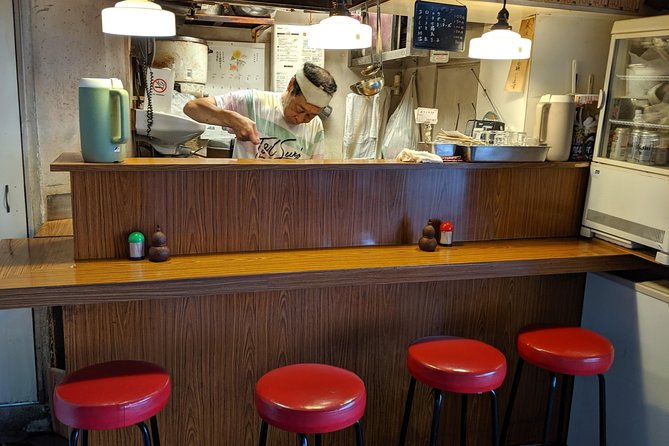
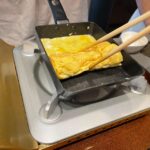
At Tokyo Station, the focus turns to foods commonly eaten on the way home or during a busy day. You try tamagoyaki, the softly sweet Japanese omelette, and a fruit sando, a Japanese milk bread sandwich filled with fresh fruit and whipped cream.
The fruit sandwich is a good example of the tour’s approach. It looks more like a dessert than a traditional meal, yet it is a familiar Japanese convenience food with a particular texture and style. The soft bread, cream, and fruit make it an easy food to recognize later in station shops and department-store food halls.
Tamagoyaki offers a different lesson. It is familiar, portable, and made in many forms, but it also shows how Japanese cooking can balance sweetness and savory flavor in one small dish.
Lunch also includes tempura soba. Soba gives you a substantial noodle dish after the earlier tastes, while the tempura adds a crisp contrast. Yakitori, tempura soba, tamagoyaki, and the fruit sando together make up the main meal portion of the experience.
The food is generous for many people, but expectations matter. Several items are tasting portions, and some are intended to be shared. Most of the food is served individually, while the pickles, candied potato, and one drink have been shared in the past. The drink portion has since been changed to a full bottle each.
One piece of practical advice: do not arrive expecting a standard three-course lunch at one restaurant. You will eat across several places and in several formats. Most people should find the total amount satisfying, but a very large appetite may want a backup snack later.
A few more Tokyo tours and experiences worth a look


Akihabara looks toward the future of Japanese food
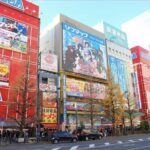
The final neighborhood is Akihabara, famous for electronics shops, anime culture, and maid cafes. Here, the theme shifts toward the future of food and the way traditional Japanese tastes are repackaged for a modern audience.
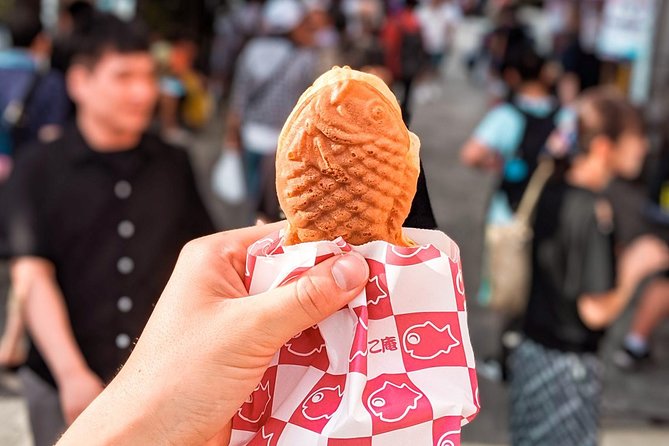
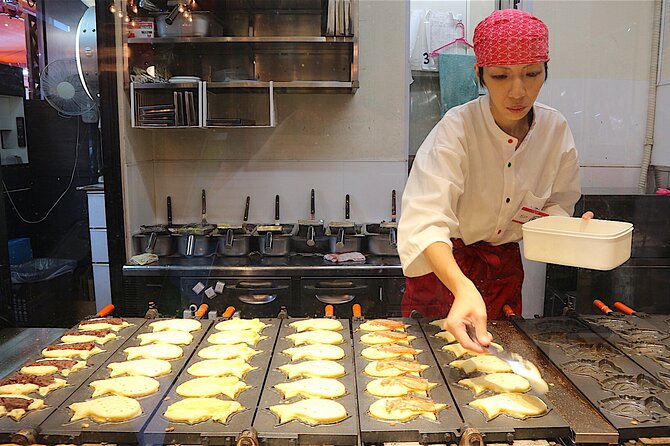
Desserts include Pokemon taiyaki and a matcha item, either green tea bubble tea or matcha ice cream. Taiyaki is a fish-shaped cake traditionally filled with sweet red bean paste, but the Pokemon version adds a contemporary pop-culture twist.
You may also try daifuku or dorayaki if those were not already included earlier. These sweets show how old forms continue to appear in new colors, shapes, and combinations.
The Akihabara stop lasts about 45 minutes. It is a fitting finish because the district makes the contrast with Nihonbashi clear. At the beginning, you are considering kelp, dried bonito, shrine customs, and old cooking foundations. At the end, those familiar flavors appear beside bubble tea, character branding, and playful dessert design.
The tour ends at Akihabara Station, around 1 Chome Sotokanda. Since you finish in a different part of Tokyo from where you started, you can continue exploring Akihabara without backtracking.
What the guides add to the experience
The guide can make or break a food tour, and this one depends heavily on the person leading it. The strongest guide names associated with this experience include Yasu, Keiko, Miko, and Paiva.
Yasu has been praised for his grasp of Japanese history, his easy conversation, and his ability to help when small travel problems arise. That last point matters in Tokyo, where a forgotten Suica card or a confusing subway exit can interrupt a carefully planned day.
Keiko is known for explaining culture in a friendly, clear way. Miko has used a presentation booklet with ingredient notes, food explanations, and historical photos. She has also helped visitors remember what they ate by sending the dish names and group photos afterward.
Paiva has been singled out for showing interesting corners of Tokyo while explaining local food and customs. The guide names may vary by date, but the pattern is useful: this works best when you want a personal introduction to the city, not just a list of restaurants.
The nine-person maximum is another real advantage. A small group gives you more room to ask how a dish is made, what an ingredient is, or where to find something similar later. Groups may be smaller, sometimes around six people, which makes conversation easier.
Walking, subway rides, and the five-and-a-half-hour pace
You should be comfortable walking about 6.5 kilometers, or four miles, over the full outing. You also need to handle many subway-station stairs and walk at a reasonable group pace.
Two short subway rides are included in the route, but the transport fares are not included in the price. Keep a Suica or other payment method ready, and do not leave your card at the hotel. This sounds obvious, but it can cause a needless delay at the start or end of a busy day.
The route is spread across several districts, so the walking is part of the point. You get a better sense of how central Tokyo connects when you move between areas instead of sitting in one neighborhood.
Still, the day is not ideal if you have a tight afternoon booking. The tour starts at 11:30 am and lasts about 5.5 hours, with the final stop in Akihabara. Build in extra time before your next plan, especially if you need to cross the city afterward.
The pace is generally casual rather than athletic. One guest felt the tour could be shorter, while the operator found that most groups preferred the existing timing and food quantity. That difference tells you exactly what kind of outing this is: a relaxed cultural walk with plenty of explanation.
Is $176 a fair price?
At $176 per person, this is not a bargain snack tour. The value depends on what you want included in the day.
You receive 14 food and drink tastes, including a real selection of lunch foods, sweets, dashi ingredients, and a lemon sour. You also get a guide for 5.5 hours, a route through several districts, cultural explanations, and a group capped at nine.
If you bought every item yourself, you could spend less. You could also visit one neighborhood instead of four, skip the explanations, and work out the route on your own. The tour earns its price through structure and guidance rather than expensive restaurant dining.
I think the value is strongest early in a Tokyo visit. The food vocabulary, shrine instructions, railway districts, and station shopping context can help you make better choices for the rest of your stay.
The value is weaker if you have already spent days eating widely in Tokyo and only want a concentrated meal. In that case, the walking and history may take time away from other plans.
The experience has a 5-star rating from 149 reviews and a 99 percent recommendation rate. That does not remove the need to match the tour to your appetite and schedule, but it does support the idea that the format works well for most people.
Practical details before you reserve
The tour requires mobile-ticket confirmation and begins at the Nihonbashi 1-chome Mitsui Building. Check the exact meeting directions carefully, and arrive early. Being late or missing the group is not treated lightly.
Good weather is required. If poor weather cancels the experience, you are offered another date or a full refund. The tour also requires a minimum number of participants, so a low booking level can lead to another date, a different experience, or a refund.
The cancellation information is strict, but the supplied booking terms are not perfectly consistent. One section describes a full refund, minus booking and administration charges, for cancellation more than a week ahead, a 50 percent refund for certain cancellations two to seven days ahead, and no refund within 48 hours. Another says the experience is non-refundable and cannot be changed. Confirm the terms shown at checkout before paying.
The tour is not suited to anyone who cannot walk four miles and manage many stairs. If that is a concern, the operator says you should ask about changing to a private tour.
Who should book the Tokyo food walk?
Book it if you want to understand why Japanese food looks and tastes the way it does. It suits first-time visitors, curious eaters, and anyone who likes a guide to explain the link between food, work, transport, religion, and popular culture.
It is also a good choice if you are nervous about ordering unfamiliar foods. You can sample ingredients such as kombu, katsuobushi, amazake, daifuku, and taiyaki with someone explaining what they are.
Families and couples may like the small group, though the long walk and alcohol tasting make the format less simple for very young children. People with limited time should be careful, since the tour occupies most of the afternoon.
Skip it if you want a short market visit, a seated restaurant meal, or a tour focused only on high-volume eating. You will spend meaningful time walking, listening, and looking at places that are not food stops.
FAQ
How long does the Tokyo food tour last?
The experience lasts approximately 5 hours and 30 minutes.
What time does the tour start?
The tour starts at 11:30 am.
Where does the tour begin?
It begins at the Nihonbashi 1-chome Mitsui Building, 1-chome-4-1 Nihonbashi, Chuo City, Tokyo.
Where does the tour end?
The tour ends at Akihabara Station, at 1 Chome Sotokanda, Chiyoda City, Tokyo.
How many people can join the group?
The tour has a maximum of nine participants.
How much walking is involved?
You should expect to walk about 6.5 kilometers, or four miles, during the tour.
Are subway fares included?
No. You take two short subway rides, but the transport costs are payable by you.
What food and drinks are included?
Included items are dashi, katsuobushi, kombu, Satsuma-age, amazake, imo kenpi, daifuku or dorayaki, Pokemon taiyaki, matcha bubble tea or matcha ice cream, yakitori, tempura soba, tamagoyaki, a fruit sandwich, and a lemon sour.
Do I need a high level of fitness?
You need moderate physical fitness, the ability to walk at a reasonable group pace, and the ability to manage many subway stairs.
What happens if bad weather cancels the tour?
You are offered a different date or a full refund if poor weather causes the cancellation.
More Food Experiences in Tokyo
More Tokyo Food Tours in Tokyo
More tours in Tokyo we've reviewed




Tokyo Food Tours, compared.
 ★ 5.0Tokyo: Shinjuku Food Tour (13 Dishes at 4 Local Eateries)From $86
 ★ 4.9Tokyo: Shinjuku Food Tour (15 Dishes and 4 Eateries)From $853 hours
 ★ 5.0Best of Shinjuku: Izakaya Food Tour (4 Stops, 14+ Tastings)From $92
 ★ 5.0Tokyo Night Foodie Tour in Shinjuku – Seasonal Sushi, Wagyu BeefFrom $111
 ★ 5.0Eat and Drink Like a Local: Tokyo Ueno Food Tour-Taverns&RamenFrom $95
 ★ 5.0Tokyo: Shibuya Food Tour (13 dishes and 4 Eateries)From $77