
Reviewed · TSUKIJI MARKET TOURS
Tokyo : Tsukiji Fish Market Food Walking & Shrine Visit Tour
Tsukiji is best understood with your appetite switched on. This two-hour walk brings you through the Outer Market, where seafood, fruit, Wagyu, soup, tea, and tamagoyaki turn a short tour into a series of small tastes, then adds a visit to Namiyoke Inari Jinja. You get food, local customs, and market life in one compact morning.
I like the small group of six because a guide can explain what you are tasting without shouting across a crowd. I also like the shrine lesson, which shows you how to approach and pray at a Shinto shrine rather than treating it as just another photo stop. The main consideration is timing: two hours goes quickly, and lunch is not included.
In This Review
- Key points at a glance
- Why Tsukiji works so well in two hours
- Meeting at Tsukiji Hongwanji
- First pass through the Outer Market
- Eating your way through Tsukiji
- Learning shrine manners at Namiyoke Inari Jinja
- The fish wharf and a second market pass
- Is $90 a fair price?
- Timing, food needs, and practical limits
- Who will enjoy this Tsukiji walk?
- Should you book it?
- FAQ
- Where does the Tsukiji food tour meet?
- What time does the tour start?
- How long does the experience last?
- How many people can join the group?
- Is the tour conducted in English?
- What food is included?
- Does the tour include lunch?
- Can the tour accommodate allergies or special diets?
Key points at a glance
- Six-person limit: A small group makes it easier to ask questions and keep up in narrow market lanes.
- Several food tastings: Expect fresh sashimi, premium Japanese beef, fruit, Japanese tea, umami soup, and rolled omelette.
- Two market visits: The first section introduces the stalls and history, while the second returns for more food and shopping time.
- Namiyoke Inari Jinja: You learn the basic method of worship and the cultural ideas behind the shrine.
- Two departure times: Choose 8:00 AM or 10:30 AM, depending on how you want to arrange breakfast and the rest of your day.
- Good breakfast advice: One German guest’s short tip was to arrive without breakfast. The tasting stops are meant to fill you up.
Why Tsukiji works so well in two hours
Tsukiji Outer Market is not the wholesale tuna auction site many people picture. The wholesale operation moved to Toyosu, but Tsukiji remains a major food district, with shops and stalls selling seafood, kitchen goods, prepared foods, Japanese ingredients, and sweets.
This tour focuses on the Outer Market and the nearby waterfront area. That makes it a good choice if you want a clear introduction without spending half a day trying to work out what to eat or where you can pause without blocking a shop entrance.
The guide supplies the thread that connects the stops. You hear about the market’s past, meet the food through tasting, and then see a religious site that helps explain part of Japanese daily culture. It is a compact route, but it is not just a food crawl.
I especially like the way the tour uses tasting as a way to explain craftsmanship. A piece of sashimi, a slice of Wagyu, or a square of tamagoyaki is more useful when you know what kind of shop made it and why that food matters. You can then return to the stalls that caught your attention after the formal tour ends.
A few more Tokyo tours and experiences worth a look



Meeting at Tsukiji Hongwanji
Your meeting point is in front of the main gate of Tsukiji Hongwanji Temple. Look for the English-speaking guide or interpreter waiting there. The tour starts at either 8:00 AM or 10:30 AM, so check the selected time carefully when booking.
This is a sensible starting point. The temple is easy to identify, and beginning here gives the group a fixed landmark before entering the market lanes. You will also return to this location at the end, which keeps the route simple.
The early start deserves thought. If you choose 8:00 AM, the market atmosphere and food tastings can effectively become breakfast. That is not just a clever scheduling trick. One guest specifically advised arriving without breakfast after eating well on the tour.
The 10:30 AM departure may suit you better if you dislike early starts. It also places the experience closer to lunch, though you should still remember that a full lunch is not included. The food samples are substantial enough to make a difference, but they are part of the tour rather than a restaurant meal.
First pass through the Outer Market

The opening market section lasts about 40 minutes. You walk with the guide through Tsukiji Outer Market, stop for photos, hear stories about the area, and begin tasting food from individual shops.
This is where a guide earns the $90 price. You could walk through Tsukiji on your own for free, but a first-time visitor may not know which foods are practical to sample, which stalls are worth your attention, or how to behave in tight working spaces. A small group also reduces the chance of losing time while trying to make decisions.
The food list gives you a broad cross-section:
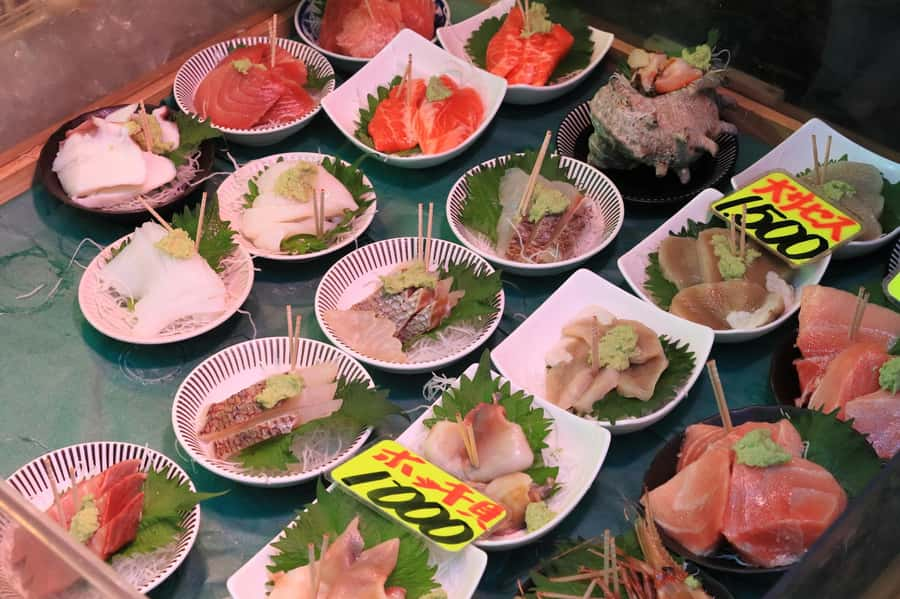
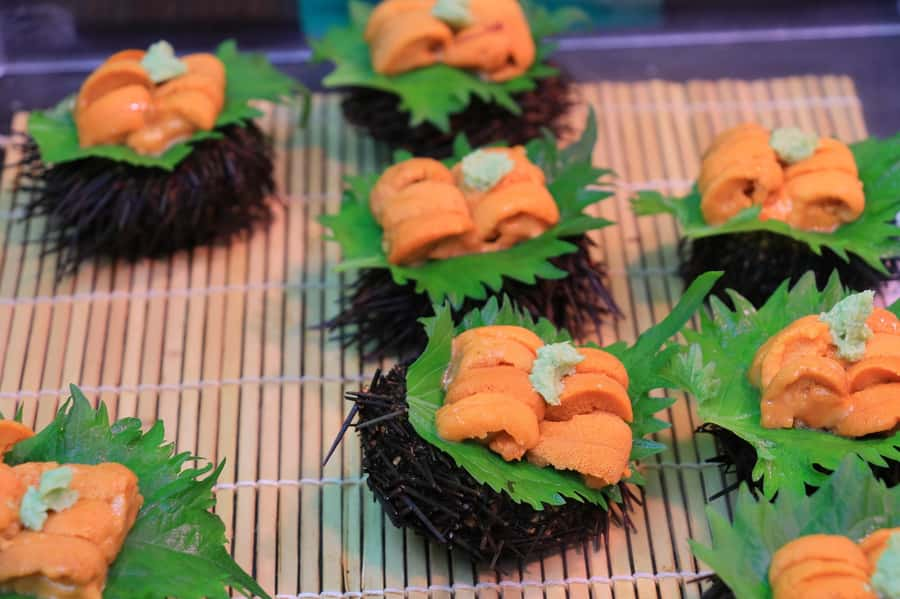
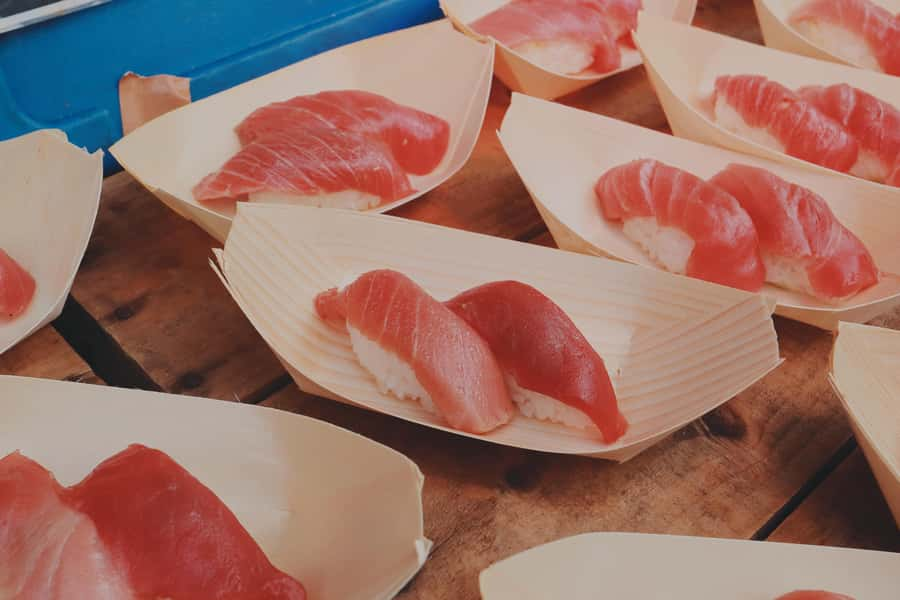
- Fresh seafood sashimi
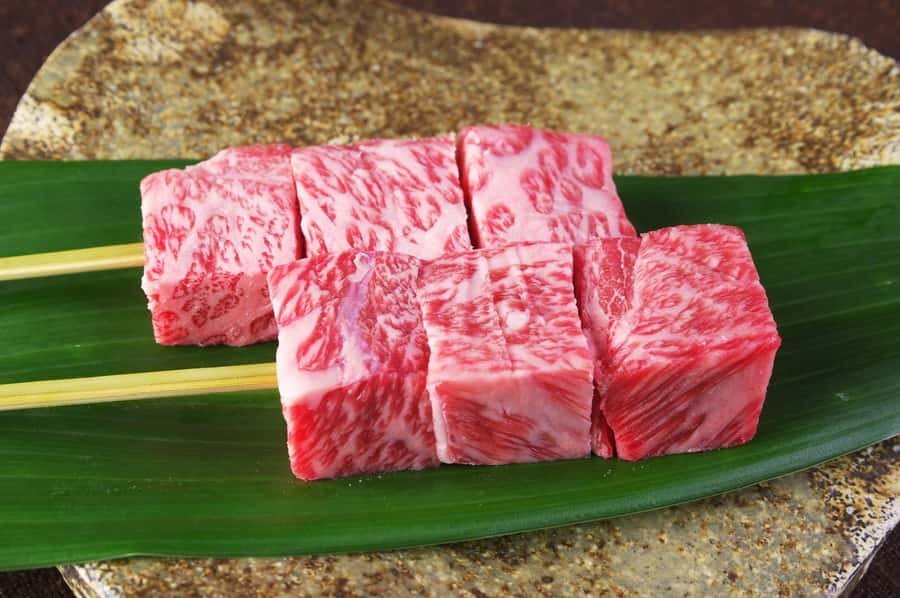
- Premium Japanese Wagyu beef
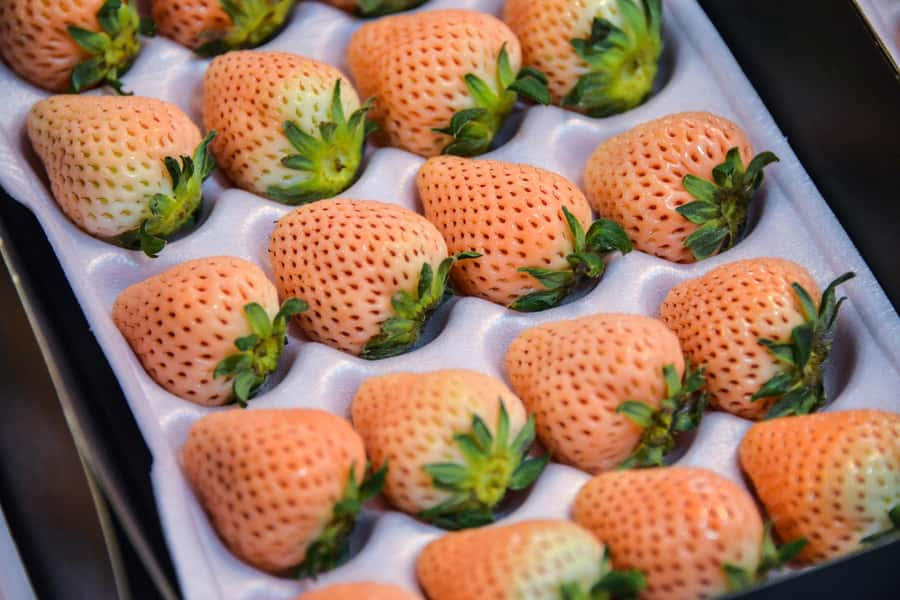
- Japanese fruit
- Japanese tea
- A soup with a strong umami flavor
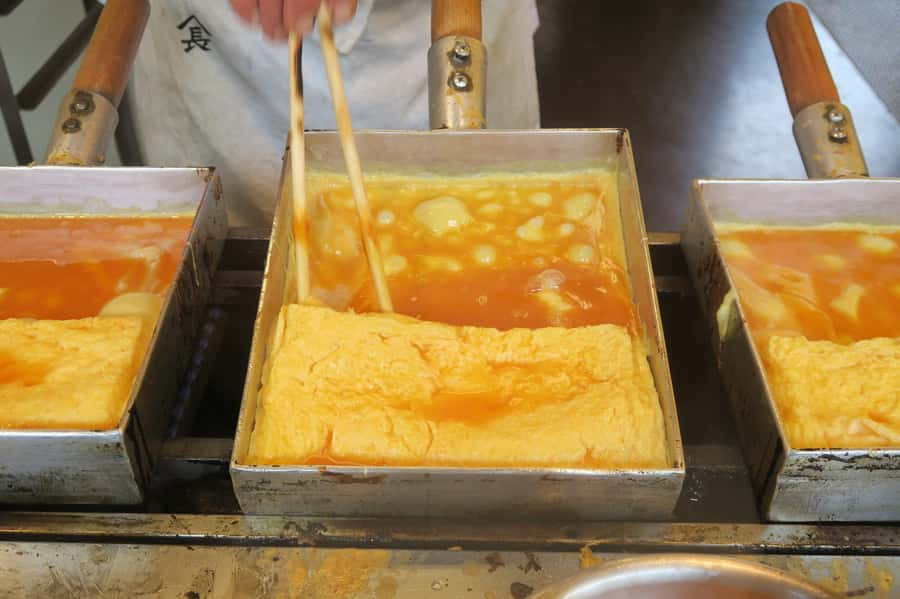
- Tamagoyaki, or Japanese rolled omelette
The exact order and shop locations are not specified, so you should think of this as a guided tasting route rather than a fixed restaurant menu. That flexibility can be useful in a market, where availability may change and the guide may adjust the stops.
Sashimi gives you a direct taste of Tsukiji’s seafood identity. Wagyu provides a very different texture and flavor, while fruit and tea balance the savory items. The soup and tamagoyaki bring in everyday Japanese cooking rather than limiting the tour to expensive bites.
Do not expect a quiet sit-down meal. This is a walking experience in a working food district. You may be standing while tasting, and the pace is designed to keep you moving through the market.
Eating your way through Tsukiji
The strongest part of this experience is the chance to sample foods that many people might otherwise overlook. A visitor can recognize sushi and sashimi, but fruit, soup, rolled omelette, and tea show a wider side of Japanese food culture.
The Wagyu tasting is another useful inclusion. Premium beef can be costly when ordered as a full meal, so a small tasting lets you try it without building your entire day around a steak dinner. It also adds contrast to the seafood, which dominates many Tsukiji visits.
Fruit may sound less exciting than seafood, but high-quality Japanese fruit is treated with care and often presented as a valued food rather than a quick snack. Since the tour specifically includes Japanese fruit, this is a chance to notice that food traditions here extend beyond fish and rice.
The guide can also help with the social side of the market. Food stalls are working businesses, not museum displays. Staying close, following instructions, and avoiding long stops in busy passageways matters. Your guide’s presence lets you focus on tasting and looking instead of guessing what is appropriate.
Yuki is named as an especially energetic English-speaking guide associated with this experience. If she leads your group, you can expect a lively explanation of what to try and how the market developed. Guide quality matters here because the value is not only in the food itself. It is in the choices and context provided along the way.
Learning shrine manners at Namiyoke Inari Jinja
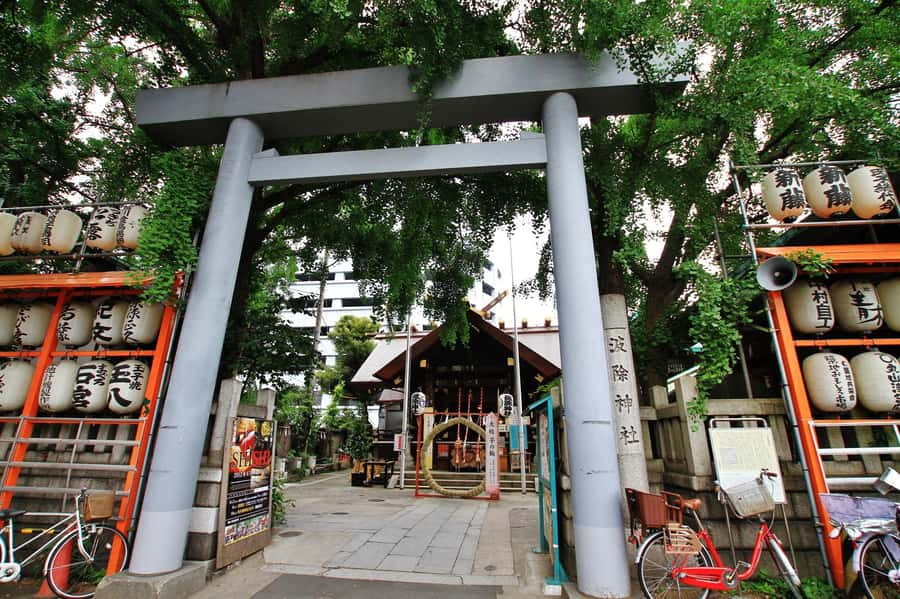
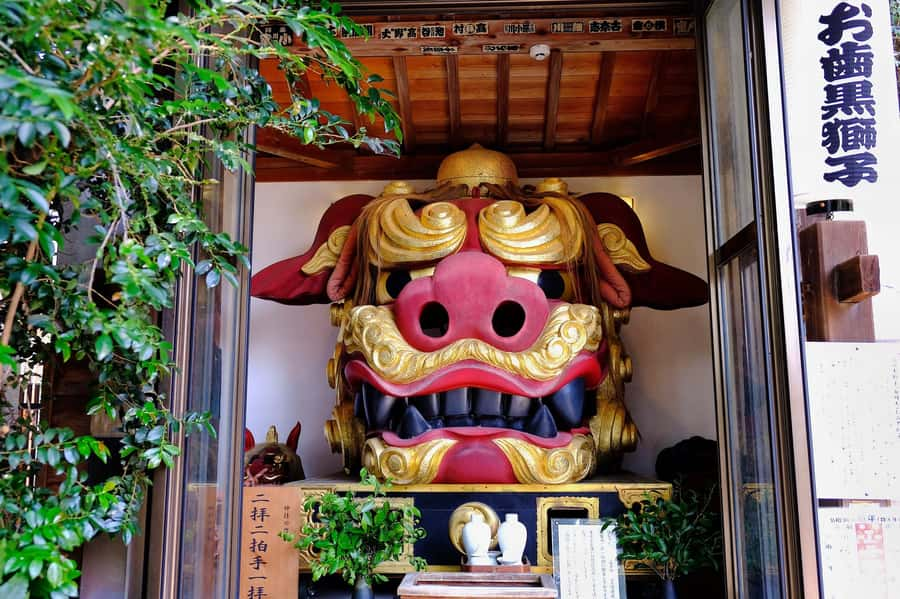
After the first market section, the group visits Namiyoke Inari Jinja for about 30 minutes. This shrine brings a different mood to the tour and gives the walking route a cultural center.
The purpose is practical. You learn the proper way to worship at a Shinto shrine, including the basic approach to prayer. The guide also explains myths connected with Japanese culture and the sacred meaning of the site.
That lesson is worthwhile because shrine customs are easy to copy incorrectly. Many people know a few gestures, but not when or why to make them. A short explanation helps you visit other shrines respectfully during the rest of your time in Japan.
The shrine stop also prevents the tour from becoming a simple eating circuit. Food is closely tied to place, tradition, and seasonal life, and this visit gives you another way to understand the neighborhood. After the noise and movement of the market, the shrine offers a pause.
Thirty minutes is enough for an introduction, but not enough for a long historical lecture. If you want detailed religious history, you will need a separate visit. Here, the focus is on basic customs, local myths, and the experience of worship.
A few more Tokyo tours and experiences worth a look



The fish wharf and a second market pass
The route then moves toward the fish wharf, where you can observe how fresh seafood is handled. This section shows the working side of Tsukiji, not just the retail stalls prepared for visitors.
The information provided does not promise a staged demonstration or guaranteed access to a particular auction. Think of it as an opportunity to watch the area and see the movement of fresh catch through the market district. Conditions may vary, and you should follow the guide’s directions around working spaces.
This is a useful part of the experience because it connects the seafood on your tasting plate with the labor behind it. You see that Tsukiji is not simply a collection of food souvenirs. It remains tied to the handling and sale of the sea’s catch.
The final 50-minute Outer Market section gives you more time for food-market visits, photos, and shopping. By this point, you will have a better idea of what interests you. Perhaps you want to return for more tea, look for kitchen goods, or find another food you noticed while walking.
I like this two-part market design. A single pass can feel rushed because Tsukiji presents too many sights at once. The second visit lets you use what you learned earlier. You are no longer looking at every stall with the same level of uncertainty.
Is $90 a fair price?
At $90 per person, this is not the cheapest way to walk through Tsukiji. The market itself is open to independent visitors, and you could spend less by choosing a few snacks on your own.
The value comes from the combination of food and guidance. The price includes sashimi, Wagyu, fruit, tea, soup, and tamagoyaki, plus an English-speaking guide, a shrine visit, and a look at the fish wharf. If you tried to buy every listed tasting separately, the total could add up quickly, especially with premium beef and seafood.
You are also paying for efficiency. In two hours, the guide brings you to several types of food, explains the market, handles the route, and teaches shrine etiquette. That suits you if your Tokyo schedule is tight or if choosing food in an unfamiliar market feels like work rather than fun.
The value is weaker if you already know Tsukiji well, speak Japanese, or prefer to spend a long time at one restaurant. It is also not a substitute for lunch. You receive tastings, not a full seated meal, and private transportation is not included.
The six-person limit helps justify the price. A large group would make this kind of market walk harder, especially around small shops. With fewer people, you have a better chance to hear the guide and ask about ingredients.
Timing, food needs, and practical limits
The activity lasts two hours, with departures at 8:00 AM and 10:30 AM. No private transportation is included, so you should arrive at the meeting point on your own.
The tour can customize meals for allergies, vegan guests, and vegetarian guests, but you need to give advance notice. This is important because seafood, beef, soup, and egg are all part of the standard tasting list. Do not wait until the first stop to explain a dietary restriction.
The standard experience is built around tasting several foods, so tell the operator what you cannot eat before the tour. The supplied information does not specify a separate vegan or vegetarian menu, only that meals can be customized.
Free cancellation is available up to 24 hours before the activity for a full refund. You can also reserve now and pay later, which may help if your Tokyo plans are still shifting.
The tour returns to Tsukiji Hongwanji at the end. That makes it easy to continue exploring the neighborhood or move on to another Tokyo sight, but the experience itself does not include lunch or onward transportation.
Who will enjoy this Tsukiji walk?
I would recommend this tour to first-time Tokyo visitors who want a guided introduction to Tsukiji without committing half a day. It also suits food-focused visitors who want more than sushi, since the tasting menu includes fruit, tea, soup, beef, and omelette.
It is a good fit for couples, friends, and solo visitors who like asking questions. The six-person group keeps the experience personal without the cost of a private tour.
Families may appreciate the short duration, though the food preferences of children can affect the value. The tour includes several different tastes, but not every child will want sashimi, soup, or premium beef.
I would be more cautious if you need a full meal, dislike walking while eating, or want a long, unhurried shopping session. The market time is generous for a two-hour guided route, but it is still a route with several stops.
Should you book it?
Book this Tsukiji tour if you want a well-organized introduction to market food, local history, and Shinto customs in a short morning. The strongest reasons are the six-person group, the broad tasting selection, and the chance to learn shrine manners from an English-speaking guide.
Skip it if you already know Tsukiji, prefer choosing every stall yourself, or want a traditional restaurant lunch. For everyone else, $90 is reasonable when you value expert food choices and efficient use of time. Arrive hungry, tell the operator about dietary needs in advance, and keep a little extra time afterward for the shops you discover.
FAQ
Where does the Tsukiji food tour meet?
The meeting point is in front of the main gate of Tsukiji Hongwanji Temple.
What time does the tour start?
The tour has two possible starting times, 8:00 AM or 10:30 AM. Check availability for your preferred departure.
How long does the experience last?
The guided experience lasts two hours.
How many people can join the group?
The group is limited to six participants.
Is the tour conducted in English?
Yes. An English-speaking live guide or friendly interpreter leads the activity.
What food is included?
The tastings include fresh seafood sashimi, Japanese fruit, Wagyu beef, Japanese tea, umami soup, and tamagoyaki.
Does the tour include lunch?
No. Lunch is not included. The activity provides several tastings during the market walk.
Can the tour accommodate allergies or special diets?
Yes. Meals can be customized for guests with allergies, as well as vegan and vegetarian guests. You need to inform the operator in advance.
More Walking Tours in Tokyo
More Temples & Meditation in Tokyo
More Tsukiji Market Tours in Tokyo
More tours in Tokyo we've reviewed





Tsukiji Market Tours, compared.
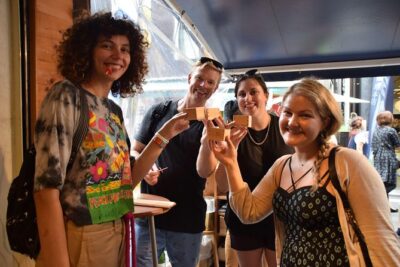 ★ 5.0Tokyo Tsukiji Fish Market Food and Culture Walking TourFrom $99
 ★ 5.0Tokyo: Tsukiji Fish Market Food and Walking tourFrom $30
 ★ 4.9Tokyo: Tsukiji Fish Market Guided Walking TourFrom $222 hours
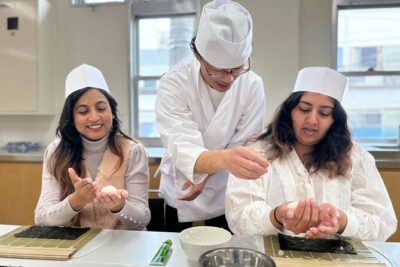 ★ 5.0Tokyo Sushi Making Class in Tsukiji with Professional ChefFrom $49
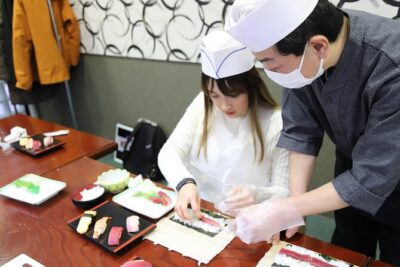 ★ 5.0Tsukiji Fish Market Guided Tour and Sushi Making with Pro ChefFrom $104
★ 4.7Tokyo: Tsukiji Fish Market Food and Culture Walking TourFrom $963 hours