
Reviewed · ASAKUSA TOURS
Private Kimono Photo Shooting tour at Asakusa by Local Japanese
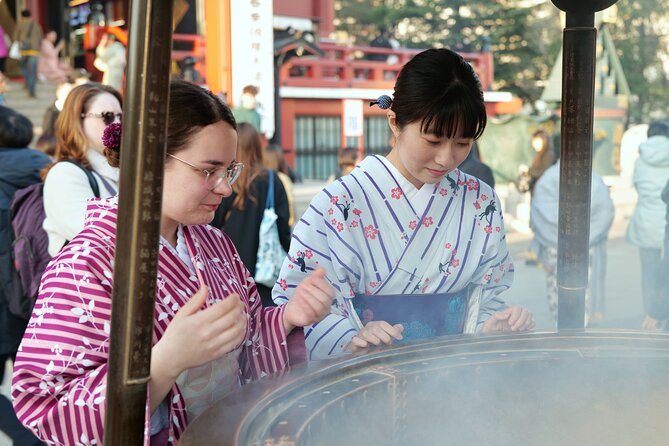
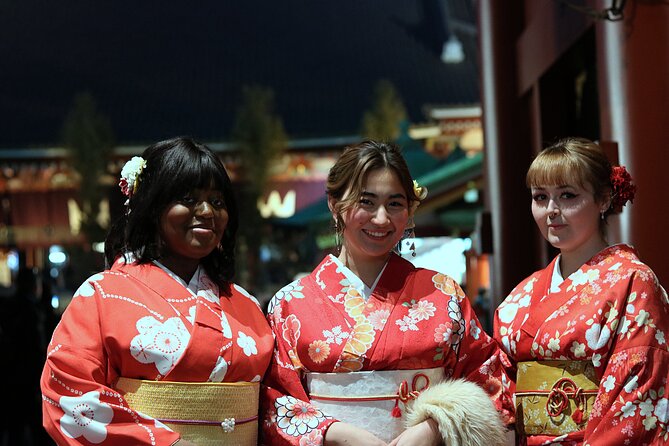
Senso-ji becomes your photo studio on this private Asakusa kimono shoot. You dress in traditional Japanese clothing, then follow photographer Shuhei through temple grounds, shrine lanes, and one of Tokyo’s oldest amusement streets. He directs your poses and helps you find strong angles without making the session feel stiff.
I like the private format, since your group gets the photographer’s full attention. I also like the useful photo package: up to 30 edited, high-quality images, not just a quick handful of snapshots. The main catch is price clarity. The advertised $78.44 does not include the standard kimono rental, footwear, bag, and hair styling, which add 3,500 yen.
In This Review
- Key details before you book
- Why Asakusa works so well for kimono photos
- Meeting Shuhei and getting dressed
- Senso-ji, the main setting for the shoot
- The five-story pagoda and Asakusa Shrine
- Hanayashikidori adds a lighter mood
- What you receive for the price
- What makes Shuhei a useful guide
- A practical look at the timing
- Weather and cancellation details
- Who should book this Asakusa experience
- Should you book the private kimono photo shoot?
- FAQ
- How long does the kimono photo shoot last?
- How many edited photos are included?
- Is the kimono rental included in the activity price?
- Who leads the photo shoot?
- Which Asakusa locations are included?
- Do I need to pay admission to Senso-ji or Asakusa Shrine?
- Can I keep wearing the kimono after the photography ends?
- Is the activity private?
- What happens if the weather is poor?
Key details before you book
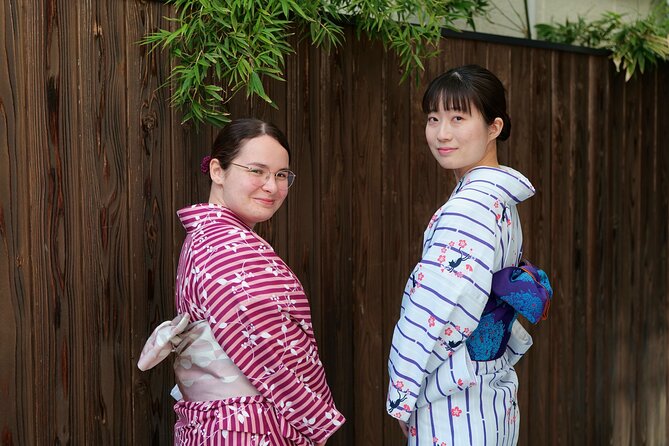
- Up to 30 edited photos: You receive high-quality digital images after the shoot.
- Photographer Shuhei: He directs poses, suggests locations, and explains local culture along the way.
- Four Asakusa stops: The route includes Senso-ji, the five-story pagoda, Asakusa Shrine, and Hanayashikidori.
- Kimono rental costs extra: The standard set with footwear, bag, and hair styling is 3,500 yen.
- About 90 minutes: The timing gives you a focused portrait session rather than an all-day sightseeing tour.
- Private group experience: Only your own party takes part, with group discounts available.
Why Asakusa works so well for kimono photos
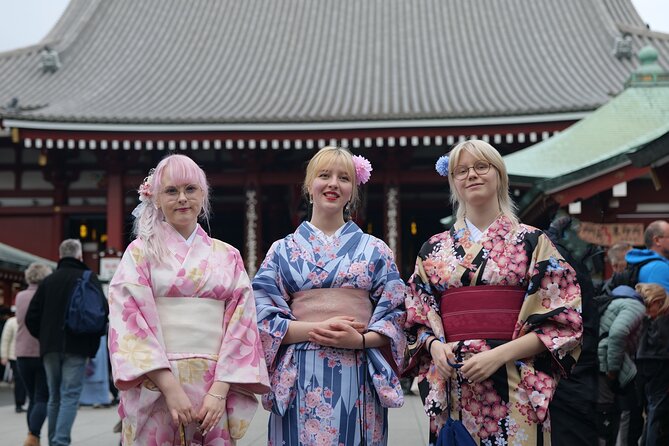
Asakusa gives you more than a plain studio backdrop. Within a compact area, you get temple roofs, red gates, a tall pagoda, shrine buildings, and an old-fashioned shopping street. Traditional clothing makes sense here because the setting already connects you with older Tokyo.
Senso-ji is Tokyo’s oldest temple, founded in the seventh century. Its main hall, gates, pagoda, and surrounding lanes provide several different moods for photographs. You can take formal portraits near the temple, then shift to more relaxed pictures among the streets and shops.
I like this kind of setting because the photos show where you are. A studio can produce polished pictures, but Asakusa adds a strong sense of place. You leave with portraits that also record a day in one of Tokyo’s best-known districts.
The area can draw plenty of sightseers, so you should not expect a silent or empty backdrop. The photographer’s job matters here. Shuhei chooses angles and locations that help your pictures look intentional, even when the district is active around you.
A few more Tokyo tours and experiences worth a look


Meeting Shuhei and getting dressed
The meeting point is outside Burger King Asakusa Azumabashi, at 2-chōme-20-6 Kaminarimon in Taito City. From there, the activity finishes at the VASARA Kimono Rental Asakusa Flagship Store at 1-chōme-1-11 Asakusa.
The standard rental set is not included in the activity price. You pay 3,500 yen for the kimono, footwear, bag, and hair styling. That extra charge is important when you compare this experience with other portrait sessions in Tokyo.
You choose from different kimono styles at the rental shop. The supplied details do not specify the exact range of colors, sizes, or seasonal designs, so I would ask the shop about your preferred style when arranging the booking. The standard set includes the main pieces you need for the outing, rather than leaving you to arrange shoes or a traditional bag separately.
Kimono is not everyday clothing for most visitors, and the outfit changes the pace of the morning or afternoon. You will want to walk carefully and allow yourself time to get used to the footwear. The route is short, but comfortable movement still matters, especially when posing or walking between stops.
Hair styling is included in the 3,500-yen rental charge. That makes the add-on more useful than a clothing-only rental, since the hairstyle helps the finished pictures look complete.
Senso-ji, the main setting for the shoot
The tour allows about 50 minutes at Senso-ji, making this the longest stop. That is sensible. The temple grounds offer the most variety, and the photographer can use the main hall, gates, open approaches, and nearby structures for different compositions.
Senso-ji was founded in the seventh century and is Tokyo’s oldest temple. You do not need to pay an admission fee to explore the grounds. That keeps the route simple and gives you time to focus on the shoot instead of managing tickets.
The main hall and five-story pagoda provide classic architectural backgrounds. Your pictures can range from close portraits to wider images showing the scale of the temple district. Shuhei directs the pose and location, which helps if you are not used to being photographed.
This guidance is one of the most valuable parts of the activity. Many people know how to smile for a phone picture but feel less certain during a planned portrait session. A photographer who suggests where to look, how to turn, or where to place your hands can make a noticeable difference.
You can also bring your own ideas. The experience invites you to share any picture concept or pose you have in mind. That is useful for couples, families, or solo visitors who want something beyond standard temple portraits.
The five-story pagoda and Asakusa Shrine
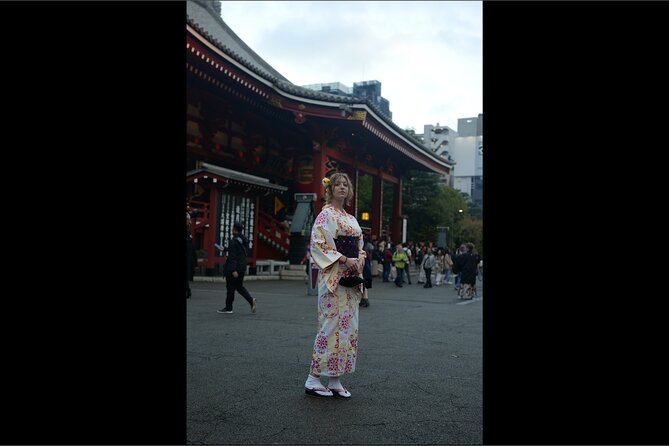
The five-story pagoda is scheduled for about 10 minutes. At roughly 53 meters tall, it gives you a strong vertical backdrop and a clear sense of the temple complex. You can pose in front of it for one of the most recognizable Asakusa images.
Ten minutes is enough for a focused set of pictures, but it is not a long exploration period. Think of this stop as a portrait location, not a separate sightseeing visit. The pagoda is on the Senso-ji grounds, and the supplied information notes that admission is not included for this stop, so confirm any access details with the operator if they matter to your plans.
Next comes Asakusa Shrine, with about 10 minutes allotted. The Shinto shrine sits next to Senso-ji and has traditional structures that give the photos a slightly different feel from the Buddhist temple.
That contrast adds value to the route. You are not repeating the same background for 90 minutes. The temple and shrine belong to different Japanese religious traditions, and Shuhei can explain points of local culture while guiding you through the area.
The time at both stops is brief. If you want long architectural visits, quiet contemplation, or detailed cultural explanations, this is not designed as a full temple tour. The purpose is to collect varied portraits efficiently.
Hanayashikidori adds a lighter mood
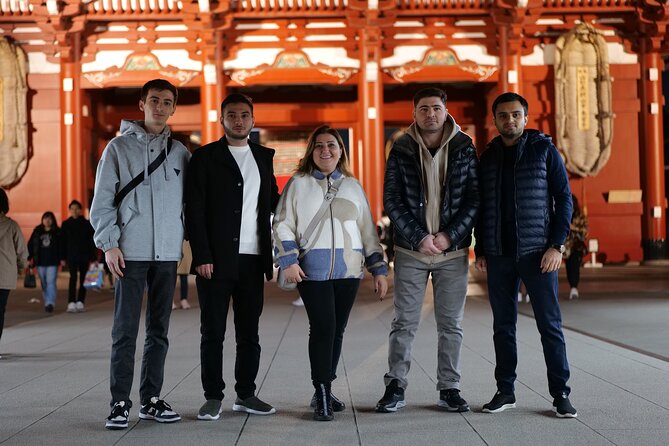
The final stop is Hanayashikidori, a popular street lined with shops for sightseeing. The planned time is about 15 minutes. After the formal temple and shrine settings, this street can give your photo set a more casual, everyday-Asakusa character.
I like having this change of mood in the route. A kimono looks natural against traditional buildings, but it can also make a lively shopping street feel more personal. You might find colorful shop fronts, narrow views, and passing street activity that produce less formal images.
The details supplied do not promise specific shops, food tastings, or purchases, so you should treat Hanayashikidori as a photo location rather than a shopping excursion. The short stop is enough for a few additional poses and walking shots.
The itinerary totals about 85 minutes by its stated stop times, while the advertised duration is approximately 1 hour and 30 minutes. Small transitions and setup time account for the difference. Keep your schedule flexible after the tour rather than booking a tight connection immediately afterward.
Other private tours in Tokyo


What you receive for the price
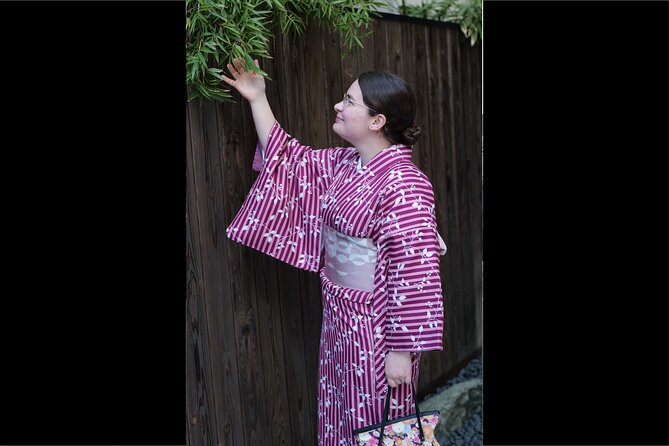
The activity costs $78.44 per person, with group discounts available. The figure is easier to judge once you separate the photography fee from the clothing cost.
You receive a private 90-minute shoot, a local photographer, location guidance, cultural conversation, one free vending-machine drink, bottled water, and up to 30 edited high-quality photos. The kimono rental package adds 3,500 yen and includes footwear, a bag, and hair styling.
For a couple or small group, the value comes from the personal attention and the finished images. A private session avoids the awkwardness of posing in front of strangers, and you can ask for particular ideas. The group discount may also make the per-person cost more attractive for a family or group of friends.
The activity is less compelling if you only want to borrow a kimono and walk around independently. In that case, the photography fee may feel like an unnecessary extra. It is also not the best choice if you expect a full day of cultural touring, since the guided route lasts only about 90 minutes.
The photo delivery format is described as high-quality digital data, with a maximum of 30 edited photos. The exact delivery time and method are not provided, so ask about those details before booking if you need the images by a certain date.
What makes Shuhei a useful guide
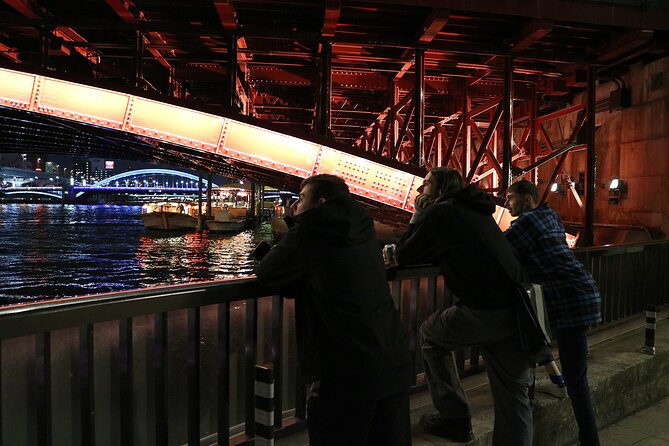
Shuhei does more than point a camera. He directs poses, recommends locations, and talks with you about Japanese culture and subjects that interest you. That combination makes the session easier for people who want both portraits and a small amount of local context.
The strongest praise for the activity centers on his photo direction and personal manner. He helped one couple through the entire process, found strong angles, and produced pictures they considered excellent. Another customer described the shoot at Senso-ji as the highlight of a Tokyo visit and singled out Shuhei’s area knowledge and photography.
Those comments point to the experience’s main strength: you are not left to guess how to pose in a formal outfit. Shuhei can help you look comfortable and use the setting well. His friendly replies also suggest a warm, personal style rather than a rushed transaction.
You should still tell him what kind of pictures you want. Mention if you prefer formal portraits, walking shots, couple photos, full-length images, or close-ups. The activity allows room for your own ideas, and clear requests help the photographer use the 90 minutes wisely.
A practical look at the timing
The route begins near Asakusa Azumabashi and ends at the rental shop. Because the start and finish points differ, check your directions before the day. The area is near public transportation, which makes the activity easy to add to a wider Tokyo plan.
The experience takes about an hour and a half. The largest portion is at Senso-ji, followed by short sessions at the pagoda and Asakusa Shrine, then 15 minutes on Hanayashikidori.
You may continue your own sightseeing in the kimono until 5 p.m. after the photo session, or return to the rental shop. The shop closes at 5 p.m., so you need to return the clothing before then if you keep it for extra sightseeing.
That option gives the experience more flexibility, but you should plan your route carefully. Walking farther in kimono may be slower than usual, and you do not want to spend the rest of the day hurrying back to the shop. If you have dinner reservations or another timed activity, returning soon after the shoot may be the wiser choice.
One complimentary drink from a vending machine and bottled water are included. These are small touches, but helpful during a warm day in traditional clothing.
Weather and cancellation details
The activity requires good weather because much of the photography takes place outdoors. If poor weather forces cancellation, you are offered another date or a full refund.
You can cancel for a full refund up to 24 hours before the local start time. Cancellations or changes made less than 24 hours before the start are not accepted for a refund. I would check the forecast before the deadline, especially if your Tokyo schedule is short.
The weather rule is practical rather than a warning sign. Outdoor temple photography depends on conditions, and rescheduling is better than spending the session under poor skies. Still, keep an alternate time open if these pictures are important to your trip.
Who should book this Asakusa experience
I would recommend this shoot to couples, solo visitors, families, and friends who want professional-looking photos in a famous Tokyo setting. It suits people who like the idea of wearing kimono but want help with posing, location choice, and cultural background.
It is also a good fit if you have only one free morning or afternoon in Asakusa. The route covers several major sights without taking over your day. You can continue sightseeing afterward, provided you return the kimono by 5 p.m.
I would be more cautious if you dislike being photographed, need a long cultural lecture, or want complete control over the route. The activity is built around portraits, and the listed stops leave limited time for unplanned exploration.
The short schedule may also feel tight for a large group. Only your party participates, but the more people in the group, the more time each person needs for individual pictures. Ask about the group discount and practical timing if you are booking for several people.
Should you book the private kimono photo shoot?
Book it if you want a personal photo session with real Asakusa scenery and a photographer who takes an active role in directing you. Shuhei’s pose advice, local explanations, and recommended angles are the main reasons to choose this over simply renting a kimono and taking phone pictures.
The best value comes when you care about the final images. Up to 30 edited files, private attention, and several distinct locations give you a useful record of your time in Tokyo. Just budget for the extra 3,500-yen kimono package and remember the 5 p.m. return deadline.
Skip it if your main goal is independent sightseeing in traditional clothing. For everyone else, this is a compact, focused way to turn a visit to Senso-ji into a set of polished memories without giving up the rest of your Asakusa day.
FAQ
How long does the kimono photo shoot last?
The experience lasts approximately 1 hour and 30 minutes.
How many edited photos are included?
You receive a maximum of 30 edited photos as high-quality digital data.
Is the kimono rental included in the activity price?
No. The standard kimono rental package costs 3,500 yen and includes footwear, a bag, and hair styling.
Who leads the photo shoot?
The photographer is Shuhei, a local Japanese photographer who directs poses and recommends photo locations.
Which Asakusa locations are included?
The route includes Senso-ji Temple, the five-story pagoda, Asakusa Shrine, and Hanayashikidori.
Do I need to pay admission to Senso-ji or Asakusa Shrine?
Admission to Senso-ji and Asakusa Shrine is listed as free. Admission is not included for the five-storied pagoda stop.
Can I keep wearing the kimono after the photography ends?
Yes. You can return to the rental shop or continue your own journey in the kimono until 5 p.m., when the shop closes.
Is the activity private?
Yes. Only your own group participates in the activity.
What happens if the weather is poor?
If the experience is canceled because of poor weather, you can choose a different date or receive a full refund. You can also cancel up to 24 hours before the start time for a full refund.
More Private Tours in Tokyo
More Asakusa Tours in Tokyo
More tours in Tokyo we've reviewed


Asakusa Tours, compared.
 ★ 4.8Tokyo: Japanese Dance Cabaret Theater Asakusa-Kaguwa TicketFrom $492 hours
 ★ 4.7Tokyo: Meiji Shrine, Asakusa, Skytree Bus Tour and CruiseFrom $12210 hours
 ★ 4.9Tokyo: Roll and Authentic Sushi Making Class in AsakusaFrom $581h 40m
 ★ 4.8Tokyo: Asakusa Walking Tour with Sensoji Temple VisitFrom $222 hours
 ★ 5.0Tokyo Asakusa Rickshaw TourFrom $42
 ★ 4.5Tokyo Panoramic 1 Day: Meiji Shrine, Asakusa, Odaiba and SKYTREE®From $85