
Reviewed · COOKING CLASSES
Ebisu Food Tasting Experience with Japanese Cooking Class
A visit to a Japanese home kitchen can tell you more about daily life than another restaurant meal. In Ebisu, Mari and her daughter Ayumi take you to a local supermarket, then guide you through a home-style meal in English. You choose between temaki sushi and Japanese hamburger steak, or hambāgu.
I like the small maximum of four people, which gives the class a personal feel. I also like the warm mother-daughter setup: Mari brings professional cooking experience, while Ayumi handles English interpretation and helps keep the lesson easy to follow. The main consideration is that the two menus are not equally flexible. The sushi course has a vegetarian option, but the hambāgu course does not.
In This Review
- Key Points Before You Book
- Why This Ebisu Class Feels Different From a Restaurant Meal
- Starting at Ebisu Station and Ebisu Garden Place
- The Supermarket Visit: Japanese Food Shopping With Context
- The Temaki Sushi Course and Its Home-Style Dishes
- The Japanese Hambāgu Course and Full Set Meal
- Eating Together and Getting Tokyo Advice
- English Instruction and Beginner-Friendly Cooking
- Is the $78.04 Price Good Value?
- Who Will Enjoy This Most?
- Timing, Cancellation, and Practical Planning
- Should You Book HomeTaste Japanese Cooking Class?
- FAQ
- Where does the cooking experience meet?
- Where does the activity end?
- How long does the experience last?
- Is the class taught in English?
- Who teaches the cooking class?
- How many people can join?
- What dishes are included in the temaki sushi course?
- Is there a vegetarian option?
- What comes with the Japanese hamburger steak course?
- Are drinks available?
- Do I need cooking experience?
- Can I cancel for a full refund?
Key Points Before You Book
- Shop before you cook: Begin with a local supermarket visit and learn how familiar Japanese ingredients are used at home.
- Choose one of two menus: Make temaki sushi with tamagoyaki and teriyaki chicken, or prepare hambāgu with potato salad and miso soup.
- Learn in English: Mari teaches the cooking, and her bilingual daughter Ayumi interprets and assists throughout.
- Keep it intimate: The experience accepts no more than four people, a useful size for questions and hands-on help.
- Make time for conversation: The meal includes a chance to ask about Tokyo, Japanese home life, and trip planning.
- Check your dietary needs: Vegetarian choices are available for the sushi course only.
Why This Ebisu Class Feels Different From a Restaurant Meal
Tokyo gives you endless chances to eat well. It gives you fewer chances to see how a Japanese meal comes together in an ordinary home setting.
That is the appeal here. You are not simply handed a finished plate. You learn about ingredients, prepare several dishes, sit down at the table, and talk with people who live in Tokyo. The cooking matters, but the setting and conversation are just as important.
Mari is a professional culinary expert who has appeared on television programs and in magazines. Ayumi is her bilingual daughter and interpreter. Their roles make practical sense: Mari can focus on technique and flavor, while Ayumi makes sure English-speaking participants can follow each step and ask questions.
The class is designed for beginners. You do not need Japanese cooking experience or advanced kitchen skills. You can expect guidance through the preparation rather than being left to figure out unfamiliar ingredients on your own.
The small group limit is especially helpful. With no more than four participants, you should have a better chance to ask about knife work, seasoning, rolling sushi, or the ingredients you saw at the supermarket. It also keeps the meal closer to a family gathering than a large demonstration.
Other cooking classes in Tokyo
Starting at Ebisu Station and Ebisu Garden Place
The meeting point is the police box at Ebisu Station, at 1-chōme-5-5 Ebisuminami in Shibuya. The listed itinerary includes Ebisu Garden Place, and the activity ends back at the meeting point.
You should allow enough time to find the correct station exit and police box. Tokyo stations can be confusing, even when the destination is familiar, so arriving early is wise. Your confirmation is provided at booking, and the activity is near public transportation.
Ebisu is a useful base for this kind of experience. It is a well-known Tokyo neighborhood with restaurants, shops, and city life, yet the class shifts your attention away from sightseeing and toward ordinary food shopping and home cooking.
The meeting point also gives you a clear start and finish. You do not have to navigate alone to a separate private kitchen at the end of the session. Once the activity is over, you return to the same general meeting point.
The Supermarket Visit: Japanese Food Shopping With Context
The first major part of the experience is a visit to a local Japanese supermarket. This is not just a quick stop to collect groceries. Mari and Ayumi explain ingredients and products, helping you understand what you are seeing on the shelves.
That matters because Japanese supermarkets can be hard to read at first. Packaging may be unfamiliar, and many products have uses that are not obvious from appearance alone. A guide who can explain those choices turns a routine shop into a practical introduction to Japanese food culture.
The supermarket visit also gives you a better sense of what people buy for home meals. Restaurant menus show you the finished product. A supermarket shows you the everyday building blocks behind it.
One particularly helpful feature is the chance to ask about products that catch your eye. An account of the experience describes Mari and Ayumi spending extra time explaining items and going to additional stores while helping search for something of interest. That suggests a flexible, personal approach rather than a rushed march through a fixed shopping list.
Still, keep your expectations realistic. This is a short cooking experience, not a dedicated food market tour. The shopping portion supports the meal, so the amount of time spent in stores will depend on the class pace and the needs of the group.
The Temaki Sushi Course and Its Home-Style Dishes
The sushi option is the more flexible choice if your group includes vegetarians or people who prefer assembling their own meal.
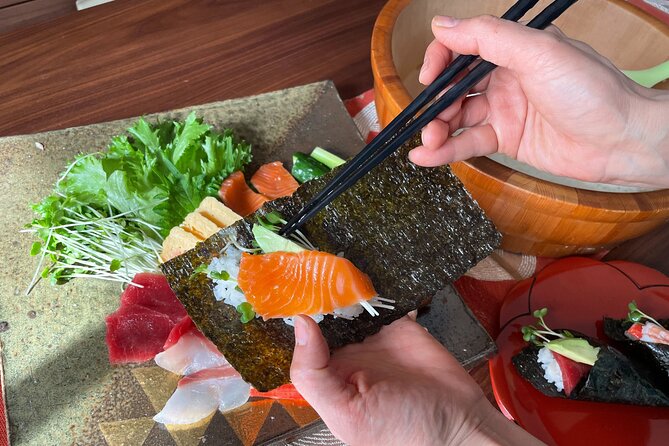
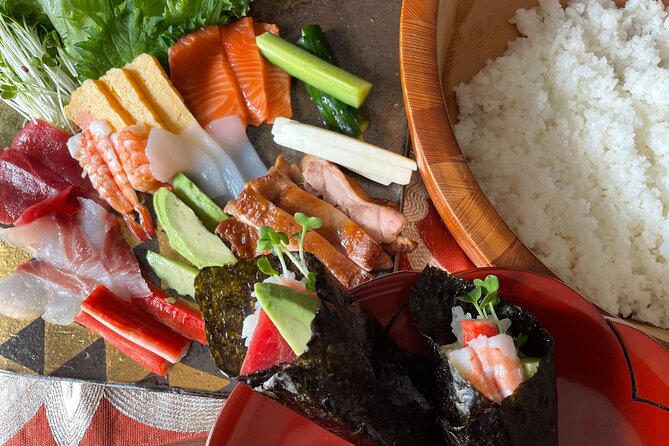
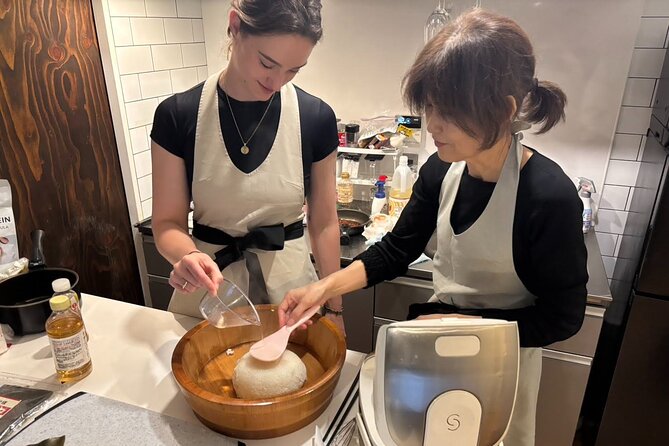
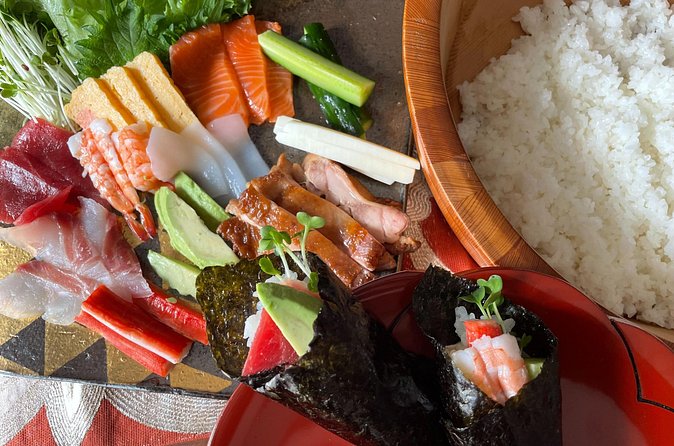
You begin with sushi rice, then prepare tamagoyaki, the Japanese rolled omelet, and teriyaki chicken. After that, you roll your own temaki sushi using fresh fish, vegetables, or tofu.
Temaki means hand-rolled sushi. Instead of producing uniform restaurant-style pieces, you create cone-shaped rolls yourself. That makes this course approachable for beginners and more social at the table. You can choose fillings and adjust the amount of rice and ingredients to suit your taste.
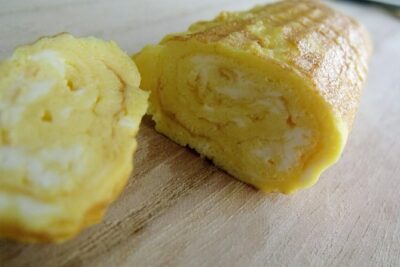
Tamagoyaki is worth paying attention to. It looks simple, but getting the layers right takes care and timing. Under instruction, you can see how a familiar Japanese home dish is built rather than treating the omelet as an unexplained side item.
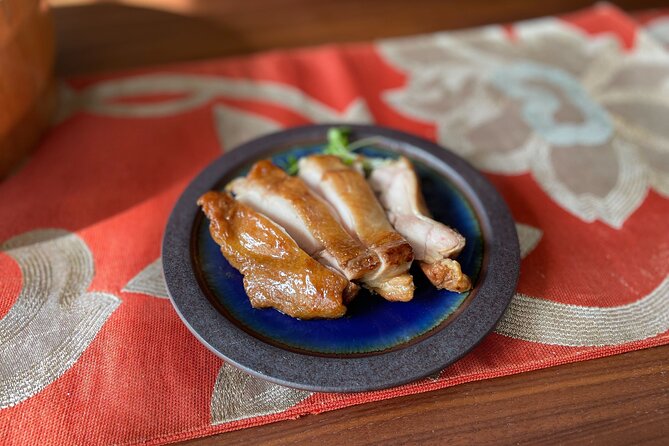
The teriyaki chicken adds a cooked dish to the meal, giving you more than a sushi assembly lesson. Together, the menu introduces several parts of a Japanese meal: seasoned rice, omelet, chicken, and fresh fillings.
Vegetarian options are available for this course. The description specifically lists vegetables and tofu among the fillings, but you should still explain your dietary needs when booking or before the class begins. The available information does not promise that every ingredient or preparation area can meet every allergy requirement.
I would choose this course for a mixed group, a family, or anyone who likes some freedom in assembling food. It also has a playful quality that suits people who want an activity rather than a formal cooking lecture.
The Japanese Hambāgu Course and Full Set Meal
The second choice is Japanese-style hamburger steak, known as hambāgu. This is not presented as a burger in a bun. It is a juicy hamburger steak served as part of a Japanese home-style set meal.
You prepare the hambāgu along with potato salad and miso soup. That gives you a fuller lesson in meal planning, since you are making a main dish, a side, and soup rather than concentrating on one food.
The course should appeal to anyone who wants a familiar starting point with a distinctly Japanese treatment. Hambāgu is approachable, but preparing it as a home meal helps you see how it fits into Japanese cooking.
This menu has one firm limitation: there is no vegetarian option. If anyone in your party avoids meat, the temaki sushi course is the safer choice. The information provided also does not list substitutions for other dietary restrictions, so ask before booking if you need changes.
For many people, the hambāgu option may feel more like a traditional family dinner than a special-occasion cooking project. You make the food, sit down, and eat it with the hosts. That simple rhythm is a large part of the appeal.
A few more Tokyo tours and experiences worth a look


Eating Together and Getting Tokyo Advice
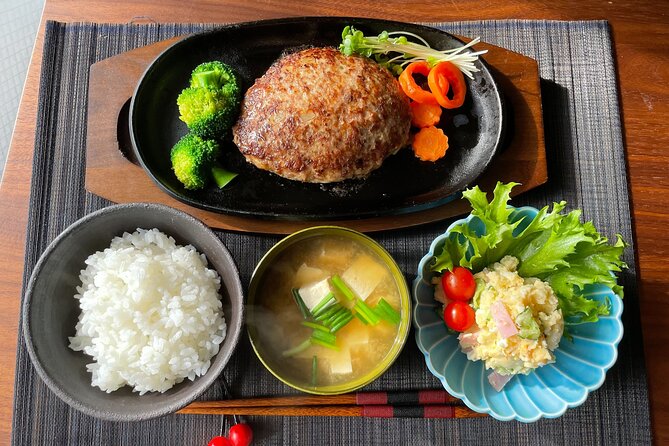
After cooking, you eat the meal together in the home kitchen. This is where the experience becomes more than a lesson in recipes.
Mari and Ayumi have lived in Tokyo for more than 15 years, and they are happy to share local tips or help you plan the rest of your trip. You can use this time to ask practical questions about neighborhoods, food, transport, or places to visit, though the exact advice will naturally depend on what you want to know.
I like this part because it makes the experience useful beyond the three hours. A cooking class can be enjoyable and then disappear from your trip. A conversation with local hosts may help you choose your next neighborhood or understand something you noticed elsewhere in Japan.
The atmosphere is meant to be warm and personal. One account describes feeling like part of the family, which fits the mother-daughter format and the shared meal. You should not expect a quiet restaurant meal or a fast tasting menu. Conversation is part of the activity.
If you are shy about joining a class alone, the small group size helps. Solo visitors can cook with other participants and still have direct contact with the hosts. Couples and families get a chance to work together, and small friend groups can keep the experience private in spirit, even though the maximum group size does not necessarily mean every booking is exclusive.
English Instruction and Beginner-Friendly Cooking
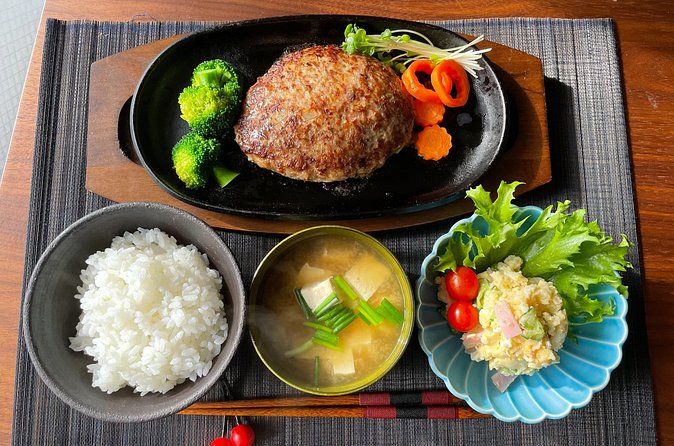
The entire class is taught in English. That removes one of the biggest worries for international visitors who want to cook in Japan but do not speak Japanese.
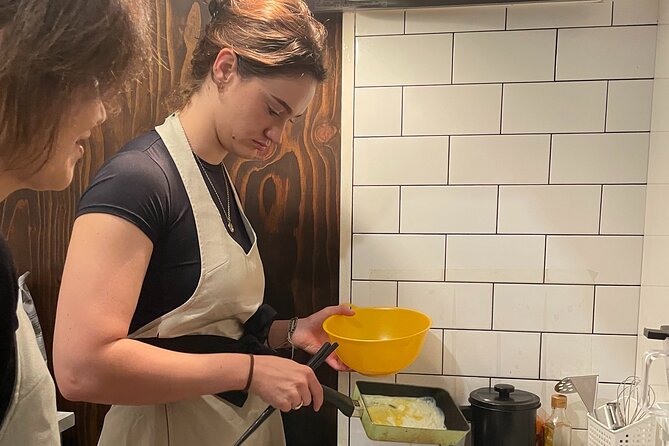
Ayumi interprets and assists while Mari leads the culinary side. You can ask questions as you go, rather than trying to copy movements without knowing why they matter.
No cooking experience is required. The class is built around guided preparation, so it should work for beginners, families, couples, and solo participants. You still need to take part, though. This is not a show where you watch a chef do everything while you eat.
The English format also makes the supermarket stop more useful. You can ask what an ingredient is, how it is used, and which products are common in Japanese homes. That context can be difficult to gain from labels alone.
Is the $78.04 Price Good Value?
At $78.04 per person, the experience costs more than buying ingredients and preparing a simple meal on your own. That comparison misses what you are paying for.
The price includes about three hours with two hosts, a supermarket visit, cooking instruction, several dishes, and a shared meal. You also receive direct help in English and a chance to ask local questions. With a maximum of four participants, the cost buys a more personal format than a large group demonstration.
The value is strongest if you care about interaction and practical instruction. If your only goal is to eat sushi or hambāgu cheaply, a restaurant will cost less and take less time. If you want to understand ingredients, make the dishes yourself, and talk with Tokyo residents, the price is easier to justify.
Optional sake and craft beer are available. The supplied details do not state whether these drinks are included in the listed price, so check the booking terms if they matter to your budget.
The experience is also best viewed as a meal plus cultural activity. You are paying for the setting, guidance, and conversation, not just the food on the plate.
Who Will Enjoy This Most?
I would recommend this class to you if you like food, prefer small groups, and want contact with local people without needing Japanese language skills.
It is a good fit for:
- Solo visitors who want an easy social activity
- Couples looking for a shared hands-on experience
- Families with an interest in Japanese food
- Small groups who prefer a personal lesson
- Beginner cooks who want clear instruction
- Visitors choosing a vegetarian-friendly menu
The sushi course is the obvious pick for vegetarians. The hambāgu course works better for people who specifically want to learn a Japanese meat-based home meal.
You should think twice if you dislike group participation, have strict allergies that require confirmed kitchen arrangements, or want a highly technical professional cooking course. The focus here is home-style food and cultural exchange, not chef certification.
Timing, Cancellation, and Practical Planning
The experience lasts about three hours, so plan it as a substantial half-day activity. Since you shop first and eat at the end, arrive ready to participate and do not schedule something immediately afterward.
The activity is near public transportation, begins at the Ebisu Station police box, and finishes back at the meeting point. Bring your booking confirmation and allow extra time to locate the meeting place.
Free cancellation is available if you cancel at least 24 hours before the local start time. Cancellations or changes made less than 24 hours before the experience are not accepted for a refund.
The class is often booked about 22 days ahead on average. That is a useful planning signal for a small activity with only four places, especially if you need the vegetarian sushi course or a particular date.
Should You Book HomeTaste Japanese Cooking Class?
Book it if you want to cook rather than simply eat, and if the idea of shopping with Tokyo locals sounds as appealing as the meal itself. Mari’s professional cooking background and Ayumi’s English support make the class accessible, while the small size leaves room for questions and conversation.
Choose the temaki sushi course if you need vegetarian options or enjoy building your own meal. Choose the hambāgu course if you want a hearty Japanese set meal and do not need a meat-free menu.
I would skip it only if you are looking for a large-scale food tour, a formal restaurant tasting, or advanced culinary training. For a relaxed introduction to Japanese home cooking, the supermarket visit, shared table, and mother-daughter team make this a thoughtful use of three hours in Ebisu.
FAQ
Where does the cooking experience meet?
You meet at the police box near Ebisu Station, at 1-chōme-5-5 Ebisuminami, Shibuya, Tokyo 150-0022, Japan.
Where does the activity end?
The activity ends back at the meeting point.
How long does the experience last?
The experience lasts approximately three hours.
Is the class taught in English?
Yes. The lessons are taught entirely in English, with Ayumi serving as a bilingual interpreter and assistant.
Who teaches the cooking class?
Mari, a professional culinary expert, leads the cooking. Her daughter Ayumi assists and interprets in English.
How many people can join?
The activity has a maximum of four participants.
What dishes are included in the temaki sushi course?
You prepare sushi rice, tamagoyaki, and teriyaki chicken, then roll sushi with fresh fish, vegetables, or tofu.
Is there a vegetarian option?
Yes. Vegetarian options are available for the temaki sushi course. The Japanese hamburger steak course does not have a vegetarian option.
What comes with the Japanese hamburger steak course?
You prepare Japanese-style hambāgu, potato salad, and miso soup.
Are drinks available?
Optional sake and craft beer are available. The supplied details do not specify whether these drinks are included in the listed price.
Do I need cooking experience?
No. No cooking experience is required, and the hosts guide you through each step.
Can I cancel for a full refund?
Yes, if you cancel at least 24 hours before the experience start time. Changes or cancellations made less than 24 hours before the start time are not accepted for a refund.
More Cooking Classes in Tokyo
More Food Experiences in Tokyo
More Cooking Classes in Tokyo
More tours in Tokyo we've reviewed









Cooking Classes, compared.
 ★ 5.0Ramen & Gyoza Cooking Class in Tokyo with Local Supermarket VisitFrom $122
 ★ 5.0Ramen and Sushi Cooking Class with Sake Pairing Set in TokyoFrom $79
 ★ 4.9Tokyo: Wagyu and 7 Japanese Dishes Cooking ClassFrom $673 hours
 ★ 5.0Tokyo Washoku 4-hour Cooking Class: From Market to TableFrom $79
 ★ 5.0Professional Ramen & Gyoza with Ramen Chef in a restaurant!From $159
 ★ 5.0Small-Group Wagyu Beef and 7 Japanese Dishes Tokyo Cooking ClassFrom $72