
Reviewed · TEA CEREMONY & MATCHA
Tokyo: Tea Ceremony Experience
A Tokyo tea ceremony does not have to take half a day or cost a small fortune. At AN TOKYO Japanese Culture Experience, you get a 30-minute introduction to matcha, including a short lesson, a grinding demonstration, your own tea-making experience, and Japanese sweets called ohigashi.
I like the single-origin matcha and the casual format. You can enjoy a small piece of Japanese culture without needing special knowledge, formal clothing, or a long block of sightseeing time. The $7 price also makes this one of Tokyo’s easier cultural stops to add to a busy day.
The main consideration is language. The instructor is Japanese, and English translation is provided as much as possible if requested, but this is not presented as a fully English-led class. The session also follows a firm schedule, so late arrival can mean missing part of it.
In This Review
- Key points to know before booking
- What this Tokyo tea ceremony actually offers
- A 30-minute schedule, step by step
- Why the single-origin matcha matters
- Ohigashi and the pleasure of a small sweet
- Casual, but still connected to Japanese custom
- Language and instruction
- Who will get the most from this experience
- The value of a $7 Tokyo activity
- Timing, reservations, and arrival advice
- The best place for it in your Tokyo day
- Small details that improve the experience
- Should you book this tea ceremony?
- FAQ
- Where does the Tokyo tea ceremony take place?
- How long does the experience last?
- What is included in the price?
- Is English instruction available?
- Can I cancel for a full refund?
- Are children under two free?
- Can I receive a completion certificate?
Key points to know before booking
- Single-origin matcha: You taste a special matcha rather than simply receiving a generic green tea.
- A short 30-minute format: The session fits neatly between sightseeing stops in Tokyo.
- You make your own tea: After a brief explanation and grinding demonstration, you prepare matcha yourself.
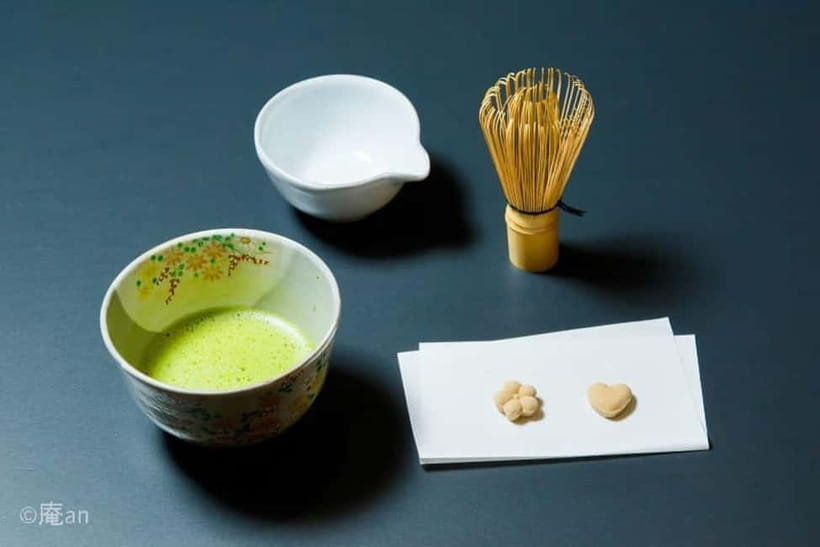
- Ohigashi is included: Japanese dry sweets provide a traditional partner for the slightly bitter tea.
- Suitable for solo visitors and groups: One person or several people can take part.
- Arrive on time: The experience cannot be held for delayed arrivals, including transport delays.
What this Tokyo tea ceremony actually offers
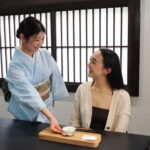
I see this as a friendly first meeting with Japanese tea culture rather than a long, formal tea-school lesson. The aim is to give you the basic feel of the ceremony, show you how matcha is prepared, and let you take part with your own hands.
That distinction matters. Traditional tea practice can involve careful movements, quiet rules, and a strong sense of form. This experience keeps the session approachable. You receive a short explanation, watch the matcha grinding demonstration, prepare your tea, and then have time to drink and eat.
The experience is called OTE-MAE, a Japanese tea ceremony experience, and it is designed for easy participation. You do not need to know how to handle a tea whisk before arriving. The instructor leads you through the process.
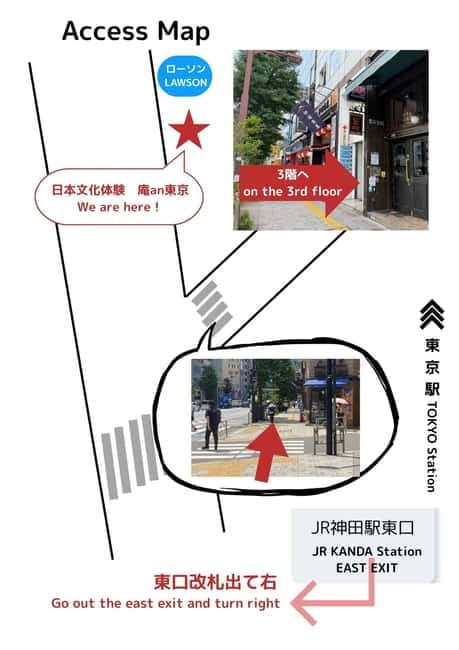
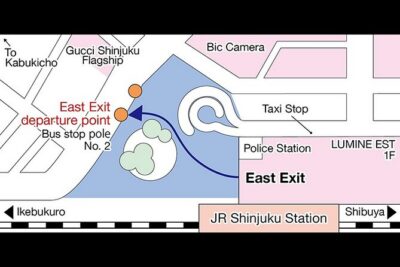
The activity takes place at AN TOKYO Japanese Culture Experience in Tokyo, on Honshu. The listed meeting point is at coordinates 35.6916541, 139.7715022. Since no transport from another part of Tokyo is included, you need to plan your own route and leave enough time to find the venue.
A few more Tokyo tours and experiences worth a look
A 30-minute schedule, step by step
The first part begins at the start of the session with an explanation regarding tea. This gives you basic context before you begin handling the equipment. Since the class is short, expect a concise introduction rather than a lengthy lecture on every part of Japanese tea culture.
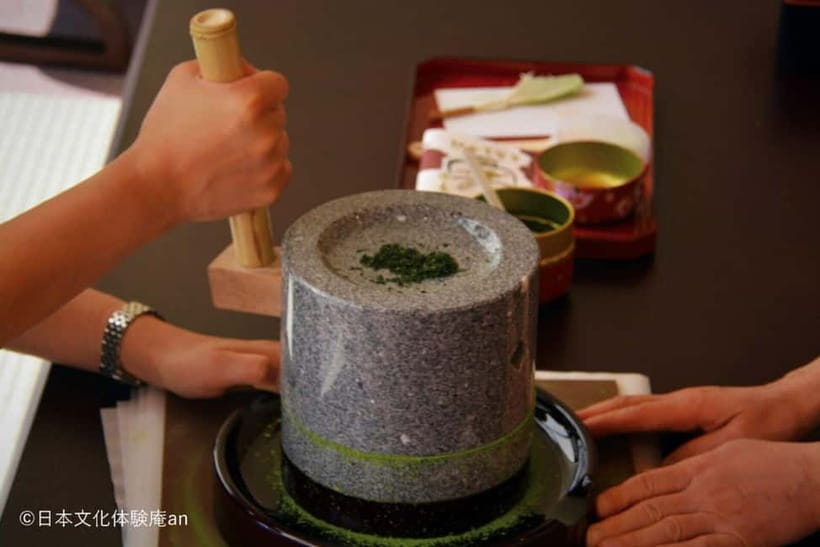
Next comes a matcha grinding demonstration. This is one of the more interesting parts for anyone who has only encountered matcha as a powder in a café drink. Seeing how the tea is prepared helps you understand that matcha is not brewed and strained like ordinary tea. It is made by working with finely ground tea powder, which is then mixed into water.
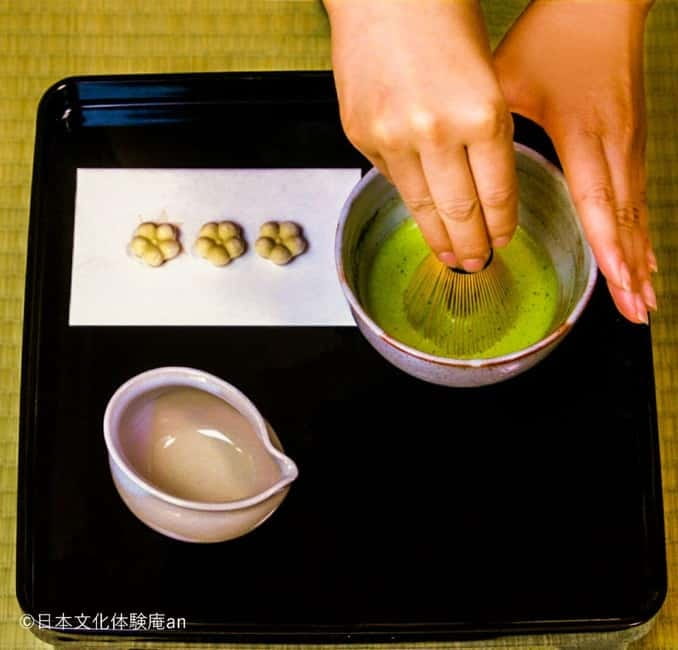
After the demonstration, you take part in the tea ceremony experience. The key appeal is that you do not simply watch an instructor prepare a cup. You make your own matcha after receiving guidance. That hands-on step gives the activity more value than a quick tasting.
At around 20 minutes, the main experience ends and the eating and drinking time begins. This leaves roughly 10 minutes for enjoying the matcha and ohigashi, taking pictures, and finishing at a relaxed pace. The full room departure time is 30 minutes after the start.
The schedule is tight, but that is also its strength. You can place it into a day that already includes Tokyo neighborhoods, museums, shopping, or meals. If you want a long, quiet tea gathering, this will feel brief. If you want a clear introduction with very little time pressure from your wider itinerary, the format works well.
Why the single-origin matcha matters
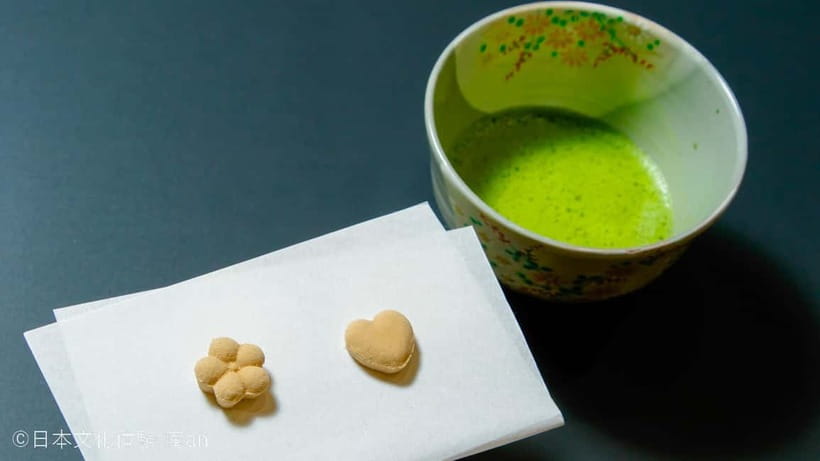
The activity uses special single-origin matcha. That is a useful detail because matcha can vary widely in taste and quality. The phrase single-origin indicates that the tea is associated with one growing source rather than being a blend from several places, although the exact origin is not specified here.
You should expect matcha to taste quite different from sweetened matcha drinks sold in cafés. It can have a strong, earthy, or bitter edge, and the ohigashi helps balance that flavor. The sweet is not just a snack added on the side. It fits the basic rhythm of drinking matcha, where a small sweet prepares your palate for the tea.
I like that the activity gives you both preparation and tasting. The tea becomes easier to appreciate when you understand the work behind it. Even in a short session, grinding and whisking can turn a familiar food trend into a more grounded Japanese cultural experience.
The description does not provide a specific tea-growing region or brand, so you should not book expecting a detailed lesson on regional tea production. The value is in the direct experience of preparing and drinking the matcha.
Ohigashi and the pleasure of a small sweet
Ohigashi are Japanese dry sweets served with the tea. They are typically made to be enjoyed in small portions, which suits this short session and the concentrated taste of matcha.
For you, the practical benefit is simple: the sweet gives the tasting a little more balance. Matcha can be an acquired taste, especially if you normally drink coffee, black tea, or sweetened beverages. Eating the ohigashi as part of the experience helps make the cup feel like a complete serving rather than a stand-alone sample.
The inclusion also adds a detail you might miss at a casual café. You are not only drinking powdered green tea. You are seeing how tea and sweets work together in Japanese hospitality.
The materials do not specify the exact type or flavor of the ohigashi. That means I would treat it as a pleasant included element, not as a separate food tasting.
Casual, but still connected to Japanese custom
The word casual is important here. You can enjoy the activity without already understanding tea ceremony etiquette. The format is intended for one person or a group, so it can suit a solo visit, a couple, friends, or a family group with young children.
At the same time, casual does not mean the experience is only a photo opportunity. You receive an explanation, see matcha being ground, and prepare your own tea. The activity gives you enough structure to understand what you are doing without asking you to commit to a formal study of tea ceremony.
I find that a short introduction like this can work especially well early in a Japan trip. You can learn a few basics here, then notice tea bowls, matcha desserts, tea shops, and tea service differently during the rest of your time in Japan.
The included picture time is another small benefit. You can take photographs before leaving, though the supplied information does not promise a professional photo service or a specific photo setup. Bring your own phone or camera if you want to record the occasion.





Language and instruction
The listed instructor language is Japanese. English translation will be provided as much as possible if you request it, and you are advised to contact the operator if you would like that support.
This is the clearest point to consider before booking. If you need every step explained in fluent English, you should contact AN TOKYO in advance rather than assume full bilingual instruction. If you are comfortable following demonstrations and simple guidance, the practical nature of the activity may make the language issue less serious.
A short class has limited room for detailed interpretation. The tea explanation is brief, and the session moves from explanation to demonstration to practice. I would arrive ready to watch carefully and ask for English assistance before the activity begins.
One recent French-language response described the explanations as quick but interesting. That matches the structure: you get an efficient introduction, not a long seminar. The Japanese instructor may be able to explain more when requested, but the published information does not identify the instructor by name.
Who will get the most from this experience
I would recommend this to you if you want a low-cost cultural activity that fits into a packed Tokyo schedule. At $7 per person, it costs less than many standard sightseeing attractions and gives you an activity rather than a passive visit.
It also suits you if you are curious about matcha but do not want to commit to a formal tea ceremony lasting an hour or more. The 30-minute length makes it easy to try.
Families can consider it too. Children under two who sit on a parent’s lap are free, and the experience accepts individuals as well as groups. The information does not specify broader child-age rules, so contact the operator if you have older children and want to confirm suitability.
I would also consider it for a first-time Japan visit. You get a small, direct encounter with Japanese culture, and the activity does not assume that you already understand the customs.
You may want something else if you are looking for a highly formal ceremony, a long explanation of tea history, a named master, or detailed instruction in English. None of those features is promised.
The value of a $7 Tokyo activity
The price is the strongest practical point. For $7 per person, you receive the tea ceremony experience, matcha, the grinding demonstration, ohigashi, and time for pictures and drinking.
I would not judge the value by the amount of tea alone. You are paying for a short guided activity in which you learn a process and take part in it. That makes the cost especially reasonable for a first taste of tea ceremony culture.
There are limits. The session lasts only 30 minutes, so the low price reflects a compact format. You should not expect a full meal, a long private lesson, or a certificate as part of the basic price.
An experience completion certificate costs an additional 300 JPY. If you want a nominative certificate, you need to provide your names in advance. Otherwise, a blank space will be left for the name. For most people, I would skip the certificate and put the money toward another Japanese sweet or drink, but it may be a useful keepsake for a child or a special occasion.
The activity has received an overall rating of 4.1 from 23 ratings, with strong marks for friendliness, enjoyment, and value. One rating specifically called it great value for money, and that assessment makes sense given the price and included elements. The available feedback also includes a case where the guide was helpful when transport trouble caused a late arrival. Still, the written rules clearly say the event will not be held for delays, so do not count on that flexibility.
Timing, reservations, and arrival advice
Operating hours are from 10:00 to 17:00. Reservations received after 17:00 are processed the next day. You should allow extra time for transportation and finding the venue, because the session cannot be held to accommodate delays.
This is not the kind of booking to place at the end of a complicated Tokyo transfer. A delayed train, crowded station, or wrong turn could cost you part of the experience. I would schedule it with a buffer and avoid pairing it with a reservation that begins immediately afterward.
The experience is available at specific starting times, so check availability for the day you want. You can reserve now and pay later, which helps if your Tokyo schedule is still changing.
Cancellation is free up to 24 hours in advance for a full refund. After the cancellation fee applies, changing the date or time can also bring a specified fee. Cancellation does not cover your travel expenses to the venue.
Only people taking part in the experience may enter. If someone in your party plans to wait inside without participating, that will not be allowed.
The best place for it in your Tokyo day
The 30-minute duration gives you plenty of planning options, but the experience still deserves a little breathing room. I would place it between larger activities rather than treat it as a final-minute filler.
A midmorning session can give you a quiet break before lunch. An afternoon session can interrupt a long stretch of sightseeing with something slower and more focused. Since the room departure time is fixed at 30 minutes, you can plan the next stop with reasonable accuracy once you have allowed for transportation.
The activity does not include transport, food beyond the ohigashi, or an extended tea service. Think of it as a cultural pause. You arrive, learn, prepare, taste, take pictures, and leave.
That simple rhythm is part of the charm. Tokyo can fill a day with stations, crossings, shops, and major sights. A short tea experience gives you a chance to sit still and pay attention to one small part of daily Japanese culture.
Small details that improve the experience
Contact AN TOKYO before arrival if you want English translation. That is the most useful preparation step, especially if you want to understand the tea explanation rather than simply copy the demonstration.
Arrive early enough to locate the meeting point. The activity provider cannot guarantee a late start, even though one guide was considerate when a transport problem affected an arrival. The official rule remains the safer guide for your planning.
If you are booking for a child under two, remember that the child is free only when sitting on a parent’s lap. Other participants need to be booked as participants.
I would also avoid expecting a long photography session. Picture time is included, but the total activity lasts only 30 minutes. Take a few photographs, then enjoy the tea while it is fresh.
Finally, think about your own taste. Matcha is not automatically sweet or mild. The ohigashi helps, but you may still find the tea strong. That is not a flaw in the activity, just part of trying matcha in a more traditional form.
Should you book this tea ceremony?
Book it if you want an inexpensive, hands-on introduction to matcha in Tokyo. The single-origin tea, grinding demonstration, included ohigashi, and chance to prepare your own cup give the $7 price real value.
I would especially choose it for a first visit, a short itinerary, a family looking for a manageable cultural activity, or anyone who wants a calm break from sightseeing. The 30-minute length is easy to fit into the day.
Skip it if you want a formal, extended ceremony or guaranteed full English instruction. For everyone else, this is a sensible little cultural stop, provided you arrive on time and contact the operator in advance about language support.
FAQ
Where does the Tokyo tea ceremony take place?
The experience takes place at AN TOKYO Japanese Culture Experience in Tokyo, Japan. The listed coordinates are 35.6916541, 139.7715022.
How long does the experience last?
The complete activity lasts 30 minutes. The main tea ceremony experience ends at about 20 minutes, followed by eating, drinking, picture time, and room departure at 30 minutes.
What is included in the price?
The $7 price includes the OTE-MAE Japanese tea ceremony experience, matcha, and Japanese ohigashi sweets. A completion certificate is not included.
Is English instruction available?
The instructor language is Japanese. English translation will be provided as much as possible if requested, so contact the provider in advance if you want English support.
Can I cancel for a full refund?
You can cancel up to 24 hours in advance for a full refund. Cancellation fees apply after that point, and changing the date or time after a fee has been incurred may also bring an additional specified fee.
Are children under two free?
Children under two are free when they sit on a parent’s lap. The activity information does not state the policy for children who do not sit on a parent’s lap.
Can I receive a completion certificate?
Yes, a completion certificate is available for an additional 300 JPY. For a nominative certificate, provide the participants’ names in advance. Otherwise, the name field will be left blank.
More Tea Ceremony & Matcha in Tokyo

More tours in Tokyo we've reviewed




Tea Ceremony & Matcha, compared.
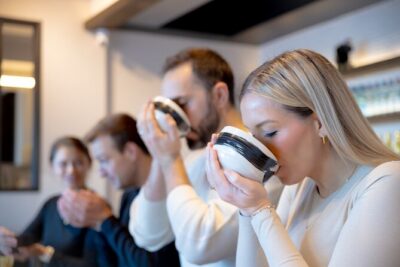 ★ 5.0Matcha Making Class in Tokyo with Authentic Japanese Sweets SetFrom $21
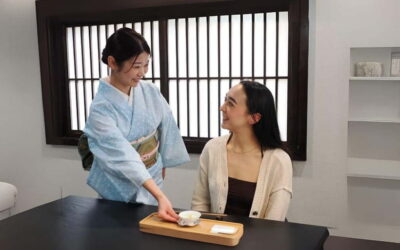 ★ 5.0Tokyo: Traditional Tea Ceremony with a Tea MasterFrom $381 hour
 ★ 4.5Dynamic Tokyo: Tokyo Tower, Tea Experience, Bay Cruise Day TourFrom $99
 ★ 4.9Tokyo: Matcha Making Experience with Mochi Sweets in AsakusaFrom $221 hour
 ★ 4.7Tokyo: Matcha and Kimono ExperienceFrom $57
 ★ 5.0Tea Ceremony Workshop in Tokyo by the Experienced InstrucorFrom $38