
Reviewed · SUSHI MAKING CLASSES
Tokyo: Sushi Making Class
The best part of this Tokyo class is that you do not simply watch a chef work. You make several kinds of sushi yourself, from hand-shaped nigiri and sweet tofu pouches to thin rolls and California rolls, then sit down to eat the results. The small group, limited to nine people, keeps the lesson personal. English-speaking teachers explain each step clearly, and instructors named in past sessions include Mika, Miki, Yuko, Aya, Koyotama, and Yuki.
I like the attention given to sushi rice, the foundation of good sushi, and the way the lesson adds useful Japanese cooking skills such as dashi, miso soup, and tamagoyaki. I also like that dietary needs can be handled with advance notice, including vegetarian, gluten-free, allergy-related, and religious requirements. The main consideration is that the fish comes pre-sliced, so this is a sushi assembly class rather than a lesson in cutting raw fish.
In This Review
- Key points at a glance
- A home kitchen in residential Shinjuku
- Start with dashi, seasonings, and miso soup
- Tamagoyaki is the first hands-on test
- Sushi rice gets the attention it deserves
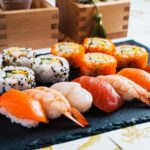
- Four kinds of sushi, four different techniques
- A meal you make yourself
- Friendly instruction without a language barrier
- Family suitability and dietary needs
- Is $67 a fair price?
- Who should book this class?
- Should you book Cooking Sun Tokyo?
- FAQ
- How long does the sushi class last?
- What kinds of sushi will I make?
- Does the class teach how to cut raw fish?
- Is the class taught in English?
- What food is included?
- Are ingredients and cooking equipment included?
- Can dietary requirements be accommodated?
- How do I find the studio?
Key points at a glance
- Four sushi styles in one class: Make nigiri, inari, hosomaki, and California rolls rather than repeating one basic recipe.
- A real Japanese cooking lesson: Learn about dashi, seasonings, miso soup, tamagoyaki, rice preparation, and sushi toppings.
- Small, friendly setting: The group size is capped at nine, allowing instructors to help with rolling, shaping, and dietary substitutions.
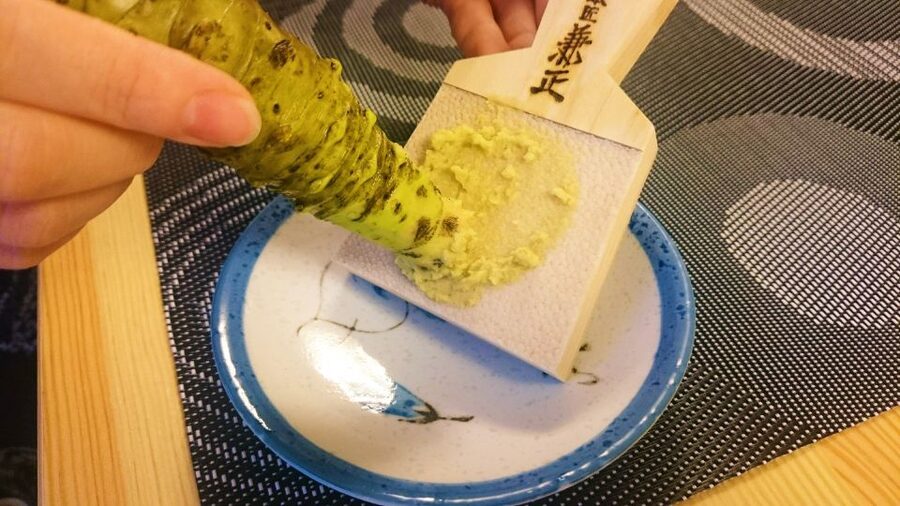
- A substantial meal: You eat the sushi you make, with miso soup, fresh wasabi, and pickled ginger on the side.
- Useful takeaway: Recipes, ingredients, utensils, an apron, and towel rental are included.
- Allow extra time to find the studio: It is on the second floor of a beige residential building in Shinjuku, with the right-hand entrance and intercom number 314.
A home kitchen in residential Shinjuku
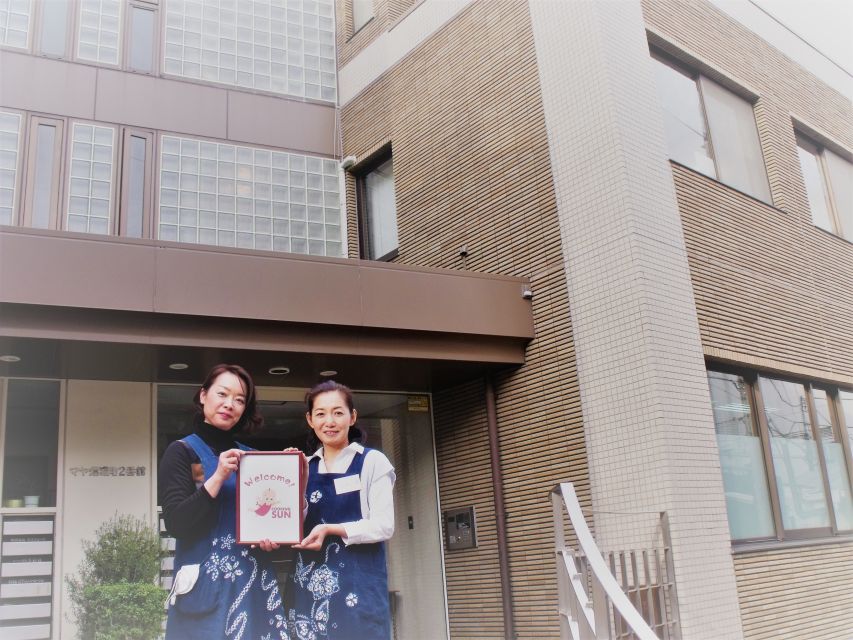
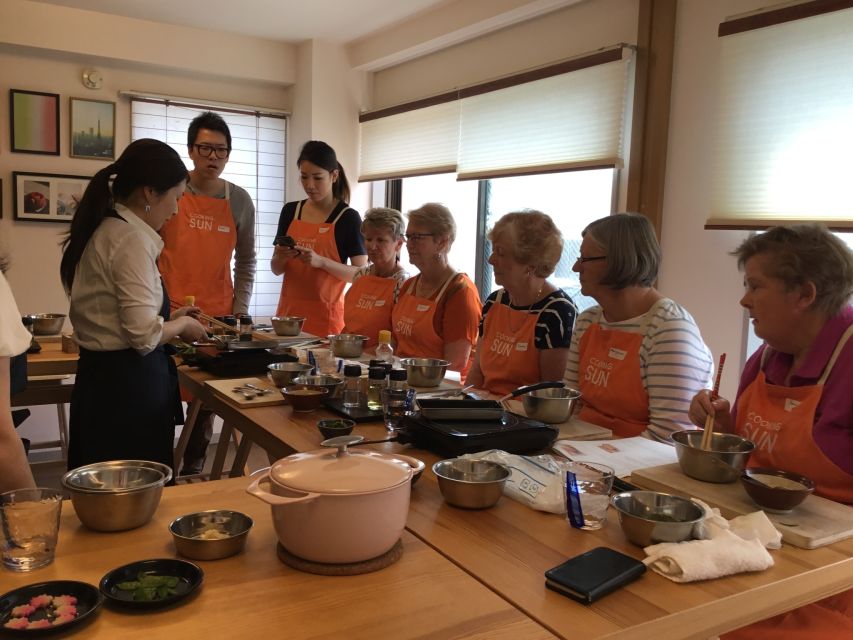
Cooking Sun’s studio is in Shinanomachi, in Shinjuku-ku, but this is not a flashy restaurant or a large cooking school. You enter a beige residential building and go up to the second floor. At the entrance are two doors. Use the right-hand door, then press 314 on the intercom to call the studio.
That setting is part of the appeal. You are spending an afternoon in a working local neighborhood rather than in a tourist restaurant. It also means you need to arrive prepared. The studio can be difficult to spot, so save the location before leaving your hotel. Google Maps should find Cooking Sun Tokyo at Shinanomachi 18-39, Shinjuku-ku.
If you arrive by private vehicle, ask the driver to use a nearby coin-operated parking lot while waiting. This is a quiet residential area, and stopping in front of the building can bother neighbors.
The class lasts three hours, although one session was described as lasting about three and a half hours. I would keep the rest of your afternoon fairly open. You will be cooking, asking questions, eating a full meal, and possibly chatting with classmates.
A few more Tokyo tours and experiences worth a look
Start with dashi, seasonings, and miso soup
The class begins with an introduction to Japanese ingredients and the basic flavors behind many home-cooked dishes. You learn about dashi, the soup stock used in Japanese cooking, along with traditional seasonings and the components of miso soup.
This opening gives the sushi lesson some needed context. Sushi is not just fish placed on rice. Rice seasoning, texture, soy sauce, soup stock, pickles, and the balance between sweet and savory all matter. Understanding those building blocks helps you make better food at home instead of simply copying a restaurant presentation.
You also prepare miso soup during the session. That is a useful addition because it rounds out the meal and gives you another Japanese recipe to take away. The class is not limited to sushi shapes and rolling tricks. It shows how several dishes fit together at a Japanese table.
The instructors also bring in cultural, historical, and language notes during the cooking. The amount of discussion may depend on the group and the pace, but the class is designed to teach more than kitchen mechanics.
Tamagoyaki is the first hands-on test
Next comes tamagoyaki, the fluffy Japanese rolled omelet. It looks simple, but getting the layers even and the shape tidy takes some practice. Step-by-step help makes this a good early task because you begin using Japanese cooking methods before handling the sushi.
This part is especially useful if you cook often but have little experience with Japanese food. You receive a technique you can repeat at home, and beginners are not left guessing. The teachers demonstrate first, then give you a chance to try.
I would not expect every omelet to look perfect. That is part of the fun, and the class is built around learning rather than producing restaurant-level photographs. The instructors keep the process manageable by breaking it into small actions.
Sushi rice gets the attention it deserves
Rice is where this experience earns its price. Many home cooks focus on fillings and overlook the rice, but seasoned rice controls the texture and much of the flavor of sushi. Here you learn how to prepare it properly before moving on to toppings and rolling.
The exact length of the rice instruction is not specified, but the lesson clearly treats it as a central skill. You prepare sushi rice and work with ingredients such as shrimp before making the finished pieces.
That emphasis matters because the recipe is portable. Once you return home, you may not have the same fish or equipment, but you can still use the rice method, seasoning balance, and shaping techniques. One participant had already remade the dishes at home using the recipe cards provided.
Four kinds of sushi, four different techniques
The class covers four main styles, giving you a good sense of the variety hidden under the single word sushi.
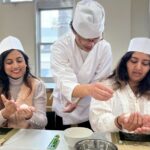
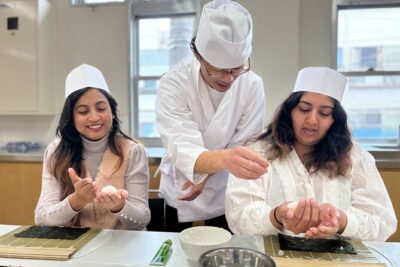
Nigiri is hand-pressed sushi. You shape the rice and place a topping over it. This teaches control: too much rice makes a heavy piece, while too little can make it fall apart.
Inari uses a sweet tofu pouch filled with sushi rice. It is easy to recognize, but the sweet wrapper gives it a different flavor from fish-based sushi. It also provides a good option for people who prefer less raw seafood.
Hosomaki, or thin rolls, require careful distribution of rice and filling. You learn how to roll tightly without pushing the ingredients out the sides. This is often the technique people most want to repeat at home.
California rolls offer another rolling style and a familiar point of comparison for diners who know Western sushi restaurants. Making both thin rolls and California rolls helps you see how filling, rice, and nori change the final result.
The teachers demonstrate each stage before you try it. That rhythm is important. You get enough instruction to understand the task, then enough hands-on time to build confidence. The small group also means help is available when a roll becomes loose or a piece of nigiri needs reshaping.
The class uses pre-sliced fish. This keeps the session focused and avoids turning it into a knife-skills course, but you should know the limit before booking. If you want to learn how to break down a whole fish or slice sashimi, this is not that class.
A few more Tokyo tours and experiences worth a look

A meal you make yourself
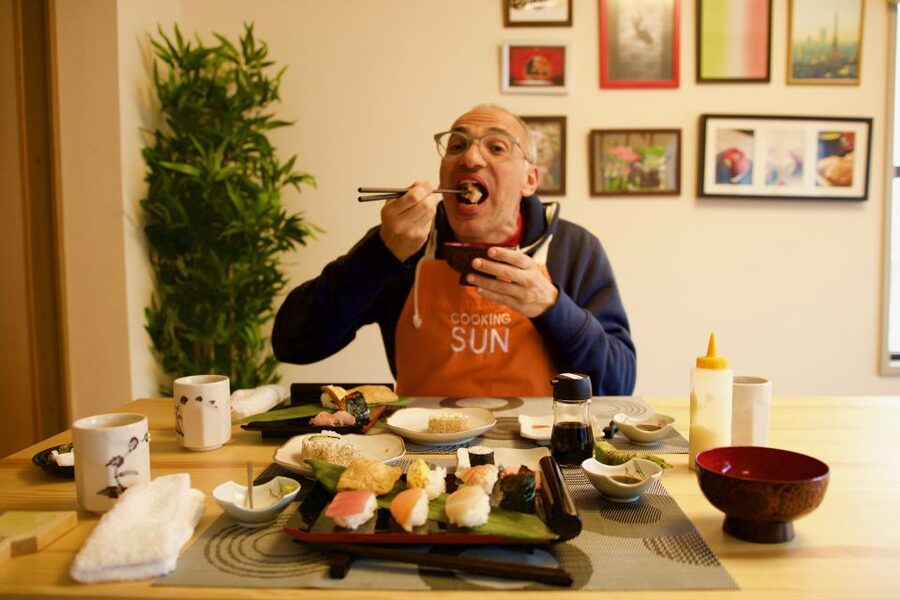
At the end, you sit down with the sushi and miso soup. Fresh wasabi and pickled ginger are served on the side. Several participants found the portion large enough to replace dinner, so arrive hungry and do not plan a major meal immediately afterward.
Eating at the end changes the feel of the lesson. You can compare the different sushi forms, see which techniques worked best, and enjoy the meal without rushing to the next sightseeing stop. It also gives the class a natural finish instead of ending with a table full of unfinished ingredients.
The food is prepared from fresh ingredients, and the wide range of pieces makes the final plate feel generous. You may not produce identical shapes, but you will have made enough different items to understand how a sushi meal is assembled.
Tea or sake is not listed as included. If a drink with the meal matters to you, ask before booking rather than assuming it will be served.
Friendly instruction without a language barrier
The class is conducted in English. That does not mean every conversation will be formal or highly scripted. The atmosphere is described as friendly and informal, with Japanese instructors sharing food traditions, ingredient details, and occasional language notes as they work.
The strongest feature is patient guidance. The teachers demonstrate, explain, watch you try, and step in when needed. That works for a first-time cook, but it also gives experienced home cooks room to ask about small details.
The instructors have also been praised for keeping the kitchen organized and clean during the session. Tools are kept ready, hand-washing breaks are built into the pace, and the lesson moves along without feeling frantic.
With a maximum of nine participants, the class is small enough for personal help but still social. You might work alongside couples, families, or solo participants. That mix can make the afternoon more enjoyable, though anyone seeking a completely private lesson should check the booking details carefully.
Family suitability and dietary needs
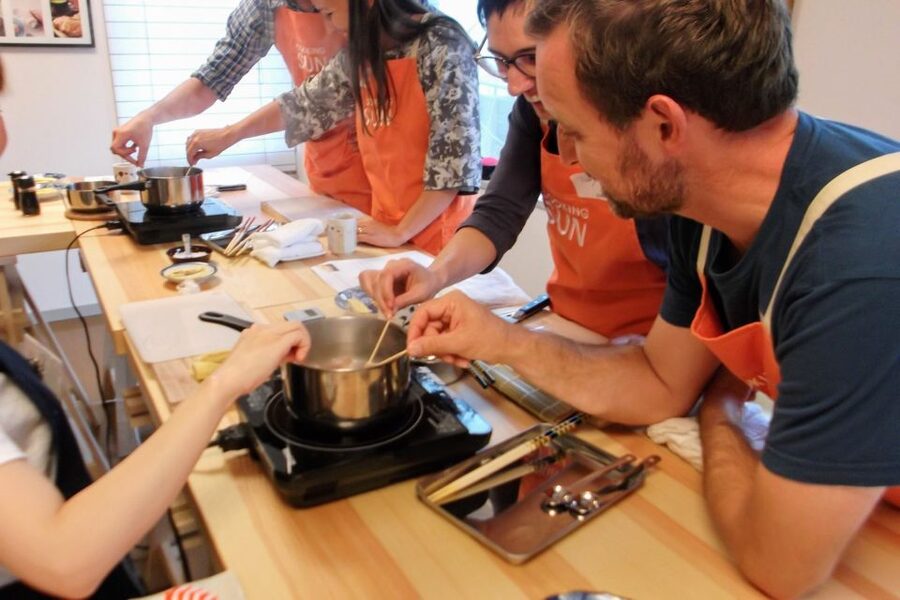
This is a strong family activity. Children have been welcomed with patience, and a seven-year-old sushi fan was able to take part with extra help. A toddler also attended one session with family members. Still, the class involves food preparation and utensils, so adults should remain responsible for young children throughout.
For dietary needs, contact Cooking Sun when booking. Ingredients can be substituted for allergies, gluten-free diets, religious restrictions, and vegetarian preferences. People with celiac disease have received specific guidance about which ingredients were safe and where changes were made.
Do not wait until you arrive to explain a restriction. Advance notice gives the instructors time to prepare suitable ingredients and explain the substitutions clearly.
Is $67 a fair price?
At $67 per person, this is not the cheapest way to eat sushi in Tokyo. You can certainly buy a filling meal for less, especially at a casual conveyor-belt restaurant. The value here comes from the three-hour lesson, the number of dishes you make, the instruction, and the meal at the end.
The price includes all ingredients and utensils, recipes, an apron, and towel rental. There is no hotel pickup or transportation, so you pay for getting yourself to Shinanomachi.
Compared with a short demonstration or a crowded class, the three-hour format gives you time to learn the rice, prepare tamagoyaki and miso soup, make several sushi types, and eat everything afterward. For a couple or family, that can be a better use of an afternoon than simply adding another restaurant meal to the itinerary.
I see the best value for people who will use the recipes again. If you want a one-time novelty and do not cook at home, the cost is still reasonable because the final meal is substantial. If your only goal is eating excellent sushi, spend the money at a sushi counter instead.
Who should book this class?
I would choose this for first-time sushi makers, families, couples, and home cooks who want practical Japanese food skills. It also suits you if you want an indoor activity for a rainy afternoon or a break from Tokyo’s busy sightseeing districts.
The class works particularly well for anyone who wants cultural context with the cooking. The ingredient explanations and notes on Japanese food traditions add meaning to the meal without turning the afternoon into a lecture.
I would hesitate only if you want advanced knife work, a lesson on slicing raw fish, or a fully private experience. The fish is pre-sliced, and the group can include up to nine people.
Booking is flexible: you can reserve now and pay later, and cancellation is free up to 24 hours before the class for a full refund. Starting times vary, so check availability for your date.
Should you book Cooking Sun Tokyo?
Book it if you want to spend three relaxed hours making a full range of sushi with English-speaking teachers who explain the details and help when your rolls misbehave. The combination of rice instruction, tamagoyaki, miso soup, four sushi styles, and a generous final meal gives you more than a quick roll-making demonstration.
Skip it if raw fish preparation is your main interest. For almost everyone else, especially families and curious home cooks, $67 buys a useful skill, a local-style afternoon in residential Shinjuku, and dinner you can honestly say you made yourself.
FAQ
How long does the sushi class last?
The scheduled duration is three hours. Starting times vary, so check availability for your chosen date.
What kinds of sushi will I make?
You will learn to make nigiri, inari, hosomaki, and California rolls.
Does the class teach how to cut raw fish?
No. The fish used in the class is pre-sliced, so instruction focuses on preparation, shaping, and assembly rather than cutting raw fish.
Is the class taught in English?
Yes. English-speaking instructors lead the class, and English is the listed language.
What food is included?
You prepare sushi and miso soup, then eat your handmade meal. Fresh wasabi and pickled ginger are served on the side.
Are ingredients and cooking equipment included?
Yes. Ingredients and utensils are included, along with recipes, an apron rental, and a towel rental.
Can dietary requirements be accommodated?
Yes. Substitutions can be arranged for allergies, gluten-free diets, religious dietary restrictions, and vegetarian preferences. Tell Cooking Sun about your needs when booking.
How do I find the studio?
Use Google Maps to search for Cooking Sun Tokyo at Shinanomachi 18-39, Shinjuku-ku, Tokyo. The studio is on the second floor of a beige residential building. Use the right-hand door at the entrance and press 314 on the intercom.
More Workshops & Classes in Tokyo
More Sushi Making Classes in Tokyo
More tours in Tokyo we've reviewed





Sushi Making Classes, compared.
 ★ 5.0Sushi Making Tokyo Roll and Authentic Japanese Sushi ClassFrom $59
 ★ 4.9Tokyo: Roll and Authentic Sushi Making Class in AsakusaFrom $581h 40m
 ★ 5.0Make Sushi and Create Unforgettable Memories in TokyoFrom $79
 ★ 4.9Tokyo: Sushi Making Class in a Happi Coat near a Famous SpotFrom $421h 30m
 ★ 5.0Tokyo Sushi Making Class in Tsukiji with Professional ChefFrom $49
 ★ 5.0Tokyo Night Foodie Tour in Shinjuku – Seasonal Sushi, Wagyu BeefFrom $111