
Reviewed · SUMO EXPERIENCES
Tokyo Sumo Culture Tour with Chanko-Nabe Lunch in Ryogoku
Ryogoku is the right place to learn what sumo means beyond the ring. This three-and-a-half-hour walking tour connects stables, shrines, temples, and sumo landmarks before ending with chanko-nabe, the hot-pot meal linked to wrestlers’ daily diet.
I like the small maximum of eight people, which makes it easier to ask questions and keep up on city streets. I also like the food finale and the guides who have earned strong praise, especially Jeff, Taka, and Aki-san. The main catch is important: you do not watch a practice session or a match, and some facilities or museums may be closed, especially on Sundays.
In This Review
- Key points at a glance
- Why Ryogoku is the best setting for a sumo tour
- Hakkaku-beya and the rules of stable etiquette
- Nominosukune Shrine and sumo’s oldest stories
- Ryogoku Kokugikan from the outside
- Ryogoku Edo Noren and a full-scale ring
- Ekoin Temple and sumo in the samurai era
- Kasuganobeya and the everyday life of wrestlers
- Chanko-nabe at Tomoegata
- What Jeff, Taka, and Aki-san add
- Timing, closures, and the major trade-off
- Is $131.12 a fair price?
- Who should book this Ryogoku walk?
- Practical details before you reserve
- Should you book it?
- FAQ
- How long does the Tokyo Sumo Culture Tour last?
- What time does the tour start?
- Where does the tour meet?
- Where does the tour finish?
- Is lunch included?
- Are alcoholic drinks included?
- Will I watch a sumo match or practice session?
- How many people can join the tour?
- Can I cancel for a full refund?
Key points at a glance
- A walk through Sumo Town: See Hakkaku-beya, Kasuganobeya, Ryogoku Kokugikan, Nominosukune Shrine, Ekoin Temple, and Ryogoku Edo Noren.
- Small-group format: The tour accepts no more than eight people, with group discounts available.
- Guides who bring the subject to life: Jeff, Taka, and Aki-san are named in the feedback, with particular praise for their clear explanations and friendly manner.
- Chanko-nabe lunch included: The tour finishes at Tomoegata Chanko, with alcohol available at your own cost.
- No live sumo included: You see important places from outside and learn about the sport, but actual matches and training are not part of the booking.
- Morning start: Meet at Ryogoku Station at 9:30 a.m. and finish at the restaurant, not back at the station.
Why Ryogoku is the best setting for a sumo tour
Sumo is not just a contest between two large athletes. It has shrines, ceremonies, training stables, rules, food traditions, and a strong connection to place. Ryogoku gathers much of that in one compact district, so the walking route gives you a useful frame for the sport.
You begin near Ryogoku Station at 9:30 a.m. From there, your guide leads the group through streets where sumo stables and major tournament sites sit alongside ordinary Tokyo businesses. That matters because you are not simply being taken from one attraction to another. You are learning how sumo fits into the neighborhood.
The group limit of eight is one of the tour’s best features. A guide can explain a wrestling custom, point out a detail, and answer a follow-up question without turning the walk into a lecture for a crowd. The route lasts about three and a half hours, so expect a steady morning rather than a quick photo stop.
A few more Tokyo tours and experiences worth a look

Hakkaku-beya and the rules of stable etiquette
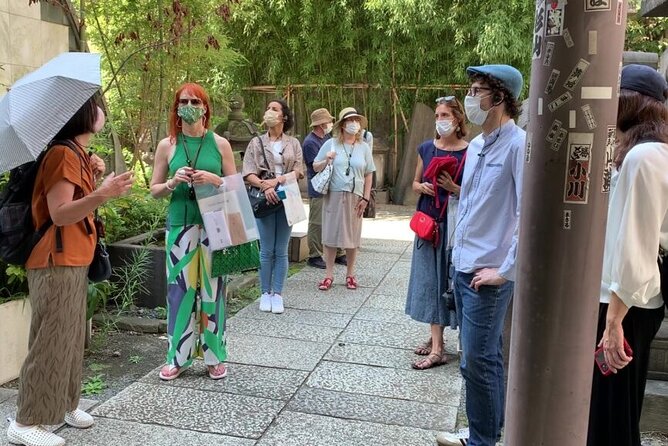
The first stop is Hakkaku-beya, a well-known sumo stable where wrestlers live and train. The visit is short, about 15 minutes, and the stable is viewed from outside.
That limitation is worth understanding before you book. This is not a stable tour with guaranteed access to a practice room. You are seeing the place where wrestlers train and learning about its role, but you should not expect to enter or watch a morning session.
Even so, this stop gives the rest of the tour a useful starting point. Your guide can explain the stable system and the daily world of wrestlers before you encounter the sport’s shrines, arenas, and food. If seeing wrestlers in training is your main goal, this experience may leave you wanting more.
Nominosukune Shrine and sumo’s oldest stories
At Nominosukune Shrine, you learn about the figure traditionally linked with the beginning of sumo. The guide explains how sumo is said to have begun around 1,500 years ago, and how its rules changed over time into the form used today.
This is where a guide adds real value. A shrine visit on your own might take only a few minutes, but the explanation connects the site to the sport’s rituals and rule-making. You get a better sense of why sumo carries such a formal tone and why its traditions matter to the people involved.
The stop lasts about 30 minutes. It is a good length for hearing the story without allowing the visit to become too abstract. You should still keep your expectations grounded. This is a cultural and historical stop, not a performance or a match.
Ryogoku Kokugikan from the outside
Ryogoku Kokugikan is the district’s major sumo arena and the place where grand tournaments are held three times a year. The tour views the building from outside and uses the setting to explain its place in modern sumo.
The arena is a major landmark, but the outside view is the key detail here. You will not receive a tournament ticket, and actual sumo viewing is excluded. If your trip happens to line up with a tournament, you will need separate arrangements to attend.
The guide’s stories make this stop more useful than a simple exterior photo. You can learn about the arena’s role in the sumo calendar and why Ryogoku is treated as the sport’s home in Tokyo. The stop takes about 30 minutes, giving you time to look around and ask questions.
Ryogoku Edo Noren and a full-scale ring
Ryogoku Edo Noren offers a change of mood. The setting recalls old Edo, the former name for Tokyo, and includes a full-scale sumo ring. Here, the guide explains the ring and the customs connected with it.
Seeing the ring up close helps you understand the scale and layout of a match. Sumo rules can seem simple at first, but the ring, boundaries, ceremonial actions, and referee’s role add detail. This is a useful place to ask the questions that occur to you after visiting the shrine and arena.
The stop lasts around 30 minutes. It is also one of the easier places on the route for someone new to sumo, since you can connect the explanation to something directly in front of you. The atmosphere is about setting and interpretation, not a live bout.
A few more Tokyo tours and experiences worth a look


Ekoin Temple and sumo in the samurai era
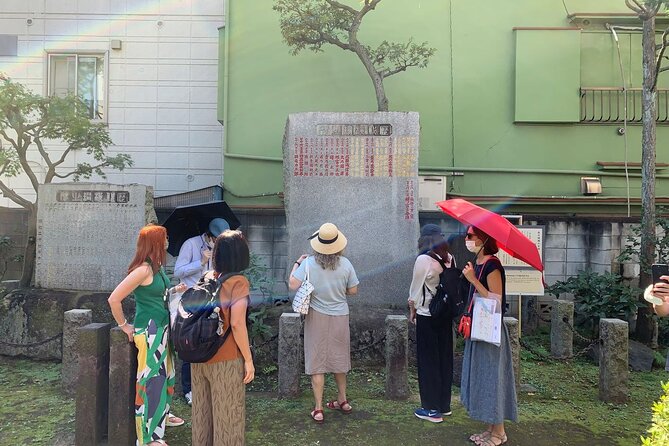
At Ekoin Temple, you hear about sumo tournaments held during the Edo period. The guide discusses the social position of wrestlers and how matches were organized in the pre-modern era.
This stop widens the subject beyond sport. You learn that sumo developed within changing social and political conditions, and that wrestlers did not always hold the same place in society. The temple gives the discussion a fitting location because it is connected with the older tournament tradition.
The visit is brief, about 15 minutes. That keeps the morning moving, though anyone especially interested in Japanese social history may wish the stop were longer. The tour is designed as a broad introduction to Ryogoku and sumo culture, not a specialist academic walk.
Kasuganobeya and the everyday life of wrestlers
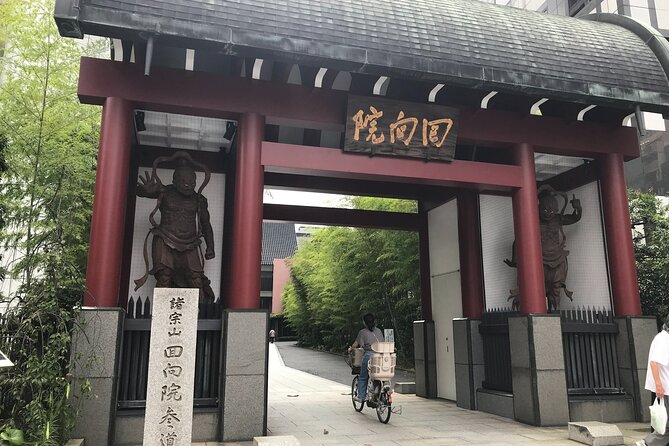
The route then reaches Kasuganobeya, another sumo stable. Again, the stable is part of the neighborhood rather than an indoor training visit. One unusual detail your guide may point out is the wrestler-size bicycles used in daily life.
That small detail helps put the athletes into a more ordinary setting. Sumo wrestlers have public ceremonies and matches, but they also need to move around, eat, train, and manage daily errands. The bicycles offer a memorable visual link between the sport’s extraordinary physical scale and regular city life.
A Bulgarian-born wrestler belongs to this stable, which also gives the guide a chance to discuss the international side of modern sumo. The stop takes about 15 minutes. As with Hakkaku-beya, do not book this tour expecting guaranteed contact with wrestlers.
Chanko-nabe at Tomoegata
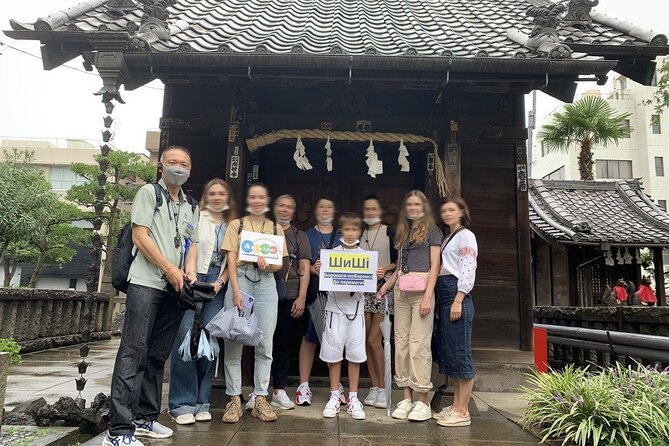
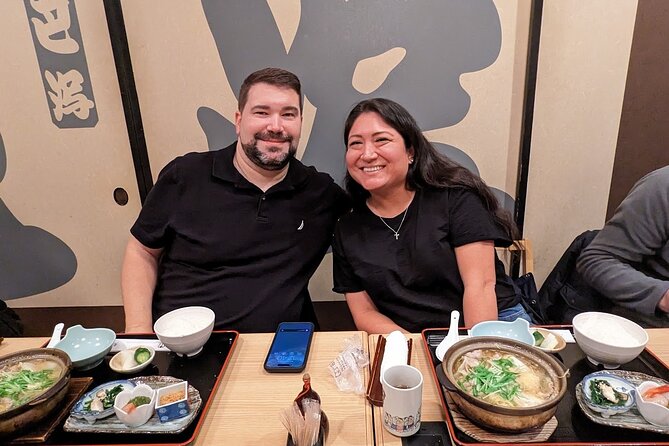
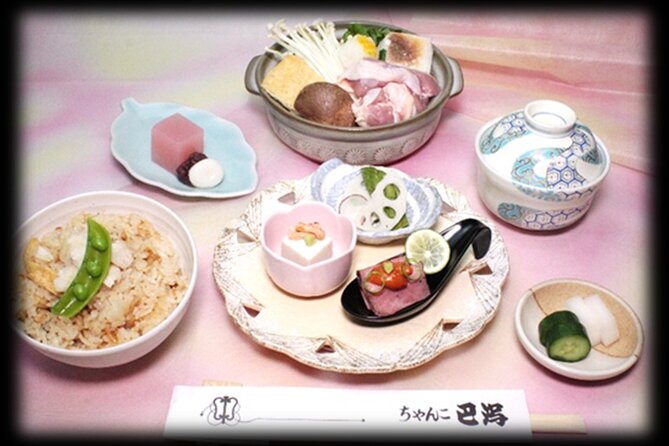
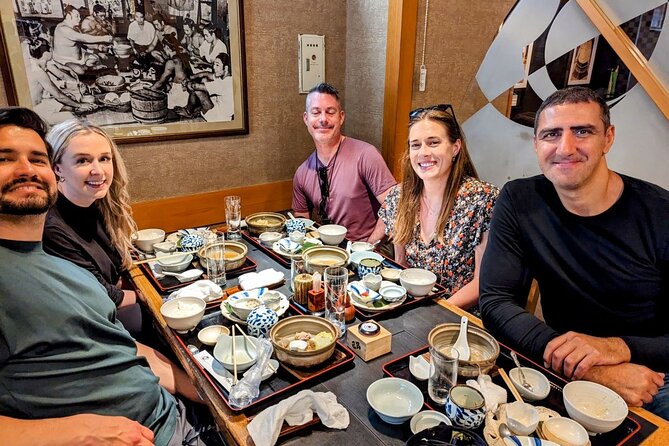
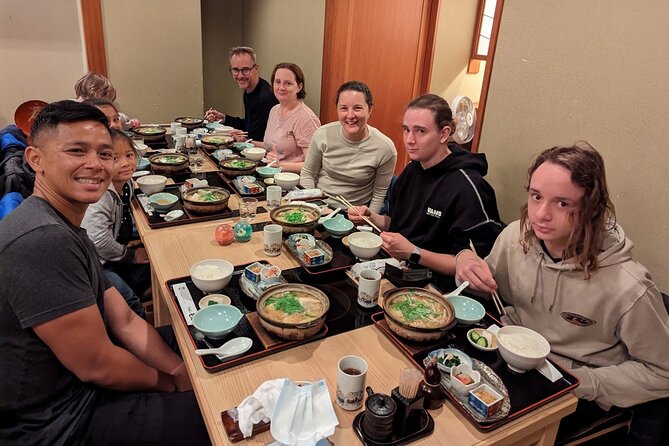
The tour ends at Tomoegata Chanko, where you sit down to a chanko-nabe lunch. This hot-pot dish is closely associated with sumo wrestlers, who eat it as part of a high-calorie diet designed to support weight and muscle building.
Lunch is included in the tour price, while alcoholic drinks are not. That makes the meal more than a convenient restaurant stop. It ties the morning’s discussion of training and wrestler life to something you can actually share at the table.
The lunch portion lasts about an hour. The restaurant is also the final stop, so plan your onward route from Ryogoku rather than assuming you will be escorted back to the station. The meal has been praised as a strong part of the experience, but the available information does not specify every dish, menu choice, or dietary accommodation. If you have food restrictions, ask the operator before booking.
What Jeff, Taka, and Aki-san add
The strongest part of the experience appears to be the guiding. Jeff is praised for being friendly, informative, and easy to spend a morning with. Taka is singled out for his explanations, though one booking that took place between tournaments found the timing disappointing because training facilities were closed on a Sunday.
Aki-san is praised for explaining the culture and customs of sumo in a way that made the sights easier to understand. These names matter because a walking tour depends heavily on the person leading it. The route itself is worthwhile, but the stories and answers are what turn a neighborhood walk into a useful introduction.
Guide assignment may vary. You should not assume that you will receive a particular guide unless the operator confirms it. The feedback points to a generally strong standard, but individual guides and the day’s conditions can shape the experience.
Timing, closures, and the major trade-off
The most important planning issue is the absence of live sumo. This tour does not include a match, a practice session, or an inside visit to a training facility. You are paying for interpretation, neighborhood access from the outside, and lunch.
The tour can be less satisfying during periods between tournaments, especially if you are hoping to see active training. Sunday closures can also affect related facilities. One experience had a museum closed, while another found that training tours were not open on a Sunday.
That does not make the tour a poor choice. It simply defines the product clearly. Book it if you want context, stories, and a meal. Do not book it as a substitute for tournament tickets or a confirmed stable practice visit.
Is $131.12 a fair price?
At $131.12 per person, this is not a cheap neighborhood walk. The price includes a three-and-a-half-hour guided route, a maximum group size of eight, and chanko-nabe lunch. You are also paying for planning, navigation, and explanations at several places that can be hard to connect on your own.
I see the value most clearly if you are new to sumo or have limited time in Tokyo. The guide gives you a coherent route and places the sport in its local setting. A private or very small group experience can also make the price easier to justify, particularly when the group does not fill to eight.
The value is weaker if you mainly want to see athletes in action. Since stable visits are exterior views and lunch is the only included meal, you could spend less by walking around Ryogoku independently. You would, however, lose the guide’s stories and the structure that keeps the morning focused.
The tour is booked an average of 52 days ahead, so planning early is sensible. That timing may reflect limited availability for a small-group experience. Free cancellation is available if you cancel at least 24 hours before the start time. Changes or cancellations inside that window are not accepted for a refund.
Who should book this Ryogoku walk?
I would recommend it to first-time sumo fans, visitors who enjoy cultural context, and anyone who wants a guided introduction without committing to a full tournament day. Families and small groups may also like the manageable size, provided everyone can handle several short walks between stops.
It suits you particularly well if you enjoy asking questions. The subjects range from ancient origins to modern stables, social status, arena customs, and food, so there is plenty to discuss.
I would be more cautious if you have already studied sumo in detail. You may find the stops too brief and the lack of interior access limiting. The same applies if your top priority is watching practice. In that case, arrange a confirmed training visit or buy a tournament ticket separately, rather than assuming this tour provides either one.
Practical details before you reserve
Meet at Ryogoku Station at 9:30 a.m., at 1-chōme-4-29 Yokoami, Sumida City. The tour ends at Tomoegata Chanko at 2-chōme-17-6 Ryogoku, so you finish near lunch and must make your own way onward afterward.
The route is near public transportation, and most people can participate. Wear comfortable shoes, since the experience is built around walking between several stops. The mobile ticket is useful for a morning appointment, and group discounts may help if you are booking for several people.
The advertised rating is 4.9 from 26 reviews, with a 96 percent recommendation rate. Those figures suggest a strong experience overall, but the lower-scoring feedback points to the exact issue you need to weigh: closures and the lack of actual sumo viewing.
Should you book it?
Book this tour if you want to understand sumo as a part of Tokyo life, not just watch two wrestlers collide. The route covers the right district, the group is small, the guides have been well received, and chanko-nabe gives the morning a satisfying finish.
Skip it if you need guaranteed access to practice, a tournament match, or an indoor stable visit. Check the date carefully, especially if it falls on a Sunday or between grand tournaments. For the right traveler, this is a well-organized cultural walk with a meal attached. For a dedicated sumo spectator, it is useful background, not the main event.
FAQ
How long does the Tokyo Sumo Culture Tour last?
The experience lasts approximately 3 hours and 30 minutes, including the walking route and the chanko-nabe lunch.
What time does the tour start?
The tour starts at 9:30 a.m.
Where does the tour meet?
The meeting point is Ryogoku Station at 1-chōme-4-29 Yokoami, Sumida City, Tokyo 130-0015, Japan.
Where does the tour finish?
The tour ends at Tomoegata Chanko at 2-chōme-17-6 Ryogoku, Sumida City, Tokyo 130-0026, Japan. It does not return you to the station.
Is lunch included?
Yes. Chanko-nabe lunch is included in the tour price.
Are alcoholic drinks included?
No. Alcoholic beverages are not included.
Will I watch a sumo match or practice session?
No. Actual sumo viewing, including practice and matches, is not included. The stables are viewed from outside.
How many people can join the tour?
The maximum group size is eight people.
Can I cancel for a full refund?
Yes, if you cancel at least 24 hours before the experience start time. Cancellations and changes made less than 24 hours before the start are not accepted for a refund.
More Lunch Experiences in Tokyo
More Sumo Experiences in Tokyo

More tours in Tokyo we've reviewed






Sumo Experiences, compared.
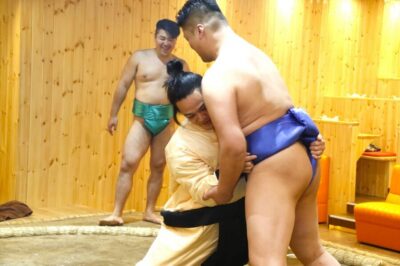 ★ 4.8Tokyo: Sumo Show Experience with Chicken Hot Pot and a PhotoFrom $1032 hours
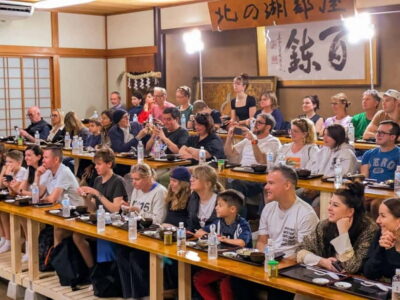 ★ 4.8Tokyo: Sumo Show and Dining ExperienceFrom $7990 minutes - 2 hours
 ★ 5.0the SUMO showFrom $89
 ★ 5.0Tokyo Shinjuku Sumo Show & Experience with PhotoFrom $79
 ★ 4.8Tokyo: Sumo Show and Experience in ShinjukuFrom $691h 30m
 ★ 4.6Tokyo: Sumo Tournament Tour with Chair Seat TicketsFrom $141