
Reviewed · SHINJUKU TOURS
Tokyo: Shinjuku Nightlife & Secret Backstreets Walking Tour
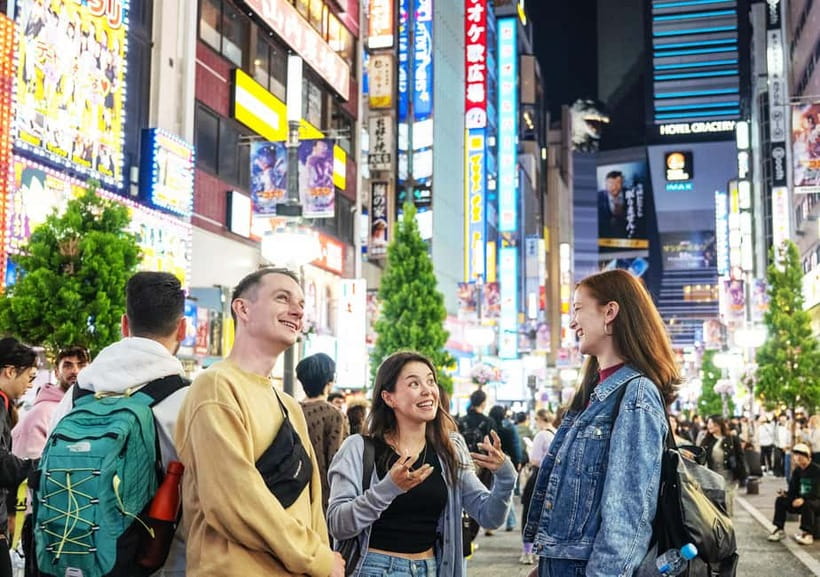
Shinjuku changes character after dark. Neon signs flare above narrow lanes, tiny bars crowd against old wooden buildings, and a quiet shrine can sit just minutes from Tokyo’s loudest entertainment district. This 90-minute walk gives you a useful introduction to that contrast, with stops in Omoide Yokocho, Kabukicho, Golden Gai, and Hanazono Shrine.
I like two things right away: the guide does more than point out famous signs, and the route gives you practical ideas for where to eat and drink later. Guides such as Sota, Rinna, Akira, Mao, Noa, and Ai have been praised for clear English, local insight, and friendly answers. The main consideration is pace. Ninety minutes covers plenty of ground, but some people may want more time for photos and quiet looks down the narrow lanes.
In This Review
- Key points at a glance
- Why Shinjuku works so well after dark
- Meeting at the East Exit Police Box
- Omoide Yokocho and the small-restaurant tradition
- Kabukicho, from red-light district to nightlife center
- Tokyu Kabukicho Tower and the modern side of Shinjuku
- Golden Gai, narrow lanes and very small bars
- Hanazono Shrine after the neon
- What the guides add
- Who should take this walk
- Is $22 good value?
- Should you book it?
- FAQ
- Where does the Shinjuku nightlife tour meet?
- How long does the walking tour last?
- Which areas does the tour visit?
- Is the tour offered in English?
- Is the tour wheelchair accessible?
- What should I wear and bring?
- Is a drink included?
Key points at a glance
- Omoide Yokocho introduces old-style Shinjuku dining with compact restaurants and bars packed into a small area.
- Kabukicho shows Tokyo’s nightlife from several angles, including its shift from a former red-light district to a major entertainment center.
- Golden Gai is best seen with a guide, since its tiny lanes and very small bars can feel hard to approach on your own.
- Hanazono Shrine adds a calm nighttime pause after the signs, crowds, and noise of Kabukicho.
- The guide’s restaurant advice is a major part of the value, especially if you plan to stay in Shinjuku afterward.
- A complimentary vending-machine drink is included, though you may want to confirm it at the start since one participant did not receive it.
Why Shinjuku works so well after dark
Shinjuku is not one single neighborhood. It is a collection of moods packed around one of Tokyo’s busiest stations. The bright commercial streets are easy to find, but the smaller lanes are where the area starts to make sense.
This walk focuses on the parts you could easily pass without understanding. You’ll hear how Kabukicho developed, see the restaurant lanes that locals and regulars use, and learn how to read the signs and entrances around small bars. That context matters. Without it, Shinjuku can feel like a wall of advertisements and crowds.
I especially like the timing. A daytime walk would show you the streets, but an evening tour lets you see the area doing what it does best. Lights come on, restaurant fronts grow busy, and Hanazono Shrine takes on a softer atmosphere than it has during the day.
The tour is priced at $22 per person. That is a good deal if you use the walk as a first-night orientation and follow the guide’s suggestions afterward. You are not paying for a meal or a long formal lecture. You are paying for local direction in an area where a wrong turn can lead to an expensive or unsuitable restaurant.
A few more Tokyo tours and experiences worth a look

Meeting at the East Exit Police Box
The meeting point is the Shinjuku Station East Exit Police Box, at 3-38-1 Shinjuku, Shinjuku-ku. This is a sensible location, but Shinjuku Station is famously large and confusing, so allow extra time to get out at the correct exit.
Look for a guide holding a sign marked [Local Guide Stars]. The exact coordinates are 35.6917846, 139.7011327. If you are coming through the station, do not assume that any East Exit sign puts you right beside the police box. Check your route before leaving the train platforms.
The tour begins with a short guided look around the station area. This opening is useful because it helps you get your bearings before entering the smaller streets. If you are meeting a group, keep phones ready and watch for the guide rather than wandering around the station entrance.
Omoide Yokocho and the small-restaurant tradition
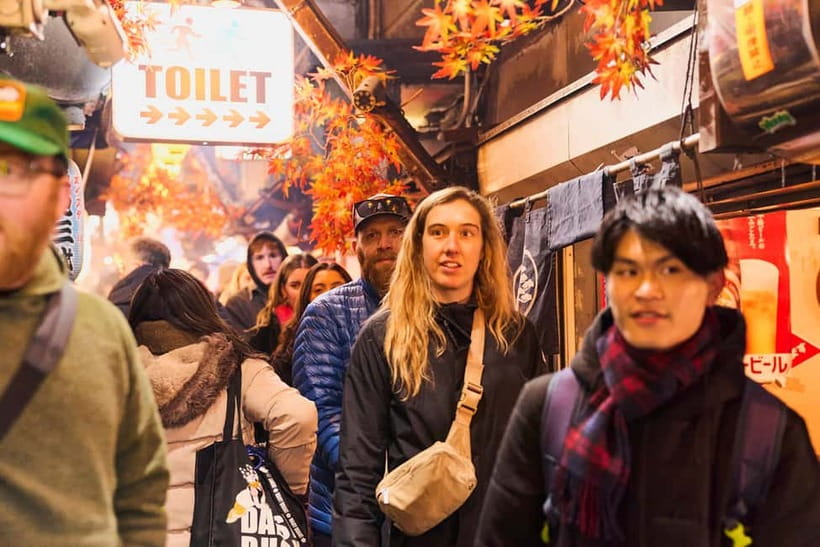
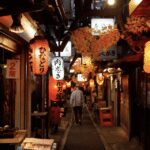
The first major stop is Omoide Yokocho, with about 10 minutes of guided time. The name is often translated as Memory Lane, and the area is known for tightly packed places to eat and drink.
The point here is not to sit down for a full meal. Instead, your guide explains how the lanes work and points out places you might want to return to. Small restaurants sit close together, and their narrow entrances can be easy to miss if you are focused on the main street.
I find this stop particularly useful for first-time visitors because it gives you a clearer sense of Shinjuku’s older dining culture. You can compare the intimate, crowded lanes with the larger modern buildings nearby. Your guide may also explain which places suit a quick bite, a drink, or a longer meal.
Ten minutes is enough for orientation, but not enough for careful photography or a full look inside every lane. If you spot a restaurant you like, write down its name and return later. Trying to eat during the walking tour would make the rest of the route feel rushed.
Kabukicho, from red-light district to nightlife center
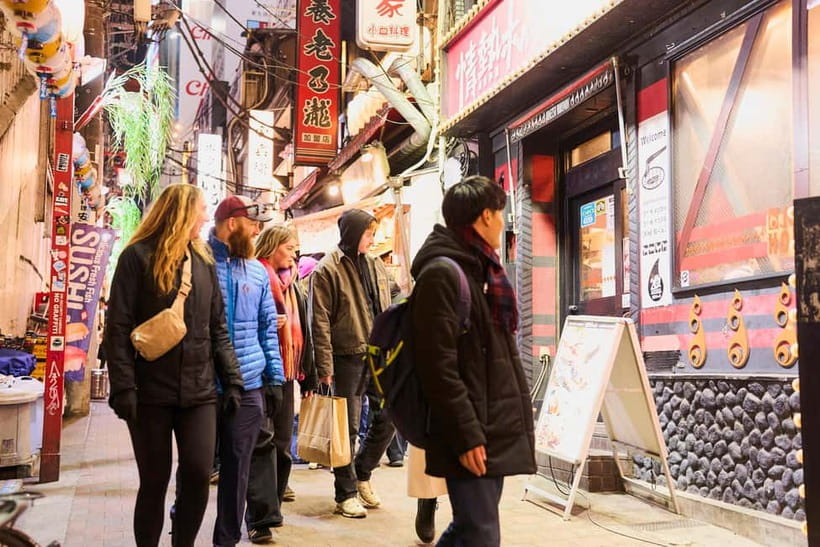
The route then moves into Kabukicho for another 10-minute guided visit. This is the part most people picture when they think of Shinjuku at night: giant signs, entertainment venues, restaurants, and a steady flow of people.
The guide adds meaning to what you see. Kabukicho developed from a former red-light district into a broad nightlife and entertainment hub. That change helps explain why the area contains such a mix of restaurants, bars, clubs, hotels, and unusual storefronts.
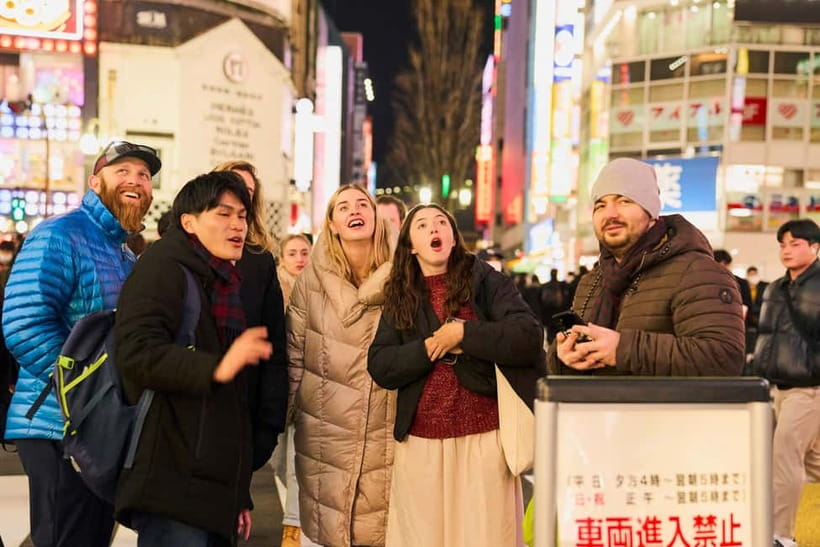
You should listen closely to the practical advice here. Kabukicho can be entertaining, but it is also an area where aggressive invitations and unclear pricing may cause problems. The tour is not designed to frighten you. It helps you recognize the difference between a place you want to investigate and a place you should simply pass.
Several guides have been praised for answering questions about local customs and what to avoid. That is more useful than a string of dates and names. If you are curious about nightlife but cautious about going alone, this section gives you a safer first look.
Tokyu Kabukicho Tower and the modern side of Shinjuku
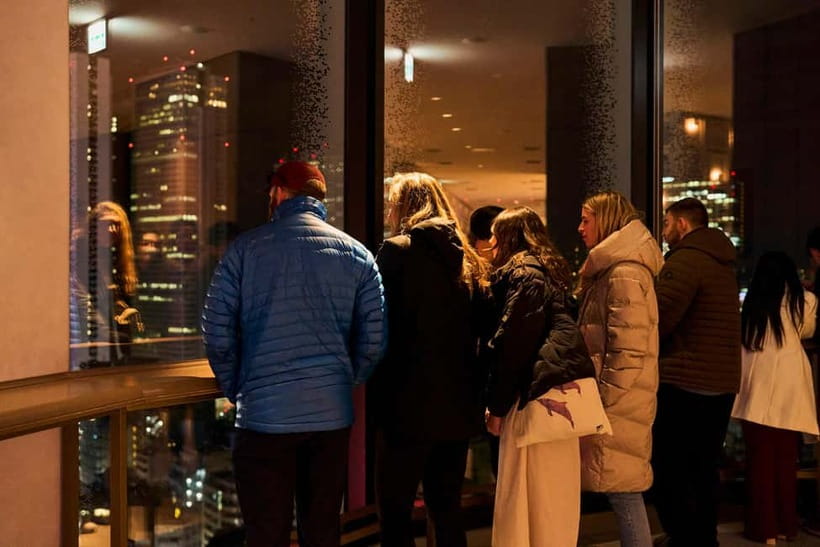
The longest stop is a 30-minute visit to Tokyu Kabukicho Tower. This newer complex gives the route a strong contrast with Omoide Yokocho and Golden Gai.
The tower represents the newer face of Kabukicho, with modern design and large-scale entertainment facilities. It is a good place to pause, regroup, and see how quickly the neighborhood shifts from cramped backstreets to polished urban development.
Some tour groups have visited an observation deck here, even finding it quiet enough for an unhurried look. Since the exact access can depend on the departure and guide, treat the tower visit as a stop rather than a guaranteed private viewing. If an observation area is included, bring your camera and use the time well.
This is also where the included vending-machine drink comes into play. The guide recommends one drink from a vending machine, an amusing local detail rather than a major refreshment. It gives you a small look at Japan’s famously varied vending-machine culture, including machines with slot-machine-style features.
One practical note: a participant reported that the drink was not provided. I would politely check with your guide early in the walk if this matters to you. It is a minor issue, but it is part of what the price promises.
Other walking tours we've reviewed in Tokyo



Golden Gai, narrow lanes and very small bars
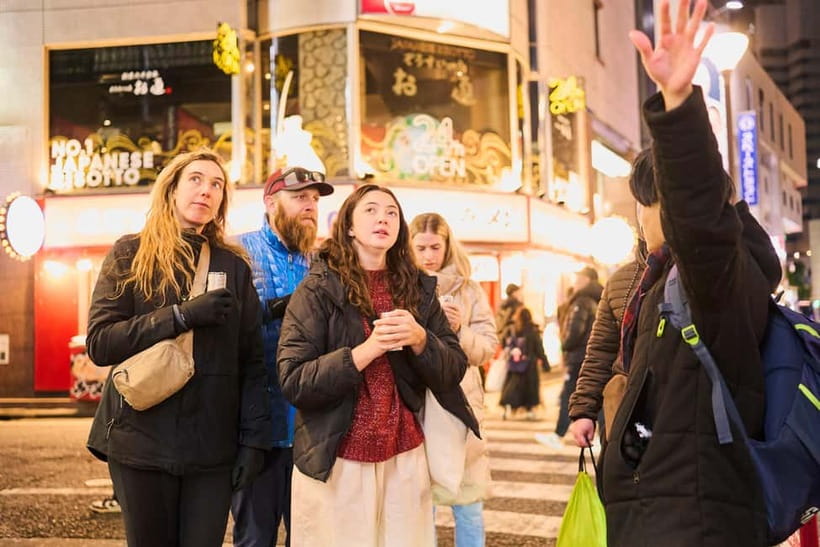
Golden Gai gets about 10 minutes of guided attention. This is one of Shinjuku’s most distinctive areas, made up of narrow lanes and tiny bars squeezed into a small grid.
You can walk through Golden Gai alone, but a guide makes the experience less awkward. Some venues are extremely small, and not every bar is aimed at first-time visitors. Your guide can explain the local feel, point out places that may welcome newcomers, and help you understand that a quiet doorway does not always mean the place is closed.
The short stop is best treated as an introduction. You will not have time to visit several bars during the tour, and the walk is not a bar crawl. That is actually a benefit for many people. You get a look at the area without committing to a cover charge, drink minimum, or uncomfortable choice.
If Golden Gai appeals to you, return later with a plan. Ask your guide which places fit your interests, then check the entrance rules before going in. Restaurant and bar advice is one of the strongest reasons to take this tour early in your stay.
Hanazono Shrine after the neon
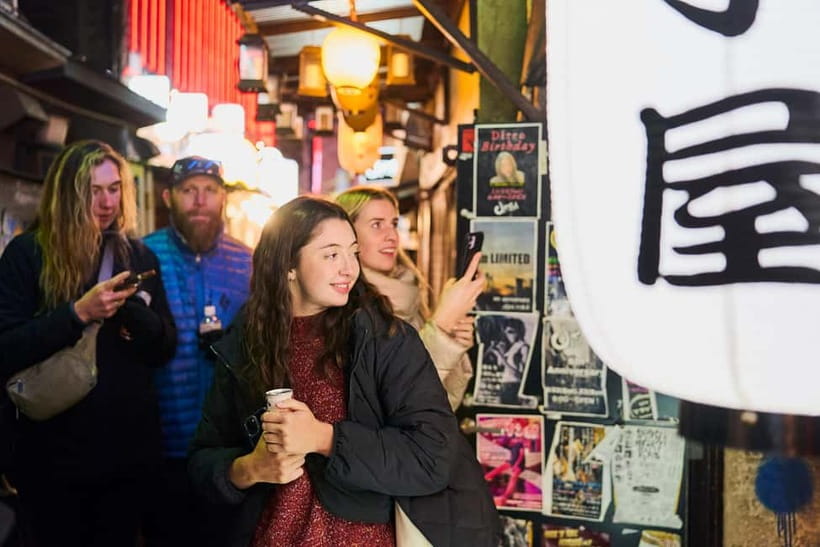
The final main stop is Hanazono Shrine, with about 15 minutes of guided time. After Kabukicho and Golden Gai, the shrine feels like a reset button.
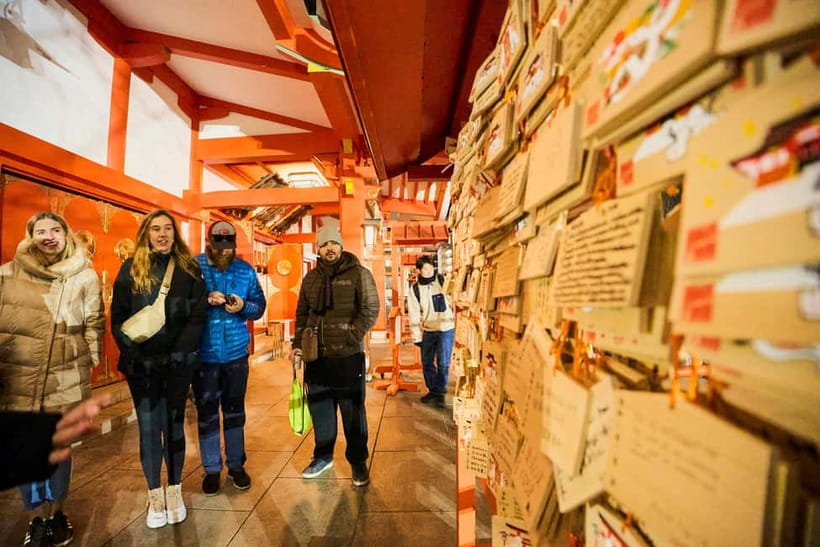
At night, the shrine has a different mood from the busy streets nearby. Lanterns, gates, and quiet paths create a calmer setting, and the guide can explain its place in the neighborhood and Japanese religious culture. This is not just a quick photo stop. It gives the tour some balance.
I like the way the route ends here rather than in the middle of a noisy entertainment street. You have time to ask final questions, think about where you want to eat, and move from sightseeing into your own evening.
After the shrine, the group walks about five minutes back to the East Exit Police Box. The tour returns to its starting point, which makes it easy to continue by train or head back into Shinjuku.
What the guides add
The guide quality is central to this experience. The tour is offered in English or Japanese, and the English guides have been praised for speaking clearly and handling questions well.
Different departures may feature guides including Sota, Rinna, Akira, Mao, Noa, Ai, Chihiro, Kawa, Hannah, Sakura, Yuki, and others. The best guides do not simply recite the same speech. They ask what interests you, then adjust the explanation toward food, local customs, nightlife, family concerns, or neighborhood history.
Kawa, for example, has been praised for tailoring the walk to the group’s interests. Akira and Sota were noted for mixing humor with useful advice, while Mao was especially welcoming to a solo woman visiting Tokyo for the first time. Families have also found guides patient with young children.
Group size can affect the feel of the walk. Some departures are small and relaxed, while others include assistants to keep everyone together in crowded streets. A larger group may make questions harder, but the extra staff can help prevent people from getting separated.
The route moves through busy areas, so stay near the guide. One person had trouble finding the meeting point through the station, and another wished the walk moved more slowly. Those are fair warnings for anyone who wants lots of photos or has limited walking speed.
Who should take this walk
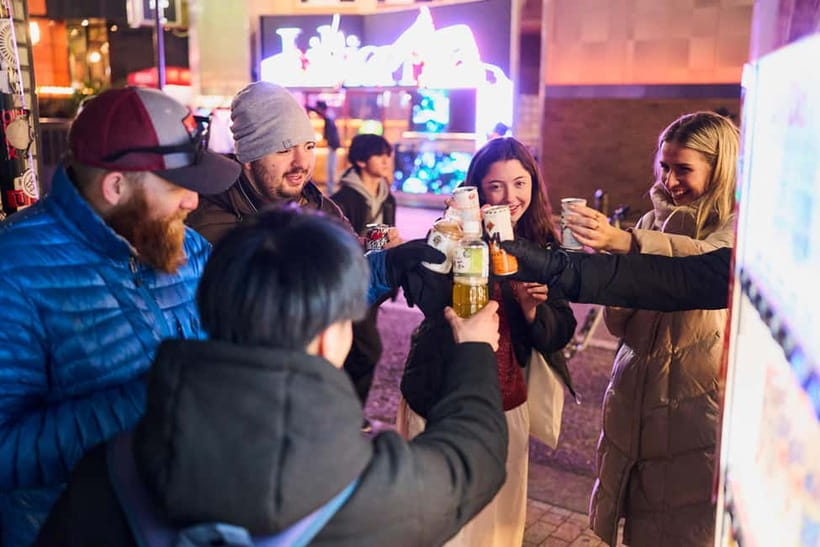
I would recommend this tour most strongly to first-time visitors staying in or near Shinjuku. It helps you understand the area before you attempt an evening meal or bar visit on your own.
It also suits solo visitors. You get a short, social introduction to a district that can feel intense when you first arrive. The guide can point you toward places that match your comfort level instead of leaving you to judge every doorway yourself.
Families can take the tour too. Several guides have worked well with children, including younger kids, and the route is wheelchair accessible. Still, the subject matter is nightlife, former red-light activity, and entertainment districts, so parents should decide if that tone fits their children.
You should also consider the physical side. Wear comfortable walking shoes and warm clothing. The tour runs rain or shine, so bring an umbrella or raincoat in wet weather. The route is only 90 minutes, but you will be on your feet and moving through crowded streets.
This is less suitable if you want a long food tour, a seated meal, or extended time inside bars. It is also not the right choice if you already know Shinjuku very well and prefer to explore without a guide. Even then, the local restaurant advice may make it worthwhile.
Is $22 good value?
At $22, I consider this a strong value for a short introduction. You receive a local guide, a structured route through several different parts of Shinjuku, restaurant suggestions, cultural context, and one recommended vending-machine drink.
The value is not in the number of sights alone. You could walk past Omoide Yokocho, Kabukicho, Golden Gai, and Hanazono Shrine without paying anything. The advantage is learning how the pieces fit together and getting advice that can shape the rest of your stay.
The main limit is time. Ninety minutes passes quickly, especially with six principal stops. You will see more than you can fully explore, so use the tour as a map for later. Keep notes on restaurants, bars, viewpoints, and lanes that catch your eye.
Free cancellation up to 24 hours before the tour and reserve-now, pay-later booking make it easier to fit into a changing Tokyo schedule. The service has an overall rating of 4.8 from 229 ratings, and the strongest pattern is consistent: friendly guides, clear explanations, useful local suggestions, and access to corners many people would miss alone.
Should you book it?
Book this Shinjuku walking tour if you want a lively but manageable first look at Tokyo nightlife, especially on your first evening in the area. You will learn where the main districts are, what makes them different, and where to return for food or drinks.
I would skip it only if you want a slow photography walk, a full meal, or a dedicated bar-hopping night. For most visitors, the combination of local guidance, practical warnings, shrine atmosphere, and a $22 price makes it an easy recommendation. Just arrive early at the East Exit Police Box, wear good shoes, and leave room in your evening to follow the guide’s suggestions.
FAQ
Where does the Shinjuku nightlife tour meet?
The meeting point is the Shinjuku Station East Exit Police Box at 3-38-1 Shinjuku, Shinjuku-ku, Tokyo. Your guide holds a sign marked [Local Guide Stars].
How long does the walking tour last?
The tour lasts 90 minutes and returns to the Shinjuku Station East Exit Police Box after the walk.
Which areas does the tour visit?
The route includes the Shinjuku East Exit area, Omoide Yokocho, Kabukicho, Tokyu Kabukicho Tower, Golden Gai, and Hanazono Shrine.
Is the tour offered in English?
Yes. Live guiding is available in English and Japanese.
Is the tour wheelchair accessible?
Yes, the activity is listed as wheelchair accessible.
What should I wear and bring?
Wear comfortable walking shoes and warm clothing. The tour runs rain or shine, so bring an umbrella or raincoat when rain is expected.
Is a drink included?
Yes. The tour includes one vending-machine drink recommended by the guide. One participant reported not receiving it, so you may wish to confirm this with your guide at the beginning.
More Nightlife Experiences in Tokyo


More Walking Tours in Tokyo
More Shinjuku Tours in Tokyo

More tours in Tokyo we've reviewed











Shinjuku Tours, compared.
 ★ 5.0Tokyo: Shinjuku Food Tour (13 Dishes at 4 Local Eateries)From $86
 ★ 5.0Tokyo Bar Hopping Tour in Shinjuku (All-You-Can-Drink + Dinner)From $106
 ★ 4.9Tokyo: Shinjuku Food Tour (15 Dishes and 4 Eateries)From $853 hours
 ★ 5.0Best of Shinjuku: Izakaya Food Tour (4 Stops, 14+ Tastings)From $92
 ★ 4.9Tokyo: Shinjuku Local Bar and Izakaya Guided Walking TourFrom $343 hours
 ★ 5.0Tokyo Shinjuku Chopsticks Making ClassFrom $20