
Reviewed · SHIBUYA TOURS
Shibuya & Harajuku: Hidden Gems & Highlights Private Tour
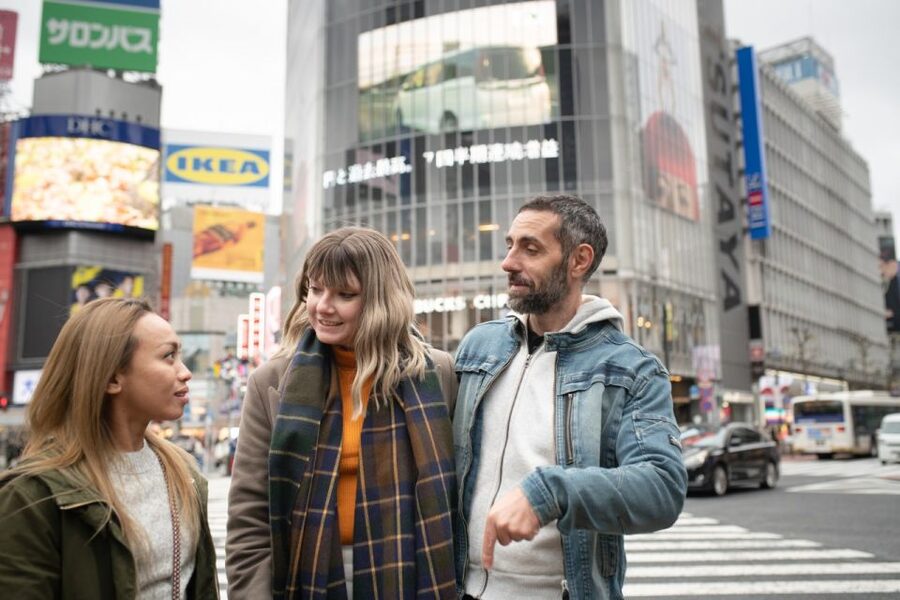
Shibuya’s famous crossing is only the opening scene. This private walking tour quickly moves beyond the giant screens and selfie stops into quieter lanes, small cafés, local food spots, vintage shops, shrines, and corners of Harajuku that are easy to miss. The pre-tour questionnaire is the clever part: your host learns what you actually like before planning the day.
I like the personal format, especially for a first visit. Guides such as Hiroko have helped families cover a lot in three hours, while others, including Alberto and Tomo, have adjusted plans for fashion, shopping, art, and local food. I also like the practical help, from navigating Tokyo’s confusing train stations to finding vegan ramen or helping you order lunch.
The main drawback is that this is a flexible walk rather than a fixed sightseeing circuit. That is good if you want freedom, but it can feel a little loose if you expect a tightly timed route. Public transport may also be needed, and those fares are extra.
In This Review
- Key points to know before booking
- Starting at Shibuya Crossing and Hachiko
- Shibuya’s quieter lanes and local stops
- Harajuku through Meiji Jingu and Takeshita Street
- Food breaks with taiyaki, crepes, and ramen
- A guide matched to your interests
- Tokyo transport and the walking pace
- Is $64 a fair price?
- Who will get the most from this private walk?
- Should you book Shibuya and Harajuku with a private host?
- FAQ
- Where does the tour meet?
- How long does the experience last?
- Is the tour private?
- Which languages are available?
- Are food and drinks included?
- Do I need to pay for trains or taxis?
Key points to know before booking
- Your questionnaire shapes the route: Tell the host about food, fashion, anime, shopping, history, photography, or family needs before the day begins.
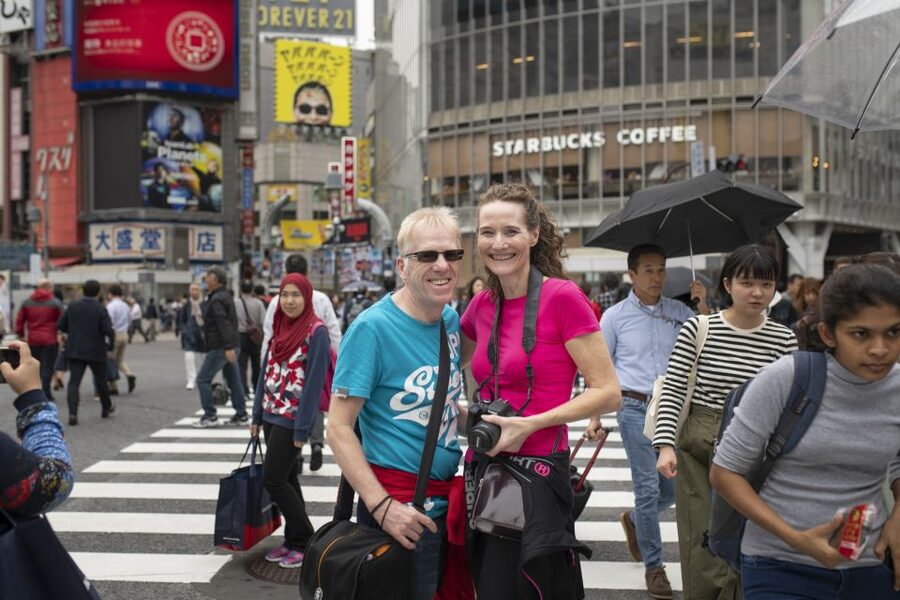
- Shibuya Crossing is just the start: The walk can include Hachiko, quieter backstreets, cafés, arcades, shrines, and local eating places.
- Harajuku offers more than Takeshita Street: You might visit Meiji Jingu, Cat Street, Omotesando, vintage shops, or less crowded side streets.
- Food is part of the experience: One café or izakaya drink and a tasting are included, with taiyaki, crepes, ramen, or other purchases available at your own cost.
- The guide can help with Tokyo logistics: Hosts have joined guests on metro rides, helped with restaurant orders, and even escorted them back toward their hotel.
- The $64 price buys flexibility: It makes the most sense when you want personal advice, not simply a list of famous sights.
Starting at Shibuya Crossing and Hachiko
The usual meeting point is Shibuya Hachi Box, at 2 Chome-1-1 Dogenzaka. A hotel pickup can also be arranged from any central Tokyo hotel. That matters in Shibuya, where a short distance on a map can involve a maze of station exits, underground passages, and crowded pavements.
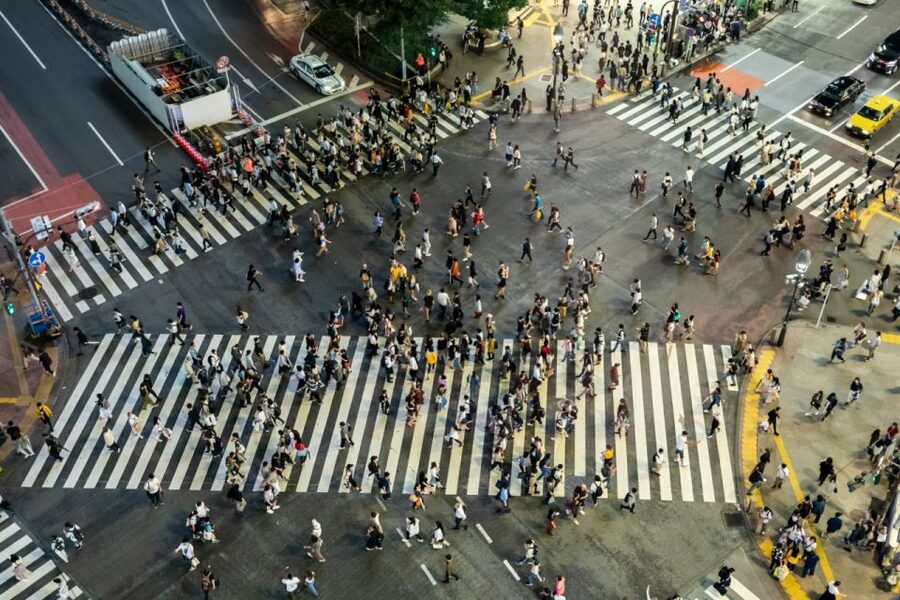
Your guide will normally begin around the Shibuya Scramble Crossing. This is the district’s postcard moment, with several streams of people crossing at once beneath enormous advertising screens. It is worth seeing, but it is not the sort of place where you need an hour of explanation. A good guide uses it to give you bearings, point out nearby landmarks, and then move on.
The Hachiko statue is another likely early stop. The faithful dog is one of Shibuya’s best-known meeting places, and your host can explain its place in the district’s modern identity. Expect crowds here, particularly at popular photo times, so keep your belongings close and listen carefully when the group moves.
I would not book this tour simply to see the crossing. You can do that alone. The value begins when your guide uses Shibuya as a starting point and takes you into places you would probably pass without understanding.
A few more Tokyo tours and experiences worth a look


Shibuya’s quieter lanes and local stops
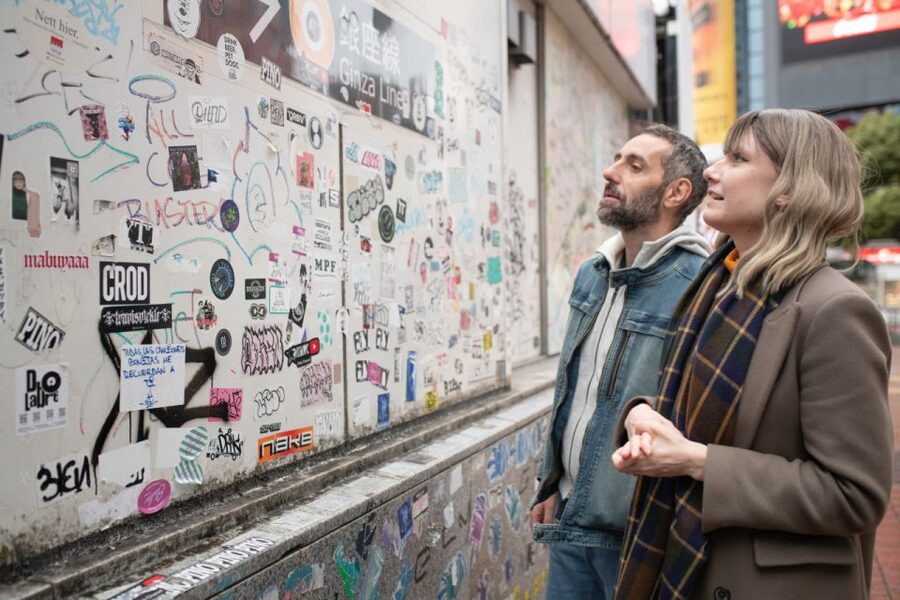
Shibuya changes quickly once you leave the main crossing. Side streets lead toward small eating and drinking venues, independent stores, gaming arcades, and cafés. The exact stops depend on your interests and the host assigned to you, so the experience is not identical for every booking.
That flexibility works especially well for repeat visitors. One guest who had already seen the standard sights was taken toward areas used more by local residents instead of repeating the same attractions. Another group traveled through Shibuya, Harajuku, and Shinjuku, mixing busy stations with quieter lanes and older eating and drinking spots.
You may also get a rooftop or café viewpoint. One guide stopped at a café with aerial views, giving the group a chance to see the city from above without committing to a formal observation deck. The attraction here is not a famous ticketed platform. It is the chance to pause, have a drink, and make sense of Tokyo’s enormous scale.
The drawback is that terms such as local and tucked-away are necessarily broad. The operator cannot promise one particular café, shop, or rooftop. Your host’s suggestions depend on opening hours, your answers to the questionnaire, and the interests you discuss on the day.
Harajuku through Meiji Jingu and Takeshita Street
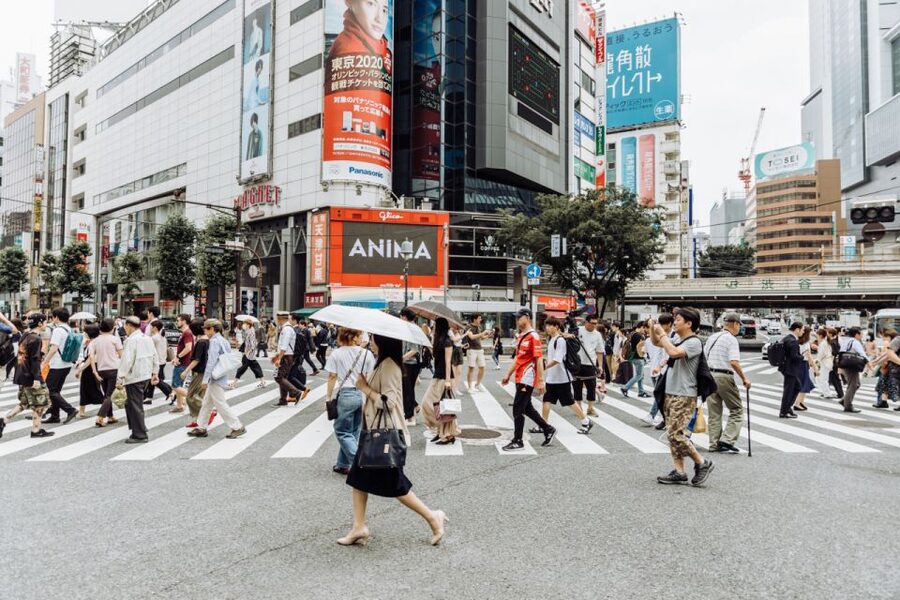
Harajuku gives the tour a different feel. Meiji Jingu offers a calmer setting, with broad paths, wooded surroundings, and a major Shinto shrine close to the city’s most famous youth shopping streets. Several itineraries have included the shrine, and one guide suggested buying a goshuincho, a book for collecting shrine and temple stamps with handwritten calligraphy.
That is a useful tip if you are continuing to Kyoto or other Japanese cities. A goshuincho turns visits to religious sites into an ongoing record of your trip. You should treat the stamp collection as a religious practice rather than a casual souvenir, and follow the shrine’s instructions.
From there, the route can shift sharply toward Harajuku’s shopping streets. Takeshita Street is packed with clothing shops, snack counters, colorful displays, and fashion aimed at younger shoppers. It can be noisy and crowded, but it is also one of the clearest places to see Harajuku’s role in Japanese youth culture.
Your guide may add Cat Street, Omotesando, or nearby areas depending on what you want. Fashion-focused guests have been taken to shopping districts and stores chosen around their tastes. Art-minded visitors have added an art studio, while other people have focused on changing neighborhoods and shops since an earlier visit.
If you dislike crowds, say so in the questionnaire. Your host can put more weight on side streets and quieter stops. If you want the full Harajuku spectacle, allow time for Takeshita Street and accept that the experience can be hectic.
Food breaks with taiyaki, crepes, and ramen
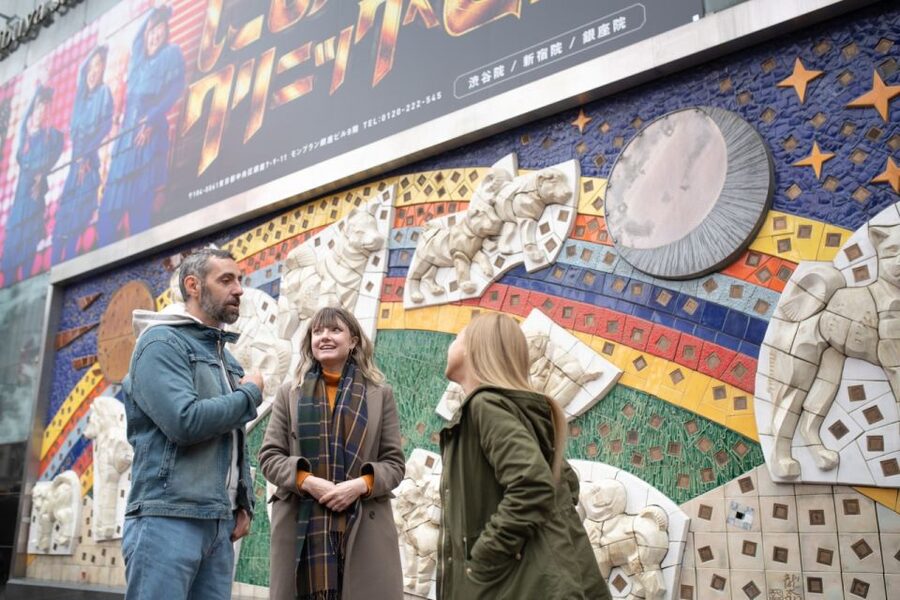
Food is not an afterthought on this walk. The package includes one drink at a café or izakaya and a food tasting along the way. Additional food and drinks cost extra, but that gives you control over how much you spend.
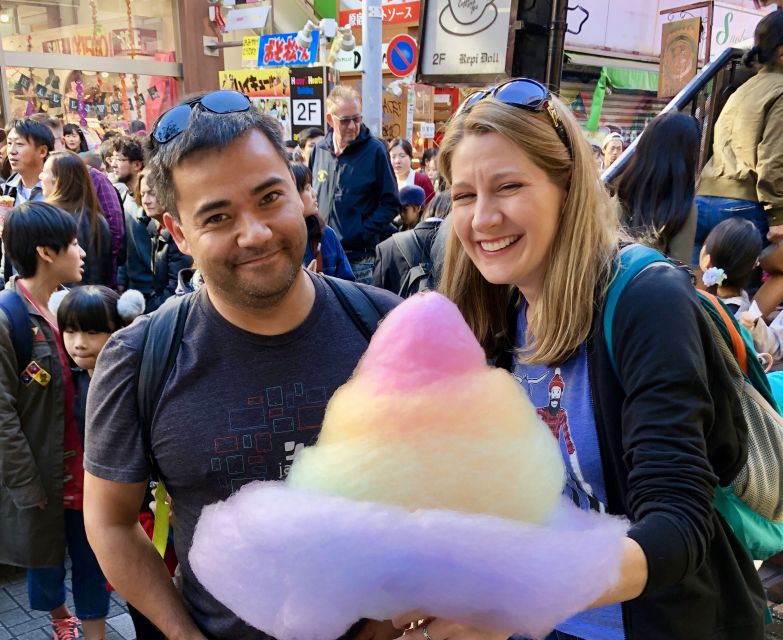
Harajuku’s famous crepes are an obvious choice. They are easy to find in the main shopping area and make a quick sweet stop between sights. Fresh taiyaki, the fish-shaped cake often filled with sweet paste, is another possible tasting. Your host may also point you toward ramen or another local meal, depending on your preferences.
I like this arrangement because it keeps the food stop practical. You are not locked into a large restaurant meal at a fixed time. You can sample something, ask what you are eating, and decide if you want to buy more.
Dietary needs should go into the questionnaire and be repeated in your conversation with the guide. A vegan guest was taken to a vegan ramen restaurant, and another guide helped find a place offering both vegan food and wagyu beef for a mixed group. Those examples show what personal planning can accomplish, but they are not a guarantee of a specific restaurant.
One guide recommended a restaurant for lunch and stayed to help the group get settled. Another helped with ordering authentic Japanese dishes. This kind of support is valuable if menus are difficult to read or if you are unsure about local dining customs.
Families may find the food stops useful, too. One guide encouraged children to try takoyaki, which became a favorite. You can tell your host if younger members need regular breaks, familiar food, or shorter walking stretches.
A guide matched to your interests
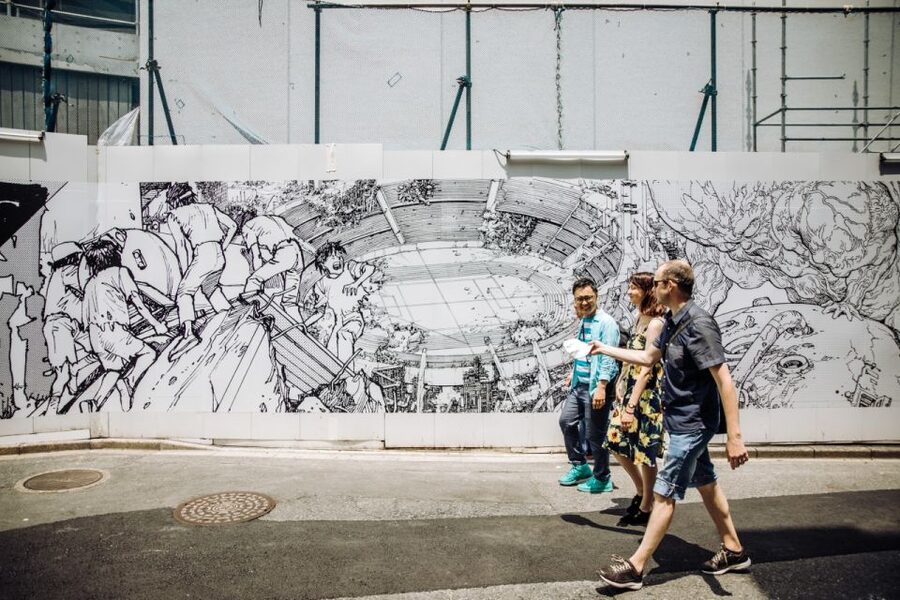
After booking, you receive a questionnaire about your personality and interests. The answers help the company assign a like-minded host, who then contacts you directly to discuss the route and suggestions.
This is more useful than a standard preference box asking only about sightseeing. Be specific. Say if you have already visited Shibuya Crossing. Mention the shops you want, your interest in anime or gaming, your food restrictions, how far you comfortably walk, and if you want time for photos.
The guide names in past bookings include Shoko, Seichi, Veronica, Alberto, Hiroko Kitagawa, Kay, Marc, Tomo, Yuta, Ayaka, Lauren, and Toshiki. You are not guaranteed one of these hosts, but the range of feedback shows that the experience depends heavily on the individual guide.
Several guides were praised for their energy, warmth, and ability to adjust plans. Hiroko helped a group cover a lot of ground in three hours and joined them on the metro toward their hotel. Yuta combined sightseeing with restaurant help and photography. Marc helped a first-time visitor move through Shibuya and Harajuku before assisting with plans for the Hokusai Museum.
Those details explain the strongest reason to choose a private host: you are paying for judgment and local problem-solving. A guide can notice when your family is tired, skip a sight you have already seen, add a store that fits your taste, or explain why a place matters instead of simply pointing at it.
The less positive side is that the route may feel ad hoc. One person found the plan less clearly structured than expected, though still enjoyable. If you prefer a precise schedule with guaranteed stops, a conventional group tour may suit you better.
Other private tours in Tokyo



Tokyo transport and the walking pace
This is a walking experience, not a private vehicle tour. You may use local trains or taxis to move between Shibuya, Harajuku, Shinjuku, or other nearby areas, and those costs are not included.
Tokyo’s stations can be confusing, even for experienced visitors. A private guide can make a real difference when you need to find the correct platform, choose the right exit, or understand how a transfer works. Still, the walking and train travel are part of the day, so comfortable shoes are a must.
The available duration ranges from two to six hours. A two-hour booking can give you a useful introduction, especially if you want a focused walk around one or two themes. It will not allow much time for long shopping sessions, several food stops, and multiple neighborhoods.
Three hours is a more practical middle choice for many people. It allows time for Shibuya, Harajuku, a shrine or shopping street, a snack, and some unscheduled browsing. One family covered a great deal in three hours, but that required an efficient guide and a willingness to keep moving.
Choose four to six hours if this is your main Tokyo orientation or if your list includes food, fashion, shopping, history, and several districts. Remember that long bookings can involve more transport fares and extra purchases.
The tour is listed as wheelchair accessible, but because it is a walking experience with possible public transport, discuss your exact needs with the host before the day. Ask about the route, station transfers, rest stops, and any shops or cafés you hope to visit.
Is $64 a fair price?
At $64 per person, the tour is not the cheapest way to walk through Shibuya and Harajuku. You can visit the crossing, Hachiko, Takeshita Street, and Meiji Jingu without paying for a guide.
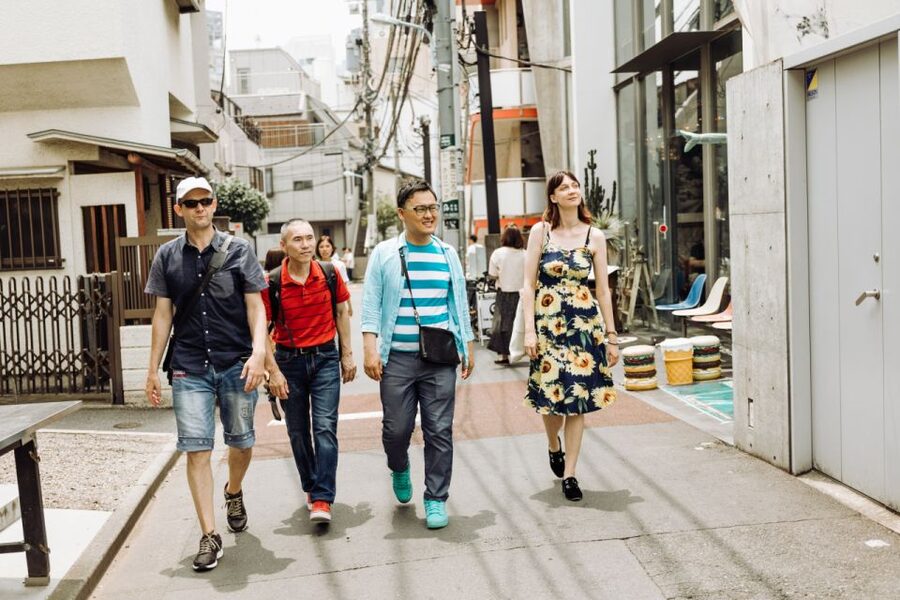
The price becomes easier to justify if you need help making decisions in a short Tokyo stay. You receive a private group experience, direct communication with your host, a personalized plan, one drink, and a food tasting. You are also paying for the guide’s time before the tour, route changes during the walk, and help with restaurants or public transport.
For a large group, the value can be strong because everyone stays together with one host. A group of 15 was accommodated by a guide who kept the day personal and informative. For one or two independent adults who already know Tokyo well, the cost may feel less worthwhile unless the local access and planning are exactly what you want.
The reserve-now, pay-later option helps if your schedule is still moving. You can cancel up to 24 hours before the experience for a full refund. That policy is useful, but I would still confirm your preferred time early, especially if you want hotel pickup or a longer walk.
Who will get the most from this private walk?
I would recommend this experience to first-time visitors who want a friendly introduction without being herded through a fixed list of sights. It is also a good choice for families, teenagers, food-focused visitors, and repeat visitors who want a different side of Tokyo.
Fashion fans can ask for Harajuku shopping and youth culture. Anime and gaming fans can request arcades and themed cafés. Food lovers can focus on street snacks, ramen, cafés, and izakaya. History-minded visitors can add Meiji Jingu and other cultural stops.
It works well for travelers with only one day in Tokyo because the guide can help you use the time efficiently. It also suits anyone nervous about Tokyo’s trains, restaurant ordering, or the sheer size of Shibuya and Harajuku.
I would think twice if you want a formal lecture, a guaranteed list of attractions, or a vehicle between every stop. This tour is social and flexible. You need to explain what you want and be comfortable adjusting the plan.
Should you book Shibuya and Harajuku with a private host?
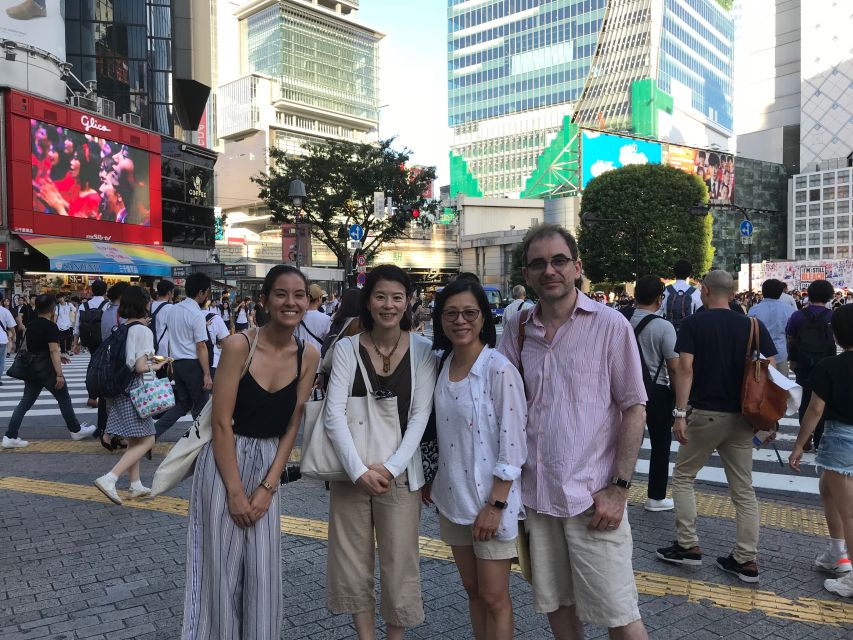
Book it if you want more than photographs at Shibuya Crossing. The strongest part is the combination of a famous first look with personal recommendations, food stops, cultural context, and practical help getting around.
For the best result, complete the questionnaire carefully and communicate directly with your host. Request the pace, food, shopping, and sights that matter most. I would choose at least three hours for a balanced first visit, or two hours for a compact introduction.
The tour cannot promise a particular café, shop, restaurant, or guide. But if you value an adaptable day and local guidance over a fixed route, $64 buys useful time and confidence in two of Tokyo’s most energetic districts.
FAQ
Where does the tour meet?
The usual meeting point is SHIBU HACHI BOX at 2 Chome-1-1 Dogenzaka, Shibuya City, Tokyo. Hotel pickup can be arranged from any central Tokyo hotel.
How long does the experience last?
You can choose a duration between two and six hours when booking. Starting times depend on availability.
Is the tour private?
Yes. It is a private group walking experience, so the route and pace can be adjusted to your interests.
Which languages are available?
The live tour is available in English and Japanese.
Are food and drinks included?
One drink at a café or izakaya and a food tasting are included. Any additional food, drinks, attraction tickets, or purchases cost extra.
Do I need to pay for trains or taxis?
Yes. Public transport or local taxis may be used between areas, and those costs are not included. You can discuss the likely transport costs with your host after reservation.
More Private Tours in Tokyo
More Shibuya Tours in Tokyo

More tours in Tokyo we've reviewed










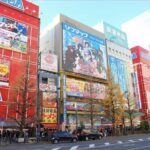
Shibuya Tours, compared.
 ★ 5.0Official Street Go-Kart in ShibuyaFrom $76
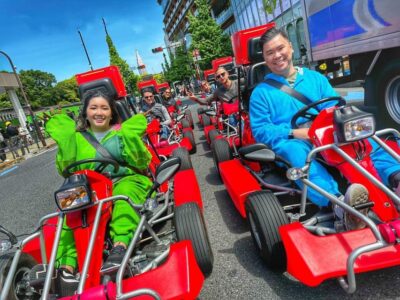 ★ 4.9Tokyo: Street Kart Experience in ShibuyaFrom $741 hour
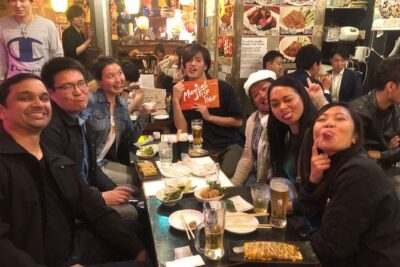 ★ 5.0Shibuya Meltdown Nightlife Tour: All-You-Can-Drink Bar HoppingFrom $106
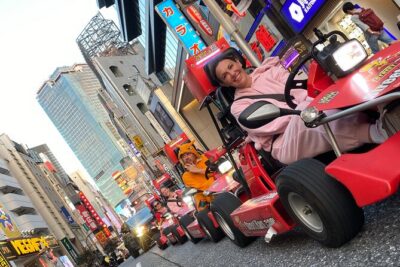 ★ 5.0Shibuya Official Street Go-Kart in Shibuya AnnexFrom $69
 ★ 5.0Tokyo: Shibuya Food Tour (13 dishes and 4 Eateries)From $77
 ★ 5.0Best of Shibuya Food TourFrom $217