
Reviewed · TOKYO FOOD TOURS
Tokyo: Shibuya Food Tour (13 dishes and 4 Eateries)
Shibuya makes a fine dining room if you know where to look. This three-hour walk takes you from the meeting point near Tokyu Plaza through Center Gai and Dogenzaka, pairing four food stops with the spectacle of Shibuya Crossing. You get 13 dishes, two drinks, and a useful introduction to Japanese eating customs.
I like the range: yakitori, sushi, smoked tuna, street food, a traditional meal, and dessert give you more than one narrow taste of Japan. I also like the human side of the tour. Guides such as Hoshi, Kei, Rio, Yota, Naruto, Will, and Nicola are praised for explaining garnishes, customs, local restaurants, shopping areas, and subway directions.
The main drawback is that Shibuya is crowded, noisy, and fast-moving, especially around the crossing. You should also expect a set food route rather than a fully customizable meal, and one person found the dessert less appealing than the savory dishes.
In This Review
- Key points at a glance
- Why this Shibuya food walk works
- Meeting near Tokyu Plaza
- The first hour: food and stories in Shibuya City
- Center Gai and the art of eating in a crowd
- Shibuya Crossing is a short but useful pause
- Dogenzaka brings the evening to its food-heavy finish
- What the guides add to the meal
- Food variety, portions, and expectations
- Is the $77 price fair?
- Who should book this experience?
- Booking details worth knowing
- Should you book the Shibuya food tour?
- FAQ
- How long does the Shibuya food tour last?
- How many dishes are included?
- What types of places do you visit?
- Are drinks included?
- Is Shibuya Crossing part of the tour?
- Where do I meet the guide?
- What language is the tour offered in?
- Can I cancel the booking?
Key points at a glance
- Thirteen dishes across four stops: The meal moves through an izakaya, street food stall, traditional eatery, and dessert stop.
- Two drinks included: You receive both alcoholic and non-alcoholic drink options.
- Shibuya beyond the billboards: The route includes Center Gai, Dogenzaka, Shibuya City, and the famous crossing.
- Strong guide support: Guides including Hoshi, Kei, Rio, Yota, Naruto, and Will are singled out for humor, food knowledge, and practical help.
- A good first-night choice: The tour can help you get comfortable with Japanese food, local customs, and the Shibuya area early in your stay.
- Three hours on foot: You need to be comfortable walking through crowded streets and moving between food stops.
Why this Shibuya food walk works
At $77 per person, this is not a bargain meal in the simple restaurant sense. It is better judged as a combined dinner, neighborhood walk, cultural orientation, and ordering service.
You are paying for food at four different types of places, two drinks, an English-speaking guide, and the ease of having someone choose and explain the dishes. In Shibuya, that matters. Restaurant signs and menus may not always tell you what a dish is, and small eateries can feel hard to enter when you do not know the local rhythm.
The 13-dish format also gives you variety without requiring you to order full portions of everything yourself. You can sample several styles of Japanese food in one evening, then decide what you want to seek out again during the rest of your trip.
I would not book this solely to save money on dinner. I would book it if you value trying unfamiliar food with guidance and want to understand Shibuya while you eat.
A few more Tokyo tours and experiences worth a look


Meeting near Tokyu Plaza
The tour begins in front of the 7-Eleven at Tokyu Plaza in Shibuya, near Kusumoto Building. This is a practical starting point because the neighborhood quickly shifts from major retail spaces to narrow streets, food counters, bars, and small restaurants.
Give yourself time to reach the meeting point. Shibuya is easy to recognize, but the station area has many exits, levels, and large buildings. The supplied directions specify the 7-Eleven at Tokyu Plaza, so use that exact landmark rather than relying on a general Shibuya station meeting point.
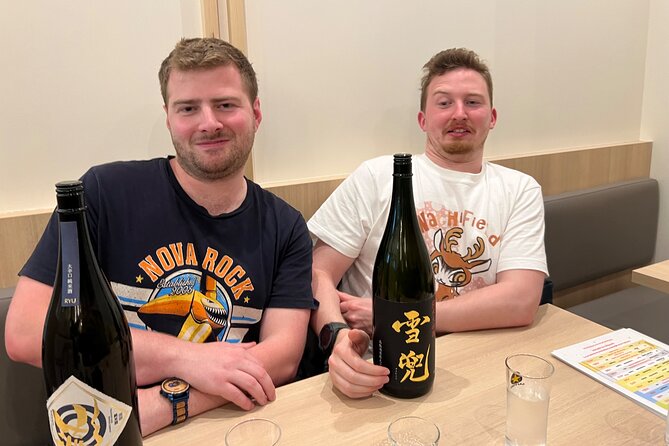
This is also a useful area for a first orientation. Your guide can help with plans for the rest of your stay in Japan, including places to eat and shop. One solo participant found the group setting comfortable and appreciated having a guide who could answer questions about food, language, and customs.
The first hour: food and stories in Shibuya City
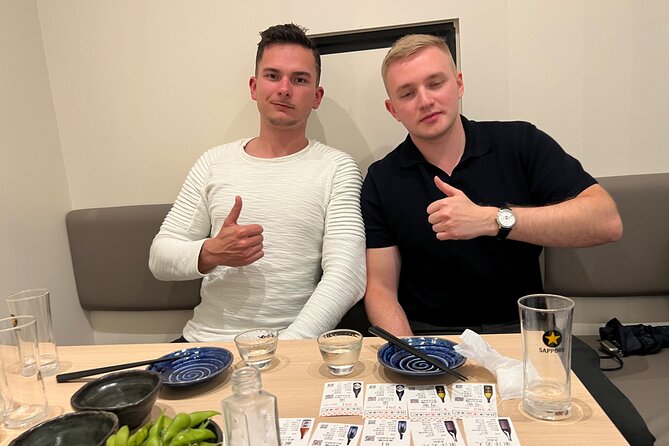
The opening section lasts about an hour and is built around dinner. This gives the guide time to introduce the basic habits that make Japanese meals easier: how dishes are shared, how food is garnished, and how certain items are usually eaten.
Hoshi is praised for showing how food is prepared or finished in the customary way. That kind of explanation is more useful than a simple list of ingredients. You learn what to do with the sauce, garnish, skewer, or side dish instead of guessing at the table.
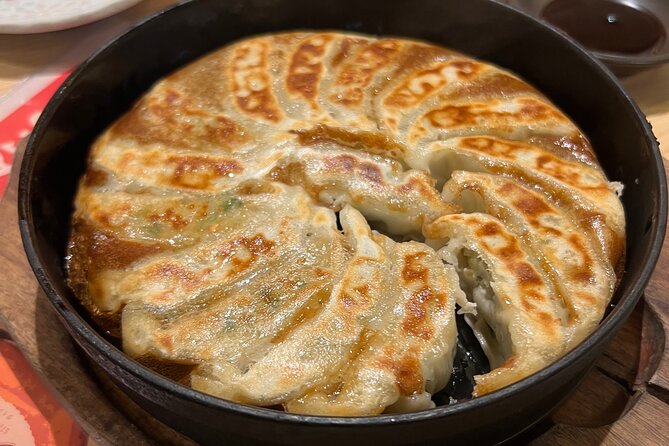
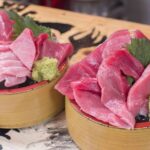
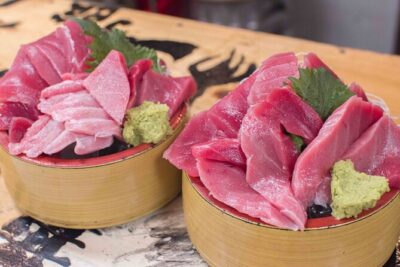
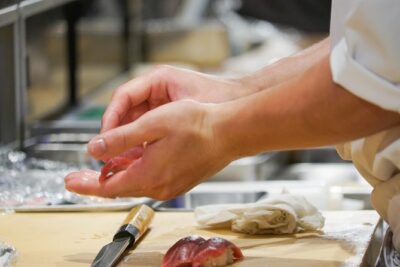
The food itself changes by tour date and restaurant, so do not expect a fixed menu of 13 named items. You might encounter the kinds of dishes described by participants, including yakitori, sushi, cooked tuna, and other small plates. One dish that received special attention was smoked tuna, while another participant particularly enjoyed both sushi tuna and a cooked tuna preparation.
This first stop is where the tour earns much of its value. A plate of food is only part of the experience. Knowing why it is served that way, how to handle it, and what flavors to notice helps you make better choices later on your own.
Center Gai and the art of eating in a crowd
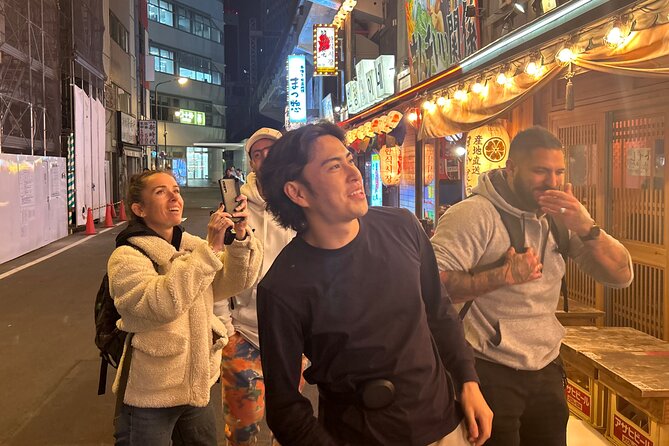
The route then spends about an hour around Center Gai. This is the high-energy part of the walk, with plenty of movement, signs, shops, and people around you.
The contrast between the street and the food is part of the appeal. You may leave a busy main road and enter a smaller eatery where the focus shifts from neon and noise to skewers, bowls, or shared plates. The tour does not treat Shibuya as just a photo backdrop. It uses the neighborhood’s busy streets to connect modern Tokyo with older dining habits.
The exact street food stop is not named, so I would treat this as a chance to try something the guide selects rather than a promise of one particular snack. That is helpful if you want to eat beyond familiar sushi. It is less helpful if you have a strict list of dishes you must try.
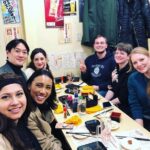
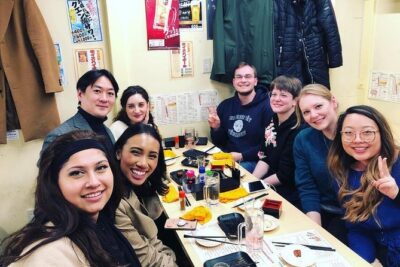
The social setup also matters here. Several guides are described as friendly and easy to talk with, and the relaxed pace gives solo visitors a way to meet people while eating. You are not left to work out every dish alone, but you also should not expect a private guide devoted only to your party.
Shibuya Crossing is a short but useful pause
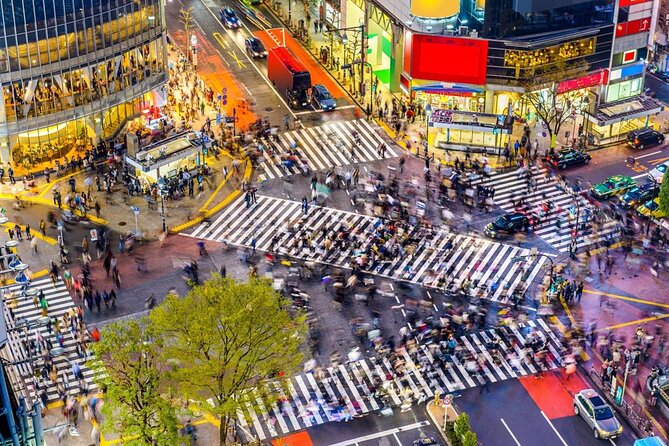
The crossing portion lasts about 10 minutes and is mainly a photo stop with a guided walk. It is brief by design. This is not a history lecture or a long viewing session. It is a chance to cross one of Tokyo’s best-known public spaces while your guide helps you understand where you are.
That short stop works well between meals. You get the classic Shibuya moment without losing too much time from the food. The crossing can feel chaotic, but the movement is organized, and the tour gives you a clear reason to be there beyond simply taking a picture.
Keep your expectations sensible. The crossing is a landmark, not the main event. The food and conversation carry most of the three-hour tour, while the crossing adds a memorable Tokyo image.
A few more Tokyo tours and experiences worth a look


Dogenzaka brings the evening to its food-heavy finish
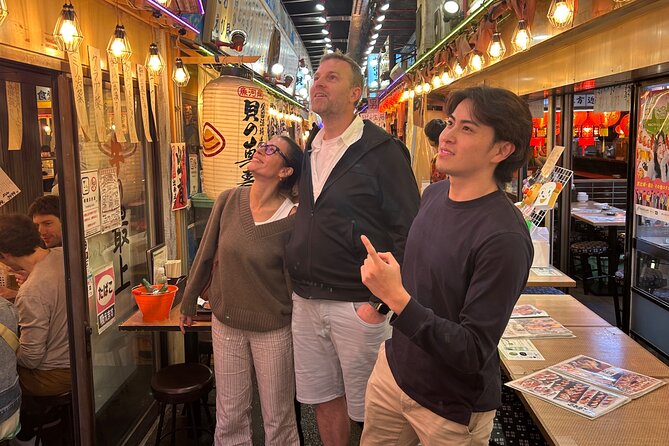
The final major section lasts about 50 minutes in Dogenzaka. This part includes another dinner stop and rounds out the four-eatery structure with a traditional restaurant and dessert.
Dogenzaka is a good setting for a food walk because it shows another side of Shibuya’s evening life. Here, your guide can point out places you might not choose on your own and explain what makes a traditional eatery different from an izakaya or street stall.
The included food covers one izakaya, one street food stall, one traditional eatery, and dessert. That spread gives you a useful comparison:
- An izakaya introduces the small-plate, drink-friendly side of Japanese dining.
- A street food stall keeps the meal casual and quick.
- A traditional eatery gives you a different setting and style of service.
- Dessert closes the route with something sweet, though tastes vary more here than with the savory stops.
You should arrive hungry but not empty. Thirteen dishes can add up, especially when several courses are shared or served in small portions. The tour is designed as a progressive tasting meal, not a single giant entrée.
One honest note: dessert is the least certain part for personal taste. Almost every food comment is positive, but one person did not care for the dessert. If you are mainly interested in savory Japanese food, this is a minor issue. If sweets are your reason for booking, keep your expectations flexible.
What the guides add to the meal
The strongest feature of this experience is the guide. The named guides vary, so you cannot assume you will receive Hoshi, Kei, Rio, Yota, or any other particular person unless the booking process allows that request.
Hoshi receives especially strong praise for humor, clear English, food explanations, and practical kindness. He has helped with restaurant choices and local suggestions, and one participant valued how he explained the proper way to eat and garnish dishes.
Kei is described as a strong choice for trying foods you might not order alone. Rio is praised for cultural facts and keeping the evening entertaining. Yota receives credit for being friendly and informative, while Naruto is noted for adapting the food selection for a returning participant.
Will is a good example of the repeat-value here. One person took the tour more than once and still found new places, food, and conversation. That suggests the route or food choices may have some flexibility, though you should not count on a completely different itinerary.
Nicola, Matt, Haydn, Osato, Taiga, Doren, Shingo, and others are also praised for being helpful and engaging. Taiga even assisted one participant with a taxi and later walked them to the correct subway. That kind of help is especially useful if you are new to Tokyo and still finding your footing.
Food variety, portions, and expectations
The title promises 13 dishes and four eateries, and the included details support a broad tasting menu. Still, you are not given a full dish-by-dish menu in advance. The selection may depend on the restaurants, the day, and the guide.
That uncertainty is a plus for adventurous eaters. You can try items you would overlook in a menu translation, including different tuna preparations and yakitori. It is a drawback for anyone with allergies, strict dietary rules, or a strong dislike of surprises.
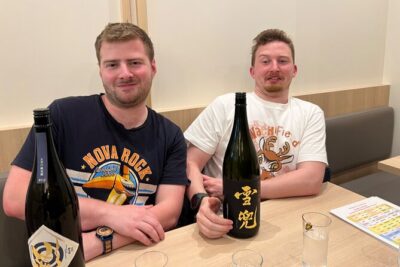
The two included drinks help the meal feel complete. One may be alcoholic and one non-alcoholic, depending on the arrangement, so check with the guide if you have a preference. Since the experience takes place in several venues, drink service may differ from stop to stop.
I would tell you to eat lightly beforehand, wear comfortable shoes, and avoid scheduling a major late-night plan immediately afterward. The route lasts three hours, and the walking is part of the evening rather than filler between restaurants.
Is the $77 price fair?
For $77, the tour offers four food venues, 13 dishes, two drinks, a guide, a Shibuya walk, and advice for the rest of your Japan trip. If you tried four places independently, you might spend less, but you would also need to choose the restaurants, order unfamiliar food, manage language concerns, and keep the evening moving.
The strongest value comes from access and confidence. You can enter places you might otherwise pass by, sample several dishes without committing to full meals, and ask questions as you go.
The price is less attractive if you already know Shibuya well, speak Japanese comfortably, and prefer choosing each restaurant yourself. It is also not the right fit if you want a quiet sit-down dinner. You are paying for movement, variety, and company.
Who should book this experience?
I think this tour suits first-time visitors to Tokyo particularly well. It gives you a quick working knowledge of Shibuya, introduces several food styles, and leaves you with ideas for later meals.
Solo visitors can benefit from the social format, especially on a first evening. The guide-led setting removes much of the awkwardness of entering a small restaurant alone and gives you a natural way to meet people from different countries.
Food-curious eaters will get the most from it. You should be willing to try dishes you might not recognize and accept that the menu is not fully spelled out in advance.
Families and older visitors should consider the walking conditions. The activity is listed as wheelchair accessible, but Shibuya’s crowds and busy sidewalks may still make the pace feel demanding. If mobility is a concern, confirm the practical details before booking.
Booking details worth knowing
The activity lasts three hours and is led in English. Starting times vary, so you need to check availability for your date.
You meet at the specified 7-Eleven in front of Tokyu Plaza and finish in Shibuya. The package includes food at the four stops, two drinks, the guided crossing walk, and advice for your Japan plans.
You can cancel up to 24 hours before the activity for a full refund. A reserve-now, pay-later option is also available, which helps if your Tokyo schedule is still shifting.
Should you book the Shibuya food tour?
Book it if you want a social evening that combines 13 Japanese dishes with a guided neighborhood walk. The variety is the main draw, and the guide support makes unfamiliar food much easier to approach.
I would especially choose it near the start of a Tokyo visit. You get restaurant ideas, cultural pointers, and a useful sense of how Shibuya works after dark. Requesting a favorite guide may be worth trying, particularly if Hoshi, Kei, Rio, Yota, Naruto, or Will is available, but guide assignments can vary.
Skip it if you want a fixed menu, a quiet meal, or complete control over every restaurant. For everyone else, the $77 cost is reasonable for a guided food crawl that gives you more than dinner: it gives you a confident first look at one of Tokyo’s most energetic neighborhoods.
FAQ
How long does the Shibuya food tour last?
The tour lasts three hours, including food stops, guided walking, and a short photo stop at Shibuya Crossing.
How many dishes are included?
The experience includes 13 dishes across four eateries.
What types of places do you visit?
The food stops include one izakaya, one street food stall, one traditional eatery, and a dessert stop.
Are drinks included?
Yes. Two drinks are included, with alcoholic and non-alcoholic options provided.
Is Shibuya Crossing part of the tour?
Yes. You take a guided walk through Shibuya Crossing, with about 10 minutes set aside for the crossing and photos.
Where do I meet the guide?
Meet in front of the 7-Eleven at Tokyu Plaza in Shibuya.
What language is the tour offered in?
The tour is conducted in English by a live English-speaking guide.
Can I cancel the booking?
Yes. You can cancel up to 24 hours in advance for a full refund. A reserve-now, pay-later option is also available.
More Food Experiences in Tokyo

More Tokyo Food Tours in Tokyo
More Shibuya Tours in Tokyo
More tours in Tokyo we've reviewed











Tokyo Food Tours, compared.
 ★ 5.0Tokyo: Shinjuku Food Tour (13 Dishes at 4 Local Eateries)From $86
 ★ 4.9Tokyo: Shinjuku Food Tour (15 Dishes and 4 Eateries)From $853 hours
 ★ 5.0Best of Shinjuku: Izakaya Food Tour (4 Stops, 14+ Tastings)From $92
 ★ 5.0Tokyo Night Foodie Tour in Shinjuku – Seasonal Sushi, Wagyu BeefFrom $111
 ★ 5.0Eat and Drink Like a Local: Tokyo Ueno Food Tour-Taverns&RamenFrom $95
 ★ 5.0Tokyo: Shibuya Food Tour (13 dishes and 4 Eateries)From $77