
Reviewed · WORKSHOPS
Tokyo: Rice Ball Making Class
The best part of this Tokyo outing is the simple switch from making onigiri by hand to eating it outdoors at Hamarikyu Gardens. You are not just watching a demonstration. You season warm rice, choose fillings, shape the balls, and then take your own food into the city.
I like the small group, limited to six people, and the mix of food, cycling, and classic Tokyo sights. I also like that the route shows quieter neighbourhood streets and riverside paths instead of keeping you on the usual sightseeing circuit. The main consideration is physical: you need to ride a bike comfortably, and the activity is not suitable for children under 12, people with mobility or back problems, wheelchair users, or those with a low level of fitness.
In This Review
- Key points at a glance
- Why onigiri makes a good Tokyo introduction
- What happens during the rice ball class
- From warm rice to a garden picnic
- Cycling through Tokyo beyond the main roads
- Tokyo Tower, Zojoji, and bay views
- Is $51 a fair price?
- Who should book this experience?
- Timing, clothing, and what to bring
- What the strong feedback tells you
- My verdict: book it for food, fresh air, and a local-scale Tokyo
- FAQ
- How much does the Tokyo rice ball making class cost?
- How long does the experience last?
- Is the activity offered in English?
- What food fillings can I make?
- Is cycling included?
- Who cannot join the activity?
Key points at a glance
- Hands-on onigiri making: Season freshly steamed rice and shape it around fillings such as salmon, pickled plum, and tuna-mayo.
- Picnic at Hamarikyu Gardens: Eat your handmade rice balls among ponds, paths, flowers, teahouses, and views of Tokyo’s skyline.
- Small group of up to six: The size allows room for questions and personal help during the food lesson and bike ride.
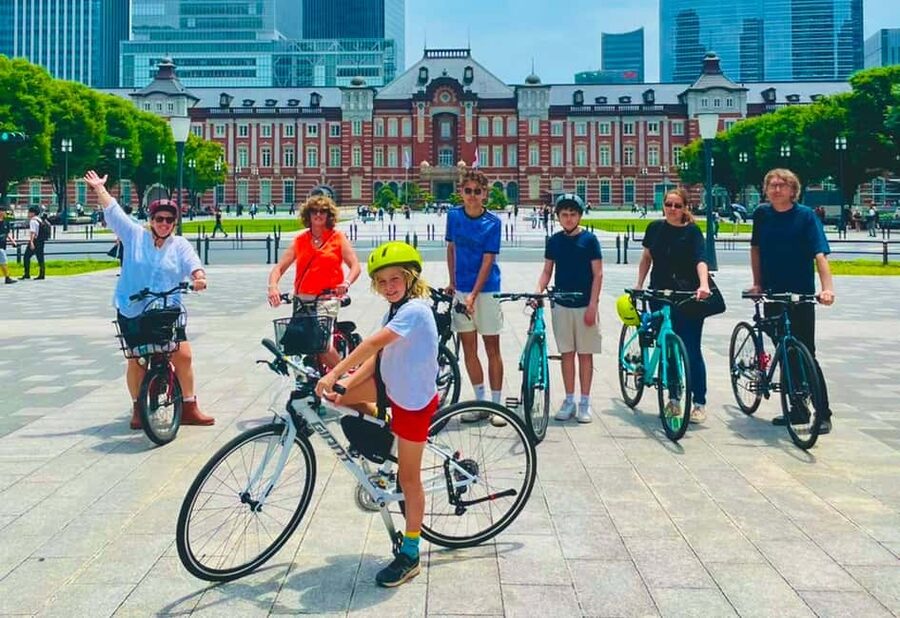
- A guide-led neighbourhood route: Ride through backstreets, local areas, riverside paths, and waterfront lanes.
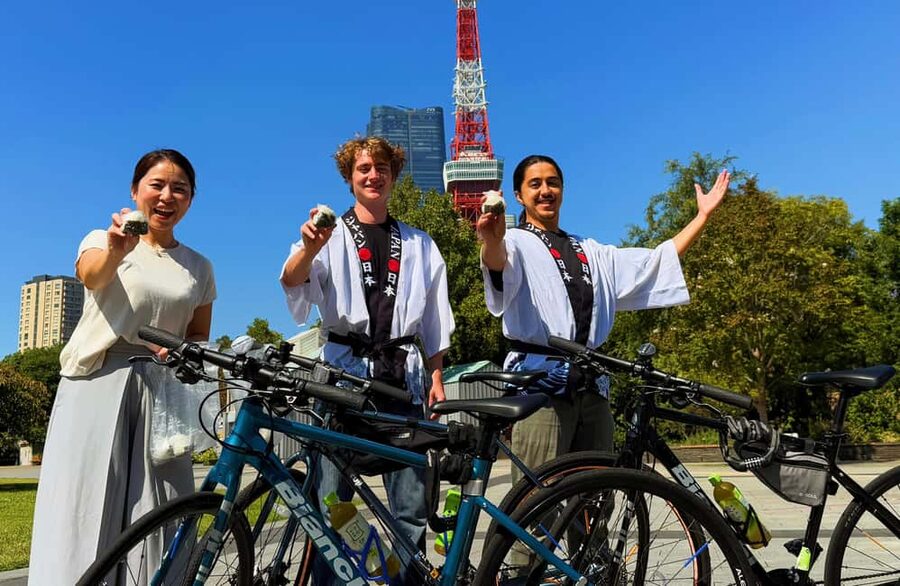
- Tokyo icons along the way: Look for Tokyo Tower, the Imperial Palace, Zozoji Temple, and Tokyo Bay.
- Good value at $51: The price includes the class, ingredients, bicycle, guide, and garden admission.
Why onigiri makes a good Tokyo introduction
Onigiri is one of Japan’s most familiar everyday foods. It is portable, filling, and easy to adapt, but shaping one properly is more than simply squeezing rice into a ball. The class gives you a small window into home cooking and the practical food culture behind a snack found across Japan.
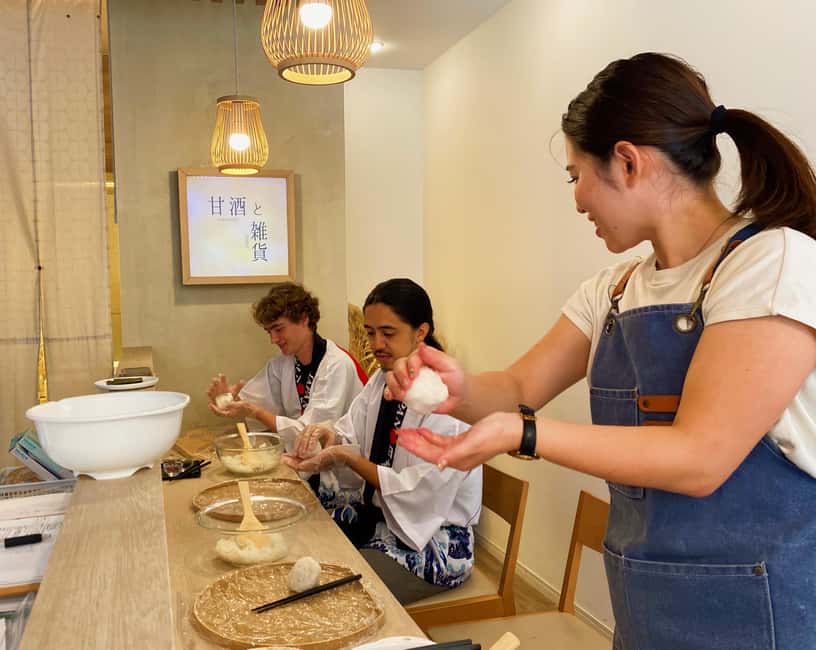
You work with freshly steamed rice while it is still fragrant and warm. The fillings keep things approachable: savory salmon, sharp pickled plum, and creamy tuna-mayo offer three very different tastes. If you have eaten onigiri from a convenience store, this class helps you understand what is inside and how the rice is formed around it.
I especially like the fact that the food you make is not treated as a souvenir or a sample. You pack it up and take it with you. That gives the lesson a clear purpose, and your lunch becomes part of the rest of the outing.
The format should suit curious eaters who want an activity with a useful result. You do not need to leave with a complicated recipe or special equipment. You learn a simple Japanese staple and enjoy it in a setting that makes the meal feel more memorable.
A few more Tokyo tours and experiences worth a look


What happens during the rice ball class
The experience begins at the onigiri-making class, which is also the meeting point. Your English-speaking local expert guides you through the process, from seasoning the rice to adding the filling and forming the finished rice ball.
The practical value here is the personal instruction. Rice can be sticky, and shaping onigiri takes a little technique. In a group of no more than six, you should have a better chance of getting help than you would in a large cooking workshop. Friendly guidance is one of the strongest features of this activity, and several participants singled out the instructors’ warmth and clear English.
You can expect to work with the listed classic fillings:
- Salmon for a savory, familiar flavor
- Pickled plum for a tangy and sharper taste
- Tuna-mayo for a creamy, mild option
The precise number of rice balls and the class format are not specified, so do not book this expecting a full cooking school session. This is a compact cultural activity, not an advanced culinary course. Its charm comes from doing one traditional food well enough to eat immediately.
Guide Sho has been praised for making the lesson fun and helping participants enjoy the process. The activity provider is Tokyo Rental Bicycle, and the tour is offered in English. Since the group is small, you can ask about the ingredients, the shaping method, or the food itself without needing to compete with a large crowd.
From warm rice to a garden picnic
Once your onigiri are made and packed, you ride to Hamarikyu Gardens. This is where the activity shifts from an indoor food lesson to an easy outdoor visit.
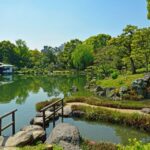
Hamarikyu is a historic garden beside Tokyo Bay. Its setting gives you a striking contrast: traditional teahouses and carefully arranged garden features on one side, with the modern Tokyo skyline beyond. Saltwater ponds, walking paths, and seasonal flowers give you space to slow down after the class.
You eat your homemade onigiri in the garden, with the food still warm according to the activity description. That picnic is a strong reason to choose this experience over a standard cycling tour. The meal is connected to the place, and you get to enjoy what you made rather than rushing straight on to the next stop.
The garden admission is included, which matters because you do not need to pay separately to enter after arriving by bike. Extra snacks and drinks from a shop are not included, so bring water and budget for anything else you want during the outing.
Do not expect an elaborate picnic spread. The included food is the onigiri ingredients and the rice balls you make. If you want a larger meal, additional refreshments are your responsibility.
Cycling through Tokyo beyond the main roads
After the picnic, your guide leads the bike ride through a chosen route of backstreets and riverside paths. This is the part that adds movement and local texture to the food class.
The route is designed to show more than major avenues. You pass through neighbourhoods where daily life continues at a quieter pace, then move toward broader waterfront lanes with views across Tokyo Bay. That change of setting helps you see how close the city’s ordinary streets are to its major landmarks and open waterfront.
The cycling is described as leisurely, but you still need to be comfortable riding a bike. Wear practical clothing, bring water, and be ready for a moving tour rather than a stationary garden visit. People who cannot ride, have mobility impairments, or have a low level of fitness should choose a different activity.
The guide leads the route, which is useful in a city as large and layered as Tokyo. You can focus on the ride and the views rather than trying to navigate every turn yourself. The small group also makes it easier to stay together than on a large bike excursion.
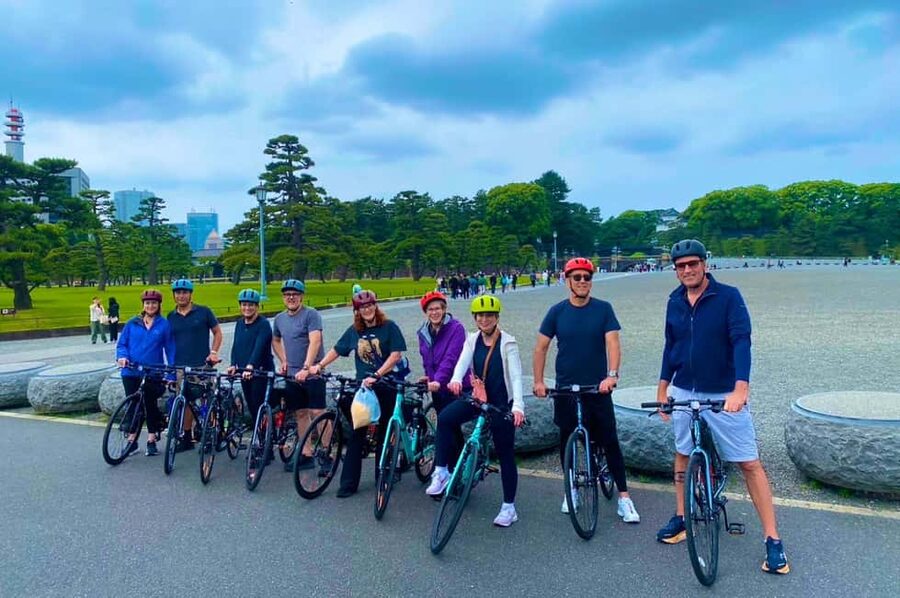
You may pass through local neighbourhoods, riverside routes, and waterfront stretches. The exact route can vary, so treat the listed sights as possible views rather than guaranteed photo stops. The activity specifically identifies Tokyo Tower, the Imperial Palace, and Zozoji Temple as sights you can catch along the way.
Tokyo Tower, Zojoji, and bay views
Tokyo Tower gives the ride a familiar landmark to look for as you move through the city. Its appearance in the distance helps connect the smaller streets to the wider Tokyo view.
Zojoji Temple adds a traditional religious site to the route. The temple is known for its strong visual relationship with Tokyo Tower, so seeing both in the same outing gives you one of the city’s classic contrasts. The activity does not promise a temple visit or guided tour inside, so think of it as a sight along the cycling route rather than a separate stop.
The Imperial Palace is another major sight named on the route. Again, the available details do not say how long you stop or enter the grounds. You should expect to catch views during the ride, not a full palace tour.
The waterfront section offers a different mood. Broad lanes and Tokyo Bay views provide a break from dense streets and buildings. If you enjoy seeing a city from several angles, this is one of the tour’s best features: food preparation, garden paths, neighbourhood roads, and open water all fit into one short experience.





Is $51 a fair price?
At $51 per person, the value depends on how much of the included package you will use. The fee covers the onigiri class, ingredients, bicycle, local guide, and entry to Hamarikyu Gardens. You are paying for a combined experience rather than a food lesson alone.
A simple cooking class may cost less, and a basic bike rental may also cost less. Here, the price combines both with guided sightseeing and garden admission. For a first visit to Tokyo, that makes the package reasonable, particularly if you like active outings and want an experience that feels more personal than a standard attraction visit.
The small group is important to the value. A maximum of six participants gives the guide a chance to help with the rice shaping and keep the cycling group together. You are not paying for a large vehicle or a long full-day tour, though. The duration is listed as one to three hours, depending on the available start time and format, so confirm the exact timing before booking.
The biggest value comes from the combination. If you only want a substantial meal, this will not replace lunch at a restaurant. If you want a short cultural activity with movement and sightseeing, the included elements fit together well.
Who should book this experience?
I would recommend it to adults, couples, friends, and families with children aged 12 or older who want a hands-on activity. It is especially suitable if you enjoy local food, casual cycling, and seeing Tokyo at a slower pace.
It also works well for repeat visitors who have already seen the main districts and want a different way to spend part of a day. The neighbourhood riding and garden picnic offer a change from shopping streets, observation decks, and crowded sightseeing routes.
You should book it if you like:
- Learning a simple food tradition rather than only eating at restaurants
- Small groups and direct contact with a local guide
- Gentle cycling through streets and waterfront areas
- Outdoor meals and historic gardens
- A compact activity that combines several experiences
You should skip it if you want a long, serious bike ride, a detailed cooking course, or a large meal. It is also a poor fit if you are uneasy on a bicycle or have physical limits that make cycling difficult.
The listed exclusions are strict. The activity is not suitable for people over 70, people with high blood pressure, people with back problems, wheelchair users, visually impaired people, or anyone unable to ride. Baby strollers are not allowed. These limits may feel broad, but the outing combines food preparation with cycling, so check the conditions honestly before reserving.
Timing, clothing, and what to bring
The duration is listed as one to three hours, with start times depending on availability. That is a wide range, so check the selected time carefully and leave room around it in your Tokyo plans.
Comfortable clothing is recommended for cycling. You do not need to pack special cooking gear, since the class ingredients and bicycle are included. Bring water, as drinks are not included.
The meeting point is the onigiri class itself. Make sure you arrive there rather than heading directly to Hamarikyu Gardens. The garden visit comes after the food lesson, and the bicycle portion follows the picnic.
Free cancellation is available up to 24 hours in advance for a full refund. You can also reserve now and pay later, which is useful if your Tokyo schedule is still changing.
What the strong feedback tells you
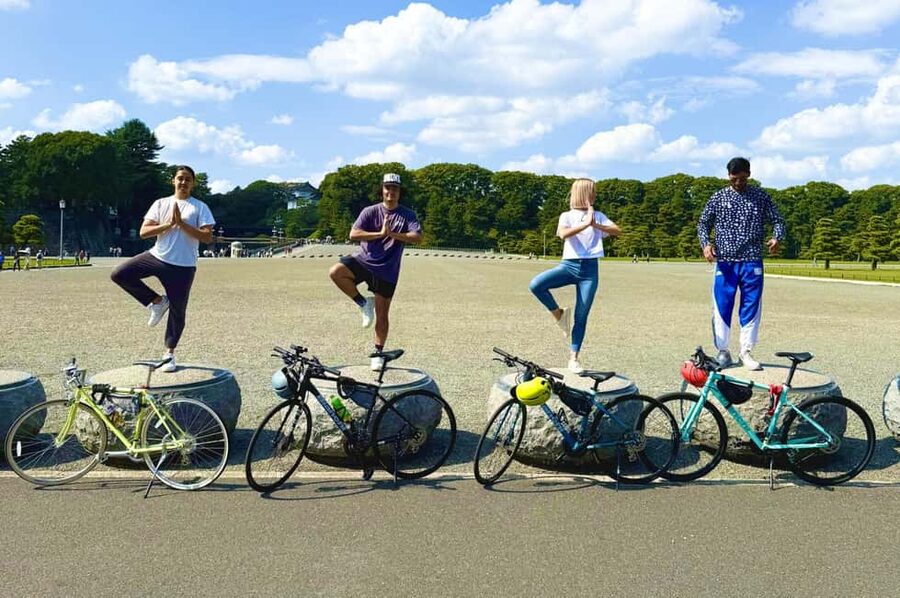
The activity has a five-out-of-five rating from 14 reviews. The most consistent praise is directed at the people running it: participants repeatedly describe the instructors as friendly, helpful, and clear in English.
That matters here because the quality of a small food class depends heavily on the guide. Rice shaping is hands-on, and the cycling route needs calm direction. A guide who can explain both parts well makes the experience easier and more enjoyable.
Sho is one guide named specifically in the feedback, with a reputation for making the class fun and helping people enjoy their handmade rice balls. Other comments praise the bike guide for being informative and fun, which suggests that the ride is not simply a bicycle transfer to the garden.
The food itself also gets strong approval. Participants enjoyed making delicious rice balls and eating them afterward. That is a good sign for anyone who worries the activity may feel like a craft lesson with little payoff.
Still, keep the praise in proportion. Fourteen reviews is a useful positive signal, but it is not a guarantee that every guide, group, or day will feel identical. Your enjoyment will depend on your comfort with cycling, the weather, and your appetite for a short, structured activity.
My verdict: book it for food, fresh air, and a local-scale Tokyo
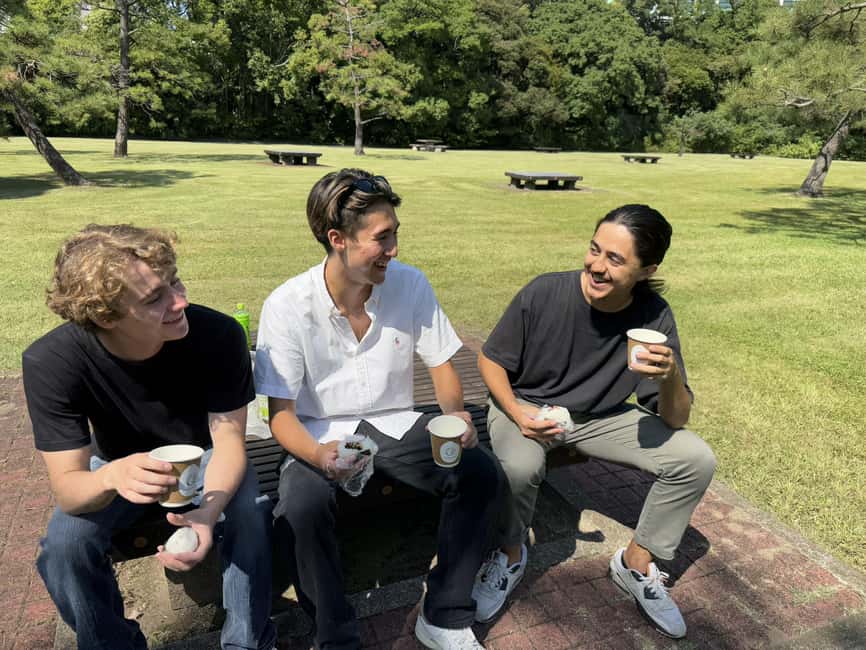
I would book this experience if I wanted a compact Tokyo activity that combines a practical food lesson with a guided ride. The homemade picnic at Hamarikyu Gardens is the heart of it, while the backstreets, bay views, and landmark sightings give the outing a wider sense of the city.
At $51, the package is fair for a small group because it includes the class, food ingredients, bicycle, guide, and garden entrance. Just remember that extra snacks and drinks cost more, and the one-to-three-hour duration can vary.
Book it if you can ride comfortably, enjoy simple Japanese food, and want a more active alternative to another indoor attraction. Pass if you need a wheelchair-accessible activity, cannot cycle, or want a full meal and a long sightseeing tour. For the right visitor, this is an easygoing way to make something, eat it in a beautiful setting, and see Tokyo from the seat of a bicycle.
FAQ
How much does the Tokyo rice ball making class cost?
The activity costs $51 per person. The price includes the onigiri class, ingredients, bicycle, local bike tour guide, and entrance to Hamarikyu Gardens.
How long does the experience last?
The duration is listed as one to three hours. Starting times depend on availability, so check the schedule when selecting your booking.
Is the activity offered in English?
Yes. The live tour guide speaks English, and the listed activity language is English.
What food fillings can I make?
The listed fillings include savory salmon, pickled plum, and tuna-mayo. You season and shape freshly steamed rice during the class.
Is cycling included?
Yes. A bicycle and local bike tour guide are included. You should wear comfortable clothing for cycling and bring water.
Who cannot join the activity?
The activity is not suitable for children under 12, people with back problems, mobility impairments, high blood pressure, or low fitness, people who cannot ride a bike, wheelchair users, visually impaired people, or people over 70. Baby strollers are not allowed.
More Workshops & Classes in Tokyo
More tours in Tokyo we've reviewed


Workshops, compared.
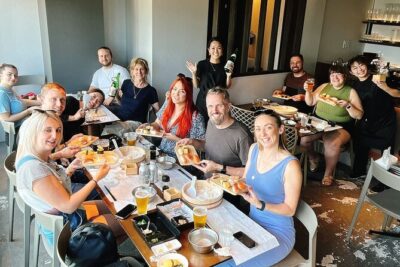 ★ 5.0Sushi Making Tokyo Roll and Authentic Japanese Sushi ClassFrom $59
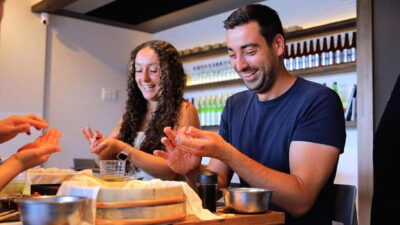 ★ 4.9Tokyo: Roll and Authentic Sushi Making Class in AsakusaFrom $581h 40m
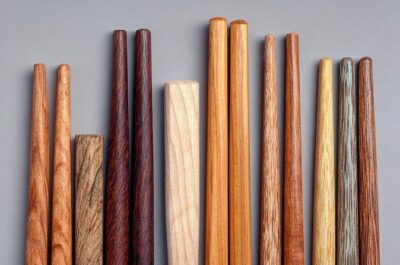 ★ 5.0Tokyo Shinjuku Chopsticks Making ClassFrom $20
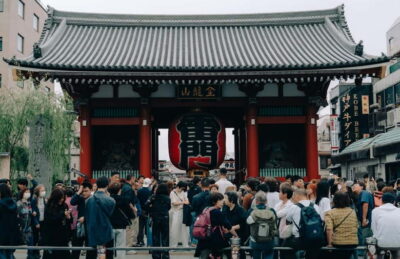 ★ 4.9Tokyo: Sushi Making Class in a Happi Coat near a Famous SpotFrom $421h 30m
 ★ 4.8Chopstick Making Workshop in GinzaFrom $251 hour
 ★ 5.0Tokyo Sushi Making Class in Tsukiji with Professional ChefFrom $49