
Reviewed · SHINJUKU TOURS
Tokyo: Easy Ramen Cooking Experience in Kabukicho, Shinjuku
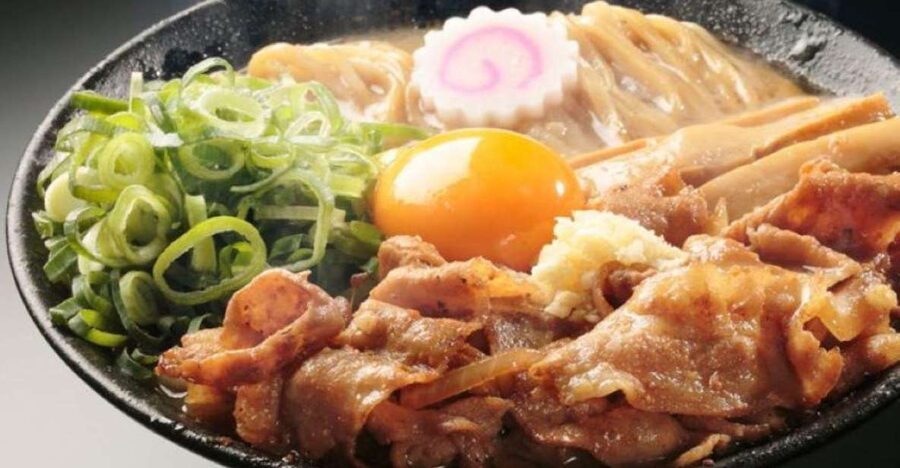
The clever part of this Shinjuku ramen class is that it explains a dish that normally takes many hours, even days, to prepare, then gives you a practical shortened version you can cook and eat in one hour. You learn what goes into the broth, handle the noodles, and build your bowl in Kabukicho, close to the Godzilla statue.
I like the small groups, which can reach only six people, and the friendly, hands-on teaching. I also like that the class is built for beginners. Guides such as Tak, Mikhail, Hinata, and Chihiro have helped make the steps clear, with some English support when needed.
The main catch is that you do not make the soup or noodles entirely from raw ingredients. Those parts require much longer preparation, so the class uses a shortened recipe and prepared components. The broth contains pork, chicken, and beef, making this unsuitable for vegans, vegetarians, and anyone with gluten intolerance.
In This Review
- Key points to know before booking
- What the one-hour ramen class really teaches
- Arriving at Shinjuku Ale in Kabukicho
- Choosing soup, noodles, and toppings
- Eating the ramen you assembled
- The guides make the difference
- Is it suitable for families and first-time cooks?
- Food restrictions and practical limits
- Timing, cancellation, and value at $29
- What I would improve
- Who should book this Shinjuku ramen experience?
- FAQ
- How long does the ramen cooking experience last?
- Where does the class take place?
- Is there an elevator?
- What do I do during the class?
- Do I make the broth and noodles entirely from scratch?
- Is a meal included?
- Are drinks included?
- Can vegetarians or vegans take part?
- What should I bring?
Key points to know before booking
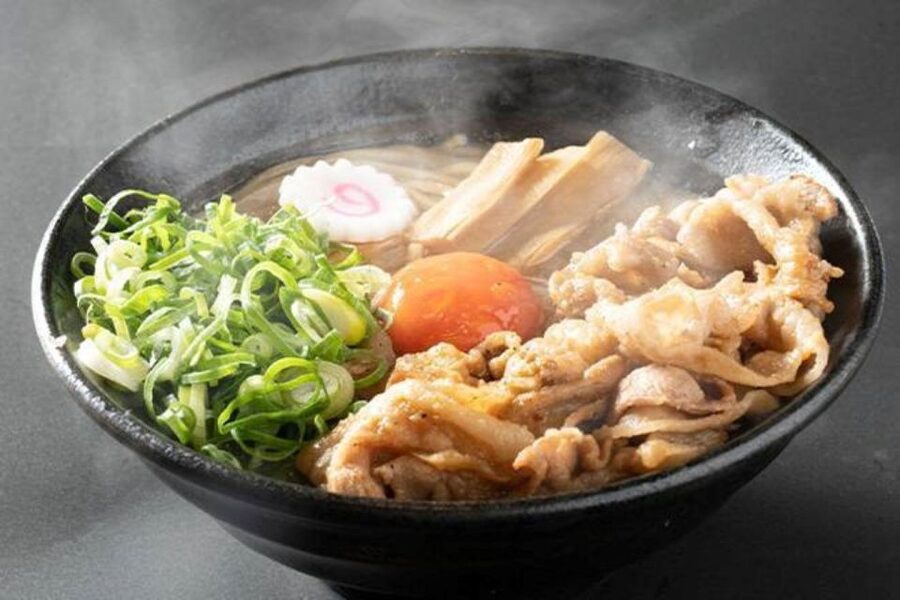
- One-hour ramen class: Learn the basics, cook selected ingredients, assemble your bowl, and eat before the session ends.
- Small setting: Groups can be limited to six, creating a more personal class than a large demonstration.
- Shinjuku location: The venue is at Shinjuku Ale in Kabukicho, near the Godzilla statue and other sights in the area.
- Beginner-friendly cooking: You choose soup, boil noodles, and add toppings with step-by-step help.
- Prepared broth and noodles: You learn about the full process, but you do not spend hours making the base from scratch.
- Important food limits: The soup contains pork, chicken, and beef, and the dish includes gluten.
What the one-hour ramen class really teaches
Ramen looks simple when it arrives at the table: noodles, broth, meat, egg, and toppings in one bowl. The class helps you see why the dish has more moving parts than that quick description suggests.
The opening explanation covers ramen’s background and the way the dish is built. You learn that soup, noodles, meat, eggs, vegetables, and seasonings each affect the final bowl. This short introduction gives the cooking a useful purpose instead of making the class feel like a basic food assembly session.
I appreciate the honesty about the shortened recipe. Authentic ramen preparation can take many hours or several days, especially when you include the broth and noodles. Here, the goal is not to train you as a ramen chef. It is to show you the main techniques in a format that fits neatly into a Tokyo sightseeing day.
That makes the experience a good match for you if you want food culture without giving up half a day. It also suits people who rarely cook. The instructions are designed to be easy to follow, and the guides stay close to the group as you work.
A few more Tokyo tours and experiences worth a look

Arriving at Shinjuku Ale in Kabukicho
The meeting point is Shinjuku Ale, with the ramen activity held upstairs on the second floor. There is no elevator, so you need to manage stairs to reach the class.
Kabukicho gives the experience a lively setting. You are not heading to a remote cooking studio. The venue sits in the middle of Shinjuku, close to the Godzilla statue, restaurants, bars, and the bright streets that make this part of Tokyo so popular.
Give yourself extra time to find the building. Shinjuku Station is famously complicated, and it is easy to lose minutes among its many exits and underground passages. Once at the venue, tell the staff you are there for the trial reservation, as requested by the operator.
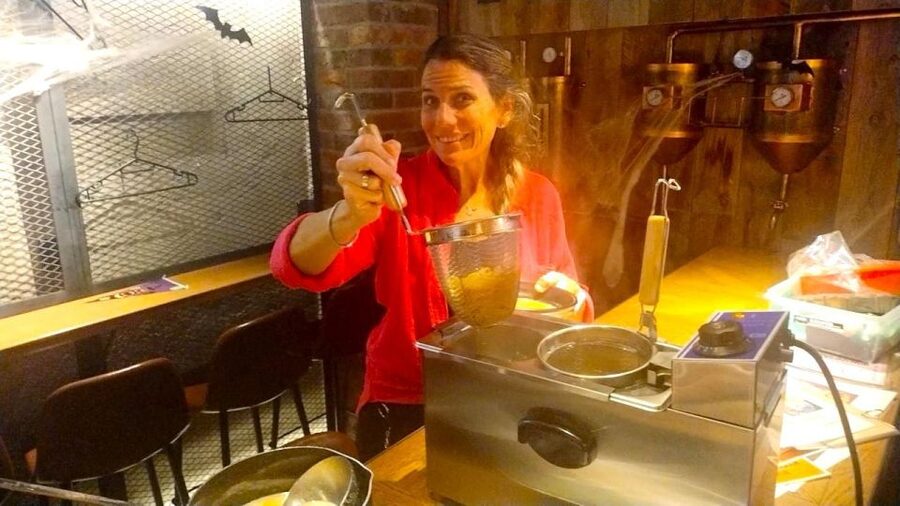
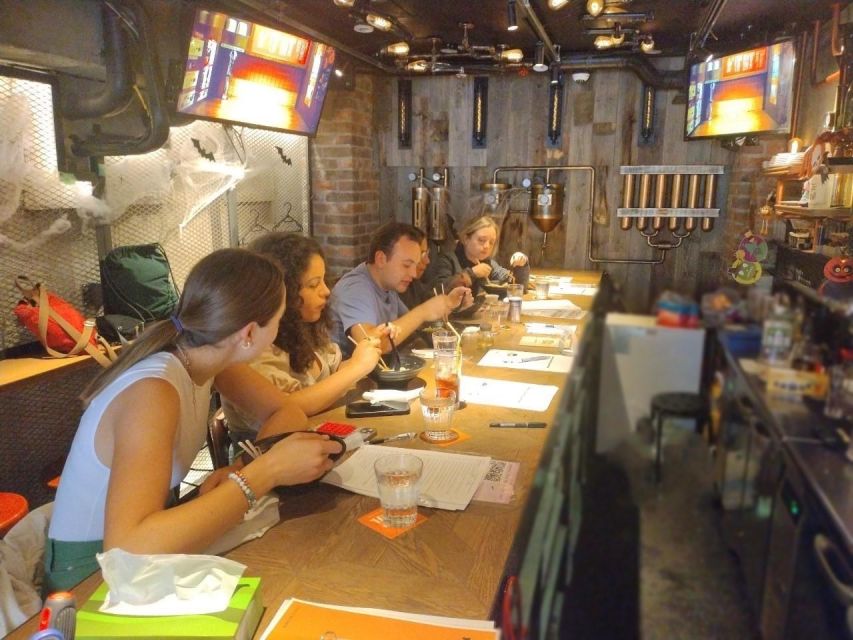
The room is described as a quirky, intimate upstairs bar. That gives the class more character than a plain classroom, though it also means you should expect a compact space rather than a polished culinary school. A small room works well for asking questions and getting direct help, but it may feel close if you prefer lots of personal space.
Choosing soup, noodles, and toppings
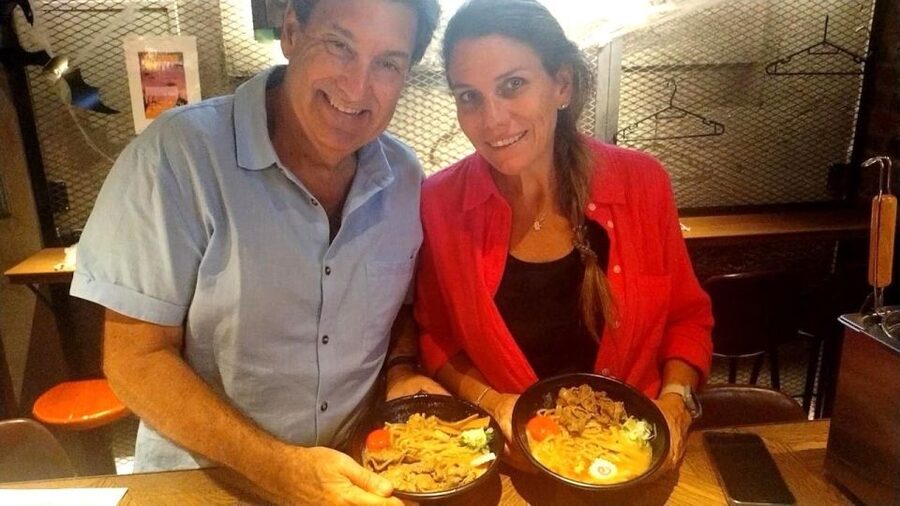
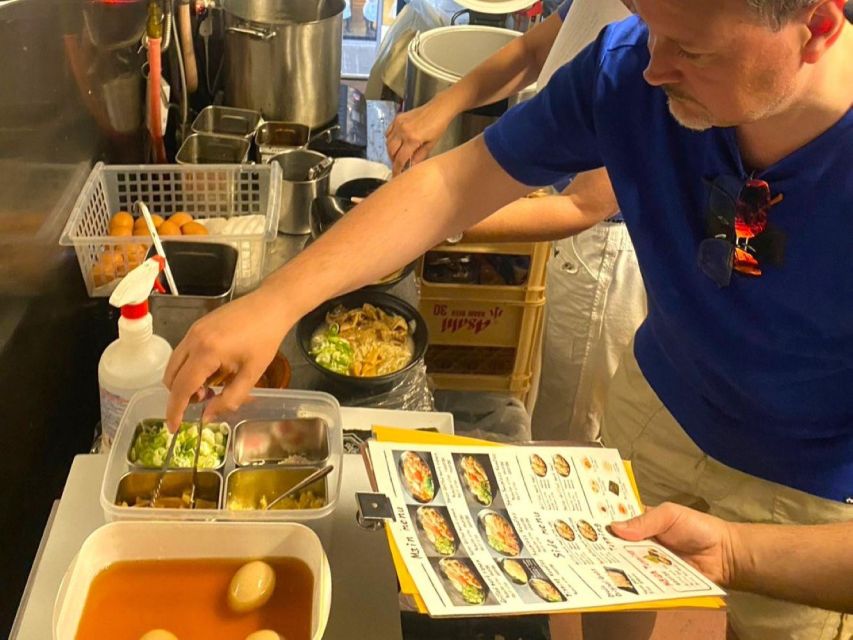
After the introduction, you begin the practical part. You choose your soup, boil the noodles, and add the ingredients to your ramen bowl. The structure is simple enough for a first-time cook, but it still gives you a sense of control over the meal.
The ability to customize matters. You are not simply handed a finished bowl after watching a demonstration. You take part in the decisions that shape the dish, including the soup and toppings. One participant particularly enjoyed making a spicy ramen, which shows how a little choice can make the final bowl feel personal.
The cooking itself is guided step by step. You do not need advanced knife skills or professional kitchen experience. The point is to learn how the ingredients come together and how timing matters when noodles and hot soup meet.
Keep in mind that the soup base is not fully made during the class. The broth is prepared in advance because the proper process takes far longer than the one-hour format allows. One person found the available stock too salty and wished there had been a different base, so anyone sensitive to salt should ask about the soup choice before starting.
The broth also contains pork, chicken, and beef. The recipe is secret, so staff cannot provide the full ingredient list. If you have allergies or strict dietary rules, this limited information may be a reason to skip the activity.
Eating the ramen you assembled
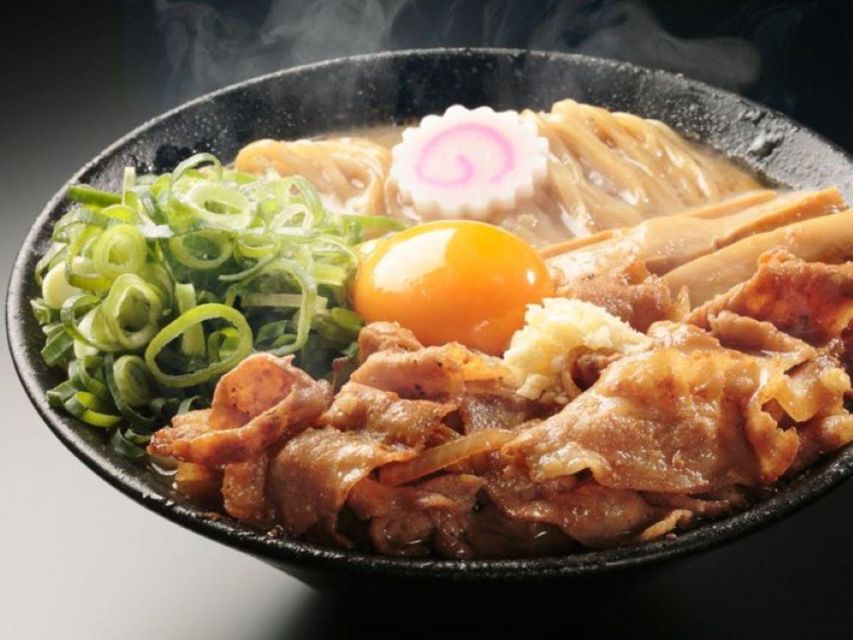
The payoff comes at the end, when you sit down with the ramen you made. The meal is included in the $29 price, and several people found the portion delicious and filling.
That final bowl has value beyond the food itself. Ramen is easy to buy all over Tokyo, often for less than the cost of a class. You are paying the extra amount for the explanation, the cooking activity, the small-group setting, and the satisfaction of eating something you assembled yourself.
I would not book this only as a cheap way to get lunch. A restaurant bowl may cost less and can offer a more specialized regional style. Book this when you want lunch plus a short cultural activity, especially if you enjoy cooking or want something more active than another meal at a counter.
Some sessions may also have add-ons such as gyoza and an alcoholic drink, based on the option selected. These are not part of the basic inclusions, and bottled drinks, extra meals, and additional drinks are not included. Check the final price carefully if you are keeping to a tight budget.
The guides make the difference
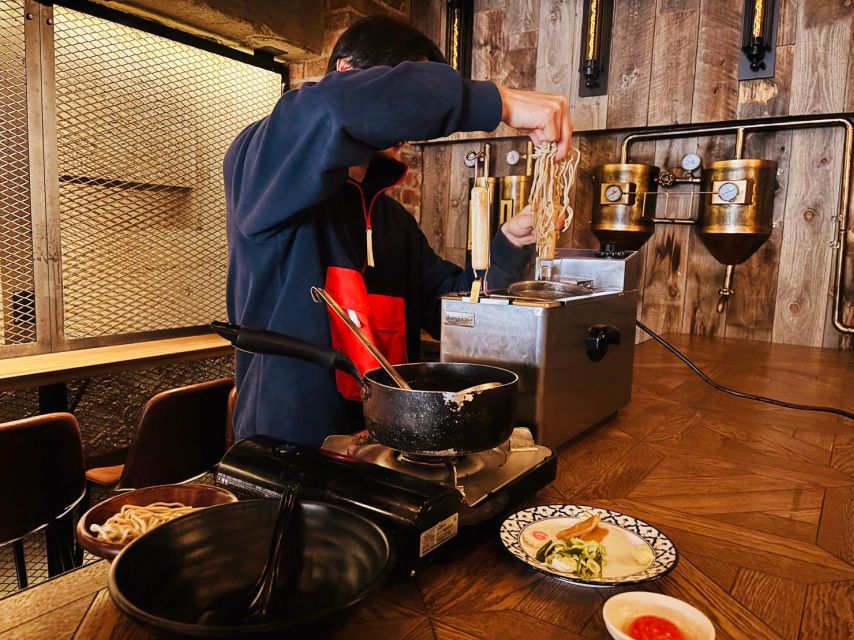
The teaching is the most praised part of this experience. Tak is noted for helping a ten-year-old participant take part, while Mikhail has been praised for explaining techniques and sharing tips. Hinata has guided solo participants through the longer ramen-making process and then the shortened class version.
Other guides, including Kai, Chihiro, Shuma, Nina, and Michail, have also led sessions. The staff style seems warm and involved, with plenty of room for questions about ramen and Japanese food.
English ability can vary. Some staff speak very good English, while the operator warns that a translator machine may be used with other instructors. This should not prevent you from booking if you are comfortable with simple demonstrations and translation support, but it is worth knowing if detailed English instruction is essential to you.
The guides also add value beyond the recipe. Several sessions have included suggestions for Japanese dishes, places to see, and questions about life in Japan. That informal conversation can make the hour feel more like a friendly local meeting than a strict cooking lesson.





Is it suitable for families and first-time cooks?
The class is aimed at people aged four and older, but children under four are not accepted. Anyone under 20 must be accompanied by a parent or guardian.
The activity can work well for families with school-age children and teenagers. The cooking is straightforward, the duration is short, and the result arrives quickly. A ten-year-old has successfully taken part with help from Tak, though parents should remember the activity involves hot cooking equipment and stairs to the second floor.
It is also a good choice for couples, solo participants, and friends. A solo booking may turn into a very personal class if few people attend, while a full group of six gives you a chance to share the meal-making experience with others.
I would be cautious about booking it for someone who wants a serious culinary course. The class teaches the structure and techniques of ramen, but it does not cover the complete preparation of noodles and broth from the beginning. It is an introduction, not professional training.
Food restrictions and practical limits
The dietary restrictions here are firm. The ramen soup contains pork, chicken, and beef, and the dish uses gluten-containing noodles. Vegans, vegetarians, and people with gluten intolerance should not book this activity.
The full soup recipe is secret, so you cannot rely on the staff to identify every ingredient. If you have a serious allergy, the safest choice is to find a class with a clear ingredient policy.
Alcohol requires special attention. Drinking by anyone under 20 is prohibited under Japanese law. Alcohol is not required for the ramen class, but if you select an option that includes a drink, bring valid identification.
You need to bring an ID card, and a copy is accepted. This is a small detail, but it is easy to overlook when you are carrying only your phone and a transit card around Tokyo.
Timing, cancellation, and value at $29
At about $29 per person, the class sits in a reasonable middle ground for Tokyo activities. You receive a meal and a guided food experience in one hour, without transportation costs added to the package.
The strongest value comes from the setting and instruction. You are in central Shinjuku, in a small group, with a guide helping you through each stage. If you only want to eat ramen, spend the money at a restaurant. If you want to understand the dish and take part in making it, the price is easier to justify.
The short length also helps with planning. You can place the class between shopping, the Godzilla statue, Kabukicho sightseeing, or another activity in Shinjuku. Do not cut it too close to your next booking, though. The venue is near a complicated station, and arriving late can create stress. Staff have sometimes been accommodating to late arrivals, but you should not count on that.
You can cancel up to 24 hours in advance for a full refund, and the reserve-now, pay-later option keeps your money free until closer to the activity. Modifications still depend on the stated cancellation rules, so read those terms before booking.
What I would improve

The class could be clearer about extra costs at the time of booking. Add-ons such as gyoza or alcohol can change the final price, and one budget-minded participant wished those costs had been explained more plainly.
I would also like to see more soup choices. The base broth contains several meats, the recipe is secret, and one person found it overly salty. That will not bother everyone, but it matters if you prefer a mild broth or need precise ingredient information.
The other limitation is built into the format. You learn how ramen is made, but you do not prepare the complete broth and noodles from scratch. The class handles this well by explaining the longer process, yet expectations matter. Think of it as guided ramen assembly and cooking with cultural context, not a multi-day noodle-making workshop.
Who should book this Shinjuku ramen experience?
I would recommend it to first-time Tokyo visitors who want a hands-on food activity near major Shinjuku sights. It is especially good for couples, families with children over four, solo cooks, and anyone who likes the idea of making lunch rather than simply ordering it.
It also suits you if you want a short class with a friendly guide and a finished meal at the end. The small groups and easy instructions make it less intimidating than a formal cooking school.
I would skip it if you are vegan, vegetarian, gluten intolerant, highly sensitive to undisclosed ingredients, or looking for a full ramen recipe from raw ingredients. I would also compare the final price if you are considering gyoza or drinks.
For most eligible diners, the combination of central location, personal instruction, and a satisfying bowl makes this a good-value one-hour stop in Shinjuku. Book it for the activity, not just the meal, and you will understand what the $29 is buying.
FAQ
How long does the ramen cooking experience last?
The activity lasts one hour, including the introduction, cooking, assembly, and eating.
Where does the class take place?
It takes place at Shinjuku Ale in Kabukicho, Shinjuku. The class is on the second floor.
Is there an elevator?
No. The experience takes place upstairs and there is no elevator.
What do I do during the class?
You learn about ramen’s history and preparation, choose your soup, boil the noodles, add toppings and other ingredients, and eat the ramen you make.
Do I make the broth and noodles entirely from scratch?
No. The full process takes much longer, so the class uses a shortened recipe and prepared components. The longer preparation process is explained during the introduction.
Is a meal included?
Yes. The ramen you prepare and eat during the experience is included.
Are drinks included?
Bottled drinks and additional meals or drinks are not included. Some booking options may include a drink and gyoza, so check the selected option and price.
Can vegetarians or vegans take part?
No. The soup contains pork, chicken, and beef, so the experience is not suitable for vegetarians or vegans.
What should I bring?
Bring an ID card. A copy is accepted. Participants under 20 must follow Japan’s legal restrictions on alcohol and may not drink alcoholic beverages.
More Shinjuku Tours in Tokyo

More tours in Tokyo we've reviewed






Shinjuku Tours, compared.
 ★ 5.0Tokyo: Shinjuku Food Tour (13 Dishes at 4 Local Eateries)From $86
 ★ 5.0Tokyo Bar Hopping Tour in Shinjuku (All-You-Can-Drink + Dinner)From $106
 ★ 4.9Tokyo: Shinjuku Food Tour (15 Dishes and 4 Eateries)From $853 hours
 ★ 5.0Best of Shinjuku: Izakaya Food Tour (4 Stops, 14+ Tastings)From $92
 ★ 4.9Tokyo: Shinjuku Local Bar and Izakaya Guided Walking TourFrom $343 hours
 ★ 5.0Tokyo Shinjuku Chopsticks Making ClassFrom $20