
Reviewed · WORKSHOPS
Tokyo: Rice Ball Making Class by an Expert
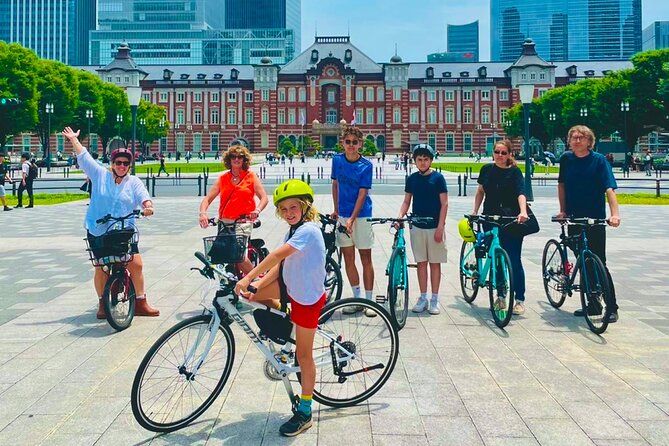
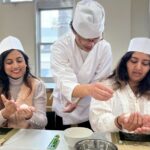
Making your own onigiri, eating it in a traditional garden, then cycling through several very different corners of Tokyo makes this a nicely varied three-hour outing. You begin at AMAZAKE CAFE KomeDreaming near Tokyo Tower, learn the basics of this everyday Japanese food, and use your own hands to shape lunch.
I like the small maximum group of six, which should make the cooking lesson easier to follow and the bike ride less awkward. I also like the simple value: for $39.19, you get the class, ingredients, bicycle, guide, and admission to Hamarikyu Gardens. The main drawback is that you need moderate physical fitness, and the route depends on good weather.
In This Review
- Key Points About This Tokyo Experience
- Why Making Onigiri Is the Heart of the Tour
- From Shibakoen to Hamarikyu Gardens
- Italian Town and Sumiyoshi Jinja
- Tsukishima Monja Street by Bicycle
- Tsukiji Fish Market in a Short Visit
- Zojo-ji Temple and Tokyo Tower
- What the $39.19 Price Really Covers
- Who Will Enjoy This Best
- Practical Details Before You Book
- Should You Book This Onigiri and Bike Tour?
- FAQ
- How long does the Tokyo rice ball and bike tour last?
- What time does the tour start?
- Where does the experience begin?
- Where does the experience end?
- Is Hamarikyu Gardens admission included?
- Are the onigiri ingredients included?
- Is a bicycle provided?
- How many people can join the tour?
- Can I cancel for a full refund?
Key Points About This Tokyo Experience
- You make your own lunch: The class covers basic onigiri making, lets you choose fillings, and includes the ingredients.
- Hamarikyu Gardens picnic: You cycle to one of Tokyo’s traditional Japanese gardens and eat the rice balls you prepared.
- Six-person maximum: A small group should suit anyone who wants more room for questions and a calmer ride.
- A neighborhood-focused route: The stops include Italian Town, Sumiyoshi Jinja, Tsukishima Monja Street, Tsukiji Fish Market, and Zojo-ji Temple.
- Tokyo Tower views: The tour begins near Tokyo Tower and finishes with a visit to Zojo-ji Temple, where the tower forms the backdrop.
- Good midday timing: The 11 a.m. start takes you from a late-morning food lesson into lunch and sightseeing.
Why Making Onigiri Is the Heart of the Tour
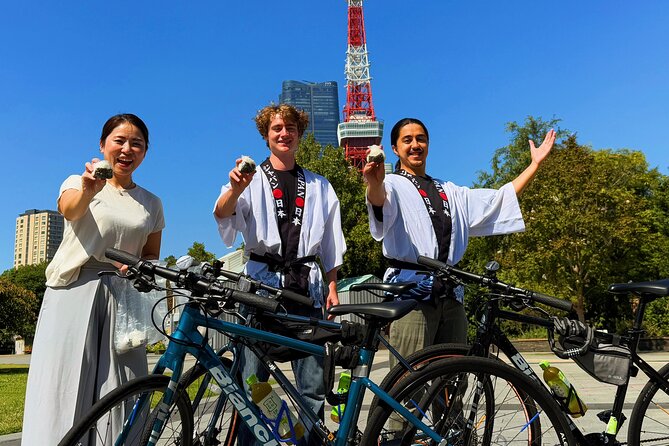
Onigiri is one of Japan’s most familiar foods: a compact serving of rice shaped by hand, often filled or seasoned in different ways. It is practical, inexpensive, and closely tied to home cooking, picnics, school lunches, and convenience-store meals.
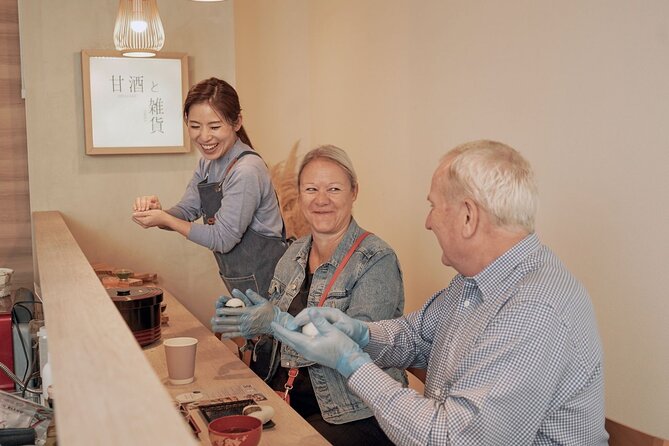
That makes this class more useful than a quick tasting. You are not simply handed a prepared snack. You learn the basic method, add your preferred ingredients, and shape the rice balls yourself. The experience is suited to beginners, and the class includes the rice ball ingredients, so you do not need to bring anything for the lesson.
The class takes place at AMAZAKE CAFE KomeDreaming, a small shop and souvenir stop at 1-chome 7-14 Shibakoen in Minato City. The exact class portion is listed at about 30 minutes. That is enough time for a clear introduction and hands-on practice, but not so long that the activity takes over your day.
I would expect the most enjoyable part to be the contrast between the ordinary ingredients and the very personal result. You choose your fillings, shape the rice, and then eat what you made later in the garden. It is a modest lunch, not a full restaurant meal, so plan to buy an extra snack or drink if you usually need more food.
One useful detail is that the shop is near Tokyo Tower. You get your bearings in a recognizable part of Tokyo before moving into the bike portion. The meeting point is also close to public transportation, which makes this a practical morning plan.
A few more Tokyo tours and experiences worth a look


From Shibakoen to Hamarikyu Gardens
After the lesson, you get on a bicycle and ride toward Hamarikyu Wharf. The ride connects the food activity to the garden visit, rather than treating the class and sightseeing as two unrelated stops.
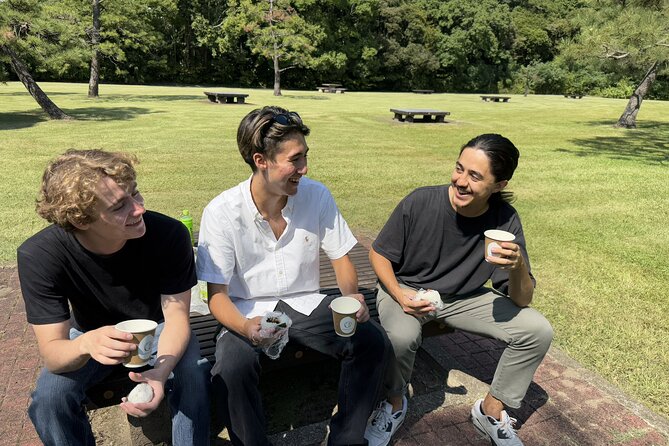
Hamarikyu Gardens is the main picnic setting. Entrance is included, and you eat your handmade onigiri there. That is a strong part of the experience because the garden gives the food lesson a clear purpose. You are making something to enjoy immediately, not taking home an unfinished recipe.
The garden stop is listed at about 30 minutes. That is enough for a short break and lunch, but you should not expect a long, unhurried garden visit. If you want time to explore every path, pond, or garden feature, you will need to return on your own.
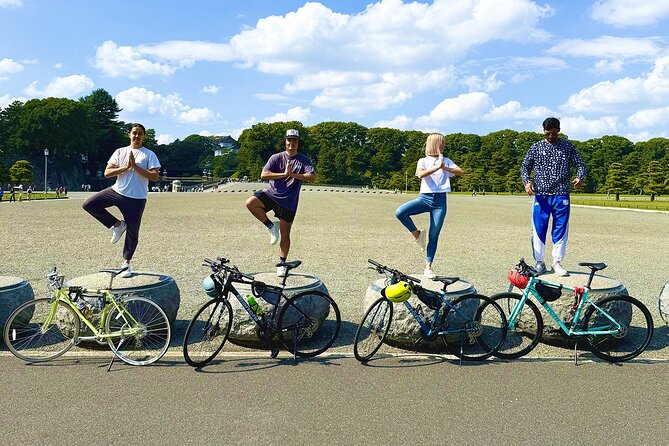
The bike ride also changes the pace. Tokyo can feel like a string of major sights viewed from train stations and crowded pavements. Here, you move between places at street level, with a guide leading the way. The route is not presented as an athletic ride, but a moderate level of fitness is required. You should be comfortable cycling for part of a three-hour activity and handling a bicycle in city conditions.
Italian Town and Sumiyoshi Jinja
The next stops are short, but they add character to the route. Italian Town takes about 10 minutes. The name suggests a small neighborhood designed with Italian-style architecture or atmosphere, and the purpose is to cycle through it and enjoy the change in setting.
This is not a major attraction where you will spend an hour. Think of it as a visual break between the garden and the older local areas. It gives the ride some variety and helps you see Tokyo as a city of sharply different districts.
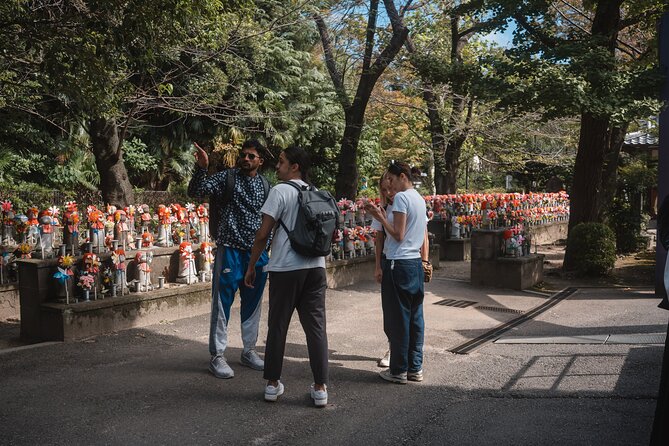
Sumiyoshi Jinja is another brief stop, also about 10 minutes. Here you visit a local Shinto shrine in a traditional Japanese town. The stop offers a quieter look at neighborhood life than the grand temple and tower views later in the route.
The short timing is both a strength and a limitation. You get several snapshots of Tokyo without committing the whole day to one district. At the same time, you will have only a quick look at each location, so this tour suits you best if you want an introduction rather than a detailed study of the neighborhoods.
Tsukishima Monja Street by Bicycle
Tsukishima Monja Street gives the route a food connection beyond onigiri. Tsukishima is associated with monjayaki, a Tokyo-style savory dish cooked on a hot plate. The stop is listed at roughly 10 minutes, and the plan is to cycle through the traditional street rather than sit down for another meal.
That distinction matters. You will see the setting and get a sense of the neighborhood, but monjayaki is not included in the tour. If you want to eat it, you will need extra time and money outside the scheduled activity.
I like this part of the route because it keeps the focus on local Tokyo rather than only famous landmarks. The class begins with a humble Japanese food, then the bike ride passes through another food-centered district. You get a small taste of how food shapes different neighborhoods.
The short stop also protects the tour’s three-hour schedule. You will not spend the whole afternoon on the bike, and the route keeps moving toward Tsukiji and Tokyo Tower. If your priority is a full food tour, this is not the right format. If you want a few food-related sights alongside a hands-on class, it works better.
Tsukiji Fish Market in a Short Visit
The stop at Tsukiji Fish Market lasts about 15 minutes. Tsukiji is one of Tokyo’s best-known food districts, and even a brief visit adds a recognizable name to the route.
Do not treat this as a full market tour. Fifteen minutes gives you a quick look, not a long browse through stalls or a serious seafood breakfast. The tour does not list food tastings here, and extra snacks and drinks are not included.
Still, the stop fits the day well. You have already made rice balls, visited a garden, and seen a monjayaki street. Tsukiji adds another side of Tokyo’s food culture without requiring a long detour.
The bike format is helpful here because you are not simply transferring between distant train stations. You are moving through the city with a guide and stopping at places that connect food, streets, and local identity. Keep your expectations in proportion: this is a quick orientation stop, not an in-depth market experience.

Zojo-ji Temple and Tokyo Tower
The final sightseeing stop is Zojo-ji Temple, reached by cycling back toward the Tokyo Tower area. The temple visit lasts about 15 minutes, and the key visual feature is Tokyo Tower in the background.
This is a classic Tokyo pairing. Zojo-ji provides a traditional religious setting, while the tower supplies the modern city view. The contrast makes a strong ending because the tour has taken you through old-style neighborhoods, a Japanese garden, food streets, and then back to one of Tokyo’s most familiar landmarks.
The tour begins and ends at the meeting point near the tower. That makes the final stop convenient if you want to continue sightseeing in the area afterward, though the official activity ends back at the starting point.
You should allow enough time for the return ride. The full experience lasts about three hours, but the schedule includes several short stops and cycling between them. It is best viewed as a guided sampler of southern and central Tokyo, not as a slow temple visit.
What the $39.19 Price Really Covers
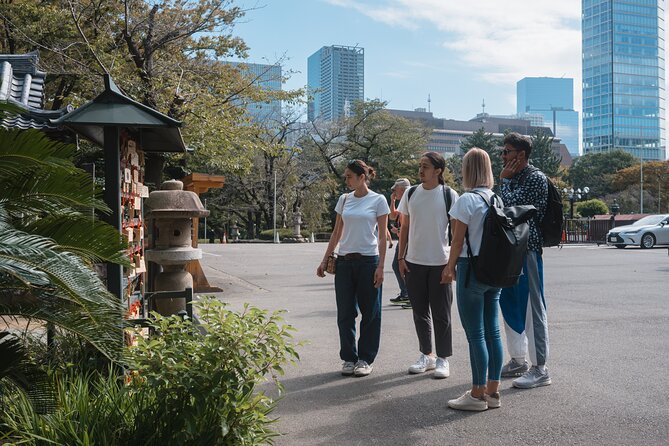
At $39.19 per person, this is a fair price for a three-hour activity with several included parts. You receive:
- The onigiri lesson with an expert
- Ingredients for making the rice balls
- A bicycle
- A local bike tour guide
- Admission to Hamarikyu Gardens
The value comes from combining three services that could otherwise be booked separately: a food workshop, a short guided bike tour, and entry to a major garden. You also get a prepared lunch of sorts, since you eat the onigiri you make.
The price does not cover extra snacks, drinks, or tips. That is easy to manage, but you should know that the onigiri may not be enough if you have a large appetite. Bring or buy a drink, especially since the activity includes cycling.
For a small group, the price is especially reasonable. A six-person limit gives the guide a better chance to explain the class clearly and keep the ride together. It also makes the experience more personal than a large sightseeing group, without the cost of a private tour.
Who Will Enjoy This Best
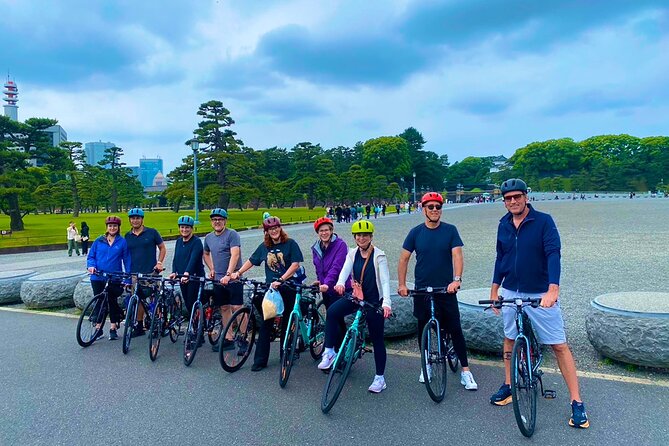
This outing suits you if you want a hands-on introduction to Japanese food and a little active sightseeing. It is particularly good for first-time visitors who want to see more than the main tourist corridors but do not want to spend an entire day on a bicycle.
Families can enjoy the food-making part, and the activity has also worked well for solo participants. The small group size may make it easier to join on your own, ask questions, and meet other people without being lost in a crowd.
It also suits food-curious visitors who want to understand an everyday Japanese dish. Onigiri is not a complicated restaurant specialty. That is part of its appeal. You learn something you might later recreate at home.
You should think twice if you dislike bicycles, need a fully relaxed pace, or want long visits at each sight. The schedule moves through several locations, and the activity requires moderate physical fitness. It is also weather-dependent, so a rainy forecast can affect your plans.
The cycling route may be less appealing during very hot, humid, or wet conditions. The provider can cancel for poor weather and offer another date or a full refund, but you should avoid placing this activity on the only possible day of a short Tokyo stay.
Practical Details Before You Book
The start time is 11 a.m., and the meeting point is AMAZAKE CAFE KomeDreaming near Tokyo Tower in Minato City. The activity ends at the same location.
Confirmation is provided when you book, and the meeting point is near public transportation. Use the exact address supplied with your confirmation so you do not rely only on the general Tokyo Tower area, which covers a wide stretch of streets.
The group maximum is six people. One piece of feedback names a guide called Sho and describes the bike portion as a memorable way to see Tokyo. Guide assignments can vary, so do not book solely expecting a particular person, but the small group format is a reliable feature.
Wear clothes suitable for cycling and walking, and bring water money for an extra drink. The tour includes the bicycle and garden admission, but not additional food. Since the class and picnic are central to the experience, check that the timing works with your usual lunch schedule.
Free cancellation is available if you cancel at least 24 hours before the local start time. Changes or cancellations made inside that window are not refunded, and late changes are not accepted.
Should You Book This Onigiri and Bike Tour?
Book it if you want a friendly, compact Tokyo experience that combines food, movement, gardens, local streets, and a famous temple view. The best reasons are the hands-on onigiri lesson, the picnic at Hamarikyu Gardens, and the six-person maximum.
Skip it if you want a serious cooking course, a long Tsukiji visit, or a slow garden tour. The attractions are brief, and the bicycle route requires reasonable fitness.
For most visitors, the $39.19 price is well judged because it covers the class, ingredients, bicycle, guide, and Hamarikyu entry. You leave with a better sense of everyday Japanese food and a quick look at several Tokyo neighborhoods, which is a useful return for three hours.
FAQ
How long does the Tokyo rice ball and bike tour last?
The activity lasts approximately three hours.
What time does the tour start?
The tour starts at 11 a.m.
Where does the experience begin?
It begins at AMAZAKE CAFE KomeDreaming, a Japanese gift and souvenir shop near Tokyo Tower in Minato City.
Where does the experience end?
The activity ends back at the original meeting point.
Is Hamarikyu Gardens admission included?
Yes. Entrance to Hamarikyu Gardens is included in the tour price.
Are the onigiri ingredients included?
Yes. The class includes the ingredients needed to make the onigiri.
Is a bicycle provided?
Yes. A bicycle and a local bike tour guide are included.
How many people can join the tour?
The experience has a maximum of six participants.
Can I cancel for a full refund?
Yes, if you cancel at least 24 hours before the experience start time. Cancellations made less than 24 hours in advance are not refunded. If poor weather causes the provider to cancel, you will be offered another date or a full refund.
More Workshops & Classes in Tokyo
More tours in Tokyo we've reviewed








Workshops, compared.
 ★ 5.0Sushi Making Tokyo Roll and Authentic Japanese Sushi ClassFrom $59
 ★ 4.9Tokyo: Roll and Authentic Sushi Making Class in AsakusaFrom $581h 40m
 ★ 5.0Tokyo Shinjuku Chopsticks Making ClassFrom $20
 ★ 4.9Tokyo: Sushi Making Class in a Happi Coat near a Famous SpotFrom $421h 30m
 ★ 4.8Chopstick Making Workshop in GinzaFrom $251 hour
 ★ 5.0Tokyo Sushi Making Class in Tsukiji with Professional ChefFrom $49