
Reviewed · TOKYO
Enjoy plus size Kimono
Tokyo’s plus-size kimono experience solves a problem many visitors do not discover until they start looking: traditional Japanese garments often come in limited sizes. Here, the largest torso measurement is 130 centimeters, with height limits of 170 centimeters for women and 190 centimeters for men. You get dressed by female staff, then head into Asakusa for photographs rather than trying to manage a kimono and a selfie stick alone.
I like the private format, since Alisa can focus on your clothing, pose, and camera without a larger group waiting behind you. I also like the personal choices: you select the kimono pattern, hair accessories, and bag, while women receive a Japanese-style hairstyle. The main caution is practical: confirm the exact Asakusa meeting point before you go, and check your measurements carefully.
In This Review
- Key points to know before booking
- Why this Asakusa kimono session is different
- Starting at Asakusa Station at noon
- Choosing your kimono, bag, and hair accessories
- Walking through Asakusa for photographs
- What the private format adds
- Is $85.65 a fair price?
- What the schedule feels like in practice
- Who will get the most from it
- Booking details and cancellation
- Should you book the Asakusa kimono experience?
- FAQ
- Where does the kimono experience start?
- What time does the activity begin?
- How long does the experience last?
- What are the plus-size measurement limits?
- Can I book if my torso measurement is over 130 centimeters?
- Are larger kimono sizes available for men?
- What is included in the rental?
- Are photographs included?
- Can I cancel for a full refund?
Key points to know before booking
- Plus-size sizing is clearly defined: The maximum torso measurement is 130 centimeters, with separate height limits for women and men.
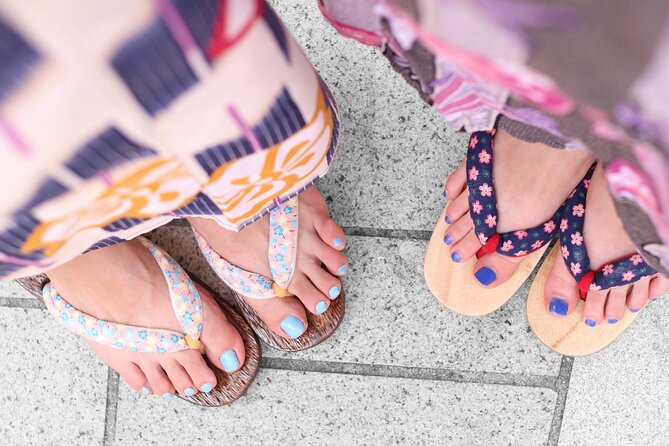
- Your clothing choices are part of the fun: Pick from available kimono patterns, bags, shoes, socks, and hair accessories.
- Alisa handles the photos: You can use your own smartphone or camera while she guides you around Asakusa.
- The tour is private: Only your party takes part, so the pace and attention are personal.
- Two people receive a 15 percent discount: This makes it a better-value choice for couples or friends.
- The meeting point needs care: Asakusa has several stations and entrances, so read the directions closely before setting out.
Why this Asakusa kimono session is different
Many kimono rental shops cater mainly to smaller body sizes. That can make an important cultural activity feel unavailable before you even reach Japan. NicoTour Japan addresses this directly by offering larger garments, including sizes for both women and men.
The selection becomes smaller as the size increases, but even the largest size has more than 10 patterns. Women have more choice than men, since the men’s larger garments are limited to a few basic dark colors. If your largest measurement is over 130 centimeters, you cannot book this particular option without first contacting the operator.
That honest sizing information is useful. You do not have to guess from a vague one-size-fits-most promise. Measure the widest part of your torso before paying, and check the height limit too. A woman must be no taller than 170 centimeters, while the men’s limit is 190 centimeters.
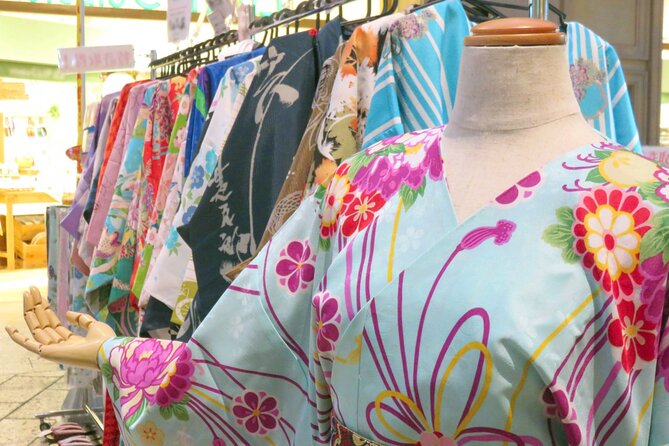
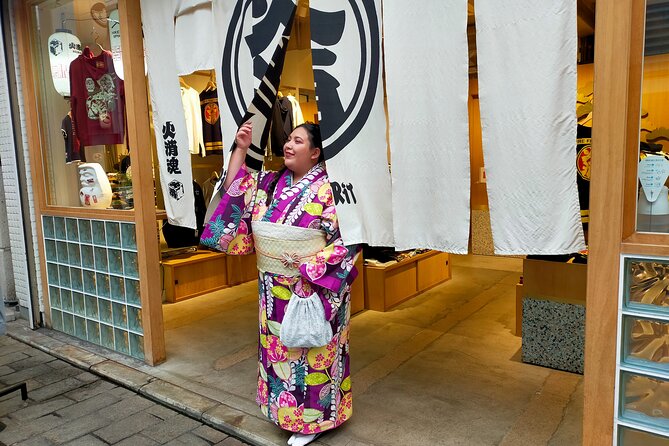
This is not simply a costume rental. You are dressed by female staff, fitted with the belt and inner layers, and given matching items for the outing. The result is a more complete presentation than putting on a loose robe for a quick photograph inside a shop.
If you're still narrowing it down, here are other tours in Tokyo we've reviewed.

Starting at Asakusa Station at noon
The scheduled start is 12:00 p.m. at Asakusa Station, at 1-chōme-1-3 Asakusa, Taito City. The activity ends back at the same meeting point. Since Asakusa includes several rail lines and station areas, give yourself time to identify the correct entrance and contact the operator if the directions seem unclear.
This point matters more than it might appear. One serious complaint involved confusion between stations and a missed activity, while the operator disputed which station had been used. The practical lesson is simple: do not rely on a quick map search for Asakusa Station. Check the exact address, rail line, and meeting instructions before leaving your hotel.
Once you arrive, you change into the kimono at the shop. Women have their hair arranged in a Japanese style, and you can select hair ornaments and a bag. Shoes, socks, the inner garment, belt, and other basic rental pieces are included, so you do not need to assemble the outfit yourself.
The dressing process takes about 45 minutes according to the available details. That is a reasonable portion of a three-hour activity, but remember that a kimono is structured clothing. It may feel snug, warm, or restrictive, especially in humid weather. Several people found the finished look worth the effort, but summer heat can make the walk less comfortable.
Choosing your kimono, bag, and hair accessories
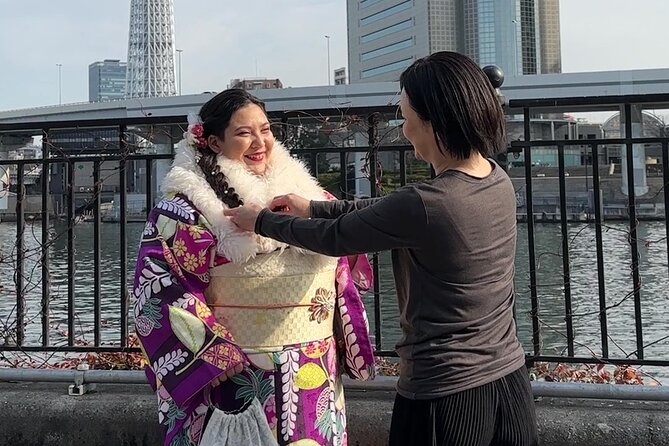
The selection process gives you some control over the final look. You choose the kimono pattern from the available sizes, then select a bag and hair accessories. For a first visit to Japan, this personal choice helps the activity feel less like a standard uniform rental.
Do not expect unlimited choice in every size. Larger garments have fewer patterns, and men’s large-size options are especially narrow, with only a few dark, basic colors. Even so, the largest size offers more than 10 patterns, which gives you some room to find a style that suits you.
The season changes the clothing. In winter, you wear a kimono. In summer, the outfit becomes a yukata, a lighter summer kimono. The timing of that change depends on the temperature, so the exact garment may not follow a strict calendar date.
The included items make the $85.65 price easier to assess. You receive the kimono, belt, inner layer, shoes, socks, hair accessories, bag, and related rental pieces. Food is not included, and you pay for any snacks yourself. Private transportation is also not included, although this activity begins and ends at a rail-accessible location.
Walking through Asakusa for photographs
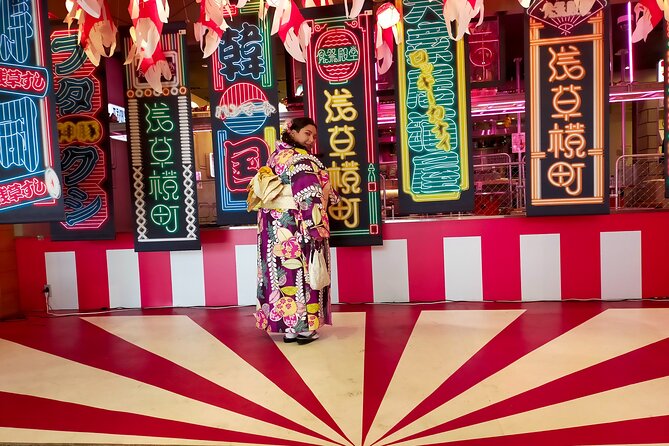
At about 12:45 p.m., you leave the shop with the guide. Alisa accompanies you and takes pictures using your camera or smartphone. This is the heart of the experience, and it solves the awkward problem of trying to photograph yourself in unfamiliar clothing.
You also receive suggestions for photo spots in Tokyo, with the outing centered around Asakusa. The area gives you a useful setting for a kimono walk, especially around the Sensoji area mentioned in the experience details. You are not left to wander in search of a suitable background while worrying about your clothing.
The private setup is valuable here. Alisa can make small adjustments, suggest poses, and take several images without rushing you through a group queue. One person specifically appreciated her patience after arriving late because of getting lost, and another found that the photographs remained a major part of the day’s appeal.
Your own phone or camera is used, so the final image quality depends partly on your equipment. Bring a charged device with enough storage. There is no promise of professional camera equipment or edited photographs in the information provided, so think of this as guided photography with your device rather than a formal studio shoot.
Weather can change the mood and comfort. A rainy day did not prevent one outing from producing good pictures, but rain can affect how long you want to walk and how carefully you must protect your phone. Hot and humid weather is another concern, since kimono layers can feel heavy. A light summer yukata helps, but it is still wise to plan around the midday temperature.
What the private format adds
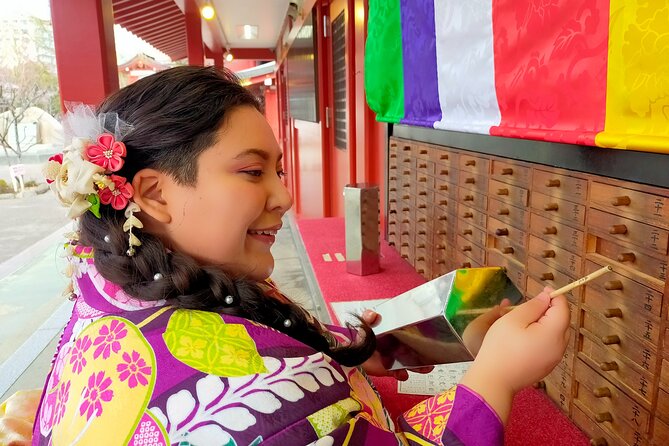
Only your group participates, which makes this suitable for a solo visitor, a couple, or a small private party. A solo traveler does not need to ask strangers to take pictures, and a couple can arrange coordinated men’s and women’s kimono outfits.
Men can book alone, and female couples can choose men’s and women’s kimono combinations. The experience is not limited to a traditional husband-and-wife pairing. Service animals are welcome, and the activity is near public transportation.
I would especially consider this format if you feel self-conscious about trying traditional clothing. The staff’s role is not just to hand you a garment. They dress you, set the hairstyle for women, answer questions, and make adjustments. One person described being able to ask about Japanese culture without embarrassment, which is exactly the kind of small detail that can shape the whole afternoon.
The private arrangement also means the pace is not built around a large group. That said, three hours is still a fixed window. You change clothes at the beginning, spend roughly 45 minutes preparing, walk and take pictures from about 12:45 p.m. to 2:30 p.m., then return to change again. If you want a long sightseeing day in Asakusa, add separate time before or after this booking.


Is $85.65 a fair price?
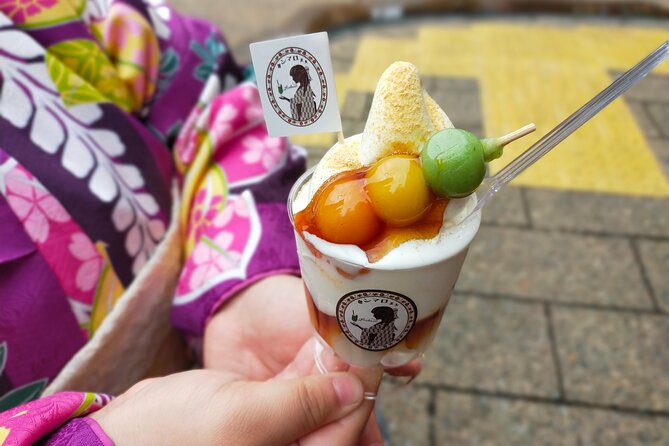
At $85.65 per person, this is not the cheapest way to rent a kimono for a quick snapshot. The value comes from the combination of size access, dressing help, hairstyling for women, accessories, a private guide, and photographs in Asakusa.
You would pay for some of these elements separately at a rental shop, and a solo visitor would still need to find someone willing to take decent pictures. Here, that problem is built into the session. For someone who has struggled to find a garment that fits, the price also pays for certainty and attention, not just fabric rental.
The deal improves for two or more people, since the booking includes a 15 percent discount. That makes it a sensible choice for honeymooners, partners, siblings, or friends. A couple can also make the outing feel more like a shared cultural activity than a solo portrait session.
Food, snacks, and private transport are extra. You should also keep in mind that larger sizes have fewer patterns, especially for men. The price is strongest for people who care about the complete experience and the photographs, not for someone looking only for the lowest-cost kimono hire.
What the schedule feels like in practice
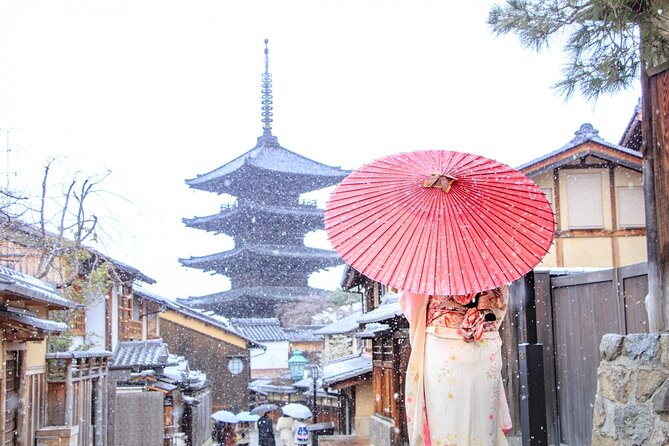
The schedule is compact and easy to understand:
- At 12:00 p.m., you meet at Asakusa Station and change clothes.
- The staff dress you in the kimono you selected.
- Women have their hair arranged in a Japanese style and choose accessories and a bag.
- Around 12:45 p.m., you go outside with Alisa for photographs and local photo-spot advice.
- Around 2:30 p.m., you return to the shop and change back.
The timing leaves about an hour and 45 minutes for the outdoor portion. That is enough for a focused photo walk, but it is not a full-day guided tour of Tokyo. The guide’s photo advice is the main sightseeing element, so do not book this expecting detailed touring across several neighborhoods.
The return to the shop is useful. You do not have to manage the rental clothing for the rest of the afternoon or find your way back after a long independent walk. You finish at the same place where you started.
Who will get the most from it
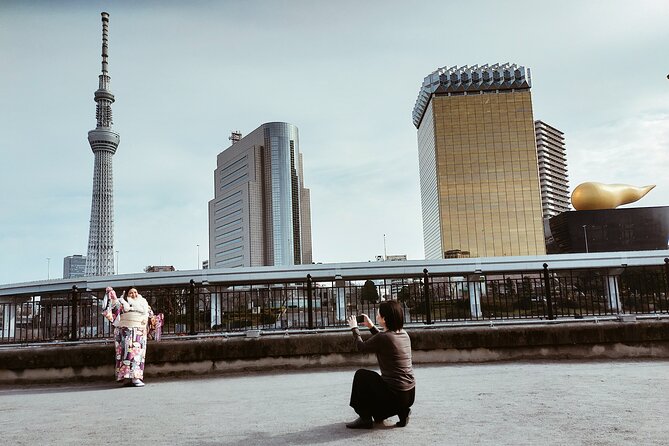
I would recommend this to a solo visitor who wants good photographs without relying on strangers. It also fits couples celebrating a honeymoon or another special occasion, especially with the 15 percent discount for two or more people.
It suits plus-size women particularly well because the sizing is stated clearly and the outfit includes hair styling and accessories. Men can take part too, but larger men should expect fewer choices and mostly dark, basic colors.
You should also like some interaction with the guide. This is not a self-service rental where you put on a kimono and leave alone. Alisa and the staff are involved in the fitting, styling, walk, and photos.
I would hesitate if your measurements exceed the limits, if you want a broad selection of men’s patterns, or if you dislike warm layered clothing. I would also reconsider if you need a fully accessible, door-to-door outing, since private transportation is not included and the activity involves changing and walking outdoors.
Booking details and cancellation
The price is $85.65 per person, and the experience is booked an average of 101 days ahead. That does not guarantee every date sells out, but it is a good reason to plan early if your Japan schedule is fixed.
You receive confirmation at booking. Free cancellation is available until 24 hours before the local start time for a full refund. Cancellations or changes made inside that 24-hour window are not accepted for a refund.
Should you book the Asakusa kimono experience?
Book it if you want a private, photo-focused kimono outing and need a larger size than many standard rental shops carry. The strongest reasons are the clear measurements, the personal dressing service, the included accessories, and Alisa’s help taking photos in Asakusa.
Before paying, measure your torso and height, especially for a plus-size booking. Confirm the exact station directions, charge your phone or camera, and consider the weather. If you want many men’s patterns, a long guided tour, meals, or transport, this will not meet those needs.
For the right person, though, it offers something simple and valuable: a chance to wear Japanese clothing comfortably, learn as you go, and leave Asakusa with photographs you could not easily make alone.
FAQ
Where does the kimono experience start?
It starts at Asakusa Station, at 1-chōme-1-3 Asakusa, Taito City, Tokyo 111-0032, Japan.
What time does the activity begin?
The scheduled start time is 12:00 p.m.
How long does the experience last?
It lasts approximately three hours, ending back at the original meeting point.
What are the plus-size measurement limits?
The widest part of the torso can measure up to 130 centimeters, or 52 inches. The height limit is 170 centimeters, or 67 inches, for women and 190 centimeters, or 75 inches, for men.
Can I book if my torso measurement is over 130 centimeters?
You cannot reserve through this page if your largest measurement is over 130 centimeters. You should contact the operator by message first.
Are larger kimono sizes available for men?
Large men’s kimonos are available, but only a few basic dark colors are offered and there are no pattern options in those sizes.
What is included in the rental?
The rental includes the kimono, belt, inner garment, shoes, socks, hair accessories, bags, and other related items.
Are photographs included?
Alisa accompanies you and takes pictures with your camera or smartphone. The information does not specify professional camera equipment or edited photographs.
Can I cancel for a full refund?
Yes. You can cancel at least 24 hours before the local start time for a full refund. Changes or cancellations made less than 24 hours before the start are not accepted for a refund.
More tours in Tokyo we've reviewed



Tokyo, compared.
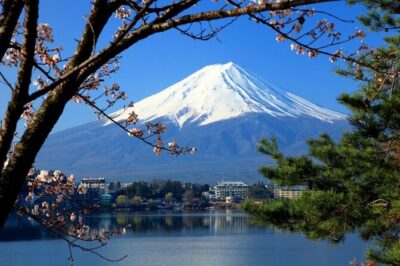 ★ 5.0Mt Fuji and Hakone 1-Day Bus Tour Return by Bullet TrainFrom $163
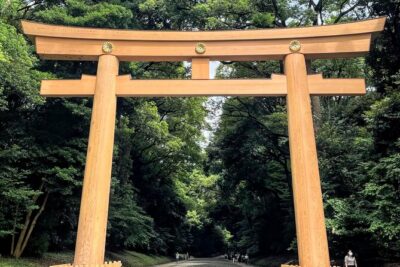 ★ 5.01-Day Tokyo Bus TourFrom $129
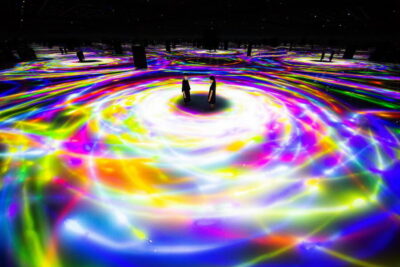 ★ 4.6Tokyo: teamLab Planets TOKYO Digital Art Museum Entry TicketFrom $251 day
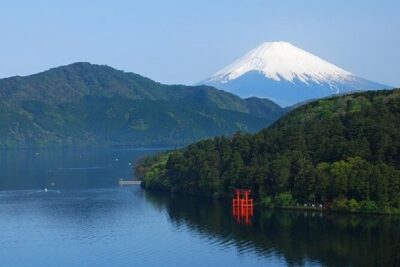 ★ 4.0Mt Fuji & Hakone Cruise, Drum Show Bullet Train 1 Day from TokyoFrom $149
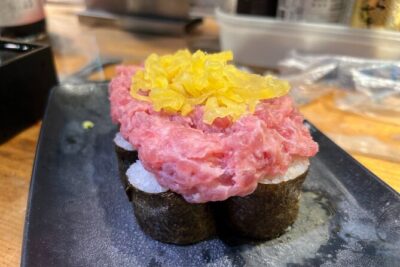 ★ 5.0Tokyo: Shinjuku Food Tour (13 Dishes at 4 Local Eateries)From $86
 ★ 4.4Tokyo Mt Fuji 5th St & Hakone Cruise Bus Tour w/Bullet TrainFrom $15410 hours