
Reviewed · WALKING TOURS
Tokyo: Private Walking Tour With Fresh Eyes, Local Hearts
Tokyo can feel like several cities stitched together by trains. One hour puts you among lanterns and temple incense in Asakusa; another lands you under the giant screens of Shibuya. This private walk lets you choose which Tokyo you want to see, with a local guide adjusting the route to your pace and interests. Toko has helped first-time visitors learn the train system, while Momo has even led guests toward a favorite omakase restaurant.
I like the private format, since your guide can slow down for questions, a baby’s bathroom break, or a first attempt at Tokyo’s rail network. I also like the wide choice of themes, from shrines and gardens to Tsukiji, Akihabara, or Shinjuku. The main drawback is that you cannot sensibly cover the entire long list of sights in a short booking, and transportation fees are extra.
In This Review
- Key points to know before booking
- A private Tokyo walk instead of a fixed sightseeing circuit
- What the named guides add to the experience
- Choosing the right length for your Tokyo plans
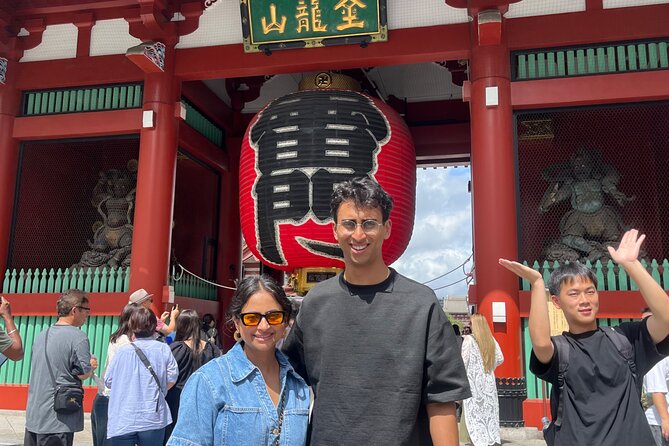
- Asakusa, where Tokyo’s older face feels close at hand
- Tsukiji and Hama-rikyu Gardens for food and open space
- Shibuya, Harajuku, and Meiji Shrine
- Shinjuku, Golden Gai, and the gardens
- Akihabara and Kanda Shrine for pop culture and tradition
- Ueno, Nezu, and Tokyo’s quieter cultural side
- Imperial Palace, Tokyo Tower, and Zojo-ji
- Walking, trains, and the real cost of the tour
- Who should book this experience
- Should you book this Tokyo walking tour?
- FAQ
- How long is the private Tokyo tour?
- Is the tour private?
- Can the guide pick me up at my hotel?
- Which languages are available?
- Are meals and transportation included?
- Can I cancel for a full refund?
Key points to know before booking
- Your itinerary is built around your interests: Ask for temples, food, neighborhoods, shopping, gardens, or transport help.
- Short bookings work best with one area: A one or two-hour walk is better used in Asakusa, Shibuya, Tsukiji, or another compact district.
- Longer tours can link several neighborhoods: Six or eight hours give you more room, but you will still rely on public transportation and walking.
- Toko and Momo are named guides with personal touches: Toko has met guests at the airport and taught train basics, while Momo has shared a favorite omakase stop.
- The price starts at $25 per person: That is strong value for a private guide, though meals, drinks, and transport are not included.
- Hotel pickup is possible: You can request pickup from your hotel or another location, with contact by WhatsApp or email before the tour.
A private Tokyo walk instead of a fixed sightseeing circuit
The appeal here is not a standard march from one famous sight to the next. It is the chance to tell your guide what you want from Tokyo, then spend your limited time in places that fit.
You might ask for a first-day orientation around your hotel. You might want a temple morning, a food-focused walk, a tour of the city’s gardens, or a look at the neighborhoods that interest you most. You can also focus on one major area, such as Shibuya or Tsukiji Outer Market.
The listed choices include 1, 2, 4, 6, and 8 hours. The activity information also describes a broader one-to-eight-hour range, so check the exact option available for your date. The shorter choices are best treated as introductions. The six and eight-hour versions are more useful if you want to connect districts and include public transportation.
Your meeting point depends on the selected route. Since Tokyo is spread out, the organizers designate a place in one of the areas you most want to see, such as Shibuya, Shinjuku, or Tsukiji. Hotel pickup is optional, which can save you the trouble of finding an unfamiliar station, but transportation costs remain your responsibility.
Other walking tours we've reviewed in Tokyo

What the named guides add to the experience
The most useful part of this tour is the guide’s ability to respond to your needs rather than deliver a memorized speech.
Toko has helped a first-time visitor start a Japan trip at the airport. She explained the basics of Tokyo’s rail system, showed how major neighborhoods connect, and pointed out places to eat near the guest’s hotel. That makes this a practical choice for your first day, when even a simple train ride can feel like a small puzzle.
Toko has also built a route on short notice after asking about a group’s stay and interests. She adjusted for an infant by allowing bathroom breaks and using elevators when needed. If you are traveling with a child, that flexibility may matter more than squeezing in one extra landmark.
Momo brings a different personal touch. After a culture-focused walk, Momo led guests toward a favorite omakase restaurant. Food is not included, and you should not assume a restaurant visit is part of every booking, but this detail shows the sort of local advice you can request.
The guides speak English and Japanese. You should use the pre-tour contact period to explain your interests, walking pace, mobility needs, family situation, and preferred starting area. The guide is expected to contact you within the two weeks before the tour to discuss and arrange the route.
Choosing the right length for your Tokyo plans
A one-hour tour is a quick orientation, not a city tour. Use it to get your bearings in one compact area, learn a few local customs, or receive help with the neighborhood around your hotel.
Two hours gives you a little more breathing room. It suits a focused walk through Asakusa, a look at Meiji Shrine and nearby Harajuku, or an introduction to Tsukiji Outer Market. Keep your expectations local. Tokyo’s distances and train transfers make ambitious sightseeing unrealistic in this time.
Four hours is the most practical middle ground for many visitors. You can explore one large district at a measured pace or connect two nearby areas. A route through Meiji Shrine, Yoyogi Park, and Takeshita Street has a natural flow. So does a walk linking the Imperial Palace area with Hama-rikyu Gardens, provided the guide confirms the timing and transport.
Six or eight hours gives you a full day of local guidance. You can combine a traditional district with a modern one, perhaps Asakusa and Akihabara, or Shibuya and Shinjuku. You will still need to account for train rides, meal breaks, crowds, and the fact that several listed sights are attractions in their own right.
The smartest approach is to choose depth over a checklist. Seeing three districts well is more rewarding than racing past ten places for photographs.
Asakusa, where Tokyo’s older face feels close at hand
Asakusa is one of the best choices for a first private walk. The Asakusa Culture Tourist Information Center offers a starting point in the district, and the area includes Asakusa Shrine. Your guide can explain the difference between a shrine and a temple, show you how to behave at each, and place the religious buildings within the wider neighborhood.
This is also a good area for questions. You can ask about washing before prayer, offerings, bows, and the meaning of common symbols. A local guide gives you context at the moment you need it, rather than leaving you to guess from signs.
Asakusa is compact enough for a shorter booking, though crowds can slow you down. If you choose this district, tell your guide if you want more time for religious sites, street scenes, shopping, or food. You will not get equal attention to every part in a brief visit.
Tsukiji and Hama-rikyu Gardens for food and open space
Tsukiji Outer Market is a strong choice if food is high on your list. It is a place to walk, browse, and ask what you are seeing rather than simply take a quick photograph. Meals and drinks are not included, so budget separately for anything you decide to eat.
A guide can make a market visit less confusing by helping you understand the stalls and local habits. Still, this is an active commercial area, not a quiet museum. Watch your footing, respect shopkeepers, and follow your guide’s advice about where it is suitable to stop.
Nearby Hama-rikyu Gardens offer a change of pace. The garden setting gives you room to step away from traffic and look at Tokyo’s careful blend of planted space and high-rise surroundings. A garden visit is most worthwhile when you have enough time to walk rather than simply enter and leave.
Other garden choices include Kiyosumi Gardens, Koishikawa Korakuen, Rikugien, and Shinjuku Gyoen National Garden. Each would make sense as the main focus of a longer walk, but attempting all of them in one day would turn the experience into a transit exercise.
Other private tours in Tokyo



Shibuya, Harajuku, and Meiji Shrine
Shibuya Crossing is Tokyo’s famous moving intersection, best understood by experiencing the surrounding streets as well as the crossing itself. Your guide can help you choose a good meeting point and explain how this area fits into the city’s modern shopping and entertainment culture.
Shibuya works well for visitors who want an energetic introduction to present-day Tokyo. It is less suited to a quiet, reflective walk, especially at peak times. If you prefer local streets to major photo stops, say so before the tour begins.
Meiji Shrine offers a sharp contrast. The approach leads into a wooded setting before you reach the shrine grounds, and the visit provides a chance to learn about Shinto practice. Yoyogi Park and Takeshita Street nearby let you add open space and youth fashion to the same general route.
Takeshita Street can be crowded and commercial. That is part of its appeal, but it may not suit you if you dislike packed sidewalks or retail-heavy areas. A private guide can help you decide how much time to give it instead of assuming it deserves a long stop.
Shinjuku, Golden Gai, and the gardens
Shinjuku gives you several different experiences in one broad district. Shinjuku Gyoen National Garden is the calm option, while Golden Gai offers a dense collection of tiny bars and narrow lanes. A guide can explain the character of each area and help you decide where to linger.
Golden Gai is best approached as a look at a distinctive nightlife quarter, not a guaranteed bar crawl. The activity details do not include food, drinks, or entry charges, so ask your guide what is appropriate for your interests and budget.
Shinjuku is spread out, and a short booking may only scratch the surface. Choose this area for a focused walk if you want to understand its contrast between office towers, shopping streets, garden paths, and nightlife lanes.
Akihabara and Kanda Shrine for pop culture and tradition
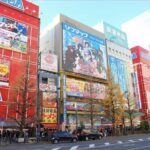
Akihabara Electric Town is the clear choice for electronics, anime, games, and Tokyo’s pop culture. Super Potato Akihabara is specifically included as a possible stop, making it useful for visitors interested in retro games and the district’s hobby shops.
This route is highly interest-dependent. If game culture means little to you, spend your time elsewhere. If it is one of your main reasons for visiting Tokyo, tell the guide in advance so the walk can focus on the shops and subjects you care about.
Kanda Shrine offers a traditional counterpoint nearby. A guide can help explain the shrine’s role and the customs you see. Pairing Kanda with Akihabara makes a satisfying route because the contrast is the point: old religious practice beside one of Tokyo’s most recognizable modern subcultures.
Ueno, Nezu, and Tokyo’s quieter cultural side
Ueno Park brings together open paths and several possible points of interest. Ueno Ameyoko Shopping Street adds a more commercial, street-level feel, while Ueno Toshogu Shrine provides another chance to discuss Japanese religious architecture and practice.
Nezu Shrine and Nezu Museum offer a more measured alternative to Shibuya or Akihabara. Nezu Shrine is a good pick for visitors seeking a shrine visit away from the biggest headline sights. The museum can suit people who want art and design alongside neighborhood walking, though any admission details should be confirmed before booking.
Gotokuji Temple is another possible stop. Its inclusion makes the tour appealing to visitors who want a less obvious temple choice, but its distance from many central districts means you should use a longer option and confirm the route.
Imperial Palace, Tokyo Tower, and Zojo-ji
The Tokyo Imperial Palace provides a central starting point for understanding the capital’s government district and former royal center. It is a useful choice if you want a major landmark without committing to a full neighborhood tour.
Tokyo Tower is one of the city’s recognizable viewpoints and photo stops. Zojo-ji Temple nearby creates a strong pairing of modern Tokyo and traditional religious architecture. Depending on the selected route, your guide may focus on the grounds and surrounding area rather than include paid entry or a tower observation visit. The activity price does not include transport, food, drinks, or private vehicles, so confirm any extra costs.
This combination works best when you want iconic Tokyo in a compact theme. It is less ideal if you want small neighborhood streets or detailed food exploration.
Walking, trains, and the real cost of the tour
The $25 per-person starting price is attractive for a private experience. It becomes especially good value for couples, families, or small groups who want one guide focused only on them. A public group tour can be cheaper in some cases, but it cannot adjust as easily for your interests or pace.
The price does not cover meals, drinks, transportation fees, or private transportation. You should expect to use walking and public transportation, so keep money available for trains and allow time for transfers. Hotel pickup is available on request, but pickup does not mean a private car is supplied.
Ask for a meeting point in your chosen district if you are comfortable reaching it. Request hotel pickup if you are arriving tired, traveling with an infant, or still learning Tokyo’s rail system. Toko’s airport orientation shows how useful this kind of practical help can be at the start of a trip.
The tour is wheelchair accessible, and the private format makes it easier to discuss access needs ahead of time. Tell the guide about elevator requirements or preferred walking distances when planning the route.
Who should book this experience
I would recommend this tour most strongly to first-time Tokyo visitors who want help getting oriented. It also suits families, visitors with a short schedule, and anyone who wants to shape a day around a specific interest rather than follow a fixed route.
Food-focused visitors should consider Tsukiji and ask for local restaurant guidance. Culture-minded visitors can choose Asakusa, Meiji Shrine, Nezu Shrine, Kanda Shrine, or a garden. Pop culture fans should point toward Akihabara and Super Potato. If you want major city scenes, choose Shibuya, Shinjuku, Tokyo Tower, or the Imperial Palace.
Independent travelers who already understand Tokyo’s trains and customs may find a private guide less necessary. The value comes from personal explanations, local recommendations, and route planning. If you only want a quick photo at one landmark, this may be more service than you need.
Should you book this Tokyo walking tour?
Book it if you want a flexible first look at Tokyo, practical help with trains, or a guide who can adjust the day around your family and interests. Toko’s airport meeting and patient support for an infant show how useful the format can be, while Momo’s personal food recommendation points to the local detail you can request.
Choose a focused neighborhood for one or two hours. Choose four hours for a substantial district visit, and six or eight hours if you want to connect several parts of the city. At $25 per person, the starting price is appealing, but remember to add public transport and any food or admission costs.
FAQ
How long is the private Tokyo tour?
Available choices are listed as 1, 2, 4, 6, and 8 hours. The activity information also describes a one-to-eight-hour range, so check the available starting times and duration for your selected date.
Is the tour private?
Yes. Only your group participates, and the itinerary can be adjusted to your interests and preferences.
Can the guide pick me up at my hotel?
Yes. Hotel pickup is available on request, and the guide can also meet you at another requested location. Contact is arranged through WhatsApp or email before the tour.
Which languages are available?
The live tour guide service is available in English and Japanese.
Are meals and transportation included?
No. Meals, drinks, transportation fees, and private transportation are not included. The tour uses walking and public transportation.
Can I cancel for a full refund?
You can cancel up to 24 hours before the activity for a full refund. The reserve-now-and-pay-later option lets you book without paying on the day of reservation.
More Private Tours in Tokyo
More Walking Tours in Tokyo


More tours in Tokyo we've reviewed






Walking Tours, compared.
 ★ 5.0Tokyo Tsukiji Fish Market Food and Culture Walking TourFrom $99
 ★ 5.0Tokyo: Imperial Palace and Shogun Historical Walking TourFrom $22
 ★ 4.9Tokyo: Shinjuku Local Bar and Izakaya Guided Walking TourFrom $343 hours
 ★ 5.0Tokyo: Tsukiji Fish Market Food and Walking tourFrom $30
 ★ 4.8Tokyo: Asakusa Walking Tour with Sensoji Temple VisitFrom $222 hours
 ★ 4.9Tokyo: Tsukiji Fish Market Guided Walking TourFrom $222 hours