
Reviewed · GUIDED
Tokyo: Private Customizable Tour with a Local Guide
Tokyo is easiest to enjoy when someone helps you make sense of its huge scale. This private tour lets you build a day around your interests, from Senso-ji and Tsukiji to anime shops, shrine paths, and Shinjuku after dark. The flexible route is its greatest strength, especially with guides such as Joe, Maruf, Abu, Zia, and Amir available through the provider.
I like the chance to spend real time in a few neighborhoods instead of merely photographing them from a bus. I also like the practical help: guides can suggest food markets and restaurants, use public transport between districts, and leave room for shopping. The main catch is pace. A four-hour tour cannot sensibly cover every listed stop, and even eight hours means plenty of walking.
In This Review
- Key points to know before booking
- Why a private Tokyo tour can be worth the $120
- Start with a clear plan, not a wish list
- Tsukiji Outer Market: the best place to lead with food
- Senso-ji and Asakusa: Tokyo’s most useful first lesson
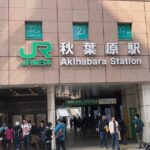
- Akihabara: choose this for pop culture, not quiet sightseeing
- Meiji Shrine and Harajuku: forest paths beside youth culture
- Shibuya: a short stop can work, but do not expect the whole district
- Shinjuku: end with food, bars, and nighttime Tokyo
- What the guides add to the day
- Transport, walking, and the real pace of Tokyo
- Who will get the most from this tour
- Cancellation, timing, and booking details
- My verdict: book it for flexibility, not for a checklist
- FAQ
- How long does the Tokyo private tour last?
- Is the tour private?
- Which Tokyo sights can I visit?
- Are meals and drinks included?
- What should I bring?
- Is the tour wheelchair accessible?
Key points to know before booking
- A private route instead of a fixed group schedule: You can focus on temples, food, shopping, pop culture, or a mix.
- Tokyo by subway and on foot: One guide helped a guest reach several major wards while still allowing time at each stop.
- Strong local-food angle: Tsukiji and Asakusa work well for lunch ideas, snacks, and restaurant suggestions.
- Classic sights are built in: Senso-ji, Meiji Shrine, the Imperial Palace area, Shibuya, and Shinjuku are all possible choices.
- Four or eight hours changes the experience: Four hours gives you a short introduction, while eight hours allows a fuller day.
- Walking shoes matter: You should expect a moderate amount of walking and time on your feet.
Why a private Tokyo tour can be worth the $120
At $120 per person, this experience is not the cheapest way to see Tokyo. It can be good value if you want a guide’s time focused only on your group, particularly during a first visit when the city’s size and rail network feel like a lot to manage.
The price includes a private guide, a custom plan, entrance fees for the mentioned sites, and lunch recommendations. Food, drinks, and personal purchases are extra, so budget separately for market snacks, shopping, and meals.
I see the strongest value in the freedom to adjust the day. If you care more about Japanese popular culture than imperial history, you can spend time in Akihabara instead of forcing yourself through a palace visit. If food is your priority, Tsukiji and Asakusa can take center stage. If this is your first trip, you can build a classic route through the city’s best-known districts.
You also avoid the limits of a large group. The guide can leave time for photos, browsing, and questions, rather than moving everyone along after a quick stop. One particularly useful detail from the experience is the use of subway travel between Tokyo’s major wards. That gives you a better sense of the city, but it also means you should expect stairs, platforms, station corridors, and plenty of walking.
Other guided tours in Tokyo

Start with a clear plan, not a wish list
The tour can last four to eight hours, so I would decide on your priorities before meeting the guide. Tokyo offers too many good choices for a loose request such as show me everything.
For four hours, pick one broad theme:
- Asakusa, Senso-ji, and nearby food stops
- Tsukiji, the Imperial Palace area, and a central Tokyo walk
- Meiji Shrine, Harajuku, and Shibuya
- Akihabara and another nearby district
An eight-hour day gives you room to connect several areas, though you still need to accept that Tokyo is spread out. A route linking Tsukiji, Asakusa, Akihabara, Meiji Shrine, Shibuya, and Shinjuku would be a full day with little spare time. I would choose three or four main areas and treat anything else as optional.
Tell the guide if you want time for shopping, photography, food, architecture, or local customs. The more specific you are, the more useful a private tour becomes.
Tsukiji Outer Market: the best place to lead with food
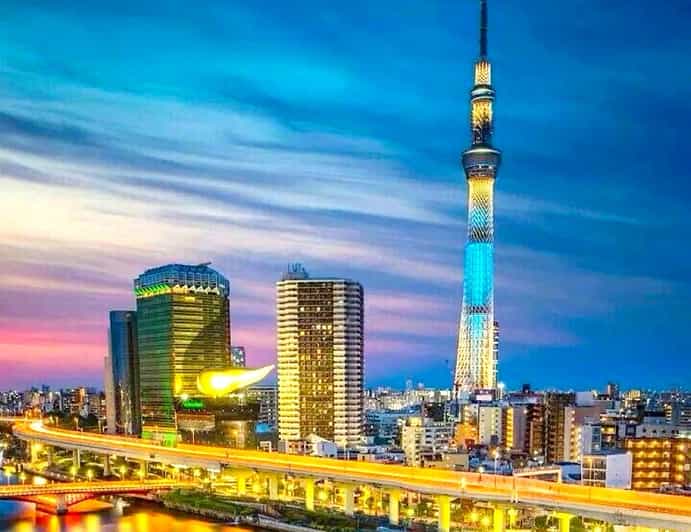
Tsukiji Outer Market is a natural opening if you want Tokyo through its food culture. The planned hour includes a guided visit, a photo stop, free time, and a break, so you can look around rather than simply pass through.
Your guide can point you toward lunch ideas and help explain what you are seeing. The included lunch recommendations are useful, but your meal and drinks are not included in the price. Keep local currency available for personal spending, especially if you want snacks or small purchases.
The limitation is time. One hour is enough for an introduction, but not for a leisurely meal and a long market wander. If food is your main interest, ask to give Tsukiji more of the day. If it is only a quick stop before temples and shopping, keep your expectations modest.
Senso-ji and Asakusa: Tokyo’s most useful first lesson
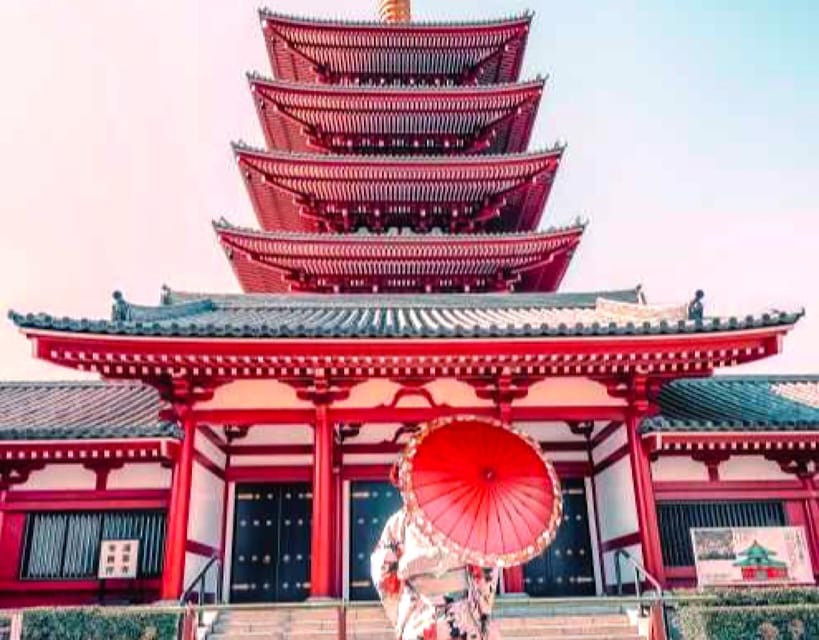
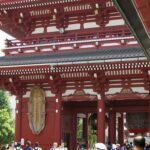
Senso-ji Temple gives you an immediate sense of old Tokyo within a modern city. The visit includes time for photos, a guided walk, free time, and a break. Asakusa adds shopping and neighborhood wandering around the temple, so these two stops make sense together.
This is a good place to ask your guide about customs and everyday religious practice. You can take in the temple grounds, browse for souvenirs, and sample local food in the surrounding area. One guest who chose a strongly customized Asakusa visit came away with food, small purchases, and a better feel for Japanese culture.
I would not rush this area. Senso-ji is a major sight, and Asakusa rewards time spent looking beyond the main approach. If you only have four hours, this pairing can carry an entire half-day comfortably, especially if you add Tsukiji.
Akihabara: choose this for pop culture, not quiet sightseeing
Akihabara changes the tone of the day. Instead of temples and formal gardens, you get Tokyo’s otaku culture, with shops and streets aimed at anime, manga, games, and electronics fans. The plan allows a guided visit, sightseeing, photos, and free time.
This stop is best for a specific interest. If you collect character goods, enjoy Japanese games, or simply want to understand a major part of modern Tokyo culture, Akihabara earns its place. If you are mainly interested in temples, food, or traditional neighborhoods, I would use the time elsewhere.
Ask your guide to help you choose what to see before you arrive. Akihabara can easily swallow an hour in shops, and shopping time is valuable only if it matches your interests. Personal expenses are not included, so keep purchases outside the tour price.
Other private tours in Tokyo


Meiji Shrine and Harajuku: forest paths beside youth culture
Meiji Shrine offers a calmer break from the city’s commercial districts. The shrine sits in a broad wooded setting, and the visit includes a guided walk, free time, photos, and a chance to shop afterward.
Pairing the shrine with Harajuku makes sense because the contrast is the point. You move from a quiet religious site to Takeshita Street, known for colorful shops and youth fashion. The route can suit you if you want both traditional Japan and current street culture in the same part of the day.
I would wear comfortable shoes here. The experience includes a moderate amount of walking, and the shift from shrine grounds to Harajuku streets can make the day feel longer than the clock suggests. A hat, sunscreen, and water are sensible, particularly in warm weather.
Shibuya: a short stop can work, but do not expect the whole district
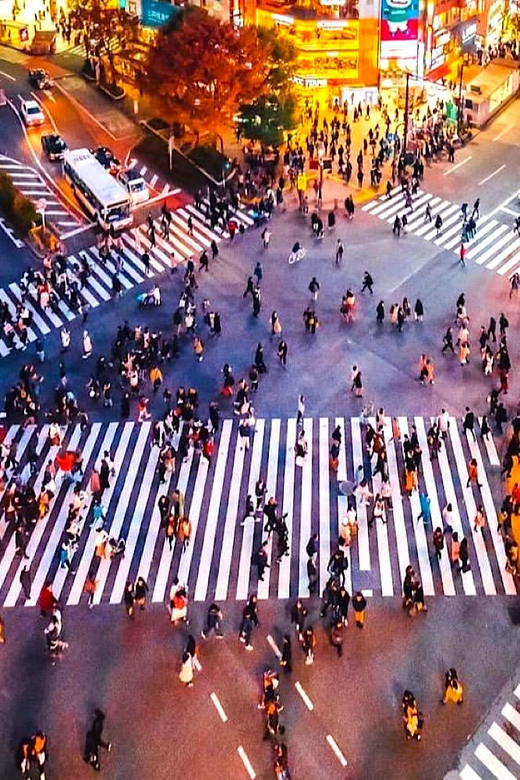
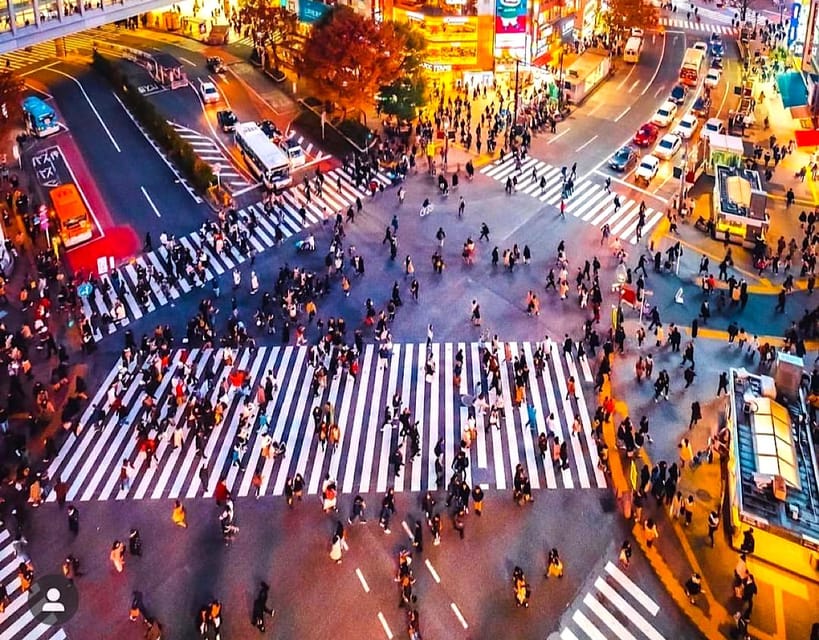
Shibuya brings the modern city into focus through shopping, street scenes, and sightseeing. The tour allows an hour for a guided visit, photos, free time, and shopping.
That is enough for a first look, but not enough to explore every part of the district. You may want to prioritize the main sights and then let the guide point out an area that fits your interests. If shopping is important, tell the guide early so the stop does not become only a photo opportunity.
Shibuya also works well as a late afternoon stop before Shinjuku. The two districts give you a strong sense of Tokyo’s modern side, though moving between them adds transit time and more walking.
Shinjuku: end with food, bars, and nighttime Tokyo
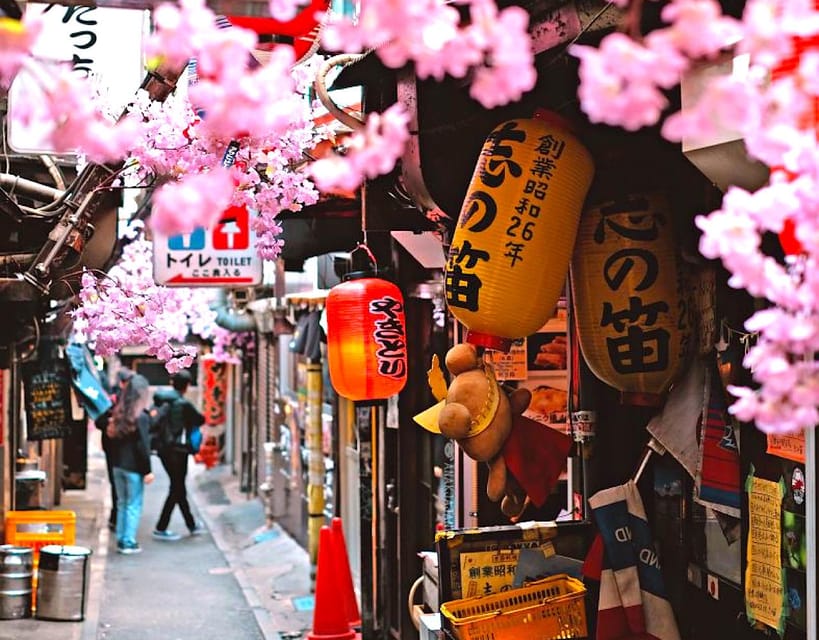
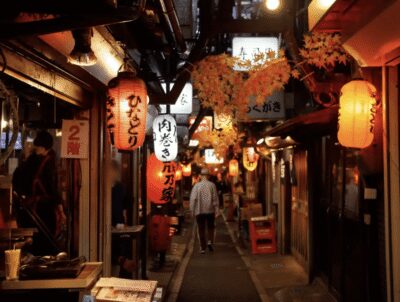
Shinjuku can close the day with a different kind of energy. The route includes sightseeing, shopping, free time, and guided exploration, with options around Kabukicho and the narrow bars of Golden Gai.
This is a useful choice if you want to see Tokyo after the daytime sightseeing ends. Your guide can help you understand the area and suggest how to spend your free time. I would ask in advance how much time you want for nightlife, food, or shopping, since each choice changes the feel of the ending.
Keep in mind that the tour does not include meals or drinks. If you stop for food or enter a bar, those costs are yours. Smoking is not allowed on the tour, so follow that rule during the day and at meeting points.
What the guides add to the day
The experience is in English and uses a private guide for your group. The strongest guide feedback points to three practical benefits: explaining local culture, helping with food choices, and making a packed day manageable.
Joe is described as arranging a day around a group’s full list of priorities. Maruf helped connect several popular wards by subway while still allowing time for food markets, restaurants, shopping, and sightseeing. Abu focused on fitting as much as possible into one day.
Zia is noted for taking guests to less obvious places, using shortcuts, and explaining people and culture. Amir built an Asakusa visit around Japanese culture, food, and shopping. These examples show why you should share your interests before the tour, rather than waiting for the guide to guess.
Guide quality can vary from person to person, as it can with any private experience. Still, the pattern here is clear: guests valued personal attention, route planning, cultural explanation, and help with timing more than a simple list of attractions.
Transport, walking, and the real pace of Tokyo
The route uses walking and public transport. Subway travel is practical for crossing Tokyo, but it is not a rest period in the way a private vehicle would be. You may walk through large stations, change trains, climb stairs, and spend time finding the right exit.
The provider describes the activity as wheelchair accessible, but the same information also says it is not suitable for wheelchair users or people with mobility impairments. That is an important contradiction. If accessibility affects your booking, contact the provider and get a clear answer about the exact route, station access, and site arrangements before paying.
For most people, the preparation is simple: wear comfortable shoes, check the forecast, bring water, sunscreen, a hat, and a camera. Carry local currency for food and shopping. The tour is private, but Tokyo itself is not a small or quiet place, so build in patience for transfers.
Who will get the most from this tour
I would recommend it most to first-time visitors who want a fast orientation without joining a large group. It also suits repeat visitors who already know the major sights and want help shaping a day around Akihabara, local food, Harajuku, or less familiar corners of the city.
Families and small groups can benefit from the private format because the day can follow their pace. Shoppers should tell the guide how much time they need, since a few major districts can fill eight hours on their own.
I would be more cautious if you dislike walking, want a slow temple visit, or prefer to explore one neighborhood in depth. The tour offers flexibility, but flexibility does not remove Tokyo’s distances. A four-hour booking is best treated as a focused introduction, not a complete city tour.
Cancellation, timing, and booking details
You can cancel up to 24 hours ahead for a full refund, and the reserve-now, pay-later option keeps your plans open. Starting times depend on availability, so check the available slot before planning other reservations.
The advertised price is $120 per person. Since the tour is private and includes a guide, a custom plan, entrance fees for the named sites, and lunch recommendations, I consider it fair for a group that values personal attention. It is less attractive if you only want a simple transfer between free public areas.
My verdict: book it for flexibility, not for a checklist
I would book this tour if I had one day in Tokyo and wanted help balancing famous sights with food, shopping, or pop culture. The strongest reasons are the private format, the ability to adjust the route, and the guide’s role in handling subway connections and local choices.
I would choose eight hours for a first visit and four hours for one clear neighborhood plan. Before booking, decide which three stops matter most and confirm the accessibility details if needed. If you do that, the tour can turn Tokyo’s enormous scale into a manageable, personal day rather than a rushed race through a list.
FAQ
How long does the Tokyo private tour last?
You can choose a four-hour or eight-hour experience. Four hours suits a focused route, while eight hours allows more neighborhoods and sightseeing.
Is the tour private?
Yes. The tour is for a private group, with a private English-speaking guide.
Which Tokyo sights can I visit?
Possible stops include Tsukiji Outer Market, Senso-ji Temple, Asakusa, Akihabara, Meiji Shrine, Shibuya, Shinjuku, Takeshita Street, the Imperial Palace area, Golden Gai, and Kabukicho. The exact route is customizable.
Are meals and drinks included?
No. Meals and beverages are not included. The tour does include lunch recommendations, and you should carry local currency for food and personal purchases.
What should I bring?
Bring comfortable walking shoes, a hat, sunscreen, water, and a camera. Check the weather and dress appropriately.
Is the tour wheelchair accessible?
The activity information describes it as wheelchair accessible but also says it is not suitable for wheelchair users or people with mobility impairments. Confirm the route and access arrangements directly with the provider before booking.
More Private Tours in Tokyo
More Guided Tours in Tokyo

More tours in Tokyo we've reviewed


Guided, compared.
 ★ 5.0Tokyo 6hr Private Tour with Government-Licensed GuideFrom $155
 ★ 4.9Tokyo: Shinjuku Local Bar and Izakaya Guided Walking TourFrom $343 hours
 ★ 4.8Tokyo: Private City Highlights Tour with Local GuideFrom $1064 - 8 hours
 ★ 4.9Tokyo: Tsukiji Fish Market Guided Walking TourFrom $222 hours
 ★ 5.0Tokyo 4hr Private Tour with Government-Licensed GuideFrom $109
 ★ 5.0Tokyo Guided Small-Group Biking TourFrom $106