
Reviewed · GUIDED
Tokyo: Custom Hidden Gems & Highlights Tour with Local Guide
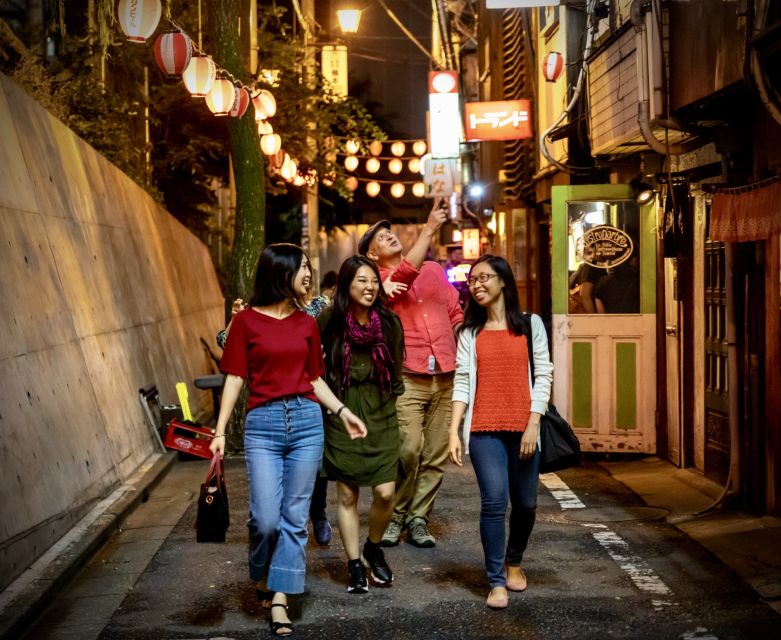
Tokyo rewards curiosity, and this private walking tour gives you a local partner rather than a fixed route. Your host shapes the day around your interests, then adjusts it as you go. You might spend the morning among Yanaka’s old lanes and temples, learn the subway, or chase anime and manga in Akihabara with a guide such as Kay.
I like the personal planning and the chance to see places you might skip on your own. I also like the friendly, practical help: guides such as Martina and Giovanni have shown people how to use train machines, choose subway exits, find local restaurants, and plan the rest of a Tokyo stay. The main catch is that the tour is still a walking day, and transport, food, drinks, and admission tickets cost extra.
In This Review
- Key points to know before booking
- Why a custom Tokyo walk can beat a fixed sightseeing route
- Yanaka and old Tokyo atmosphere
- Temples, shrines, gardens, and local rituals
- Pop culture, fashion, and unusual shopping streets
- Food stops and neighborhood life
- The subway lesson may be worth the whole afternoon
- How much ground can you cover in two to eight hours?
- Flexibility is useful when weather or energy changes
- What the $64 price really buys you
- Which visitors will get the most from this experience?
- Should you book the Tokyo custom walking tour?
- FAQ
- How long is the Tokyo custom walking tour?
- What does the tour cost?
- Is the tour private?
- Which languages are available?
- Can the itinerary be customized?
- Can I request anime, manga, or fashion?
- Is hotel pickup available?
- Is transportation included?
- Can I cancel the booking?
Key points to know before booking
- Your interests shape the route: Focus on anime, temples, gardens, food, fashion, history, or everyday neighborhoods.
- The duration is flexible: Book anywhere from 2 to 8 hours, depending on how much ground you want to cover.
- A private host keeps the pace personal: You can stop, change direction, or revise the plan during the day.
- Subway help is part of the practical value: Your host may teach you how to buy tickets, read routes, and use station exits.
- The best results come from specific requests: Tell the host exactly what you want before meeting.
- Extra costs need planning: Public transport, taxis, meals, drinks, and paid attractions are not included.
Why a custom Tokyo walk can beat a fixed sightseeing route
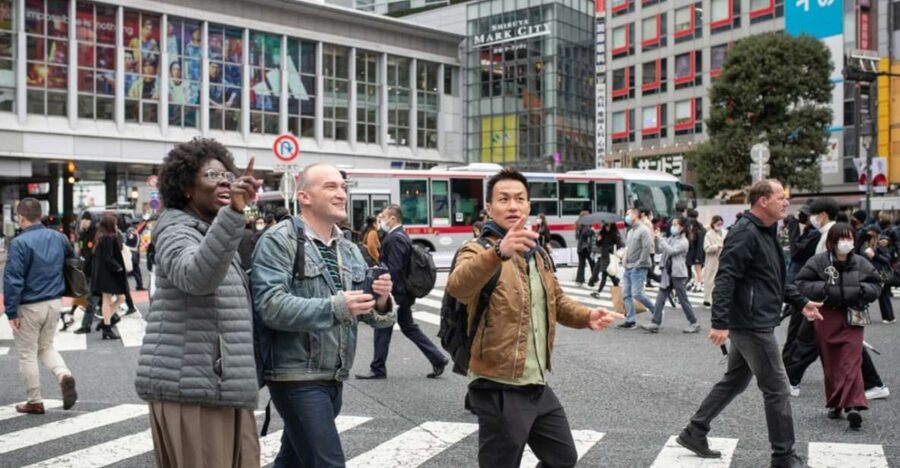
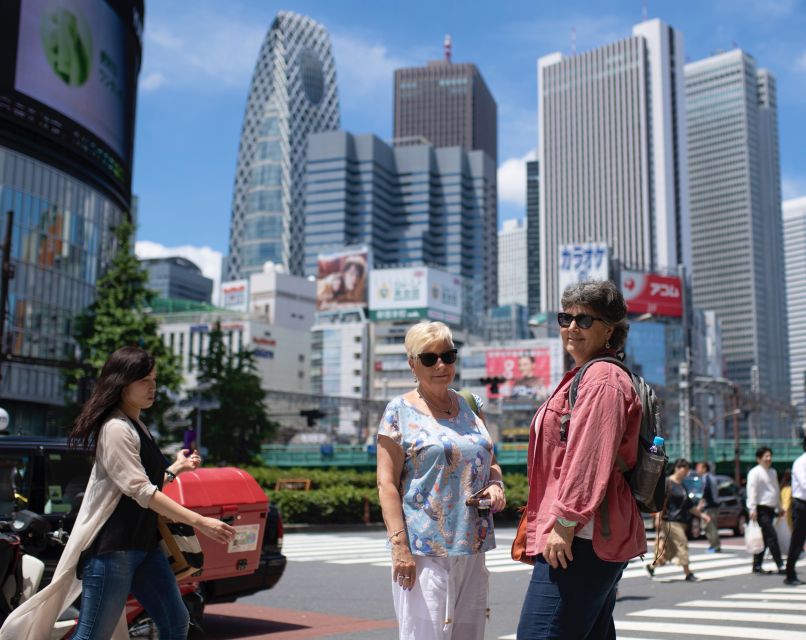
Tokyo is too large for one tidy sightseeing circuit. Its districts spread across a huge area, and the experience changes sharply from one neighborhood to the next. A set tour can show you famous sights, but it may not leave room for your particular interests or the kind of pace you enjoy.
This experience works more like hiring a local friend for part of the day. Before meeting, you complete a questionnaire about your personality and interests. That information is used to match you with a like-minded host and shape a suggested route.
The useful part is not only the places you visit. It is the local judgment behind the choices. If you are interested in Japanese gardens, your host can point you toward parks, quiet gardens, temples, and unusual trees. If you care about pop culture, the plan can focus on anime, manga, kawaii fashion, and related shops.
I would be specific when filling out the questionnaire. Do not simply write that you want to see Tokyo. Say if you prefer food over monuments, traditional culture over shopping, small alleys over major avenues, or a relaxed day over a packed one.
Other guided tours in Tokyo


Yanaka and old Tokyo atmosphere
Yanaka is one of the clearest examples of the kind of neighborhood this tour can bring into your day. Its old-world character, small lanes, temples, and independent shops offer a different view of Tokyo from the giant crossings and department stores.
You might spend time walking rather than ticking off major sights. That matters because Tokyo’s character often appears in the spaces between famous attractions: a small shrine, a quiet residential lane, a shop with a narrow specialty, or a neighborhood temple that does not require a long queue.
The pace here can be calmer than in the city’s better-known shopping districts. You might also stop for matcha in a quiet teahouse, depending on your interests and the host’s suggestions. Food and drinks are not included, so treat these stops as optional purchases rather than part of the tour price.
Yanaka suits you if you want a first look at local streets without giving up cultural sights. It is less suitable if your priority is covering many distant districts in a few hours. Tokyo’s size makes that tradeoff unavoidable.
Temples, shrines, gardens, and local rituals
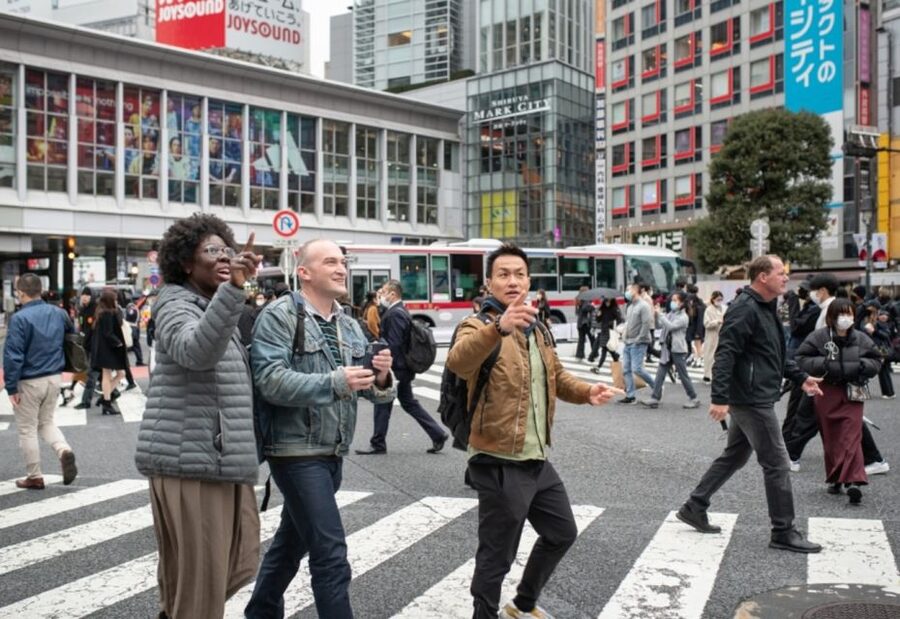
A custom walk can also lean toward traditional Japan. Several past itineraries have included temples, shrines, parks, gardens, and explanations of Buddhist practice and Japanese customs.
A host can give context that is easy to miss when you visit alone. You may learn how to approach a shrine, what details to notice, or why a particular site matters. The exact content depends on your assigned host and your interests, but the format is especially useful if you want more than a quick photograph.
One guide, Edris, built a four-hour outing around Tokyo’s nature, including parks, gardens, temples, and an old Himalayan cedar. That gives you a good sense of how narrow a request can be. If you want greenery, quiet, and time outdoors, say so. You do not have to accept a day centered on shopping and city crowds.
Another guide, Michael, brought a cultural perspective shaped by his life in Tokyo and his understanding of Buddhism. A local host does not need to be born in Japan to be useful. Some hosts are Japanese, while others have lived in Tokyo for years and offer an outside perspective on life there.
Pop culture, fashion, and unusual shopping streets
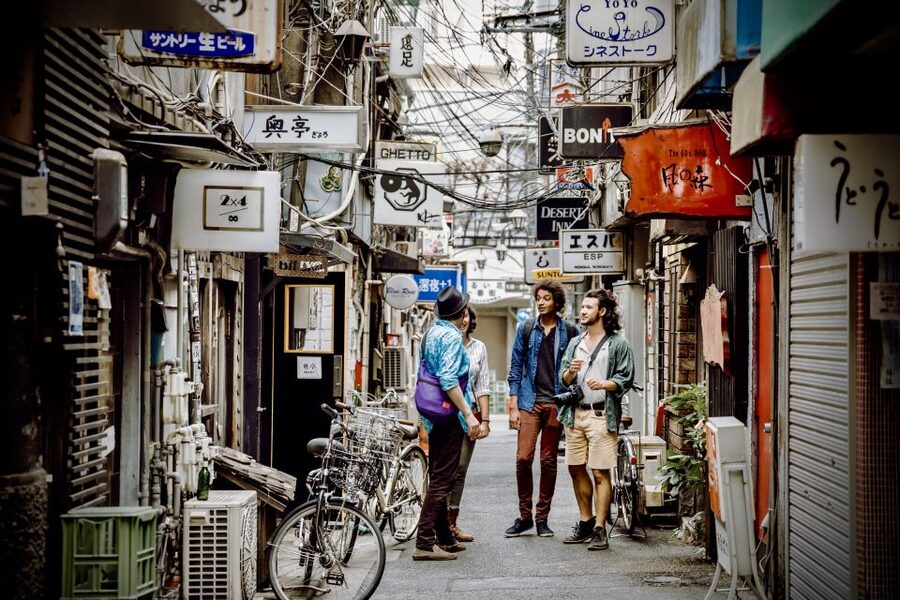
Tokyo’s modern side can be just as personal. Ask for anime and manga, and your host may shape the route around related shops and neighborhoods. Kay, for example, was praised for paying close attention to an interest in anime and manga.
Harajuku is another good fit for a custom route. One itinerary combined Takeshita Street and kawaii fashion with a walk past more upscale shops nearby. That contrast is the point: within a short distance, you can move from youthful, colorful fashion to polished luxury storefronts and striking architecture.
This kind of route is more useful than simply being dropped at a shopping street. Your host can help you understand what the district means within Tokyo’s fashion culture, point out details you might overlook, and guide you back to the station afterward.
Keep your shopping expectations sensible. The tour does not include purchases, and time spent browsing means less time for temples, food, or other neighborhoods. Tell your host how much shopping you actually want. A little direction at the start prevents the day from turning into an accidental retail marathon.
Food stops and neighborhood life
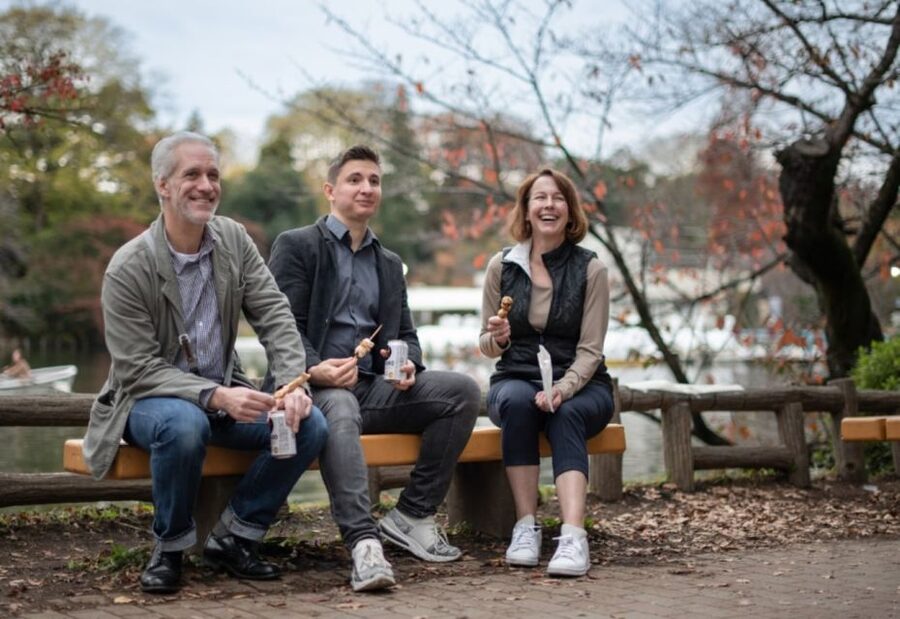
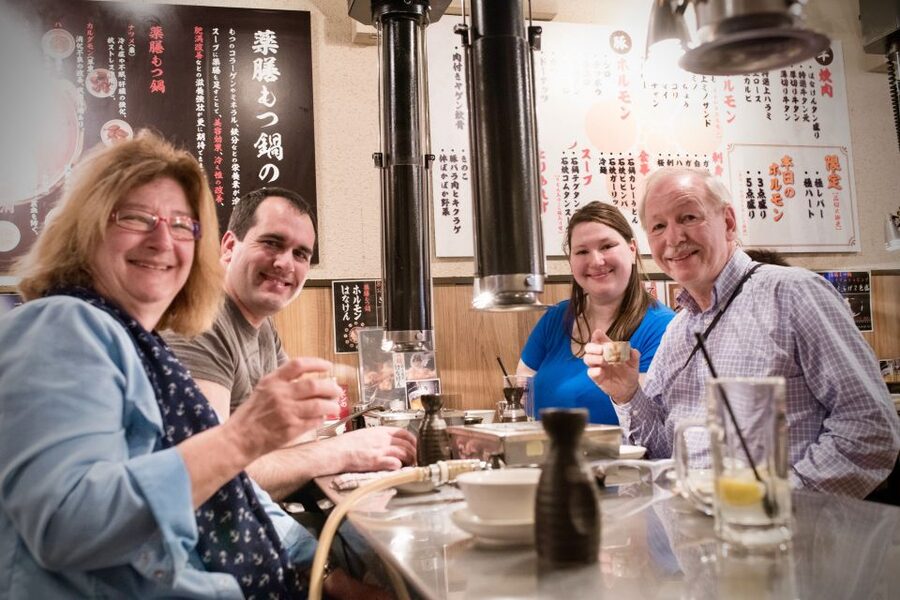
Food can be part of the plan, but it is not included in the $64 price. Your host may suggest a local eatery, market, or small restaurant, and you pay for what you order.
This is one of the most useful reasons to book a local host. A restaurant can be hard to approach when menus or staff communication feel unfamiliar. Daniela once helped with a sushi stop by handling communication with the chef and explaining the food. That sort of assistance can turn a nervous decision into an easy meal.
Still, do not assume that a restaurant reservation, tasting menu, or meal is included. Discuss your food preferences before the tour and confirm how much time you want to spend eating. If you have dietary needs, state them clearly in advance.
A food-focused route may also use public transport between neighborhoods. Those fares are extra, as are local taxis if you choose them. Carry a payment method suitable for small purchases and leave room in your budget for snacks or lunch.



The subway lesson may be worth the whole afternoon
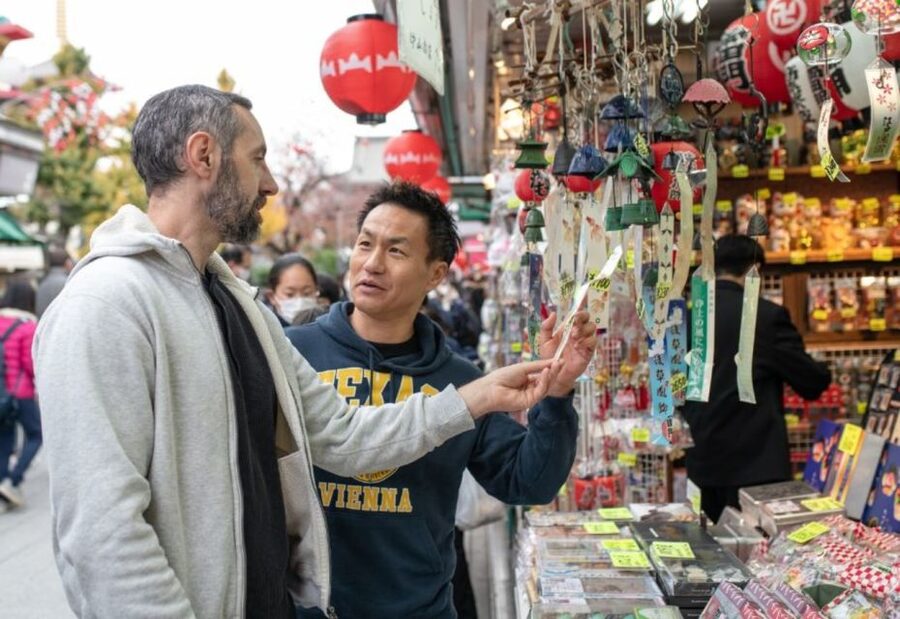
Tokyo’s train network can feel confusing at first, particularly when a station has several lines and many exits. A host can make the system less intimidating by showing you how to buy tickets, choose routes, and find the correct exit.
That practical lesson has lasting value. Giovanni helped one first-time visitor understand the subway, while Martina met another person at a nearby station and explained ticket machines and train lines before heading to Harajuku.
I would book this tour early in your stay if you are new to Tokyo. You can use the rest of your visit with more confidence, and your host may also suggest places for later days. The tour can function as both sightseeing and orientation.
The limitation is time. A two-hour booking may be enough for one district and a short subway lesson, but not for several far-flung areas. Six or eight hours lets you cover more ground, yet it also creates a long day on foot. One person found six hours too long for walking around Tokyo, especially in rainy weather, and preferred a shorter route centered on one area.
How much ground can you cover in two to eight hours?
The flexible duration is a major strength, but you need to match the length to your plan.
Two hours: Best for a focused introduction. Choose one neighborhood, one theme, or a short subway orientation. Harajuku, a central market area, or a nearby temple district could work well if the route stays compact.
Four hours: A useful middle ground. You can combine a neighborhood walk with a few cultural stops, or spend more time on food, gardens, or shopping without rushing every few minutes.
Six hours: Suitable if you want several districts and are comfortable walking and using public transport. Plan a lunch break and do not create a list that demands half the city.
Eight hours: The fullest option, but not automatically the best. It can suit families or first-time visitors with many priorities, though you should build in rests and accept that Tokyo’s travel time adds up.
One family covered a long list in six hours, while another guide managed an action-packed day for a short stay. Those examples show the value of a strong host, but they should not tempt you into an impossible schedule. Tokyo is enormous. A thoughtful plan with three good areas beats a frantic attempt at eight.
Flexibility is useful when weather or energy changes
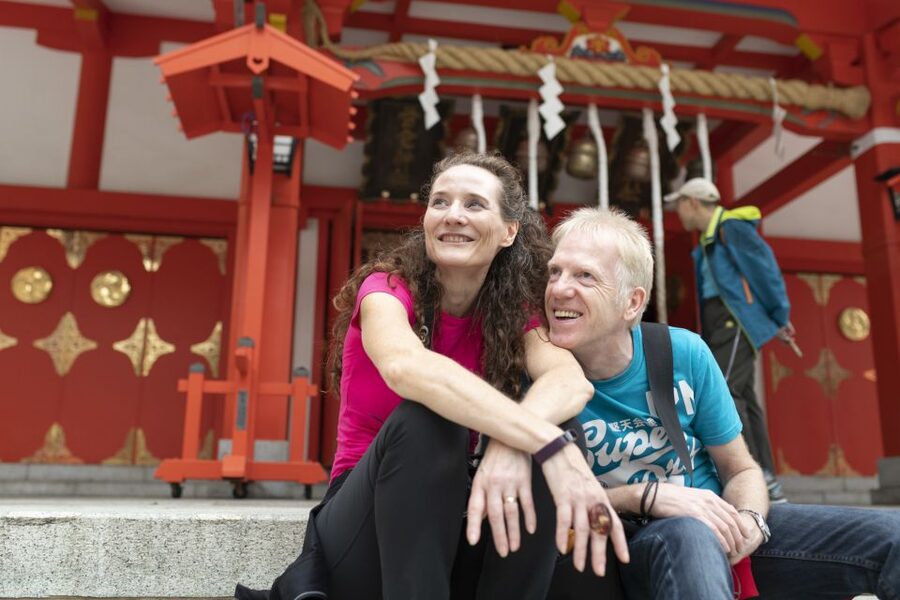
The route can change during the day. That is important in Tokyo, where rain, heat, crowds, and tired feet can alter your plans quickly.
One outing shifted its schedule when rain arrived. Another continued despite heavy rain, with the host doing his best to keep the day moving. These examples also point to the limits of the format: a walking tour cannot make bad weather disappear.
Ask for indoor alternatives if the forecast looks poor. Shops, museums, covered streets, cafés, and shorter transfers may help, though any attraction ticket remains your responsibility. Wear comfortable shoes and avoid treating the maximum eight-hour duration as a target.
The private format also gives you room to stop for a drink, linger at a shrine, or change the next district. You are not holding up a large group. That freedom is one of the clearest differences from a standard coach or group walking tour.
What the $64 price really buys you
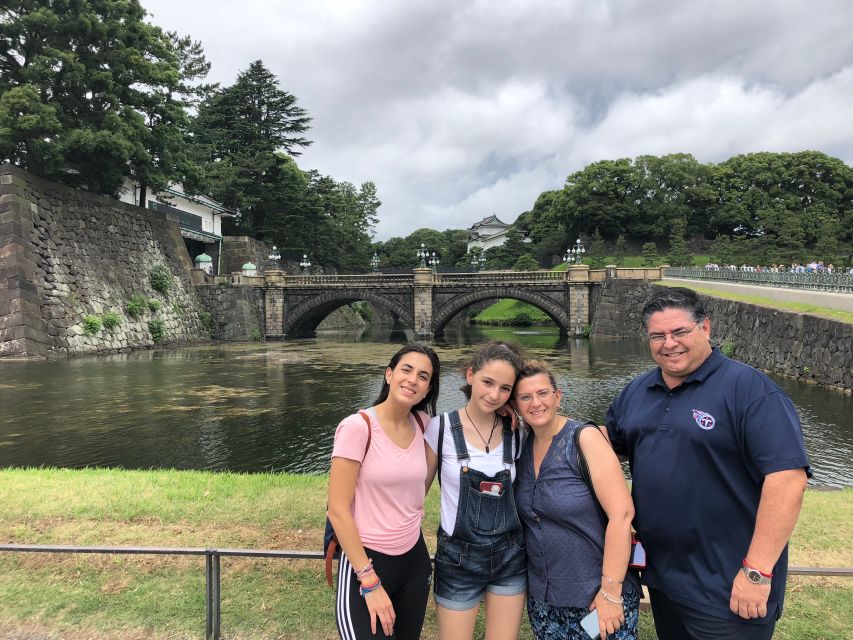
At $64 per person, the price is reasonable if you use the personal planning and local help. For a first visit, the value may come from avoiding wasted time, learning the subway, finding a restaurant you would not approach alone, and getting a route that matches your interests.
The price is less attractive if you only want a basic walk through famous sights. You can visit many major Tokyo areas independently with a guidebook and a transit card. The custom element matters most when you want advice, interpretation, confidence, or access to less obvious corners.
Remember the added costs. Food, drinks, paid attractions, public transport, and taxis are separate. Hotel pickup can be arranged from a centrally located Tokyo hotel, but a private vehicle is not included. The usual meeting point is the Asakusa Culture Tourist Information Center at 2-chōme-18-9 Kaminarimon, Taito City.
The tour is private, and English or Japanese is available. It is also listed as wheelchair accessible, but you should discuss your planned route and transport needs with the host before the day.
Which visitors will get the most from this experience?
I would recommend it to a first-time visitor who wants help getting oriented, especially someone nervous about Tokyo’s train system. It also suits solo visitors, couples, families, and repeat visitors who want one specific theme rather than another general sightseeing day.
It is a strong choice for:
- A family with mixed interests
- A solo visitor who wants company and local advice
- Anyone focused on anime, manga, fashion, food, temples, gardens, or neighborhood life
- People with only a short stay or layover
- Visitors who want help planning the rest of their Tokyo days
I would be more cautious if you dislike walking, need a tightly scripted historical tour, or want all expenses included. You should also avoid packing too many districts into a short booking. Your host can help, but no guide can remove Tokyo’s distances.
Should you book the Tokyo custom walking tour?
Book it if you want Tokyo arranged around you rather than around a standard checklist. The strongest reasons are the private format, the pre-tour questionnaire, the chance to adjust the route, and the practical help with trains, food, and local customs.
For the best result, request one main theme and one secondary interest. For example: Yanaka temples plus local food, or Harajuku fashion plus subway training. Choose four hours for a balanced first taste, six hours for a fuller day, and two hours for a focused introduction.
I would not book the longest option simply because it is available. Tokyo walking days can be tiring, and transport costs add up. But if you communicate clearly, stay flexible, and accept that meals and fares are extra, this is a smart way to make a large, complicated city feel more manageable.
Cancellation is free up to 24 hours before the start, and you can reserve now and pay later. Those terms help if your schedule is still shifting.
FAQ
How long is the Tokyo custom walking tour?
You can choose a duration from 2 to 8 hours. Starting times depend on availability when you book.
What does the tour cost?
The listed price is $64 per person. Food, drinks, attraction tickets, and transportation costs are not included.
Is the tour private?
Yes. This is a private group experience with a host assigned to your party.
Which languages are available?
The tour is available in English and Japanese.
Can the itinerary be customized?
Yes. You complete a questionnaire about your personality and interests, and your host communicates with you about a suggested itinerary. The route can also change during the day.
Can I request anime, manga, or fashion?
Yes. You can state these interests in the questionnaire and discuss them with your host. Anime, manga, kawaii fashion, Harajuku, and other modern Tokyo themes can be included when they fit your plan.
Is hotel pickup available?
Hotel pickup can be arranged from any centrally located hotel in Tokyo. Otherwise, the meeting point is the Asakusa Culture Tourist Information Center at 2-chōme-18-9 Kaminarimon, Taito City.
Is transportation included?
No. This is a walking experience, but public transportation or local taxis may be used between areas. Those costs are paid separately.
Can I cancel the booking?
Yes. You can cancel up to 24 hours in advance for a full refund. You can also reserve now and pay later.
More Guided Tours in Tokyo


More tours in Tokyo we've reviewed










Guided, compared.
 ★ 5.0Tokyo 6hr Private Tour with Government-Licensed GuideFrom $155
 ★ 4.9Tokyo: Shinjuku Local Bar and Izakaya Guided Walking TourFrom $343 hours
 ★ 4.8Tokyo: Private City Highlights Tour with Local GuideFrom $1064 - 8 hours
 ★ 4.9Tokyo: Tsukiji Fish Market Guided Walking TourFrom $222 hours
 ★ 5.0Tokyo 4hr Private Tour with Government-Licensed GuideFrom $109
 ★ 5.0Tokyo Guided Small-Group Biking TourFrom $106