
Reviewed · GO-KARTS
Tokyo Oldtown: Historic Landmarks Go Kart Tour (100 Minutes)
Tokyo’s old town looks different from behind a steering wheel. This 100-minute guided go-kart ride links the Skytree area with Asakusa, Ueno, Akihabara, Ryogoku, Tokyo Station, and the Imperial Palace, giving you a fast-moving look at both traditional neighborhoods and modern city streets. It is less about racing than keeping a steady pace in traffic while your guide talks through what you see.
I like the comfortable, stable karts, especially for first-time drivers and taller riders. I also like the live radio link, which lets guides such as Satar and Travis give clear directions and point out sights as you go. The main drawback is that this is a road tour, not a sightseeing bus with long stops, so most landmarks are viewed from the street rather than visited inside.
In This Review
- Key points before you book
- What this Tokyo go-kart tour is really like
- From Yotsugi to Tokyo Skytree
- Japanese Sword Museum and Ryogoku Kokugikan
- Tokyo Station and the Imperial Palace
- Akihabara, Ueno, and the changing face of Tokyo
- Asakusa and Tokyo’s old town
- Why the guide and radio system matter
- Cameras, costumes, and what you receive
- Is $90 a fair price?
- Driving documents and practical limits
- Who will enjoy this ride most?
- Should you book the Tokyo Old Town route?
- FAQ
- How long is the Tokyo Oldtown Go Kart Tour?
- Where does the tour start?
- What landmarks are included on the route?
- Is this a racing experience?
- What languages do the guides speak?
- What driving documents do overseas visitors need?
- Is the camera included?
- Are food, drinks, or backpacks allowed in the kart?
- Can children join the tour?
Key points before you book
- A wide-ranging Tokyo route: In 100 minutes, you pass the Skytree, Japanese Sword Museum, Ryogoku Kokugikan, Tokyo Station, Imperial Palace, Akihabara, Ueno, and Asakusa.
- Street-legal karts with useful safety features: Hydraulic brakes, suspension, and reinforced frames make the vehicles more forgiving than ordinary amusement-park karts.
- A guide stays with you: Two-way radio communication provides directions, safety reminders, and short cultural stories throughout the drive.
- Asakusa is the cultural focus: You pass through the area around Senso-ji, Tokyo’s oldest Buddhist temple, along with traditional shopping streets and older neighborhoods.
- Photos are included, camera storage is not: The Insta360 equipment is free to use, but you must buy a Micro SD card to keep the video.
- License rules matter: Most overseas participants need a passport, local driving license, and a 1949 Geneva Convention International Driving Permit.
What this Tokyo go-kart tour is really like
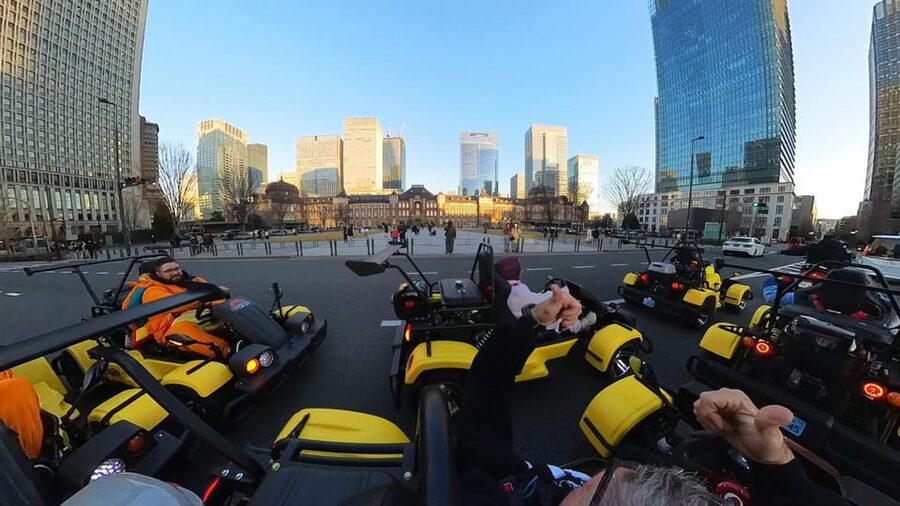
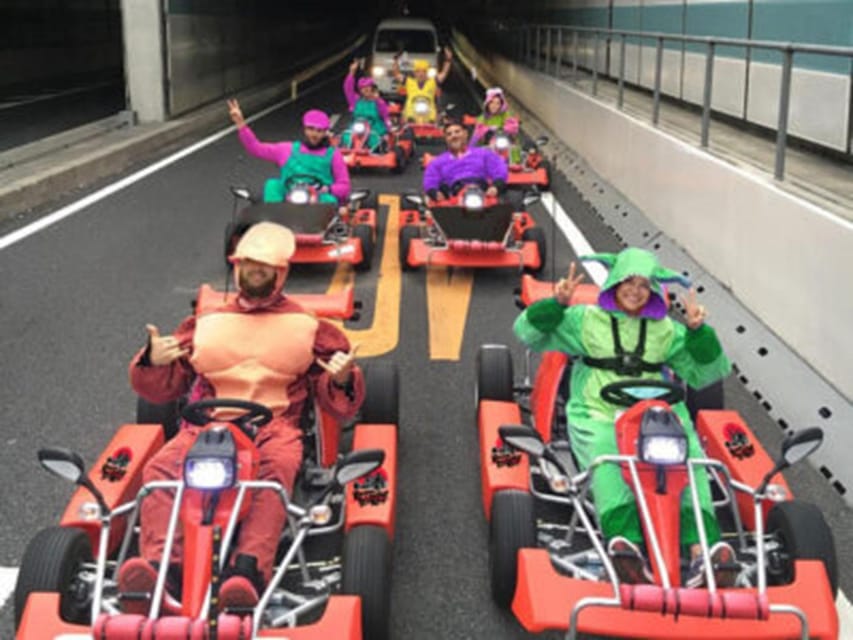
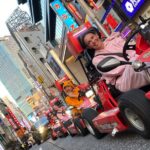
This is a guided city drive, not a track session. You sit in a purpose-built go-kart and follow the lead guide through public streets, with the group limited to 10 people. The pace is intended to be relaxed, and there is no racing.
That distinction matters. You get the unusual feeling of moving through Tokyo at street level, but you also need to watch traffic, follow instructions, and stay with the group. If you want plenty of time for temple visits or museum interiors, book those separately.
The tour begins at Kartzilla Go Kart Tokyo, less than 10 minutes on foot from Yotsugi Station on the Keisei Line. You receive a safety briefing and basic driving instructions before setting off. The briefing is especially useful if you have never driven a go-kart on city roads.
The karts are described as comfortable for a range of body types, including big and tall riders. Suspension should help smooth out the ride, while hydraulic brakes provide more controlled stopping than the simple braking systems found on many recreational karts. That does not remove the need to drive carefully, but it should make the first few minutes less intimidating.
A few more Tokyo tours and experiences worth a look
From Yotsugi to Tokyo Skytree
The first major sight is Tokyo Skytree, which provides an immediate sense of scale. The tower rises above the eastern side of the city, and the drive offers scenic views on the way rather than a scheduled visit to the observation decks.
This opening section helps you get used to the kart. You are learning the controls, the group rhythm, and the guide’s radio instructions while passing one of Tokyo’s most recognizable modern landmarks. Keep your attention on the road, though. The best views may come in brief moments between turns and traffic.
The starting point in Yotsugi is practical rather than central in the usual sightseeing sense. You will need to make your own way there, and hotel pickup is not included. Plan extra time to find the facility, since arriving calm and early is better than rushing into the safety briefing.
Japanese Sword Museum and Ryogoku Kokugikan
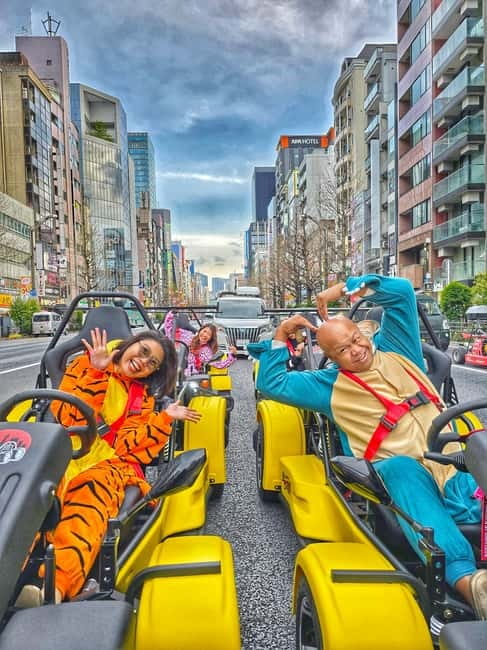
The route then heads toward the Japanese Sword Museum. The museum represents an older side of Japanese craftsmanship and gives the drive a cultural angle beyond temples and towers. You pass it as part of the guided route, so do not expect time to enter or examine its displays.
Ryogoku Kokugikan brings a different piece of Japanese culture into view. The district is closely linked with sumo, and the venue is one of Tokyo’s best-known places for the sport. Again, the value here is context from the guide and a look at the neighborhood from the road, not a reserved sumo event or building tour.
I appreciate this mix of stops because it keeps the route from becoming a simple parade of famous photo points. Skytree, sword making, and sumo each point to a different part of Japan. The guide’s live commentary helps turn a drive past a building into a short lesson, although the amount of detail will depend on traffic and the pace of the group.
Tokyo Station and the Imperial Palace
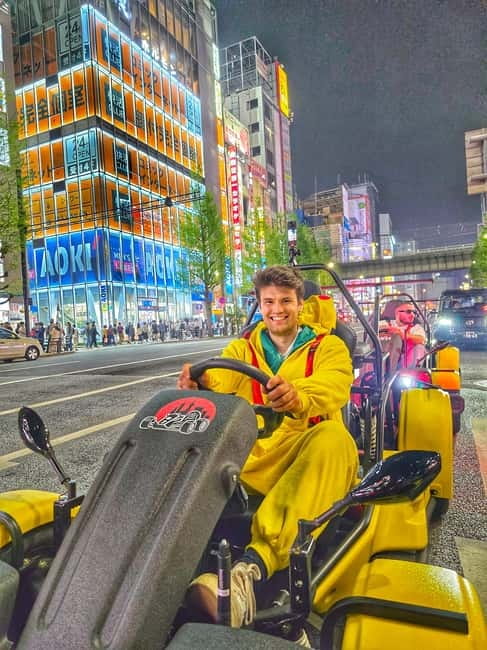
Tokyo Station shifts the mood again. Its grand architecture and central position show the capital’s connection to rail travel, business, and national government. You drive through the surrounding city rather than stopping for a station tour.
The Imperial Palace is another important sight along the route. The palace grounds occupy a central place in Tokyo’s identity, but the activity is designed for scenic viewing and explanation from the kart. You should not book this expecting palace access, a garden walk, or a formal palace guide.
This part of the trip may be the most demanding for a new driver because the city scenery changes quickly. The tour guide remains connected by two-way radio, giving safety directions and helping the group move together. Clear communication was a repeated strength in the available feedback, with Karla specifically describing the instructions as easy to follow and the ride as safe.
Akihabara, Ueno, and the changing face of Tokyo
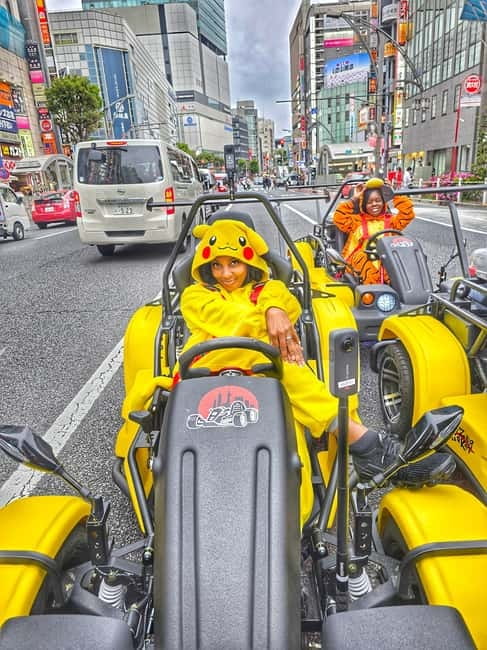
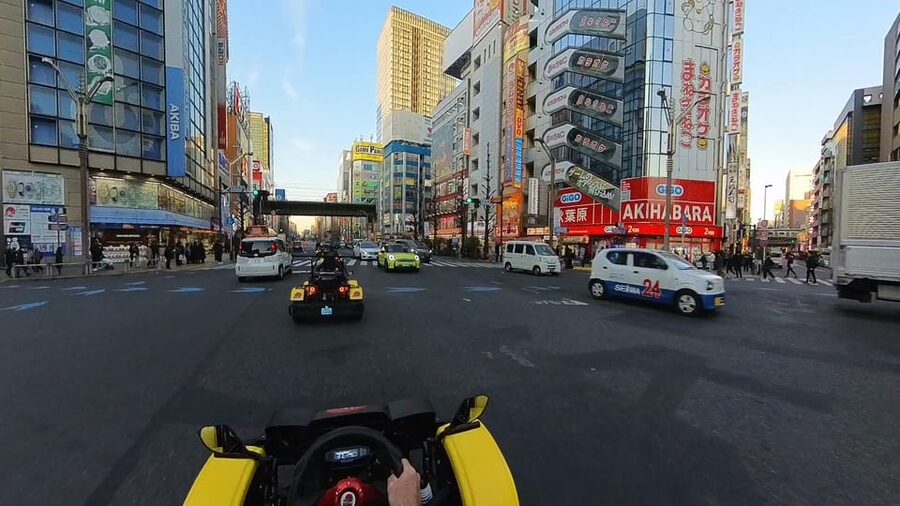
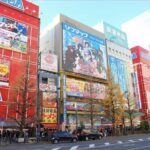
Akihabara is known for electronics, games, anime, and bright commercial streets. From a go-kart, you get a brief street-level look at this energetic district rather than time to browse its shops. It is a good contrast with the older neighborhoods later in the route.
Ueno adds museums, parks, shopping streets, and a more mixed urban character. The itinerary identifies Ueno as a guided scenic section, so the guide may point out the area while you continue through the city. If Ueno is high on your personal sightseeing list, save a separate block of time for it.
These sections show why the route can feel full even though it lasts only 100 minutes. You are not spending 100 minutes at one monument. You are covering a broad sweep of Tokyo, with the city itself becoming the moving backdrop.
Other historical tours in Tokyo
Asakusa and Tokyo’s old town
Asakusa is the heart of the experience. This is where the route most clearly connects present-day Tokyo with older religious traditions, local shopping, and neighborhood streets. Senso-ji, Tokyo’s oldest Buddhist temple, is the headline sight.
From the kart, you can see the setting around the temple and the traditional character of the district. You will not be walking through the temple grounds as part of this activity, so I would pair the tour with a later visit on foot. That combination works well: the kart gives you orientation and a broad view, while walking lets you slow down and look closely.
The Asakusa section is also where the tour’s theme makes the most sense. Tokyo’s modern skyline is only part of the city. Around Asakusa, sacred sites and ordinary local life continue side by side, and the guide can explain what you are seeing while the streets pass around you.
The group returns to Kartzilla Go Kart Tokyo after the Asakusa circuit. Because the route includes several districts, the exact time spent near each sight can vary with traffic. Think of this as a guided overview, not a list of guaranteed photo stops.
Why the guide and radio system matter
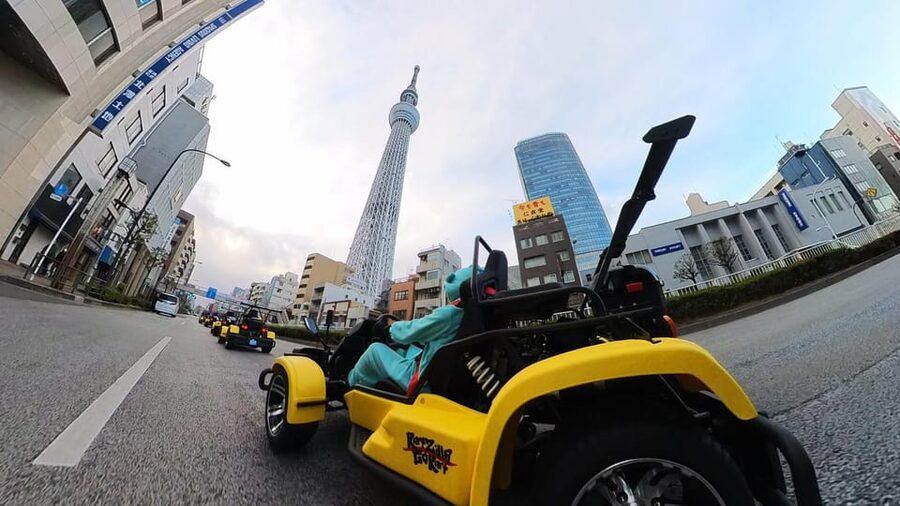
A city kart ride would be much less useful without a guide. Kartzilla uses two-way radio communication so the guide can give safety reminders, manage the group, and add historical or cultural notes while you drive.
The available guide languages are English, German, and Persian. Specific guides praised in the supplied feedback include Satar, Travis, and Hiro. Satar was singled out for strong English and clear help, while Hiro helped one participant with the translation of a driving license. Those details suggest that staff support extends beyond simply leading the route.
The small group size, capped at 10 participants, is another practical advantage. A smaller group is easier to keep together and makes radio instructions more useful. It also means this is not a private tour, so you should be comfortable sharing the road experience with other drivers.
Cameras, costumes, and what you receive
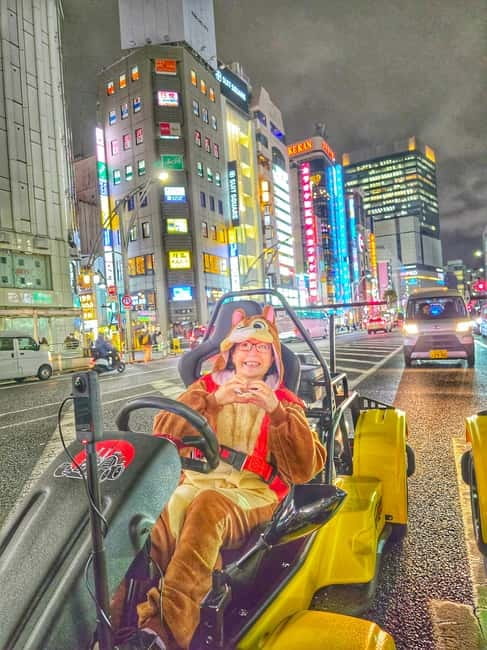
Each kart can use an onboard Insta360 camera. The hands-free setup is useful because you can record the route without trying to hold a phone while driving. You may capture Skytree, old neighborhoods, Asakusa streets, and the city from the driver’s seat.
The camera equipment is free, but the Micro SD card is not included and must be purchased. Check this detail before you set off. Videos and photos are included in the package, but storage requirements can affect how you keep the footage.
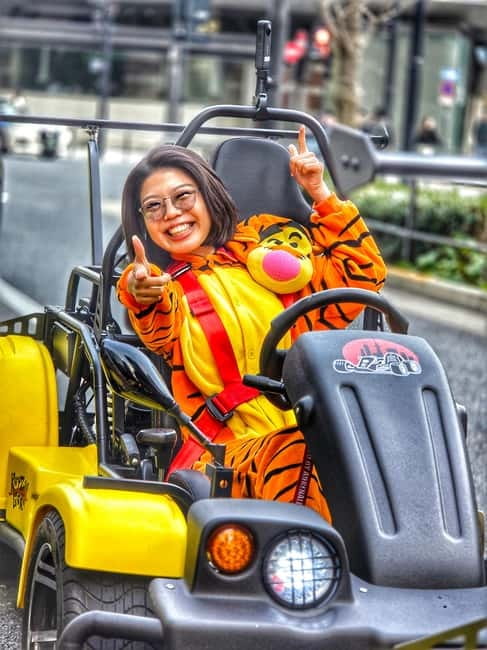
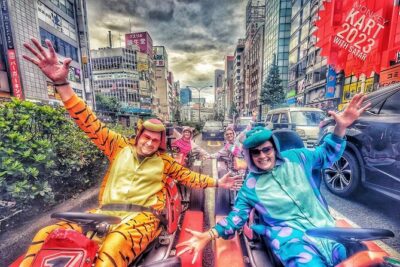
Costumes are included as well. The supplied details do not specify the costume choices, so you should treat this as a fun extra rather than plan a particular character outfit. Drinks are included, but food and drinks are not allowed in the vehicle.
You cannot bring backpacks into the kart, and locker space is not included. Travel light. Leave bulky items at your accommodation when possible, and avoid arriving with a bag you have no way to store.
Is $90 a fair price?
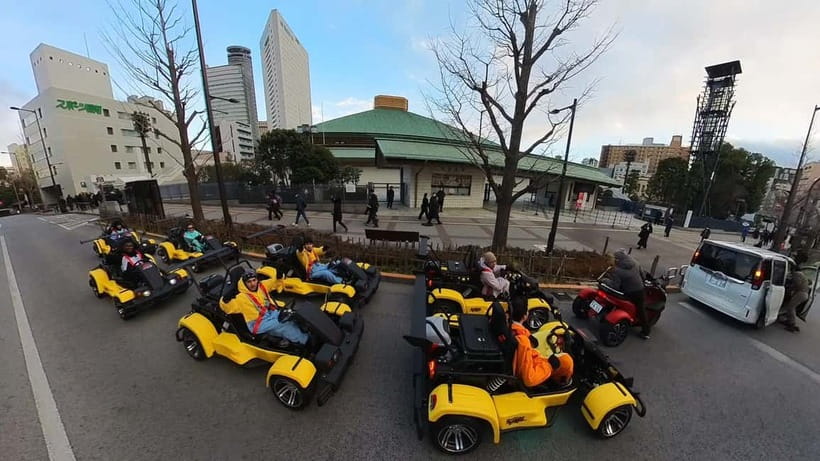
At $90 per person, the tour costs more than a standard walking tour, but you are paying for a street-legal kart, fuel, guide service, insurance, drinks, costumes, and a route covering much of eastern and central Tokyo. The included photos and video equipment add value, though you still need to buy the Micro SD card.
I think the price makes sense if the driving itself is a major part of your holiday. You get a memorable way to connect districts that would otherwise require several train rides, and the guide provides live context instead of leaving you to identify landmarks afterward.
The value is weaker if your main goal is temple access, museum time, or long photo sessions. A walking tour in Asakusa will give you more time with Senso-ji and the surrounding streets for less money. This activity earns its cost through the unusual format, broad route, and direct street experience.
Driving documents and practical limits
Bring your passport and the correct driving documents. Japanese nationals and foreign residents of Japan need a valid license issued in Japan. Overseas visitors who do not live in Japan need a passport, a valid local driving license, and an International Driving Permit issued under the 1949 Geneva Convention.
Citizens of Switzerland, Germany, France, Belgium, Monaco, and Taiwan may drive with a Japanese translation of their license. The operator asks you to contact them a month in advance if you need help with that translation. US military personnel may use a SOFA Permit, or a state license together with an active-duty uniformed military ID.
These rules are not a minor footnote. If your paperwork is wrong, you may not be able to drive. Check the exact requirement for your nationality before paying.
Participants must be at least 18 years old. The activity is not suitable for wheelchair users, people with visual impairments, or people over 95. Bare feet, pets, baby carriages, alcohol, drugs, backpacks, and food or drinks in the vehicle are not allowed.
The tour has free cancellation up to 24 hours before departure, and you can reserve now and pay later. Starting times vary, so check availability for your date.
Who will enjoy this ride most?
I would recommend it to adults who enjoy driving, city views, and a little novelty. It works especially well for first-time visitors who want a quick introduction to several districts, or returning visitors who have already seen Tokyo by train and want a different angle.
The comfortable karts and beginner-friendly pace help, but you still need to feel able to drive in city traffic. Anyone nervous behind the wheel should think carefully before booking. This is not a passive sightseeing ride.
It also suits couples, friends, and small groups who want photos that differ from standard temple snapshots. Night departures received especially warm praise in the available feedback, so an evening slot may appeal if you want Tokyo’s streets after dark. The exact lighting, traffic, and views will depend on the selected time.
Should you book the Tokyo Old Town route?
Book it if you want Tokyo history at street level, enjoy operating a vehicle, and understand that the landmarks are viewed during a moving tour. The combination of Asakusa, Skytree, Ryogoku, Akihabara, Ueno, Tokyo Station, and the Imperial Palace gives you a broad introduction in a short time.
Skip it if you want unhurried visits inside temples, museums, or palace grounds, or if carrying no backpack and meeting strict license rules will be difficult. For the right driver, $90 buys more than a novelty ride: it gives you a guided look at how Tokyo’s old neighborhoods and modern districts fit together.
FAQ
How long is the Tokyo Oldtown Go Kart Tour?
The tour lasts 100 minutes, including the guided city route and the return to Kartzilla Go Kart Tokyo.
Where does the tour start?
It starts at Kartzilla Go Kart Facility, less than 8 to 10 minutes on foot from Yotsugi Station on the Keisei Line.
What landmarks are included on the route?
The route includes Tokyo Skytree, the Japanese Sword Museum, Ryogoku Kokugikan, Tokyo Station, the Imperial Palace, Akihabara, Ueno, and Asakusa before returning to the facility.
Is this a racing experience?
No. The tour uses a relaxed, beginner-friendly pace, and racing is not part of the activity.
What languages do the guides speak?
Live guides are available in English, German, and Persian.
What driving documents do overseas visitors need?
Nonresident overseas visitors need a passport, a valid local driving license, and an International Driving Permit issued by a signatory to the 1949 Geneva Convention.
Is the camera included?
The Insta360 camera equipment is available free of charge, but you must purchase a Micro SD card to keep the recording.
Are food, drinks, or backpacks allowed in the kart?
No. Food, drinks, and backpacks are not allowed in the vehicle. Locker space is not included, so bring as little as possible.
Can children join the tour?
No. Drivers and participants must be at least 18 years old.
More Historical Tours in Tokyo
More Go-Kart Tours in Tokyo

More tours in Tokyo we've reviewed


Go-Karts, compared.
 ★ 5.0Flagship 2-Hours Official Street Go-Kart Tour – Tokyo Bay ShopFrom $642 hours to 2 hours 30 minutes (approx.)
 ★ 5.0Official Street Go-Kart in ShibuyaFrom $76
 ★ 5.0Official Street Go-Kart Tour – AkihabaraFrom $61
 ★ 5.0Tokyo Go Kart: Asakusa, Skytree, and Akihabara **IDP MUST**From $99
 ★ 5.0Shibuya Official Street Go-Kart in Shibuya AnnexFrom $69
 ★ 4.7Tokyo: Asakusa, Skytree & Akhihabara Go-Kart City ExperienceFrom $961h 10m