
Reviewed · SAMURAI & NINJA EXPERIENCES
Authentic Kyudo Japanese Archery Experience in Tokyo
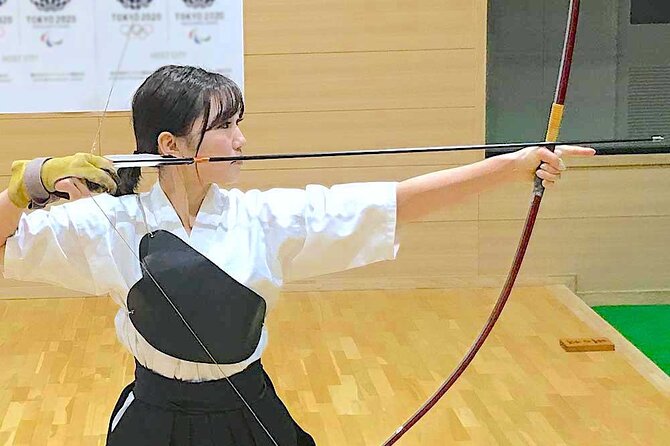
Kyudo is not simply Japanese archery with a different bow. It is a careful sequence of posture, breathing, hand position, and controlled movement. You raise the bow above your head, draw it in a broad arc, and release with focus rather than brute strength. That makes this two-hour Tokyo experience feel part martial art, part quiet lesson in concentration.
I like the traditional uniform, which adds real ceremony to the class, and the small group size, capped at four people. I also like that you get hands-on practice rather than a quick demonstration. The main drawback is the strict timing: arrive late and you may be refused with no refund. The meeting instructions also deserve close checking, since the published starting point is Tokyo Station while some participants have received directions involving Shimo Station and Minami Senju.
In This Review
- Key details before you book
- Why kyudo feels different from ordinary archery
- Meeting near Tokyo Station, then walking to the hall
- Changing into the kyudo uniform
- Learning the form before firing arrows
- From the straw bale to the target range
- A cultural lesson, not just a weapons activity
- How much value you get for $125.50
- Who should book this class
- What to bring and how to prepare
- Should you book this kyudo experience?
- FAQ
- Where does the kyudo experience begin?
- How long does the activity last?
- Is previous archery experience required?
- What age must participants be?
- Can I take photographs or videos during the class?
- What happens if I arrive late or need to cancel?
Key details before you book
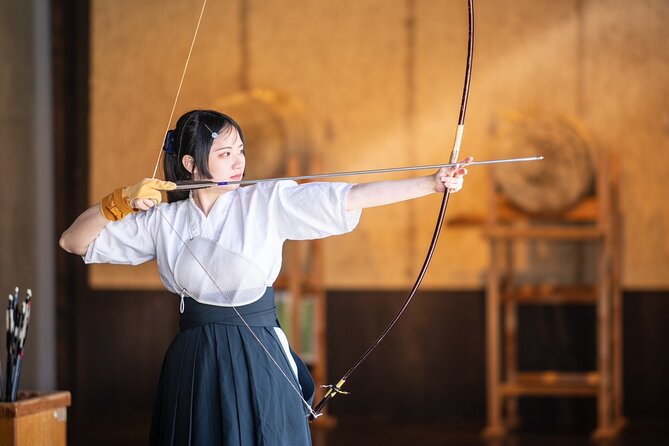
- Small groups of up to four: You get room for personal corrections instead of standing in a large tourist class.
- Traditional clothing included: You change into kyudo training wear and use the equipment supplied for the session.
- Progressive shooting practice: Instruction begins with form and close straw-bale practice before moving toward the range target.
- Jun Sensei may lead the class: The instructor is described as patient, energetic, and good at showing technique through demonstrations.
- Photography is restricted inside: Your guide may take and share photos, but you cannot freely film in the archery facility.
- Adults only and punctual: Participants must be at least 18, sober, well enough to take part, and present at the exact start time.
Why kyudo feels different from ordinary archery
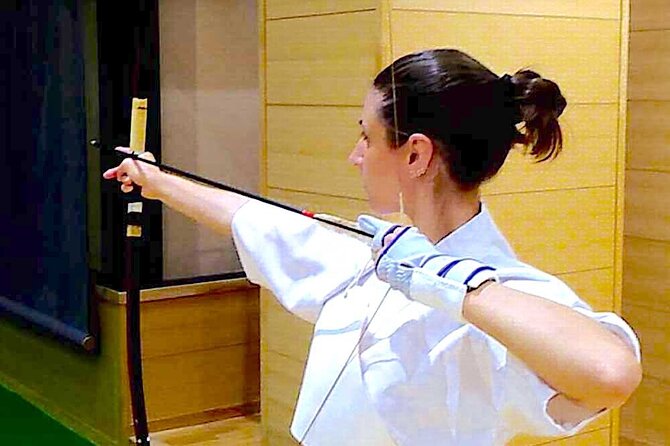
If you have tried Western archery, do not expect to stand, aim, and fire in the usual way. Kyudo places far more weight on the complete movement. The draw, stance, release, and follow-through matter even when the arrow misses.
You begin by learning how to hold the bow and arrow, how to position your feet, and how to keep your upper body aligned. The instructor uses physical demonstrations and repeated corrections. English ability may be limited, but the teaching is practical: watch the movement, copy it, and listen for short instructions. Participants have found that context and demonstration usually make the lesson understandable.
The bow is selected for your height, as are the arrows. This matters because kyudo relies on correct form to create the needed power. You do not need great upper-body strength, and prior archery experience is not required. A complete beginner can take part, while someone familiar with archery gets an interesting comparison.
Kyudo also has a meditative quality. You are asked to slow down and repeat the same set of movements with care. The target is important, but the method comes first. You may hit the target a few times, or not at all. The class is still worthwhile if you leave with a better sense of how the form works.
A few more Tokyo tours and experiences worth a look
Meeting near Tokyo Station, then walking to the hall
The listed starting point is Tokyo Station at 1 Chome-9 Marunouchi, Chiyoda City. The activity ends back at the meeting point, and the tour is near public transportation.
Your punctual arrival matters more than usual here. The group meets at a set time and leaves together for the training hall. Late arrivals are not allowed to join, and the fee is not refunded. I would arrive early enough to find the exact meeting spot without rushing through Tokyo Station, which can be confusing even when you know the city.
There is one practical point to verify before the day. Some participants have received final directions for Shimo Station, with the class held in the Minami Senju area, rather than simply meeting at Tokyo Station. Because the exact venue information may arrive close to the activity date, check the confirmation message carefully and contact Beautiful Day Tours if the location is unclear. Do not rely only on the broad location shown at the time of booking.
The walk to the hall is part of the transition from central Tokyo to a local training setting. It is not a sightseeing walk, but it gives you time to meet the instructor and other members of the group. Several participants found the meeting point easy once the final directions were clear.
Changing into the kyudo uniform
At the hall, you change from ordinary clothes into a traditional kyudo uniform, known as dōgi or training wear. The clothing is not just a costume for photographs. It helps you understand that kyudo is practiced as a formal discipline, with an exact way to stand, move, and handle the equipment.
The instructor or guide helps you with the clothing and accessories. One practical detail: the standard uniform is designed around a Japanese body type. If you have particularly large arms or weigh more than 150 kilograms, the uniform may not fit, and you may need to participate in regular clothes instead.
The facility is an indoor sports setting with a covered, open-air target area. That means the activity can continue in wet weather, though one participant found the space cold. Dress in layers for the trip to the venue and be ready for a cooler training hall.
You also learn how to use the glove worn for kyudo. The equipment can feel unfamiliar at first, especially if you have used a different type of archery gear. Give yourself time to adjust rather than worrying about looking polished immediately.
Learning the form before firing arrows
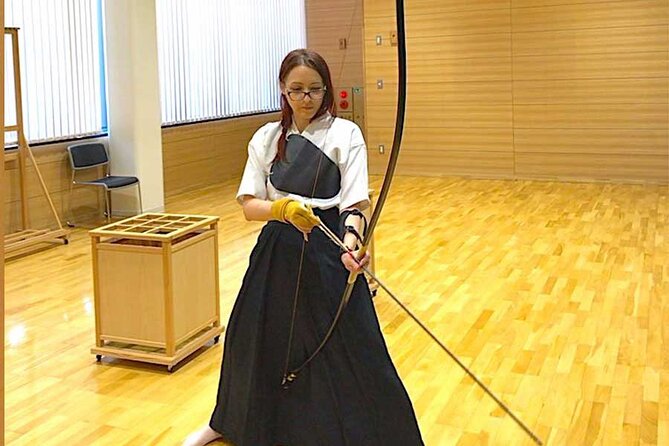
The instructor breaks the process into manageable steps. You learn the stance first, then the way to raise and draw the bow, how to align your body, and how to release. Some classes begin with a prop similar to a sling so you can practice the movement before handling the bow at full range.
This gradual start is one of the best parts of the activity. You are not simply handed a bow and left to guess. The instructor watches your form and adjusts your position. The aim is to make the technique work through structure and balance, not force.
The sequence can look graceful and simple when demonstrated. It is harder when you try it yourself. Your shoulders, arms, hands, and feet all need to cooperate, and the release must happen at the right point. The class gives you repeated chances to improve rather than expecting success on the first attempt.
Pay attention to the arm guard. A few participants experienced bruising when the bowstring caught the arm, especially while learning. That is not a reason to skip the activity, but it is a good reason to ask for the proper protection and follow the instructor’s directions closely.
From the straw bale to the target range
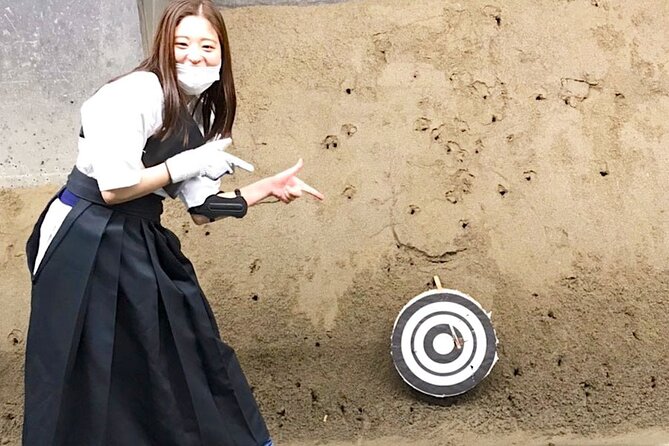
Your first shots are taken at a straw bale from close range. This is a sensible teaching choice. At short distance, you can focus on the body sequence without worrying too much about hitting a far target.
As the session continues, you move toward the shooting range and take aim at the target from farther away. The exact pace depends on the group and the instructor, but the progression gives the class a clear shape. You start with safe handling and form, then work toward a more demanding shot.
Do not book this expecting a guaranteed bullseye. Even after plenty of practice, hitting the target can be difficult. The pleasure comes from noticing small improvements: a cleaner draw, a steadier stance, or an arrow that flies straighter than the last one.
The instructor provides individual advice as you shoot. Jun Sensei, named by several participants, has been praised for patience, humor, and clear demonstrations. His approach appears to suit beginners, since he can keep the class light while still correcting the details that matter.
The session may feel longer than two hours if you count changing clothes, walking to the hall, and preparing the equipment. One participant described a longer training period of about three hours, but the advertised duration is approximately two hours. Allow extra time in your Tokyo schedule rather than placing this directly before a timed attraction.

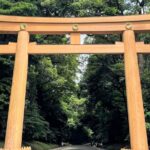




A cultural lesson, not just a weapons activity
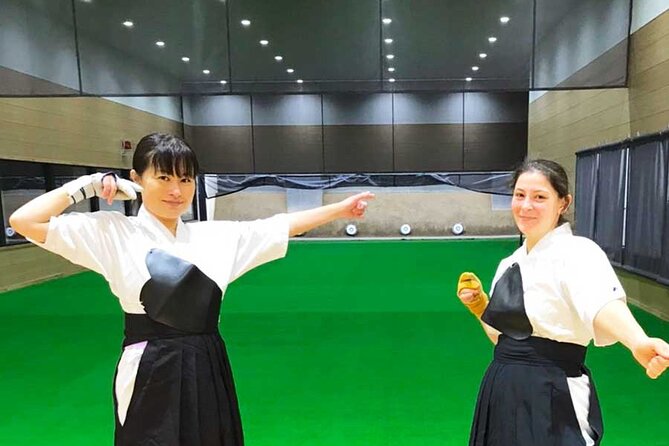
Kyudo is often described through its bows and arrows, but the deeper appeal is the controlled ritual. Each movement has a place. The formal clothing, the quiet preparation, and the repeated sequence give you a different view of Japanese martial arts than a fast-paced demonstration would.
I like that the class explains the thinking behind the movements. You begin to see why kyudo is linked with grace, control, and style. The experience is physical, but it also asks you to pay attention to breathing and concentration.
The group can include Japanese and international participants. The instructor may use Japanese with some English words, so the lesson is not built around a long English lecture. That can be a limitation if you want detailed historical explanations, but the physical nature of the class helps bridge the language gap.
Photography and video are restricted inside the archery facility. Follow the guide’s instructions rather than assuming you can record every shot. The instructor may take photographs and share them afterward, which gives you a way to remember the activity without breaking the facility’s rules.
How much value you get for $125.50
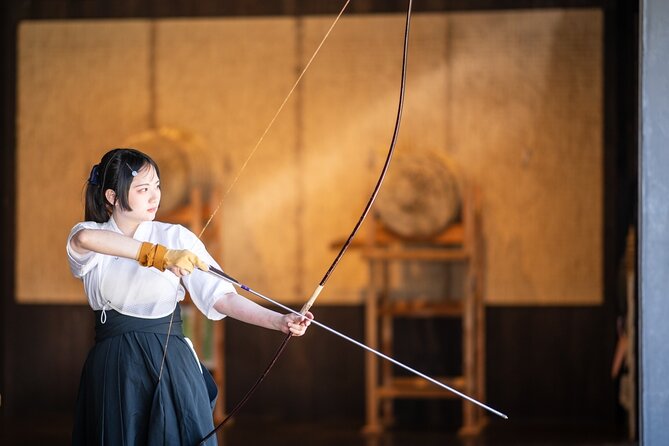
At $125.50 per person, this is not a cheap add-on activity. You are paying for instruction, equipment, use of the facility, traditional clothing, and a small class rather than a large introductory group.
The value depends on what you want from Tokyo. If you only want to fire a few arrows, the price may feel high. If you want a structured introduction to a Japanese art, with a proper uniform and corrections from an instructor, the cost is easier to justify.
The four-person maximum is especially important. Kyudo requires attention to safety and form, so a tiny group gives you more direct help. It also makes the activity feel less like a quick commercial attraction and more like a short visit to a working practice hall.
The experience has received a 4.7 rating from 43 reviews, with 91 percent recommending it. Those numbers suggest strong satisfaction, but they do not remove the practical issues: the fee is non-refundable, the location must be confirmed, and the class can be physically demanding enough to leave you tired or bruised.
Who should book this class
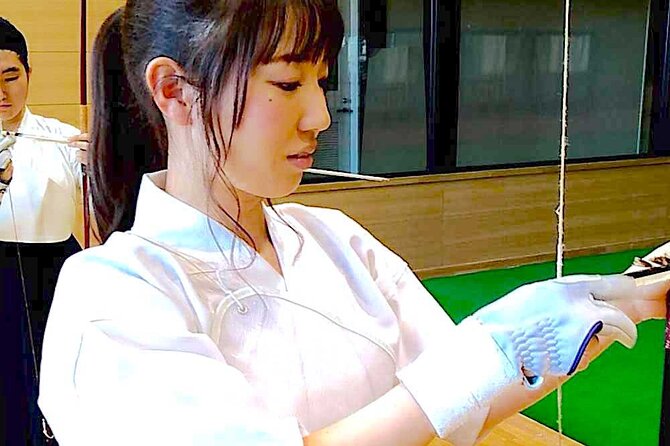
I would choose this for an adult who wants something more hands-on than another shrine, museum, or food stop. It suits solo participants, couples, and small groups, especially anyone interested in Japanese martial arts, traditional clothing, meditation, or the mechanics of archery.
You do not need previous experience. Strength is not the main concern, since the technique creates the power. Patience matters more. You should be comfortable repeating a movement several times and accepting that a missed target is part of the lesson.
This is not suitable for children under 18. Anyone who is unwell or under the influence of alcohol will be refused participation without a refund. The activity also may not suit someone who dislikes strict schedules, changing into shared training clothing, or limited photography.
People with larger arms or weight above 150 kilograms should contact the operator before booking to ask about uniform fit. Most people can participate, but the supplied information does not promise a fully accessible format for every physical need.
What to bring and how to prepare
Wear comfortable clothing that will be easy to change out of. Bring layers, since the covered training area may feel cold. Arrive early, with the exact meeting directions saved on your phone.
Expect to tidy the space at the end. You return the equipment, fold the uniform neatly, and work with the instructor to put the training area in order. That small closing ritual fits the spirit of the class and reminds you that the hall is a place of practice, not a temporary stage set for tourists.
Keep your expectations realistic. You may land an arrow on the target, but you may also spend the entire class learning why the arrow went wide. The instructor’s corrections and the feel of the movement are the real takeaways.
The booking is non-refundable and cannot be changed for any reason. Confirmation is sent within 48 hours, subject to availability, so do not make a tight chain of bookings around it until the place and meeting instructions are settled.
Should you book this kyudo experience?
Book it if you want an authentic, active introduction to Japanese culture and are willing to value technique over guaranteed results. The traditional uniform, close instruction, gradual practice, and small class size give you much more than a brief archery photo opportunity.
Skip it if you need flexible timing, full English explanation, unrestricted filming, or a low-cost activity. Also reconsider if you are concerned about arm bruising or uniform fit.
For the right person, this can be one of the most memorable two hours in Tokyo. You leave with a better understanding of kyudo, a few hard-earned shots, and a new respect for how much control is hidden inside that beautiful, deliberate movement.
FAQ
Where does the kyudo experience begin?
The listed meeting point is Tokyo Station at 1 Chome-9 Marunouchi, Chiyoda City, Tokyo 100-0005. Check your confirmation carefully, since some final directions have used Shimo Station and the Minami Senju area.
How long does the activity last?
The advertised duration is approximately two hours. Allow additional time for meeting the group, walking to the hall, changing clothes, and returning to the meeting point.
Is previous archery experience required?
No. The instructor teaches the basic stance, bow handling, drawing motion, and shooting technique. The bow and arrows are selected according to your height.
What age must participants be?
Participants must be at least 18 years old.
Can I take photographs or videos during the class?
Photography and video recording are restricted inside the archery facility. Follow the instructor’s directions. The guide may take photographs and share them afterward.
What happens if I arrive late or need to cancel?
The class departs on time, and late arrivals will not be admitted or refunded. The experience is non-refundable and cannot be changed after booking.
More Samurai & Ninja Experiences in Tokyo
More tours in Tokyo we've reviewed









Samurai & Ninja Experiences, compared.
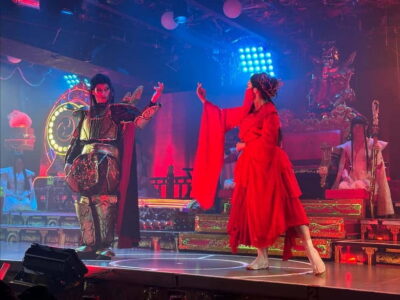 ★ 4.5Tokyo: Samurai Restaurant Show Ticket with 2 DrinksFrom $551h 30m
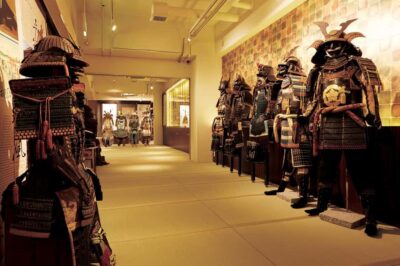 ★ 4.6Tokyo: Samurai Ninja Museum Guided tour and ExperienceFrom $27
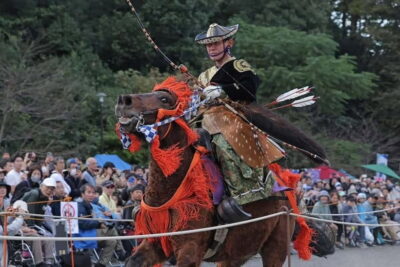 ★ 5.0Tokyo: Samurai Sword & Archery Class from Samurai DescendantFrom $1933 hours
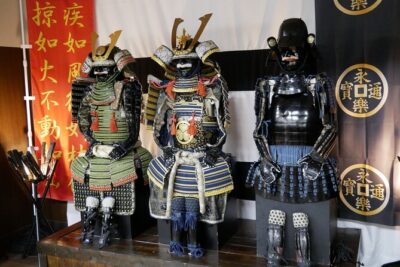 ★ 5.0Best Samurai Experience in TokyoFrom $65
 ★ 5.0Ninja Experience (Family Friendly) at Samurai Ninja Museum TOKYOFrom $47
 ★ 4.6Tokyo: Samurai Entertainment Night Show in Kanda ShrineFrom $412 - 3 hours