
Reviewed · TEMPLES & MEDITATION
Tokyo: Meiji Jingu, Yoyogi Park & Takeshita Street Tour
Tokyo can change character in a few city blocks. This tour takes you from the quiet, cedar-lined grounds of Meiji Jingu to the bold youth fashion of Takeshita Street, with Yoyogi Park and Omotesando filling in the middle. It is a smart way to see traditional Japan and modern Harajuku in one afternoon.
I like two things here: the route gives you a strong sense of contrast, and the English-speaking guide helps explain customs that can otherwise seem mysterious. Guides including Aska, Ritsuko, and Chit Ng Li have been praised for making history clear, answering questions, and adjusting the walk to the group.
The main consideration is the pace. Three hours is enough for an introduction, not a thorough Harajuku exploration. You will also walk outdoors for the entire tour, and the meeting point requires punctuality: the guide waits no more than 10 minutes.
In This Review
- Key points to know before booking
- Why this Harajuku route works so well
- Starting at JR Harajuku Station
- Entering Meiji Jingu’s forest
- A short pause in Yoyogi Park
- Reading Takeshita Street beyond the shops
- Finishing along Omotesando
- How much value do you get for $36?
- The guides make the biggest difference
- Who should book this walk?
- What to bring and how to prepare
- Should you book this Tokyo walking tour?
- FAQ
- How long is the Tokyo Harajuku walking tour?
- Where does the tour meet?
- Which language is the tour offered in?
- What sights are included?
- Is the Meiji Shrine museum entrance included?
- Are meals and drinks included?
- Does the tour include hotel pickup?
- How early should I arrive?
- Can I cancel the tour?
Key points to know before booking
- Meiji Jingu takes up the largest part of the walk: Allow about 90 minutes for the shrine area, including its forest setting and cultural explanations.
- The route changes mood quickly: Yoyogi Park offers 30 minutes of calm before Takeshita Street brings shops, food, and youth culture.
- The guide is the real value: Aska, Ritsuko, and Chit Ng Li have been singled out for clear storytelling, warmth, and flexible small-group hosting.
- The final stop is polished Omotesando: Expect modern architecture, boutiques, lifestyle shops, and cafes rather than temple sightseeing.
- The tour costs $36 per person: That is fair if you want orientation and cultural context, but less useful if you prefer to browse alone.
- Wear proper walking shoes: Bring sunscreen, sunglasses, an umbrella, and a refillable water bottle for changing weather.
Why this Harajuku route works so well
Harajuku is often reduced to colorful clothes and sweet snacks. That misses half the story. The area is also home to one of Tokyo’s best-known Shinto shrines, a large public park, and Omotesando, a polished avenue lined with high-end design.
This tour works because it puts those pieces in a sensible order. You begin at JR Harajuku Station, enter the wooded grounds of Meiji Jingu, pass through Yoyogi Park, then return to the commercial streets. The contrast is immediate and useful. You are not just ticking off sights. You are seeing how old customs, open green space, youth fashion, and luxury retail share one part of Tokyo.
I would especially recommend this route for a first visit. You get local orientation without spending a full day on a large sightseeing circuit. You also finish in an area where you can continue shopping or eating on your own.
The format is a guided walking tour in English. Private or small-group arrangements are available, so the experience may feel more personal than a large coach excursion. The strongest reports about the guides focus on their ability to answer questions and adapt the walk to the group’s interests.
A few more Tokyo tours and experiences worth a look

Starting at JR Harajuku Station
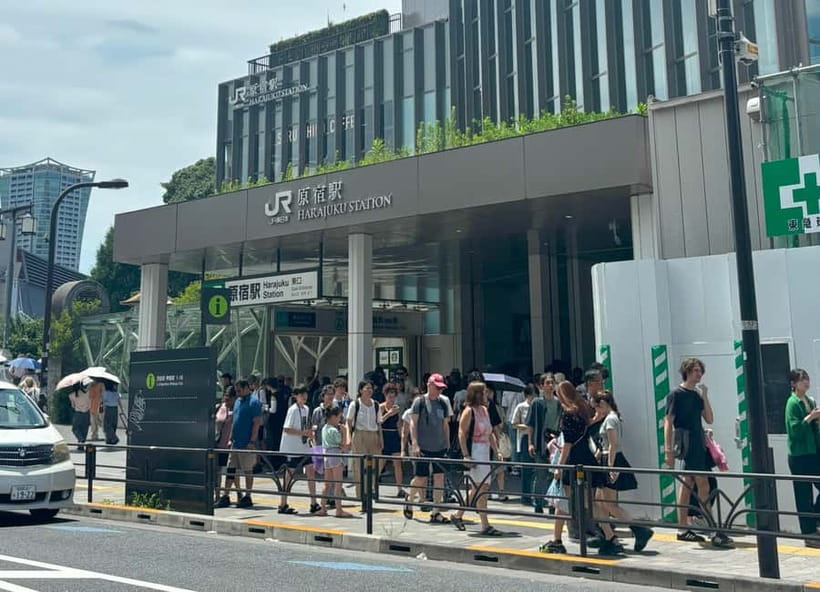
The meeting point is the West Exit of JR Harajuku Station. Look for a guide wearing a TripGuru shirt or holding a TripGuru sign.
Arrive at least 10 minutes early. This matters in Tokyo, where stations can be larger and more confusing than they first appear. The guide waits a maximum of 10 minutes, so arriving at the last moment is a needless risk.
Harajuku Station is a useful starting point because the area’s main sights are close enough to connect on foot. You will not spend the short tour losing time on trains or taxis. The tradeoff is that you need to be ready to walk as soon as the group gathers.
This is not a hotel pickup service. You make your own way to the station, and the tour ends in the Omotesando area rather than returning you to your hotel.
Entering Meiji Jingu’s forest
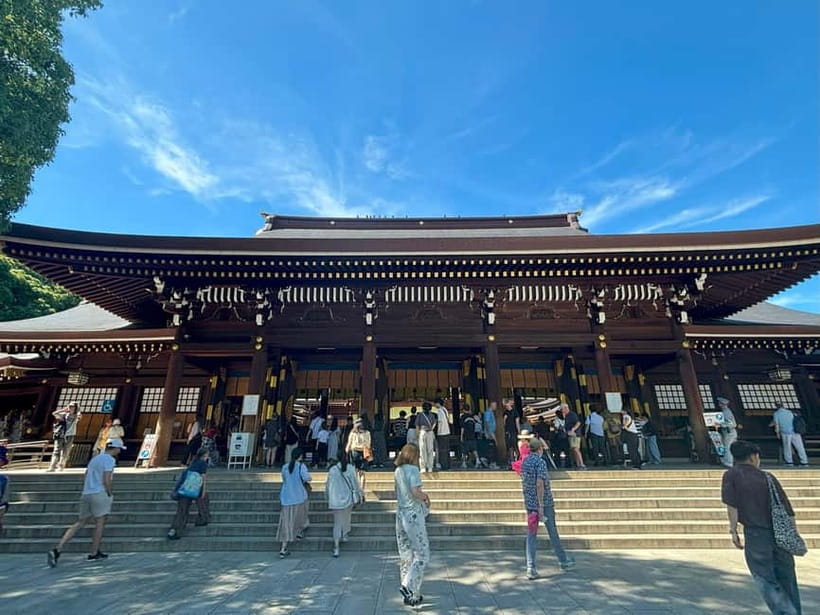
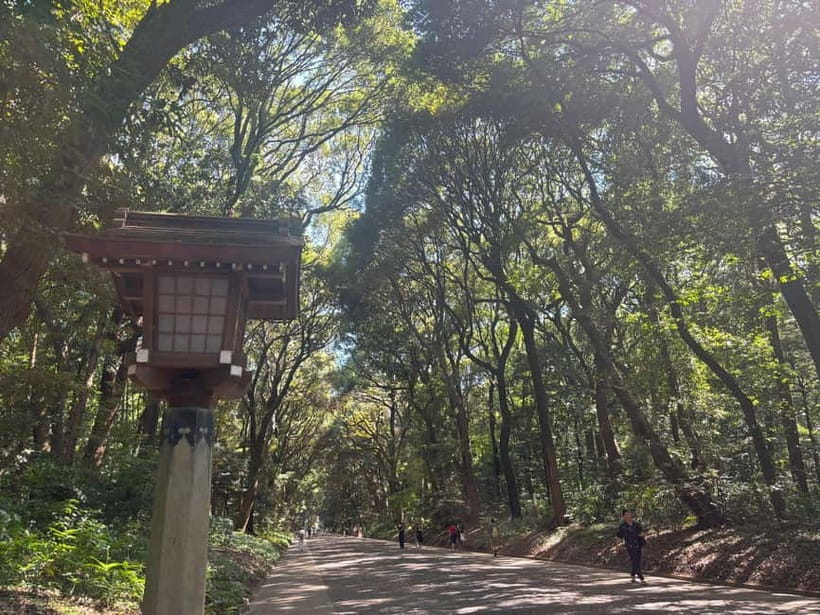
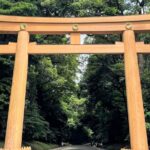
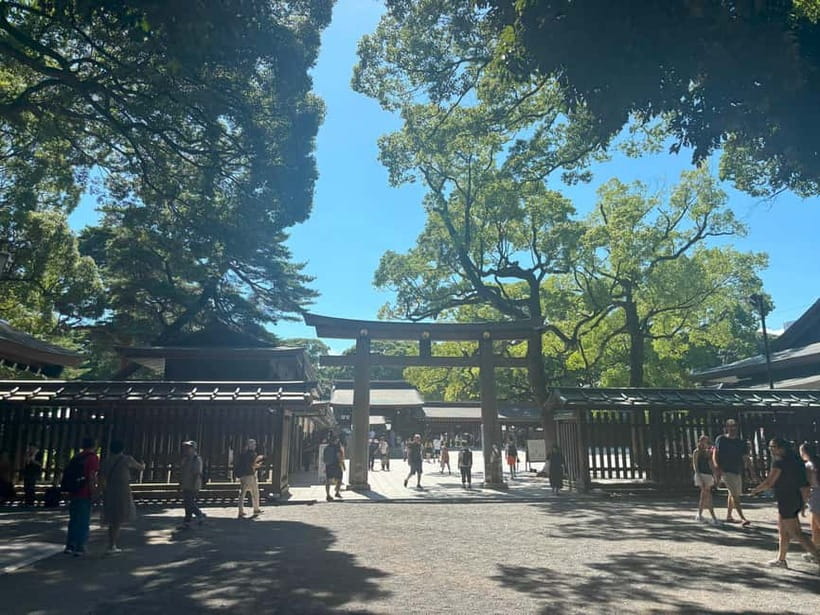
Meiji Jingu receives about 90 minutes, making it the central stop. The shrine is dedicated to Emperor Meiji and Empress Shoken, and its wooded setting gives you a striking break from the city around it.
The first thing you notice is the change in sound and pace. Harajuku may be crowded just outside, but the shrine grounds feel restrained and spacious. Tall trees line the approach, and the forest helps you focus on the rituals and structures ahead.
A guide adds real value here. Shinto customs can look simple from the outside, yet small actions carry meaning. Your guide can explain how to behave respectfully at the shrine and place the buildings within Japanese cultural life. The information supplied for this tour specifically emphasizes the shrine’s cultural importance, not just its appearance.
Expect sightseeing and explanation rather than a formal religious service. You will have time to look around, ask questions, and take in the setting. The route is still a public walking tour, so you should not expect unlimited time at every building.
One optional cost deserves attention. The Meiji Shrine museum is not included, and entry costs 1,000 yen per person. The main shrine visit is part of the walking tour, but the museum is an extra choice. If your main interest is architecture and ritual, you may be satisfied without paying more. If you want an indoor cultural stop, budget for the additional fee.
The shrine section can be especially rewarding if you are new to Japan. Rather than rushing past a sacred site for photographs, you have someone explaining what you are seeing. Guides such as Ritsuko have been praised for making Japanese culture easy to understand and for describing the traditions with care.
A short pause in Yoyogi Park
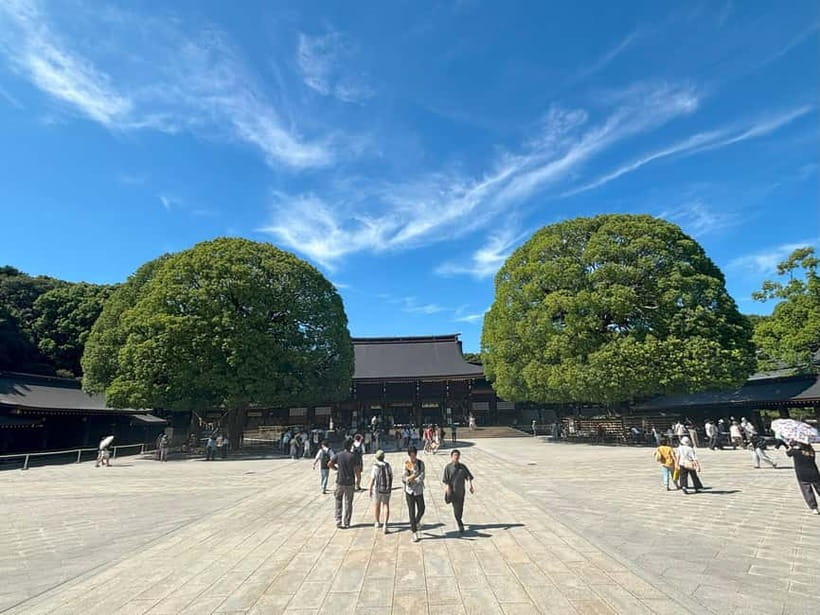
The tour then spends about 30 minutes in Yoyogi Park. This is a brief visit, but it gives the route breathing room.
Yoyogi Park is a local green escape in central Tokyo. It is less formal than the shrine grounds, with a more relaxed public-park feel. Seasonal scenery can change its mood, so the experience will depend partly on the time of year and weather.
Do not think of this as a long park walk. Thirty minutes is enough for a stroll and a few photographs, but not enough to cover a large section of the park. The short timing makes sense in a three-hour tour because Takeshita Street and Omotesando still need room.
I like this stop because it keeps the afternoon from becoming a chain of commercial streets. After the quiet shrine, the park continues the green theme, but in a more everyday setting. You get a glimpse of how Tokyo residents use open space before returning to Harajuku’s shopping streets.
The outdoor format also means you should dress for conditions. Comfortable shoes are essential, and sunscreen, sunglasses, an umbrella, and a reusable water bottle are sensible additions. The tour information advises against participation for people with mobility impairments, respiratory issues, high blood pressure, or pregnancy, so consider the walking and outdoor nature carefully before booking.
Reading Takeshita Street beyond the shops
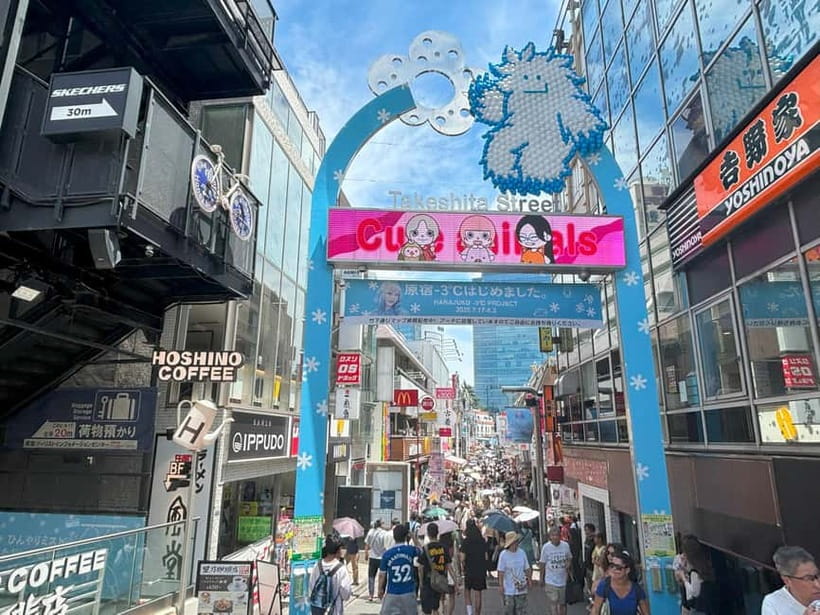
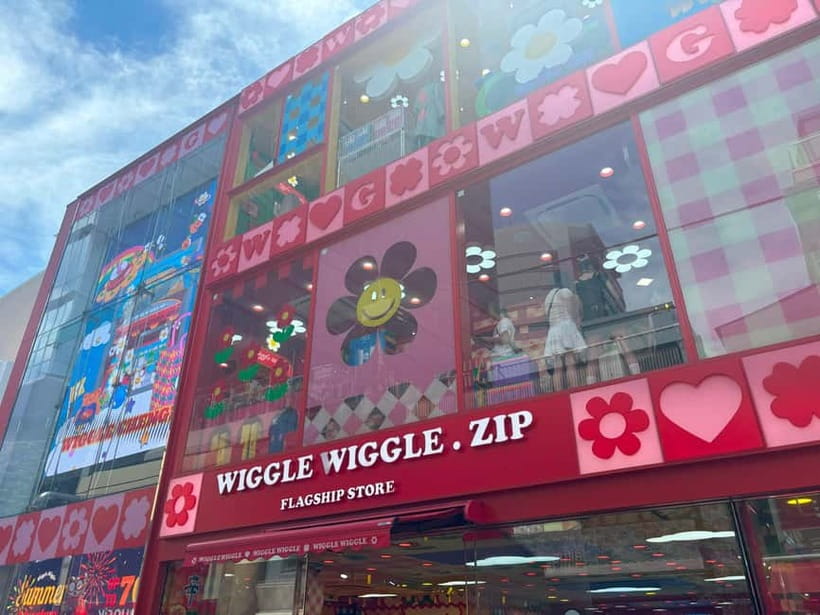
Takeshita Street receives about an hour. This is the part of the tour most associated with Harajuku’s youth culture, unusual fashion, street food, and small shops.
The street can feel loud and tightly packed, especially compared with the shrine and park. That contrast is part of the appeal, but it can also be tiring. You will likely have limited room to stop as a group, and browsing time may be shorter than you would have on an independent shopping trip.
The guide helps you make sense of what you are seeing. Instead of treating Takeshita Street as a row of random shops, you can ask about the styles, products, and pop-culture trends that shape the district. The tour also includes shopping and sightseeing, so you can stop for personal purchases if the group’s pace allows.
Specific food or shop visits are not promised, so do not book this expecting a tasting tour. Meals and drinks are not included. Bring your own spending money for snacks, clothing, souvenirs, or small finds.
The best use of this hour is to let the guide introduce the street, then note places you want to revisit after the tour. That approach gives you both context and freedom. You avoid spending the whole afternoon trying to understand the area on your own, while still leaving room for independent browsing later.
Families may find this section particularly entertaining, since the visual change from Meiji Jingu is so sharp. The guide Aska has been praised for connecting well with family groups, answering questions with both detail and humor, and pointing out streets and shops that are easy to miss without local help.

Finishing along Omotesando
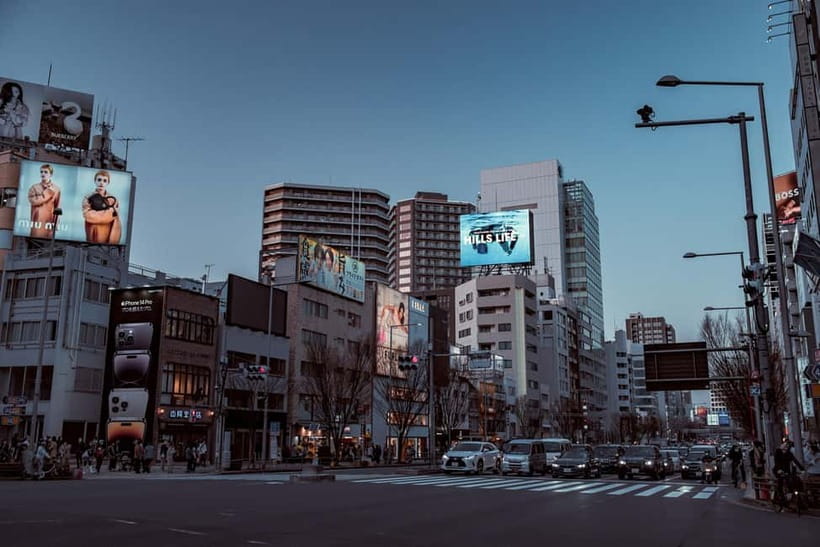
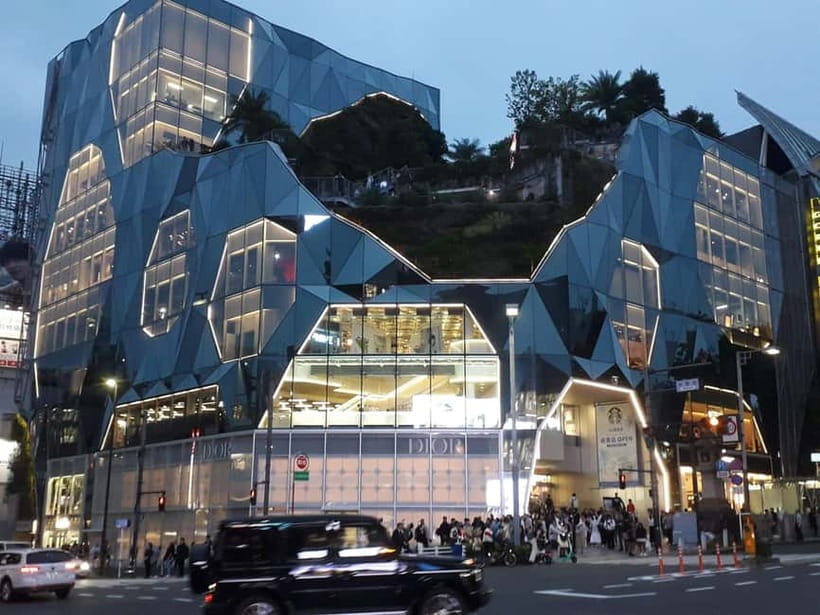
The final part of the route lasts about 30 minutes and takes you into Omotesando. This is Tokyo’s stylish shopping and lifestyle district, known for modern architecture, boutique stores, upscale cafes, and carefully designed storefronts.
Omotesando offers a different kind of fashion experience from Takeshita Street. Takeshita is youthful, playful, and packed with small-scale retail. Omotesando feels more polished and spacious, with major brands and design-led buildings.
Thirty minutes is enough for an introduction, but not for serious shopping. Think of this as a guided orientation to the avenue. Your guide can point out the character of the district, after which you can decide if you want to stay and explore independently.
The ending works well because it leaves you in an area with plenty of options. You can continue shopping, find a cafe, or walk back toward Harajuku. Since the tour does not include meals, this is also a practical place to make your own plans after the group separates.
The route’s final stop is not named in the timing details, but the main description identifies Omotesando as the stylish closing district. Confirm the exact end point with the operator if you need to meet a driver or make a timed reservation afterward.
How much value do you get for $36?
At $36 per person, the price is reasonable for a three-hour English-language walking tour, especially if you are visiting Tokyo for the first time. The fee covers the guide and the full walking route, while personal expenses, meals, drinks, and the optional 1,000-yen Meiji Shrine museum entry remain separate.
You are paying mainly for interpretation and convenience. The shrine, park, shopping streets, and avenue are all places you can visit without a ticket. The guide is what turns the route into a connected story and helps you understand proper shrine conduct, local culture, and the difference between Harajuku’s districts.
The value improves in a private or small group, where you can ask more questions and potentially adjust the emphasis. The available information does not guarantee a specific group size, so check that detail when booking if it affects your decision.
The price is less compelling if you already know Harajuku well or mainly want uninterrupted shopping time. Independent visitors can cover the same broad area without paying a guide. You should book this for context, structure, and local conversation, not simply for transport or admission tickets.
Flexible booking also helps. You can cancel up to 24 hours in advance for a full refund, and the reserve-now, pay-later option lets you hold a place without paying immediately. Check the available start times, since the tour lasts three hours and the meeting time can affect the rest of your day.
The guides make the biggest difference
The clearest strength of this experience is the guide service. Aska has been praised for good humor, strong interest in Japanese history, and the ability to keep a family group engaged. Ritsuko has been described as warm and clear when explaining culture, museum material, shrine traditions, and the shift to modern shopping streets.
Chit Ng Li has also been praised for professionalism and strong subject knowledge. Another account describes the guide as allowing the group freedom to choose what to visit, which matters on a route that includes shopping.
These details suggest a tour style built around conversation rather than a rigid script. Still, guide quality can vary from one departure to another. The named guides are examples of the standard you might receive, not a guarantee that one of them will lead your tour.
I would ask questions freely, especially at Meiji Jingu. That is where a good guide can add the most. At Takeshita Street and Omotesando, you may prefer to spend less time listening and more time looking, so a flexible guide is useful.
Who should book this walk?
This tour suits first-time Tokyo visitors, families, couples, and solo visitors who want a manageable introduction to Harajuku. It is also a good choice if you want cultural explanation without committing to a full-day tour.
You will get the most from it if you enjoy walking, outdoor sightseeing, and a mix of formal landmarks and shopping streets. It also works well for anyone who wants to see a quieter side of Tokyo before encountering its fashion districts.
I would be more cautious if you have limited mobility, respiratory problems, high blood pressure, or are pregnant, since the activity is specifically not suitable for those conditions. Anyone who dislikes walking in changing weather should also think twice.
The tour is not designed for deep shopping, a food crawl, or museum fans who want long indoor visits. The Meiji Shrine museum costs extra and receives only the time the group can spare. You can always return to Takeshita Street or Omotesando after the tour for a slower look.
What to bring and how to prepare
Wear shoes you can walk in comfortably for three hours. The route includes shrine grounds, park paths, and commercial streets, so practical footwear matters more than dressing up.
Bring sunglasses, sunscreen, an umbrella, and a reusable water bottle. These items are listed as recommended, and they make sense for an outdoor route with no included meals or drinks.
Keep your meeting instructions handy. You need to find the JR Harajuku Station West Exit and identify the guide by a TripGuru shirt or sign. Arrive 10 minutes early, since the guide will move on after a maximum wait of 10 minutes.
Plan your shopping budget separately. Nothing indicates that food, beverages, or personal purchases are covered. Add 1,000 yen per person if you want to enter the Meiji Shrine museum.
Should you book this Tokyo walking tour?
Book it if you want one compact afternoon that explains both Meiji Jingu and Harajuku’s modern streets. The route is well balanced, the $36 price is fair for a guided small-group experience, and the strongest guide examples show real skill in making Japanese culture understandable.
Skip it if you want a slow, independent shopping day or have difficulty with three hours of outdoor walking. For everyone else, this is a practical first look at Harajuku, with enough structure to orient you and enough free time afterward to keep exploring on your own.
FAQ
How long is the Tokyo Harajuku walking tour?
The tour lasts three hours.
Where does the tour meet?
Meet at the West Exit of JR Harajuku Station. Look for a guide wearing a TripGuru shirt or holding a TripGuru sign.
Which language is the tour offered in?
The live tour guide speaks English.
What sights are included?
The route includes Meiji Jingu, Yoyogi Park, Takeshita Street, and Omotesando.
Is the Meiji Shrine museum entrance included?
No. The museum entrance costs 1,000 yen per person and is not included in the tour price.
Are meals and drinks included?
No. Meals and beverages are not included, and personal expenses are paid separately.
Does the tour include hotel pickup?
No. Hotel pickup is not included. You need to reach JR Harajuku Station independently.
How early should I arrive?
Arrive at least 10 minutes before the stated meeting time. The guide waits a maximum of 10 minutes before starting the tour.
Can I cancel the tour?
Yes. You can cancel up to 24 hours in advance for a full refund. A reserve-now, pay-later option is also available.
More Temples & Meditation in Tokyo
More tours in Tokyo we've reviewed






Temples & Meditation, compared.
 ★ 4.7Tokyo: Meiji Shrine, Asakusa, Skytree Bus Tour and CruiseFrom $12210 hours
 ★ 4.8Tokyo: Asakusa Walking Tour with Sensoji Temple VisitFrom $222 hours
 ★ 4.6Nikko: Kegon Falls, Lake Chuzenji & Toshogu TempleFrom $8911 hours
 ★ 4.5Tokyo: Kamakura & Enoshima Day Trip including Temple TicketsFrom $589 hours - 570 minutes
 ★ 4.5Tokyo: Nikko Toshogu Shrine and Kegon Waterfall TourFrom $8410h 30m
 ★ 4.5Tokyo Panoramic 1 Day: Meiji Shrine, Asakusa, Odaiba and SKYTREE®From $85