
Reviewed · TOKYO
Shibamata: Step Back into Old Japan!
Shibamata gives you a side of Tokyo that feels far removed from the city’s tall buildings and packed shopping streets. The tour follows old lanes lined with snack shops, leads into the finely carved Taishakuten Temple, and ends with tea beside a traditional Japanese garden. I like the calm pace and the chance to try small local foods rather than simply look at them. I also like that guides such as Megumi and Machiko bring warmth and useful local context to the walk.
The main consideration is time. The advertised duration is three hours, though one participant expected two hours and found the tour closer to three. That is hardly a serious problem if you want a relaxed visit, but you should leave room in your schedule. Some shops may also take cash only, and souvenirs cost extra.
In This Review
- Key points to know before booking
- Why Shibamata feels different from central Tokyo
- Tasting your way along Taishakuten Sandō
- Taishakuten Temple and its carved stories
- The Tora-san Museum for a piece of modern Japan
- Yamamoto-tei and tea beside the garden
- Is $90 a fair price for three hours?
- Timing, meeting point, and practical details
- Who will enjoy this Shibamata walk?
- Final verdict: book it for a slower, more local Tokyo
- FAQ
- Where does the Shibamata tour meet?
- How long does the tour last?
- What language is the tour conducted in?
- How many people can join the group?
- What food can I try during the tour?
- Is entry to Taishakuten Temple included?
- Is the Tora-san Museum included?
- Is tea included?
- Are souvenirs included in the price?
- Can I cancel the booking?
Key points to know before booking
- A quiet Tokyo setting: Shibamata offers a slower, more traditional neighborhood experience away from the city center.
- Several local tastings: Expect grass dumplings, mitarashi dumplings, rice crackers, and savory Japanese-style omelets along the approach to the temple.
- Detailed temple art: Taishakuten is known for elaborate wood carvings, painted decoration, and traditional craftsmanship.
- A small-group format: With no more than five participants, the guide can answer questions and keep the walk personal.
- Tea in a historic setting: Yamamoto-tei provides a peaceful pause, garden views, and refreshments after the sightseeing.
- A useful culture stop: The Tora-san Museum and Memorial Hall explain a beloved piece of Japanese popular culture, even if you do not already know the character.
Why Shibamata feels different from central Tokyo
Shibamata is in Tokyo, but it does not feel like the Tokyo of major crossings, department stores, and neon signs. The starting point is easy to identify: meet in front of the Tora-san statue and Sakura statue outside Keisei Shibamata Station. From there, the tour moves on foot through a district associated with older Japanese customs and the famous Tora-san film series.
I like this kind of outing because it gives you a change of rhythm. You are not racing between major sights. Instead, you follow a short route, pause for food, study temple details, and finish with tea. The experience works best if you enjoy neighborhoods and small cultural clues as much as headline attractions.
The small group matters here. A maximum of five participants makes it easier to hear the English-speaking guide and ask questions without holding up a large crowd. Guides named Megumi and Machiko have led this experience, and both have been described as kind, attentive, and good at explaining the area. The guide’s personality is an important part of the value, since much of Shibamata’s appeal comes from details you could easily pass without noticing.
If you're still narrowing it down, here are other tours in Tokyo we've reviewed.


Tasting your way along Taishakuten Sandō
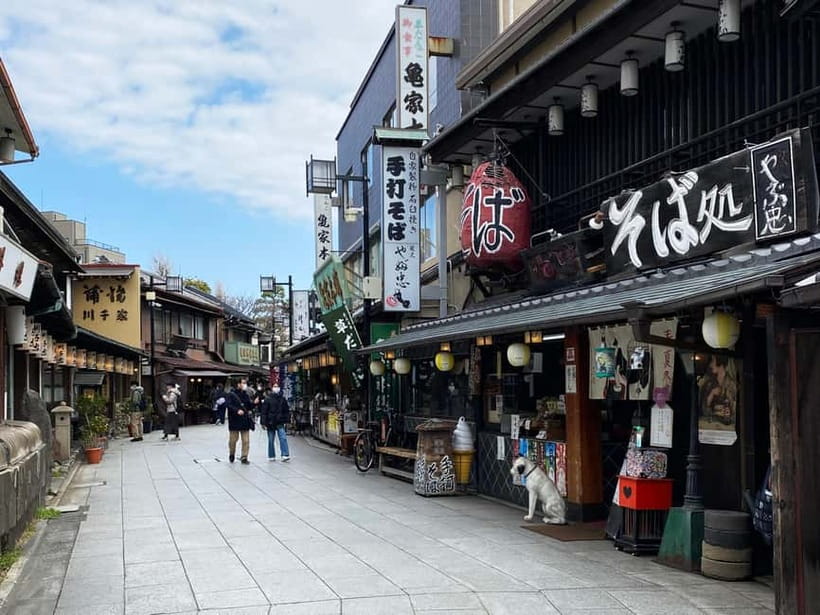
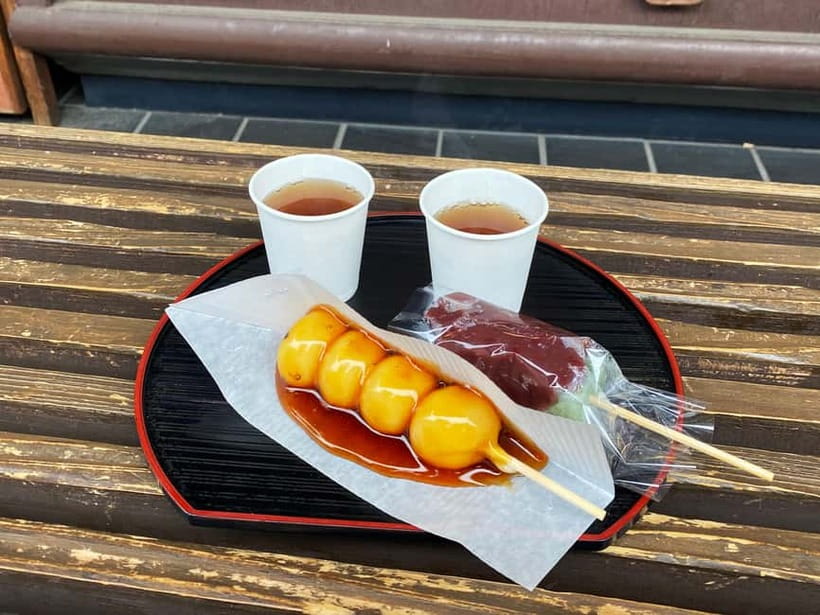
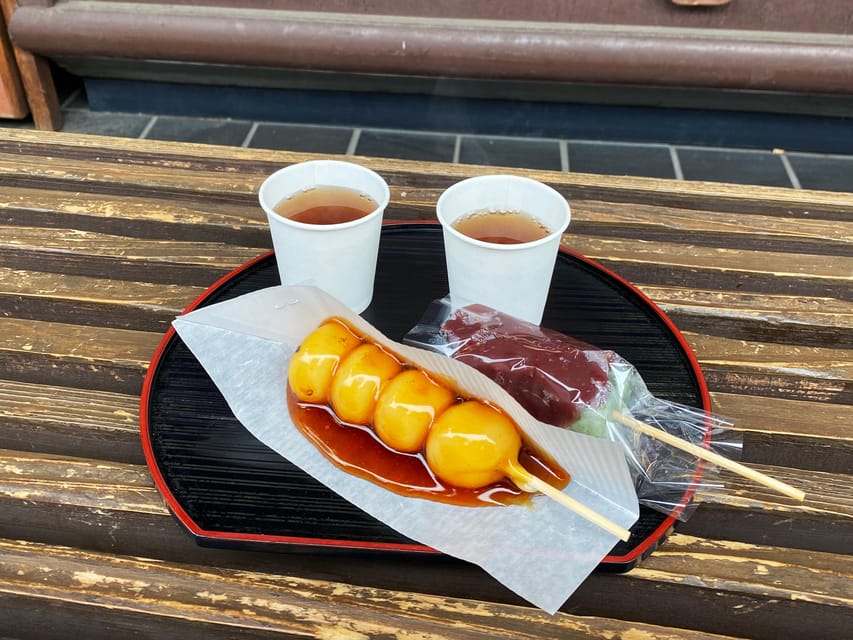
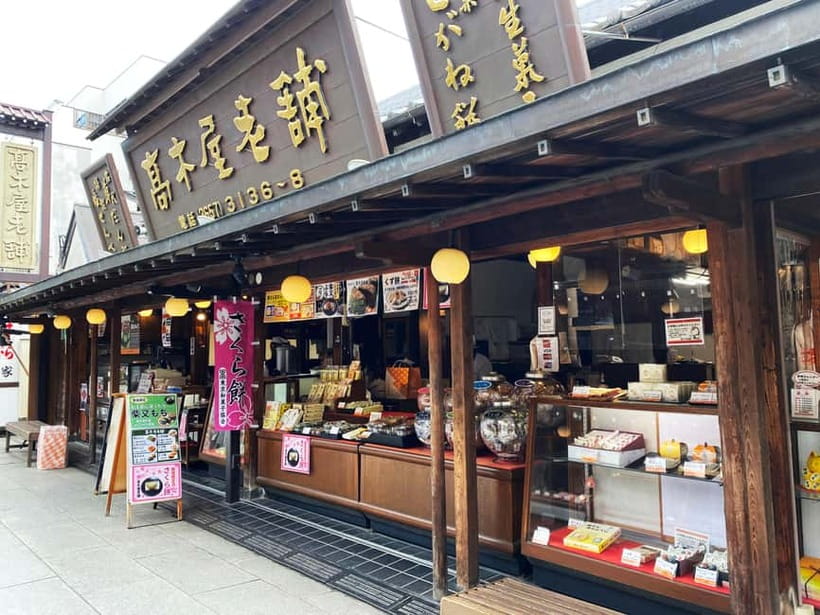
The first main stop is Taishakuten Sandō, the traditional approach to the temple. This is where the tour begins to work through food. You may try grass dumplings, mitarashi dumplings, rice crackers, and savory Japanese-style omelets as you walk and listen.
These tastings are not presented as a large meal. Think of them as small samples that help you understand the local shopping street. Grass dumplings, often colored and flavored with mugwort, are one of the area’s familiar treats. Mitarashi dumplings bring a sweet soy glaze, while rice crackers offer a crisp, savory contrast.
I like the way this part connects food with place. You are not stopping at an anonymous restaurant selected only for convenience. You are seeing the shops and street life that make the approach to Taishakuten special. The 30-minute allocation also keeps the food portion focused rather than letting it take over the tour.
Bring some yen. The tour includes the described tastings, but you may want to buy an extra snack, and some shops may not accept cards. Souvenirs are not included in the price, so cash is useful for those too.
Taishakuten Temple and its carved stories
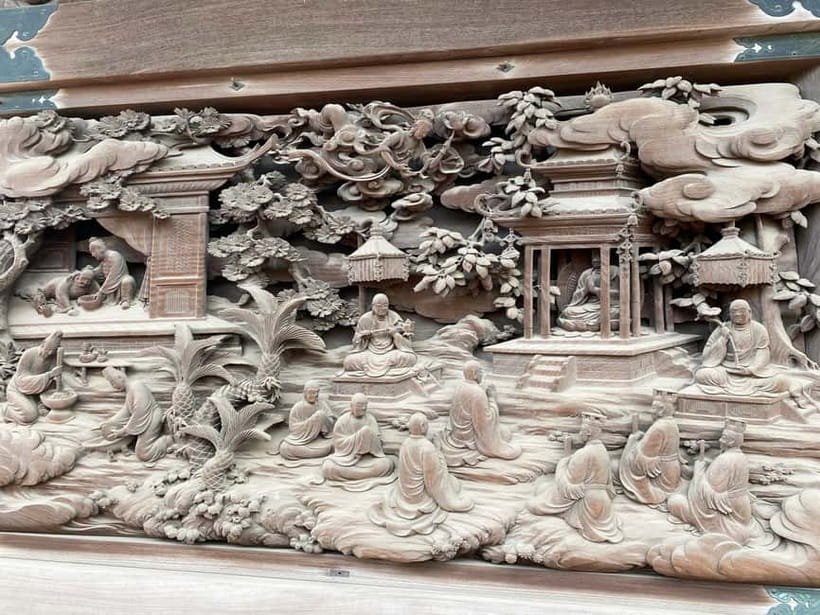
Taishakuten Temple is the visual high point of the walk. The temple is known for intricate wood carvings, detailed decoration, strong colors, and careful traditional workmanship. The tour allows about 40 minutes for a guided visit and sightseeing.
You should pay close attention to the wooden surfaces. The appeal is not simply the overall temple shape. The carvings and decorative details reward a slower look, especially when your guide points out features that a quick independent visit might miss. The entrance also includes the Sculpture Gallery and Garden at Taishakuten, adding another layer to the visit.
The temple stop gives the tour its strongest sense of craft. I like that it is paired with the food street rather than treated as an isolated monument. You first see the everyday commercial side of the neighborhood, then enter a place built around worship, art, and skilled handwork.
The 40 minutes should be enough for a guided introduction, but it is not a long temple study session. If you are deeply interested in Buddhist art or want extensive time for photographs, you may wish you had longer. For most people, the tour provides a good first look without making the afternoon feel heavy with formal history.
The Tora-san Museum for a piece of modern Japan
The next stop is the Tora-san Museum, also referred to as the Tora-san Memorial Hall. The visit lasts about 20 minutes and includes a guided introduction and time for photographs.
Tora-san is a fictional character from a much-loved Japanese film series, and Shibamata is closely linked with him. The museum helps explain the district’s place in Japanese popular culture and shows a more recent side of local life. You do not need to arrive as a fan to get something from the stop. The museum is brief, and the guide can give you enough context to understand why the character matters.
One useful point is that the museum adds human scale to the temple visit. Taishakuten shows older religious and artistic traditions. Tora-san connects Shibamata with family entertainment, local identity, and the way a neighborhood can become part of a national story.
Still, this is the most specialized stop. If you have never heard of Tora-san, the references may not carry the same emotional weight as they would for a Japanese fan. The short guided visit helps, but you should see it as cultural context rather than the main reason to book the tour.
Yamamoto-tei and tea beside the garden
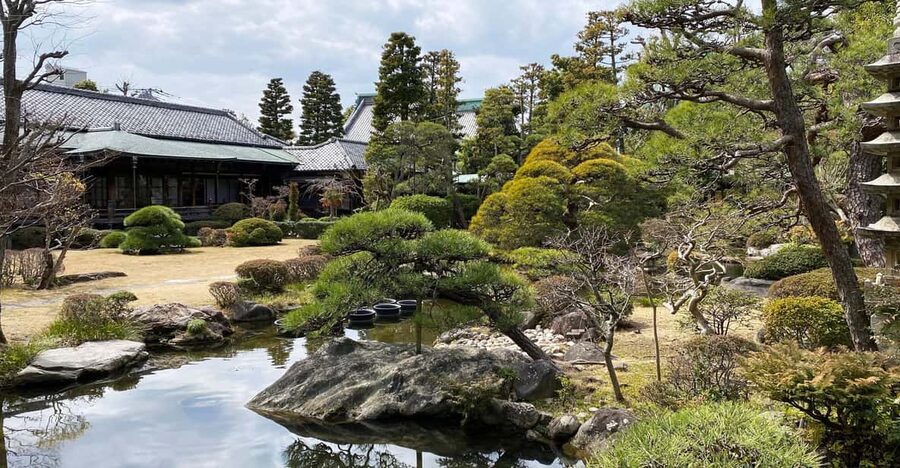
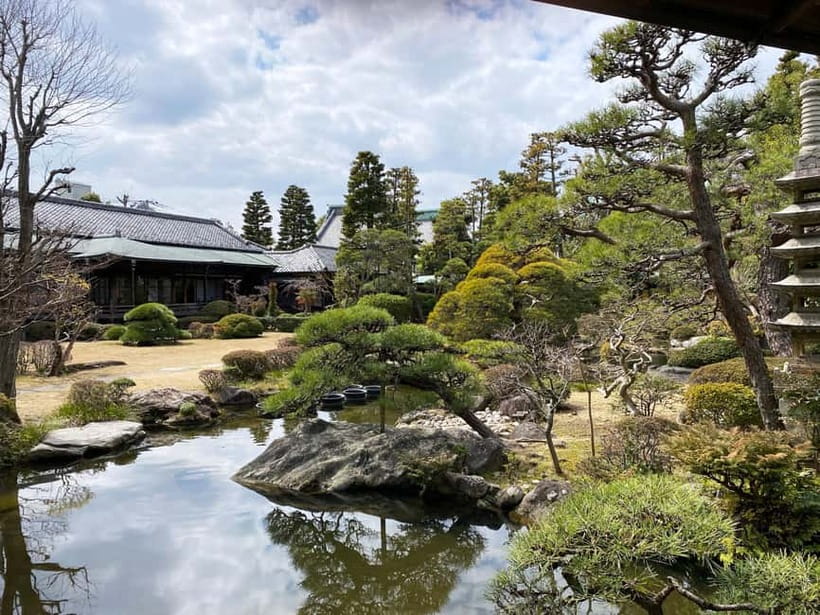
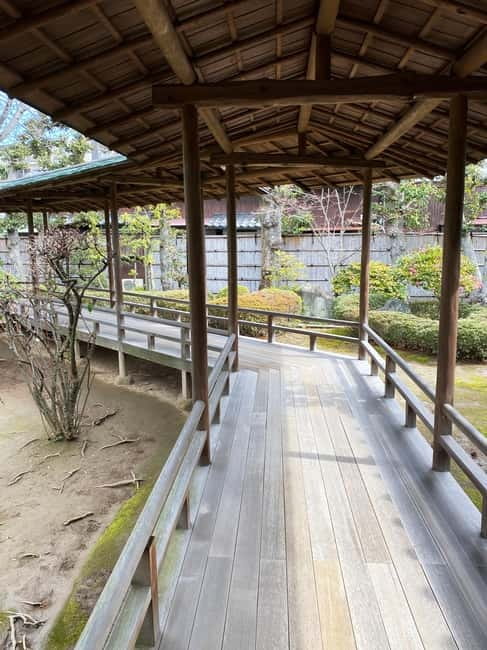
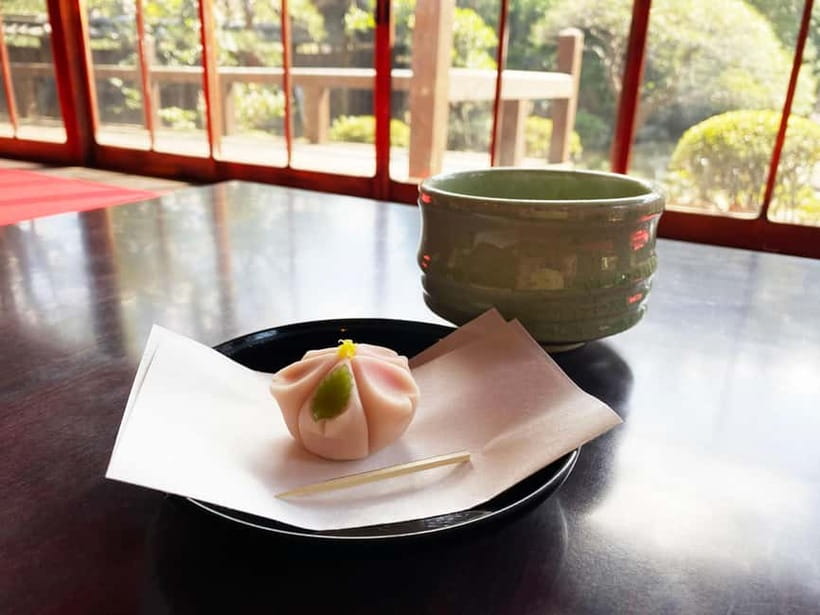
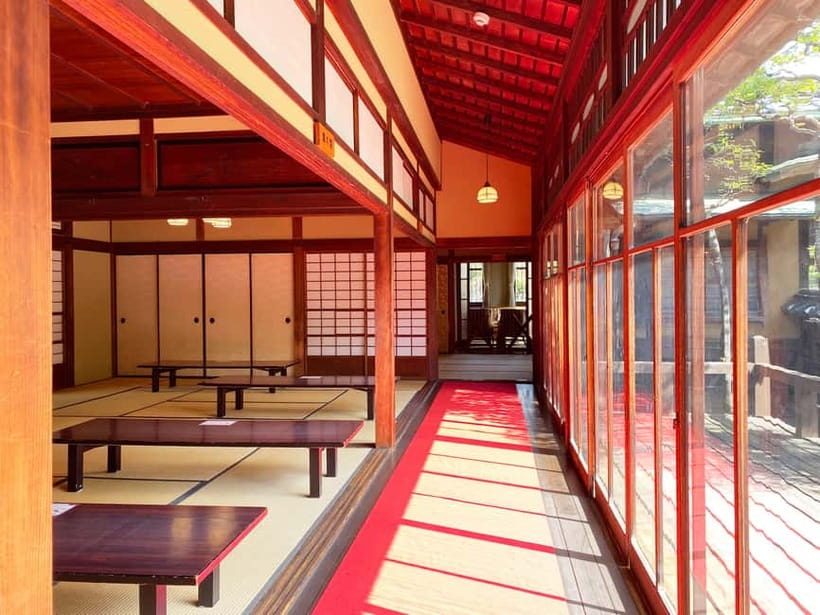
After the temple and museum, the tour reaches Yamamoto-tei for a 30-minute break. Entry is included, as are refreshments and traditional green tea. You also have time for photographs, guided commentary, and views of the Japanese garden.
This is the point where the pace settles fully. The garden offers a quiet place to sit and look, while the tea gives you a simple way to experience Japanese hospitality without committing to a formal tea ceremony. If your Tokyo schedule has been packed with stations, shopping streets, and major sights, this pause can feel especially welcome.
I like that Yamamoto-tei is not treated as a rushed photo stop. The itinerary gives you time to take in the garden and have tea, though 30 minutes still keeps the experience moving. You get a taste of the setting rather than an entire afternoon there.
The garden visit also balances the carved temple. At Taishakuten, your attention goes to wood, paint, and religious buildings. At Yamamoto-tei, it shifts to the relationship between a house, a garden, and a quiet sitting space. Together, the two stops make the tour feel more varied than a simple neighborhood walk.






Is $90 a fair price for three hours?
At $90 per person, this is not the cheapest way to see Shibamata. You are paying for more than a route map, though. The price includes the English-speaking guide, entry to the Tora-san Memorial Hall, the Taishakuten Sculpture Gallery and Garden, access to Yamamoto-tei, and refreshments there.
The maximum group size of five improves the value. In a large group, a temple explanation can become hard to hear and food stops can feel awkward. Here, you have a better chance to ask about the temple carvings, local snacks, or Tora-san without waiting through a long line of questions.
The value is strongest for first-time visitors who want the area explained in English. You could walk the streets independently, but you would need to arrange your own temple and museum visits and work out what the food shops are selling. The guide also gives the neighborhood a clear shape, so you are less likely to wander past its best parts.
The price is less compelling if you are already familiar with Shibamata, speak Japanese, or prefer a very long independent visit. Souvenirs are extra, and any additional purchases at shops are your responsibility. The tour is best seen as a compact cultural introduction, not a full-day exploration.
Timing, meeting point, and practical details
The tour lasts three hours and returns to the Tora-san statue and Sakura statue outside Keisei Shibamata Station. Starting times vary, so check availability when you book. The walking route includes food stops, temple sightseeing, a museum visit, and a garden break.
Wear shoes you can walk in comfortably. The experience is not described as strenuous, but it is a walking tour with several stops. You should also arrive ready for a mixture of outdoor streets and indoor cultural sites.
The English-speaking guide leads the entire experience. Since the group is limited to five, this suits people who prefer conversation and questions over a large scripted tour. It also works well for solo visitors, couples, or small families who want a more personal introduction to a less familiar Tokyo district.
You can cancel up to 24 hours before the activity for a full refund, and the reserve-now, pay-later option keeps your plans flexible. Anyone feeling unwell on the day should not join. That is both a stated condition and simple good manners in a small group.
Who will enjoy this Shibamata walk?
I would recommend this tour to you if you want Tokyo beyond the standard central-city circuit. It suits anyone interested in local food, Buddhist architecture, traditional gardens, and the quieter side of Japanese urban life.
It is also a good choice if you appreciate a guide who can connect small details. The grass dumplings and rice crackers make more sense when you know why they are sold along the temple approach. The Tora-san Museum becomes more interesting when the guide explains its link to the district. The garden feels more rewarding when you understand that the visit is meant as a pause, not just another photograph.
Families may enjoy the mix of snacks, statues, museum displays, and open garden space, though the supplied information does not specify a child price or child-focused program. Film fans will get extra pleasure from the Tora-san stop, while those unfamiliar with the series can still treat it as a short look at Japanese popular culture.
I would hesitate only if you want a packed sightseeing schedule or a major landmark every few minutes. Shibamata’s appeal depends on its quiet streets and modest scale. If that sounds boring, the tour may feel too gentle. If it sounds like a relief, the pace should suit you well.
Final verdict: book it for a slower, more local Tokyo
Book this tour if you want three hours of food, temple art, garden time, and neighborhood culture with a small English-speaking group. The strongest parts are the calm atmosphere, the detailed Taishakuten carvings, the included tea at Yamamoto-tei, and the personal help from guides such as Megumi or Machiko.
Skip it if you want a major Tokyo landmark tour or a long, independent visit with no fixed schedule. For everyone else, $90 is a reasonable price for a guided introduction that combines admission fees, tastings, and refreshments in a district many first-time visitors might otherwise miss.
FAQ
Where does the Shibamata tour meet?
Meet in front of the Tora-san statue and Sakura statue outside Keisei Shibamata Station.
How long does the tour last?
The scheduled duration is three hours. One participant found that the experience ran closer to three hours than the two hours they had expected, so allow a full three-hour window.
What language is the tour conducted in?
The tour is conducted in English by a live guide.
How many people can join the group?
The group is limited to five participants.
What food can I try during the tour?
The tour includes local delicacies such as grass dumplings, mitarashi dumplings, rice crackers, and savory Japanese-style omelets.
Is entry to Taishakuten Temple included?
Entry to the Taishakuten Sculpture Gallery and Garden is included. The temple visit also includes guided sightseeing.
Is the Tora-san Museum included?
Yes. The fee includes entry to the Tora-san Memorial Hall, also described as the Tora-san Museum.
Is tea included?
Yes. The tour includes refreshments at Yamamoto-tei, including traditional green tea.
Are souvenirs included in the price?
No. Souvenirs are not included, and extra purchases are your responsibility.
Can I cancel the booking?
You can cancel up to 24 hours in advance for a full refund. You can also reserve now and pay later.
More tours in Tokyo we've reviewed











Tokyo, compared.
 ★ 5.0Mt Fuji and Hakone 1-Day Bus Tour Return by Bullet TrainFrom $163
 ★ 5.01-Day Tokyo Bus TourFrom $129
 ★ 4.6Tokyo: teamLab Planets TOKYO Digital Art Museum Entry TicketFrom $251 day
 ★ 4.0Mt Fuji & Hakone Cruise, Drum Show Bullet Train 1 Day from TokyoFrom $149
 ★ 5.0Tokyo: Shinjuku Food Tour (13 Dishes at 4 Local Eateries)From $86
 ★ 4.4Tokyo Mt Fuji 5th St & Hakone Cruise Bus Tour w/Bullet TrainFrom $15410 hours