
Reviewed · SHIBUYA TOURS
Tokyo: Meiji Jingu, Harajuku, Shibuya, and Shijuku Tour
Tokyo: Meiji Jingu, Harajuku, Shibuya, and Shinjuku Tour moves from a quiet forest shrine to candy-colored youth culture, then into the electric rush of Shibuya and Shinjuku. I like the private format and the way your guide can adjust the plan as you go, especially if you are visiting Tokyo for the first time. I also like that subway rides are part of the experience, not an afterthought.
The main drawback is pace. Four hours covers a lot of ground, with walking, stations, shops, and two major districts. You will see the highlights, but you will not have time to explore every street or linger at every stop. The optional animal or snake cafe also costs extra.
In This Review
- Key points at a glance
- Why this four-hour route works
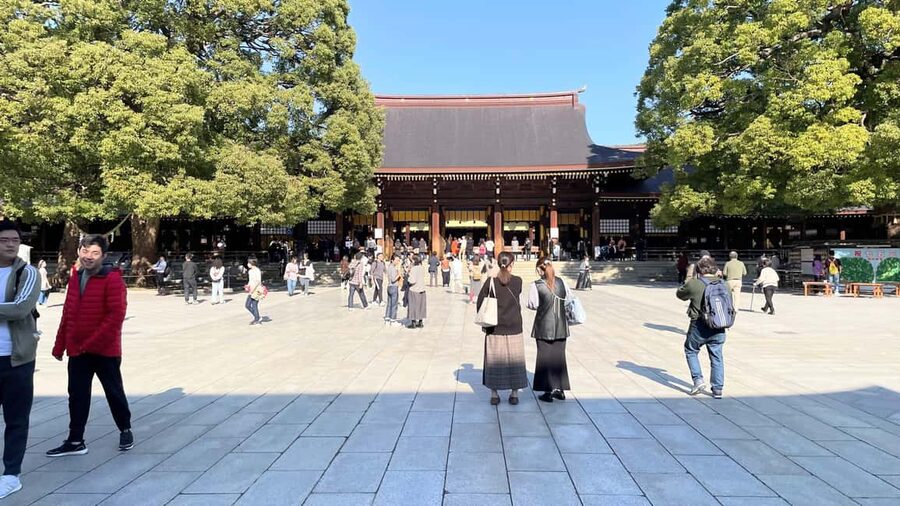
- Meiji Shrine: a calm start under the trees
- Takeshita Street: Harajuku at full volume
- Harajuku and Cat Street: two sides of one district
- Shibuya Crossing and the practical side of Tokyo
- The subway rides are part of the lesson
- Shinjuku: food lanes, neon, and a useful finish
- How flexible is the private itinerary?
- Who will get the most from this tour?
- Booking details worth knowing
- FAQ
- How long does the Tokyo tour last?
- Is this a private tour?
- Where can the tour start?
- Is Meiji Shrine admission included?
- Are subway and public transportation fees included?
- Is the animal or snake cafe included?
- What is not included in the price?
- Should you book it?
Key points at a glance
- A private West Tokyo route: You travel with an English-speaking guide rather than a large group, allowing the day to bend around your interests.
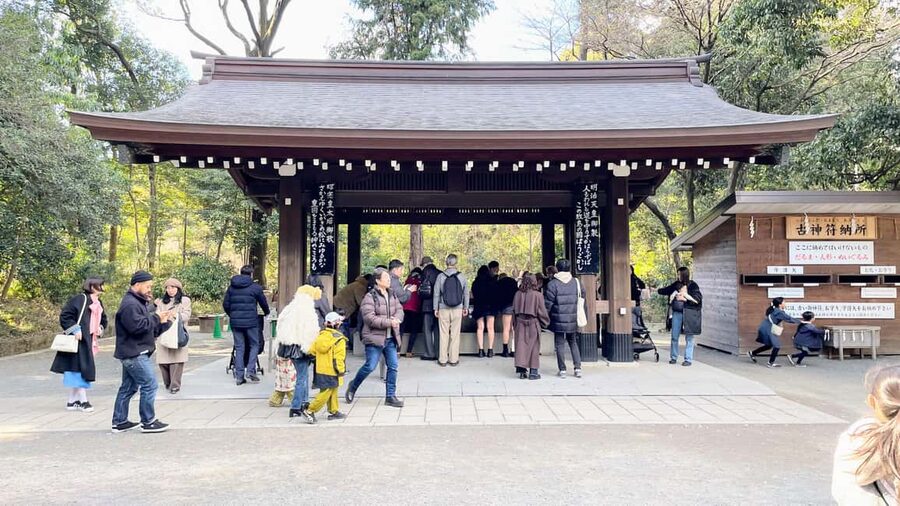
- Meiji Shrine before the city rush: Start among towering trees and learn how to use the water pavilion and ema wish plaques.
- Harajuku in two moods: Compare crowded Takeshita Street with the more relaxed shops and cafes of Cat Street.
- Tokyo’s famous crossing: Spend about an hour around Shibuya, with time for photos, shopping, and the Pokémon Center.
- A useful first look at Shinjuku: Finish with Omoide Yokocho, Golden Gai, Don Quijote, nightlife streets, and practical food tips.
- Subway travel included: Public transportation fees within Tokyo are covered, making the route easier to manage.
Why this four-hour route works
I see this tour as a get your bearings fast introduction to West Tokyo. It links places that can feel scattered when you first look at a Tokyo map, but the route has a clear rhythm: shrine, fashion district, shopping street, famous crossing, then nightlife center.
At $103 per person, the value depends on your group size and how much help you want. A private guide, shrine admission, and public transportation are included. You are also paying for local interpretation, route planning, and the ability to ask questions throughout the day. If you are comfortable navigating Tokyo trains and already understand the city, you may prefer to visit these places independently. If Tokyo feels intimidating, the cost can be reasonable for a concentrated introduction.
The strongest feature is the personal attention. Guides including Maruf, Emir, Joe, Ayoub, Erica, and Amir have been praised for explaining Japanese customs, taking photos, helping with first-day questions, and changing the route around personal interests. Your assigned guide may be different, but the private setup gives you a better chance to shape the afternoon than a fixed group excursion would.
You can start from a pickup point in Minato, Shibuya, Taito, or Shinjuku City. The exact starting time depends on availability. The tour is listed as wheelchair accessible, though you should still discuss your preferred pace and route with the guide because the day includes walking and subway transfers.
A few more Tokyo tours and experiences worth a look

Meiji Shrine: a calm start under the trees
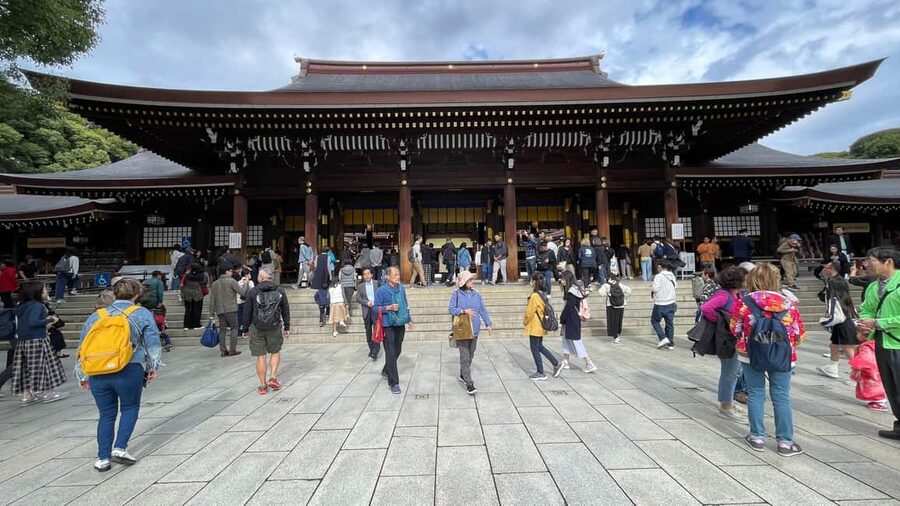
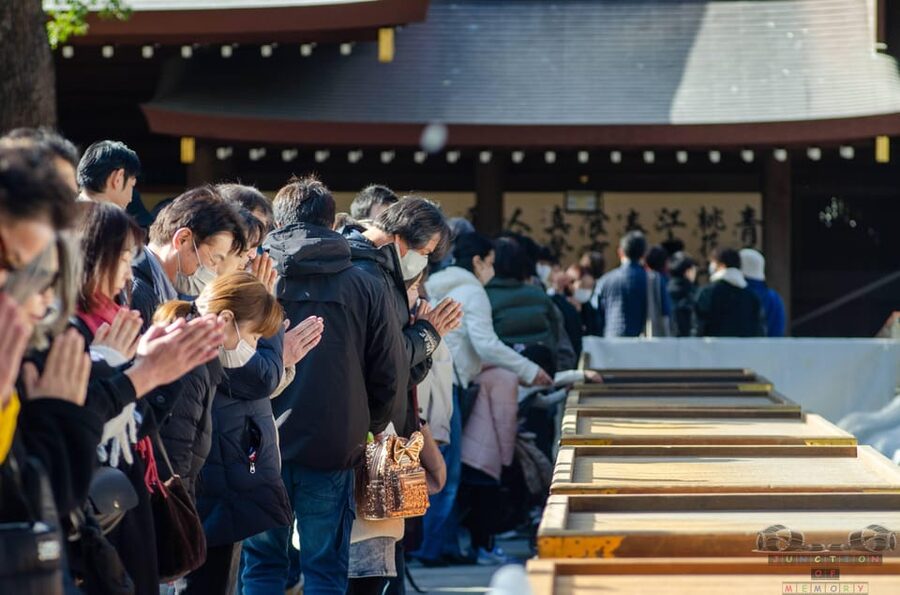
Meiji Jingu gives the tour a welcome change of speed. The shrine is dedicated to Emperor Meiji and Empress Shoken and sits in a broad forested setting in central Tokyo. You enter a quiet religious space before moving into the loudest shopping districts in the city.
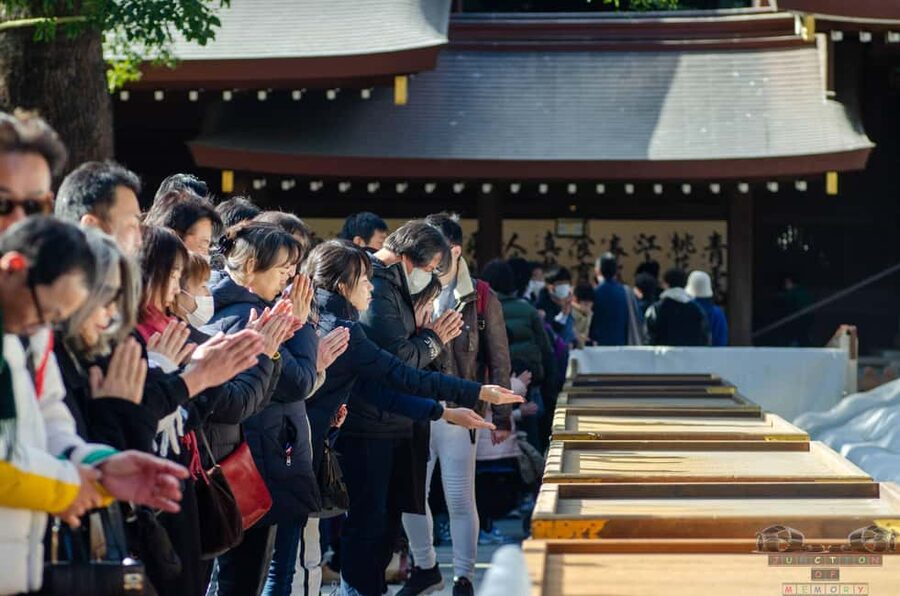
Your guide explains the role of the shrine and helps you handle the basic customs respectfully. At the temizuya, or water pavilion, you can purify your hands and mouth. You can also write a wish on an ema wooden plaque, an easy way to take part without needing to know every detail of Shinto practice.
I like starting here because it gives you cultural context before Harajuku turns the volume up. The shrine is not a museum stop packed with objects and labels. Its appeal comes from the feeling of space, the forest setting, and the chance to watch people carry out a simple ritual.
You should not expect a long formal visit. The shrine is the first guided stop, and the rest of the route is time-sensitive. Still, your guide can point out details you might miss on your own, including the meaning behind common shrine practices.
Takeshita Street: Harajuku at full volume
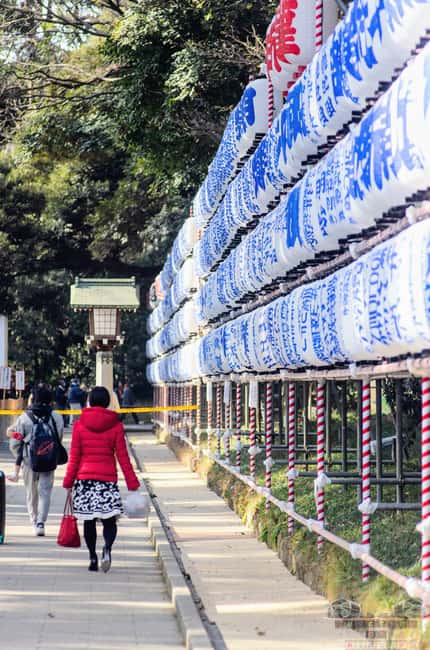
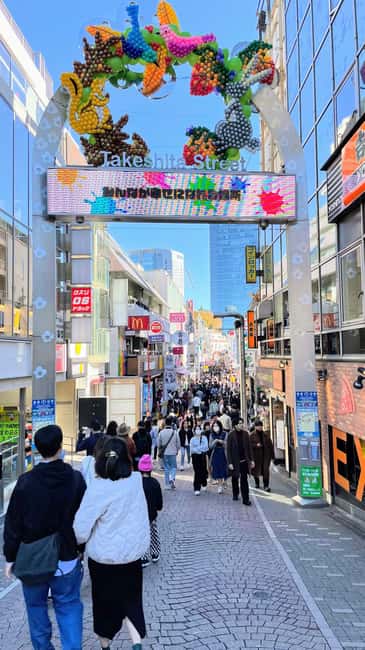
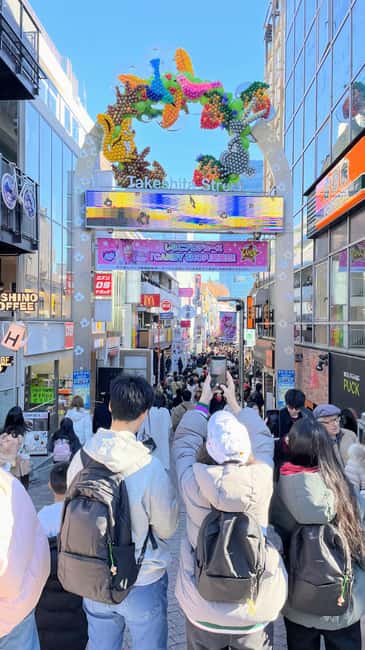
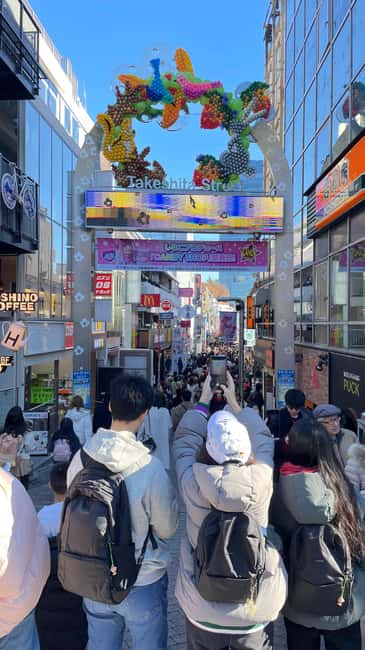
After Meiji Shrine, you walk for about 15 minutes toward Takeshita Street. The change is immediate. This is Harajuku’s famous youth shopping lane, filled with unusual clothing, small stores, snack counters, and plenty of people taking photos.
The planned stop lasts about 30 minutes, including a guided visit, sightseeing, shopping, and a photo stop. That is enough to sample the mood and try a snack, but not enough for a serious shopping session. If you want a crepe, rainbow-colored cotton candy, or another popular treat, tell your guide early so the food stop fits the clock.
Takeshita Street is fun partly because it is unapologetically commercial. You will see youth fashion, novelty goods, and colorful food rather than a quiet view of old Tokyo. I would treat it as a snapshot of modern Japanese pop culture, not as a place to search for traditional craftsmanship.
Crowds can make this section slow. Keep personal belongings close, and avoid assuming you can browse every shop. The route works best if you choose one or two things that interest you and keep moving.
Harajuku and Cat Street: two sides of one district
The broader Harajuku area gets about 15 minutes on the formal schedule, followed by a 22-minute walk toward the next part of the route. Your guide can use this time to explain how Harajuku developed as a center for youth style, cafes, boutiques, and creative street culture.
Kiddy Land is one possible point of interest, especially for families and anyone who enjoys Japanese character goods. The area also has fashionable shops, cafes, and street art. A guide is useful here because Harajuku can feel like a collection of disconnected lanes unless someone explains what you are looking at.
Cat Street offers a different mood from Takeshita Street. It connects Harajuku and Shibuya and is described as more relaxed, with a mix of high-end stores, vintage shops, and independent boutiques. The street is a good place to browse without the same tight, noisy feel as Takeshita.
The tradeoff is time. You walk from Takeshita Street through Harajuku, then use the subway for about 10 minutes to reach the Shibuya portion. If shopping is your main goal, you may need to choose between browsing and keeping the full route. The guide can help you decide based on your priorities.
Shibuya Crossing and the practical side of Tokyo
Shibuya receives about an hour, making it one of the more substantial sections of the tour. You get a guided visit, a photo stop, free time, shopping, and a chance to watch the famous crossing in action.
At the traffic signal, pedestrians move across the intersection from several directions. The appeal is not simply the number of people. It is the clean, coordinated movement and the way the crossing captures Tokyo’s blend of order and constant motion.
Your guide can help you find a useful viewing position and take photos. Several guides on this route have been especially helpful with pictures, which matters when you are traveling alone or trying to capture a whole group. You also visit the Pokémon Center in Shibuya, a clear plus for families and fans of Japanese game culture.
Don Quijote is another included shopping stop. This discount chain is packed with snacks, souvenirs, household goods, cosmetics, and novelty items. It is not a calm browsing experience, but it is practical for small gifts and an entertaining look at Japanese retail. Give yourself a firm spending limit before you enter.
An animal, cat, owl, or snake cafe can be added if you request it at the beginning. Entry fees are not included, and the extra stop may reduce time elsewhere. I would choose it only if the experience matters more to you than additional Shibuya shopping or time in Shinjuku.
A few more Tokyo tours and experiences worth a look

The subway rides are part of the lesson
The public transportation sections are short on paper, about 10 minutes to Shibuya and 15 minutes to Shinjuku, but they add useful value. Tokyo’s rail system can be confusing at first because stations are large, lines overlap, and a short ride can involve considerable walking inside the station.
Your guide handles the route and shows you how the system works in practice. One guide even returned a group to its hotel by train, turning the ride into a useful part of the introduction. That kind of help is valuable on your first full day, when you are still learning how to move around.
The tour includes public transportation fees within Tokyo, so you do not need to budget separately for the listed rides. You should still expect the usual station walking and crowds. If someone in your party has limited stamina, say so at the start and ask the guide to protect rest time.
Shinjuku: food lanes, neon, and a useful finish
After another subway ride, you finish in Shinjuku for about an hour. This district is known for shopping, entertainment, nightlife, and large-scale city energy. The tour offers a guided visit, a photo stop, free time, and sightseeing that can extend toward sunset.
Omoide Yokocho, or Memory Lane, is one of the more atmospheric stops. Its narrow restaurant lanes offer a closer look at small-scale dining than the giant department stores and chain restaurants elsewhere in the district. Food and drinks are not included, so ask your guide what fits your budget and schedule.
Golden Gai provides another distinctive Shinjuku experience, with tightly packed small bars and nightlife venues. The guide can explain the area and help you understand what kind of place it is. You should not expect the tour to include a full evening out, since the scheduled visit is only about an hour.
Godzilla Head is an easy photo target and a fun marker of Shinjuku’s entertainment side. Your guide can also point you toward places to eat, shop, and return to later. This is one reason I like ending here: you finish with practical recommendations rather than simply being dropped at a station.
Shinjuku can be overwhelming, especially after a full day of noise and walking. If you are tired, use the final hour to ask questions and get recommendations rather than trying to cover every street. If you are eager for nightlife, the district gives you a good starting point for continuing independently.
How flexible is the private itinerary?
The route has a clear structure, but it is not presented as a rigid script. You can tell your guide what you care about at the beginning and adjust along the way. That might mean more character shops for a child, more fashion browsing, extra cultural explanation, or fewer shopping stops.
This flexibility is especially useful for families. Erica, for example, was praised for adjusting the day to suit a 12-year-old, while other guides helped first-time visitors with broader questions about Japan. Maruf has been singled out for adapting the route to places a group had not yet visited, and Emir for giving detailed cultural explanations along the way.
Do not assume every optional idea will fit. Meiji Shrine, Takeshita Street, Harajuku, Shibuya, and Shinjuku already make a full four-hour program. State your top two or three priorities, then let the guide build around them.
Who will get the most from this tour?
I would recommend it most strongly to first-time visitors, families, private groups, and anyone who wants cultural explanation while seeing the major West Tokyo districts. It also suits people who want photos, shopping suggestions, and help with Tokyo’s train system.
It is less useful for independent Tokyo regulars who already know these neighborhoods. You may find the $103 price hard to justify if you only want to cross Shibuya, walk Takeshita Street, and take your own train to Shinjuku.
The four-hour length is also best treated as an orientation, not a complete tour of each district. You will see the character of several places, then return later to the ones that catch your interest.
Booking details worth knowing
The tour is private, uses an English-speaking live guide, and accepts groups rather than mixing you with strangers. Meiji Shrine admission and Tokyo public transportation fees are included. Meals, drinks, personal shopping, and optional attraction fees are not.
You can cancel up to 24 hours before the tour for a full refund. Reserve-now, pay-later terms are available, which helps if your Tokyo schedule is still shifting. Starting times depend on availability.
The activity is listed as wheelchair accessible. Because the route includes walking between districts and subway travel, I would still share mobility needs before the tour begins so the guide can make sensible choices.
FAQ
How long does the Tokyo tour last?
The tour lasts four hours.
Is this a private tour?
Yes. It is arranged as a private group with a live English-speaking guide.
Where can the tour start?
Pickup options are listed in Minato City, Shibuya City, Taito City, and Shinjuku City.
Is Meiji Shrine admission included?
Yes. Admission to Meiji Shrine is included.
Are subway and public transportation fees included?
Yes. Public transportation fees within Tokyo are included for the tour.
Is the animal or snake cafe included?
No. The animal or snake cafe is optional, must be requested at the beginning, and may involve an additional fee.
What is not included in the price?
Meals and beverages, personal purchases, souvenirs, and entry fees for optional attractions are not included unless specifically stated.
Should you book it?
Book this tour if you want a friendly guide to connect Tokyo’s cultural and modern sides in one short outing. The private format, included transport, flexible route, and help with photos and local customs make it particularly useful during your first full day.
Skip it if you prefer slow, independent exploration or want to spend several hours shopping in one neighborhood. At $103 per person, the value comes from guidance and convenience, not from the number of admission tickets. For a first look at Meiji Shrine, Harajuku, Shibuya, and Shinjuku, it is a well-planned introduction, as long as you accept that each stop is a taste rather than a full visit.
More Temples & Meditation in Tokyo
More Shibuya Tours in Tokyo

More tours in Tokyo we've reviewed






Shibuya Tours, compared.
 ★ 5.0Official Street Go-Kart in ShibuyaFrom $76
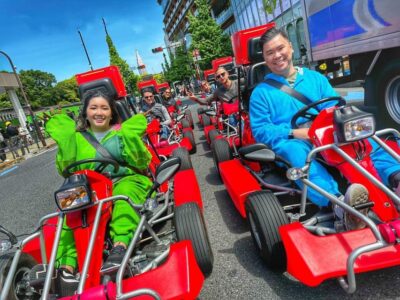 ★ 4.9Tokyo: Street Kart Experience in ShibuyaFrom $741 hour
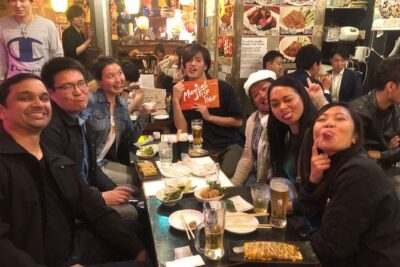 ★ 5.0Shibuya Meltdown Nightlife Tour: All-You-Can-Drink Bar HoppingFrom $106
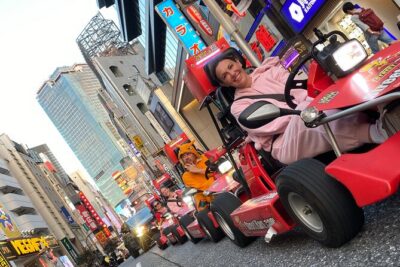 ★ 5.0Shibuya Official Street Go-Kart in Shibuya AnnexFrom $69
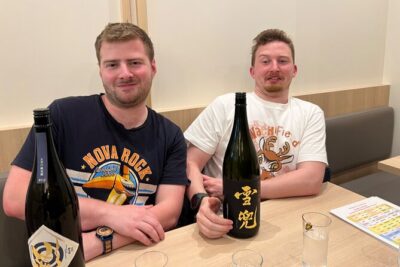 ★ 5.0Tokyo: Shibuya Food Tour (13 dishes and 4 Eateries)From $77
 ★ 5.0Best of Shibuya Food TourFrom $217