
Reviewed · GO-KARTS
Official Tokyo Shibuya : KIMONO Dressed EV-Go Kart Activity Tour
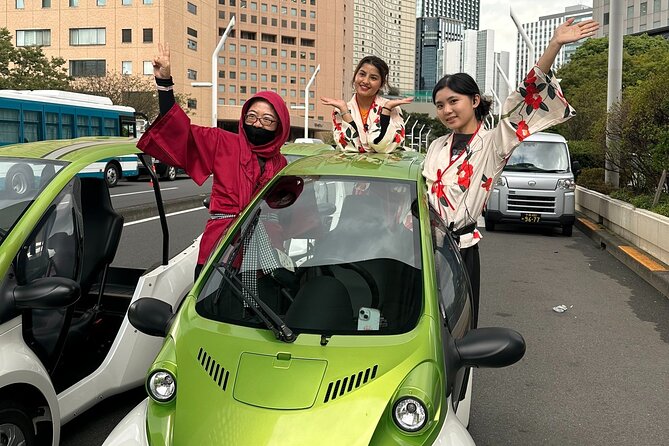
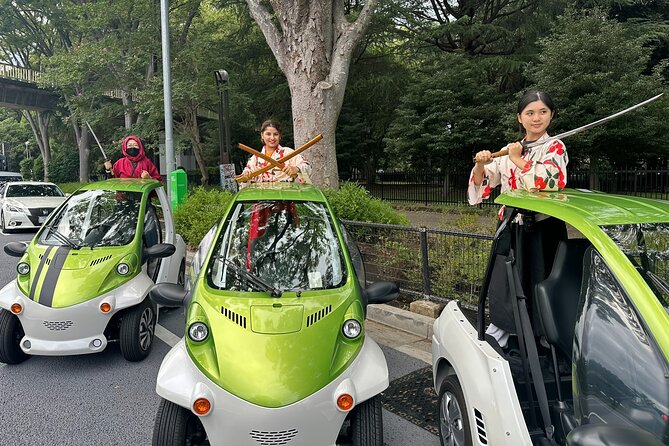
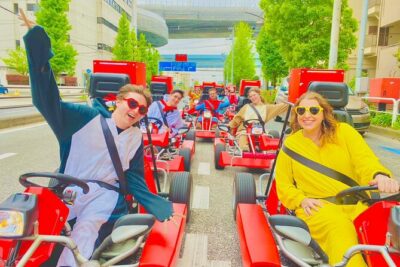
The unusual hook here is simple: you dress in a traditional kimono, then drive a roofed Toyota COMS electric kart through Tokyo’s famous streets. You pass Shibuya Crossing, Harajuku, Tokyo Tower, Ginza, Tokyo Station, and Asakusa while a guide leads the way.
I like the mix of culture and city sightseeing, plus the fact that photos and image data are included. The staff also seem to take beginners seriously. Guides including Michael, Mikey, Kazu, and Ide have been praised for clear explanations and friendly help. The main catch is paperwork: you must bring the right driving permit, passport, and license documents, and the vehicle insurance costs an extra ¥1,000 per person.
In This Review
- Key points to know before you book
- Why this Tokyo tour feels different
- Starting in Shinjuku with the right documents
- Choosing a kimono before the engine starts
- Learning the Toyota COMS EV kart
- Shibuya Crossing and the Harajuku stretch
- Roppongi, Tokyo Tower, and the ginkgo-lined avenue
- Shinjuku’s entertainment district and Tokyo Station
- Ginza, the Imperial Palace area, and Asakusa
- What the ¥104.24 price gives you
- Who will get the most from this activity
- Practical details that affect your day
- Should you book the kimono EV kart tour?
- FAQ
- How long does the tour last?
- Where does the tour start and finish?
- Is kimono rental included?
- Is the EV kart roofed?
- Do I need an International Driving Permit?
- Are there exceptions to the International Driving Permit rule?
- What documents must I carry?
- Is vehicle insurance included in the price?
- Can I cancel for a full refund?
- What happens if bad weather cancels the tour?
Key points to know before you book
- Drive through Shibuya Crossing: The route includes Tokyo’s famous intersection, one of the tour’s biggest photo and movie-scene moments.
- Choose a free kimono: You can select traditional Japanese clothing before setting off, with other colorful costume choices available.
- Use a Toyota-made electric kart: The COMS EV-Go Kart is roofed, helping shield you from rain, wind, sun, and cold.
- See a wide slice of Tokyo: The route links Shinjuku, Meiji Jingu, Harajuku, Roppongi, Tokyo Tower, Ginza, Tokyo Station, the Imperial Palace area, and Asakusa.
- Bring exact driving documents: Most participants need a physical 1949 Geneva Convention International Driving Permit, physical passport, and valid domestic license.
- Expect a private outing: Only your own group participates, with an English or Japanese-speaking guide leading the drive.
Why this Tokyo tour feels different
Tokyo sightseeing usually means trains, sidewalks, and observation decks. This tour gives you a street-level view from a small electric kart, with the added oddity of wearing a kimono as you pass through major districts.
That combination matters. The drive is not just a vehicle rental, and the kimono is not just a studio photo session. You get a guided route, help with the kart, stops for photographs, and a moving look at several very different parts of Tokyo.
I especially like the contrast between the quiet symbolism of Japanese traditional dress and the modern city around you. One minute you are dressed in clothing linked with old Japanese culture. The next, you are edging through the streets near Tokyo Tower or heading across one of the world’s best-known intersections.
The tour lasts about 90 minutes to two hours, with either a 60 or 90-minute EV-kart experience listed among the inclusions. The exact amount of driving time can depend on the selected arrangement, so check your booking details before paying.
A few more Tokyo tours and experiences worth a look
Starting in Shinjuku with the right documents
You meet at Fast and Furious Tokyo Japan in Shinjuku City, at 1-23-11 Hyakuninchō, Shinjuku City, Tokyo 169-0073. The shop is near public transportation, and the activity returns to this same meeting point.
The paperwork is the part you should handle before you arrive. Most drivers need an International Driving Permit issued under the 1949 Geneva Convention by a government-authorized association. A permit from another convention is not an acceptable substitute.
There are special rules for licenses from Switzerland, Germany, France, Taiwan, Belgium, and Monaco. Drivers from those places need a physical domestic license plus an official Japanese translation from the Japan Automobile Federation, or JAF.
You must carry the physical documents. Digital copies are not enough. Bring your physical passport, physical International Driving Permit when required, or the physical license and JAF translation for the listed exceptions.
Licenses issued by countries not covered by the 1949 Geneva Convention, including China, Indonesia, Mexico, Qatar, and Saudi Arabia, are not accepted for driving in Japan. This is not a detail to discover at the meeting point. If your documents do not qualify, you cannot drive.
The operator sends a customer agreement after reservation. Read it before the day of the tour, especially if you have any illness or injury that affects your ability to drive.
Choosing a kimono before the engine starts
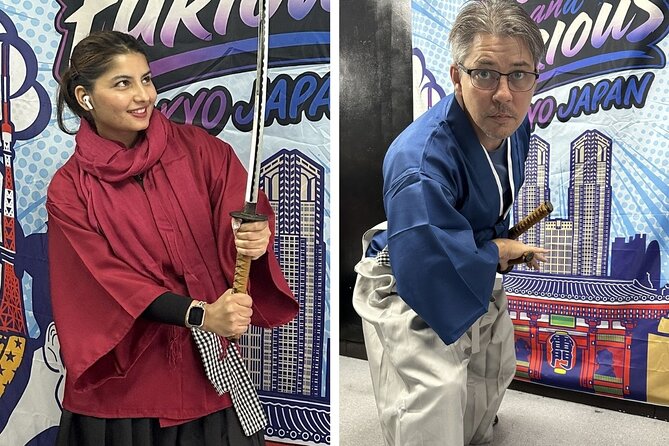
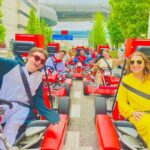
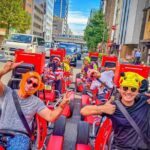
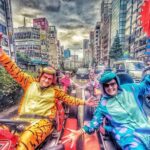
The clothing session gives the tour its strongest cultural angle. Kimono rental is included, and you can choose from traditional attire and other colorful costumes.
Do not expect a long lesson in kimono design based on the supplied details. The focus is practical: select an outfit, get dressed, and prepare for the drive. Still, this step gives your photos a clear Japanese setting rather than the usual rental-kart costume look.
The choice of outfit also helps make the activity personal. A solo participant can select a kimono that suits them, and the staff can help with the process. The operator’s replies indicate that guides pay attention to the photo session as well as the drive.
You should remember that sitting in a small kart while wearing traditional clothing may feel different from walking around a temple. Keep your expectations sensible. This is an active street tour with a costume element, not a formal kimono ceremony.
Free lockers are available during the activity, which is useful if you are carrying shopping bags, a daypack, or extra clothing. The tour also includes photo shooting and image data, so you do not have to rely only on a companion’s phone.
Learning the Toyota COMS EV kart
Before leaving, the guide explains how to operate the electric kart and goes through the route. This is important because many participants may have no experience with this type of vehicle.
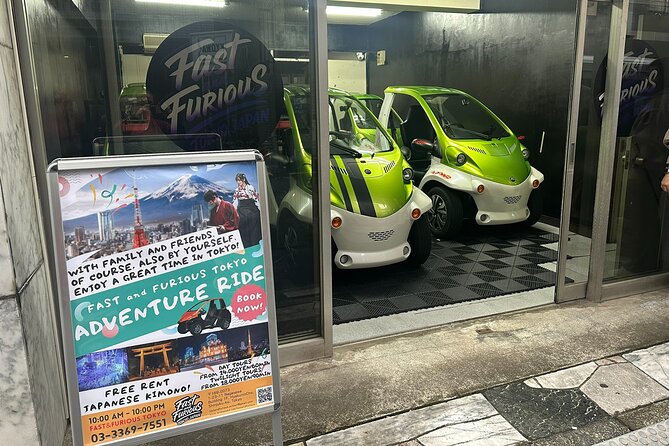
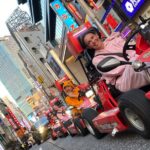
The kart is a Toyota COMS EV-Go Kart, made by Toyota in Japan. It is electric and roofed. The roof is designed to protect you from rain, wind, strong summer sunlight, and winter cold.
That roof makes the activity more practical than an open vehicle, but do not treat it as a guarantee against cancellation. The experience still requires good weather, and the operator may cancel if conditions are poor. In that case, you are offered another date or a full refund.
The provided information describes a dedicated guide leading the group through the city. This is not a free-navigation rental in which you must find every stop yourself. You follow the guide and receive instructions along the way.
The safety briefing appears to be one of the better parts of the setup. Guides including Mikey, Kazu, and Ide have been singled out for explaining each step clearly, while Michael has been praised for making a solo participant feel welcome. That is useful if you are nervous about driving in Tokyo.
Personal injury and property damage insurance are included. Vehicle insurance is not included in the advertised price and costs ¥1,000 per person. Add that amount when comparing the total cost with other Tokyo driving activities.
Shibuya Crossing and the Harajuku stretch
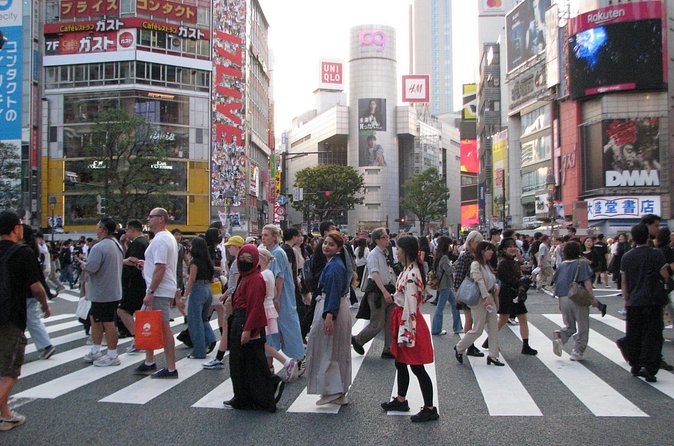
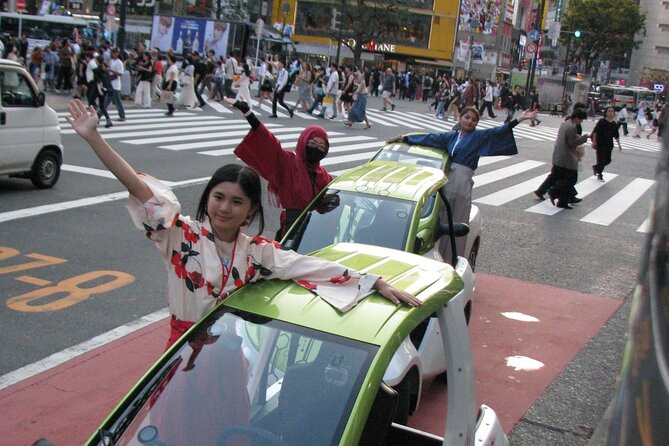
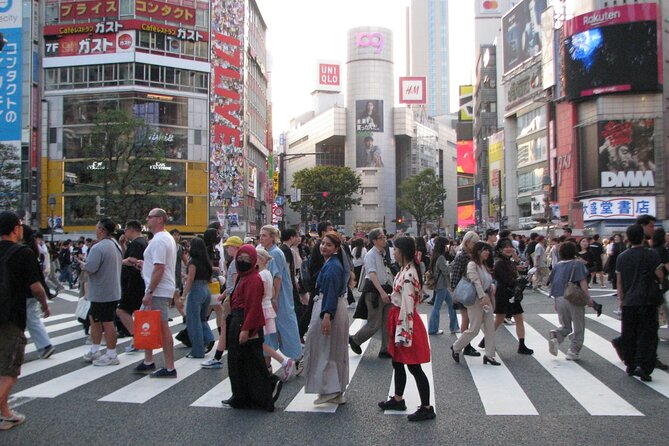
Shibuya Crossing is the tour’s headline scene. The guide takes you through the intersection, giving you the unusual view of crossing it from a small electric vehicle while dressed in a kimono.
This is not a quiet sightseeing stop. Shibuya is one of Tokyo’s busiest urban areas, so the appeal is the energy and spectacle of being in the middle of it. You get a moving view rather than a standard sidewalk photo.
The route also takes you through Harajuku, a district linked with modern fashion and youth culture. This makes a nice contrast with the kimono. You are not visiting traditional Japan in isolation. You are seeing old and new styles occupy the same city.
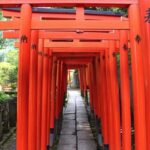
The route includes Meiji Jingu and its large torii gate. The gate gives you a strong photo backdrop and a change of mood from Shibuya and Harajuku. It also provides a visual reminder that Tokyo has substantial sacred spaces tucked close to major commercial streets.
The supplied stops specify a photograph in front of the torii, so this is one of the places where you should expect the guide to help frame a picture. The time available at each stop is not stated, so think of the photos as part of a moving tour rather than extended visits.
A few more Tokyo tours and experiences worth a look


Roppongi, Tokyo Tower, and the ginkgo-lined avenue
After the western city districts, the route heads through Roppongi. This area is known for nightlife, restaurants, and international city life, giving you another side of Tokyo’s central districts.
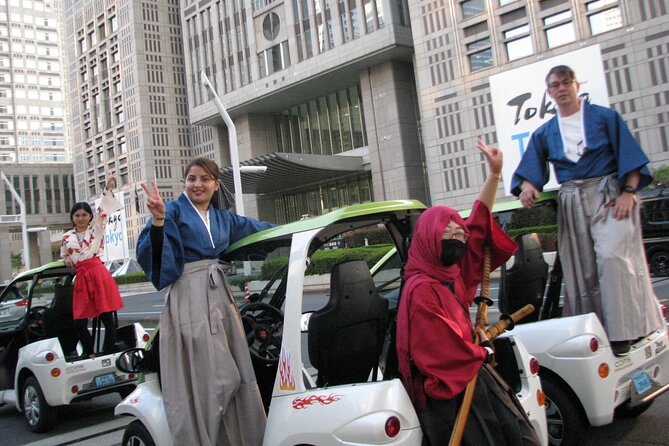
Tokyo Tower is one of the main photograph stops. With the tower behind you, the kimono and kart create a deliberately playful image. The tower remains one of Tokyo’s most recognizable structures, and the stop gives the tour a clear visual centerpiece.
The route also passes along the ginkgo avenue. The attraction here changes with the season. In autumn, yellow leaves can make the road especially photogenic. At other times, the avenue is still a pleasant urban drive, but you should not book solely for autumn color unless your dates match the season.
This part of the tour is less about entering attractions and more about seeing the city from the road. You will not have time to visit Tokyo Tower or Meiji Jingu in the usual sense. The value comes from linking several districts without changing trains or planning transfers.
Shinjuku’s entertainment district and Tokyo Station
The route includes a drive through Japan’s largest entertainment district, which points back toward Shinjuku. This is a good use of the kart format. You see the dense signs, narrow streets, and commercial character of the area while remaining with your guide.
The tour then reaches Tokyo Station, where a photo is taken with the red-brick station building behind you. The architecture gives the pictures a different look from the neon streets and steel towers earlier in the route.
Tokyo Station is also a useful reminder that Tokyo is not one visual experience. The city shifts from modern commercial centers to older-looking brick architecture, wide avenues, palace grounds, and temple gates within a short distance.
You should view the route as a sampler. It covers a lot of ground, but it does not provide long stopovers at each sight. If you want detailed time inside Meiji Jingu, Senso-ji, or the Imperial Palace grounds, book those visits separately.
Ginza, the Imperial Palace area, and Asakusa
Ginza is included as another driving district. It is Tokyo’s high-end shopping area, with broad streets and polished storefronts. The tour lets you see that side of the capital without making the day entirely about shopping.
The route also drives near the residence of the Emperor. The appeal is the setting and proximity to the Imperial Palace area, not an interior visit. You should expect to view the area from the road and continue with the group.
The final listed photo stop is Kaminarimon, the Thunder Gate of Senso-ji in Asakusa. The large red gate is one of Tokyo’s most recognizable temple entrances, so it gives you a strong closing image.
Asakusa supplies the most traditional visual finish to a route that has already covered Shibuya, Harajuku, Roppongi, Ginza, and Tokyo Station. Wearing a kimono in front of Kaminarimon makes obvious sense, but the experience is still a drive-by visit with a photograph rather than a full temple tour.
The route’s strength is variety. In one outing you see a Shinjuku entertainment district, a shrine gate, fashion streets, Tokyo Tower, a ginkgo avenue, a brick station, luxury Ginza, palace surroundings, and an old temple gate.
What the ¥104.24 price gives you
At about $104.24 per person, this is not a cheap way to move around Tokyo. You are paying for more than transport, though. The price includes the EV-kart experience, guide, kimono or costume rental, lockers, insurance for personal injury and property damage, and photographs with image data.
That package can make sense if you want one unusual activity that combines sightseeing and photographs. A separate kimono rental, a guided city tour, and a photo session could cost more once you add transport and time.
The value is weaker if you mainly want to visit the listed sights. You do not get extended attraction visits, museum admission, or a detailed guided tour inside the shrine, temple, palace area, or Tokyo Tower. In that case, trains and walking will give you more time at each place for less money.
Also budget for the ¥1,000 vehicle insurance charge. The booking price may not be your final activity cost. Because the tour is private, only your group participates, which can make the price easier to justify for couples, families, or friends who want a shared outing.
The activity is booked, on average, 29 days ahead. That suggests planning early is sensible, especially if you need a particular date, but it does not guarantee every date is full.
Who will get the most from this activity
I would recommend this tour to you if you want an active photo experience rather than a conventional bus or walking tour. It suits people who like novelty, short visits to many districts, and the idea of being part of the city scene instead of simply watching it.
It is also a good choice for a first visit when you want an overview of central Tokyo. The route covers enough districts to help you decide where to return for longer visits.
Solo participants can fit in well. Michael and the other guides are described as welcoming and clear, and the private format means you are not placed with an unrelated large group.
You should think twice if you dislike driving, feel uneasy around urban traffic, or have a health issue that affects your ability to operate a vehicle. You also need to be comfortable with a costume rental and public attention.
The activity is not suitable for someone who cannot meet Japan’s license rules. Check the convention requirements before you book, not after you arrive in Tokyo.
Practical details that affect your day
The tour is offered with a mobile ticket, and confirmation arrives at booking. The meeting point is near public transportation, but you should still allow time to find the Shinjuku address and arrive ready with your physical documents.
Free luggage lockers help, but the supplied information does not state their size. Bring only what you need and do not assume a large suitcase will fit.
The experience is described as requiring good weather. The roofed kart protects you during ordinary rain and sun, yet poor conditions can still lead to a cancellation. If that happens, you can choose another date or receive a full refund.
Free cancellation is available up to 24 hours before the start time. A cancellation inside that window is not refunded, and changes are not accepted inside 24 hours. Cutoff times use Tokyo local time, so check carefully if you are booking from another time zone.
Should you book the kimono EV kart tour?
Book it if you want Tokyo sightseeing with a strong visual hook. The kimono, Toyota electric kart, Shibuya Crossing, Tokyo Tower, and Asakusa create a memorable combination that ordinary city tours do not offer.
The staff support is another reason to consider it. Clear instruction from guides such as Michael, Mikey, Kazu, and Ide is useful for first-time drivers, and the included photos add real value.
Skip it if your priority is temple interiors, long visits at attractions, or a low-cost way to cover Tokyo. Before booking, confirm your driving documents and add the ¥1,000 vehicle insurance charge to the price. If those conditions work for you, this is a lively, unusual way to see several sides of Tokyo in one private outing.
FAQ
How long does the tour last?
The activity lasts approximately 1 hour 30 minutes to 2 hours. The included EV-kart experience is listed as either 60 or 90 minutes, depending on the arrangement selected.
Where does the tour start and finish?
The tour starts at Fast and Furious Tokyo Japan in Shinjuku City, Tokyo 169-0073. It ends back at the same meeting point.
Is kimono rental included?
Yes. Kimono rental and other colorful traditional costumes are included in the activity.
Is the EV kart roofed?
Yes. The Toyota COMS EV-Go Kart has a roof intended to protect you from wind, rain, strong summer sunlight, and winter cold.
Do I need an International Driving Permit?
Most participants need a physical International Driving Permit issued under the 1949 Geneva Convention by a government-authorized association.
Are there exceptions to the International Driving Permit rule?
Yes. Drivers with licenses issued in Switzerland, Germany, France, Taiwan, Belgium, or Monaco need their physical domestic license and an official Japanese translation from JAF.
What documents must I carry?
You must carry your physical passport and the required physical driving documents. Digital copies are not accepted as replacements.
Is vehicle insurance included in the price?
No. Vehicle insurance costs ¥1,000 per person. Personal injury and property damage insurance are provided if an accident occurs.
Can I cancel for a full refund?
Yes, if you cancel at least 24 hours before the experience start time. Cancellations made less than 24 hours ahead are not refunded.
What happens if bad weather cancels the tour?
You are offered a different date or a full refund. The experience requires good weather, even though the kart has a roof.
More Go-Kart Tours in Tokyo
More Shibuya Tours in Tokyo

More tours in Tokyo we've reviewed




Go-Karts, compared.
 ★ 5.0Flagship 2-Hours Official Street Go-Kart Tour – Tokyo Bay ShopFrom $642 hours to 2 hours 30 minutes (approx.)
 ★ 5.0Official Street Go-Kart in ShibuyaFrom $76
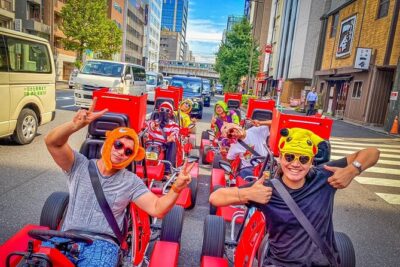 ★ 5.0Official Street Go-Kart Tour – AkihabaraFrom $61
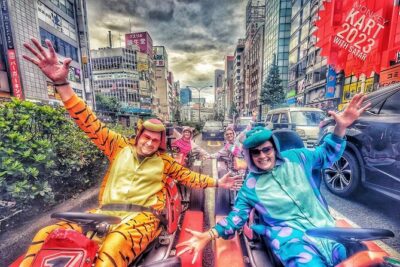 ★ 5.0Tokyo Go Kart: Asakusa, Skytree, and Akihabara **IDP MUST**From $99
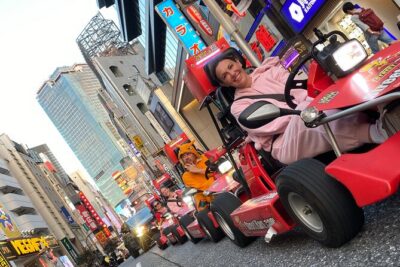 ★ 5.0Shibuya Official Street Go-Kart in Shibuya AnnexFrom $69
 ★ 4.7Tokyo: Asakusa, Skytree & Akhihabara Go-Kart City ExperienceFrom $961h 10m