
Reviewed · MT FUJI DAY TRIPS
From Tokyo: Mount Fuji Sightseeing One Day Trip
Mount Fuji is the star here, but the real appeal is how many different views you get in one day. From the famous red Chureito Pagoda to quiet-looking spring ponds, lakeside flowers, and a classic Japanese street scene, this tour gives you a broad sample of the Fuji area without making you plan several train and bus connections.
I like the round-trip coach transport, especially for a day when traffic, weather, and local connections can complicate things. I also like the number of photo stops, with guides such as Joey, Jay, Keiko, Augustine, and Wennie helping with timing, local background, and photos. The catch is simple: Mount Fuji is never guaranteed to appear, and the schedule can feel rushed when crowds are heavy.
In This Review
- Key points to know before booking
- Why this Mount Fuji day trip works
- Chureito Pagoda gives you the classic Fuji picture
- Arakura Fuji Sengen Shrine adds a quieter cultural stop
- Lake Kawaguchiko shows Fuji at water level
- Oishi Park pairs flowers, water, and mountain views
- Oshino Hakkai brings springs and village scenery
- Hikawa Clock Shop is a street scene, not a major attraction
- Lawson Fujikawaguchiko Town Hall is a quick photo stop
- Weather matters more than the guide can control
- Guides make or break a long group day
- Traffic, comfort, and group size
- Who should book this Fuji tour?
- Should you book it?
- FAQ
- How long does the Mount Fuji day trip last?
- What places are included on the tour?
- Is Mount Fuji guaranteed to be visible?
- Is lunch included?
- What is included in the price?
- Can I cancel the tour for a refund?
Key points to know before booking
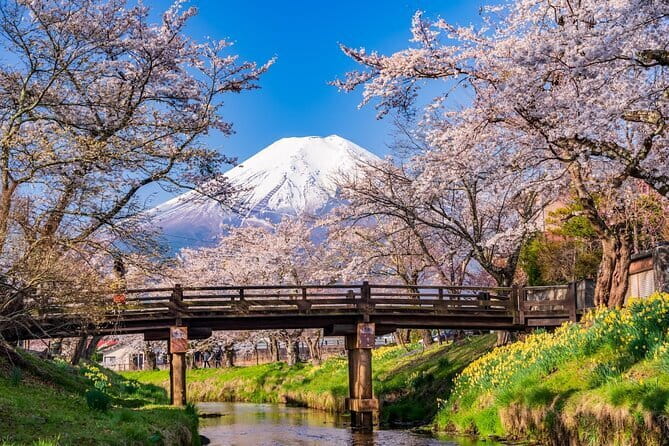
- Seven stops in about 10 hours: You cover Chureito Pagoda, a shrine, Lake Kawaguchiko, Oishi Park, Oshino Hakkai, Hikawa Clock Shop, and Lawson Fujikawaguchiko Town Hall.
- The view depends on the weather: Clear days can produce superb Fuji photos, but clouds, fog, and rain can hide the mountain for much of the day.
- A practical Tokyo escape: The air-conditioned vehicle handles the long transport, with pickup options in Tokyo or Shinjuku.
- Expect a full schedule: Several stops last only 15 to 30 minutes, so this is sightseeing by highlights, not a slow village visit.
- Good guide support matters: Guides including Joey, Jay, Keiko, and Augustine have been praised for clear explanations, humor, organization, and help with photos.
- Bring patience for traffic: Saturday mornings, Golden Week, and busy food stops can make the 10-hour day longer or more tiring.
Why this Mount Fuji day trip works
At $58.90 per person, this is priced as an affordable group outing rather than a private Fuji tour. You are paying mainly for transport, routing, and a guide who keeps the day moving. All fees and taxes are included, but lunch and personal purchases are not.
That price makes good sense if you want to see several locations around Mount Fuji and do not want to work out the transport yourself. The Fuji Five Lakes area spreads out, and the coach allows you to change locations without repeatedly checking train and bus times.
You should also understand the tradeoff. A group can include up to 45 people, and the tour has a fixed rhythm. You will not have the freedom to linger at every shrine, browse every food stall, or wait all afternoon for clouds to lift. I see this as a strong first visit for someone who wants a useful overview in one day.
The tour lasts about 10 hours, including the journey from Tokyo and the return. Guides are responsible for meeting points, timing, commentary, and changes caused by weather or road conditions. The best guides appear to make a real difference. Jay has been praised for keeping people informed and on schedule, while Keiko has been noted for clear explanations and personal attention. Augustine is known for an energetic, unusual style and for taking memorable photos.
A few more Tokyo tours and experiences worth a look
Chureito Pagoda gives you the classic Fuji picture
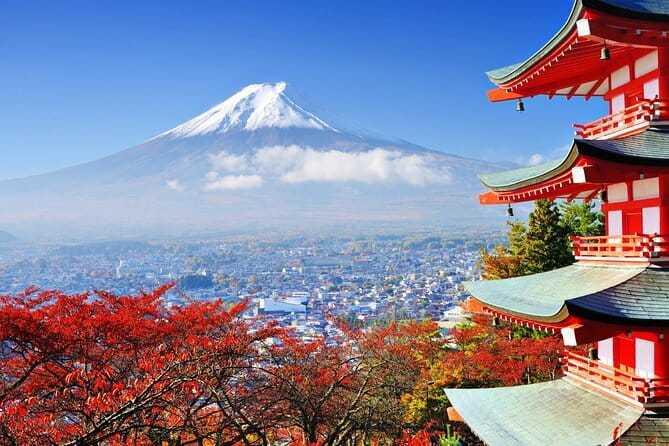
The day begins at Chureito Pagoda in Arakurayama Sengen Park. This is the image many people associate with a Mount Fuji visit: a red five-story pagoda, the mountain behind it, and Fujiyoshida City spread below.
You have about one hour here, and admission is included at no extra charge. The main issue is physical effort. The pagoda sits above the park, so you should expect a climb to reach the best viewpoint. The information provided does not give an exact stair count or accessibility detail, so anyone concerned about hills or steps should ask the operator before booking.
This is one of the most rewarding stops when the sky is clear. The three-part composition, pagoda, city, and Fuji, makes it more than a simple mountain lookout. It also gives you a strong opening to the day because you can photograph Fuji from a higher angle before moving down toward the lakes.
If clouds cover the peak, the view loses its main subject. The pagoda and city are still there, but this stop is heavily tied to weather. Keep your camera ready, and do not spend every minute chasing one perfect frame. The coach will leave on time.
Arakura Fuji Sengen Shrine adds a quieter cultural stop
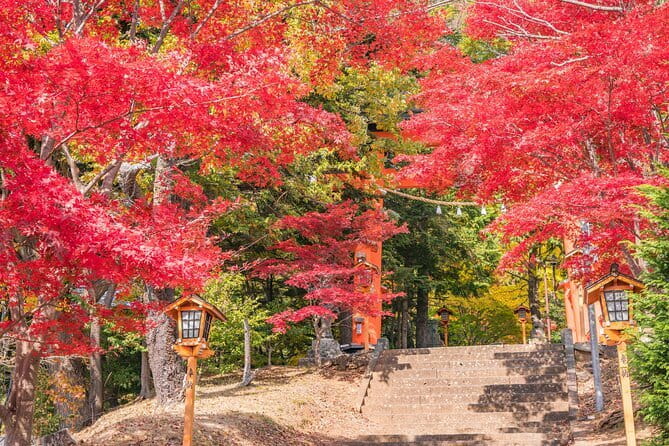
A short 15-minute visit follows at Arakura Fuji Sengen Shrine. Built in 705, the shrine has served as the guardian of Arakura Village for more than 1,300 years. It is a place where people seek protection from bad luck and pray for harmony and family well-being.
Fifteen minutes is enough to see the grounds and understand the connection between Fuji worship and local religious life. It is not enough for a long, reflective visit or a detailed look at every feature. I would treat this as a compact cultural pause between major viewpoints.
The shrine also helps keep the tour from becoming only a series of photo locations. Mount Fuji has long carried religious meaning, and this stop gives the mountain a little more context. Listen closely to your guide here, since a short explanation can add more value than simply walking around with a camera.
Lake Kawaguchiko shows Fuji at water level
Lake Kawaguchiko is the best-known of the Fuji Five Lakes and has the longest shoreline among them. You get about 20 minutes here, enough for a quick look at the water and a few photographs if the weather cooperates.
This stop gives you a lower, wider view of Fuji than Chureito Pagoda. On a calm, clear day, the mountain and its reflection can create a striking scene. On a cloudy day, the lake still provides a pleasant setting, but you may not get the famous image you expected.
The short timing is the main limitation. You will not have time for an extended lakeside walk. If you want a relaxed visit around Lake Kawaguchiko, with time for cafés, museums, or a longer promenade, you would need a separate day in the area.
Oishi Park pairs flowers, water, and mountain views
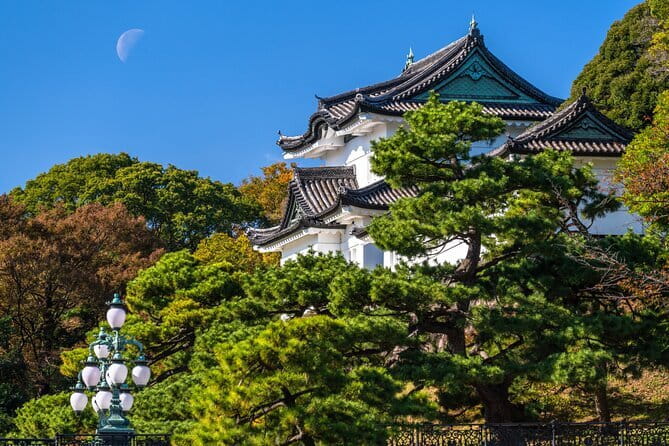
Oishi Park is one of the more attractive stops for a broad scenic view. The lakeside path looks across flowers, Lake Kawaguchiko, and Mount Fuji. Different flowers bloom during different parts of the year, so the appearance changes with the season.
You have about 30 minutes, which gives you time to walk a section of the promenade and take pictures. This is a good place to slow down slightly after the quick lake visit. The flower beds add color in the foreground, while the water and mountain create depth behind them.
Season matters a great deal. A January visit may feel less colorful than a spring or autumn outing, and the mountain can be covered in cloud at any time of year. Several experiences have been praised for clear Fuji views, but other days brought fog or heavy cloud. Check the forecast before you book, and set your expectations sensibly.
A few more Tokyo tours and experiences worth a look



Oshino Hakkai brings springs and village scenery
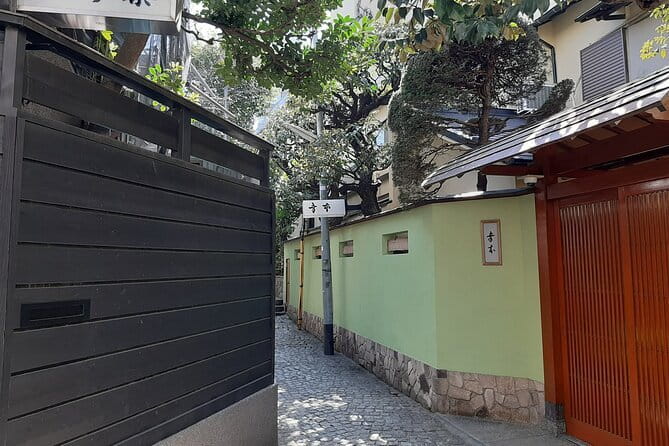
Oshino Hakkai is allocated one hour, making it one of the day’s longer stops. The village is known for eight clear spring ponds, recognized among Japan’s Top 100 Famous Waters. It is also classified as a Natural Monument and forms part of the Mount Fuji World Heritage area.
This is more than a viewpoint. You can see water, traditional-style village scenery, food stalls, and shops in a setting tied to Mount Fuji’s natural environment. The ponds are the main attraction, but the area can become crowded, especially when many coaches arrive.
An hour sounds generous, but it can disappear quickly if you want to take photos, buy food, and browse souvenirs. Lines for ice cream and other snacks may take up much of your free time. I would decide in advance whether your priority is photographs, food, or shopping, then use the hour accordingly.
This is also where the tour’s fixed schedule becomes clear. You may want to linger, but the guide needs the group back at the vehicle. Be punctual. The day works only when everyone returns on time.
Hikawa Clock Shop is a street scene, not a major attraction
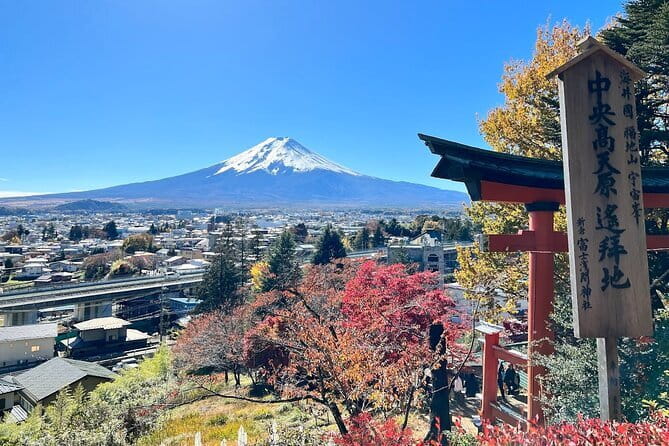
The 20-minute stop at Hikawa Clock Shop offers a different kind of Fuji photograph. A quiet street leads toward the mountain, creating the popular image of an ordinary Japanese town with Fujisan rising behind it.
The appeal is the contrast between everyday life and Japan’s most famous peak. You are not visiting a large historic site or spending hours inside a museum. Instead, you get a quick street-level picture that feels more local and less formal than the pagoda viewpoint.
You should keep the stop in proportion. Twenty minutes is enough to photograph the street and shop area, but not enough to explore the town in depth. It is included because it gives you another angle and another mood, not because it is a full sightseeing district.
Lawson Fujikawaguchiko Town Hall is a quick photo stop
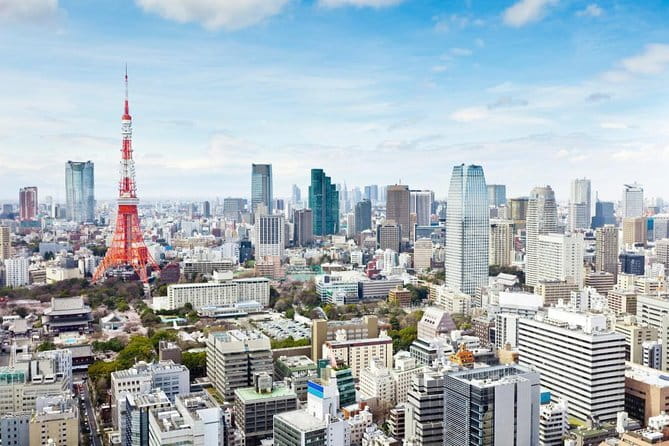
The final stop lasts about 15 minutes at Lawson Fujikawaguchiko Town Hall. The modern blue convenience-store frontage creates a sharp contrast with Mount Fuji in the background, making it popular for social-media photographs.
You can take pictures and buy a drink or snack, but this is the least substantial stop on the route. One visitor felt those 15 minutes would have been better added to a longer stop, particularly because food lines can be slow elsewhere. I understand that view. The location is quick and recognizable, but it does not offer much cultural depth.
Still, it serves as an easy final photograph if Fuji is visible. If the mountain is hidden, the stop becomes little more than a convenience-store visit. Your guide may also need to keep the group moving so the return journey stays on track.
Weather matters more than the guide can control
The biggest risk is not poor planning. It is the sky. Fuji often disappears behind cloud or fog, and rain can turn the views into a gray blur. You might see the mountain clearly in the morning and lose the summit later, or see nothing at all.
Some guides have adjusted the order of stops to give the group a better chance of seeing Fuji when conditions changed. That flexibility is useful, but it cannot create a clear view. No sightseeing company can promise one.
The strongest advice is to check the forecast before booking. Clear winter days can produce sharp views, though January may offer fewer flowers and a colder feel. Spring and autumn have been singled out as appealing times to visit, but even then, clouds remain possible.
Bring an umbrella because rain can be heavy. Wear shoes suitable for walking and the climb toward Chureito Pagoda. You should also keep your phone or camera accessible, since conditions can shift quickly and each stop is brief.
Guides make or break a long group day
The guide quality appears to vary by individual, as it does on many group tours. The strongest feedback has focused on guides who are friendly, funny, organized, and easy to understand.
Joey has been praised for humor and explanations about Fuji’s history. Jay has received strong marks for clear instructions, timing, and a pleasant manner. Keiko has been described as organized, informative, and willing to chat with people during the day. Augustine is noted for his lively personality and skill at taking photos.
There has also been criticism of unclear English from one guide, along with one very poor experience involving late arrival, traffic, and communication problems. That is worth taking seriously because commentary is a major part of a guided tour. If explanations are hard to follow, a long drive becomes much less enjoyable.
The practical lesson is to judge the tour as a well-priced route with variable guide delivery. The overall rating is 4.7 from 42 ratings, with 95 percent recommending it, which points to a strong general record. It does not remove the possibility of an uneven day.
Traffic, comfort, and group size
The air-conditioned vehicle is included, and the ride has been described as smooth and clean by several people. Another experience found the bus less comfortable, with the air conditioning set too low. Comfort can depend on the vehicle, weather, and how full the group is.
The maximum group size is 45 people. That is a sizable coach group, so you should expect a public-tour feel rather than quiet personal attention. The advantage is the low price. The cost of a private vehicle for this route would be much higher.
Traffic can also change the character of the day. Saturday mornings and major holiday periods such as Golden Week may bring delays. One New Year’s Day outing was especially praised for the mountain drive, while another busy holiday visit remained enjoyable despite crowds. Leave Tokyo ready for a full day, not a tightly controlled timetable.
Because lunch is not included, carry money for food and allow for lines. The tour includes fees and taxes, but personal expenses remain yours. If you are bringing a stroller or large luggage, state that at booking. If you book separately from relatives or friends, tell the operator at least one day ahead so you have a better chance of being assigned to the same vehicle.
Who should book this Fuji tour?
I would choose this tour if I were staying in Tokyo and wanted to cover the main Fuji-area sights without arranging regional transport. It suits first-time visitors, photographers who want several angles in one day, and anyone who values a guide’s help with timing and local background.
It also works well for people who accept that the day will be busy. You will see more places than you could comfortably reach by improvised public transport, but you will give up long stops and personal freedom.
I would hesitate if your main goal is a peaceful lake day, a serious hike, or a guaranteed view of the summit. I would also think twice if crowds and strict departure times frustrate you. In those cases, a slower independent visit or a private tour may fit better, though it will likely cost more.
The free cancellation policy gives you a little flexibility: cancel at least 24 hours before the start time for a full refund. Changes or cancellations inside that window are not accepted or refunded, so check the local start time carefully.
Should you book it?
At $58.90, this is a good-value introduction to the Mount Fuji region. The route is broad, the transport removes much of the hassle, and the strongest guides add real value through humor, history, clear instructions, and help with photographs.
Book it for efficient sightseeing, not a slow day. Check the weather, prepare for crowds, carry an umbrella, and be ready to return to the coach on time. If Fuji appears, the combination of pagoda, lake, flowers, village springs, and town streets can make a memorable day. If clouds hide the mountain, the other stops still give you a useful taste of the area, but you should not pay for this tour expecting certainty from the sky.
FAQ
How long does the Mount Fuji day trip last?
The experience lasts approximately 10 hours, including round-trip transportation from Tokyo or Shinjuku and visits to seven stops around Mount Fuji.
What places are included on the tour?
The route includes Chureito Pagoda, Arakura Fuji Sengen Shrine, Lake Kawaguchiko, Oishi Park, Oshino Hakkai, Hikawa Clock Shop, and Lawson Fujikawaguchiko Town Hall.
Is Mount Fuji guaranteed to be visible?
No. Cloud, fog, and rain can hide Mount Fuji. Clear weather can provide excellent views, but the tour cannot guarantee that the summit will appear.
Is lunch included?
No. Lunch is not included, and personal food, drinks, souvenirs, and other purchases are your responsibility.
What is included in the price?
The price includes an air-conditioned vehicle and all fees and taxes. The listed price is $58.90 per person.
Can I cancel the tour for a refund?
You can cancel up to 24 hours before the experience start time for a full refund. Cancellations or changes made less than 24 hours before the start time are not accepted or refunded.
More 1-Day Tours in Tokyo
More Mt Fuji Day Trips in Tokyo
More tours in Tokyo we've reviewed




Mt Fuji Day Trips, compared.
 ★ 5.0Mt Fuji and Hakone 1-Day Bus Tour Return by Bullet TrainFrom $163
 ★ 4.0Mt Fuji & Hakone Cruise, Drum Show Bullet Train 1 Day from TokyoFrom $149
 ★ 4.4Tokyo Mt Fuji 5th St & Hakone Cruise Bus Tour w/Bullet TrainFrom $15410 hours
 ★ 4.5From Tokyo: Mount Fuji Full-Day Sightseeing TripFrom $6810 hours
 ★ 4.7Tokyo: Mt. Fuji Tour, Hakone Ropeway, Owakudani, Lake AshiFrom $5410 hours
 ★ 4.4Tokyo:Mt.Fuji,Kawaguchiko Oishi Park,Arakurayama Sengen ParkFrom $5410 hours