
Reviewed · MT FUJI DAY TRIPS
Tokyo Fuji Art Museum Admission Ticket + Special Exhibition (when being held)
Tokyo Fuji Art Museum gives you a chance to see an unusually broad collection without committing to a guided tour or a packed schedule. Its holdings cover 30,000 artworks, from Japanese ceramics and armor to Western oil paintings, photography, sculptures, and prints.
I like the freedom to spend two hours or three, depending on your interest. I also like the low price, about $5.27 per person, and the simple pre-booked entry process. The main consideration is location: the museum is in Hachioji, so reaching it may take time from central Tokyo.
In This Review
- Key points
- A museum visit with more range than you might expect
- What you can see inside the 30,000-piece collection
- Special exhibitions give each visit a different focus
- Why the flexible timing works well
- Booking ahead and entering at the counter
- Getting to Hachioji is the main practical question
- Opening hours and the best time to allow
- Who will get the most from this ticket
- How the 96 percent recommendation fits the decision
- My advice on making the most of the visit
- Should you book Tokyo Fuji Art Museum?
- FAQ
- How much does admission to Tokyo Fuji Art Museum cost?
- How long does the visit take?
- Is a special exhibition included?
- What does the permanent collection include?
- Does the museum have Western paintings?
- What are the listed opening hours?
- Can I explore at my own pace?
- Is lunch included?
- Can I cancel for a full refund?
Key points
- Thirty thousand artworks: See Japanese, Eastern, and Western pieces from many periods and cultures.
- Five centuries of Western painting: The collection reaches from the Renaissance and Baroque periods to modern and postmodern work.
- Special exhibitions change: Past shows have focused on Osamu Tezuka, cat photography, and Western painting.
- Flexible two to three-hour visit: There is no strict tour schedule once you enter.
- Easy counter entry: Bring your booking details and give your reservation name at the counter.
- Good value at $5.27: The ticket includes admission, though lunch is not included.
A museum visit with more range than you might expect
Tokyo Fuji Art Museum was founded by Daisaku Ikeda in 1983. The collection is broad enough to give you several different museum experiences in one stop: Japanese art, Eastern art, Western paintings, photography, sculpture, ceramics, lacquer ware, armor, swords, and medallions.
That range is the museum’s main attraction. You might begin with a painting, move on to a display of Japanese objects, and then find yourself studying photographic work. This is not a small single-theme gallery where you finish in 30 minutes. The collection gives you room to follow your own interests.
I would plan on two to three hours if you want a proper look. You can move faster if your main goal is one special exhibition, or stay longer with the permanent collection. Since there is no guided timetable, you set the pace.
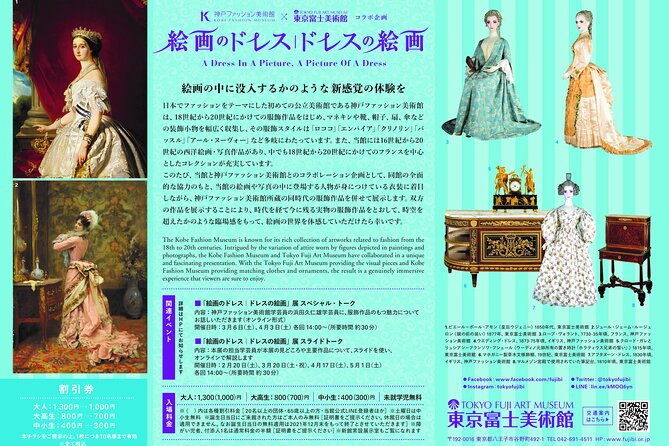
The museum is particularly notable for its Western oil paintings. The collection covers roughly 500 years, from the Renaissance and Baroque eras through later modern and postmodern periods. That makes the museum a useful stop if you want to see European painting while also exploring Japanese and Eastern works in the same building.
A few more Tokyo tours and experiences worth a look
What you can see inside the 30,000-piece collection
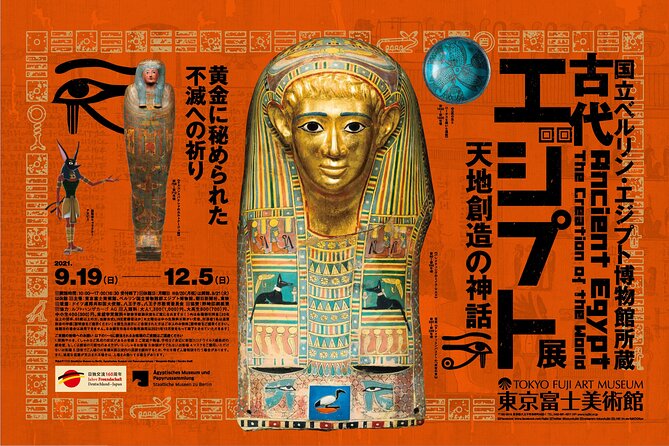
The permanent holdings are large, but the experience is not simply about counting objects. The value comes from the contrast between sections and periods.
Japanese works may include ceramics, lacquer ware, armor, swords, prints, and other historic objects. These pieces offer a different visual language from oil painting or photography. If you have already spent several days looking at Tokyo’s contemporary side, the traditional objects provide a welcome change of pace.
Eastern art adds another layer, though the supplied information does not specify every country or period represented. You should expect the museum to move beyond a strictly Japanese focus.
The Western painting collection is one of the strongest reasons to make the trip. A 500-year span lets you compare changes in subject, technique, and style across a long period. You might be especially interested if you enjoy European art but do not want to spend your whole day at a large national museum.
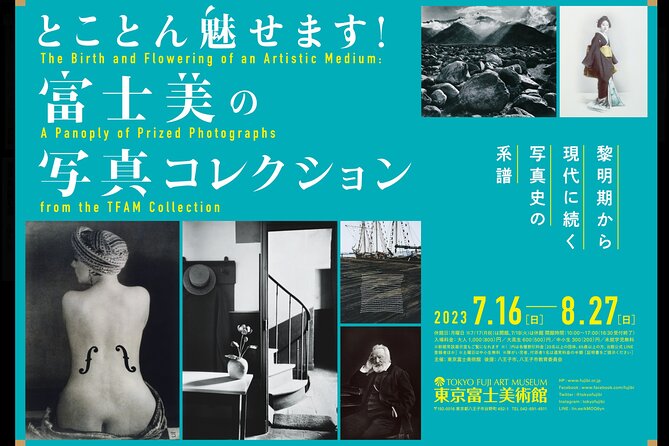
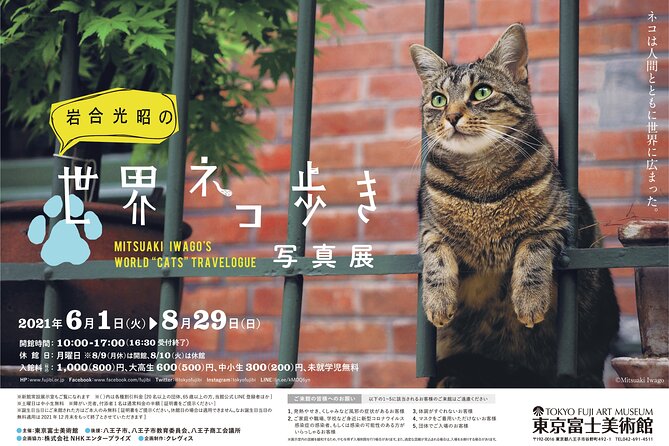
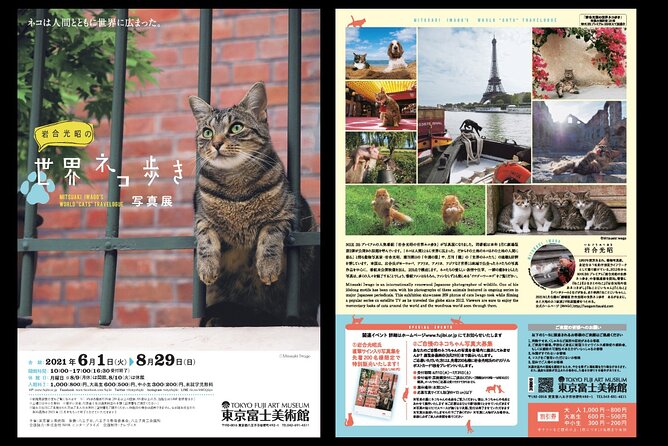
Photography is another notable part of the collection. The museum holds photographic masterpieces, and special displays may give this section extra attention. One past exhibition centered on cats photographed by Iwago. That kind of show can make the museum appealing even if your main interest is not traditional painting.
Special exhibitions give each visit a different focus
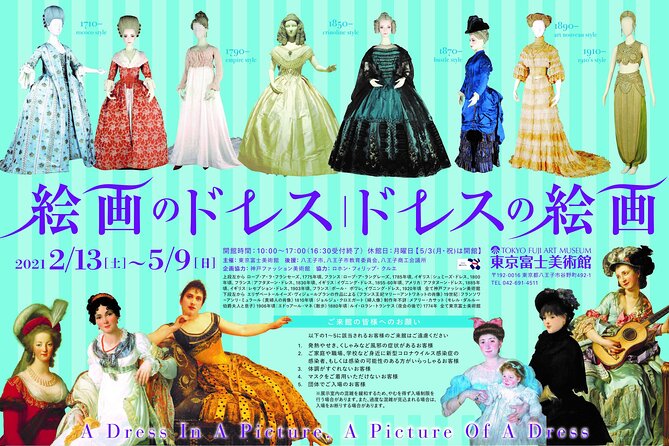
The admission ticket includes a special exhibition when one is being held. These exhibitions change during the year, so the subject matters greatly when you choose your date.
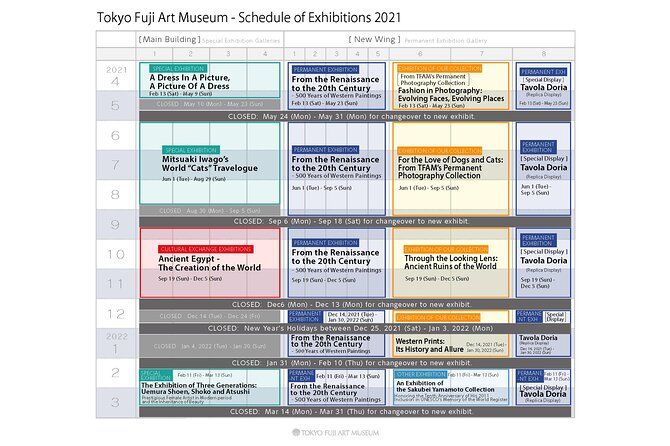
Past subjects have included a major presentation called 400 Years of the Beauty of Western Painting. That show drew on the museum’s own collection and was large enough to require a substantial amount of time. Works not included in the special display were placed in the permanent room, giving the visit extra depth.
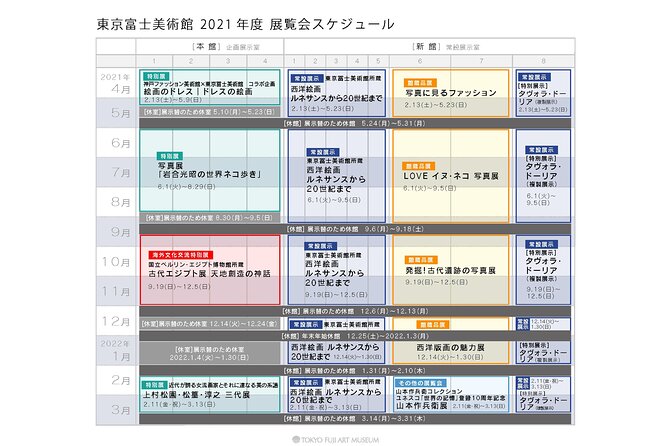
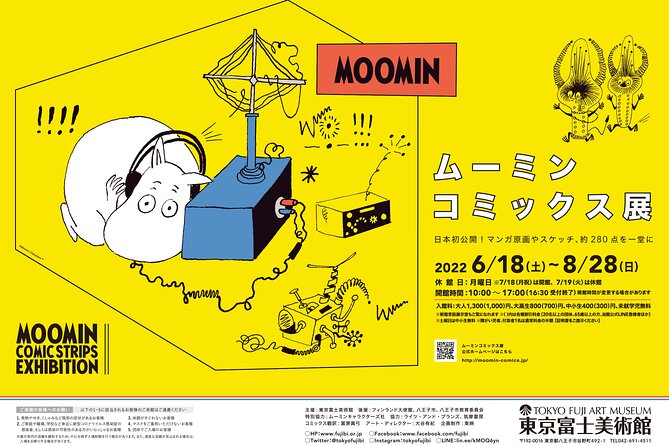
Another special exhibition focused on Osamu Tezuka. The display included material connected with the artist’s work and an original story related to Leo, the Jungle Emperor. If you grew up with Tezuka’s characters, this could be the main reason to visit. A dedicated exhibition can also make the museum accessible to families and people who do not normally spend hours with fine art.
The cat exhibition by Iwago offered a different mood. The photographs were described as charming, and the museum shop had cat-themed souvenirs. That tells you something useful about the program: special exhibitions are not limited to one narrow kind of serious painting show.
Check the exhibition schedule before booking. The ticket description promises a special exhibition when one is being held, not a particular show on every date. Your experience can range from a broad historical art display to photography, popular culture, or another seasonal subject.
Why the flexible timing works well
There is no strict schedule after entry. I value that because art museums reward different kinds of attention. You may want to study one painting for ten minutes, while someone with you may prefer to keep moving. A self-guided visit lets you split up and meet later without holding up a group.
A two-hour visit gives you enough time to see a special exhibition and make a sensible pass through the permanent collection. Three hours suits you better if you want to read more, compare works, or take the collection at a slower pace.
The flexible format also helps if you are fitting the museum around other plans. There is no guide to catch and no fixed sequence of stops. You simply enter during opening hours and decide how long to stay.
The drawback is that you do not receive a guide or an organized explanation as part of the ticket. If you prefer a carefully narrated art tour, this is not that kind of experience. It is best for you if you enjoy setting your own path.
Booking ahead and entering at the counter
The admission is pre-booked, which can help you avoid the ticket line. The practical process appears simple: take your reservation information to the counter and provide the booking name. You do not need to use the ticket machine if you go directly to the counter.
Confirmation is provided when you book. Keep those details available when you arrive, since the staff will use your reservation name to issue admission. The process is more like checking in at a hotel or restaurant than joining a tour group.
The online price is about $5.27 per person. At that rate, the ticket is strong value even if you stay only two hours. It becomes an especially inexpensive outing when a large special exhibition is included.
The price does not include lunch. Plan food separately rather than assuming the ticket covers a meal. The supplied details do not give a restaurant schedule or meal arrangement, so you should not build your day around lunch inside the museum.
A few more Tokyo tours and experiences worth a look


Getting to Hachioji is the main practical question
Tokyo Fuji Art Museum is in Tokyo, but not in the central sightseeing core. The information identifies it as near public transportation, yet it does not give a specific station, route, or travel time. Check the route from your hotel before booking, especially if you are staying in central Tokyo.
The distance matters because the museum can take much of your day once transport is added. The low admission price does not remove the cost or time of getting there. If you are already in or near Hachioji, the visit becomes an easier choice. If you are based far away, pair it with other plans in the area if that fits your schedule.
One useful point is that the visit itself is not rushed. Once you make the trip, you can take two or three hours with the collection instead of making a quick stop. That helps balance the extra journey.
The museum has received positive attention for its facilities and tidy presentation. One first-time visitor expected a small museum on the edge of town and found the building and exhibitions more impressive than expected. I would keep that in mind when planning: do not judge the museum only by its location.
Opening hours and the best time to allow
The published opening hours for February 7 through March 22, 2026, are 10:00 a.m. to 5:00 p.m., Monday through Sunday. The same hours are listed for February 7 through March 22, 2027.
The information does not state a closing-day schedule outside those dates. If you plan to go at another time of year, confirm the hours and the special exhibition dates before you set out.
With a 5 p.m. closing time, a late-morning or early-afternoon arrival gives you the most breathing room. Starting at 10 a.m. lets you see the special exhibition before spending time in the permanent rooms. Arriving later can still work, but you should not count on having a full three-hour visit near closing.
If your main interest is a special exhibition, allow at least an hour for that section and add time for the permanent rooms. One past Tezuka exhibition took about an hour to view. That leaves another hour or more for the rest of the museum.
Who will get the most from this ticket
This admission suits you if you want art without a guide, group, or fixed route. It is also a good choice if you have a specific interest in Western painting, Japanese objects, photography, or changing exhibitions.
Families may find a popular subject such as Osamu Tezuka or cat photography easier to enjoy than a full day of formal painting. The museum’s wide collection also lets each person choose a favorite section.
Art students and serious fans should allow the full three hours. The combination of 500 years of Western oil painting and Japanese, Eastern, and photographic works gives you plenty to compare.
The ticket is less ideal if you want a central Tokyo attraction that you can reach quickly between other major sights. The museum’s location in Hachioji requires more planning, and the admission itself does not include transportation, lunch, or a guide.
Service animals are allowed. The experience is near public transportation, and most people can participate. Those are useful points, but the supplied information does not provide detailed accessibility features, so contact the museum directly if you need specific arrangements.
How the 96 percent recommendation fits the decision
The experience has a 4.7 rating from 25 reviews, with 96 percent recommending it. The strongest pattern is clear: people value the exhibitions, the calm self-guided format, and the low online price.
The entry process also gets practical approval. Giving your reservation name at the counter instead of using the ticket machine can make arrival quick and uncomplicated. That is a small detail, but it matters when you want to start looking at art rather than sort out tickets.
The special exhibitions receive the most enthusiastic attention. Osamu Tezuka fans found the detailed displays worthwhile, while the cat photography show created a lighter, more personal visit. The Western painting exhibition was praised for its size and range.
The only recurring concern is the journey. One person described a trip of about 1.5 hours each way, yet still felt the Tezuka exhibition was worth it. I would treat that as a warning, not a promise. Your own route could be shorter or longer, and the value depends on how much time you have.
My advice on making the most of the visit
Start by checking which special exhibition is scheduled. That single fact can change the character of your visit. A Western painting show calls for a different plan from a Tezuka display or a photography exhibition.
Next, decide how much time you can give the permanent collection. If you have only two hours, see the special exhibition first, then choose one permanent section rather than trying to inspect everything. If you have three hours, move slowly and leave time for the Western paintings and photography.
Book ahead if you want to avoid the ticket machine and possible ticket lines. At arrival, go to the counter with your booking name. The process is simple, but having your confirmation ready keeps it that way.
Finally, plan the transport before the day itself. The museum’s $5.27 ticket is inexpensive, but Hachioji is not a casual central-Tokyo stop for everyone. A little route planning will tell you if the museum fits your day.
Should you book Tokyo Fuji Art Museum?
Book this ticket if you like choosing your own pace and want a low-cost museum visit with both permanent collections and a changing special exhibition. The range is the main strength: five centuries of Western oil painting sit alongside Japanese and Eastern art, photography, sculpture, ceramics, lacquer ware, armor, swords, and medallions.
I would book with confidence when the special exhibition matches your interests, especially if you enjoy Western painting, Osamu Tezuka, photography, or cats. I would pause only if you are staying far from Hachioji and have limited time in Tokyo.
For $5.27, the museum offers strong value. Just confirm the exhibition, check the route, and allow two to three hours once you arrive.
FAQ
How much does admission to Tokyo Fuji Art Museum cost?
The listed price is $5.27 per person.
How long does the visit take?
The approximate duration is two to three hours.
Is a special exhibition included?
Admission includes a special exhibition when one is being held. Exhibition subjects change throughout the year.
What does the permanent collection include?
The collection includes Japanese, Eastern, and Western artworks, along with photography, sculptures, ceramics, lacquer ware, armor, swords, and medallions.
Does the museum have Western paintings?
Yes. The Western oil painting collection covers about 500 years, from the Renaissance and Baroque periods through modern and postmodern eras.
What are the listed opening hours?
From February 7 through March 22, 2026, and from February 7 through March 22, 2027, the museum is listed as open Monday through Sunday from 10:00 a.m. to 5:00 p.m.
Can I explore at my own pace?
Yes. There is no strict schedule, and you can explore the museum in your own time.
Is lunch included?
No. Lunch is not included in the admission ticket.
Can I cancel for a full refund?
Yes, if you cancel at least 24 hours before the experience start time. Cancellations or changes made less than 24 hours before the start time are not accepted for a refund.
More Tickets in Tokyo

More Tickets & Passes in Tokyo
More Mt Fuji Day Trips in Tokyo
More tours in Tokyo we've reviewed






Mt Fuji Day Trips, compared.
 ★ 5.0Mt Fuji and Hakone 1-Day Bus Tour Return by Bullet TrainFrom $163
 ★ 4.0Mt Fuji & Hakone Cruise, Drum Show Bullet Train 1 Day from TokyoFrom $149
 ★ 4.4Tokyo Mt Fuji 5th St & Hakone Cruise Bus Tour w/Bullet TrainFrom $15410 hours
 ★ 4.5From Tokyo: Mount Fuji Full-Day Sightseeing TripFrom $6810 hours
 ★ 4.7Tokyo: Mt. Fuji Tour, Hakone Ropeway, Owakudani, Lake AshiFrom $5410 hours
 ★ 4.4Tokyo:Mt.Fuji,Kawaguchiko Oishi Park,Arakurayama Sengen ParkFrom $5410 hours