
Reviewed · MT FUJI DAY TRIPS
From Tokyo: 5 Best Mount Fuji Photo Spots Private Day Trip
Mount Fuji provides the visual thread for this full-day private outing, but the appeal is the variety of viewpoints. In one day, you move from the hillside Chureito Pagoda to a local shopping street, a famous convenience store photo stop, clear spring ponds, and the broad view from Mt. Fuji Dream Bridge.
I like the private vehicle and hotel pickup, especially because the route covers several places that are awkward to connect by public transport in one day. I also like the flexible approach: drivers such as Doshi and Omi have adjusted the plan when rain or timing caused trouble. The catch is simple: five major photo stops plus lunch and the long drive from Tokyo can make the schedule tight, and one past booking could not reach every planned spot.
In This Review
- Key points at a glance
- Why this Mount Fuji day trip works
- Chureito Pagoda and the first big view
- Shimoyoshida Honcho Street, where the photo feels more local
- The Lawson Fuji Kawaguchiko Store
- Lake Kawaguchi and time for lunch
- Oshino Hakkai and the Springs of Mount Fuji
- Mt. Fuji Dream Bridge and the final panorama
- Timing, traffic, and the five-stop problem
- What the $451 group price really buys
- Who should book this experience?
- Should you book the Mount Fuji photo tour?
- FAQ
- How long does the Mount Fuji photo tour last?
- Is hotel pickup included?
- How many people can join the private tour?
- What transport is provided?
- Is an English-speaking guide included?
- Are meals included?
- Which Mount Fuji locations are included?
- What should I bring?
- Can I cancel or pay later?
Key points at a glance
- Chureito Pagoda: Climb to one of the most recognizable views of Mount Fuji, with especially fine seasonal color in spring and autumn.
- Five different photo settings: Compare a shrine, town street, convenience store, lake, spring ponds, and bridge rather than relying on one viewpoint.
- Private transport: A group of up to five shares the vehicle, with hotel pickup, fuel, tolls, and drop-off included.
- Oshino Hakkai: See clear ponds fed by snowmelt from Mount Fuji, then browse local stalls and shops.
- Weather matters: Clouds can erase the mountain view, so bring a jacket, wear good walking shoes, and expect the driver to adjust the route if conditions change.
- Good group value: At $451 per group, the cost becomes more reasonable when split among four or five people.
Why this Mount Fuji day trip works
This is a photography-focused day trip, but it is not limited to standing at viewpoints and taking the same picture five times. The route gives you several versions of Mount Fuji: framed behind a red pagoda, rising beyond a town street, peeking over a convenience store, reflected in the area around Lake Kawaguchi, and viewed across open space from the Dream Bridge.
That variety matters because Mount Fuji is a shy subject. Clear skies are never guaranteed, even on a day with good weather in Tokyo. If clouds hide the summit at one stop, you still have a chance at another angle later in the day. The driver can also respond to rain and traffic, although there is only so much flexibility in a 10-hour outing.
The private format is the main practical advantage. You are picked up at your Tokyo accommodation and travel in an air-conditioned vehicle with an English-speaking driver. Wi-Fi may be available in the vehicle, and fuel and tolls are included. You are not joining a large coach group, so the day can feel more personal and less rigid.
The driver is not described as a separate tour guide, and a tour guide is not included. Still, the supplied information identifies Doshi and Omi as drivers who offered cultural explanations, answered questions, and helped with the route. Your assigned driver may be different, so treat guiding depth as a pleasant possibility rather than a guaranteed feature.
A few more Fujiyoshida tours and experiences worth a look
Chureito Pagoda and the first big view
The day begins at Arakura Sengen Shrine, where the main goal is the famous Chureito Pagoda. You have about an hour here for a visit, photography, sightseeing, and a self-guided walk.
The classic image is easy to understand: a bright five-story pagoda in the foreground, Mount Fuji behind it, and seasonal color filling the frame. Spring cherry blossoms and autumn leaves give the scene extra drama. On a clear day, this may be the picture you had in mind when you booked a Mount Fuji photo tour.
There is some uphill walking, so comfortable shoes are not optional advice. You should also keep your camera or phone ready, but do not let the famous frame become the whole visit. Arakura Sengen Shrine gives the stop a religious setting, and the approach lets you experience the site rather than simply being dropped at a roadside viewpoint.
One hour is useful but not generous if you want to take many photos, walk at a slow pace, and spend time at the shrine. If mobility or stamina is a concern, ask about the walking involved before booking. The experience is listed as unsuitable for people over 95, and the combination of steps and a long day may be tiring for some older visitors.
Shimoyoshida Honcho Street, where the photo feels more local
From the pagoda, the route continues to Shimoyoshida Honcho Street for about an hour. This is a welcome change from a single grand viewpoint. You see a traditional Japanese town setting, browse souvenir shops, and have a chance to try local snacks.
The street is known for the way Mount Fuji appears beyond the buildings and road. That combination of ordinary town life and an extraordinary mountain gives your photos a more lived-in feel. It is also a useful place to slow down after the climb to Chureito Pagoda.
I would use this hour for more than shopping. Look at the shopfronts, notice the street views, and take a few photographs that include the town rather than only the mountain. Food and purchases are not included, so carry some spending money if you want snacks or souvenirs.
The stop is self-guided, which gives you freedom but not a formal explanation at every corner. An English-speaking driver may add cultural context, as Doshi did for some bookings, but this is not a guided walking tour.
The Lawson Fuji Kawaguchiko Store
The Lawson Kawaguchiko Station stop lasts about 30 minutes. It is a brief, slightly playful pause, and it has become popular because the familiar Lawson convenience store sits with Mount Fuji behind it.
This is not the most traditional stop on the route. That is precisely why it works. The white and blue store, the road, and the mountain create a distinctly Japanese travel image that feels different from a shrine or lake view. You can take pictures, walk around, and use the break to pick up something small if you wish, although personal purchases are your responsibility.
Thirty minutes should be enough for photographs and a short break, but do not expect a long visit. The stop is most useful as part of the route’s visual variety, not as a destination that deserves a full morning.
Lake Kawaguchi and time for lunch
The itinerary allows about 90 minutes around Lake Kawaguchi for a break, photos, lunch, and self-guided sightseeing. This is one of the more flexible parts of the day because you are not limited to a quick five-minute photo pull-over.
You will have time to eat, but meals are not included. The information does not specify a restaurant, so your driver will help with the timing and location rather than providing a prepaid dining experience. Keep lunch efficient if you still want to reach every later stop.
Lake Kawaguchi gives you another broad setting for Mount Fuji. The exact view depends heavily on cloud cover, season, and light. A clear mountain reflected near the lake can be beautiful, but even a partly obscured Fuji can make the area worthwhile for its open views and calmer pace.
This is also where you should take stock of the schedule. The full outing lasts 10 hours, and Tokyo traffic can affect both the start and return. If you spend extra time at lunch or shopping, the later photo stops may need to be shortened.
Other private tours in Fujiyoshida
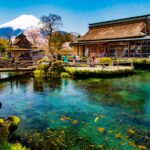
Oshino Hakkai and the Springs of Mount Fuji
Oshino Hakkai receives about 45 minutes. It is known for a group of clear ponds fed by snowmelt from Mount Fuji, surrounded by greenery and small shops.
This stop adds water and nature to a route otherwise built around viewpoints and town streets. The ponds offer a quieter mood, and the clear water gives you a different subject when the mountain is hidden by clouds. You can walk, take pictures, browse, and enjoy a short pause from the vehicle.
Forty-five minutes is enough to see the main area, but it is not a slow nature walk. Oshino Hakkai can also feel more commercial around the shopping areas, so set your expectations correctly. You are getting a compact scenic stop with ponds, food, and souvenirs, not a remote wilderness experience.
The name refers to the springs of Mount Fuji, linking the water directly to the mountain’s snowmelt. That connection gives the stop more meaning than a simple photo break. You see one of the ways Fuji shapes the surrounding region, even when its summit is not visible.
Mt. Fuji Dream Bridge and the final panorama
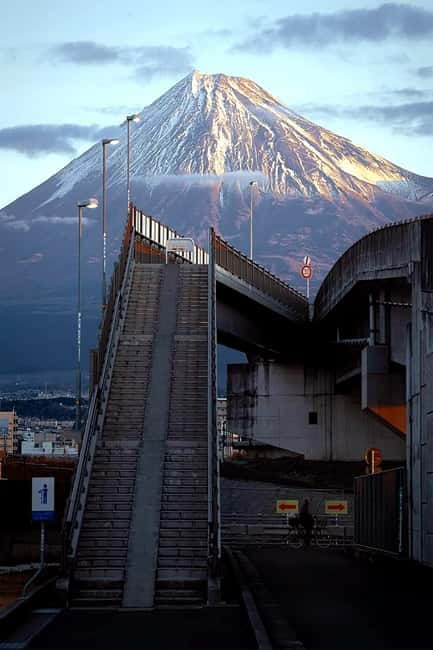
The last major viewpoint is Mt. Fuji Dream Bridge, with about 50 minutes for photography, sightseeing, and a self-guided walk. It is presented as a quieter spot for a wide view, and sunset can add warm light to the mountain.
This is a strong way to finish the route because the day shifts from close, carefully framed images to a more open panorama. If the timing works, late light may give Mount Fuji a softer appearance. Sunset timing changes with the season, however, and the schedule cannot promise a perfect golden-hour scene.
The bridge stop also shows why the private format helps. A fixed group tour may have little room to adjust, while a private driver can consider weather, traffic, and your preferences. Still, flexibility does not mean unlimited time. Tokyo pickup and return, road conditions, and the number of stops all place limits on the day.
The supplied itinerary includes an additional 50-minute stop without naming it clearly. You should confirm the final stop and order with the provider or driver at the start of the day. That small conversation could prevent disappointment if you have one particular photo location at the top of your list.
Timing, traffic, and the five-stop problem
The advertised duration is 10 hours, including pickup in Tokyo and the return journey. That is a long day, and the distance means traffic can affect the plan. Pickup may be up to 30 minutes late because of road conditions, so avoid scheduling a tight evening commitment after the tour.
The route includes roughly one hour at Chureito Pagoda, one hour at Honcho Street, 30 minutes at Lawson, 90 minutes at Lake Kawaguchi, 45 minutes at Oshino Hakkai, and 50 minutes at the final listed stop. Those visits add up quickly, before accounting for driving between them.
This is the main limitation. One booking in May could not visit all five intended photo spots because the timing did not allow it. To protect yourself, tell the driver at the beginning which places matter most and agree on the order if possible. If your priority is Chureito Pagoda and Oshino Hakkai, say so. If your goal is a sunset bridge photo, make that clear early.
Weather can also change the day. A rain shower once caught a group without warning, and the driver lent an umbrella. When heavier rain slowed the route, the driver asked about visiting another location instead. That kind of practical help is valuable, but it cannot guarantee a view of Mount Fuji.
What the $451 group price really buys
The price is $451 for a private group of up to five people. For one person, that is expensive. For five people, it works out to about $90 per person before any meal or personal spending. A group of four pays about $113 per person, while a group of two pays about $226 each.
The fee includes hotel pickup and drop-off in Tokyo, private air-conditioned transport, an English-speaking driver, fuel, and tolls. Those included costs matter on a full-day route, especially when you are covering several destinations outside Tokyo. You also avoid the effort of planning multiple train and bus connections.
Meals, personal expenses, a separate tour guide, and airport transfers are not included. The private vehicle is the central product here, not a formal history tour or a food experience. If you want detailed commentary at every stop, you may prefer a tour that specifically includes a guide.
For a group of friends or family members who want photographs without sharing a coach, the value is reasonable. For a solo visitor or couple, the price is harder to justify unless convenience and privacy matter more than keeping costs low.
Who should book this experience?
I would recommend it most strongly to small groups who want several Mount Fuji views in one day and do not want to manage the transport themselves. It is also a good fit for photographers, first-time visitors, families, and anyone with limited time in Tokyo.
You should be comfortable with a long day, repeated walking, changing weather, and a schedule that may need trimming. Wear supportive shoes and bring a jacket, since temperatures around Mount Fuji can feel cooler than in Tokyo. A small backpack is useful for personal items, snacks, and an extra layer.
This is less suitable if you want a slow, deeply guided cultural tour. The stops are mainly self-guided, and the driver is not a tour guide by contract. It is also not ideal if you need a fully accessible outing with minimal walking, since Chureito Pagoda involves a hillside approach and the day includes several walks.
The private group setup gives you space, but it does not eliminate the realities of weather and traffic. Photography is encouraged, while drones are not allowed. Check the forecast before you leave and dress for conditions rather than for Tokyo’s weather alone.
Should you book the Mount Fuji photo tour?
Book it if your priority is seeing several classic Mount Fuji locations with private transport and a driver who may offer useful cultural explanations along the way. The strongest features are the range of viewpoints, hotel pickup, and the ability to adjust the plan when rain or timing causes trouble.
Think twice if you are traveling alone, need a slow pace, or expect a professional guide at every stop. Before departure, agree on your top two or three locations and confirm how the final unnamed stop fits into the day. With that small bit of planning, this private outing offers a practical way to see Mount Fuji from more than one angle without taking on the route yourself.
Free cancellation is available up to 24 hours in advance, and you can reserve now and pay later. That flexibility is useful when the forecast is uncertain, although it does not solve the mountain’s habit of hiding behind clouds.
FAQ
How long does the Mount Fuji photo tour last?
The experience lasts 10 hours, including pickup from Tokyo and return to Tokyo.
Is hotel pickup included?
Yes. Pickup and drop-off from your accommodation in Tokyo are included. The driver may arrive up to 30 minutes late because of traffic.
How many people can join the private tour?
The price covers a private group of up to five people.
What transport is provided?
You travel in a private, air-conditioned vehicle. Fuel and tolls are included, and a Wi-Fi hotspot may be available, subject to availability.
Is an English-speaking guide included?
An English-speaking driver is included. A separate tour guide is not included.
Are meals included?
No. Meals are not included. The Lake Kawaguchi portion allows about 90 minutes for lunch, but you pay for food yourself.
Which Mount Fuji locations are included?
The route includes Chureito Pagoda, Shimoyoshida Honcho Street, the Lawson Kawaguchiko Station store, Lake Kawaguchi, Oshino Hakkai, and Mt. Fuji Dream Bridge. The final listed 50-minute stop is not named in the supplied details.
What should I bring?
Wear comfortable walking shoes, bring a jacket, and consider carrying a small backpack. Check the forecast and dress for changing conditions.
Can I cancel or pay later?
You can cancel up to 24 hours in advance for a full refund. Reserve now and pay later is also available.
More Private Tours in Fujiyoshida
More Mt Fuji Day Trips in Fujiyoshida
More tours in Fujiyoshida we've reviewed
Mt Fuji Day Trips, compared.
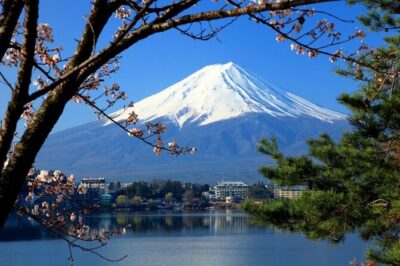 ★ 5.0Mt Fuji and Hakone 1-Day Bus Tour Return by Bullet TrainFrom $163
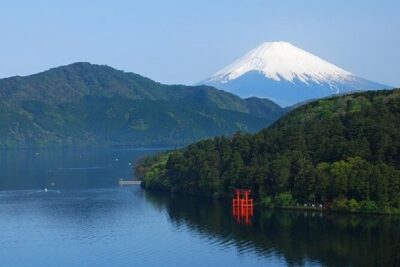 ★ 4.0Mt Fuji & Hakone Cruise, Drum Show Bullet Train 1 Day from TokyoFrom $149
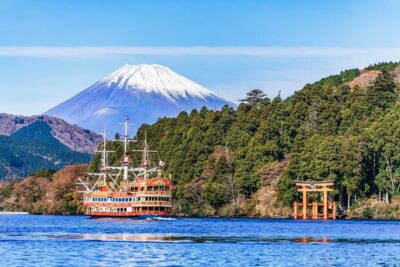 ★ 4.4Tokyo Mt Fuji 5th St & Hakone Cruise Bus Tour w/Bullet TrainFrom $15410 hours
 ★ 4.5From Tokyo: Mount Fuji Full-Day Sightseeing TripFrom $6810 hours
 ★ 4.7Tokyo: Mt. Fuji Tour, Hakone Ropeway, Owakudani, Lake AshiFrom $5410 hours
 ★ 4.4Tokyo:Mt.Fuji,Kawaguchiko Oishi Park,Arakurayama Sengen ParkFrom $5410 hours