
Reviewed · WALKING TOURS
Tokyo Castle & Imperial PalaceーShogun Walking Tour
Tokyo’s Imperial Palace grounds make far more sense once you understand that this was once Edo Castle, Japan’s largest fortress and the seat of shogun power. This two-hour walk connects stone gates, guardhouses, towers, ruins, and gardens into one clear story about defense, samurai rank, and the long imperial system.
I like the small-group format, advertised for up to 10 people, and the way the route mixes military history with quiet garden scenery. Guides such as K, Keiko, Shin, Ai, and Mako have earned strong praise for clear explanations, humor, visual aids, and patience with questions.
The main drawback is simple: this is an outdoor walking tour, not an indoor palace visit. The Emperor’s residence is closed to the public, much of the route is exposed to sun or rain, and some slopes and stairs can be tiring. The tour is conducted in English only.
In This Review
- Key points to know before booking
- Why Edo Castle gives this walk its focus
- Meeting at Wadakura Fountain Park
- Sakurada Tatsumi Yagura and the first castle clues
- Otemon Gate and the samurai guardhouses
- Constable Guardhouse
- Hyakunin Bansho Guardhouse
- Obansho Guardhouse
- Fujimi-yagura and the castle model
- The lost main tower and Edo Castle’s central ruin
- Ninomaru Garden and the quieter side of the tour
- What the guides add to the experience
- Is $23.88 a fair price?
- Walking conditions and practical advice
- Who should book this Imperial Palace walk?
- Should you book it?
- FAQ
- How long does the Tokyo Castle and Imperial Palace tour last?
- What language is the tour conducted in?
- What is the price of the tour?
- Where does the tour meet?
- Where does the tour finish?
- Can I visit the Emperor’s residence?
- Are the listed attractions included with an admission charge?
- Are there security rules for entering the Imperial Palace grounds?
- Is the walk difficult?
- Can I cancel for a full refund?
Key points to know before booking
- Edo Castle is the real subject: You learn how the shogun’s fortress worked, not just where the modern palace sits.
- Nine compact stops: Gates, guardhouses, a watchtower, castle ruins, and Ninomaru Garden fill about two hours.
- Guides add the value: K, Keiko, Shin, and others use stories, questions, and sometimes laminated historical images.
- The price is modest: At $23.88 per person, the tour is a reasonable choice if you want context rather than a self-guided stroll.
- Expect stairs and open sun: Wear comfortable shoes and bring water, a hat, or an umbrella.
- English only: Japanese-language support is not available.
Why Edo Castle gives this walk its focus
Many first-time visitors see the broad lawns, elegant stone walls, and carefully kept trees around the Imperial Palace, then move on without grasping what once occupied the site. This tour supplies the missing frame. Edo Castle was not simply a residence. It was a working fortress designed to protect the shogun, control access, and organize a huge military household.
That defensive purpose gives the walk a practical thread. At each gate or guardhouse, you learn who was stationed there, what rank they held, and how the castle’s layout slowed or confused an attacker. The castle was never breached, and the tour explains the systems that helped make it so difficult to penetrate.
You also get a short introduction to Japan’s imperial system, described here as a 2,600-year legacy. That subject can become overly broad in a short tour, but the route gives you physical places to attach to the story. The result is more useful than a general lecture because you are looking at the walls, gates, and former castle center as the guide speaks.
The walk also links the shogun era to modern Tokyo. The Imperial Palace remains an active imperial site, but the visitor route focuses on the public grounds and the surviving traces of the former castle. That distinction matters. You are seeing the setting and remains, not touring the Emperor’s private residence.
Other walking tours we've reviewed in Tokyo

Meeting at Wadakura Fountain Park
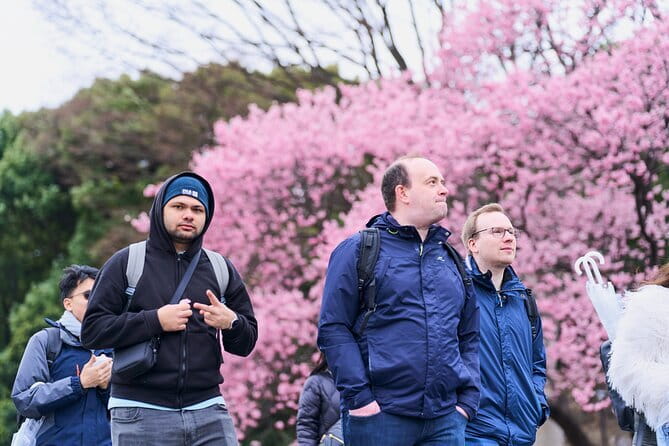
The meeting point is Starbucks Coffee in Kokyo Gaien Wadakura Fountain Park, at 3-1 Kōkyogaien in Chiyoda City. It is near public transportation, and the mobile ticket makes arrival straightforward once you have the confirmation on your phone.
Give yourself enough time to find the meeting spot. Tokyo’s central districts are easy to reach but can feel confusing when several broad avenues, park paths, and station exits meet. Arriving early is especially wise if you want a drink or a short break before walking.
A security check is required before entering the Imperial Palace grounds. Do not bring knives or alcohol. This is not a minor technicality, so check your bags before leaving your hotel.
The advertised group size is up to 10, which is a real advantage for a walking tour. A compact group can gather around a gate or display without the guide shouting across a crowd. The additional information also lists a maximum of 60 participants for the activity, so the exact arrangement may depend on the departure. If a small group is important to you, confirm the format when booking.
Sakurada Tatsumi Yagura and the first castle clues
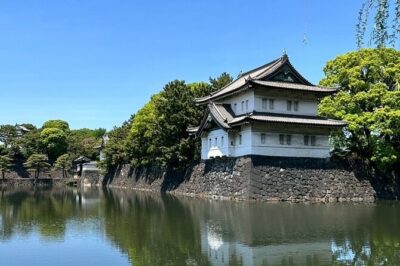
The first stop is Sakurada Tatsumi Yagura, a surviving turret from the Edo period. You spend about 20 minutes here, making it the longest stop on the route and a good place for the guide to establish the castle’s defensive logic.
A turret like this is more than a photogenic old structure. It helped guards watch approaches and protect the castle perimeter. The guide uses the surviving masonry and position of the tower to explain how security systems still shape access around the Imperial Palace.
This opening stop should appeal to anyone who likes practical details. Instead of beginning with a long timeline, the tour starts with something you can see. You get a sense of how walls, towers, and controlled movement worked together.
Otemon Gate and the samurai guardhouses
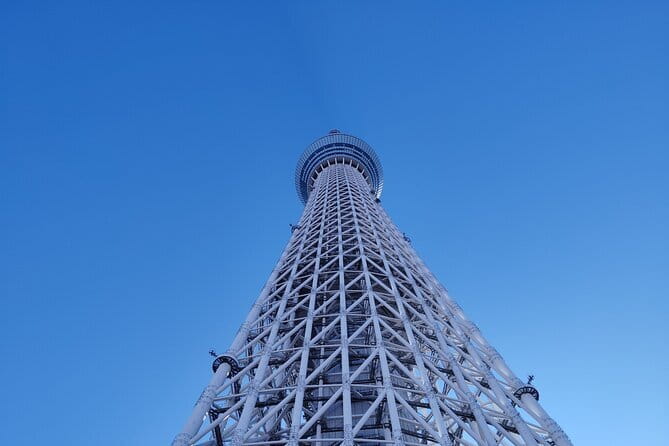
At Kokyo Otemon Gate, the route reaches two massive gates and the stone walls of the original castle. You spend about 10 minutes discussing how the entrance was designed to protect the shogun.
The value here is scale. Photographs rarely convey how imposing a fortified gate can feel when you are standing beside it. The guide explains the sequence of entrances and why a visitor could not simply walk directly toward the castle’s inner precincts.
The next three stops focus on the people who made that system work.
Constable Guardhouse
The Constable Guardhouse was used by lower-ranking samurai. This stop gives the tour a welcome social angle. Samurai were not one uniform group, and their duties and status varied widely.
You learn why this modest building mattered and what role its occupants played in castle security. It is an easy place to miss on your own, but a guide can turn an unassuming structure into a lesson about rank and daily responsibility.




Hyakunin Bansho Guardhouse
Hyakunin Bansho was a larger guardhouse where many samurai were stationed. The name and size help convey that security required a substantial staff, not just a few elite warriors at the gate.
The guide explains how these samurai fit into the larger defensive plan. This is one of the better stops for understanding that Edo Castle operated like a carefully managed military compound.
Obansho Guardhouse
Obansho stood near the inner gate and was associated with higher-ranking samurai. Here the conversation shifts from the lower ranks to officials with greater responsibility and closer access to the shogun’s inner areas.
Taken together, the three guardhouses create a useful progression. You see that the castle’s organization reflected rank, access, and duty. Without this explanation, the buildings might look like three old structures scattered around a park.
Fujimi-yagura and the castle model
Fujimi-yagura is an old watchtower overlooking the area. The guide explains its purpose and what made it special in the past. As with Sakurada Tatsumi Yagura, the important point is placement. A watchtower’s location tells you about sight lines, surveillance, and the need to protect the inner castle.
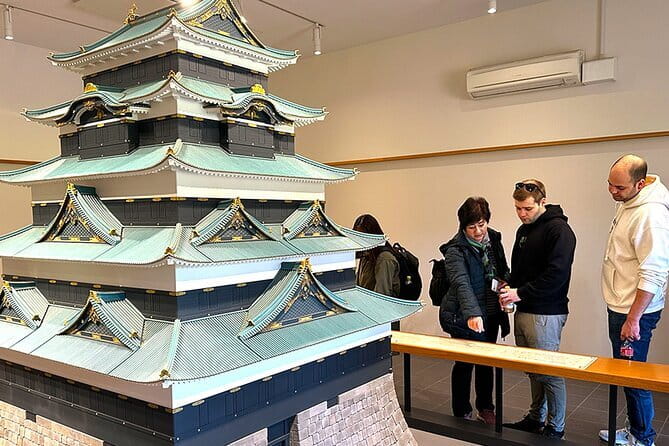
The stop at Kokyo Sannomaru Shozokan adds a visual aid to the outdoor ruins. You can see a scale model of the former Edo Castle and browse a souvenir shop with palace-related goods.
The model is especially useful if you have trouble imagining the original complex from the surviving walls and foundations. Guides have also used laminated pictures of earlier layouts, guard towers, and members of the imperial family, which can make the explanation more concrete. Keiko, in particular, has been praised for using flashcards to keep the discussion active.
Do not expect a full museum visit here. The stop lasts about 10 minutes, so think of it as a brief visual pause rather than a major indoor attraction.
The lost main tower and Edo Castle’s central ruin
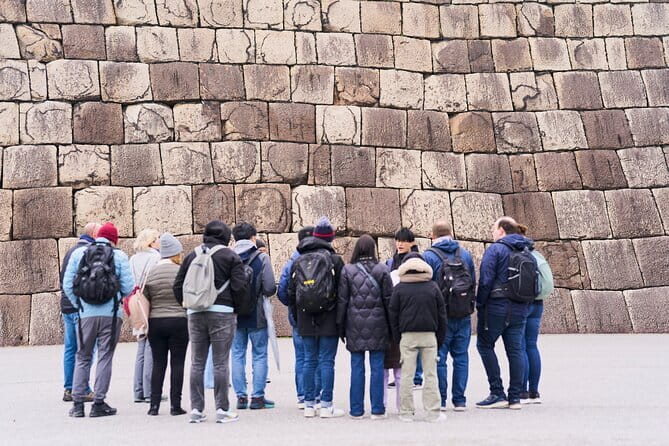
The East Gardens of the Imperial Palace include the former site of Edo Castle’s main tower. The tower is gone, but the open space and remaining foundations help you understand its former importance.
This is one of the tour’s most useful moments because it answers a question you are likely to have: if this was Japan’s largest fortress, where is the main castle tower? The guide explains why it no longer stands and what remains today.
A self-guided walk can show you a stone platform. A good guide explains what that platform meant within the wider castle compound. The difference is modest in physical terms but large in understanding. You begin to picture the castle as a powerful center of government rather than just a park with attractive walls.
The East Gardens are also a reminder that modern Tokyo has been built around, over, and through older layers. Imperial institutions, shogun government, castle defenses, public gardens, and office districts all meet here.
Ninomaru Garden and the quieter side of the tour
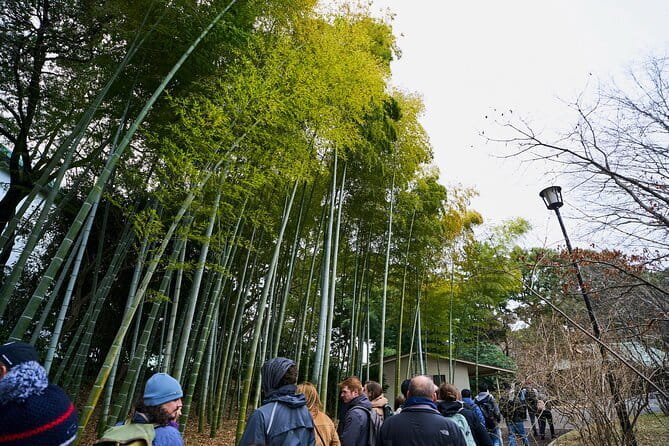
After the military focus comes Ninomaru Garden, a traditional Japanese garden with seasonal plants and a pond filled with koi. The tour allows about 15 minutes here.
I like this change of pace. The earlier stops ask you to think about walls, guards, and restricted access. Ninomaru offers water, plants, and a calmer view of the former castle grounds. It is also one of the best parts of the route for photographs.
The garden is beautiful, but it is not a long, leisurely garden visit. Fifteen minutes passes quickly, especially if you want to take pictures or watch the koi. Still, the short stop works well within a two-hour program because it gives your feet and attention a break.
The route is scheduled to finish near the ginkgo-lined avenue stretching toward Tokyo Station. The meeting information also says the activity ends back at the meeting point, so check the exact end arrangement with your guide on the day. Either way, you finish in central Tokyo with easy access to nearby transport and city sights.
What the guides add to the experience

The strongest part of this tour is the human explanation. Several guides have been singled out for turning a basic walk into a lively lesson. K is repeatedly described as funny, clear, passionate, and able to handle questions in fluent English. Keiko has used laminated images to show former layouts and towers. Shin has been praised for explaining both the Imperial Palace grounds and the Edo period with ease.
Other named guides include Ai, Tomo, Anju, Nana, Yuuko, Yuuki, Dai, Mako, Mayuko, and Franky. That list does not mean you can select a particular guide, but it shows the range of guides associated with the experience.
A good guide matters here because many of the most important features are incomplete. You need someone to explain why a wall bends, why a guardhouse had a particular rank of samurai, or why the main tower disappeared. The tour does that best when the guide uses simple comparisons, answers questions, and keeps the group moving.
There is one clear caution. One participant left because the guide’s English was not strong enough for their needs. Since the tour is English only, this is worth considering if detailed spoken explanation is central to your enjoyment. The large majority of the available feedback is highly favorable, with a 4.9 rating from 725 reviews and 99 percent recommending it, but no guided experience is identical on every departure.
Is $23.88 a fair price?
At $23.88 per person, this is priced as an accessible introduction rather than a premium private tour. You are paying for roughly two hours of structure, interpretation, and local guidance, while admission to the listed sites is free.
The value depends on how much you want from the grounds. If you only want a pleasant stroll and photographs, you can see much of the area without paying for a guide. If you want to understand the shogun, samurai ranks, castle defenses, imperial continuity, and the reason the ruins look as they do, the fee is easier to justify.
The small-group promise improves the value. A guide who can answer questions and show visual material is more useful with 10 people than with a large crowd. The tour also covers a good range without taking half a day, which leaves room for Tokyo Station, Marunouchi, Ginza, or another afternoon plan.
Walking conditions and practical advice
Plan for ordinary city walking plus steep slopes and stairs. Most participants can take part, but this is not a seated sightseeing experience. Comfortable footwear matters more than fashionable footwear.
The route is exposed in places. Bring water, sun protection, and a hat or umbrella. One tour took place on an extremely hot day, and the guide handed out sweets and menthol napkins to help the group cope, but you should not rely on that. Start prepared.
Rain does not automatically cancel the experience. A guide has conducted the tour in wet weather, but rain will make stone surfaces and outdoor explanations less pleasant. Check the forecast and dress accordingly.
The tour has free cancellation if you cancel at least 24 hours before the local start time. Cancellations or changes made less than 24 hours ahead are not accepted for a refund.
Who should book this Imperial Palace walk?
I would choose this tour early in a Tokyo visit if you want a quick foundation in Japanese political and military history. It suits first-time visitors, families who prefer a moving lesson to a formal museum, and anyone who looks at castle ruins and wants to know what happened there.
It is also a good fit for people who enjoy asking questions. The guides have been praised for patience and for adding extra time in at least one case, though you should still expect the group to follow a schedule.
I would skip it if you want to enter the Emperor’s residence, tour lavish palace interiors, or spend most of your time quietly photographing gardens. Those experiences are not part of the route. The focus is the public grounds and the surviving evidence of Edo Castle.
Should you book it?
Book this walk if you want the Imperial Palace grounds to become more than a scenic green space in central Tokyo. The price is sensible, the route covers the key surviving castle features, and the best guides make the samurai and shogun era easy to follow.
Go prepared for sun, stairs, and an English-only presentation. If you bring water, wear good shoes, and arrive ready to listen, this is a compact way to understand why Edo Castle mattered and how its remains fit into modern Tokyo.
FAQ
How long does the Tokyo Castle and Imperial Palace tour last?
The tour lasts approximately two hours.
What language is the tour conducted in?
The tour is conducted in English only. Japanese-language support is not available.
What is the price of the tour?
The listed price is $23.88 per person.
Where does the tour meet?
The meeting point is Starbucks Coffee at Kokyo Gaien Wadakura Fountain Park, 3-1 Kōkyogaien, Chiyoda City, Tokyo 100-0002, Japan.
Where does the tour finish?
The activity information says it ends back at the meeting point. The route description also notes a conclusion near the ginkgo-lined avenue stretching toward Tokyo Station, so confirm the exact end point with your guide.
Can I visit the Emperor’s residence?
No. The Emperor’s residence is not open to the public on this activity.
Are the listed attractions included with an admission charge?
The listed stops show free admission. The tour itself has a per-person charge.
Are there security rules for entering the Imperial Palace grounds?
Yes. There is a security check, and you should not bring knives or alcohol.
Is the walk difficult?
Most people can participate, but you will need to walk up steep slopes and stairs. Comfortable shoes, water, and protection from the sun or rain are sensible.
Can I cancel for a full refund?
Yes, if you cancel at least 24 hours before the experience start time. Cancellations or changes made less than 24 hours ahead are not refunded.
More Walking Tours in Tokyo


More tours in Tokyo we've reviewed








Walking Tours, compared.
 ★ 5.0Tokyo Tsukiji Fish Market Food and Culture Walking TourFrom $99
 ★ 5.0Tokyo: Imperial Palace and Shogun Historical Walking TourFrom $22
 ★ 4.9Tokyo: Shinjuku Local Bar and Izakaya Guided Walking TourFrom $343 hours
 ★ 5.0Tokyo: Tsukiji Fish Market Food and Walking tourFrom $30
 ★ 4.8Tokyo: Asakusa Walking Tour with Sensoji Temple VisitFrom $222 hours
 ★ 4.9Tokyo: Tsukiji Fish Market Guided Walking TourFrom $222 hours