
Reviewed · PRIVATE DRIVERS
Nagano Private Tour With English Speaking Driver
The snow monkeys are the star here. You leave Tokyo for Nagano, walk about 1.6 kilometers to Jigokudani Snow Monkey Park, and watch Japanese macaques soak in steaming mountain pools. It is a memorable sight, but the long drive means you should treat this as a snow-monkey tour with extra stops, not a full survey of Nagano.
I like the private car for up to six people, especially if you are traveling with family or friends. I also like the flexible driver-led format: Sarfraz, often called Sarfy, Hamza, and Waqas have been praised for safe driving, kind service, and help shaping the day around your priorities. The main catch is time. From Tokyo, the journey can take almost four hours each way, so trying to visit all six listed stops will leave you rushing.
In This Review
- Key points before you book
- Is a Tokyo to Nagano day trip worth the long drive?
- Jigokudani Snow Monkey Park and the 1.6-kilometer walk
- Zenko-ji Temple, Nagano’s essential cultural stop
- Shibu Onsen, traditional streets and bathing culture
- Matsushiro Castle and the Takeda-era past
- Obuse, sake and a slower small-town stop
- Togakushi Shrine and difficult winter access
- What the private vehicle adds
- Driver quality and what to clarify
- Food, timing, and the shape of your day
- Who should book this Nagano tour?
- Should you book it?
- FAQ
- How long is the Nagano private tour from Tokyo?
- How many people can join the private tour?
- Is hotel pickup included?
- Is lunch included?
- Are admission fees included?
- Do I need special equipment for Togakushi Shrine in winter?
Key points before you book
- Jigokudani requires a 1.6-kilometer walk: Wear practical shoes and allow time beyond the drive.
- The $550 price covers the whole vehicle: A group of six can share the cost, but admission fees and lunch need careful checking.
- Choose two or three main sights: Six stops in 10 hours is not a realistic sightseeing plan from Tokyo.
- The driver makes or breaks the day: Sarfraz, Hamza, and Waqas receive especially warm praise, but guide quality may vary.
- Winter changes the plan: Togakushi Shrine may require snowshoes or crampons when snow and ice cover the steep approach.
- You control the pace: The private format allows coffee stops, longer visits, and a different drop-off point when arranged with the driver.
Is a Tokyo to Nagano day trip worth the long drive?
Nagano is far enough from Tokyo to feel like a real change of pace. You trade city streets for mountain roads, old temple grounds, hot springs, and rural towns. The trouble is that a 10-hour tour sounds generous until you count the journey.
A return trip from Tokyo may use close to eight hours of the day. That leaves only a short window for sightseeing, meals, parking, and the walk to the monkey park. One group enjoyed the trip but found that only the monkeys and Zenko-ji fit comfortably. That is a fair picture of what you should expect.
I would plan around one major sight and one or two smaller stops. The strongest pairing is Jigokudani Snow Monkey Park with Zenko-ji Temple. If you prefer hot springs and traditional streets, combine the monkey park with Shibu Onsen. Obuse makes a pleasant lighter stop, while Matsushiro Castle and Togakushi Shrine need more time than a quick photo break.
The private format helps because you are not tied to a large bus group. You can stop for coffee, linger at a temple, or drop the castle from the plan when the morning runs late. That flexibility is the real reason to book this instead of searching for the lowest-priced transport option.
Other private tours in Tokyo
Jigokudani Snow Monkey Park and the 1.6-kilometer walk
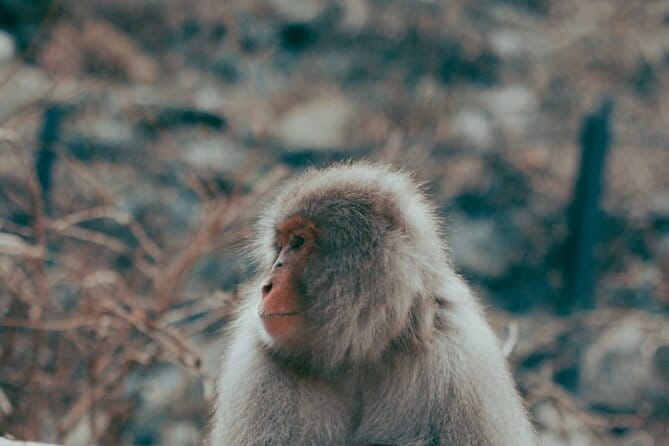
Jigokudani Snow Monkey Park is the central reason to take this excursion. It was established in 1964 and is known for Japanese macaques bathing in hot springs. The monkeys are wild animals, so the appeal comes from watching their behavior in a natural mountain setting rather than seeing a staged animal show.
The park is not beside the parking area. You should expect a walk of about 1.6 kilometers before reaching the pools. The route is an important part of the outing, especially in winter, when snow and ice can make it slower and more tiring.
Wear shoes with a firm grip and dress for cold weather. If you have small children, limited mobility, or a stroller, ask the operator for current access details before booking. One family appreciated being brought as close as possible to the park entrance, but the walk itself cannot be eliminated.
Plan to arrive early in winter if possible. Crowds can build, and the available viewing area is not large. Your driver can explain where to meet afterward, but do not assume the driver will walk through the park with you. This is a driver-led tour, and the level of guiding can vary.
For me, the monkeys justify the long journey if you have a strong interest in wildlife or Japanese mountain culture. If you are only mildly curious, the travel time may feel excessive.
Zenko-ji Temple, Nagano’s essential cultural stop
Zenko-ji is one of Japan’s oldest Buddhist temples, with almost 1,400 years of tradition, legend, and religious importance. It is also registered as a National Treasure. Even if you are not deeply interested in Buddhism, the scale and age of the site give the Nagano visit a strong cultural center.
The planned visit allows about two hours, which is useful. You can see more than the main gate, take photographs, and give yourself time to notice the architecture and atmosphere. Admission is listed separately from the basic tour information, so check exactly what is covered before departure.
This is the stop I would protect if weather or traffic forces a change. The monkey park gives you a striking natural encounter, while Zenko-ji explains why Nagano matters as a historic Japanese city. Together they create a more rounded day.
One important point: the driver may provide background and practical help, but this is not guaranteed to be a formal guided temple tour. If you want detailed religious or architectural commentary, ask before the day begins.
Shibu Onsen, traditional streets and bathing culture
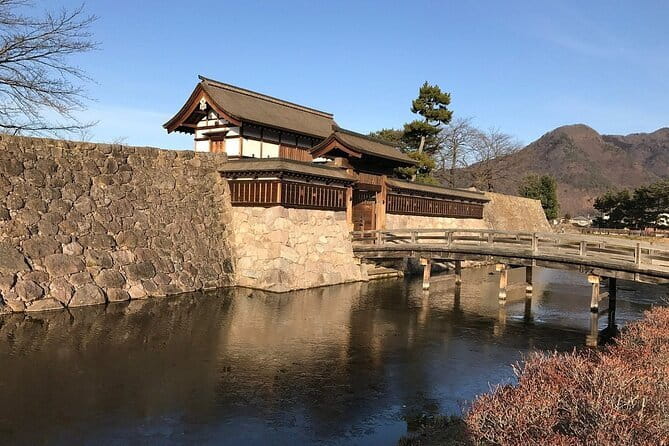
Shibu Onsen sits in the mountains near the monkey park and offers a traditional hot spring setting. Its narrow streets are lined with ryokans, or traditional inns, and public bathing is part of the town’s identity.
The planned stop is about one hour and 20 minutes. That is enough for a walk and a look around, but it may not allow time for a full bathing experience, especially if you need to change clothes or arrange entry. Admission is not listed as included.
Several practical details matter here. Tattoos can be a concern at Japanese hot springs, but one particularly helpful guide found an onsen that allowed tattooed bathers. Do not count on every facility having the same policy. Ask your driver to confirm the rules and available time before you commit to bathing.
Shibu Onsen works best as an alternative to Obuse or Matsushiro Castle, not as an extra stop squeezed into an already full schedule. The streets offer a more local-feeling break after the formal temple and the busy monkey park.
Matsushiro Castle and the Takeda-era past
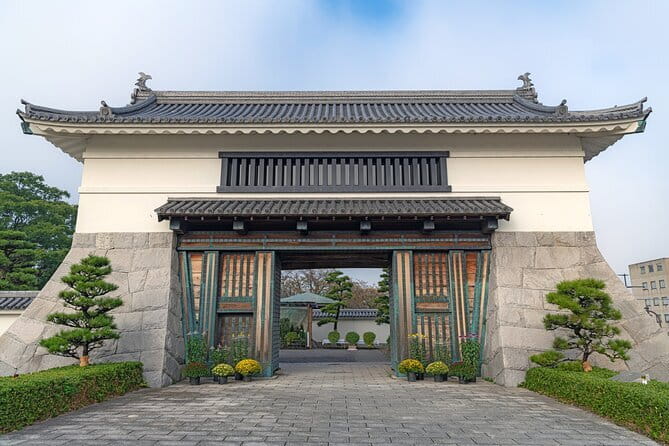
Matsushiro Castle has a story reaching back to 1560, when Yamamoto Kansuke built the first castle on the site under Takeda Shingen’s direction. It was then known as Kaizu Castle. The site connects Nagano with the Takeda clan and the military history of feudal Japan.
The planned visit is one hour. That may be enough for the grounds and photographs, but not for a slow historical visit with extensive explanation. The listing does not promise a complete reconstructed castle interior, so set your expectations around the site, layout, and remaining features rather than a large intact fortress.
I would choose Matsushiro if you enjoy Japanese castle history or want a quieter stop away from the monkey park crowds. I would skip it if your first priority is bathing at Shibu Onsen or spending more time at Zenko-ji.
A few more Tokyo tours and experiences worth a look
Obuse, sake and a slower small-town stop
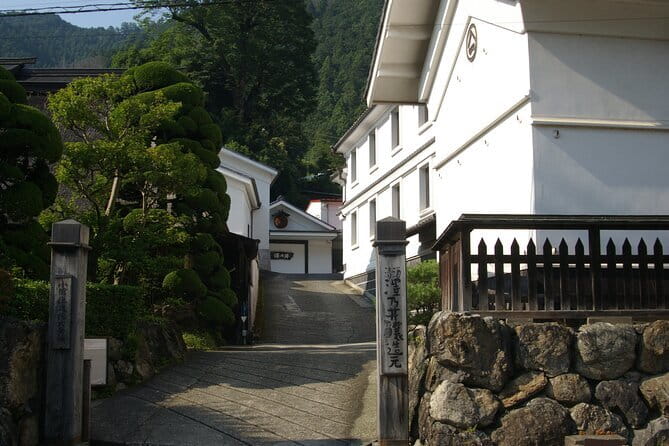
Obuse is a small historic town where you can look for an onsen or sake experience. The planned visit lasts about one hour and 20 minutes, and admission is listed as free. That makes it a useful low-pressure stop, particularly if you want lunch, a short walk, or a break from temples.
Obuse was the stop that fit most easily into one return trip from Tokyo. It can be added after the main attraction without requiring the same commitment as Togakushi Shrine. Still, the exact sake or onsen activity is not specified, so you should ask what is open and available on your date.
I like Obuse for the same reason I like private touring in general: it gives the day breathing room. You can make a short visit rather than force another major attraction into the schedule.
Togakushi Shrine and difficult winter access
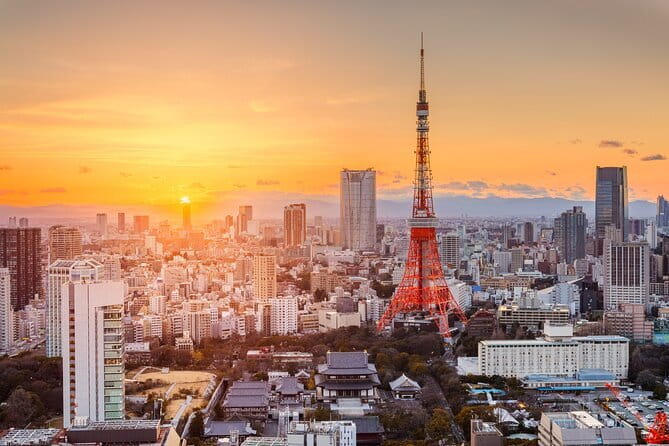
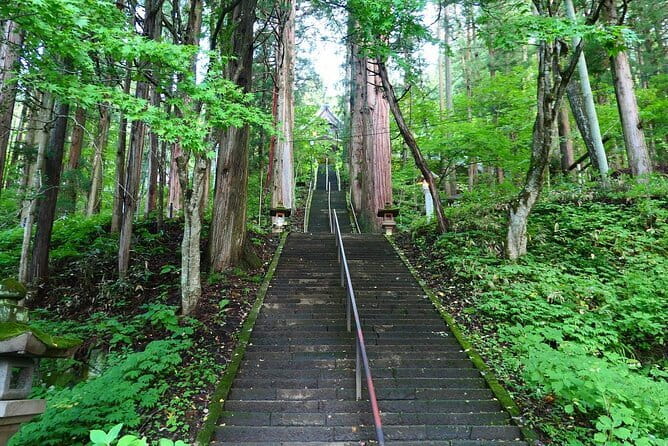
Togakushi Shrine is the most demanding option on the route. The approach to the Okusha includes a steep slope, and winter conditions can require snowshoes and crampons. The listed visit is about one hour, which may be too short if you want to walk far along the approach.
This stop is best for people who specifically want Togakushi and are prepared for an outdoor walk. It is not a casual add-on after the monkeys, temple, onsen, and castle. Ask about snow and trail conditions before setting the itinerary, and bring suitable gear if you go in winter.
The shrine is listed as free, but free admission does not mean easy access. You still need to allow for walking time, weather, and the possibility that the route will slow the rest of the day.
What the private vehicle adds
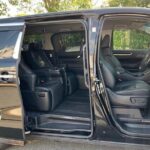
The tour includes private transportation in an air-conditioned vehicle, fuel, and highway tolls. Pickup from your Tokyo hotel is included, and the vehicle can carry up to six people. For a full group, $550 works out to about $92 per person before meals and any admissions. For two people, the cost is $275 each, so the value depends heavily on how much you care about privacy and convenience.
You are paying for a long private transfer as much as for sightseeing. That can be a good deal for a family or group that would otherwise need to arrange several train and local transport connections. It is less attractive for a solo visitor or couple who mainly want a standard attraction visit.
The car was repeatedly described as clean, comfortable, and safe. Drivers have also offered music, coffee stops, photo help, and flexible drop-offs. One group was taken to an evening food-tour meeting point instead of back to the hotel, which shows what the private setup can do when the schedule is discussed clearly.
Photo assistance is included. Your driver can use your camera or phone at major spots, useful at Zenko-ji, the monkey park entrance, and scenic roadside viewpoints. This is a small feature, but it saves you from relying on strangers for group pictures.
Driver quality and what to clarify
The strongest praise centers on personal service. Sarfraz, also called Sarfy, is described as friendly, patient, funny, and very willing to adjust the route. Hamza is praised for professionalism, early arrival, and making passengers feel safe. Waqas is noted for keeping in touch before pickup and sharing enthusiasm for Nagano.
Those details matter because this is not a traditional bus tour with a fixed script. Your driver may be your main source of context, directions, and timing. At the same time, one poor experience involved a driver who functioned mainly as transport rather than as a guide. You should not assume every assigned driver offers the same level of commentary.
After booking, confirm:
- The driver’s name and direct contact method
- How much historical or cultural guiding is provided
- Your top two or three stops
- The estimated drive time from your hotel
- Which admissions are covered
- Where lunch will fit
- The return time and possible drop-off location
The information says admission fees are included, yet each stop also says admission is not included. That contradiction needs clarification before you pay for entry or build your budget. Lunch is definitely not included.
Food, timing, and the shape of your day
Lunch is your responsibility. A cafe near the monkey park entrance was recommended to one group, but no fixed restaurant is promised. Ask the driver about meal timing so you do not lose sightseeing time while searching for food.
An early start is sensible, especially in winter. It gives you a better chance of reaching Jigokudani before the busiest period and leaves some room for traffic, coffee, and the walk. Even then, Tokyo traffic and mountain roads can affect the plan.
I would use this order when possible: leave Tokyo early, visit Jigokudani, eat nearby, then choose Zenko-ji plus either Shibu Onsen or Obuse. Add Matsushiro Castle only if the day is moving well. Save Togakushi for a separate excursion unless it is your main reason for going.
The tour lasts about 10 hours, but the day can feel longer because of the early pickup and extended time in the car. Comfortable seating helps, particularly for families, but nobody should book this expecting a relaxed Nagano stay.
Who should book this Nagano tour?
This works best for a group of up to six that wants a private car, hotel pickup, and freedom to change plans. It is especially useful for families, friends, and people who find train connections or rural bus routes stressful.
You should also consider it if seeing the snow monkeys is high on your Japan wish list. The long drive is easier to accept when the main goal is clear. The private setting also suits anyone who wants to stop for coffee, take photographs, or avoid the fixed pace of a large coach.
I would hesitate if you want a full guided tour of every site listed. Six stops are too many from Tokyo, and the driver may offer limited formal commentary. I would also hesitate if you dislike long road journeys or want a deep visit to Nagano itself.
Should you book it?
Book this tour if you can gather three to six people, accept the long drive, and agree in advance on two or three priority stops. Ask for the driver’s name, confirm the admission-fee confusion, and make Jigokudani the main target.
For the best version of the day, request a driver such as Sarfraz, Hamza, or Waqas if the operator can accommodate that request, though no specific driver is guaranteed. Choose the monkeys and Zenko-ji for a first visit, or replace the temple with Shibu Onsen if hot springs matter more to you.
The tour offers real value as a private Nagano transfer with personal service, not as a chance to conquer every attraction in one day. Set that expectation, and the snow monkeys, mountain roads, and old temple can make the long ride worthwhile.
FAQ
How long is the Nagano private tour from Tokyo?
The tour lasts approximately 10 hours. The drive from Tokyo to Nagano can take almost four hours each way, so the available sightseeing time is limited.
How many people can join the private tour?
The private vehicle accommodates up to six people per group.
Is hotel pickup included?
Yes. Hotel pickup is offered as part of the experience.
Is lunch included?
No. Lunch is not included, so you will need to pay for and arrange your own meal.
Are admission fees included?
The tour information says admission fees are included, but the individual stops also state that admission tickets are not included. Confirm this point with the provider before booking.
Do I need special equipment for Togakushi Shrine in winter?
The approach to Togakushi Shrine is steep, and snowshoes and crampons may be needed in winter. The tour information advises bringing suitable hiking gear for snowy conditions.
More Private Drivers in Tokyo
More Private Tours in Tokyo
More tours in Tokyo we've reviewed
Private Drivers, compared.
 ★ 5.0Mt Fuji Private Tour with English Speaking DriverFrom $415
 ★ 4.5Mt. Fuji & Hakone Private Day Tour with English-Speaking DriverFrom $453
 ★ 4.5Haneda Airport (HND) Private Transfer to Central TokyoFrom $104
 ★ 4.5Mt. Fuji, Hakone Full-Day Private Tour with English Driver GuideFrom $495
 ★ 5.0Mt. Fuji Day Trip from Tokyo with English Speaking Driver GuideFrom $497
★ 4.5Mt. Fuji Private Tour with English Speaking DriverFrom $464
★ 5.0Mt. Fuji Day Trip from Tokyo with English Speaking Driver GuideFrom $497
★ 4.5Mt. Fuji Private Tour with English Speaking DriverFrom $464