
Reviewed · TOURS
Tokio A: Tour de la ciudad en Español – Spanish
Tokyo A is a full-day city tour built around sharp contrasts: ancient Senso-ji, quiet park paths, market stalls, high-rise views, and the neon maze of Kabukicho. I like the route because it gives you a broad first look at Tokyo without pretending the city can be understood from one neighborhood.
I also like the personal touch. Guides such as Nikita, Camila, and Emi have been praised for helpful explanations, flexible planning, and useful tips for the rest of your trip. The main consideration is pace: eight hours, public transport, and several guided walks make this a demanding day, especially if you prefer slow sightseeing.
In This Review
- Key points at a glance
- A full day that connects old and new Tokyo
- Meeting your Spanish-speaking guide in Asakusa
- Senso-ji: begin with Tokyo’s traditional side
- Ueno Park and Ameyoko: two sides of the same district
- Shinjuku: the city from above
- Kabukicho and Golden Gai after dark in spirit
- How the public transport works
- What $96 buys you
- Who will get the most from this tour
- Booking details worth knowing
- Should you book Tokio A?
- FAQ
- Is the tour conducted in Spanish?
- How long does the tour last?
- Where does the standard tour meet?
- Does the tour include hotel pickup?
- Is transportation included in the price?
- Is lunch included?
- What happens if the Shinjuku viewpoint is closed?
- Can I book a private group?
Key points at a glance
- Senso-ji starts the day with old Tokyo atmosphere, including one of the city’s best-known Buddhist temples.
- Ueno and Ameyoko pair green space with street commerce, giving you two very different sides of the same area.
- Shinjuku supplies the big-city view, though the planned observatory may change to Ebisu if the original viewpoint is closed.
- Kabukicho and Golden Gai provide a neon finale, with karaoke bars, restaurants, bars, and gaming shops.
- Spanish-speaking guides make the day easier to follow, with advice for continuing your Japan trip.
- The $96 price covers eight hours of guiding, but you still pay about 400 yen for transport, plus lunch and drinks.
A full day that connects old and new Tokyo
The clever part of this route is its order. You begin in Asakusa, where Tokyo feels more traditional, then move through Ueno and Ameyoko before reaching the glass-and-neon districts of Shinjuku and Kabukicho.
That progression helps you read the city. You see religious buildings, public parks, a market, a modern viewpoint, and a nightlife district in one day. It is not a specialist tour of any one subject. Instead, it works as a first orientation to Tokyo, especially if you want Spanish explanations while you get your bearings.
The tour lasts eight hours. That is enough time for a substantial introduction, but it also means you should arrive ready to walk, ride trains or subways, and keep moving. The experience is offered for $96 per person, with a private group option available. Hotel pickup can be added, although pickup is done by public transport rather than by private vehicle.
If you're still narrowing it down, here are other tours in Tokyo we've reviewed.

Meeting your Spanish-speaking guide in Asakusa
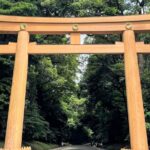
The standard meeting point is in front of the Asakusa Tourist and Cultural Information Center. Look for the guide wearing identification marked NIPONEANDO.
This is a useful place to meet because it puts you close to Senso-ji, the first major stop. If you select a private tour or pay for the pickup option, the guide can meet you at your hotel. The practical detail matters in Tokyo, where a smooth start can save time and confusion in a city with many stations and exits.
The guides named in the feedback include Nikita, Camila, and Emi. Their strengths appear to be personal attention, clear communication, flexibility, and practical help. One particularly useful example involved Emi collecting a group at the hotel and adjusting the route to suit the day. You should still confirm your guide’s name and meeting instructions before setting out.
Senso-ji: begin with Tokyo’s traditional side
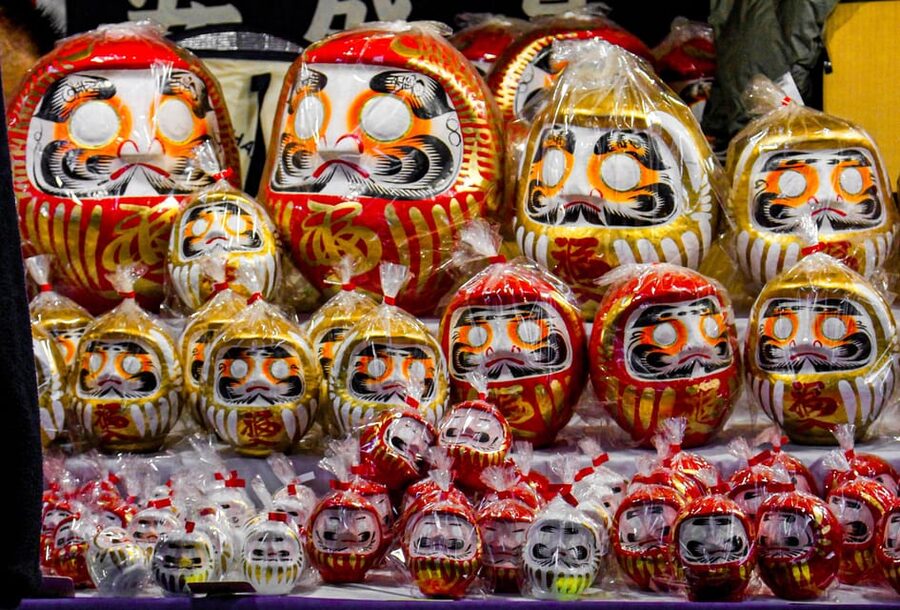
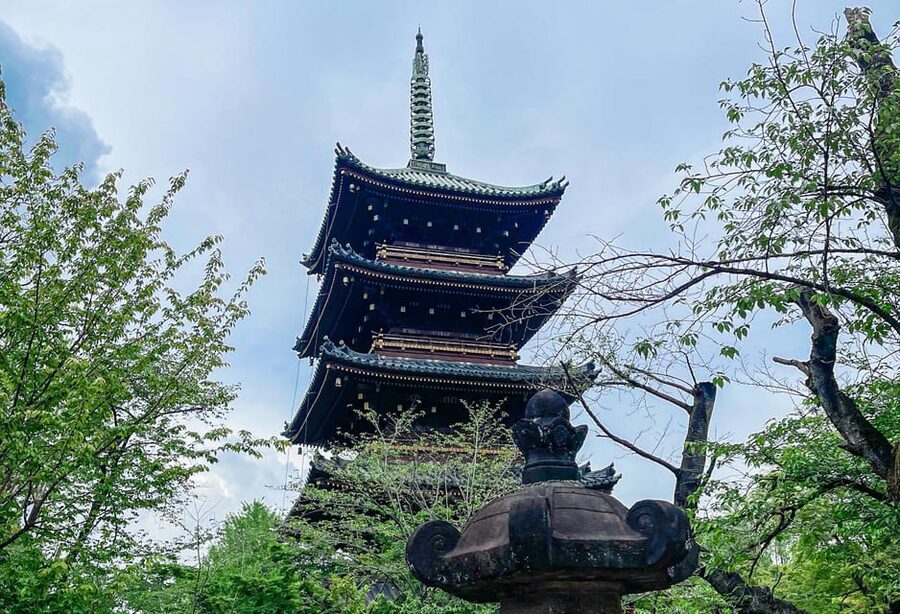
The first guided visit lasts about two hours at Sensō-ji, Tokyo’s most famous temple complex. This gives the opening part of the day real weight rather than treating the temple as a quick photo stop.
Senso-ji is a strong choice for a first visit because it introduces religious customs, temple architecture, and the older character of Asakusa. The area also offers an immediate contrast with the modern Tokyo you may have seen in photographs. Your guide can explain what you are seeing in Spanish and help you approach the site with the right level of respect.
Two hours is generous for a temple visit. You should have time to listen, look around, and ask questions rather than simply follow a flag through the grounds. The tradeoff is that the tour begins at a measured pace, so the day becomes long later on. If you want to see every corner of Tokyo at top speed, this is not that kind of outing.
The route includes a separate entrance for skipping the line, according to the activity details. The exact meaning of that access can depend on the attraction and conditions that day, so do not assume every part of the temple area will involve a timed admission.
Ueno Park and Ameyoko: two sides of the same district
After Asakusa, the group takes the subway for about 10 minutes to Ueno. The guided visit here lasts roughly 90 minutes, followed by an 80-minute lunch break.
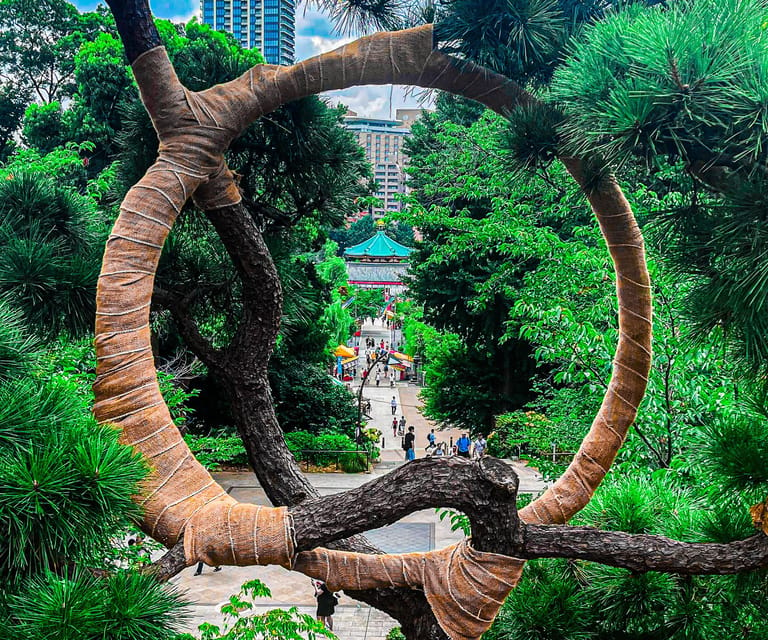
Ueno Park is one of Tokyo’s best-known public parks. It gives the day a change of rhythm after the temple visit. You can expect a more open setting and a chance to see how Tokyo makes room for public recreation within a huge urban center.
The park is not presented as a long nature walk. It is one stop in a packed city route, so your guide’s explanation is important. You will get more from the visit if you ask about the parts that interest you rather than treating the park as a simple passage to lunch.
Lunch is not included. You have 80 minutes, which gives you time to choose and pay for your own meal. This arrangement keeps the tour flexible, but it also means the $96 price is not an all-in day. Set aside money for food and drinks, and tell your guide if you need help deciding where to eat.
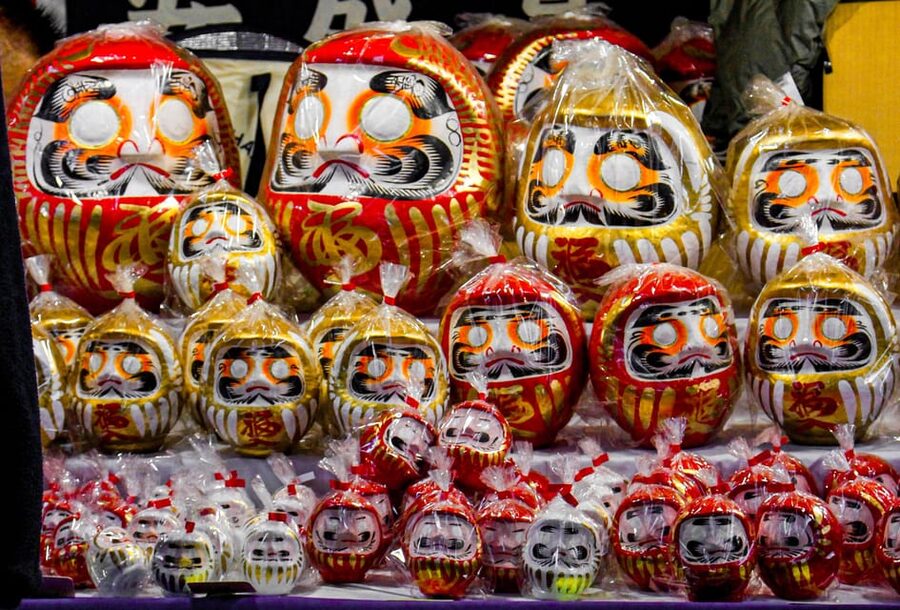
After lunch, the tour visits Ameyoko, described as an atypical market. This is one of the route’s most useful stops because it shifts the focus from monuments to everyday commerce. Markets show a more practical, noisy, and informal side of Tokyo than temple grounds do.
Ameyoko helps break up the cultural sightseeing. You can look at shopfronts, stalls, and the flow of local buying and selling while your guide explains what makes the area distinctive. It is also a good place to ask for food suggestions and shopping advice for later in your trip.
You should keep the market visit in perspective. It is not a quiet cultural site, and the route does not promise a long period for browsing independently. The appeal is the contrast with Senso-ji and Ueno, not a dedicated shopping afternoon.
Shinjuku: the city from above
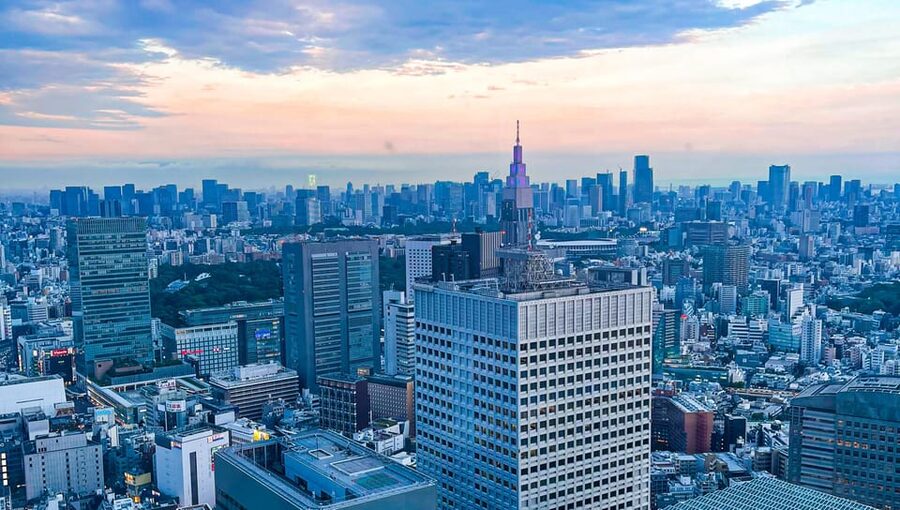
From Ueno, the journey to Shinjuku takes about 25 minutes by train. The guided visit in Shinjuku lasts around 90 minutes and includes a viewpoint described as one of the best in Tokyo.
This is the moment when the scale of the city becomes clear. After beginning among temple buildings and park paths, you look out across the dense urban spread of Tokyo. The viewpoint gives the day a strong visual center and helps connect the separate districts you have already visited.
The planned viewpoint may change to the Ebisu viewpoint if the Shinjuku location is closed for reasons outside the operator’s control. That is important to know before booking. You are paying for a guided city tour with a high viewpoint, not a guarantee of one exact observatory.
Weather, opening conditions, and visibility can affect how much you get from this stop, but the tour does include a planned alternative. Your guide can also use the time to explain the districts below and offer suggestions for what to do after the tour.

Kabukicho and Golden Gai after dark in spirit
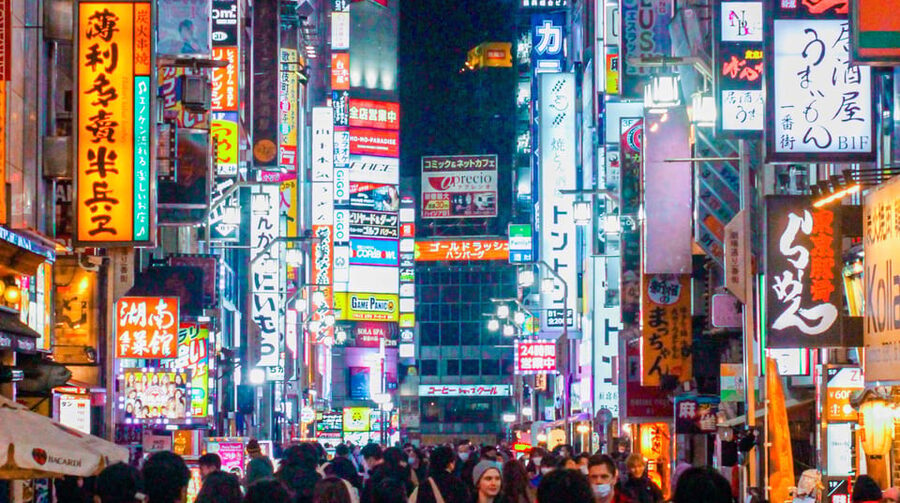
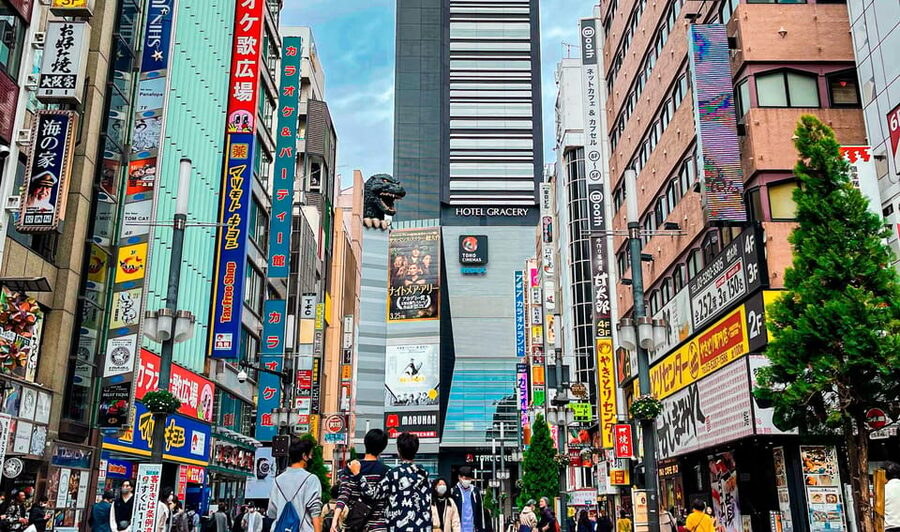
A 10-minute walk takes you from the Shinjuku visit to Kabukicho. The final guided section lasts about 50 minutes and ends at Kabukicho Theater.
Kabukicho is widely known as Tokyo’s red-light district, though it is also a major nightlife zone with karaoke bars, restaurants, bars, gaming shops, and bright neon signs. The tour presents the area as a way to see Tokyo’s modern entertainment culture, not simply as a place to wander without context.
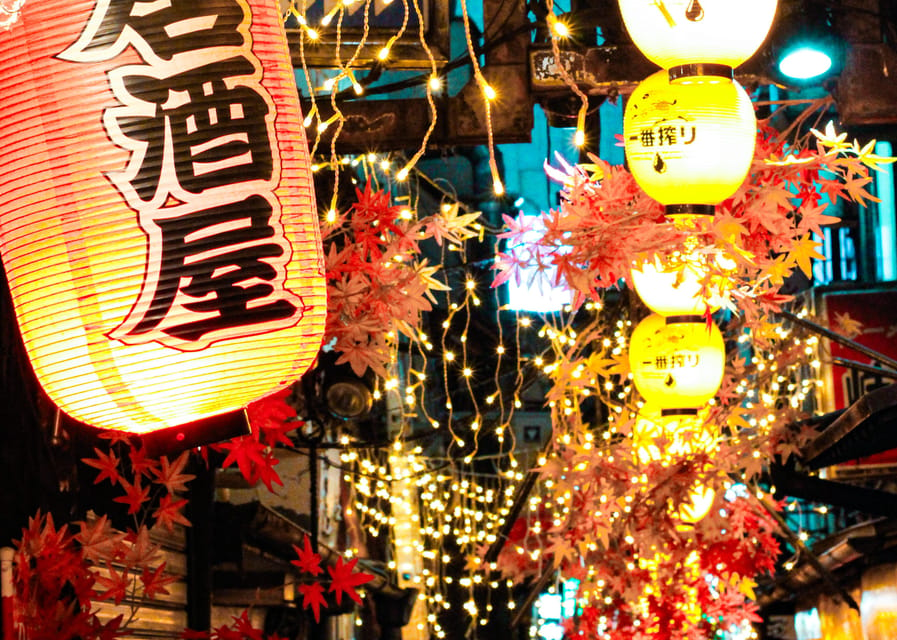
Golden Gai is part of this final atmosphere. Its small bars and narrow nightlife lanes are very different from the broad spaces of Ueno Park or the formal approach to Senso-ji. You can expect a visual finish filled with signs and illuminated facades, with your Spanish-speaking guide helping you understand the character of the district.
The 50-minute stop is enough for an introduction, but not a full night out. The tour ends at Kabukicho Theater, so you can continue independently if you want to eat, visit a bar, or explore the area further. Any food, drinks, or entertainment afterward are your responsibility.
This ending suits people who want a city tour to finish with energy. If you prefer to end near your hotel or return to a quiet neighborhood, Kabukicho may feel like an awkward final stop. Check your evening plans before booking.
How the public transport works
Transportation is not included. The stated transport cost is about 400 yen, and the itinerary uses a subway ride of roughly 10 minutes and a train journey of about 25 minutes, along with walking.
The low transport cost is a plus, and using Tokyo’s public system keeps the route connected to ordinary city life. It also means you are not sealed inside a tour vehicle. You see the transitions between districts and get a small lesson in moving around Tokyo.
The practical downside is that you need to keep track of your belongings and stay with the group at stations. Large bags and luggage are not allowed, so leave suitcases at your accommodation. Comfortable shoes are a sensible choice because the day combines temple grounds, park paths, market streets, station connections, and neighborhood walks.
Hotel pickup does not change the transport style. Even with that option, pickup is carried out by public transport. Private tour does not mean private car service.
What $96 buys you
At $96 per person, the main value is the eight hours of Spanish-language guiding. You are not just paying for transfers between famous districts. You receive a connected route, interpretation at each stop, and advice for the rest of your trip.
That can be worthwhile in Tokyo, especially at the start of a Japan visit. The city is easy to enter but not always easy to read. A Spanish-speaking guide can explain customs, point out useful details, answer questions in real time, and help you decide what to see next.
You should budget separately for the 400 yen transport cost, lunch, and drinks. The price also varies in practical value depending on group size. A private group gives you more control and potentially more room for questions, while a shared tour may suit you if you want a lower-pressure way to meet the route and its main sights.
The strongest personal feedback centers on the guides’ manner. Nikita was described as kind, attentive, polite, and helpful. Camila was praised for hosting well and giving useful tips. Emi was noted for clear explanations, communication, hotel pickup, and flexibility. Those details matter because an eight-hour tour depends heavily on the person leading it.
Who will get the most from this tour
I would recommend this experience to you if Spanish is your preferred language and you want a broad Tokyo introduction in one day. It also fits first-time visitors who want the major contrasts explained rather than simply photographed.
It is a good match if you value:
- A personal guide who can answer questions in Spanish
- A mix of temples, parks, markets, views, and nightlife
- Advice for planning the rest of your Japan trip
- Public transport rather than a private coach
- The option of a private group or hotel pickup
I would be more cautious if you have limited stamina, dislike moving between several districts, or want long independent time at each stop. The day is full, and the itinerary includes several changes of setting.
The activity is wheelchair accessible, but the route uses public transport and includes walking. If mobility support is important to you, contact the operator before booking so the practical details can be confirmed. The tour is not suitable for people with hearing impairments, and minors may not participate without an accompanying adult.
Booking details worth knowing
You can cancel up to 24 hours in advance for a full refund, and the reserve-now, pay-later option keeps your plans flexible. Starting times depend on availability, so check the date you want rather than assuming a fixed departure.
The usual private-tour start is not specified here. If you add an earlier 9:00 start to the private option, the tour finishes one hour earlier at 17:00. That can be useful if you have an evening reservation or want to avoid ending too late.
For the standard meeting, go to the front of the Asakusa Tourist and Cultural Information Center and look for NIPONEANDO identification. Do not bring luggage or large bags. Keep the day lighter, and allow time to reach the meeting point using Tokyo’s public transport.
Should you book Tokio A?
Book it if you want a Spanish-speaking guide to connect Tokyo’s traditional, commercial, modern, and nightlife districts in one well-filled day. The route is especially useful early in your visit, when advice about food, neighborhoods, transport, and later sightseeing can shape the rest of your trip.
Skip it if you want a slow temple visit, a dedicated food tour, or a private vehicle. The $96 price is fair for eight hours of guiding, but lunch, drinks, and transport are extra, and the busy schedule requires energy.
For most Spanish-speaking first-time visitors, the strongest reasons to book are the route and the human help. Guides such as Nikita, Camila, and Emi have been praised for warmth, clear communication, and practical suggestions. Just arrive with comfortable shoes, a small day bag, and realistic expectations about how much ground Tokyo can cover in one day.
FAQ
Is the tour conducted in Spanish?
Yes. The live tour guide language is Spanish, and the activity is specifically designed as a Spanish-language Tokyo tour.
How long does the tour last?
The tour lasts eight hours. Starting times depend on availability.
Where does the standard tour meet?
The meeting point is in front of the entrance to the Asakusa Tourist and Cultural Information Center. Look for a guide wearing identification marked NIPONEANDO.
Does the tour include hotel pickup?
Hotel pickup is optional. It is included if you select the private-tour option or add the pickup supplement. Pickups are made using public transport.
Is transportation included in the price?
No. Transportation costs about 400 yen and uses public transport, including subway and train travel.
Is lunch included?
No. Food and drinks are not included. The itinerary allows 80 minutes for lunch in Ueno.
What happens if the Shinjuku viewpoint is closed?
The viewpoint may be changed to the Ebisu viewpoint if the originally planned Shinjuku viewpoint is closed.
Can I book a private group?
Yes. A private group option is available. If you add a 9:00 start to the private option, the tour finishes at 17:00.
More tours in Tokyo we've reviewed







Tours, compared.
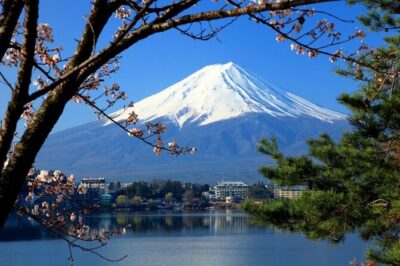 ★ 5.0Mt Fuji and Hakone 1-Day Bus Tour Return by Bullet TrainFrom $163
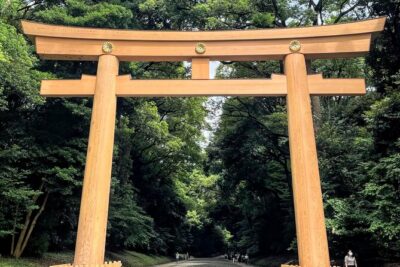 ★ 5.01-Day Tokyo Bus TourFrom $129
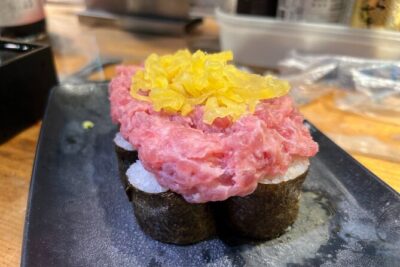 ★ 5.0Tokyo: Shinjuku Food Tour (13 Dishes at 4 Local Eateries)From $86
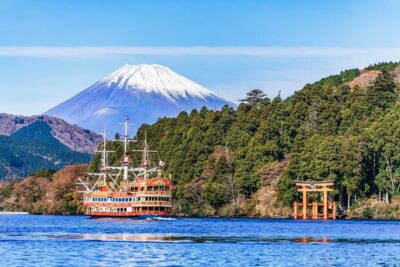 ★ 4.4Tokyo Mt Fuji 5th St & Hakone Cruise Bus Tour w/Bullet TrainFrom $15410 hours
 ★ 5.0Flagship 2-Hours Official Street Go-Kart Tour – Tokyo Bay ShopFrom $642 hours to 2 hours 30 minutes (approx.)
 ★ 4.7Tokyo: Mt. Fuji Tour, Hakone Ropeway, Owakudani, Lake AshiFrom $5410 hours