
Reviewed · GUIDED
Tailored Tokyo private Tour with a Local Guide (10:00〜)
Tokyo can feel like a puzzle on your first morning. This private tour helps you put the pieces together by using public transport, then leads you through Ueno’s shrines, temples, old shopping lanes, and street-food stalls. Guide Itsuko, who sometimes signs messages as Izzie or Issy, plans around your interests before you arrive.
I like the one-to-one attention and the chance to ask basic questions without holding up a group. I also like the thoughtful extras, including a small pamphlet made by the guide and route changes that can keep you out of the heat. The main caution is that Ueno has stairs and uneven ground, and the strict late-cancellation rule matters if someone in your party becomes ill or injured.
In This Review
- Key points to know before booking
- Why a private Ueno tour makes sense on day one
- Ueno Toshogu and the etiquette of shrines
- Ueno Daibutsu, a Buddha with an unusual story
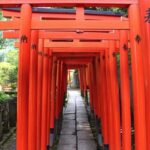
- Hanazono Inari Shrine and its red torii gates
- Kiyomizu Kannon-dō and a Kyoto connection
- Ameyoko for street food and an easy lunch
- What the custom planning really adds
- Timing, transport, and the value of the price
- Who should book, and who should think twice
- Weather, communication, and cancellation details
- Should you book this private Tokyo experience?
- FAQ
- How long does the private Tokyo tour last?
- What area does the sample route cover?
- Is the itinerary fixed?
- Is public transportation part of the experience?
- Is lunch included in the price?
- Should I bring cash?
- Is the tour suitable for people with limited mobility?
- Can the tour include Kamakura?
- What is the cancellation policy?
Key points to know before booking
- Itsuko plans before the tour: She contacts you about your interests, expectations, and family needs.
- Ueno provides the setting: Expect shrines, a temple, a Buddha, red torii gates, and Ameyoko shopping street.
- Public transport is part of the lesson: You are not simply driven between sights.
- The route is flexible: The listed stops are examples, not a fixed promise.
- Food costs extra: Lunch and street food are not included, and cash may be needed.
- The pace is private and relaxed: The experience lasts about 2 hours 30 minutes to 3 hours.
Why a private Ueno tour makes sense on day one
The best use of this experience is as a gentle introduction to Tokyo. You are not trying to cover half the city in one rush. Instead, you learn how to move around, see a few important places, and ask the questions that come up when Japan is still new.
The guide uses Tokyo’s public transport, which is useful far beyond this tour. You can learn how a station transfer works, how to find your way between neighborhoods, and how to feel less dependent on taxis. The exact transport details are not fixed, since the route changes with your interests and the places chosen.
I especially like the planning stage. Itsuko has contacted people before the meeting to ask what they want from the outing. That gives you a chance to mention children, heat, food, photography, temples, shopping, or a slower pace. One family had a private driver and still used Itsuko to explain each stop, while another group appreciated how she planned locations that offered breaks from hot weather.
The private format also helps if your group has mixed interests. One person can ask about shrine customs while another asks where to eat. You are not listening to a standard speech meant for twenty strangers.
Other guided tours in Tokyo

Ueno Toshogu and the etiquette of shrines
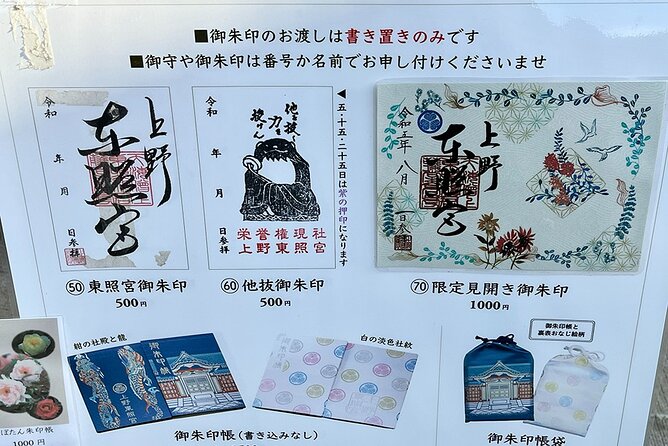
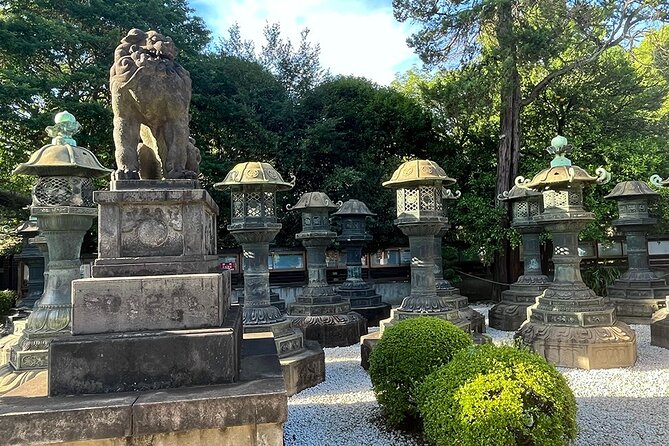
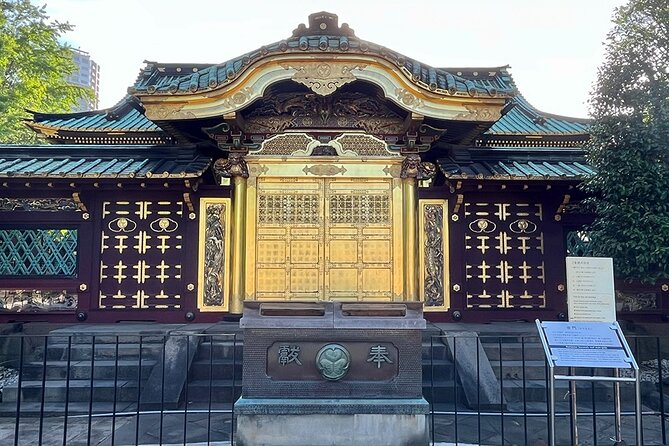
The sample route begins at Ueno Toshogu Shrine, a richly decorated Shinto site in Ueno Park. This is a good first stop because the guide begins by explaining manners at shrines and temples before you are expected to follow them.
That small lesson can make a real difference. You learn the difference between a Shinto shrine and a Buddhist temple, along with the respectful habits used at each. The visit is scheduled for about 20 minutes, with no admission charge listed.
Ueno Toshogu is more decorative than the plain wooden structures you may see elsewhere in Japan. Its elaborate details give you something to look at while the guide explains the role of Shinto in Japanese life. The short visit keeps the morning moving, though it will not satisfy you if you want a long, quiet inspection of every feature.
The route may change, so treat this shrine as a possible stop rather than a guarantee. That flexibility is useful, but you should tell Itsuko in advance if Ueno Toshogu is one of your priorities.
Ueno Daibutsu, a Buddha with an unusual story
The next sample stop is Ueno Daibutsu, a Great Buddha preserved in an unusual form. The visit lasts about 10 minutes and has no admission charge listed.
This is not presented as a long temple visit. It is a brief stop with a distinctive subject, which suits the tour’s general approach: several compact sights, each with a clear story, followed by time for questions. You might find it especially worthwhile if you enjoy unusual details rather than only Tokyo’s most famous landmarks.
The short timing is also a reminder that this is not a formal religious pilgrimage. It is a practical introduction to a neighborhood, with enough background to help you understand what you are seeing without turning each location into a lecture.
Hanazono Inari Shrine and its red torii gates
Hanazono Inari Shrine adds one of the tour’s most recognizable photo scenes. Its small red torii gates create a compact passage that is popular with sightseers.
The stop is planned for about 10 minutes. That is enough for photographs and a brief explanation, but not a long period of quiet reflection. If you like taking pictures, mention it when you plan the route so the guide can allow enough time.
The shrine also works well as a contrast to Ueno Toshogu. Toshogu is known for its decoration, while Hanazono Inari offers a smaller, simpler setting and the repeated color of the torii. Together, the two stops give you a better sense of the variety within Ueno Park.
Some facilities in the area have stairs. If anyone in your group has difficulty walking or cannot manage steps, say so before the tour. A late injury led one booking to be canceled without a refund, despite prompt communication and an attempt to suggest a location nearer the hotel. The guide clearly notes the stairs, but you still need to judge your party’s limits carefully.
Kiyomizu Kannon-dō and a Kyoto connection
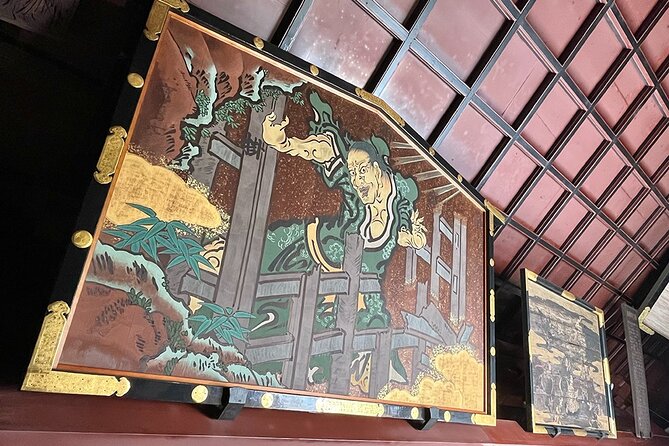
Kiyomizu Kannon-dō Temple is another short stop, planned for around 10 minutes. Its stage is said to resemble Kyoto’s better-known Kiyomizu Temple, giving you a small connection between Tokyo and one of Japan’s classic cultural destinations.
This stop is useful if Kyoto is not on your schedule. You get a taste of the architectural idea without leaving Tokyo. The guide can also explain the difference between a Buddhist temple and the Shinto shrines visited earlier.
Again, the timing is brief. I would see this as an introduction, not a full temple visit. The value comes from the sequence: you move from shrine customs to a temple setting, then continue toward food and shopping. That makes the outing feel like a connected neighborhood walk rather than a string of unrelated photo stops.
Other private tours in Tokyo

Ameyoko for street food and an easy lunch
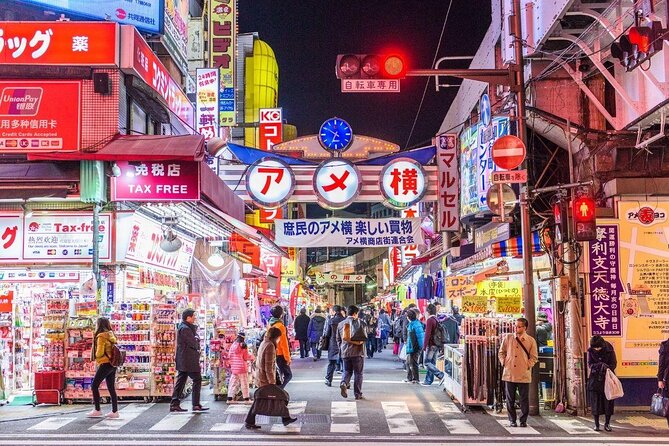
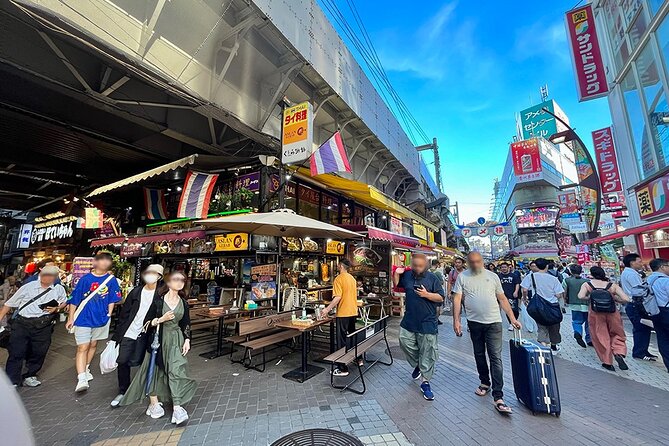
The longest part of the sample route is Ameyoko Shopping Street, with about 1 hour 40 minutes set aside. This is where the tour shifts from religious sites to daily life, shopping, and casual food.
You can try various Asian street foods and kebabs, or choose a casual restaurant if everyone prefers a seated lunch. The guide can help you decide based on the group’s interests, but you pay for all food and drinks yourself.
I like this part because it gives the tour a practical finish. Shrines and temples show one side of Tokyo. Ameyoko gives you a more ordinary, active shopping district where eating and browsing become part of the experience. You are also free to ask for suggestions that match your appetite rather than following a fixed meal.
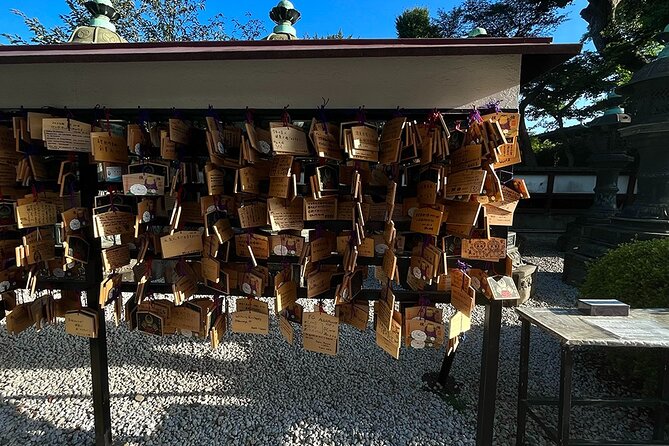
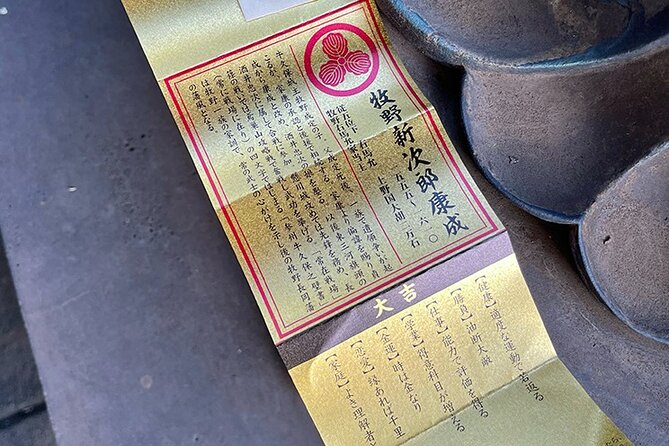
Bring cash. The tour information warns that some shops and facilities in Ueno Park may not accept credit cards. Food costs are not included, and the same applies to optional shrine fortune slips, listed at ¥200, and Japanese amulets purchased as souvenirs.
The 1 hour 40 minute timing is generous compared with the short shrine stops. It allows room for food, conversation, and a little browsing, though the exact use of that time depends on the route and your choices. If you want the tour to focus on history rather than eating, tell the guide before the day begins.
What the custom planning really adds
Personalization is not just a slogan here. Itsuko has prepared small pamphlets for groups, asked about interests ahead of time, and adjusted plans for children and weather. One family especially valued her attention to a child, while another group enjoyed recommendations that felt personal rather than standard.
That preparation matters most when you have a clear request. You could ask for more shrine and temple background, a family-friendly pace, food suggestions, photo stops, or a route that avoids too much heat. You should not assume every possible request will fit into three hours, but the short planning conversation helps set realistic expectations.
The tour can also work well at the start of a longer Tokyo stay. You learn how the guide approaches the city, get some public transport practice, and collect ideas for later days. A guide pamphlet may also help you remember names and details after the tour ends.
The flexibility has one tradeoff: the advertised places are only a sample itinerary. If you have your heart set on every listed stop, confirm that before booking. A private tour gives you control, but it does not mean every site appears in every version of the route.
Timing, transport, and the value of the price
The price is about $48.77 per person, with a duration of roughly 2 hours 30 minutes to 3 hours. For a private outing, that is a reasonable price if you value personal planning and local help with public transport.
The value changes with group size. One person pays the full per-person rate, while a family or small group shares the benefit of one guide. Since lunch, admissions where applicable, and transport-related costs are not fully detailed, you should allow extra money beyond the booking price.
You are paying for more than sightseeing. You are paying for a route built around your needs, explanations at each stop, help with local customs, and the chance to ask questions freely. If you are already comfortable navigating Tokyo and prefer to explore alone, the price may feel less useful. If the city’s transport system worries you, the guidance can be worth more than a basic walk through the same park.
The experience is booked about eight days ahead on average. That is not a rule, but it suggests you should reserve early if your Tokyo dates are tight or if you want to discuss a particular route.
Who should book, and who should think twice
I would choose this tour for a first morning in Tokyo, especially if you want a calm introduction rather than a packed city marathon. Families can benefit from the flexible pace and the guide’s willingness to work with children. Couples and small groups can shape the day around food, culture, shopping, or photography.
It also suits anyone uneasy about public transport. You will not simply be shown landmarks by private vehicle. The transport system becomes part of the experience, which can make later independent outings easier.
I would pause before booking if your group has serious mobility limits. The route includes walking, some facilities have stairs, and Ueno is not completely flat. The guide may try to suggest an alternative, but the experience is not designed as a fully step-free tour.
I would also reconsider it if you want a full-day Tokyo overview. The tour covers one area in a few hours. A half-day trip to Kamakura is available as an add-on, but that is a separate extension and not part of the standard outing.
Weather, communication, and cancellation details
The experience requires good weather. If poor weather causes cancellation, you are offered another date or a full refund.
You can cancel for a full refund up to 24 hours before the start time. Changes or cancellations inside that 24-hour window are not accepted for a refund, so do not wait if illness or injury threatens your plans. The start and end point is in Tokyo’s 23 wards, with the activity returning to the meeting point, and pickup is offered.
Confirmation arrives within 48 hours of booking, subject to availability. The tour is private, so only your own group participates. Service animals are allowed, the activity is near public transportation, and most people can take part, subject to the walking and stairs already noted.
Should you book this private Tokyo experience?
Book it if you want a personal first look at Tokyo, practical public transport help, and a guide who will adjust the route instead of delivering the same speech to every group. Itsuko’s advance questions, custom pamphlets, family-friendly approach, and care with heat and pacing add real value.
Skip it if you want a fixed list of major Tokyo landmarks, a step-free route, or a full-day city tour. The best match is a small group that can walk, enjoys asking questions, and wants Ueno’s shrines, temple details, local food, and shopping tied together in a relaxed morning.
FAQ
How long does the private Tokyo tour last?
The experience lasts approximately 2 hours 30 minutes to 3 hours.
What area does the sample route cover?
The sample route focuses on Ueno, including Ueno Toshogu Shrine, Ueno Daibutsu, Hanazono Inari Shrine, Kiyomizu Kannon-dō Temple, and Ameyoko Shopping Street.
Is the itinerary fixed?
No. The listed places are a sample route because the experience is private and personalized. The locations you visit may differ based on your group’s interests.
Is public transportation part of the experience?
Yes. The tour is designed to introduce you to Tokyo and its public transport, with the guide accompanying you around the city.
Is lunch included in the price?
No. Food and drinks are not included. You may choose street food at Ameyoko or eat in a casual restaurant, but you pay those costs yourself.
Should I bring cash?
Yes. Some facilities and shops in Ueno Park may not accept credit cards. Fortune slips cost ¥200, and shrine or temple amulets are also extra.
Is the tour suitable for people with limited mobility?
Some facilities have stairs, and Ueno is not completely flat. Most people can participate, but you should discuss mobility needs with the guide before booking.
Can the tour include Kamakura?
A half-day trip to Kamakura can be added if you wish. It is not part of the standard 2.5 to 3-hour experience.
What is the cancellation policy?
You can cancel at least 24 hours before the start time for a full refund. Cancellations or changes made less than 24 hours before the start time are not refunded. If poor weather cancels the experience, you can choose another date or receive a full refund.
More Private Tours in Tokyo
More Guided Tours in Tokyo

More tours in Tokyo we've reviewed





Guided, compared.
 ★ 5.0Tokyo 6hr Private Tour with Government-Licensed GuideFrom $155
 ★ 4.9Tokyo: Shinjuku Local Bar and Izakaya Guided Walking TourFrom $343 hours
 ★ 4.8Tokyo: Private City Highlights Tour with Local GuideFrom $1064 - 8 hours
 ★ 4.9Tokyo: Tsukiji Fish Market Guided Walking TourFrom $222 hours
 ★ 5.0Tokyo 4hr Private Tour with Government-Licensed GuideFrom $109
 ★ 5.0Tokyo Guided Small-Group Biking TourFrom $106