
Reviewed · SAMURAI & NINJA EXPERIENCES
Samurai Experience – Learn Bushido through Kendo, in Tokyo
The most interesting part of this Tokyo activity is simple: you do not just look at samurai culture, you step into a working dojo and practice kendo with a bamboo sword. Daichi, who has trained for 19 years, teaches the physical skills along with the focus, judgment, and discipline behind Bushido.
I like the small maximum of eight people, which gives the instructors room to correct your stance and timing. I also like that your two hours lead to something practical: you learn basic movements you can continue studying after Japan, rather than collecting one more passive sightseeing stop.
The main consideration is price. At $132.14 per person, this is not a cheap costume photo opportunity. It is a hands-on martial arts class with rental clothing, equipment, instruction, media, water, and a souvenir, so the value depends on how much you want active cultural learning.
In This Review
- Key points to know before you book
- Entering a real Tokyo dojo
- Getting dressed and learning the basics
- Learning Bushido through movement
- Daichi and the teaching style
- From first strikes to the final match
- Why the small group matters
- Photos, video, water, and the souvenir
- Is $132.14 a fair price?
- Who will enjoy this most
- Practical details that affect your morning
- Should you book the Kendo Spirit experience?
- FAQ
- Where does the kendo experience take place?
- What time does the experience start?
- Do I need previous kendo or martial arts experience?
- Is English instruction available?
- What is included in the price?
- Can I cancel for a full refund?
Key points to know before you book
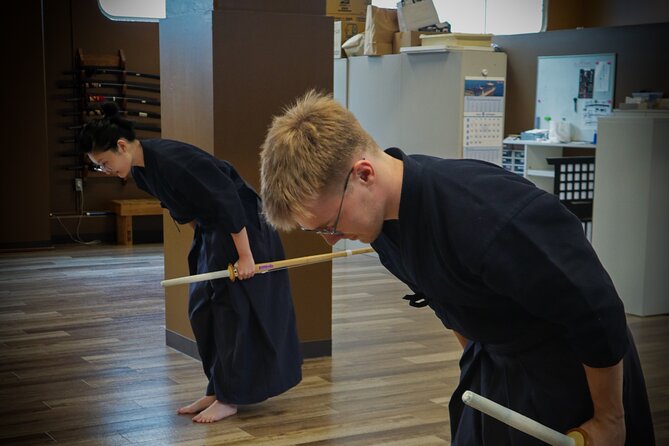
- Train inside a working dojo: Practice in a real Japanese training space where local practitioners work on their sword skills.
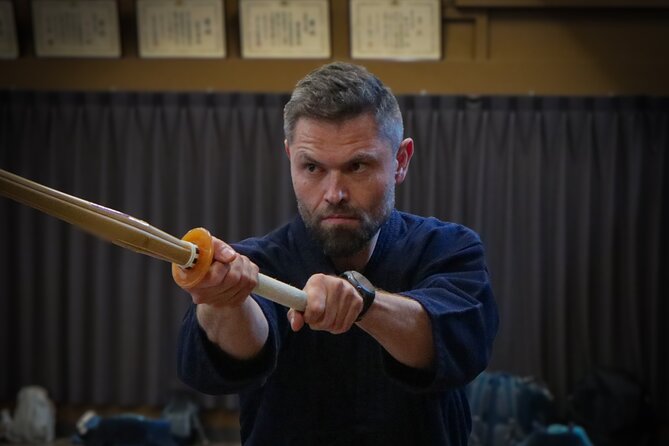
- Daichi leads the lesson: He brings 19 years of kendo training and speaks fluent English, with support from additional instructors.
- Beginners are welcome: More than 90 percent of participants are beginners, and the class moves slowly and carefully.
- You receive the equipment: Kendo clothing, a shinai, and other cultural tools are supplied, along with bottled water.
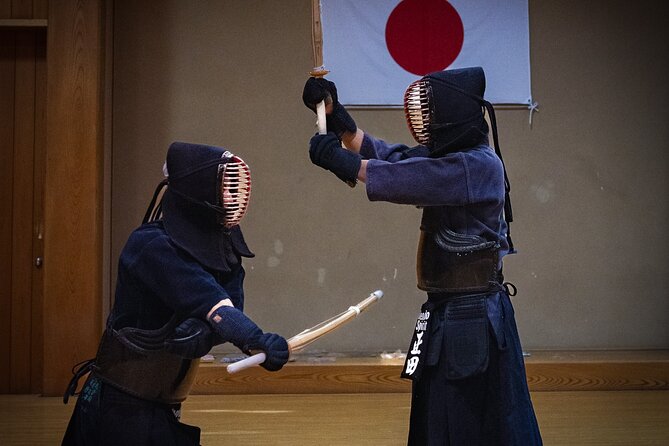
- The session ends with a match: After learning the basic movements, you get a more exciting test of what you have practiced.
- Photos and video are included: A photographer records the session and sends the files by email afterward.
Entering a real Tokyo dojo
This experience takes you away from the usual shrine, shopping street, and observation deck circuit. You meet at 10 a.m. at 29 Sec Japan Building in Nihonbashikobunacho, Chuo City, Tokyo 103-0024. The location is near public transportation, and the activity returns to the same meeting point.
The setting matters. A working dojo gives the lesson a sense of purpose that a staged tourist room cannot match. You are entering a place where Japanese practitioners hone their sword skills, so the etiquette, clothing, movements, and sounds have a practical setting around them.
The experience lasts about two hours. That is long enough to learn a sequence of basic actions without taking up your whole day. You can schedule it as a morning activity, then continue sightseeing in central Tokyo afterward.
You should arrive ready to take part rather than watch. The point is not to admire a demonstration from the side. You will put on the supplied clothing, hold a shinai, follow instructions, and work through the movements yourself.
A few more Tokyo tours and experiences worth a look
Getting dressed and learning the basics
You do not need to pack special equipment. Kendo attire is provided, and the organizers also supply a T-shirt and pants to wear underneath the uniform. A bamboo sword, called a shinai, is included as well.
That all-in approach is useful for visitors. You do not have to buy martial arts clothing, carry equipment across Tokyo, or guess what is appropriate to wear. Bring your samurai spirit, plus the practical basics you would want for any physical activity.
The class is designed for beginners. The organizers say more than 90 percent of participants have no kendo background, and the instruction is slow and careful. You also do not need previous martial arts training. One participant with some taekwondo experience found that footwork helped, but the class itself begins with the fundamentals.
You will likely spend early instruction getting comfortable with posture, movement, and the shinai. These simple details are important. Kendo is not just waving a sword quickly. Your stance, balance, footwork, timing, and mental focus all affect the quality of a strike.
Learning Bushido through movement
The appeal here is the link between physical action and mental discipline. Bushido is presented through the way you stand, move, focus, and respond under pressure, not just through a short talk about samurai history.
Daichi describes kendo as a meeting of mind, body, and sword. That combination helps explain why the session can feel more substantial than a standard martial arts demonstration. You are learning how technique and attitude work together.
The lesson also gives you a direct look at a practice that remains part of modern Japan. Kendo is not presented as a museum relic. The dojo is used for ongoing training, and the instructors teach from current practice.
You should not expect to become a kendo expert in two hours. The realistic goal is to understand the basic form, learn how to make a firm strike, and feel how concentration changes the movement. That modest goal is also the strength of the activity. You get a useful introduction without pretending that a short class replaces years of training.
Daichi and the teaching style
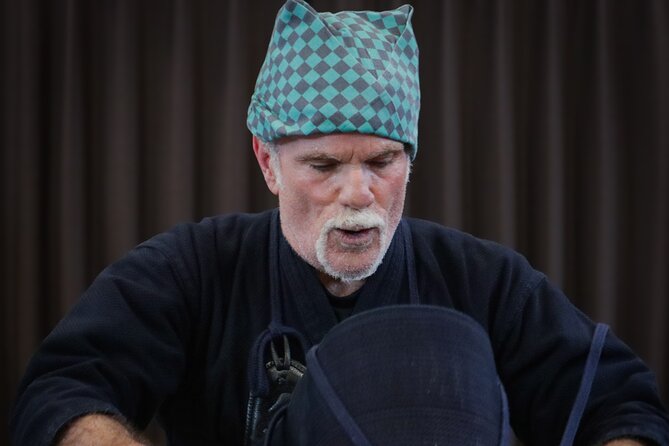
Daichi is the main instructor, with 19 years of kendo training and active practice. His overseas work experience and fluent English make it easier to ask questions and follow explanations without Japanese language skills.
The English support is a real advantage. Martial arts depend on precise instructions, and small misunderstandings about foot placement or movement can affect the whole exercise. Clear explanations let you spend more time practicing and less time guessing.
Additional instructors assist during the session. The group limit of eight helps keep the teaching personal, especially when several people are learning at different speeds.
The instruction also appears to adapt well to different backgrounds. A parent and 12-year-old son took part together, and the child’s previous karate experience helped him move with confidence. A participant with fencing experience was able to compare fencing and kendo with the instructors. Those details suggest that the class can be interesting for both complete beginners and people who already know another combat sport.
Still, the format is active. You will need to listen, copy movements, and keep trying when the actions feel unfamiliar. This is a better fit for someone who enjoys participation than for someone seeking a quiet cultural lecture.
From first strikes to the final match
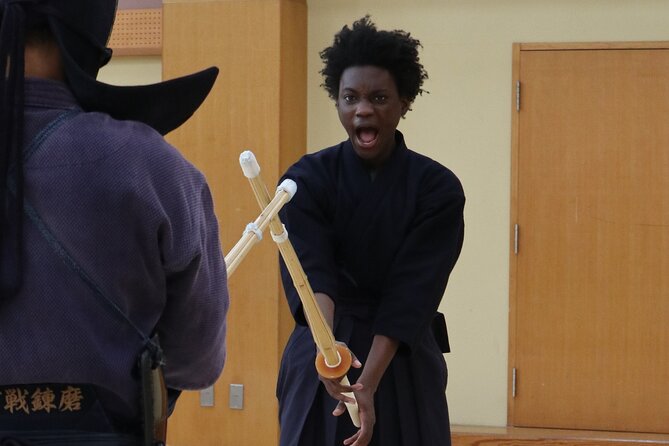
The session builds toward actual striking practice. You begin with the basics and progress until you can swing the shinai and deliver a stronger, more honest hit.
The final match is one of the memorable parts of the format. It gives you a chance to test your concentration and technique in a more lively setting. You should see it as a guided introduction rather than a serious competition, but it adds energy and a clear finish to the lesson.
This closing exercise also shows why kendo is about judgment as much as force. You must pay attention to distance, timing, posture, and the instructions you have just learned. The physical action is exciting, but the mental challenge gives it more substance.
Do not book this expecting an elaborate fight scene or theatrical sword duel. The bamboo sword and the controlled teaching format keep the activity focused on learning. That is good for safety and understanding, though it may feel less dramatic than a staged samurai show.

Why the small group matters
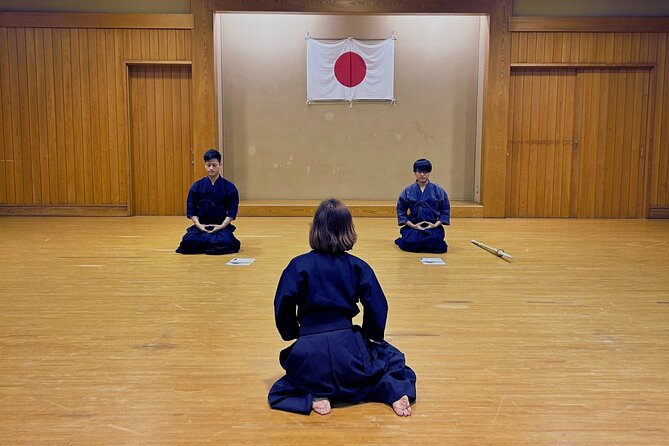
The maximum group size is eight people. For a physical class, this is a useful limit. You have a better chance of receiving corrections, asking questions, and getting enough practice time with the instructors.
A small group also makes the dojo setting easier to appreciate. You can pay attention to the etiquette and atmosphere instead of being folded into a large crowd moving from one demonstration point to another.
The class includes hands-on cultural tools beyond the shinai, though the exact items are not specified. The important point is that the experience gives you something to handle and practice, not just information to hear.
The tradeoff is that the session may feel structured rather than free-form. Kendo has rules and discipline, and the instructors need to keep beginners together. If you prefer to wander at your own pace, this will feel more like a class than an open cultural visit.
Photos, video, water, and the souvenir
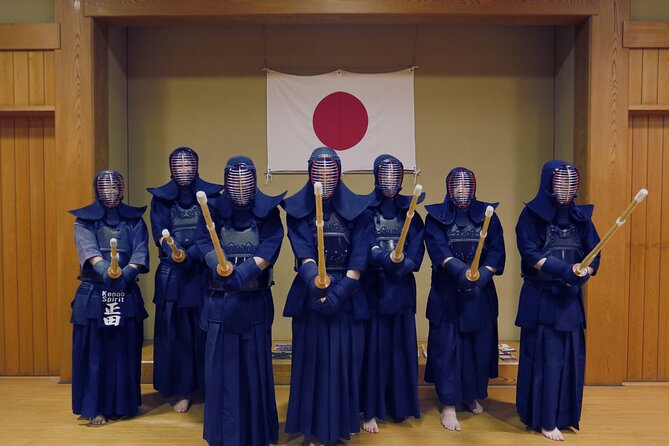
A photographer takes photos and video during the session, with the files sent to you by email afterward. This is a useful extra because kendo is difficult to document while you are concentrating on footwork and strikes.
The media can also help you remember the difference between your first attempts and your later movements. Just keep in mind that delivery is by email after the experience, so you should provide an address you can access during or after your trip.
Bottled water is included. That is a small but sensible touch for an active morning. Kendo attire, shinai rental, and other stated cultural equipment are also included, so the advertised price covers the main parts of the activity.
A souvenir is included as well. The details of the souvenir are not specified, so do not book this for a particular item. Treat it as a small reminder of the morning rather than a major part of the value.
Snacks are not included. If you need food before an active two-hour session, plan that yourself. The 10 a.m. start makes breakfast timing worth considering.
Is $132.14 a fair price?
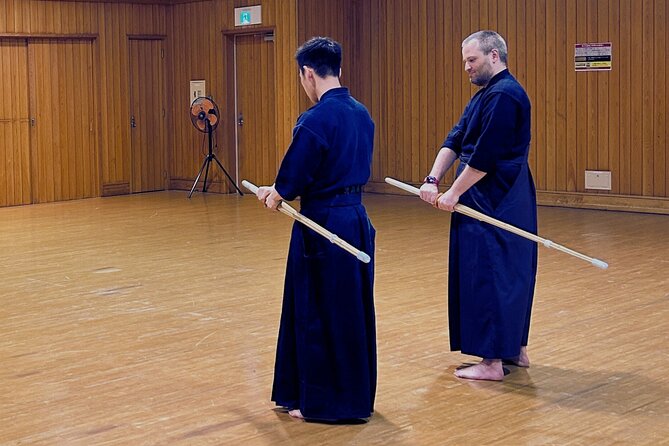
At $132.14 per person, the cost is high compared with a short demonstration or a basic museum visit. You are paying for access to a real dojo, a small class, English instruction, clothing and shinai rental, a photographer, bottled water, and a souvenir.
The strongest value comes from the personal instruction. If you have always wanted to try kendo, the chance to learn directly from Daichi and his team is more useful than simply watching a professional demonstration. The skills may also encourage you to find kendo lessons at home, which one participant was considering after the session.
The price makes less sense if you mainly want a samurai-themed photo. You can wear the supplied uniform and be photographed, but the central product is training. You will spend the morning listening, repeating movements, and making strikes.
I would compare it with the cost of other special activities in Tokyo, not with the price of entering a temple. It is a focused cultural workshop for a maximum of eight people. For someone who values direct participation, that can justify the fee. For a tight budget or a packed itinerary, it may not.
Who will enjoy this most
This activity suits you if you want to replace a few hours of sightseeing with something physical and memorable. It is especially appealing if you have an interest in martial arts, Japanese culture, Bushido, fencing, karate, taekwondo, or the way discipline shapes movement.
Families can consider it too. A 12-year-old joined successfully with a parent, and the beginner-friendly teaching makes the age range more flexible than the serious dojo setting might suggest. The supplied clothing and equipment also make planning easier.
It is a good choice for solo visitors and small groups who want direct contact with an instructor. The eight-person limit means you are not likely to disappear into a large tour crowd.
You may want to skip it if you dislike physical participation, have no interest in martial arts, or want a relaxed morning. The activity is described as suitable for most people, but no detailed medical or mobility guidance is provided. If you have concerns about taking part in physical training, ask the provider before booking.
Practical details that affect your morning
Confirmation is sent at booking, and the activity uses a mobile ticket. Keep your booking information available on your phone when you go to the meeting point.
The tour starts at 10 a.m. and ends back at the same location after about two hours. Since the meeting point is near public transportation, it can fit neatly into a day based in central Tokyo, but you should allow enough time to find the exact building.
Free cancellation is available if you cancel at least 24 hours before the local start time. Cancellations or changes made inside that 24-hour window are not refunded or accepted, so check your plans before the deadline.
The experience has a maximum of eight participants. Most people can join, and no Japanese is required because Daichi speaks fluent English. Nothing special needs to be brought for the lesson, although comfortable preparation for an active morning is sensible.
Should you book the Kendo Spirit experience?
Book it if you want a real, hands-on look at modern Japanese martial arts and are willing to pay for close instruction. The working dojo, English-speaking teachers, included equipment, small group, and final match give the morning a clear purpose.
I especially recommend it for anyone who wants to learn rather than pose. Daichi’s long training background and the chance to practice mind, body, footwork, and sword together make this more meaningful than a quick samurai costume stop.
Skip it if your main goal is low-cost sightseeing or a passive cultural presentation. At $132.14, the value depends on your willingness to train. If you are ready to put on the uniform, listen carefully, and make your own strikes, this can become one of the more personal memories of your time in Tokyo.
FAQ
Where does the kendo experience take place?
The meeting point is at Japan, 103-0024 Tokyo, Chuo City, Nihonbashikobunachō, 29 Sec Japan Building. The activity ends back at the meeting point.
What time does the experience start?
The session starts at 10:00 a.m. and lasts approximately two hours.
Do I need previous kendo or martial arts experience?
No. More than 90 percent of participants are beginners, and the instructors teach slowly and carefully. Most travelers can participate.
Is English instruction available?
Yes. The main instructor, Daichi, has overseas work experience and speaks fluent English. You can ask questions during the session.
What is included in the price?
The experience includes kendo attire rental, a bamboo sword called a shinai, Japanese cultural experience tools, bottled water, a souvenir, a guide, and photos and video sent by email after the session.
Can I cancel for a full refund?
Yes, if you cancel at least 24 hours before the experience start time. Cancellations or changes made less than 24 hours before the local start time are not accepted for a refund.
More Samurai & Ninja Experiences in Tokyo
More tours in Tokyo we've reviewed











Samurai & Ninja Experiences, compared.
 ★ 4.5Tokyo: Samurai Restaurant Show Ticket with 2 DrinksFrom $551h 30m
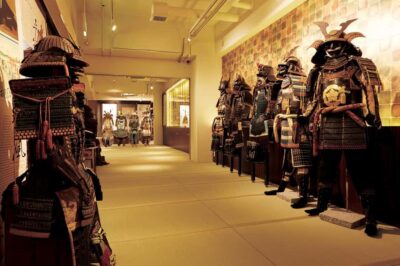 ★ 4.6Tokyo: Samurai Ninja Museum Guided tour and ExperienceFrom $27
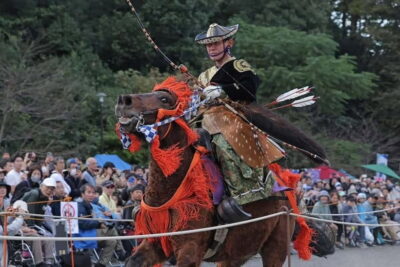 ★ 5.0Tokyo: Samurai Sword & Archery Class from Samurai DescendantFrom $1933 hours
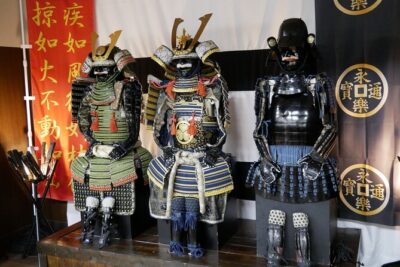 ★ 5.0Best Samurai Experience in TokyoFrom $65
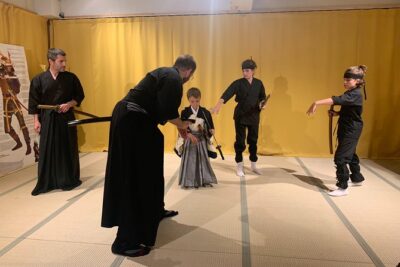 ★ 5.0Ninja Experience (Family Friendly) at Samurai Ninja Museum TOKYOFrom $47
 ★ 4.6Tokyo: Samurai Entertainment Night Show in Kanda ShrineFrom $412 - 3 hours