
Reviewed · TEA CEREMONY & MATCHA
Privately visit local home for relax tea ceremony &music, Tokyo
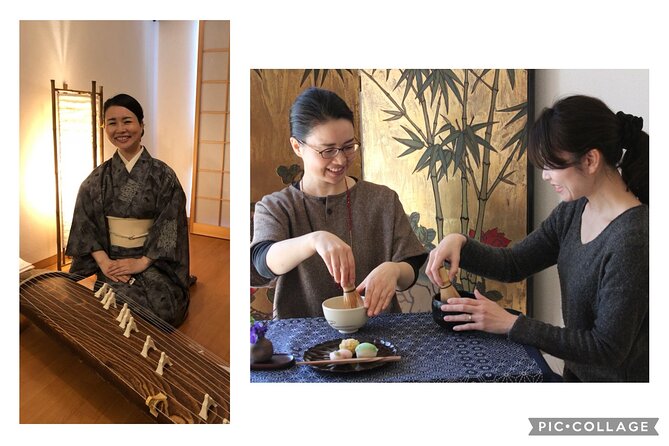
A koto performance in a private Japanese home makes this more personal than a formal cultural demonstration. Noriko welcomes you at Shin-Urayasu Station, leads you to her home, and turns tea, music, and questions about Japan into a relaxed two-hour visit. You make your own matcha, taste seasonal sweets, and try the koto yourself.
I like the no-strict-rules tea ceremony, which gives you room to ask questions instead of worrying about every movement. I also like the hands-on koto session. Noriko plays two pieces, then lets you try a melody, making the instrument feel approachable rather than distant.
The main consideration is location. Shin-Urayasu is about 20 minutes from Tokyo Station, but it is in Urayasu, Chiba, not central Tokyo. The optional yukata also costs an extra 3,500 yen and adds time to the visit.
In This Review
- Key points to know before booking
- A private tea visit instead of a formal ceremony
- Making your own matcha with Noriko
- Hearing and playing the koto
- What the private home setting changes
- Adding a yukata for 3,500 yen
- Getting to Shin-Urayasu from Tokyo
- Is $81 a fair price?
- Who will enjoy this most?
- Timing, cancellation, and useful planning tips
- Should you book this tea and koto visit?
- FAQ
- Where does the experience begin?
- How far is Shin-Urayasu Station from Tokyo Station?
- How long does the activity last?
- Is the tea ceremony formal?
- What is included with the tea?
- Can I try playing the koto?
- How much does the optional yukata cost?
Key points to know before booking
- Private home setting: Only your group takes part, so you can ask Noriko direct questions about tea, music, customs, and daily culture.
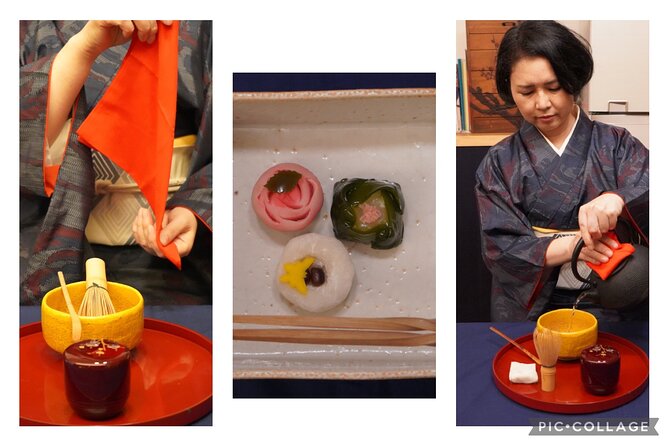
- Two-part tea session: Noriko prepares the first bowl of matcha, then guides you through making the second.
- Koto music you can try: You hear two pieces before taking your own turn with this traditional Japanese instrument.
- Three small sweets: Your tea comes with two small sweets and one seasonal sweet.
- Optional yukata: For 3,500 yen, you can dress in cotton kimono, with a simple hairstyle included for women.
- Easy station access: Meet at Shin-Urayasu Station, then walk about four minutes to the home.
A private tea visit instead of a formal ceremony
Many tea ceremonies ask you to sit quietly and copy exact gestures. This visit takes a friendlier route. Noriko gives you a short introduction to the background of matcha, prepares the first bowl, and explains what she is doing without turning the session into a test.
That difference matters if you are curious about Japanese customs but worried about making a mistake. You are not expected to know the correct hand position, the proper sequence, or the rules for every movement before you arrive. Noriko guides you through the process, then lets you prepare the second bowl yourself.
You will have time to ask about Japan in a direct, informal way. The private format is especially useful here because your questions do not have to fit a group schedule. You can ask about tea, the koto, Japanese history, or everyday customs, and the conversation can follow your interests.
The tea portion includes two small sweets and one seasonal sweet. These are modest servings, not a meal, but they give the ceremony the right balance of taste and texture. Plan to arrive having eaten if you need a full lunch or breakfast.
A few more Tokyo tours and experiences worth a look

Making your own matcha with Noriko
Noriko prepares the first bowl so you can watch the process before taking your turn. Then she explains each step as you make the second bowl. This is a good structure for beginners because you see the full action once, then try it with help nearby.
Matcha has a flavor that can surprise first-time drinkers. The sweets are an important part of the tradition, softening the stronger taste and giving you a small seasonal detail to notice. You do not need prior tea experience to take part.
I would treat this as a cultural lesson with tea at its center, not as a tasting menu. The appeal is the chance to understand how the drink is prepared and shared. If you want a long ceremony in a historic tea house, this informal home visit will feel different. If you want conversation and personal instruction, it is a better fit.
The two-hour length gives the visit enough room for both tea and music without making either section feel rushed. The exact balance can vary if you add the yukata option, since dressing extends the session.
Hearing and playing the koto
After the tea session, Noriko performs two pieces on the koto. This traditional Japanese stringed instrument is one of the most memorable parts of the visit because you first hear it in skilled hands, then get to test it yourself.
The hands-on portion is not just a demonstration from a distance. Noriko gives you the chance to play, and you may be able to produce a simple melody sooner than expected. That makes this a strong choice if you like cultural activities that involve doing rather than only watching.
The koto section also adds variety. Tea asks you to slow down and observe. Music changes the pace and gives you a different way to connect with Japanese culture. You do not need to read music or have an instrument background, since Noriko guides you through the attempt.
Expect a friendly introduction rather than a full music class. The supplied details promise two performances and a chance to play, not an extended lesson. That is enough to give you a real taste of the instrument while keeping the visit within about two hours.
What the private home setting changes
The setting is part of the point. You are not meeting in a large attraction or a busy public venue. You walk into Noriko’s cozy Japanese home, where the small scale allows the tea and music to feel connected to a person rather than presented as a staged show.
A private booking means only your group participates. For couples, families, or friends, that creates space to ask questions and take the activity at a comfortable pace. It can also make the experience easier for anyone who feels uneasy about performing in front of strangers.
There is a tradeoff. A private home visit does not offer the grand architecture or formal atmosphere of a famous tea school. The value comes from personal contact, instruction, and access to an everyday setting. You are paying for a tailored cultural conversation, not a major sightseeing landmark.
Noriko’s role is central. She handles the tea, explains the activity, performs the koto, and helps with the optional photographs after yukata dressing. One particularly useful strength is her ability to discuss tea, music, history, and broader questions about Japan in the same visit.
Adding a yukata for 3,500 yen
You can request a cotton yukata for an additional 3,500 yen. Payment can be made by cash, card, or PayPal. Ask for this option when you book, rather than deciding at the last minute.
The dressing time varies. Men take about 10 minutes. Women take around 20 to 30 minutes, including choosing the yukata, and receive a simple hairstyle. Noriko then helps take photographs, giving you a visual reminder of the visit as well as the tea and music.
The yukata option makes sense if you want photographs in traditional clothing or want to learn a little about how the garment is worn. It is less useful if your schedule is tight or you already plan another kimono activity in Tokyo.
Remember that a yukata is a cotton garment, generally associated with a lighter, more casual form of Japanese dress than a formal kimono. The details provided here describe a dressing experience, not a full historical costume lesson, so book it for the clothing and photos rather than expecting a long lecture on dress.
Because the option adds time, build some flexibility into your day. The regular visit lasts about two hours, while the yukata session extends that length.




Getting to Shin-Urayasu from Tokyo
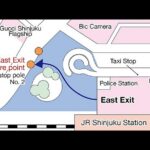
The meeting point is Shin-Urayasu Station, about 20 minutes from Tokyo Station. You meet Noriko at the station, then walk roughly three to four minutes to her home.
This makes the activity fairly simple to add to a Tokyo schedule, but you should not confuse Shin-Urayasu with a central Tokyo neighborhood. The station is in Urayasu, Chiba. Check your route and allow enough time to reach the meeting point, especially if you are unfamiliar with the train system.
The station-based meeting point is helpful. You do not have to search for a private address on your own, and Noriko accompanies you for the short walk. The activity ends back at the meeting point, so you can continue from Shin-Urayasu afterward.
A mobile ticket is available, and the activity is near public transportation. Service animals are allowed. Those are useful practical details, but the experience is still inside a private home, so contact the provider ahead of time if you have specific mobility or space needs.
Is $81 a fair price?
At $81 per person, this is not the cheapest way to drink matcha in Japan. You can find tea in many settings for less. The better question is what you receive beyond the bowl of tea.
Your price includes a private visit, an explanation of the tea ceremony, two matcha servings prepared in different ways, three small sweets, two live koto pieces, and a chance to play the instrument. You also have direct access to Noriko for questions about Japanese culture.
That package gives the cost a reasonable basis, particularly for a small private group. The value is strongest if you would otherwise pay separately for a tea activity and a music demonstration. It is also stronger for people who want conversation and participation, rather than a quick photo stop.
The value is weaker if you only want to sample matcha or see a short cultural performance. You may not use the private format enough to justify the price if you prefer independent sightseeing. Group discounts are available, so check whether your party qualifies before paying.
The extra 3,500 yen for the yukata should be judged separately. It covers the garment, dressing assistance, a simple hairstyle for women, and help with photographs. For a special occasion or a first visit to Japan, that can be worthwhile. For a short schedule, skip it and keep the core tea and music visit.
Who will enjoy this most?
I would recommend this for first-time visitors who want a gentle introduction to Japanese culture. You get several subjects in one sitting, and Noriko can explain them in an informal setting.
It also suits:
- Couples looking for a quiet cultural activity
- Families who want children to try an instrument
- Small groups that prefer private questions
- Visitors interested in Japanese music
- People who want a yukata photo without committing to a full-day dress-up activity
- Anyone who finds strict ceremonies intimidating
The activity may be less suitable if you need a full meal, want a large historical site, or prefer a fast-moving schedule. It is also not a replacement for a formal tea-school lesson. The tone is relaxed and personal, which is its strength, but formal ceremony students may want a more exacting format.
The small-group design can work well for families, though the supplied information does not give a minimum age. If children are joining, ask the provider about age suitability before booking.
Timing, cancellation, and useful planning tips
The core activity takes about two hours. Add extra time if you choose the yukata, especially for women, since selection, dressing, and hairstyling can take 20 to 30 minutes.
Wear clothing that allows you to sit comfortably and move your hands freely during the tea and koto portions. No special preparation is stated, and you do not need previous tea or music experience.
You receive confirmation when booking. Free cancellation is available if you cancel at least 24 hours before the local start time. Cancellations or changes made within 24 hours are not refunded or accepted, so check your train plans before the deadline.
Since you meet at a station and walk to the home with Noriko, arrive at the stated meeting point rather than going directly to a private address. The visit ends at Shin-Urayasu Station, which makes the return route clear.
Should you book this tea and koto visit?
Book it if you want personal contact, gentle instruction, and several cultural experiences in one private visit. Noriko’s format lets you make matcha, ask questions, hear live koto music, and try the instrument without the pressure of a formal class.
The strongest reason to choose it is the combination of tea and music. Many short cultural activities stop after a demonstration. Here, you take part in both sections. The home setting adds warmth, while the station meeting point keeps the logistics simple.
Skip it if you are looking for a grand tea house, a full meal, or a formal ceremony with strict rules. Also think twice about the location if your Tokyo schedule is packed, since you must travel to Shin-Urayasu in Chiba.
For most visitors who value conversation over ceremony, the $81 price is defensible. Add the yukata if photographs and traditional dress are a main goal. Otherwise, the core two-hour tea and koto visit offers the better balance of time, cost, and cultural contact.
FAQ
Where does the experience begin?
It begins at Shin-Urayasu Station, address 1 Chome-1 Irifune, Urayasu, Chiba 279-0012, Japan.
How far is Shin-Urayasu Station from Tokyo Station?
Shin-Urayasu Station is about 20 minutes from Tokyo Station.
How long does the activity last?
The main activity lasts approximately two hours. Choosing the optional yukata extends the visit.
Is the tea ceremony formal?
It is described as a relaxed tea ceremony with no strict rules. Noriko explains the background, prepares the first bowl, and guides you as you make the second.
What is included with the tea?
You receive two small sweets and one seasonal sweet with the tea.
Can I try playing the koto?
Yes. Noriko performs two pieces, then gives you the chance to try playing the koto yourself.
How much does the optional yukata cost?
The yukata option costs 3,500 yen. Payment is accepted by cash, card, or PayPal, and you should request it when booking.
More Tea Ceremony & Matcha in Tokyo

More tours in Tokyo we've reviewed






Tea Ceremony & Matcha, compared.
 ★ 5.0Matcha Making Class in Tokyo with Authentic Japanese Sweets SetFrom $21
 ★ 5.0Tokyo: Traditional Tea Ceremony with a Tea MasterFrom $381 hour
 ★ 4.5Dynamic Tokyo: Tokyo Tower, Tea Experience, Bay Cruise Day TourFrom $99
 ★ 4.9Tokyo: Matcha Making Experience with Mochi Sweets in AsakusaFrom $221 hour
 ★ 4.7Tokyo: Matcha and Kimono ExperienceFrom $57
 ★ 5.0Tea Ceremony Workshop in Tokyo by the Experienced InstrucorFrom $38