
Reviewed · PRIVATE
Private Customizable Car and Mini Van Tour in Tokyo
Tokyo is a city of enormous distances, packed trains, and busy sidewalks. This private car and minivan tour gives you a practical way to cover several districts without spending the whole day changing trains or wearing out your feet. You choose the focus, then ride between stops with a guide and driver assigned only to your group.
I like the custom planning, which lets you build a day around food, temples, architecture, anime, shopping, or some mix of all four. I also like the human touch: guides including Keiko, Miko, Yasu, and Paiva have been singled out for warm personalities, strong local knowledge, and an ability to adjust the day for families and children.
The main catch is the price, listed at $513 per person, and the fact that paid admission is extra. A four-hour outing can also feel rushed if you try to visit every famous district. The best value comes when you use the tour as a carefully planned private day, not as a checklist of all Tokyo.
In This Review
- Key points to know before booking
- Why a private car helps in Tokyo
- Shibuya, Harajuku, and Meiji Jingu in one sweep
- Shinjuku and the high-rise side of Tokyo
- Asakusa and Senso-ji, Tokyo’s traditional core
- Akihabara for anime, games, and electronics
- Marunouchi, Nihonbashi, and the Imperial Palace
- Tsukiji and the food side of the city
- Yanaka for a quieter, older Tokyo
- Tokyo Skytree, Tokyo Tower, or Shibuya Sky
- What $513 per person really buys
- Who will get the most from this tour
- Practical details before you commit
- Should you book this private Tokyo day?
- FAQ
- How long does the private Tokyo tour last?
- Is hotel pickup included?
- Is this a private tour?
- Are children charged?
- Are admission fees included?
- Can the tour accommodate luggage?
Key points to know before booking
- Hotel pickup and drop-off keep the day simple, especially after a long flight or for anyone who finds Tokyo’s train stations tiring.
- Choose your own route, with options ranging from Shibuya and Harajuku to Yanaka, Tsukiji, and the Imperial Palace.
- Guides such as Keiko and Miko are praised for kindness, clear English, family skills, and flexible planning.
- The Alphard suits up to three people with four suitcases, while the HiAce can carry up to eight suitcases.
- Observation decks cost extra, including Tokyo Skytree, Tokyo Tower, and Shibuya Sky.
- A four-hour tour needs a narrow focus, while six to eight hours gives you a better chance to combine Tokyo’s major districts.
Why a private car helps in Tokyo
Tokyo is easy to explore by train, but it is not always easy to explore efficiently. Shibuya, Asakusa, Tsukiji, Yanaka, and Shinjuku are spread across the city. A rail pass gets you close, but you still face long station corridors, stairs, crowds, and walks between the station and each sight.
Here, you can hop out for a short visit, return to the vehicle, and continue. That matters if you have children, older family members, luggage, or limited stamina. It also lets you spend less time studying maps and more time deciding what deserves your attention.
The tour lasts about four to eight hours. That is a wide range because the experience is built around your interests. You might make a half-day of Tokyo’s key sights, or spend a longer day mixing major landmarks with quieter districts such as Yanaka and Nihonbashi.
The private format is especially useful for families. Miko has worked well with groups that included active children, adjusting the pace and keeping the day engaging. Keiko has also earned praise for making family groups feel comfortable while adding useful context at each stop.
You receive a professional guide and driver, and only your own group takes part. Hotel pickup and drop-off are included. Service animals are welcome. Children aged 11 and under are free, but you need to tell the operator they are coming.
Other private tours in Tokyo

Shibuya, Harajuku, and Meiji Jingu in one sweep
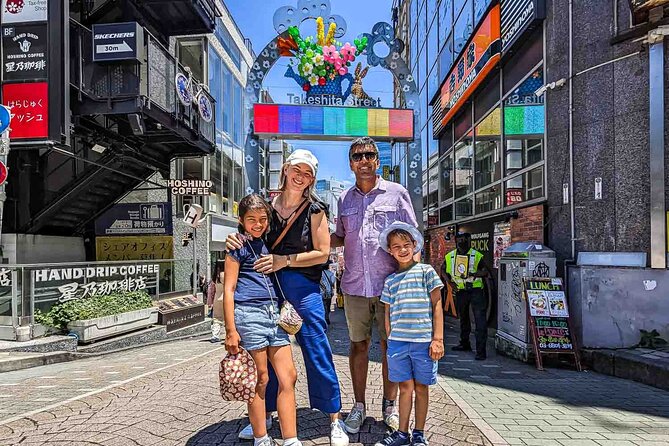
A classic first section begins in Shibuya, where Tokyo’s famous crossing gives you an instant sense of the city’s scale and energy. You can cross with the crowds, take in the surrounding towers, and visit the bronze statue of Hachiko, the loyal dog remembered here.
The stop is listed at about 30 minutes, so think of it as a quick introduction rather than a full afternoon of shopping. If you want time in department stores, cafés, or smaller streets, say so when planning the route.
Harajuku changes the mood. Its backstreets are tied to youth fashion, street art, animal cafés, and colorful food. The district sits beside Meiji Jingu, making it easy to pair modern pop culture with one of Tokyo’s most important Shinto sites.
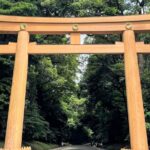
Meiji Jingu occupies a large forested area in the center of the city. The contrast is the point: one moment you are near fashion shops and packed sidewalks, and soon after you are approaching a quiet shrine through trees. Your guide can explain Shinto customs and the role of the shrine, rather than leaving you to guess what the gates, offerings, and rituals mean.
You should not expect to explore every corner of Harajuku and Meiji Jingu during a short stop. This pairing works best if you want a taste of both districts. If Meiji Jingu matters most to you, ask for more time there and trim another stop.
Shinjuku and the high-rise side of Tokyo
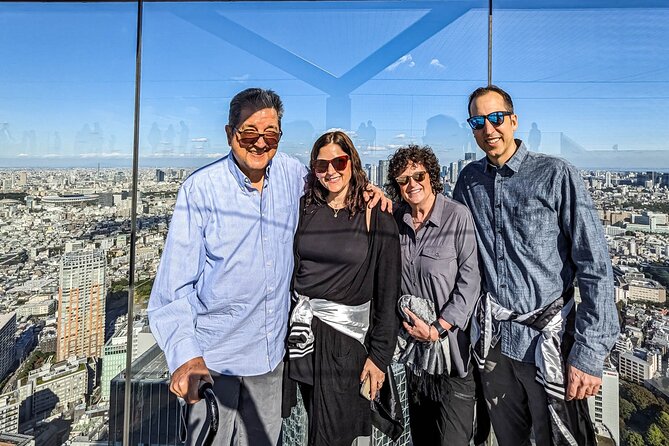
Shinjuku is Tokyo at its most vertical. Tall buildings, neon, entertainment venues, and major transport links fill the district. The Tokyo Metropolitan Government Building offers a view from its 45th-floor observatory, giving you a broad look at the metropolitan area.
The visit is useful early in your trip because it helps you understand Tokyo’s size. From above, the city feels less like a collection of separate districts and more like one enormous urban spread.
The route description suggests about 30 minutes here. That may work for the government building and a quick look around, but not for a full evening in Kabukicho, extended shopping, and a long meal. If you want nightlife or food, treat Shinjuku as a priority and drop something else.
The private vehicle is also helpful in this part of town, since you can avoid hauling your group through one of Tokyo’s busiest stations. Still, traffic can affect how much time you have on foot. A flexible plan is valuable, but it cannot make rush-hour roads move faster.
Asakusa and Senso-ji, Tokyo’s traditional core
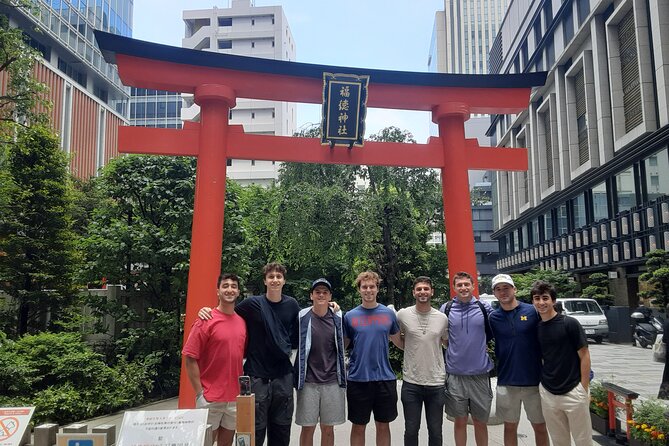
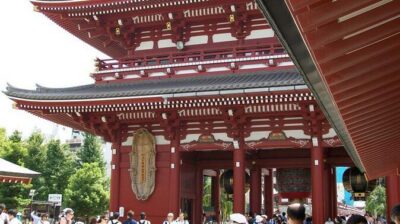
Asakusa offers the strongest change of pace in the standard route. This is Tokyo’s old temple district, centered on Senso-ji, the city’s oldest temple, traditionally dated to 628.
You approach through Nakamise Shopping Street, a roughly 250-meter line of stalls selling souvenirs, snacks, and traditional crafts. It is a good place to buy something more distinctive than a generic airport gift, though the shopping street can be crowded.
Senso-ji gives your guide plenty to explain about Buddhism, temple customs, and the way this area developed. The gate, incense, temple buildings, and surrounding streets create a compact visit with a clear sense of place.
A 45-minute Asakusa stop plus about 30 minutes at Senso-ji provides a useful first look. You may still want more time for Nakamise, side streets, or nearby food. I would give Asakusa extra hours if you care about temples, sweets, crafts, or traditional Tokyo.
This is also one of the better sections for visitors who want cultural context without committing to a long museum visit. You can see the main sights, ask questions, and keep moving when your group is ready.
Akihabara for anime, games, and electronics
Akihabara is the most specialized stop. It is Tokyo’s center for anime, manga, video games, and electronics, with a sensory overload of signs, shops, and pop-culture displays.
The suggested stop is only about 20 minutes. That is enough for a quick walk and a look at the district’s character, but not enough for serious shopping. Fans should make Akihabara a central theme and allow more time. If only one person in your group cares about anime or games, you may prefer to use this short stop as a quick contrast with the city’s temples and business districts.
This is where customization earns its keep. You can ask for a pop-culture day, a traditional Tokyo day, or a balanced route that gives everyone something to enjoy.
Marunouchi, Nihonbashi, and the Imperial Palace
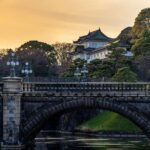
Marunouchi presents Tokyo’s polished business center. The area around the Imperial Palace includes major architecture such as Tokyo Station and the Tokyo International Forum. The tour can also include the KITTE building, noted for its architecture and food options.
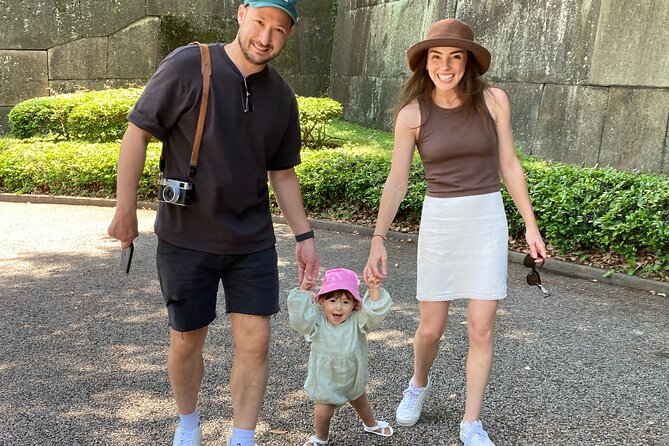
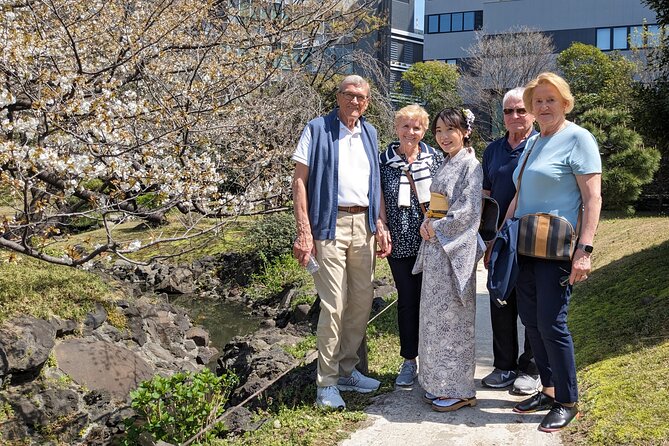
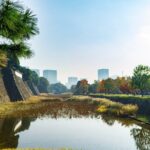
The East Gardens of the Imperial Palace offer a different view of the same central district. You can see remnants of Edo Castle, including moat walls, and learn about the city’s earlier political center. The gardens connect modern Tokyo with the period when Edo was the seat of power.
Nihonbashi adds another layer. It was the center of trade and commerce during the Edo period, from 1603 to 1868, and remains associated with traditional food and craft businesses. This is a good choice if you want context for Japanese cooking and the old merchant city.
These three areas can work well together, but they are not interchangeable. Marunouchi is about modern architecture and central Tokyo. The Imperial Palace East Gardens provide castle remains and open space. Nihonbashi gives you commerce, food, and older traditions.
The tradeoff is time. A short visit to each gives you a quick survey, while a slower route lets you appreciate the details. Tell the guide which theme matters most.
Tsukiji and the food side of the city
Tsukiji remains a useful food stop, even though the wholesale inner market and tuna auction moved to Toyosu. The outer market is still filled with fresh seafood, prepared foods, and small shops.
You can browse stalls, try local bites, and learn how the market fits into Tokyo’s food culture. Food and drinks are not included, so plan to pay directly for anything you sample.
The suggested stop is about 30 minutes. That suits a short introduction, but food lovers may want to build the day around Tsukiji and allow time to browse at an unhurried pace. Ask your guide for help shaping that section if you have a particular interest in seafood or Japanese cooking.
A useful point for first-time visitors is that Tsukiji and Toyosu are not the same experience. This tour takes you to the former market area, including the outer market, not the relocated wholesale auction complex.
Yanaka for a quieter, older Tokyo
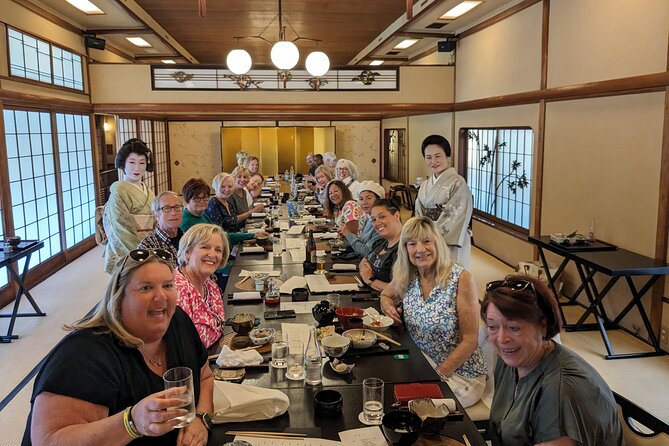
Yanaka is one of the best choices if you want to move beyond the city’s headline sights. The district has temples, sweets, traditional shops, and a tea house where you can experience a tea ceremony.
You can also explore the cemetery and learn about Japanese customs surrounding death, remembrance, and neighborhood temples. It is a more reflective stop than Shibuya or Akihabara, and it gives the day a slower rhythm.
Yanaka works well for returning visitors, architecture fans, and anyone who wants local atmosphere without spending the whole day among towers and shopping centers. It also pairs nicely with Nezu Shrine, Gokokuji Temple, Kagurazaka, or Kyu Shiba Rikyu Garden, all of which have been used in custom routes.
This is a reminder that the listed stops are options, not a promise that every one will fit into your day. The best custom tours leave room for a district like Yanaka instead of rushing past it to collect another famous name.
Tokyo Skytree, Tokyo Tower, or Shibuya Sky
Three paid viewpoints can be added: Tokyo Skytree, Tokyo Tower, and Shibuya Sky. Admission is not included, so confirm the extra cost and timing before committing.
Tokyo Skytree rises to 634 meters and offers a major high-altitude view. Tokyo Tower is the older symbol, tied to Japan’s postwar economic growth. Shibuya Sky gives you a 360-degree view directly over the Shibuya area.
I would choose only one unless your group has a special reason to visit several. Each viewpoint takes time, and the value comes from enjoying the view rather than racing through observation decks. Shibuya Sky makes sense with a Shibuya-focused day, while Skytree pairs naturally with Asakusa. Tokyo Tower can fit with central or southern Tokyo sights.
Because admission is extra, these additions can change the price of the day. They are optional, not hidden inclusions.
What $513 per person really buys
At $513 per person, this is not a budget sightseeing ride. The value depends heavily on group size, the vehicle selected, and how much you value private planning, hotel pickup, and reduced walking.
You are paying for a private guide, a professional driver, a private vehicle, route planning, and the ability to adjust the pace. For a family or small group that would otherwise need several taxis, meals around train stations, and a great deal of planning, the convenience may justify the cost.
The price is harder to defend if you are a confident solo visitor who enjoys Tokyo’s trains and wants only a few free sights. Most of the standard stops have no admission charge, but paid attractions, food, drinks, and souvenirs cost extra.
The tour becomes a better buy when you use the guide’s planning skill. Strong guides such as Miko, Keiko, Yasu, and Paiva have been praised for explaining places clearly, adapting to children, and suggesting stops that fit the group. Ask for a realistic plan rather than trying to cover all 15 options.
Vehicle capacity matters. An Alphard can carry up to four suitcases with up to three people. A HiAce can carry up to eight suitcases. If you have luggage, state the number of bags and passengers before booking so the right vehicle is assigned.
Who will get the most from this tour
I would consider this experience for:
- Families who need a flexible pace and hotel pickup
- Older adults or anyone unable to walk long distances
- Small groups with different interests
- First-time visitors who want help choosing between Tokyo’s many districts
- Returning visitors seeking areas such as Yanaka, Nezu, Kagurazaka, or Gokokuji
- People with luggage who want to avoid moving through Tokyo by train
I would be more cautious if you are on a tight budget, enjoy independent rail travel, or want long visits at museums and attractions. A car gets you between districts, but short stops can feel superficial if you do not set priorities.
The experience is private, so you do not need to match the pace of strangers. That is a real advantage in Tokyo, particularly when one person wants temples, another wants food, and the children want Akihabara.
Practical details before you commit
Confirmation is provided at booking. Hotel pickup and drop-off are included, and service animals are allowed. The tour is described as suitable for most people, but the information does not specify wheelchair-accessible vehicle features, so ask directly if that is important for your group.
The cancellation information needs careful attention. One section states that cancellations more than seven days ahead receive a full refund, cancellations seven to two days ahead receive 50 percent, and cancellations within 48 hours are nonrefundable. A separate policy says the experience is nonrefundable and cannot be changed. Because those terms conflict, confirm the rule in writing before paying.
Plan your priorities in advance. A useful request might be Shibuya, Meiji Jingu, Asakusa, and Tsukiji for a balanced first day. Another could combine the Imperial Palace, Nihonbashi, Yanaka, and a tea ceremony. Pop-culture fans might choose Harajuku, Shibuya, Shinjuku, and Akihabara.
Should you book this private Tokyo day?
Book it if you want comfort, personal planning, and a flexible pace more than the lowest possible price. It is particularly well suited to families, small groups, people who cannot walk far, and anyone who wants a guide to connect Tokyo’s modern districts with its temple and merchant quarters.
Skip it if you are happy using trains and prefer to spend your money on food, shopping, or admission tickets. If you do book, choose three or four priorities, request a realistic route, and ask about the cancellation terms and vehicle size. That approach gives you the best chance of turning an expensive ride into a genuinely useful day in Tokyo.
FAQ
How long does the private Tokyo tour last?
The tour lasts approximately four to eight hours. The length depends on the route and how many places you choose to visit.
Is hotel pickup included?
Yes. Hotel meet-up and drop-off are included.
Is this a private tour?
Yes. Only your group participates in the activity.
Are children charged?
Children aged 11 and under are free of charge. You need to tell the operator they are coming.
Are admission fees included?
No. Entrance fees for paid attractions are not included. This applies to optional visits such as Tokyo Skytree, Tokyo Tower, and Shibuya Sky. Food, drinks, and souvenirs are also excluded.
Can the tour accommodate luggage?
Yes. An Alphard can accommodate up to four suitcases with up to three people. A HiAce can accommodate up to eight suitcases.
More Private Tours in Tokyo

More tours in Tokyo we've reviewed
Private, compared.
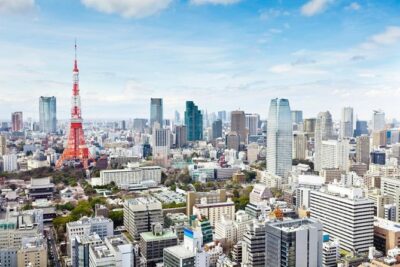 ★ 5.0Tokyo 6hr Private Tour with Government-Licensed GuideFrom $155
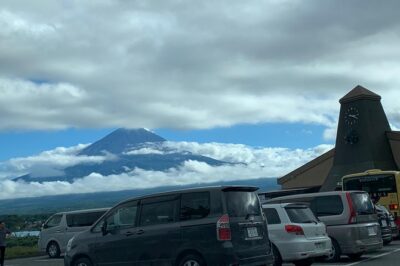 ★ 5.0Private Tour to Mt. Fuji and Hakone (Fully Licenced Operator)From $497
 ★ 5.0Tokyo Customized Private Tour (Must See Places in 1 Day)From $145
 ★ 4.9Mount Fuji Full-Day Private Tour from Tokyo (Customizable)From $393
 ★ 4.8Tokyo: Private City Highlights Tour with Local GuideFrom $1064 - 8 hours
 ★ 5.0Private Custom Tour: Tokyo in a DayFrom $159