
Reviewed · BAY & RIVER CRUISES
Full Day Private Shore Tour in Nagasaki from Nagasaki Cruise Port
Nagasaki packs an astonishing range of sights into one compact port day: atomic-bomb memorials, Chinese and Dutch trading history, hillside views, old temples, and a lively Chinatown. This private seven-hour tour gives you a driver, local guide, and air-conditioned vehicle, so you can cover far more ground than you could comfortably manage on foot.
I like the port-to-port pickup and the generous three hours of free time. You get guided sightseeing first, then time to choose your own lunch and browse for souvenirs. I also like the ship-friendly design: the route is planned around your docking time, and you return directly to the terminal.
The main drawback is the price, $892.41 per person, which is a serious cost unless you are traveling with a larger private group or value convenience above all else. The schedule is also ambitious, and traffic or a shorter port call can reduce time in the city.
In This Review
- Key points to know before booking
- Starting at Nagasaki Cruise Port
- Peace Park and the weight of Nagasaki’s past
- Inasayama Observation Deck and the city from above
- Glover Garden and the foreign settlement
- Sofukuji Temple and Chinese influence
- Dejima and Japan’s window to the outside world
- Kofukuji Temple and a note about the itinerary wording
- The Confucian Temple and Chinese Museum
- Meganebashi, Nagasaki’s Spectacles Bridge
- Three free hours in Shinchi Chinatown
- How the price makes sense, and where it does not
- Timing, flexibility, and cruise-day realities
- Who should choose this Nagasaki tour?
- Should you book this private shore excursion?
- FAQ
- Where does the tour begin?
- How long does the tour last?
- Is transportation private?
- Is pickup and drop-off at the port included?
- Is lunch included?
- Are entrance fees required?
- What happens if the ship cannot dock?
- Can I cancel or change the booking?
Key points to know before booking
- Peace Park and Inasayama give you two very different views of Nagasaki, one reflective and one panoramic.
- Glover Garden and Dejima explain Nagasaki’s long connection with foreign traders and residents.
- Three hours of free time let you choose lunch and shopping instead of following a fixed meal plan.
- A private vehicle and guide make this practical for a cruise port day with many scattered sights.
- The route can change because of docking times, traffic, special events, and other conditions.
- The tour is non-refundable, so read the cancellation terms carefully before paying.
Starting at Nagasaki Cruise Port
Your day begins outside the Nagasaki Port Terminal Building, where a driver meets you near the cruise ship terminal. You then move into a private, air-conditioned vehicle with your own group and a local guide.
That arrangement matters in Nagasaki. Several sights sit in different parts of the city, and the tour covers memorials, temples, historic buildings, a mountain viewpoint, and downtown shopping streets. Public transportation can work, but it takes planning. A private car removes much of that friction.
The port transfer is listed as about 15 minutes at the beginning and again at the end. Those are not sightseeing stops, but they are useful buffers in a cruise schedule. Your vehicle brings you back to the ship rather than leaving you to find your own way across town.
The advertised duration is about seven hours. The stated plan includes roughly three hours of free time, leaving about four hours for transportation and guided stops. That means you should expect short visits at several places rather than long, museum-style exploration.
A few more Tokyo tours and experiences worth a look
Peace Park and the weight of Nagasaki’s past
Nagasaki Peace Park is the emotional center of the day. The park remembers the victims of the atomic bombing in 1945 and promotes peace. Its best-known feature is the Peace Statue, a large symbol of hope and remembrance.
You have about 30 minutes here. That is enough to see the main memorial area and pause, but not enough for a long museum visit or an unhurried study of every monument. The supplied schedule does not include a separate admission to a museum, and no entrance fees are required for the tour.
I would treat this stop with patience. It is not simply another photo opportunity between attractions. Your guide can help place the park in the context of Nagasaki, while you take a quiet moment to consider what the memorial represents.
The short visit may feel limiting if this is your main reason for coming to Nagasaki. If you want a more detailed study of the bombing and its aftermath, you may prefer to spend more of your independent time on that subject. The tour instead gives you a broad introduction to the city.
Inasayama Observation Deck and the city from above
The Inasayama Observation Deck provides a sharp change of mood. From the summit, you get wide views over Nagasaki and its harbor. The stop is scheduled for about 20 minutes.
The description notes that you can reach the summit by ropeway or on foot, but this private tour is designed around vehicle transport. It does not say that a ropeway ticket is included, so confirm the plan with the operator if using the ropeway matters to you.
Twenty minutes is enough for a quick look and photographs if conditions are clear. It is not a long mountain outing. The value here is contrast: after the solemn ground-level memorial at Peace Park, you see how the city spreads through hills and around the water.
Weather can affect this stop more than the others. A cloudy day may soften the view, and traffic or ship timing can alter how long you remain. Still, the observation deck is one of the most efficient ways to understand Nagasaki’s unusual setting.
Glover Garden and the foreign settlement
Glover Garden preserves Western-style residences and gardens connected with early foreign settlers. It offers a look at the cultural exchange that shaped Nagasaki during the period when Japan’s contact with the outside world was tightly controlled.
The scheduled visit lasts about 30 minutes. That gives you time to see the principal buildings and garden setting, but the area can reward a slower visit. If historic houses and architecture are your main interest, this may be another stop where you wish the clock would pause.
The tour’s strength is the range of perspectives. Nagasaki is not presented only through wartime memory. Glover Garden shows another chapter, when foreign merchants and residents helped make the port an important point of contact.
The plan does not list an admission fee, and the tour says no entrance fees are required. That keeps the day simple, though you should still follow the guide’s instructions about which areas are included in your visit.
Sofukuji Temple and Chinese influence
Sofukuji Temple is a historic Chinese temple dating from the early 17th century. Its detailed woodwork, architecture, and quiet garden offer a calmer stop after the city views and memorial park.
You have about 30 minutes here. That is a sensible amount of time for an overview, especially if you are new to Buddhist and Chinese temple design. Look closely at the entrances, rooflines, carved details, and the way the buildings frame the garden.
This visit also helps explain why Nagasaki feels different from many other Japanese port cities. Its past includes strong Chinese connections alongside European trade. Sofukuji gives that connection a physical form.
The temple stop may be less rewarding if you prefer only large headline attractions. For me, its appeal is precisely that it slows the day down. You get a chance to look rather than simply collect another landmark.
Other boat tours in Tokyo
Dejima and Japan’s window to the outside world
Dejima was a Dutch trading post during Japan’s period of isolation from the 17th through the 19th centuries. It was once the country’s only point of contact with the outside world and is now presented as a historic site.
The scheduled visit lasts about 20 minutes. That is brief for a place with such a large story. You can get the basic idea of Dejima and see why Nagasaki mattered in international trade, but the stop is more of an introduction than a complete historical visit.
I would pay attention to the way the site connects geography and politics. This was not just a collection of old buildings. It represented a controlled channel between Japan and the Dutch world during a period of limited foreign contact.
If you have already studied Dejima or have a special interest in the subject, you may want extra time here. On a first visit, the guide’s explanation can make the short stop worthwhile.
Kofukuji Temple and a note about the itinerary wording
The tour includes about 30 minutes at Kofukuji Temple. The supplied description calls it a renowned Buddhist temple in Nara and refers to a five-story pagoda, which does not fit the Nagasaki setting described by the rest of the tour. That inconsistency is worth clarifying before you go.
The name Kofukuji is associated with more than one Japanese temple, and the itinerary’s wording appears to mix locations. Ask the operator exactly which Nagasaki site is intended and what you will see there. This is a practical question, not a minor detail, since temple architecture and location affect the route.
The broader plan clearly aims to show Nagasaki’s Buddhist heritage. Just confirm the stop in advance so your expectations match the actual visit.
The Confucian Temple and Chinese Museum
Another 20-minute stop is the Confucian Temple and Chinese Museum of Successive Generations. The description also labels this as a Nara site and calls it the Nara National Museum, which again appears inconsistent with a Nagasaki tour.
The stated purpose is to introduce Confucian teachings and Chinese cultural influence. That subject fits Nagasaki well, but the location description should be checked directly with taxiGo DMC before departure.
This is one of the few areas where I would not simply accept the written plan at face value. A quick confirmation can prevent confusion on the day, especially if you have chosen the tour because of Nagasaki’s Chinese heritage.
Meganebashi, Nagasaki’s Spectacles Bridge
Meganebashi, or Spectacles Bridge, is a charming stone bridge whose arches can look like eyeglasses when reflected in the water. The visit is planned for about 30 minutes.
This is an easy landmark to appreciate quickly. You can view the bridge, take photographs, and enjoy the surrounding river setting without committing to a long museum visit. It also gives the tour a pleasant change of pace after the more serious memorials and religious sites.
Do not expect a full walking tour of the surrounding area unless your guide adjusts the schedule. The stated stop is short, and the day still has three hours of free time ahead.
Three free hours in Shinchi Chinatown
The biggest practical feature of this excursion is the three-hour block in Shinchi Chinatown. Your guide drops you at a convenient location, then you choose how to spend the time. You can have lunch, shop, and explore at your own speed.
This is better than a fixed restaurant stop if you have specific food preferences or want to avoid being hurried through a meal. The tour does not include lunch, so you pay for your own meal and decide how much time to spend browsing.
Shinchi Chinatown also fits the themes of the day. Nagasaki’s Chinese connections appear in its temples, Confucian traditions, historic trade, and food culture. The free period lets you enjoy that part of the city without a guide narrating every minute.
Three hours is generous compared with the short guided stops. You could use it to eat and shop, or ask the guide for a convenient drop-off point and focus on one activity. The tour does not promise a specific restaurant or shopping allowance, so keep an eye on the time and leave a clear margin for the return drive.
How the price makes sense, and where it does not
At $892.41 per person, this is an expensive shore excursion. The price includes a modern air-conditioned private vehicle, pickup and drop-off at the port, a professional local guide, private transportation, all fees and taxes, and three hours of free time.
The key word is private. You are not paying only for admission or a set meal. You are paying for a vehicle, a driver, a guide, a port transfer, and a route built around your group and ship schedule. If several people share the booking, the value can improve because the convenience is spread across the group.
For one or two people, the cost is harder to justify. You could likely spend less by using public transportation or arranging a smaller set of sights, though that would require more planning and would not provide the same port-to-port reassurance.
I would book this for a group that values ease, has limited time in Nagasaki, and wants to see many different sides of the city. I would skip it if the price feels uncomfortable or if your main goal is a slow, detailed visit to one or two museums.
Timing, flexibility, and cruise-day realities
The operator says the route and time in the city can change because of docking times, traffic, special events, and other conditions. That is normal for a shore excursion, but it matters here because the schedule is full.
The tour is designed to return you to the ship with time to spare. The guide who handled one reported booking was praised for fitting everything in without making the day feel rushed, and for recommending a good meal. That is exactly the skill you need on a port day: not simply knowing the sights, but managing the clock.
Still, no operator can control traffic or a delayed docking. The terms say there is no refund if the tour has to be shortened for those reasons. If the ship cannot dock at all, a full refund is provided.
Confirmation arrives at booking, and most people can participate. The activity is private, so only your group takes part.
Who should choose this Nagasaki tour?
I see the best fit in:
- Families or small groups that want their own vehicle.
- Cruise passengers visiting Nagasaki for the first time.
- People who want both guided history and free time.
- Visitors who value a direct return to the ship.
- Anyone who wants to combine memorials, temples, foreign history, views, lunch, and shopping in one day.
It is less suitable for you if you want a slow museum visit, a focused food tour, or a low-cost independent outing. The many short stops give you range, but not much time for detailed exploration at each one.
Should you book this private shore excursion?
Book it if your priority is coverage and convenience. You will see Nagasaki’s Peace Park, harbor views, foreign-settlement history, Chinese and Buddhist sites, a famous bridge, and Chinatown, all with private transport and a guide who can adjust the pace.
Think carefully if you are paying alone. The $892.41 price demands a strong preference for comfort and time savings. Also confirm the two oddly worded temple and museum descriptions before booking, and remember that the cancellation policy is strict: the experience is non-refundable and cannot be changed after purchase.
For a group with one valuable port day, this can be a smart splurge. For a budget-minded visitor, a simpler plan focused on Peace Park, Dejima, and central Nagasaki may offer better value.
FAQ
Where does the tour begin?
It begins outside the Nagasaki Port Terminal Building, where the driver meets you near the cruise ship terminal.
How long does the tour last?
The tour lasts approximately seven hours, including port transfers, guided sightseeing, and three hours of free time.
Is transportation private?
Yes. The tour includes a modern, air-conditioned private vehicle and private transportation for your group.
Is pickup and drop-off at the port included?
Yes. Pickup at the port and return to the Nagasaki Port Terminal Building are included.
Is lunch included?
No. You receive three hours of free time for dining and shopping, but lunch is not included in the tour price.
Are entrance fees required?
The tour states that no entrance fees will be required and includes all fees and taxes.
What happens if the ship cannot dock?
If your ship cannot dock, the operator provides a full refund.
Can I cancel or change the booking?
No. The experience is non-refundable and cannot be changed for any reason.
More Private Tours in Tokyo


More Boat Tours & Cruises in Tokyo
More Bay & River Cruises in Tokyo
More tours in Tokyo we've reviewed

Bay & River Cruises, compared.
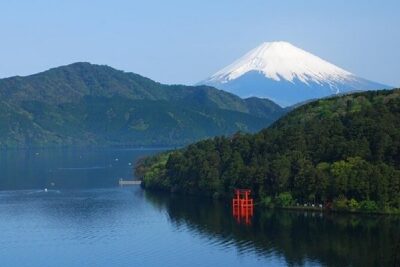 ★ 4.0Mt Fuji & Hakone Cruise, Drum Show Bullet Train 1 Day from TokyoFrom $149
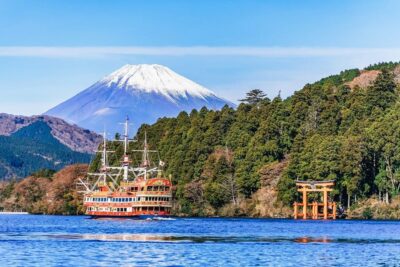 ★ 4.4Tokyo Mt Fuji 5th St & Hakone Cruise Bus Tour w/Bullet TrainFrom $15410 hours
 ★ 4.2Tokyo: Mt. Fuji 5th Station & Hakone Cruise 1-Day Bus TourFrom $12911 hours
 ★ 4.7Tokyo: Meiji Shrine, Asakusa, Skytree Bus Tour and CruiseFrom $12210 hours
 ★ 4.0Mt Fuji & Hakone Cruise, Drum Show Bus 1 Day from TokyoFrom $122
 ★ 4.6Sumida River: Japanese Traditional Yakatabune Dinner CruiseFrom $1032h 30m