
Reviewed · TOKYO
Karate Experience with the Shotokan Karate-do Instructor
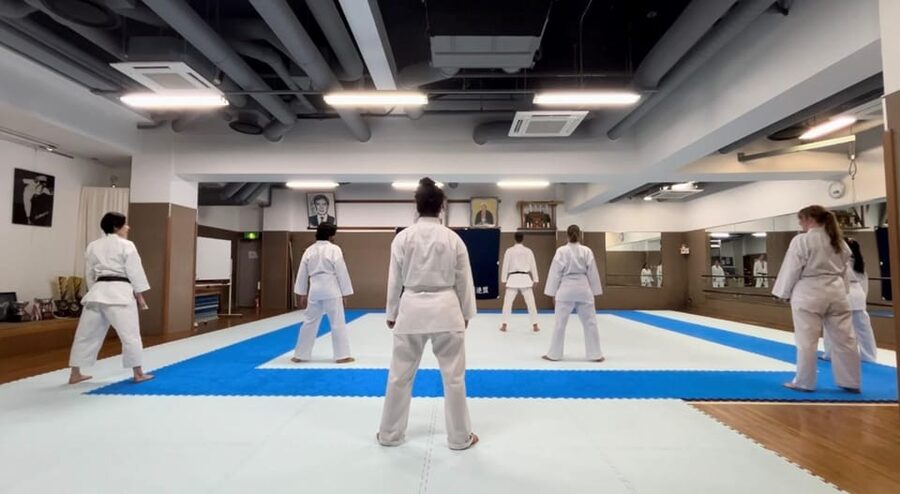
At SKIF Headquarters, you learn karate in the same dojo where world champions train and teach. The 90-minute session covers basic strikes, kicks, kata, promise kumite, board breaking, and a strong instructor demonstration.
I like the small group of up to 10, which gives the instructor room to adjust the session for beginners and experienced karateka. I also like the cultural side: this is not just a workout, but an introduction to karate’s discipline, language, and traditional practice.
The main drawback is the price: $220 per person is a serious outlay for 90 minutes, especially since transportation, drinks, and towels are not included. You are paying for access to a respected headquarters dojo and senior instruction, not a long class.
In This Review
- Key Points
- Inside the SKIF Headquarters Dojo
- The Opening: Karate Beyond the Kicks
- Strikes, Kicks, and the First Building Blocks
- Kata: Karate as Moving Form
- Promise Kumite and Controlled Practice
- Board Breaking and the Instructor Demonstration
- A Friendly Finish and Photo Opportunity
- How the $220 Price Makes Sense
- Who Should Book This Karate Session
- What to Bring and How to Prepare
- Cancellation and Flexible Booking
- Should You Book It?
- FAQ
- Where does the karate experience take place?
- How long does the karate session last?
- Is the experience taught in English?
- Do I need previous karate experience?
- What techniques will I practice?
- Is a karate uniform included?
- What should I bring?
- Are children allowed to participate?
- Can I cancel for a refund?
Key Points
- Train at SKIF Headquarters, a major Shotokan Karate-do International Federation dojo where elite instructors teach.
- Practice more than basic punches, including kicks, kata, promise kumite, and board breaking.
- Learn in English from an instructor with top-level tournament experience.
- Tell the organizers about your karate background so they can shape the session around your style and goals.
- Use the provided rental uniform, but bring your own towel and drinks.
- Arrive at least 10 minutes early, since a late arrival will not extend the class.
Inside the SKIF Headquarters Dojo
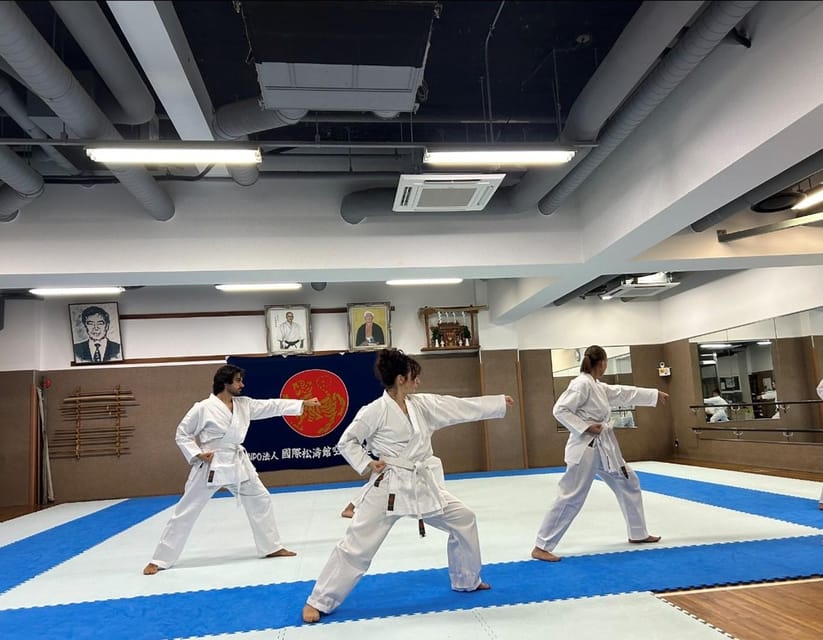
This experience gives you something a standard sightseeing stop cannot: a chance to enter a working Japanese martial arts dojo and take part in its routine. The venue is the headquarters of the Shotokan Karate-do International Federation, known as SKIF, an organization with a long international presence and a strong competition record.
The setting matters. You are not simply learning a few karate poses for a photo. You are training in a place connected to serious instruction, national titles, and world championship competition. That does not make the class suitable only for experts. It means beginners get their introduction in a focused setting, while experienced karateka can receive more than a generic tourist lesson.
You meet near Tokyu Ikegami Line Kugahara Station. The dojo is about a two-minute walk away. If you are unsure of the route, you can contact the organizer in advance and ask about being met at the station.
I would build in extra time even though the walk is short. A dojo session starts on time, and the class cannot be extended if you arrive late. Reaching the station at least 10 minutes before the scheduled start gives you time to find the meeting point, change, and settle down.
If you're still narrowing it down, here are other tours in Tokyo we've reviewed.


The Opening: Karate Beyond the Kicks
The session begins with a short introduction to karate’s history and philosophy. This part helps put the physical exercises into context. Karate is not presented only as a collection of punches and kicks, but as a traditional Japanese martial art with its own language, etiquette, and ideas about disciplined practice.
You then move into hands-on instruction. The exact balance can change depending on the instructor and the group, but the program is built around fundamental Shotokan techniques. Expect the instructor to explain movements, demonstrate them, and have you repeat them under guidance.
English is used during the session. That is useful for first-time participants who want clear explanations rather than simply copying movements. One participant with previous experience specifically valued the explanations of techniques and Japanese karate terms, so you should feel free to ask questions if a word or movement is unfamiliar.
If you have practiced karate before, contact the provider before the session. Share your style and the kind of training you want. The program can be adjusted more effectively when the instructor knows if you are looking for traditional practice, a refresher, or work suited to your previous level.
Strikes, Kicks, and the First Building Blocks
The basic technique portion introduces the actions that make up karate training. You work with strikes and kicks, paying attention to form as well as movement. For a beginner, this is where you learn that karate is not simply about hitting hard. Position, control, balance, and clean technique matter.
You will likely find that even a basic punch requires more attention than it first appears. The instructor’s corrections are especially useful here. A short class cannot turn you into a karate expert, but it can show you how much precision sits behind a simple movement.
For an experienced karateka, the value lies in comparison and refinement. Different schools and styles may use familiar techniques in slightly different ways. Telling the instructor what you practice allows the class to move beyond material you already know.
The group limit of 10 is important. A larger class could reduce the amount of individual correction you receive. With a small group, you have a better chance of being seen by the instructor, though the amount of personal attention will still depend on the number of people attending and their different levels.
Kata: Karate as Moving Form
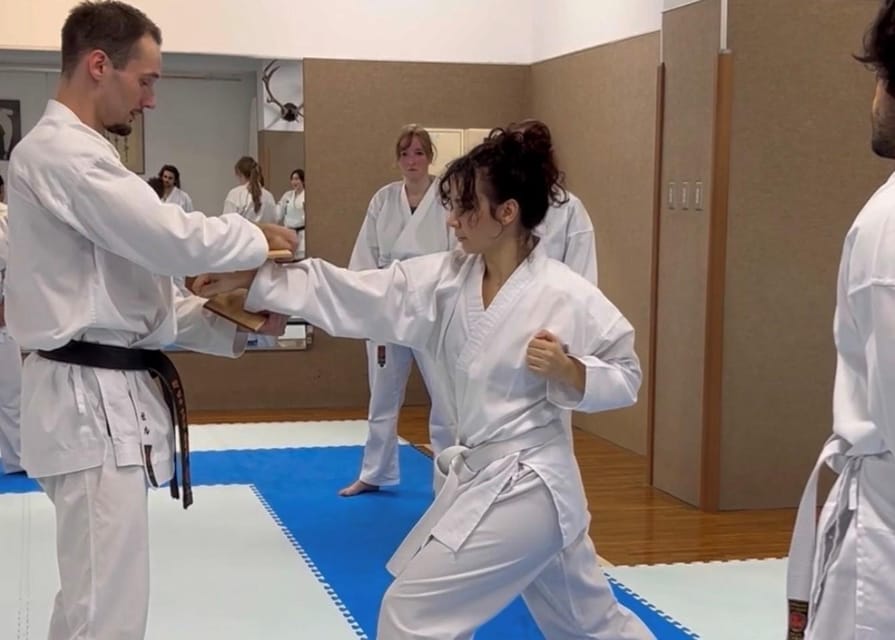
Kata is a set sequence of karate movements. It combines attacks, defenses, footwork, direction changes, and rhythm into one structured form. For someone new to karate, kata can look mysterious at first. The instructor helps break it into manageable parts.
This is one of the best parts of the program for understanding the traditional side of karate. You are not just repeating isolated movements. You are learning how techniques connect and how a martial art can preserve teaching through a fixed form.
I would not expect to master a full kata in 90 minutes. The goal is a first look at how kata works, along with enough practice to understand its demands. You may spend more time on a few sections than on completing a polished performance.
Experienced participants should mention their background before arriving. A karateka with previous kata training may benefit from working on a form or technical point that is more familiar to them, rather than starting from the very beginning.
Promise Kumite and Controlled Practice
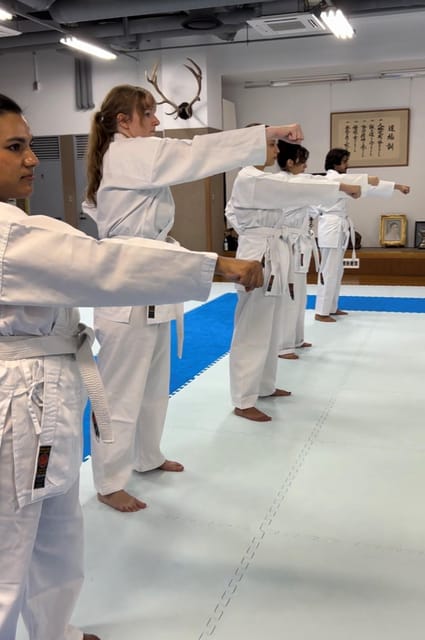
Promise kumite is pre-arranged sparring. Unlike free sparring, the movements are set in advance, so partners know what is coming and can focus on distance, timing, posture, and control.
That makes it a sensible introduction for first-timers. You get a feel for working with a partner without being thrown into an unpredictable bout. It also shows how karate techniques function in relation to another person, not just in the air.
The word controlled is important here. This is a structured cultural and sporting experience, not a chance to test yourself in a hard fight. Follow the instructor’s directions closely, keep your movements measured, and pay attention to your partner.
For experienced karateka, promise kumite can offer a useful bridge between basic drills and more formal training. Tell the instructor what you have practiced so the exercise can be made more relevant to your level.





Board Breaking and the Instructor Demonstration
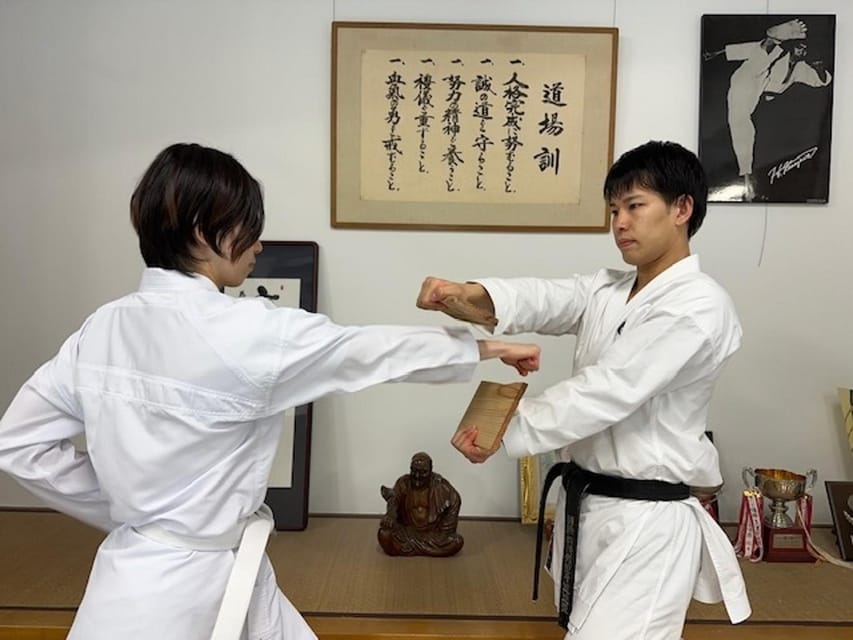
Board breaking is the crowd-pleasing part of the class. You have the opportunity to try splitting a board under instruction. It gives the session a memorable physical challenge, though you should treat it as a technique exercise rather than a stunt.
The instructor also performs a powerful demonstration. This is a chance to see speed, control, and accuracy at a level that cannot be covered in a beginner lesson. It gives you a clear picture of what years of disciplined training can produce.
The instructors leading these sessions are accomplished competitors. Their records include SKIF World Championship gold medals in kumite, titles at the All Japan Karate Championships, national kata and kumite championships, and runner-up finishes at major national and international events.
The specific instructor can vary. One recent session was led by Paul, who adapted the class for a participant’s previous knowledge and spent extra time on traditional karate and Japanese terms. Since several senior instructors may lead the program, ask in advance if you have a strong preference or a specific training request.
A Friendly Finish and Photo Opportunity
The formal training ends with a friendly exchange session and time for photographs. This gives the class a softer ending after the concentration of drills and partner work.
The photo opportunity is useful if you want a lasting record of the visit, especially when you have worn a karate uniform and trained inside a significant dojo. Uniform rental is included, so you do not need to pack a gi unless you prefer to use your own.
If you have your own belt or uniform and want to use it, confirm the details before the session. The supplied information confirms that rental uniforms are available, but it does not specify every option or size.
How the $220 Price Makes Sense
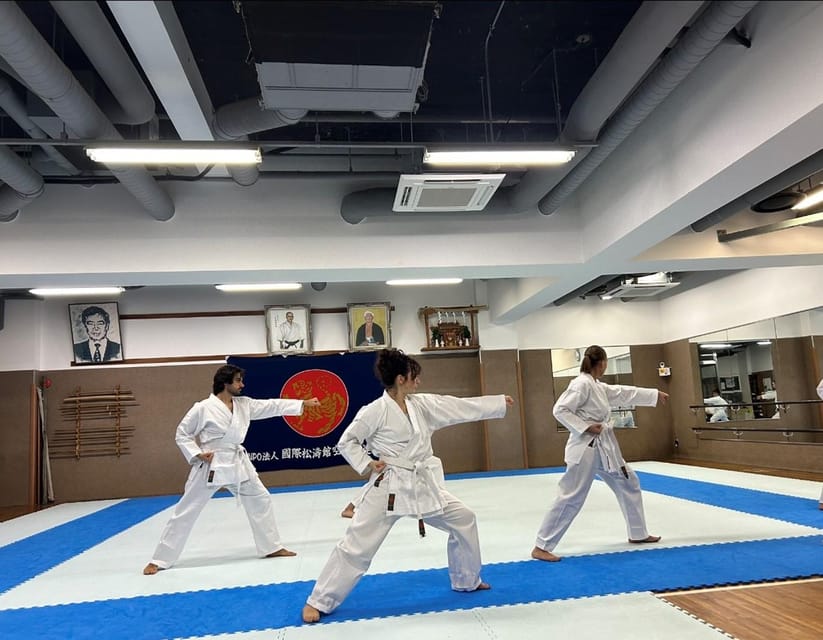
At $220 per person, this is one of the pricier 90-minute activities you can add to a Japan trip. I would not choose it simply because you want a cheap physical activity. The cost makes more sense if you value the venue, the instructors, the small group, and the chance to practice a traditional art in a serious dojo.
The fee includes instruction in basic techniques, the board-breaking opportunity, the instructor demonstration, and a rental uniform. It also gives you access to a session led by an accomplished Shotokan teacher rather than a general fitness coach.
That said, the class is still only 90 minutes. You should not expect a full course in karate or enough time for advanced personal coaching. Transportation to the dojo, bottled water, and a towel are not included. If you are comparing this with a longer martial arts workshop, the shorter duration may make the price feel steep.
For a committed karateka, the value is easier to see. You can explain your style and goals ahead of time, then use the session to explore traditional Shotokan practice with a high-level instructor. For a complete beginner, the value depends on how much you care about the cultural setting and the quality of the demonstration.
Who Should Book This Karate Session
I would recommend this for adults and children aged 7 or older who have a real interest in karate, Japanese culture, or both. Beginners get an approachable introduction, while experienced participants can request a more tailored class.
It also suits people who want an active break from temples, museums, and city streets. The class gives you something to do with your body and your attention. You leave with a clearer sense of how karate is practiced, not just how it looks in films.
This is less suitable if you want a casual photo stop with little physical participation. You will be asked to train, repeat movements, work with a partner, and follow instructions. The session may also feel too short for advanced karateka who want sustained technical practice.
Children under 7 are not suitable for the program. If an older child wants only to watch, contact the provider first. The same applies if you are booking for a child who will visit without taking part.
What to Bring and How to Prepare
Bring a towel and drinks. Bottled water is not included, and food, alcohol, and drugs are not allowed. Smoking is also not allowed.
Wear something that allows comfortable movement, even though a rental uniform is available. Arrive at least 10 minutes early. This is the most useful practical tip because a late start will not be added to the end of your session.
You do not need previous karate experience. The program is designed for complete beginners as well as people who already train. If you have a background in another style, tell the provider in advance and explain what you hope to practice.
The group is limited to 10 people. That keeps the session relatively small, but it does not guarantee a private lesson. If your main aim is individual instruction, send a clear request before booking and ask what can be arranged.
Cancellation and Flexible Booking
You can cancel up to 24 hours before the experience for a full refund. A reserve-now, pay-later option is also available, which may help if your Honshu plans are still shifting.
The meeting point is close to Kugahara Station, but transportation to and from the dojo is your responsibility. If you need help finding the entrance, contact the provider before the session rather than waiting until the start time.
Should You Book It?
Book this karate experience if you want a serious, compact introduction to Shotokan karate in a respected dojo. The strongest reasons are the SKIF Headquarters setting, English-language instruction, small group size, accomplished teachers, board breaking, and the chance to request training suited to your background.
I would skip it if $220 feels too high for 90 minutes, or if you want a long, relaxed activity with little physical effort. For everyone else, especially martial arts fans and visitors curious about traditional Japanese practice, this offers a rare chance to train where elite karate instruction takes place.
FAQ
Where does the karate experience take place?
It takes place at the Shotokan Karate-do International Federation Headquarters dojo on Honshu, Japan. The dojo is about a two-minute walk from Tokyu Ikegami Line Kugahara Station.
How long does the karate session last?
The experience lasts 90 minutes. If you arrive late, the session cannot be extended, so you should arrive at least 10 minutes before the start time.
Is the experience taught in English?
Yes. The listed language for the experience is English.
Do I need previous karate experience?
No. Complete beginners can join. People with karate experience can contact the provider before the session with their style and preferred type of training.
What techniques will I practice?
The session covers fundamental strikes, kicks, kata, and promise kumite, which is pre-arranged sparring. You also have the opportunity to try board breaking.
Is a karate uniform included?
A rental uniform is included. The supplied information does not specify whether you may use your own uniform, so contact the provider if that matters to you.
What should I bring?
Bring a towel and drinks. Bottled water and towels are not included.
Are children allowed to participate?
Children under 7 are not suitable for the experience. If a child aged 7 or older wants only to visit and watch, contact the provider in advance.
Can I cancel for a refund?
Yes. You can cancel up to 24 hours in advance for a full refund. A reserve-now, pay-later option is also available.
More tours in Tokyo we've reviewed







Tokyo, compared.
 ★ 5.0Mt Fuji and Hakone 1-Day Bus Tour Return by Bullet TrainFrom $163
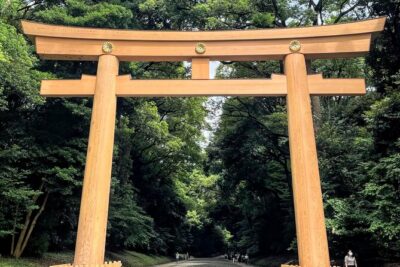 ★ 5.01-Day Tokyo Bus TourFrom $129
 ★ 4.6Tokyo: teamLab Planets TOKYO Digital Art Museum Entry TicketFrom $251 day
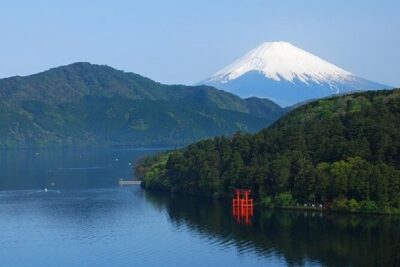 ★ 4.0Mt Fuji & Hakone Cruise, Drum Show Bullet Train 1 Day from TokyoFrom $149
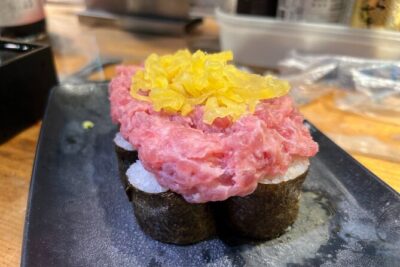 ★ 5.0Tokyo: Shinjuku Food Tour (13 Dishes at 4 Local Eateries)From $86
 ★ 4.4Tokyo Mt Fuji 5th St & Hakone Cruise Bus Tour w/Bullet TrainFrom $15410 hours