
Reviewed · UENO & YANAKA WALKS
Discover the Art of Ikebana in Tokyo’s Historic Yanaka District
The best part of this Tokyo experience happens before the flowers reach the vase. You walk into Yanaka’s everyday neighborhood life, choose seasonal stems at a local flower shop, then bring them to an ikebana lesson led by a master instructor. It feels less like a standard class and more like a small cultural exchange.
I like the private group format, which gives you room to ask questions and shape the arrangement in your own way. I also like the English-speaking assistant, since ikebana depends on subtle ideas about line, space, balance, and season that can be hard to grasp through gestures alone.
The main point to consider is the price. At $108.99 per person, this is not a cheap flower-arranging class, and you must also pay about ¥1,000 to ¥2,000 in cash for the flowers. The value comes from the personal instruction and Yanaka setting, not from the materials alone.
In This Review
- Key points before you book
- Why ikebana works so well in Yanaka
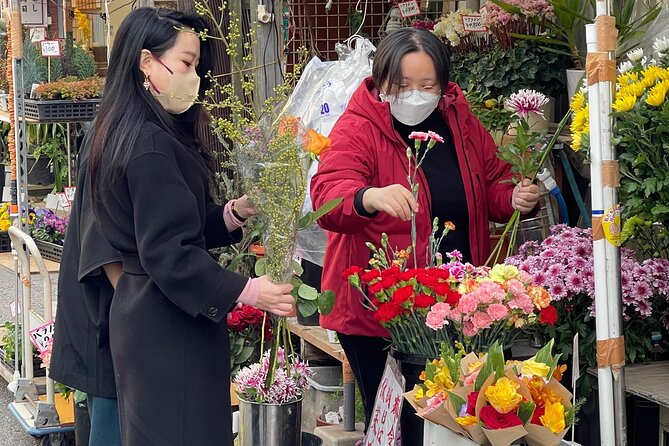
- Choosing flowers at a local shop
- Learning the basic language of ikebana
- What the private format changes
- Yanaka Ginza, the natural starting point
- Yanaka Cemetery and Nezu Shrine
- Yuyake Dandan and the neighborhood walk
- What the ¥108.99 price includes
- Who will get the most from this class
- Practical advice for a smooth visit
- Should you book this Yanaka ikebana workshop?
- FAQ
- How long does the ikebana experience last?
- Where does the activity begin and end?
- Is the activity private?
- Is an English-speaking guide included?
- Do I need to pay extra for flowers?
- Can I cancel for a refund?
Key points before you book
- Choose your own flowers in Yanaka: You buy seasonal flowers at a nearby local shop rather than receiving a fixed kit.
- Learn directly from an ikebana master: The class focuses on traditional principles while leaving space for personal creativity.
- Private and personal: Only your own group participates, with an English-speaking assistant helping throughout.
- A useful neighborhood setting: The meeting point is near Yanaka Ginza, Yanaka Cemetery, Nezu Shrine, and Yuyake Dandan.
- Bring extra cash: The flower purchase is separate and costs about ¥1,000 to ¥2,000 per person.
- Allow breathing room in your day: The class is listed at about 1 hour 30 minutes, and the neighborhood deserves extra time before or after.
Why ikebana works so well in Yanaka
Ikebana is not simply the Japanese version of putting flowers in a vase. It pays attention to line, height, open space, seasonal change, and the character of each stem. A crooked branch or a single leaf can matter as much as a full cluster of blossoms.
That makes Yanaka a fitting place to learn it. This older Tokyo district has a slower, more local feel than the city’s major shopping centers. The experience begins at the YANESEN Tourist Information & Culture Center, at 3-chome-13-7 Yanaka, Taito City.
From there, the activity connects you with a nearby flower shop and the people who keep the neighborhood running. You may speak with the shop owner or meet local residents who stop by during the flower selection. That small contact is important. You are not only watching a demonstration. You are taking part in a local routine.
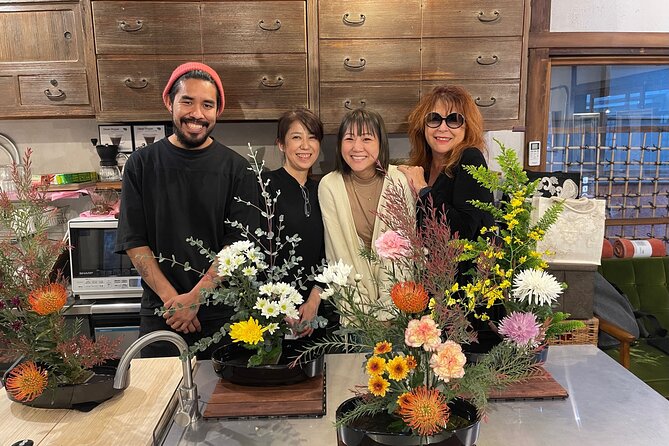
The lesson also gives you something concrete to remember Tokyo by. Instead of leaving with only photos, you create an arrangement based on the flowers you selected. The finished display reflects both the instructor’s guidance and your own choices.
A few more Tokyo tours and experiences worth a look
Choosing flowers at a local shop
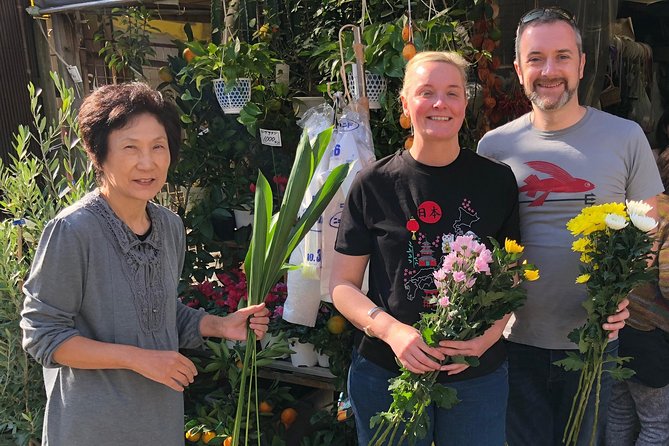
The flower selection is one of the most distinctive parts of the experience. You receive about ¥1,000 to ¥2,000 in fresh flowers, paid in cash at the shop. The exact amount is not included in the tour price, so keep yen ready.
You choose seasonal flowers rather than working from a prearranged set. That choice gives the class a personal starting point, but it also means you should expect some flexibility. The shop’s selection will depend on the time of year and what is available that day.
The English-speaking assistant can help bridge the conversation, while the instructor can explain which flowers will work well together. You may find that the most attractive flower in the shop is not necessarily the best choice for the structure of your arrangement. A tall branch, a thin stem, or a simple bloom may provide the shape the design needs.
This stop also adds value beyond the lesson. You support a local business and see a part of Yanaka that most short visits to Tokyo would skip. If you are buying gifts or lunch nearby, the flower stop fits naturally into a wider afternoon in the district.
Bring cash, and do not assume the $108.99 covers every cost. That small extra payment is easy to handle if you plan for it.
Learning the basic language of ikebana
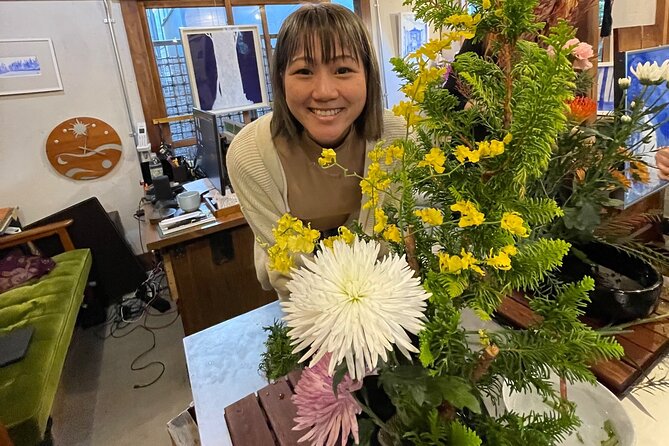
After choosing your flowers, you work with a professional ikebana instructor. The English-speaking assistant helps translate the explanations and keeps the conversation moving. This pairing is especially helpful for a hands-on art form, where you need to understand both the practical steps and the reason behind them.
You can expect guidance on arranging the stems, creating balance, and leaving intentional space. The point is not to copy a design without thought. The instructor teaches the traditional foundation while allowing your arrangement to show your own preferences.
That balance receives strong praise in the available comments about the experience. One particularly useful detail is that the teaching encourages creativity rather than forcing every participant into the exact same result. If you have never tried flower arrangement, this should make the lesson feel approachable. If you already enjoy flowers or design, you still have room to make choices.
The lesson is also described as peaceful and focused. That matters in Tokyo, where a day of stations, crowds, and bright signs can leave you wanting something quieter. For about 90 minutes, the activity asks you to slow down and pay attention to one object at a time.
One instructor has been noted for wearing a kimono during the class, adding a traditional touch to the setting. The teaching team has also been praised for warmth and charm, with the assistant providing clear translation. The names of the individual instructors are not specified in the available details, but the provider response identifies a staff member named Masa.
What the private format changes
This is a private activity, so only your group participates. That can make a real difference in a class where each person needs individual help with stems and spacing.
A couple or family can work at its own pace. A parent and teenager can share the activity without being placed with a large bus tour group. One comment specifically describes the experience as a meaningful choice for a parent and teen daughter, with the instruction creating a stronger connection to Japanese culture.
The private format also makes it easier to ask basic questions. You can stop and check why one branch should be angled differently, or ask how to carry the finished arrangement. You do not need to worry about holding up a room full of other participants.
There is a tradeoff. A private lesson usually costs more per person than a large group class. At $108.99, the price makes the most sense for people who care about personal instruction, local contact, and the setting. If you only want to make a quick flower arrangement, a less expensive class may serve you just as well.
Yanaka Ginza, the natural starting point
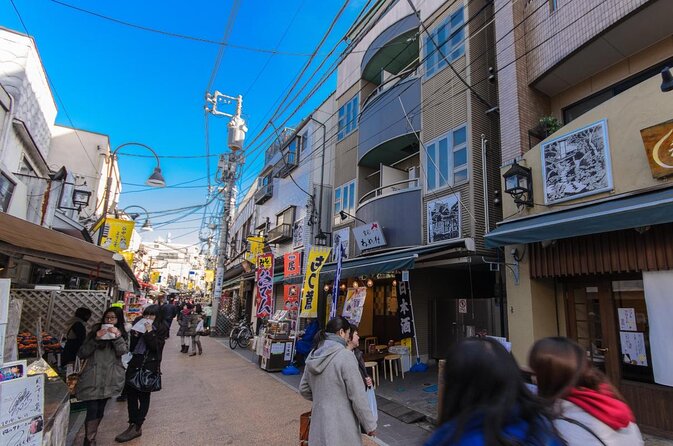
Yanaka Ginza Shopping Street is one of the area’s best places to get a feel for local daily life. It is a practical shopping street rather than a formal sightseeing attraction, which is exactly why it works well with this activity.
You can visit before or after the class for food and a look at neighborhood shops. The location near the meeting point also makes it easy to combine the workshop with lunch. One useful piece of advice is to avoid scheduling your next major activity too tightly. A person who took the class advised leaving an extra couple of hours between this experience and the next event.
The workshop itself lasts about 1 hour 30 minutes, but transport, meeting up, buying flowers, and walking around Yanaka can take more of your day. Give yourself time to arrive without rushing. The center is near public transportation, but the supplied information does not specify a particular train station or route, so check your map before setting out.
Other historical tours in Tokyo
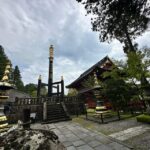

Yanaka Cemetery and Nezu Shrine
Yanaka Cemetery and Nezu Shrine are listed as nearby itinerary points. They help place the class within the wider character of the district, where older religious sites, quiet lanes, shops, and residential streets sit close together.
Do not read this as a full guided sightseeing tour of each stop. The main purpose is the ikebana workshop, while these locations provide useful landmarks and possible places to visit around it. If you want a temple and shrine-heavy day, plan additional time beyond the 90-minute activity.
Nezu Shrine is especially relevant to the seasonal spirit of ikebana. The experience centers on observing nature rather than treating flowers as anonymous decoration. A shrine visit gives you another way to notice the connection between Japanese aesthetics, seasonal change, and careful design.
Yanaka Cemetery offers a quieter contrast to the shopping street. Depending on the timing and your own plans, you might use it as part of a slow walk before or after the class. Keep in mind that it is a place of respect, not simply a photo stop.
Yuyake Dandan and the neighborhood walk
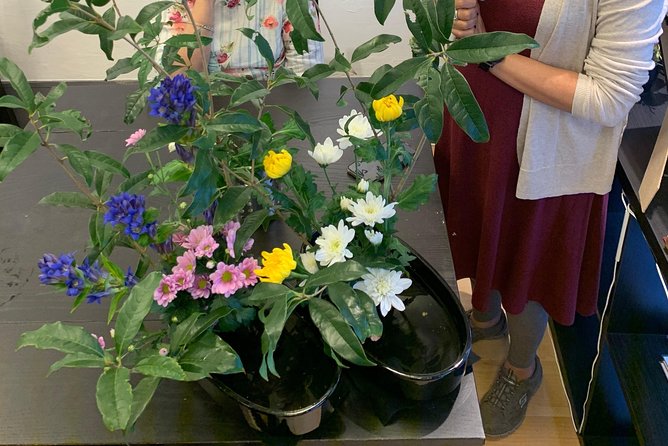
Yuyake Dandan is another named point on the itinerary. Its stairway and surrounding neighborhood help connect the activity to Yanaka’s older Tokyo atmosphere.
The area is appealing because it gives you a break from the glass towers and major commercial zones that dominate many first visits to the city. You can see a more ordinary side of Tokyo, where small shops and community spaces still shape the experience.
The exact walking order is not supplied, so treat the four locations as part of the Yanaka setting rather than a guaranteed sightseeing sequence. The central promise is the flower selection and class. If you are hoping for a long, formal walking tour, this may feel limited. If you want a cultural activity that also puts you in an appealing neighborhood, the combination works well.
What the ¥108.99 price includes
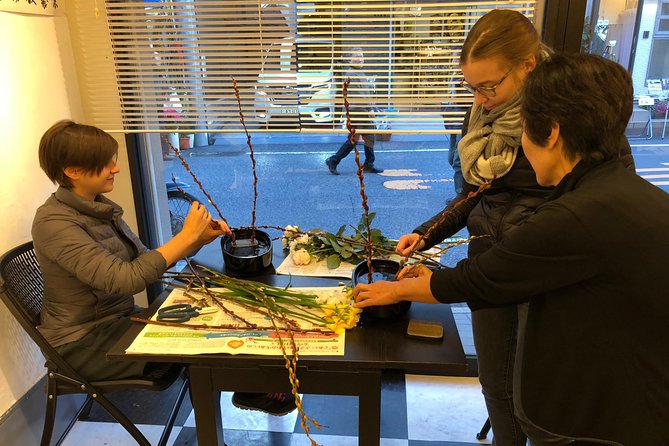
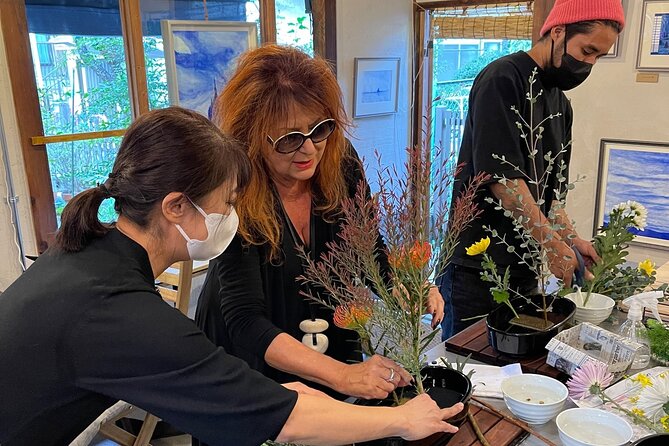
The cost covers the workshop with the ikebana master and the English-speaking assistant. It does not cover the fresh flowers, for which you should bring approximately ¥1,000 to ¥2,000 in cash.
To judge the value, ask yourself what you are paying for. You are not just buying flowers and a short lesson. You are paying for a private format, professional guidance, translation, a local flower-shop visit, and access to an experience tied to the Yanaka community.
That is a fair proposition for a special occasion, a couple, a parent and child, or anyone who wants to take home a skill rather than another souvenir. It is less attractive if your budget is tight or if you prefer broad sightseeing to a focused cultural activity.
Group discounts are available, which may improve the price for larger parties. Since the activity is private, ask about the group rate when comparing options. The fact that it is often booked 41 days ahead also suggests that you should not leave it until the last moment if your Tokyo dates are fixed.
Who will get the most from this class
I would recommend this experience to you if you enjoy small-group cultural activities, crafts, local shops, and conversations with residents. It suits people who prefer a calm lesson to a fast sightseeing schedule.
It is also a good choice for:
- Couples looking for a shared activity with a finished keepsake
- Families with older children or teenagers
- Visitors interested in Japanese design and seasonal customs
- First-time ikebana students who want English support
- Repeat Tokyo visitors seeking a quieter neighborhood experience
You do not need prior flower-arranging experience. Most people can participate, and service animals are allowed. The activity is near public transportation, which helps, although the exact route is not provided.
You should think twice if you dislike structured creative activities or want a large social group. The private setting is an advantage for some people, but it may feel too intimate if you prefer meeting a wide range of participants.
Practical advice for a smooth visit
Arrive with enough time to find the YANESEN Tourist Information & Culture Center. The tour begins and ends there, so you do not need to arrange a separate return transfer.
Wear something comfortable for walking around Yanaka. The class itself is indoors, and one account notes that the teaching room remained fairly cool during a hot and humid day, but the walk to the meeting point and around the neighborhood can still be warm.
Carry the flower money in cash. Plan on ¥1,000 to ¥2,000 per person, not simply the lower figure. Bring a phone or camera if you want photos of the arrangement and the neighborhood. Photography is permitted.
Keep your schedule open after the class. You may want time to visit Yanaka Ginza, eat nearby, or continue toward the cemetery, shrine, and Yuyake Dandan. A rushed connection would undercut the calm quality that makes the activity appealing.
Cancellation is free up to 24 hours before the start time for a full refund. Changes or cancellations inside that window are not accepted for a refund. Poor weather or failure to meet the minimum number of participants can lead to a new date or a full refund.
Should you book this Yanaka ikebana workshop?
Book it if you want personal instruction and a real neighborhood connection, not just a quick craft demonstration. The flower-shop visit, private format, clear English assistance, and chance to meet local people give the activity more substance than a class held in a generic studio.
The $108.99 price is high once you add the flower cost, but it can be justified for a couple, family, or small group that values a memorable cultural lesson. The strongest reason to choose it is the way the class links ikebana with Yanaka’s shops, residents, and slower pace.
Skip it if you are looking for a low-cost activity, a long guided tour, or a major Tokyo landmark. For the right person, though, this is a thoughtful way to spend 90 minutes and leave with both an arrangement and a better sense of how Japanese aesthetics use nature, space, and restraint.
FAQ
How long does the ikebana experience last?
The activity lasts approximately 1 hour 30 minutes.
Where does the activity begin and end?
It begins and ends at the YANESEN Tourist Information & Culture Center, located at 3-chome-13-7 Yanaka, Taito City, Tokyo 110-0001, Japan.
Is the activity private?
Yes. Only your own group participates in the private activity.
Is an English-speaking guide included?
Yes. The experience includes an English-speaking assistant, along with the workshop led by an ikebana master.
Do I need to pay extra for flowers?
Yes. Bring about ¥1,000 to ¥2,000 in cash per person to buy fresh flowers for your final arrangement. The flower cost is not included in the tour price.
Can I cancel for a refund?
You can cancel at least 24 hours before the start time for a full refund. Cancellations or changes made less than 24 hours before the start time are not accepted for a refund.
More Historical Tours in Tokyo
More Ueno & Yanaka Walks in Tokyo
More tours in Tokyo we've reviewed




Ueno & Yanaka Walks, compared.
 ★ 5.0Eat and Drink Like a Local: Tokyo Ueno Food Tour-Taverns&RamenFrom $95
 ★ 4.5The Old Quarter of Tokyo – Yanaka Walking TourFrom $40
 ★ 5.0Yanaka Walking Tour: Historic and Traditional District of TokyoFrom $72
 ★ 4.8Tokyo: Old Quarter Yanaka Walking TourFrom $323 hours
 ★ 5.0Tokyo: Food Tour in Ueno with 10+ Tastings of Japanese ClassicsFrom $142
 ★ 4.9Tokyo:Stroll in Old traditional culture towns~Yanaka & NezuFrom $293h 30m