
Reviewed · TEMPLES & MEDITATION
Make a temple stamp book with artist
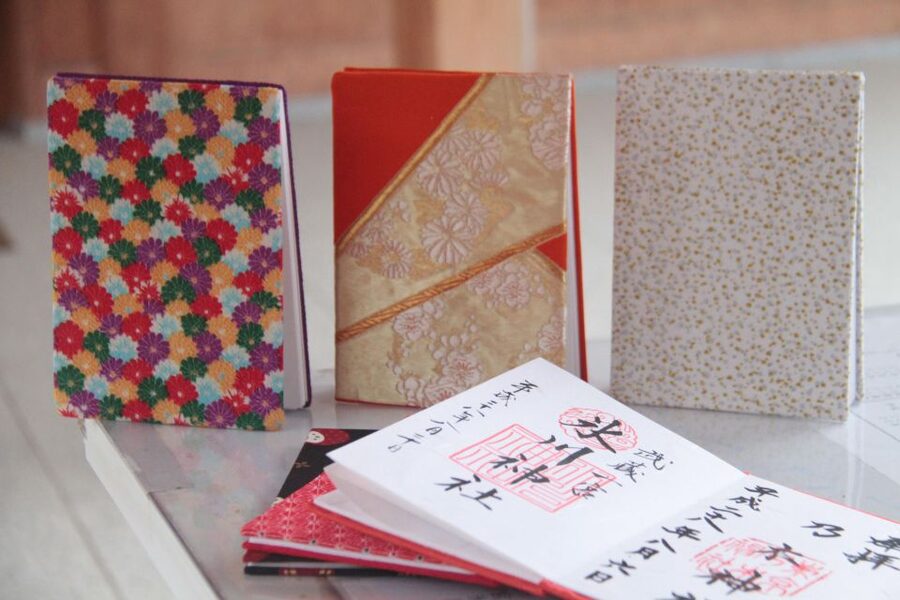
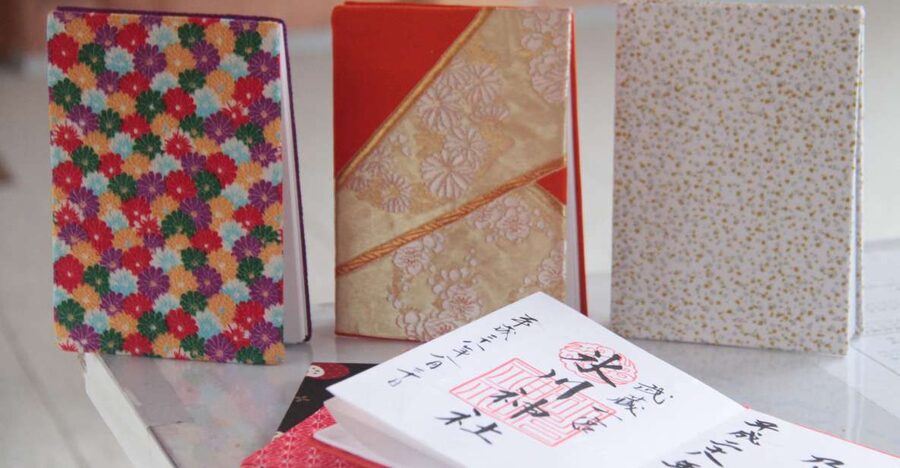
The best part of this two-hour experience is that you make a useful Japanese keepsake instead of simply buying one. Chikako Oshiro gives you more than 100 kimono fabrics to choose from, then shows you how to fold and glue the pages into your own goshuin book.
I like the hands-on craft and the small group limit of eight. I also like that the workshop continues at a local shrine, where you learn formal shrine manners and receive your first stamp. The main drawback is that the shrine stamp fee is extra, and the route includes about 10 steps, so this is not a good fit for anyone with mobility limits.
In This Review
- Key points to know
- Why making a goshuin book is more than a craft project
- Choosing kimono fabric near Shibuya
- Folding and gluing the pages
- Your first stamp at a local shrine
- What the two-hour schedule feels like
- Is $38 a fair price?
- Who will enjoy this experience most
- Practical points before you go
- FAQ
- How long does the goshuin book experience last?
- How much does the experience cost?
- What does the workshop fee include?
- Is the shrine stamp included?
- How many fabrics can I choose from?
- Is the activity offered in English?
- How large is the group?
- Is the experience suitable for people with mobility impairments?
- Should you book it?
Key points to know
- Choose from more than 100 kimono fabrics: Your book can reflect your own taste rather than coming from a shop shelf.
- Make a proper goshuin notebook: You fold and glue the pages yourself, with all workshop materials supplied.
- Visit a local shrine afterward: The craft leads directly into a real cultural practice, including your first stamp.
- Learn shrine etiquette in English: Chikako Oshiro explains how to approach the shrine formally.
- Small group of up to eight: The limited size should make it easier to follow the craft instructions and ask questions.
- Convenient for a Shibuya day: The workshop is near popular tourist spots, though you need to find the meeting point between a drug store and Cozy Corner cake shop.
Why making a goshuin book is more than a craft project
A goshuin book, also called a goshuin notebook, is used to collect calligraphy and stamps from Japanese temples and shrines. Each religious site has its own design and inscription, so the book becomes a record of places you visit over time.
That gives this activity a useful purpose. You are not making a souvenir that sits in a drawer. You are preparing a book for future visits to temples and shrines across Japan.
The workshop also gives you a gentle introduction to a custom that can feel confusing at first. Goshuin are not simply decorative stickers. They are connected to a formal visit, and you need to treat the book and the shrine with care. Learning the basics before you begin collecting is a good reason to choose this experience early in your Japan trip.
I especially like the choice of fabric. With more than 100 kimono fabrics available, you can pick colors and patterns that suit you. The fabric choice is one of the most personal parts of the activity, and the finished book should feel connected to your own visit rather than mass-produced.
A few more Tokyo tours and experiences worth a look


Choosing kimono fabric near Shibuya
The first stage is selecting your fabric from Chikako Oshiro’s wide collection. The information provided does not list the individual patterns or colors, so you should expect variety without arriving with a particular design guaranteed.
Take your time here. Your choice will form the cover of the goshuin book, so think about whether you want something bold, restrained, traditional-looking, or simply a pattern that catches your eye. If you are traveling with family or friends, this is also where each person can make a clearly different book.
One useful feature is that the fabric comes with some cultural context. Chikako explains aspects of the traditional fabrics and the purpose of the goshuin book as you work. That turns the selection into part of the lesson, not just a quick choice before the practical work begins.
The location near Shibuya makes the workshop easy to pair with a day in that part of Tokyo. Still, do not rely on the general neighborhood name alone when finding the starting point. The meeting place is in front of the entrance between a drug store and Cozy Corner, the cake shop. Give yourself enough time to identify that entrance before the scheduled start.
Folding and gluing the pages
Once you have chosen the fabric, Chikako teaches you how to assemble the book. The process involves folding and gluing papers together, and the instructions are given in English.
This is a simple craft, but neatness matters. A goshuin book needs pages that open properly and remain secure as you add stamps. You are not just decorating a notebook. You are learning the basic construction of the object you will use at shrines and temples later.
All materials for the workshop are included. A useful detail from the experience is that extra glue can be provided for future stamps, which may help if you plan to keep collecting during your trip. It is worth asking about this during the workshop so you know how to look after the book once you leave.
Do not expect a factory-perfect result. The appeal is that you made it yourself, and small variations are part of that. The clear instructions make the activity approachable, including for people who do not usually do crafts, but you still need to pay attention while folding and attaching the papers.
The pace is set for two hours, including the shrine visit, so the workshop is not designed as a long art class. You will have enough time to choose, assemble, learn about goshuin, and visit the shrine, but this is not the place to linger over elaborate decoration.
Your first stamp at a local shrine
After the book is finished, you visit a local shrine and collect your first goshuin. This is the part that gives the craft a clear purpose. Instead of stopping after the handmade item, you use it right away in the setting it was made for.
Chikako also teaches you how to visit the shrine formally. That can include basic behavior and procedure, but the exact details provided for this activity are limited, so you should treat the workshop as an introduction rather than a full study of Shinto practice.
The first stamp is not included in the price. You should bring a little extra money for that fee, since the $38 workshop charge covers the workshop itself, not the shrine stamp.
The visit adds a calm cultural stop to a neighborhood better known for its major sightseeing areas. You are not being taken to a famous headline attraction. Instead, you visit a local shrine and learn how to approach it respectfully. That local focus is valuable if you want something quieter and more connected to daily Japanese custom.
Remember that goshuin collection is not a race. The point is not to fill pages as fast as possible. Keep the book clean, follow the shrine’s instructions, and treat each stamp as part of a visit.
What the two-hour schedule feels like
This is a compact activity, but it has three distinct parts:
- Choosing a kimono fabric
- Building the goshuin notebook
- Visiting the shrine for the first stamp and etiquette lesson
That structure works well for a morning or afternoon around Shibuya. You get a finished object and a cultural visit without giving up an entire day of sightseeing.
The craft portion is likely the most flexible part, since people may take different amounts of time to choose a fabric and complete the folding and gluing. The shrine visit follows afterward, so plan to stay with the group rather than treating the workshop as an open-ended studio session.
The small group limit of eight is important here. A craft lesson can become frustrating when you cannot see the demonstration or get help with a tricky fold. A group of this size should allow more direct guidance, and the available information specifically presents the instructor as English-speaking.
The activity operates rain or shine. Since the shrine visit is outdoors, you should dress for the weather and avoid assuming that rain will move the entire experience indoors. The schedule remains two hours, with starting times available when you check the booking calendar.




Is $38 a fair price?
At $38 per person, the value rests on the combination of instruction, materials, and the shrine visit. You are paying for more than a blank notebook or a short sightseeing stop.
The fabric selection is a major part of the value. More than 100 kimono fabrics give you a level of choice that you would not get from buying a ready-made souvenir. You also learn how to make the book, rather than simply receiving one.
The English guidance matters, too. Shrine customs and goshuin etiquette can be easy to miss if you are exploring on your own. Here, Chikako explains the process while you are making the book and then helps you put that lesson into practice at a shrine.
Still, you should count the extra stamp fee when planning your budget. The first goshuin is an important part of the experience, but it is not included. The price is strongest for someone who values a personal souvenir and cultural instruction, not for someone looking only for a low-cost craft session.
If you already know how to make goshuin books and regularly visit shrines, you may find less new information here. For a first introduction, though, the combination is sensible: make the book, learn the etiquette, and use it immediately.
Who will enjoy this experience most
This workshop suits adults, couples, friends, and older children who can follow a careful craft lesson. Children under three are not accepted, and the activity is not suitable for people with mobility impairments.
It is a good choice if you want a break from large city sights. You still remain close to Shibuya’s popular tourist areas, but the focus shifts to fabric, handwork, and shrine customs.
It also works well for anyone building a collection of Japanese memories. A photograph disappears into your phone. A goshuin book records future temple and shrine visits, so this first handmade book can stay useful for the rest of your trip and beyond.
You should choose something else if your schedule is tight, you dislike hands-on projects, or you want a major shrine or temple tour with extensive sightseeing. The activity is focused and practical. It does not promise a long historical lecture or a full tour of several religious sites.
Practical points before you go
Meet in front of the entrance located between a drug store and Cozy Corner cake shop. That description is specific, but the neighborhood may still be busy, so arrive with enough time to confirm the entrance.
The workshop is in Honshu, Japan, and the location is near Shibuya. The supplied information does not give a station exit, street address, or transport directions, so you should check the exact map point after booking.
Wear clothing suitable for sitting and working with paper and glue. The activity takes place in all weather, and the shrine portion may be affected by rain or heat even though the tour continues.
There are about 10 steps to reach the classroom and shrine. This is the key physical consideration. Anyone who has trouble with steps should choose a different activity.
You can cancel up to 24 hours before the start for a full refund. You can also reserve now and pay later, which helps if your Tokyo schedule is still changing.
FAQ
How long does the goshuin book experience last?
The activity lasts two hours, including the workshop and the visit to a local shrine.
How much does the experience cost?
The price is $38 per person.
What does the workshop fee include?
The workshop fee includes the workshop itself and the materials needed to make the goshuin book.
Is the shrine stamp included?
No. The stamp fee at the shrine is not included, so bring extra money if you want to receive the first stamp.
How many fabrics can I choose from?
You can choose from more than 100 different kimono fabrics.
Is the activity offered in English?
Yes. The instructor language is English, and Chikako Oshiro leads the experience.
How large is the group?
The group is limited to eight participants.
Is the experience suitable for people with mobility impairments?
No. The activity includes about 10 steps to reach the classroom and shrine and is not suitable for people with mobility impairments. Children under three are also not accepted.
Should you book it?
Book this if you want a personal souvenir, a small English-language class, and a first lesson in shrine etiquette near Shibuya. The strongest feature is the full chain of activities: choose kimono fabric, make the book, visit a local shrine, and use the book for its first goshuin.
The $38 price is reasonable when you value the materials and instruction, but remember the extra stamp fee. Skip it if you need step-free access, dislike craft work, or want a large-scale temple tour. For a first goshuin experience with a handmade result, this is a thoughtful two-hour addition to a Tokyo itinerary.
More Temples & Meditation in Tokyo

More tours in Tokyo we've reviewed











Temples & Meditation, compared.
 ★ 4.7Tokyo: Meiji Shrine, Asakusa, Skytree Bus Tour and CruiseFrom $12210 hours
 ★ 4.8Tokyo: Asakusa Walking Tour with Sensoji Temple VisitFrom $222 hours
 ★ 4.6Nikko: Kegon Falls, Lake Chuzenji & Toshogu TempleFrom $8911 hours
 ★ 4.5Tokyo: Kamakura & Enoshima Day Trip including Temple TicketsFrom $589 hours - 570 minutes
 ★ 4.5Tokyo: Nikko Toshogu Shrine and Kegon Waterfall TourFrom $8410h 30m
 ★ 4.5Tokyo Panoramic 1 Day: Meiji Shrine, Asakusa, Odaiba and SKYTREE®From $85