
Reviewed · SHINJUKU TOURS
Tokyo: Kimono Experience inside Shinjuku Gyoen National Garden
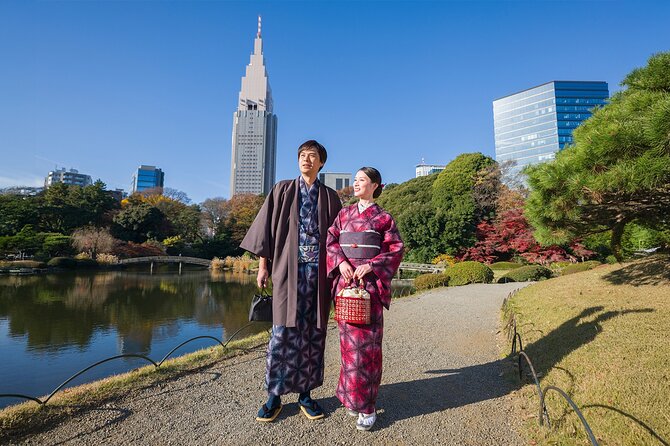
Shinjuku Gyoen has plenty of beautiful corners, but this is the only kimono rental experience located inside the garden itself. You choose your outfit at the historic Rakuu-tei tea house, then step outside dressed for a slow walk among one of Tokyo’s most pleasant green spaces. I like the authentic setting and the fact that you are not rushed through a fixed photo stop.
I also like the complete outfit: kimono, obi belt, tabi socks, sandals, handbag, professional dressing, and basic hair styling. The main consideration is time. The selection and dressing process takes about an hour, and the kimono must be returned by 4:00 PM. The Shinjuku Gyoen entrance fee is also separate.
In This Review
- Key Points at a Glance
- Why This Kimono Experience Feels Different
- Arriving at Rakuu-tei Inside Shinjuku Gyoen
- Choosing a Seasonal Kimono
- Professional Dressing Takes About an Hour
- Exploring Shinjuku Gyoen in Traditional Dress
- What the Price of $46.04 Includes
- Group Size and Who Will Enjoy It Most
- Timing, Return Rules, and Practical Planning
- Photo Expectations at Rakuu-tei and the Garden
- Strengths and Limitations at a Glance
- Should You Book This Shinjuku Gyoen Kimono Experience?
- FAQ
- Where does the kimono experience begin?
- Is the Shinjuku Gyoen entrance fee included?
- What does the kimono rental include?
- How long does the dressing process take?
- How long can I keep the kimono?
- Is photography included?
- What identification do I need at check-in?
Key Points at a Glance
- Only kimono rental inside Shinjuku Gyoen: Dress at Rakuu-tei tea house, located within the garden.
- 174 years of kimono tradition: Kouichi Store is a long-established kimono maker focused on Japanese textiles.
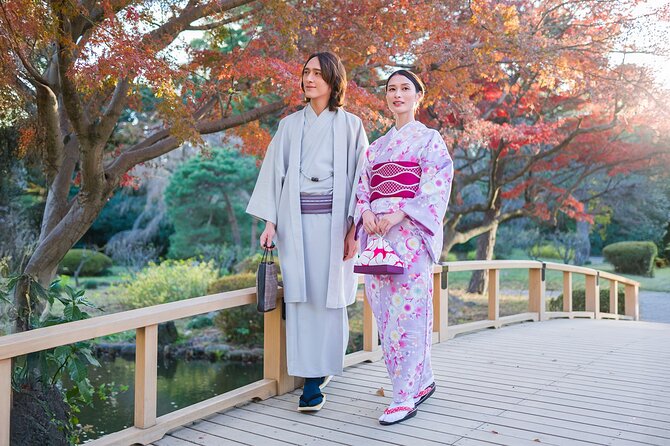
- Full traditional outfit included: Your rental includes the kimono, obi, tabi socks, sandals, handbag, and basic hair styling for women.
- Free time after dressing: Explore Shinjuku Gyoen at your own pace until the 4:00 PM return time.
- Small group setting: The activity accepts a maximum of five people, making the dressing process more personal.
- Budget around $46 plus ¥500: The rental price includes the outfit and dressing service, but not garden admission or optional accessories.
Why This Kimono Experience Feels Different
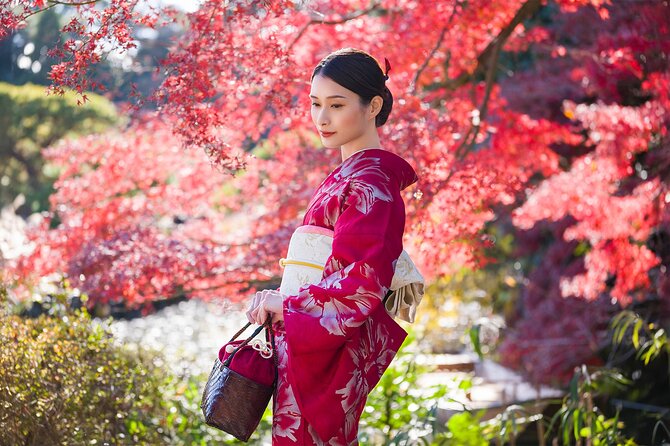
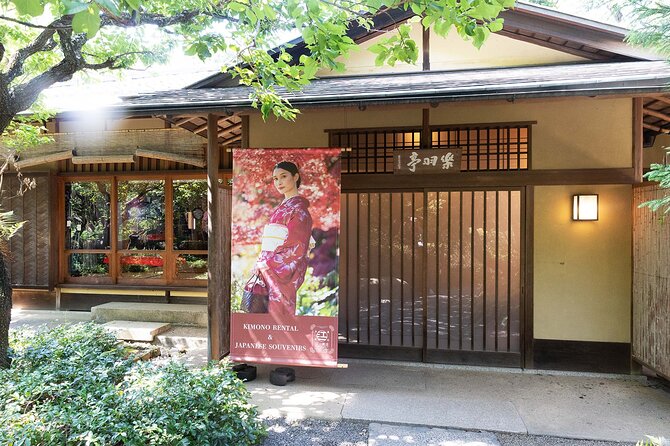
Many kimono rentals in Tokyo begin in a shop near a major station. This one begins inside Shinjuku Gyoen, in a tea house called Rakuu-tei. That setting changes the mood from a quick costume rental to a more rooted cultural outing.
Kouichi Store has been making kimonos for 174 years. You are not simply picking an outfit from a rack and heading straight back onto a city street. The business has a long connection to Japanese textile traditions, and the experience is designed around wearing the clothing properly, with the right belt, socks, sandals, and accessories.
I appreciate that the garden is part of the experience, rather than just a backdrop for a few hurried pictures. Once dressed, you have time to walk freely through Shinjuku Gyoen and enjoy the setting at your own pace. You can take your own photographs, pause in the garden, and see how the kimono feels while walking.
The experience is not a guided cultural lecture, and no professional photography plan is currently available. If you want formal portraits, you will need to arrange your own photographs. If you mainly want a traditional outfit in a peaceful Tokyo setting, the format works well.
A few more Tokyo tours and experiences worth a look



Arriving at Rakuu-tei Inside Shinjuku Gyoen
Your meeting point is Rakuu-tei Kouichi Store, the kimono rental and souvenir shop inside Shinjuku Gyoen at 11 Naitomachi, Shinjuku City. You should allow time to enter the garden before reaching the tea house, since the ¥500 admission charge is not part of the activity price.
The location matters. You do not need to take a second train or walk across the city after getting dressed. The garden is right outside the tea house, so the transition from dressing room to outdoor stroll is immediate.
You need to present a valid passport or government-issued photo ID at check-in. Bring the same identification details used for your booking, and do not leave your passport behind at your accommodation if it is required for confirmation.
The activity uses a mobile ticket, which keeps the booking process simple. Confirmation is provided when you book. The shop is near public transportation, though the exact route from your station is not specified, so checking the garden entrance and opening arrangements before you go is sensible.
Choosing a Seasonal Kimono
Once you arrive, staff help you choose from a selection of authentic kimonos. The range is selected with the season in mind, which gives the experience more care than simply choosing the brightest pattern available.
You can expect the decision to take some time. Color, pattern, and fit all affect how the finished outfit looks, and the staff assist you during the selection process. If you are visiting with a companion, this part can be a pleasant shared activity, though each person should expect the full dressing process to take roughly an hour.
The rental includes a matching obi belt. The obi is not just decoration. It shapes the outfit and helps give the kimono its formal appearance. Tabi socks, traditional sandals, and a Japanese handbag are included too, so you do not need to assemble the outfit piece by piece.
Optional accessories, such as traditional umbrellas and other small items, cost extra. These can add character to your photographs, but they are not necessary for the basic experience. I would first decide how much you want to spend on the rental itself, then consider add-ons only if they fit your plan.
Professional Dressing Takes About an Hour
Kimono dressing is not something most people can do quickly or correctly on their own. The dressing team handles the process and helps make sure the layers, obi, socks, sandals, and handbag are properly arranged.
Plan for about 60 minutes for kimono selection and dressing. This is the part of the activity that requires the most patience. If you have a tightly scheduled afternoon, the hour in the tea house can feel long. If you treat it as part of the cultural experience, it gives you time to understand how much care goes into wearing the clothing.
The professional help is one of the strongest reasons to choose this activity instead of renting an outfit without assistance. You do not have to guess how to tie the obi or arrange the clothing. The staff guide you through the transformation, and one particularly warm aspect of the service is the welcoming, family-like approach described in the available feedback.
Basic hair styling for women is included. Additional hairstyles are available for an extra charge. The included styling is useful if you want a finished appearance without paying for a larger beauty package, but you should budget more if an elaborate hairstyle is important to you.
Exploring Shinjuku Gyoen in Traditional Dress
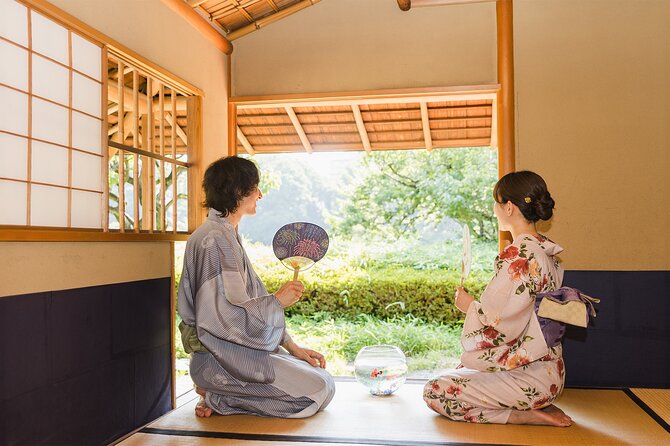
After dressing, you are free to explore Shinjuku Gyoen. The garden gives you a calm setting in the middle of Tokyo, and wearing the kimono here feels more fitting than walking through a busy shopping district.
You can stroll, stop for your own photographs, and enjoy the garden until the final return time of 4:00 PM. The schedule gives you flexibility after the dressing process, but the return deadline is firm enough that you should keep an eye on your watch.
I recommend planning your garden time before you arrive. If you spend too long choosing an outfit or taking photographs near the tea house, you may have less time left for a longer walk. The experience is approximately two hours, although the actual time available in the garden depends on your start time and how quickly the dressing is completed.
The garden setting is the main payoff. You are not being moved from one arranged photo spot to another, and there is no fixed group route. That freedom lets you set your own pace. You might take a few photographs, sit quietly, or simply see how the clothing changes the way you move through the garden.
Keep in mind that walking in traditional sandals may feel different from walking in your usual shoes. The supplied information does not specify the amount of walking or the exact route, so you should choose a comfortable pace and avoid turning the outing into a rushed garden circuit.





What the Price of $46.04 Includes
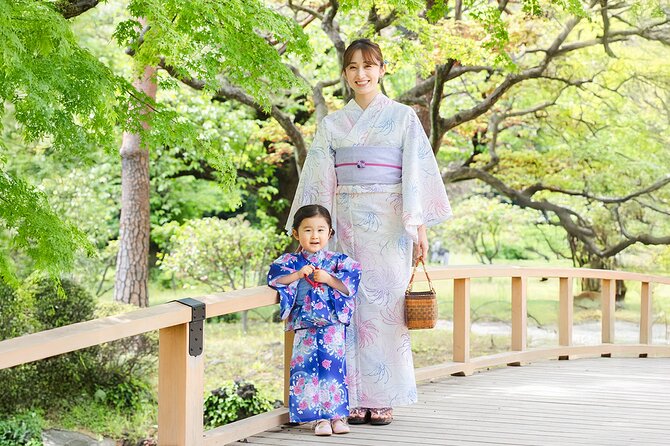
At $46.04 per person, the price is reasonable for a full outfit and professional dressing in such a central Tokyo setting. You are paying for more than access to clothing. The fee covers the kimono, obi, tabi socks, sandals, handbag, dressing service, basic hair styling for women, and time to use the garden as your setting.
The value is strongest if you want the complete look without shopping for each part separately. A cheaper rental that leaves you to manage the dressing yourself may not offer the same ease, while a more elaborate photography package would likely cost more.
You should add ¥500 per person for admission to Shinjuku Gyoen. Optional umbrellas, accessories, and upgraded hairstyles are extra. There is no photography plan included or currently available, so you will need to use your own phone or camera.
For many people, the total cost will still compare well with a short organized portrait session, especially because you can spend free time in the garden instead of receiving only a brief photo appointment. The value is less convincing if you want a professional photographer, a long formal photo shoot, or a full day in kimono.
Group Size and Who Will Enjoy It Most
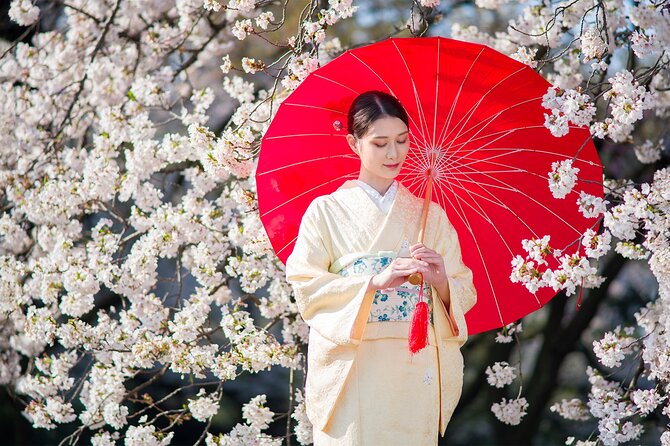
The maximum group size is five people. That is small enough to keep the dressing process from feeling like a large production, and it suits couples, families, or a few friends who want to share the experience.
This is a good choice for someone who wants a hands-on cultural activity rather than a simple sightseeing stop. You get help selecting the outfit, learn through the dressing process, and then have personal time in the garden.
It also suits photographers who are happy to take their own pictures. You will have a strong setting and traditional clothing, but you will not have a professional photographer supplied by the experience.
Families should note that the available information says most people can participate, but it does not give detailed age, sizing, or child-specific information. If a child or anyone with particular mobility needs is joining, confirm suitability before booking.
Service animals are allowed. The activity is near public transportation, which helps, but the garden entrance fee and identification requirement still need attention before you arrive.
Timing, Return Rules, and Practical Planning
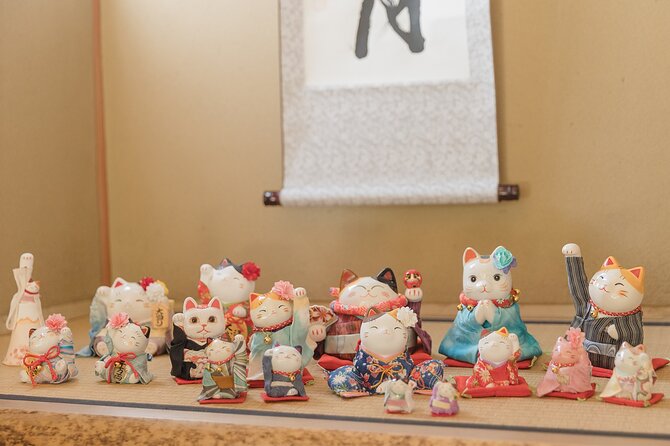
The activity lasts about two hours, with approximately one hour spent selecting and putting on the kimono. The rest of your time is for exploring the garden, subject to the final return deadline of 4:00 PM.
Because the return time is fixed, I would avoid booking this on a day packed with another timed attraction immediately afterward. You need enough breathing room to return to Rakuu-tei, remove the outfit, and hand back all rental items.
The activity is booked, on average, nine days ahead. That is a useful planning clue, particularly if you want a specific date during a popular season. A reservation is confirmed at booking, and free cancellation is available up to 24 hours before the start time.
Canceling within 24 hours does not qualify for a refund, and changes made during that period are not accepted. The cut-off follows local Tokyo time. Keep the deadline in mind if your schedule is still uncertain.
Photo Expectations at Rakuu-tei and the Garden
The setting is naturally photogenic, but the experience does not include a formal photography service. This distinction matters. You receive the clothing and time in the garden, not a photographer, edited images, or a planned portrait session.
Bring a phone or camera if photographs are important to you. A companion can take pictures, and you can also make use of the garden on your own. Optional traditional umbrellas and small accessories may help create a more complete visual style, but they cost extra.
I like the fact that photographs are not the only reason to book. The quiet garden, the clothing, and the dressing process give the activity substance even if you take only a few pictures. Still, people looking for polished portraits should know in advance that they will need to arrange the photographic side themselves.
Strengths and Limitations at a Glance
The strongest feature is the location inside Shinjuku Gyoen. You dress in a historic tea house and walk straight into the garden, which saves time and gives the activity a natural sense of place.
The complete rental package is another advantage. You do not need to find sandals, socks, a belt, and a handbag separately. Professional dressing also removes much of the uncertainty for first-time wearers.
The welcoming staff receive particular praise, with one detailed response describing the service as warm and family-like. That personal approach matters during a process that can otherwise feel unfamiliar or awkward.
The main limitations are equally clear. The entrance fee is extra, professional photography is not available, accessories cost more, and the 4:00 PM return time limits how long you can wear the kimono. The experience is also short enough that the one-hour dressing period takes up a large share of the total time.
Should You Book This Shinjuku Gyoen Kimono Experience?
Book it if you want an authentic kimono rental in a distinctive setting, prefer a relaxed garden stroll to a rushed photo appointment, and value help from a professional dressing team. The combination of Rakuu-tei tea house, complete outfit, basic hair styling, and free time in Shinjuku Gyoen gives the activity a strong sense of place.
Think twice if you need a professional photographer, dislike fixed return times, or have only a short window in Tokyo. You should also add the ¥500 garden admission and any optional accessories to your budget.
For a first kimono experience, I find the arrangement appealing because it keeps the focus on wearing the clothing properly and enjoying the setting. Choose a start time that leaves room before 4:00 PM, bring valid photo ID, and treat the dressing hour as part of the experience rather than time lost. That approach gives you the best value from this small, carefully located outing.
FAQ
Where does the kimono experience begin?
It begins at Rakuu-tei Kouichi Store, a kimono rental and souvenir shop inside Shinjuku Gyoen at 11 Naitomachi, Shinjuku City, Tokyo 160-0014.
Is the Shinjuku Gyoen entrance fee included?
No. Admission to Shinjuku Gyoen costs ¥500 per person and must be purchased separately.
What does the kimono rental include?
The rental includes the kimono, obi belt, tabi socks, traditional sandals, and a traditional Japanese handbag. Professional dressing is included, along with basic hair styling for women.
How long does the dressing process take?
Kimono selection and dressing take about 60 minutes. The full activity lasts approximately two hours.
How long can I keep the kimono?
You can explore Shinjuku Gyoen after dressing, but the kimono must be returned to the shop by 4:00 PM.
Is photography included?
No. A photography plan is not currently available. Optional accessories, including traditional umbrellas and other small items, may be purchased separately.
What identification do I need at check-in?
All participants must present a valid passport or government-issued photo ID at check-in.
More Shinjuku Tours in Tokyo


More tours in Tokyo we've reviewed











Shinjuku Tours, compared.
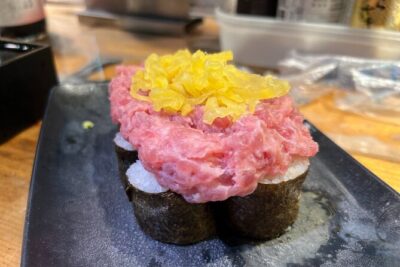 ★ 5.0Tokyo: Shinjuku Food Tour (13 Dishes at 4 Local Eateries)From $86
 ★ 5.0Tokyo Bar Hopping Tour in Shinjuku (All-You-Can-Drink + Dinner)From $106
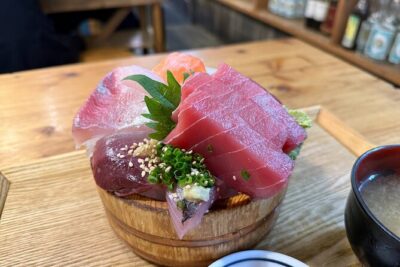 ★ 4.9Tokyo: Shinjuku Food Tour (15 Dishes and 4 Eateries)From $853 hours
 ★ 5.0Best of Shinjuku: Izakaya Food Tour (4 Stops, 14+ Tastings)From $92
 ★ 4.9Tokyo: Shinjuku Local Bar and Izakaya Guided Walking TourFrom $343 hours
 ★ 5.0Tokyo Shinjuku Chopsticks Making ClassFrom $20