
Reviewed · TOURS
Harajuku Kawaii Fashion and Pop-Culture Tour
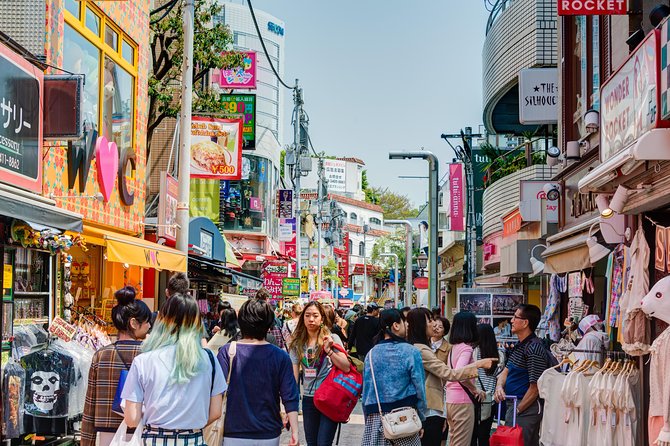
Harajuku’s appeal is not just cute clothes and rainbow-colored snacks. It is the quick change from teenage pop culture on Takeshita Street to polished boutiques on Omote Sando, then quieter corners around Cat Street. This tour gives you a local guide, lunch, street food, and purikura photos in one compact outing.
I like the small group size, which can reach only seven people, and the fact that lunch is part of the price rather than an afterthought. I also like the built-in photo stop. Purikura booths are far more fun when someone explains how they work. The main drawback is that much of the route covers famous, easy-to-find places, so confident Harajuku shoppers may prefer exploring alone.
In This Review
- What makes this Harajuku tour useful
- Starting at Harajuku Station
- Takeshita Street and Harajuku’s kawaii side
- Galaxy Harajuku and a modern pop-culture pause
- Lunch with okonomiyaki or monja-yaki
- Purikura photos and the playful side of Harajuku
- Cat Street and Ura-Harajuku fashion
- What the $79.28 price includes
- Weather, comfort, and mobility
- Who will enjoy this outing most
- Booking details and cancellation
- Should you book the Harajuku Kawaii Fashion and Pop-Culture Tour?
- FAQ
- How long does the Harajuku Kawaii Fashion and Pop-Culture Tour last?
- Where does the tour start and end?
- What food is included?
- Are vegetarian or vegan meals available?
- Can the tour accommodate gluten-free diets?
- Are purikura photos included?
- How large is the tour group?
- On which days does the tour operate?
What makes this Harajuku tour useful
- Purikura photos are included, giving you a playful souvenir and help with one of Japan’s most distinctive photo traditions.
- Lunch includes okonomiyaki or monja-yaki, with vegetarian and vegan choices available, though options are limited.
- Two or three Harajuku street foods are included, so you can sample the area without turning every snack stop into another purchase.
- Groups stay small, with a maximum of seven people and personalized attention from a certified MagicalTrip guide.
- The route links several sides of Harajuku, from Takeshita Street’s kawaii shops to Cat Street’s fashion boutiques.
- Guides such as Aoi, Ken, Hana, Hitomi, Taka, Hyoga, Mini, and Koba have been praised for friendliness, flexibility, and personal care.
Starting at Harajuku Station
The meeting point is outside Harajuku Station at 1 Chome-18 Jingumae, Shibuya. The activity lasts about three hours and ends back at the meeting point, making it easy to continue sightseeing afterward.
This is a walking tour, so wear shoes that can handle several hours on pavement. Harajuku is easy to reach by public transportation, and the start point keeps the morning simple. You do not need to plan a complicated transfer to a distant neighborhood.
The tour operates on Mondays, Wednesdays, and Fridays. Check the date carefully when booking. The schedule is less flexible than a daily walking tour, but the fixed days can help you fit it around museum visits, shopping, or a trip to Meiji Jingu.
Your guide is likely to shape the experience more than the stops do. Aoi has been praised for taking especially good care of families, while Ken has been described as friendly and willing to go beyond the basic route. Hana is known for mixing famous spots with smaller side streets, and Hitomi has offered context about Harajuku’s changing role in Tokyo fashion.
That difference matters. The route itself is straightforward. A warm, attentive guide can turn a simple walk into a good introduction to the neighborhood.
If you're still narrowing it down, here are other tours in Tokyo we've reviewed.
Takeshita Street and Harajuku’s kawaii side
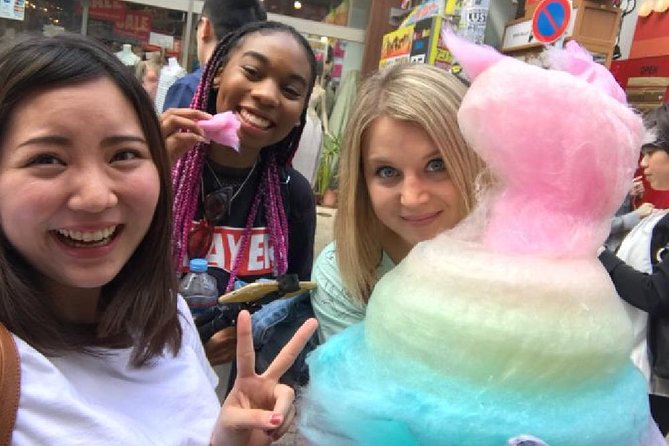
The first major stop is Takeshita Street, the narrow shopping lane most closely linked with Harajuku’s kawaii culture. You will have about 50 minutes to look around, take pictures, browse clothing, and try one or more of the included snacks.
The street is useful for first-time visitors because the shops sit close together. You can quickly see the exaggerated side of Japanese pop fashion: cute accessories, playful clothing, novelty sweets, and colorful treats. You do not need to buy anything to enjoy the spectacle, but you should leave room in your bag if you like souvenirs.
The guide’s role here is less about leading you down a hidden back lane and more about helping you make sense of the area. A local guide can point out favorite stores, explain why Takeshita Street matters, and help you decide where to spend your limited shopping time.
Still, keep your expectations realistic. This is Harajuku’s most famous strip, not a secret discovery. If you already know the neighborhood well, you may recognize many of the shops. The value comes from combining the street with food, photos, lunch, and personal guidance rather than from exclusive access.
The 50-minute timing is a reasonable compromise. It gives you enough time to browse without allowing shopping to swallow the entire tour. If you see something you want, remember the tour continues on schedule. You may want to return after the activity ends, especially since the finish is back near the station.
Galaxy Harajuku and a modern pop-culture pause
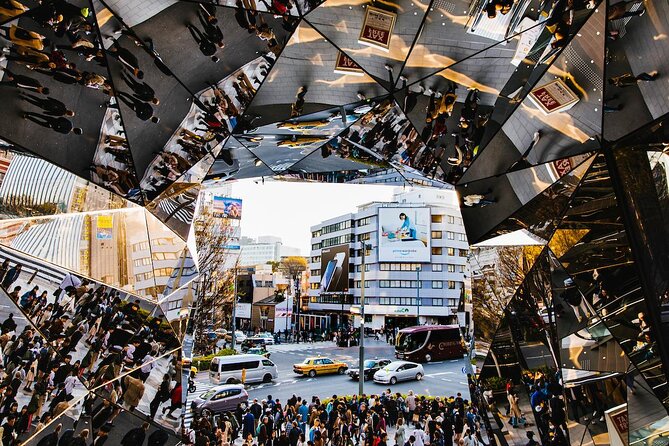
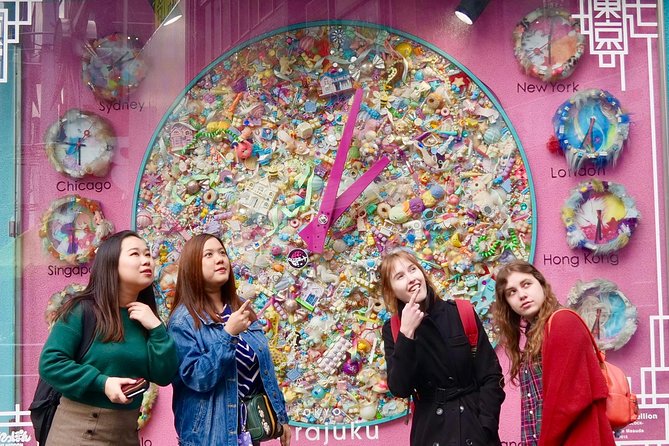
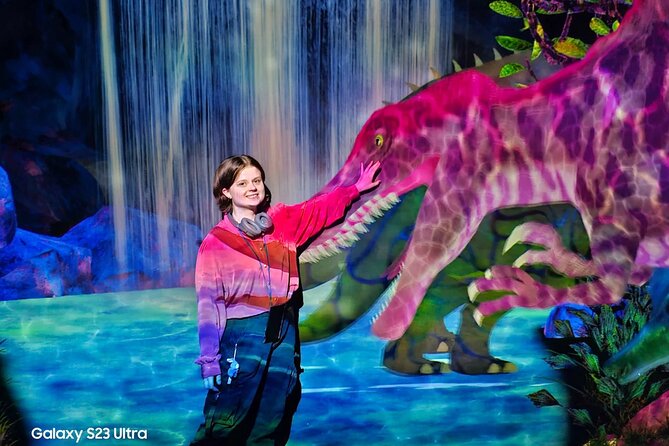
The route includes about 30 minutes at Galaxy Harajuku. This brand showcase opened in 2019 and offers events, product displays, and Galaxy devices that you can borrow and try inside.
This stop adds a modern technology angle to a tour otherwise centered on clothing, food, and youth culture. It also gives you a break from the tight shopping streets. If you enjoy photography, phone technology, or playful displays, you may find this stop worthwhile.
The limitation is clear: Galaxy Harajuku is a branded showcase rather than a historic or traditional sight. Its appeal depends on your interest in current devices and temporary events. If your main goal is old Tokyo, architecture, or religious culture, this will feel less essential.
The stop also shows the tour’s broad definition of Harajuku pop culture. The neighborhood is not only about fashion. It is also about media, design, technology, and the way brands use Harajuku to reach a young audience.
Lunch with okonomiyaki or monja-yaki

Lunch takes about 45 minutes at a local cafe near 3 Chome-20-1 Jingumae. You choose between okonomiyaki and monja-yaki, and vegetarian and vegan choices are available.
For many people, this will be the most practical part of the tour. Harajuku can make food decisions difficult when you are focused on shopping and photos. A planned meal gives you a place to sit, talk with the guide, and ask questions about Japanese food and daily life.
Okonomiyaki is a savory, filling dish cooked with a batter and other ingredients. Monja-yaki has a softer texture and is associated with Tokyo. The exact preparation and menu choices can vary, so do not expect a highly formal dining experience. Think of lunch as a casual local meal that supports the rest of the outing.
Dietary planning requires care. Vegetarian food is available but limited. Gluten-free requests cannot be accepted, and the operator cannot guarantee an allergy-free meal because outside kitchens prepare the food. Tell the operator about allergies or dietary restrictions at least one day before the tour. Requests made on the day cannot be handled.
The tour includes lunch, but extra food and drinks cost more. The included two or three street foods may already satisfy you, yet anyone with a large appetite should budget for additional purchases. One useful tip is to arrive hungry but not starved. You want room for the snacks and lunch without rushing through either.
Purikura photos and the playful side of Harajuku
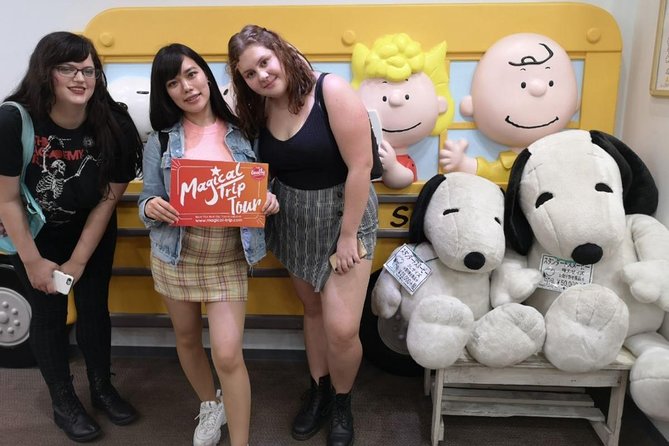
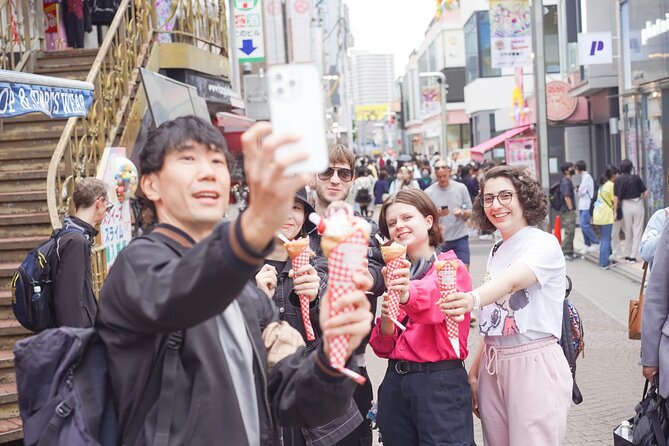
Purikura photos are included, and this is one of the tour’s most distinctive features. Purikura booths let you take decorated photos with digital effects, stamps, and edits. For many visitors, the process is more memorable than the finished pictures.
The practical advantage is guidance. The machines can feel fast and confusing, especially if you cannot read Japanese. Having a guide nearby can make the session less awkward and help your group get the most from the short time available.
This stop suits families, couples, friends, and anyone who wants a light break from standard sightseeing. A parent traveling with a child may find it particularly easy to enjoy because the activity is simple, visual, and social.
Do not expect professional portrait photography. The photos are deliberately exaggerated and playful. Some of the finished images may look small or heavily edited, which is part of the point. The tour also includes tour photos, but image quality can vary. If you want polished travel photographs, bring your own phone or camera and take a few extra shots along the way.

Cat Street and Ura-Harajuku fashion
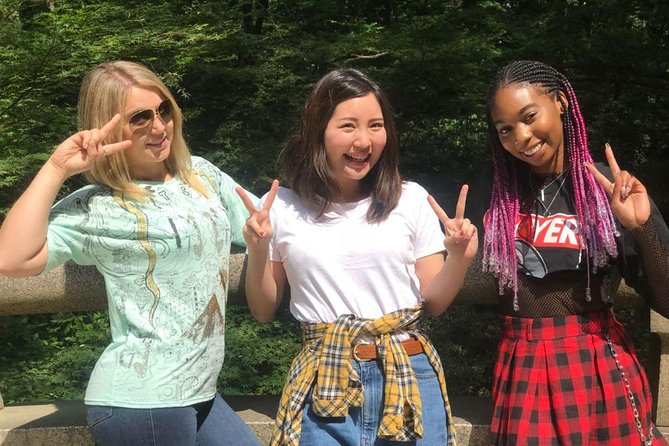
The final listed sightseeing stop is Shibuya Cat Street, also called Ura-Harajuku. You will have about 30 minutes here, among distinctive shops and well-known brands.
Cat Street feels different from Takeshita Street. The style is less focused on one narrow idea of cuteness and more connected with streetwear, design, and higher-priced fashion. This contrast is one of the best reasons to take the full route. In a few hours, you see Harajuku’s youthful shopping identity and its more polished side.
The stop is useful if you want to browse but do not want a dedicated shopping tour. The guide can help you notice the change in mood and recommend places that fit your interests. You may find unique stores, but the route still follows a well-known fashion area. If you prefer discovering shops entirely on your own, the 30 minutes may feel too directed.
The tour description also mentions Omote Sando, the broad, upscale avenue near Harajuku. The detailed stop list focuses more closely on Takeshita Street, Galaxy Harajuku, lunch, and Cat Street, so the amount of time spent in Omote Sando may depend on the guide and the day. Consider it part of the wider neighborhood rather than a promise of an extended luxury-shopping session.
What the $79.28 price includes
At $79.28 per person, the price makes the most sense if you plan to use the included food and photo activities. You receive lunch, two or three street foods, purikura photos, tour photos, and a certified guide for roughly three hours.
Buying the food separately would reduce the difference, but the real value is convenience. You do not have to research a lunch spot, decode a purikura booth, or decide which Harajuku snacks are worth trying. The guide also gives you a human connection in a neighborhood where it is easy to wander without understanding much beyond the shop signs.
The value is weaker for experienced Harajuku visitors who already know Takeshita Street and Cat Street. Most stops are public, free-entry places. You are paying for company, explanation, food, and structure, not admission to attractions or access to private locations.
A group maximum of seven helps protect that value. You should be able to ask questions and request small adjustments more easily than on a large coach tour. The experience may become even more personal if other bookings do not show up, as happened for one family who received what was effectively a private outing.
Weather, comfort, and mobility
Tokyo weather can be severe. Summer temperatures may reach 40°C, while winter lows can fall to -5°C. Dress for the forecast, carry water, and use sun protection in hot weather. Cooling towels have been offered by at least one guide on a hot day, but you should not depend on that as a standard inclusion.
The tour is near public transportation, and most people can participate. One guide, Koba, received praise for accommodating a participant using a wheelchair and for handling the outing with care. That is encouraging, but the supplied information does not promise full wheelchair access at every sidewalk, shop, cafe, or stop. If access is important to you, contact the operator before booking.
The route includes shopping streets, food stops, and photo activities rather than a major climb or long-distance transfer. Even so, three hours on city streets can be tiring in extreme heat or cold. Comfortable footwear matters more than fashionable footwear here.
Who will enjoy this outing most
I would recommend this tour to first-time visitors who want Harajuku explained without spending half a day planning every stop. Families are a strong match because the food, purikura, colorful shops, and short sections keep the activity varied.
It also suits visitors who want a social introduction to Tokyo pop culture. Guides including Hyoga have been appreciated for making time to discuss food and culture, while Taka has led visitors through sweets, art, and Takeshita Street. These personal conversations can be the difference between simply seeing Harajuku and understanding why it attracts such different crowds.
You should think twice if you want a quiet cultural walk. Meiji Jingu and Yoyogi Park are mentioned as nearby attractions, but they are not listed as timed stops in the detailed route. This is primarily a fashion, food, technology, and photo tour.
You may also prefer independent exploring if you dislike fixed schedules or already know where you want to shop. The included time at each stop is limited, and the group must keep moving.
Booking details and cancellation
Confirmation arrives when you book. Free cancellation is available if you cancel at least 24 hours before the start time. Cancellations or changes made within 24 hours are not accepted for a refund.
The tour is offered on Mondays, Wednesdays, and Fridays and ends at the Harajuku meeting point. Additional food and drinks are not included, so bring a payment method for anything beyond the supplied tasting portions.
Should you book the Harajuku Kawaii Fashion and Pop-Culture Tour?
Book it if you want a guided first look at Harajuku, especially if you are traveling with children, enjoy Japanese pop culture, or would rather have lunch and snacks arranged for you. The small group, included purikura, and friendly guides such as Aoi, Ken, Hana, and Koba give the experience more personality than a simple neighborhood walk.
Skip it if you already know Takeshita Street and Cat Street, want serious fashion history, or need strict allergy-free dining. At $79.28, the tour is a fair package for food, photos, and personal guidance, but it is not a bargain sightseeing ticket. Its strength is the cheerful mix of activities and the chance to have a local person shape your first few hours in Harajuku.
FAQ
How long does the Harajuku Kawaii Fashion and Pop-Culture Tour last?
The tour lasts approximately three hours.
Where does the tour start and end?
It starts at Harajuku Station, 1 Chome-18 Jingumae, Shibuya, Tokyo 150-0001, and ends back at the meeting point.
What food is included?
The tour includes an okonomiyaki or monja-yaki lunch, plus two or three Harajuku street foods. Additional food and drinks are available for purchase.
Are vegetarian or vegan meals available?
Vegetarian and vegan menu choices are available, but vegetarian options are limited.
Can the tour accommodate gluten-free diets?
No. Gluten-free requests cannot be accommodated.
Are purikura photos included?
Yes. Purikura photos and tour photos are included.
How large is the tour group?
The activity has a maximum of seven travelers, with personalized attention in a small group.
On which days does the tour operate?
The tour operates on Mondays, Wednesdays, and Fridays.
More tours in Tokyo we've reviewed




Tours, compared.
 ★ 5.0Mt Fuji and Hakone 1-Day Bus Tour Return by Bullet TrainFrom $163
 ★ 5.01-Day Tokyo Bus TourFrom $129
 ★ 5.0Tokyo: Shinjuku Food Tour (13 Dishes at 4 Local Eateries)From $86
 ★ 4.4Tokyo Mt Fuji 5th St & Hakone Cruise Bus Tour w/Bullet TrainFrom $15410 hours
 ★ 5.0Flagship 2-Hours Official Street Go-Kart Tour – Tokyo Bay ShopFrom $642 hours to 2 hours 30 minutes (approx.)
 ★ 4.7Tokyo: Mt. Fuji Tour, Hakone Ropeway, Owakudani, Lake AshiFrom $5410 hours