
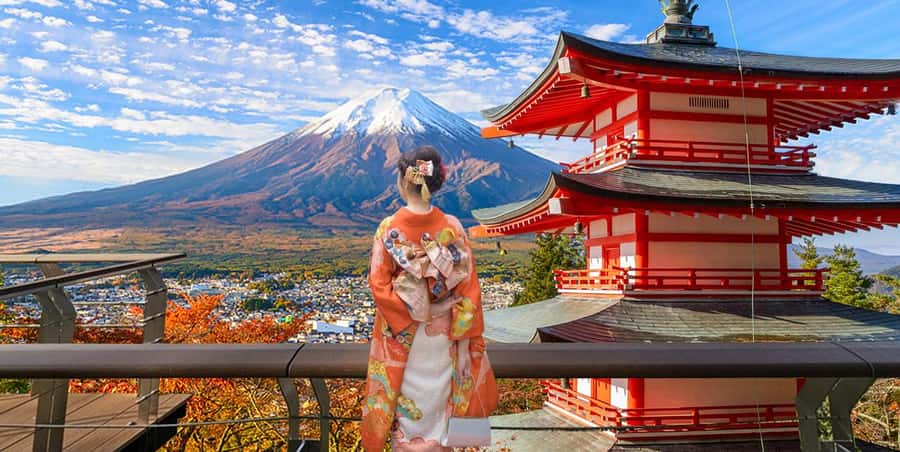
Reviewed · MT FUJI DAY TRIPS
Full-Day Tour to the Picturesque Spots of Mount Fuji
Mount Fuji is the star, but this day trip gives you several ways to see it: behind a vermilion pagoda, over Lake Kawaguchiko, through a traditional thatched village, and beyond lavender fields at Oishi Park. I especially like Saiko Iyashi-no-Sato Nenba for its rural character and the clear spring water at Oshino Hakkai, a small but memorable taste of Fuji’s snowmelt.
I also like the built-in variety. You get culture, shrine architecture, village scenery, lakeside views, and one of Japan’s most famous photo spots without arranging separate trains and buses. The main drawback is time: traffic from Tokyo can stretch the two-hour rides, and some stops may feel rushed, especially if you want to climb every stair and browse every shop.
In This Review
- Key points to know before booking
- Why this Mount Fuji day trip works
- Leaving Tokyo for the Fuji region
- Saiko Iyashi-no-Sato Nenba and its thatched roofs
- Oishi Park beside Lake Kawaguchiko
- Oshino Hakkai and Fuji’s clear spring water
- Arakurayama Sengen Park and the 400-step climb
- How the transport and guide affect the day
- What the $49 price really covers
- Who should book, and who should think twice
- What to bring for a smoother day
- Should you book this Mount Fuji tour?
- FAQ
- Where does the tour depart from?
- How long is the transfer from Tokyo?
- What languages does the guide speak?
- Is Mount Fuji guaranteed to be visible?
- Are meals included?
- Can I taste Mount Fuji spring water?
- How many steps lead to the Chureito Pagoda viewpoint?
- Can I bring a stroller or large luggage?
- Is the tour suitable for wheelchair users?
- Can I cancel for a full refund?
Key points to know before booking
- Four classic Fuji-area stops: Visit Saiko Iyashi-no-Sato Nenba, Oishi Park, Oshino Hakkai, and Arakurayama Sengen Park in one day.
- The pagoda view requires effort: Reach the Chureito Pagoda viewpoint by climbing about 400 steps.
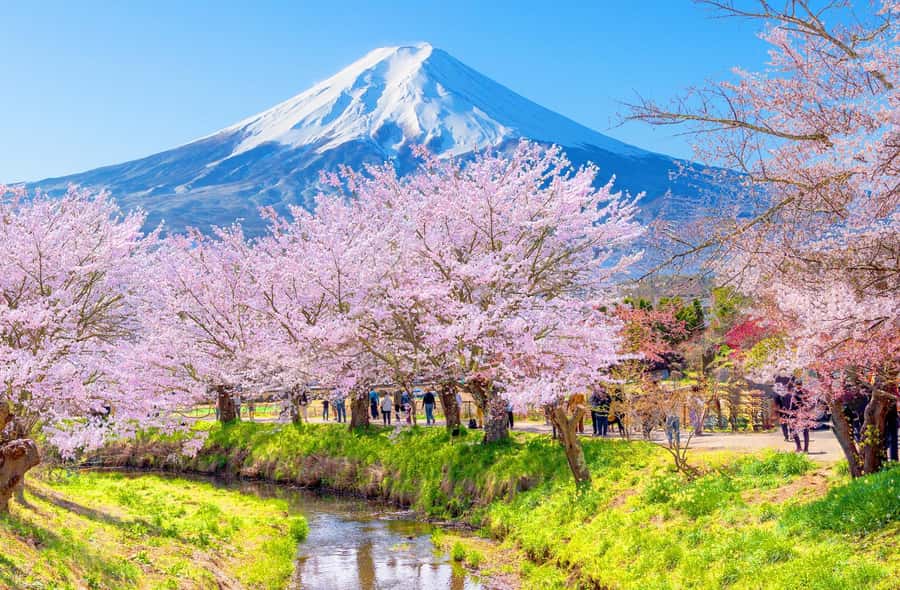
- Lavender and seasonal scenery: Oishi Park is especially appealing when its purple lavender fields are in bloom. In spring and autumn, the route may change to cherry blossoms or the Maple Corridor.
- A good value at $49: Transport, attraction tickets, tolls, parking, fuel, taxes, and environmental fees are included.
- Expect a long day: Departures are around 8:00 AM from Tokyo Station or 8:30 AM from Shinjuku, with roughly two hours each way.
- Wear proper shoes: Several stops involve walking, steps, or uneven outdoor paths.
Why this Mount Fuji day trip works
Mount Fuji is famously shy. You can travel a long way and see only a pale outline behind cloud. This tour wisely gathers several viewing points, so you have more than one chance at a clear sight. If Fuji disappears at one stop, the day still has villages, springs, shrines, and lakeside scenery to carry it.
At $49 per person, the value is strong if you want convenience. The price covers the vehicle, round-trip transport from the meeting point, admission tickets, parking, tolls, fuel, taxes, and environmental fees. You still pay for your own meals and drinks, but there is no need to piece together a costly route by public transport.
I would choose this tour for a first look at the Fuji Five Lakes area, especially if you have limited time in Tokyo. It is less suitable if you prefer slow photography, long meals, or an independent schedule. This is a full sightseeing circuit, not a relaxed countryside day.
A few more Tokyo tours and experiences worth a look
Leaving Tokyo for the Fuji region
You can join from Tokyo Station at 8:00 AM or Shinjuku Station at 8:30 AM, depending on the option you book. The vehicle has air conditioning, and the guide speaks English or Chinese.
The transfer to the Fuji area is estimated at two hours, but that number is not firm. Traffic is a serious factor on weekends, public holidays, and during peak blossom or autumn color periods. I would keep your evening free, since the return journey can run late if roads are crowded.
The early start is sensible. It gives you a better chance of reaching the main stops before the heaviest crowds, though no departure time can remove Tokyo traffic or seasonal congestion. Bring water, wear comfortable clothes, and keep some cash handy. Small local merchants may not accept cards.
Saiko Iyashi-no-Sato Nenba and its thatched roofs
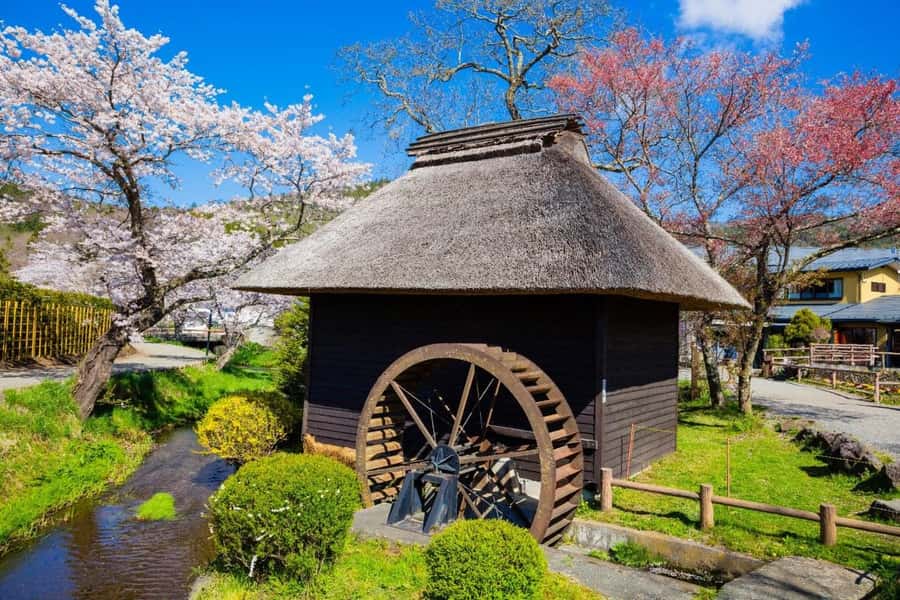
The first major stop is Saiko Iyashi-no-Sato Nenba, where you have about one hour. This reconstructed village recreates a rural Japanese settlement with thatched-roof houses and traditional crafts.
The setting is made for Fuji photographs. On a clear day, two thatched houses can frame the mountain in the distance, creating a scene that feels far removed from Tokyo’s towers and train stations. The village also gives the tour cultural substance. You are not simply stopping at a viewpoint and getting back on the bus. You can see traditional building styles and get a sense of how a Japanese countryside settlement might look.
One hour is enough for a purposeful visit, but not for lingering at every house. If you enjoy craft displays and detailed photography, you may wish for more time. This is one reason comfortable shoes matter, since you will want to move around rather than view the village only from the main path.
The Fuji view here depends entirely on weather. Clouds can hide the mountain, but the village remains worth seeing for its architecture. Clear mornings usually offer the best odds, so the early departure helps.
Oishi Park beside Lake Kawaguchiko
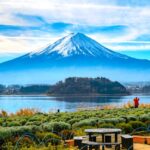
Oishi Park receives about 40 minutes, making it one of the shortest stops. That is enough for a walk, a few photographs, and a quick look across Lake Kawaguchiko, but you should not expect a long lakeside break.
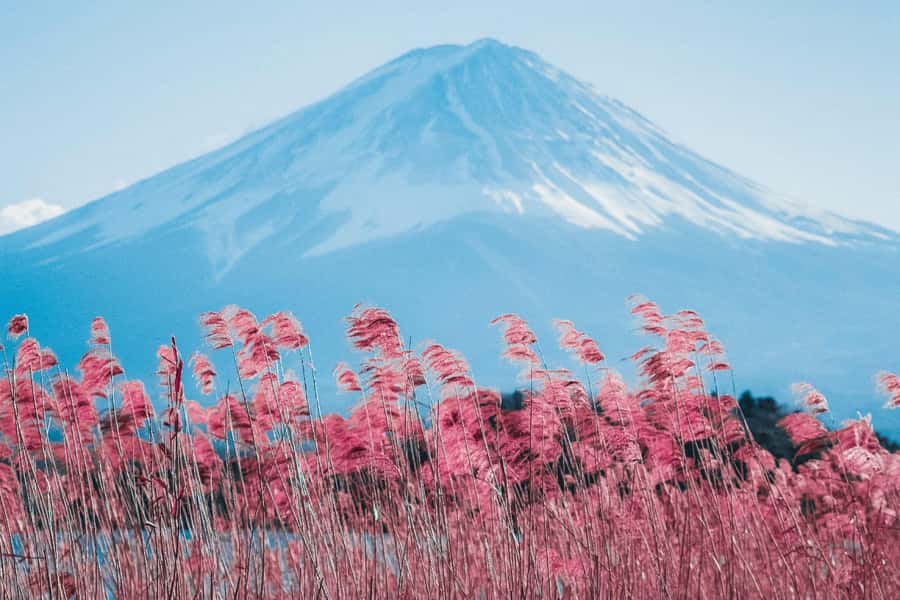
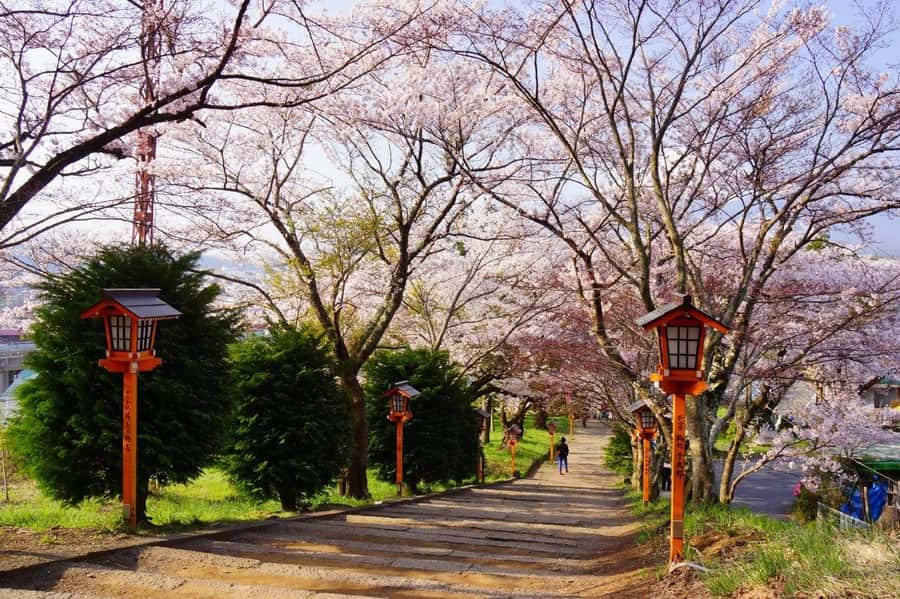
The park is known for seasonal planting and open Fuji views. Purple lavender fields can stretch toward the mountain in summer, giving the scene a soft, colorful foreground. At other times, green kochia bushes, reeds, and the shining lake create a quieter view. The scenery changes with the calendar, which gives this stop a different feel from the traditional village.
I like that Oishi Park gives you a low-effort Fuji viewpoint. There are no 400 stairs here, and you can simply walk along the shore, look across the water, and take photographs. The tradeoff is the short visit. If the flowers are at their best, you may find yourself wishing the clock would slow down.
The route changes during major seasonal displays. In spring, the tour may visit cherry blossom groves instead of Oishi Park. In autumn, it may go to the Maple Corridor. That means the exact scenery depends on the date, but the seasonal change is designed to keep the day visually rewarding.
Oshino Hakkai and Fuji’s clear spring water
Oshino Hakkai gives you about one hour and a different kind of Fuji experience. The area is named for eight clear springs fed by melted snow from Mount Fuji. The water is prized for its purity, and you can taste the spring water during the stop.
This is a simple experience, but it connects the mountain to the places around it. Fuji is not only a distant cone for photographs. Its snow and rainfall feed the springs, streams, and lakes that shape the region. Tasting the water makes that connection immediate.
Oshino Hakkai is also a UNESCO World Heritage-related stop within the Mount Fuji area, giving the tour another layer beyond scenery. You can expect a popular setting with local merchants and food stalls, so cash is useful. Since meals are not included, this may be a practical place to buy a snack, though you should not count on every vendor accepting a card.
The one-hour visit should let you sample the water and walk around the spring area. Crowds can make movement slower during peak periods. Stay aware of the meeting time, since this is the sort of stop where a quick taste can turn into an unplanned shopping break.
A few more Tokyo tours and experiences worth a look
Arakurayama Sengen Park and the 400-step climb
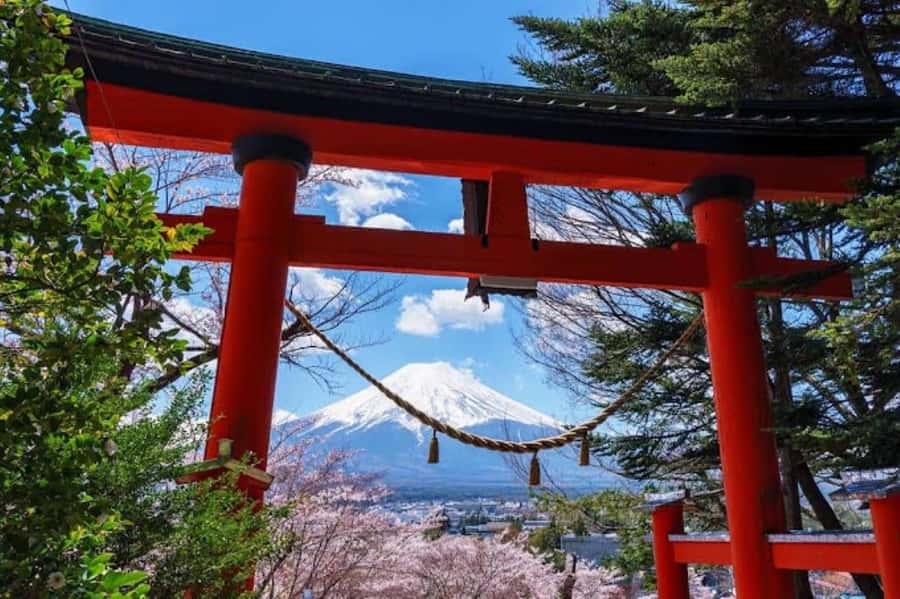
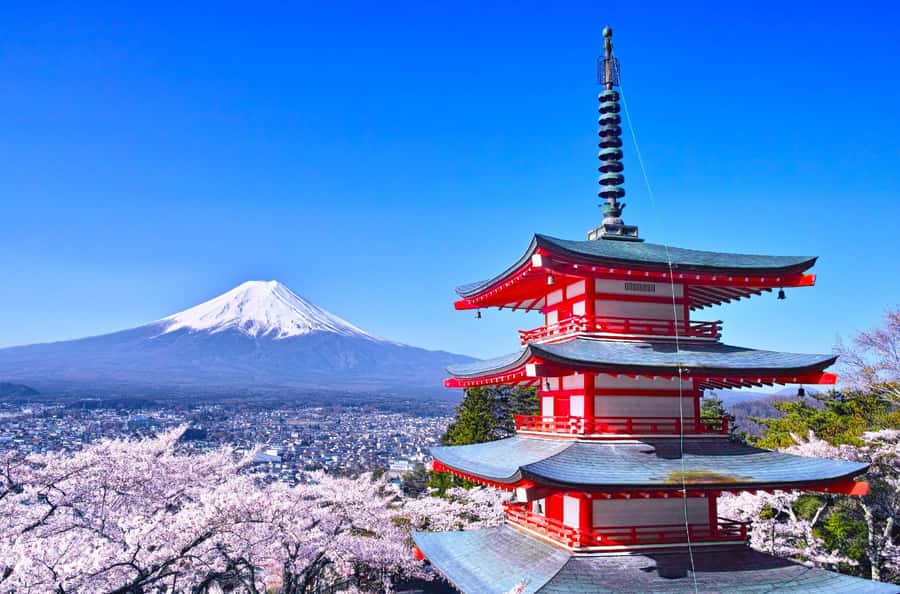
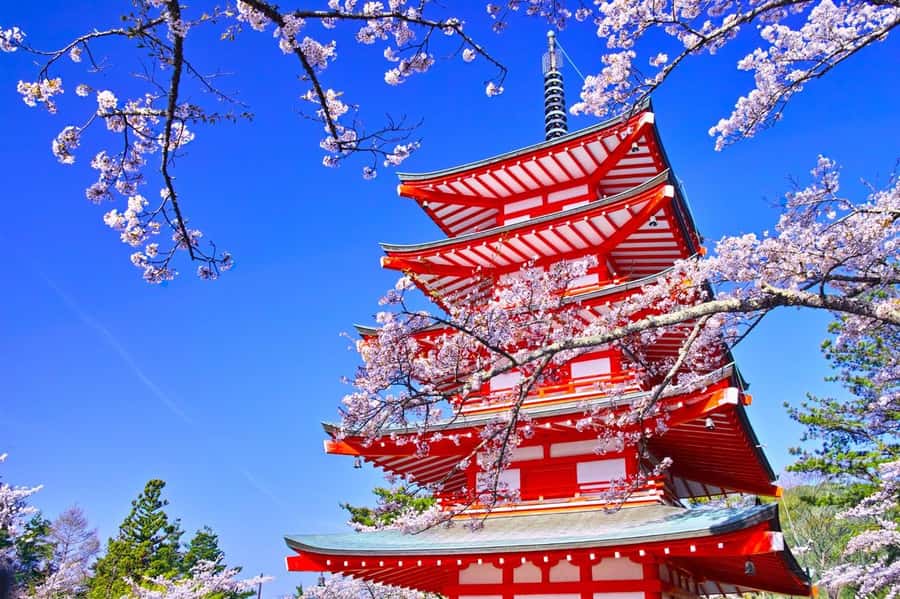
The final major stop is Arakurayama Sengen Park, with about one hour for the visit. This is where you find the famous combination of Chureito Pagoda and Mount Fuji, one of Japan’s most recognizable views.
The observation deck is reached by climbing roughly 400 steps. The climb is not technically complicated, but it is a real effort after a full day of walking. Take it steadily, especially if you are tired from the earlier stops. The route is accompanied by greenery and birdsong, and the reward is the five-story vermilion pagoda set against the mountain.
This is the stop that most clearly separates a quick Fuji outing from a proper photo day. The composition is powerful: pagoda in the foreground, Fuji behind it, and the town below. Yet the view depends on visibility. If clouds cover Fuji, you will still have the pagoda and shrine setting, but not the complete picture seen in guidebooks.
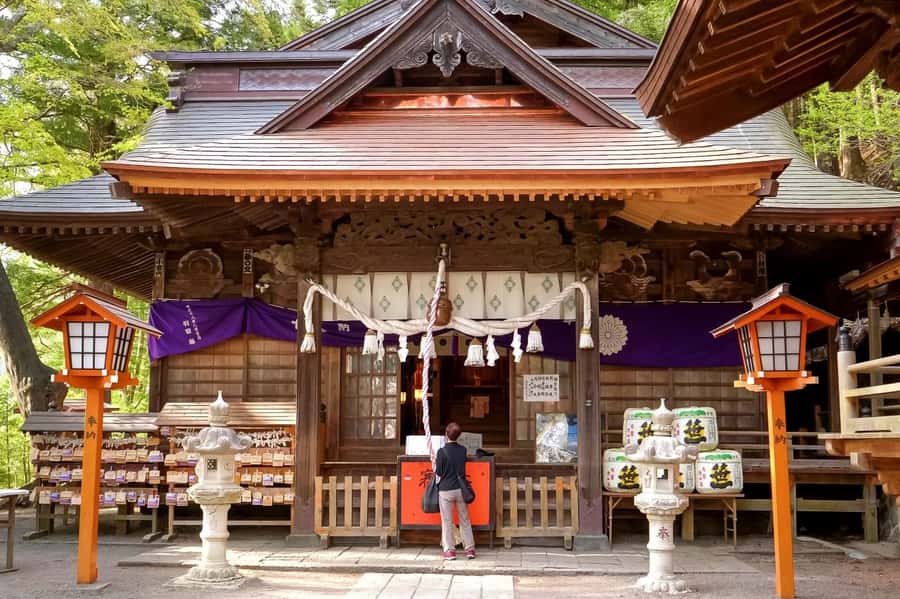
At the base or nearby is Arakura Fuji Sengen Shrine, founded in 705. The shrine is dedicated to the deity of Mount Fuji and was once connected with rituals intended to calm the mountain’s eruptions. You can offer a prayer and see a quieter religious setting before or after the climb.
An hour is tight here. You may need to choose between spending time at the shrine, making the full climb, taking photographs, and returning to the vehicle on schedule. If the pagoda view is your main reason for booking, move efficiently once you arrive.
How the transport and guide affect the day
The tour uses a comfortable air-conditioned vehicle, which matters because the route covers a large area and public transport connections around Fuji can take planning. You avoid changing trains and buses several times, and you do not need to manage parking at each stop.
The vehicle is also where the day’s fixed schedule becomes noticeable. You must return at the appointed time, and the group cannot wait indefinitely for a long photo session. That structure is useful for first-time visitors, but independent planners may prefer to choose only two or three locations and spend longer at each.
Guiding is available in English and Chinese. Guide Kevin is named in the experience feedback as an attentive guide with strong English, and his care helped make the schedule pleasant on one departure. Guides can vary, so treat that as useful context rather than a guarantee that Kevin will lead your date.
The guide’s role is most useful during transfers and at cultural sites. You can focus on the scenery instead of navigating unfamiliar roads, while the schedule keeps the day moving. Just remember that no guide can control road congestion or Fuji’s clouds.
What the $49 price really covers
The $49 price is attractive because so many transport costs are bundled in. You receive round-trip transfers, attraction admissions, fuel, parking, tolls, taxes, and environmental fees. For a day that reaches several separate places, those inclusions make the price easier to justify.
Food and drinks are not included. You should budget for lunch and bring water. Do not assume the vehicle permits eating or drinking, since food and beverages are not allowed inside. A small amount of cash is a smart addition because local sellers may not take credit cards.
One past departure included a lunch stop at an amusement park, where the admission fee was covered but rides cost extra. That arrangement may not suit everyone, especially if you simply want a straightforward meal and do not plan to use the rides. I would ask about the current lunch arrangement before booking if food choices are important to you.
The tour allows you to reserve and pay later, and cancellation is available up to 24 hours before departure for a full refund. Those terms are helpful when your Tokyo schedule is still changing.
Who should book, and who should think twice
I would recommend this trip to you if you want the famous Fuji views without arranging regional transport yourself. It suits first-time visitors, photographers who want several classic angles, and anyone who enjoys mixing nature with Japanese cultural sites.
It also works well for people who want a full day outside Tokyo but do not want a strenuous hike. The only serious physical challenge is the stair climb at Arakurayama Sengen Park, though the full day includes plenty of walking.
I would think twice if you use a wheelchair, have a mobility impairment, are pregnant, or find long road transfers uncomfortable. The tour is not suitable for wheelchair users or people with mobility limitations. Anyone aged 70 or above is asked to sign a travel waiver on arrival.
You should also check the weather forecast before committing. Fuji visibility is the central gamble. A cloudy day does not erase the traditional village, springs, lake, and shrine, but it can remove the main image you came to see.
What to bring for a smoother day
Pack light, since large luggage and strollers may create problems in the vehicle. Tell the operator when booking if you need to bring either one.
Your basic kit should include:
- Comfortable walking shoes for village paths and the 400 steps
- Water, since drinks are not included
- Comfortable clothing suited to the forecast
- Some Japanese cash for local purchases
- A phone or camera with enough battery for repeated Fuji viewpoints
Do not bring food or drinks for use inside the vehicle, and smoking is not allowed there. Keep your evening flexible in case traffic delays the return to Tokyo.
Should you book this Mount Fuji tour?
Book it if you want a low-cost, efficient introduction to Mount Fuji with a strong mix of scenery and culture. The thatched village, spring water, lakeside park, and Chureito Pagoda each show Fuji from a different angle, and the included transport removes much of the day’s logistical work.
Do not book it expecting a slow, private photo tour. The two-hour transfers, short stops, crowds, and fixed return schedule mean you will need to keep moving. Still, at $49, with tickets and road costs included, this is a practical choice for a first Fuji day from Tokyo. Wear good shoes, watch the weather, and keep your plans after the tour open.
FAQ
Where does the tour depart from?
Depending on the option booked, departure is from Tokyo Station at 8:00 AM or Shinjuku Station at 8:30 AM.
How long is the transfer from Tokyo?
The estimated transfer time is about two hours each way, though traffic can make it longer.
What languages does the guide speak?
The tour offers professional guides who speak English and Chinese.
Is Mount Fuji guaranteed to be visible?
No. Fuji visibility depends on the weather, so you should check the forecast before the tour.
Are meals included?
No. Meals and beverages are not included in the price.
Can I taste Mount Fuji spring water?
Yes. At Oshino Hakkai, you can taste water from the clear springs fed by Mount Fuji’s snowmelt.
How many steps lead to the Chureito Pagoda viewpoint?
The observation deck requires a climb of about 400 steps.
Can I bring a stroller or large luggage?
You should indicate when booking if you plan to bring a stroller or large luggage.
Is the tour suitable for wheelchair users?
No. The tour is not suitable for wheelchair users or people with mobility impairments.
Can I cancel for a full refund?
Yes. You can cancel up to 24 hours in advance for a full refund.
More Full-Day in Tokyo
More Mt Fuji Day Trips in Tokyo
More tours in Tokyo we've reviewed











Mt Fuji Day Trips, compared.
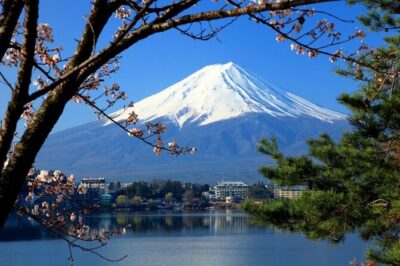 ★ 5.0Mt Fuji and Hakone 1-Day Bus Tour Return by Bullet TrainFrom $163
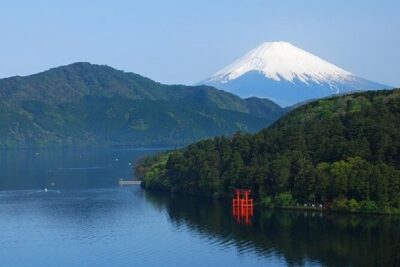 ★ 4.0Mt Fuji & Hakone Cruise, Drum Show Bullet Train 1 Day from TokyoFrom $149
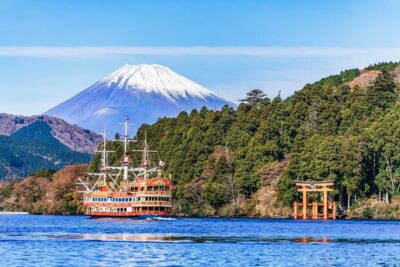 ★ 4.4Tokyo Mt Fuji 5th St & Hakone Cruise Bus Tour w/Bullet TrainFrom $15410 hours
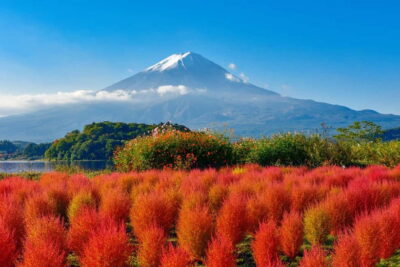 ★ 4.5From Tokyo: Mount Fuji Full-Day Sightseeing TripFrom $6810 hours
 ★ 4.7Tokyo: Mt. Fuji Tour, Hakone Ropeway, Owakudani, Lake AshiFrom $5410 hours
 ★ 4.4Tokyo:Mt.Fuji,Kawaguchiko Oishi Park,Arakurayama Sengen ParkFrom $5410 hours