
Reviewed · JDM & CAR CULTURE
Tokyo: Daikoku: JDM and Tokyo Car Culture Experience
Tokyo’s car culture is best understood from the passenger seat of a tuned Subaru WRX, not through a train window. This experience takes you from Akihabara to Daikoku PA in a convoy of enthusiast cars, with stops at A-PIT Autobacs, Minato City, the Rainbow Bridge, and Yokohama’s famous car meet.
I like the mix of real local insight and pure spectacle. Guides such as Nikhil and Ranul talk cars, roads, and Japanese driving culture while taking you through the C1 Loop and Wangan Expressway. I also like that you can choose a tuned JDM car or a more comfortable standard vehicle. The main catch is that your preferred car may be in maintenance, and Daikoku can occasionally close because of police activity.
In This Review
- Key points to know before booking
- Tokyo car culture from the passenger seat
- Choosing between a tuned JDM car and the standard vehicle
- Akihabara to A-PIT Autobacs
- Rainbow Bridge, Minato City, and the C1 Loop
- Crossing Yokohama Bay Bridge toward Daikoku PA
- What the late-night timing means
- Why the $84 price can make sense
- Who will enjoy this most
- Practical booking advice for a smoother night
- Should you book Project Wangan?
- FAQ
- Where does the experience start?
- Where does the activity end?
- Is hotel drop-off included?
- What kind of car will I ride in?
- Can I request a specific JDM car?
- Is Daikoku Parking Area guaranteed to be open?
- What places does the route visit?
- Are highway tolls and fuel included?
- What should I bring?
- Who cannot take this activity?
Key points to know before booking
- Daikoku PA is the main event: See the legendary Yokohama meeting place where Japanese performance cars and exotic imports gather.
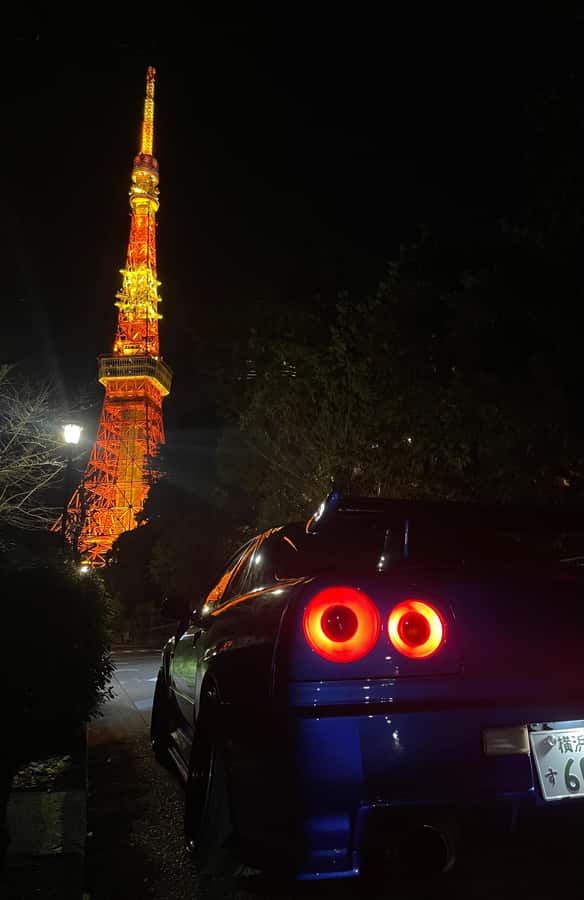
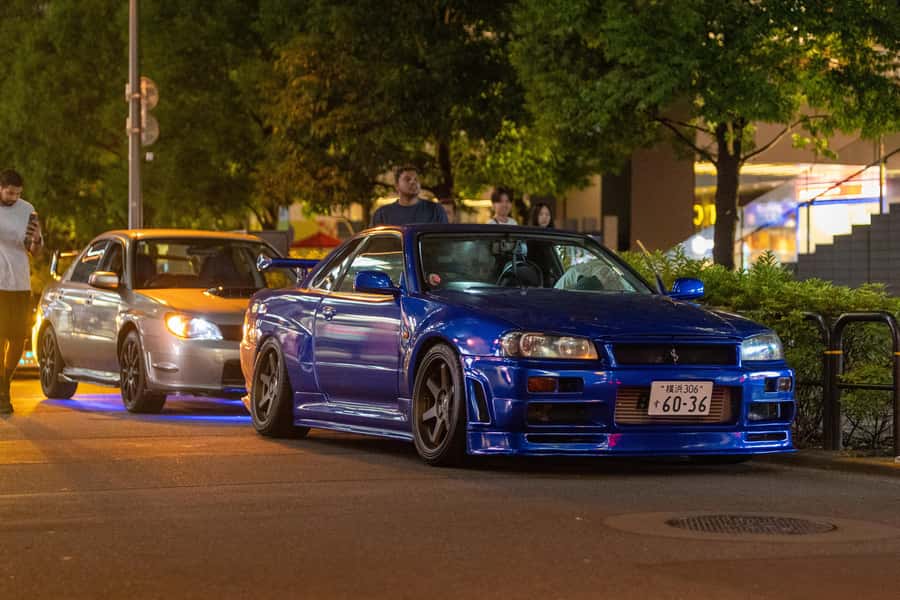
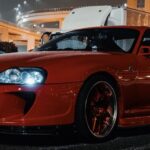
- You ride in a real enthusiast convoy: The fleet can include a Toyota MK5 Supra, Mitsubishi Lancer Evolution VIII, Subaru WRXs, and other tuned cars.
- The route is more than a parking-lot visit: You cross Rainbow Bridge and Yokohama Bay Bridge, pass Tokyo landmarks, and use the C1 Loop and Wangan Expressway.
- Local guides make the difference: English and Japanese speaking car enthusiasts explain the scene and help you connect at meets.
- The $84 price covers the costly basics: Highway tolls, fuel, taxes, and the ride are included, which makes the price fair for a specialist Tokyo night out.
- Have a backup plan for Daikoku: If police close the parking area, the guides take you to another location where you can still see cars by the bay.
Tokyo car culture from the passenger seat
The appeal here is not simply getting a photograph beside a sports car. It is the chance to see how Tokyo’s car scene fits into the city itself. The route links famous roads, industrial waterfront areas, car shops, parking areas, and night views in one moving experience.
You are not hiring a taxi. The fixed route is built around the convoy, the cars, and the shared stop at Daikoku. That matters because the experience is designed as an automotive outing rather than a quick transfer from central Tokyo to Yokohama.
The group starts near Game Panic Akihabara. You should search that name on Google Maps and follow the directions, or contact Project Wangan through Instagram for the exact meeting guidance. Bring your passport or ID card, since identification is required.
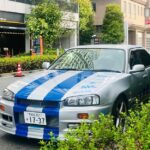
From there, you join a group of tuned cars and standard vehicles. The exact lineup changes, and that is one of the practical points to understand before paying. The advertised fleet includes a Toyota MK5 Supra, Mitsubishi Lancer Evolution VIII, a Raptor-eye Subaru WRX, a Hawk-eye Subaru WRX, and other JDM machines.
A few more Tokyo tours and experiences worth a look
Choosing between a tuned JDM car and the standard vehicle
Project Wangan offers two ways to take part. The Street Racer Experience places you in a tuned JDM car with an enthusiast driver. This is the choice for you if the engine note, turbo response, and details of the car matter as much as the stops.
The Executive Drive uses a sleek standard vehicle on the same general route. It is a better fit if you want the Tokyo night views and car-meet atmosphere without making the ride itself the main attraction.
The tuned-car option is not a private rental. You ride as a passenger, and the driver controls the car throughout. Some outings involve switching vehicles between stops, so you should not assume that you will spend the entire time in one specific model.
If you have your heart set on a particular Subaru, Supra, or Evo, contact the operator before booking through Instagram or GetYourGuide. Cars sometimes go in for maintenance. That is sensible fleet care, but it means the model shown in promotional material is not guaranteed on your date.
The strongest part of the ride is the conversation. Nikhil is praised for his friendly manner, music choices, and ability to explain Tokyo car culture without making the outing feel like a formal lecture. Ranul is also noted for his easy conversation, local insight, and careful handling of the route.
Akihabara to A-PIT Autobacs
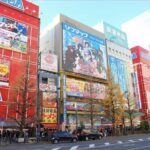
Beginning in Akihabara gives the evening a useful contrast. You start among arcades, electronics shops, and dense city streets, then shift toward the world of performance cars and highway cruising.
A-PIT Autobacs is one of the most useful stops for understanding the practical side of Japanese car culture. This is not just a photo point. It connects the cars you see at the meet with the parts, accessories, maintenance, and styling choices that keep the scene moving.
Your guide can point out details that are easy to miss if you do not know Japanese performance cars. A wing, wheel setup, exhaust, engine choice, or badge may tell you something about the owner’s priorities. The value of having a local enthusiast beside you is that you can ask questions as the cars appear, rather than trying to identify everything later from photographs.
The stop also gives non-car fans a way into the experience. You do not need to know the difference between every generation of Skyline or WRX. A good guide can explain why a model matters and how Japanese owners treat their cars as personal projects.
Rainbow Bridge, Minato City, and the C1 Loop
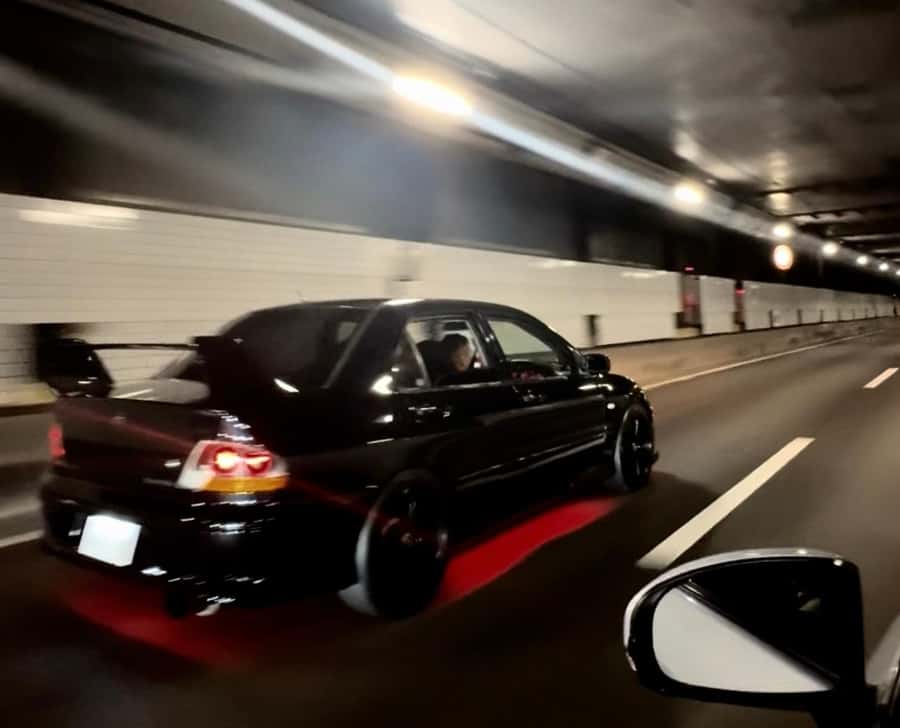
The route then becomes a moving tour of Tokyo. You pass through Minato City and cross the Rainbow Bridge, where the city lights and waterfront views provide a welcome break from close-up car talk.
This section is especially useful if you have already done Tokyo’s standard sightseeing. The trains are excellent, but they keep you above or away from the roads that give the city its shape. From a car, you see tunnels, ramps, expressway junctions, and waterfront connections that are part of daily Tokyo but rarely part of a normal sightseeing plan.
The C1 Loop is one of the route’s key automotive references. It is the central Tokyo expressway circuit associated with Japan’s street-driving mythology and the wider culture that inspired films, games, manga, and performance-car stories.
The experience lets you see those roads in real life, but keep your expectations sensible. This is a guided convoy, not a racing session. You are there to enjoy the cars, roads, sound, and scenery safely. The thrill comes from riding through the same urban system that has such a strong place in car culture, not from being promised illegal street racing.
The Wangan Expressway adds a longer, faster-feeling stretch toward the waterfront and Yokohama. Your driver can explain the road and its place in local car culture while you watch Tokyo change from dense city streets to broad expressway views.
Crossing Yokohama Bay Bridge toward Daikoku PA
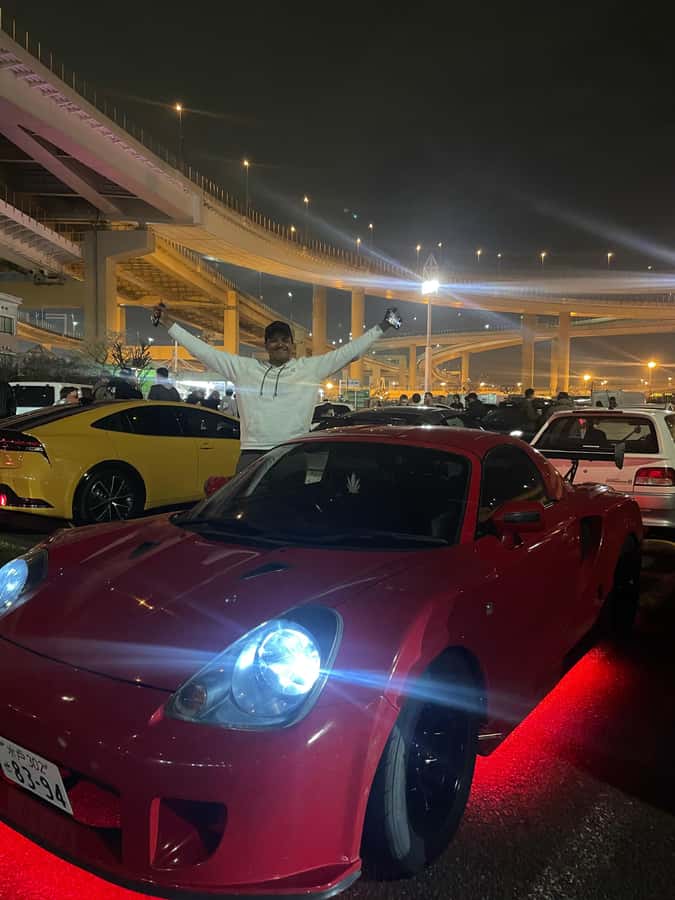
Yokohama Bay Bridge is the approach to the experience’s main goal. The crossing gives the convoy a sense of occasion, especially when several enthusiast cars travel together.
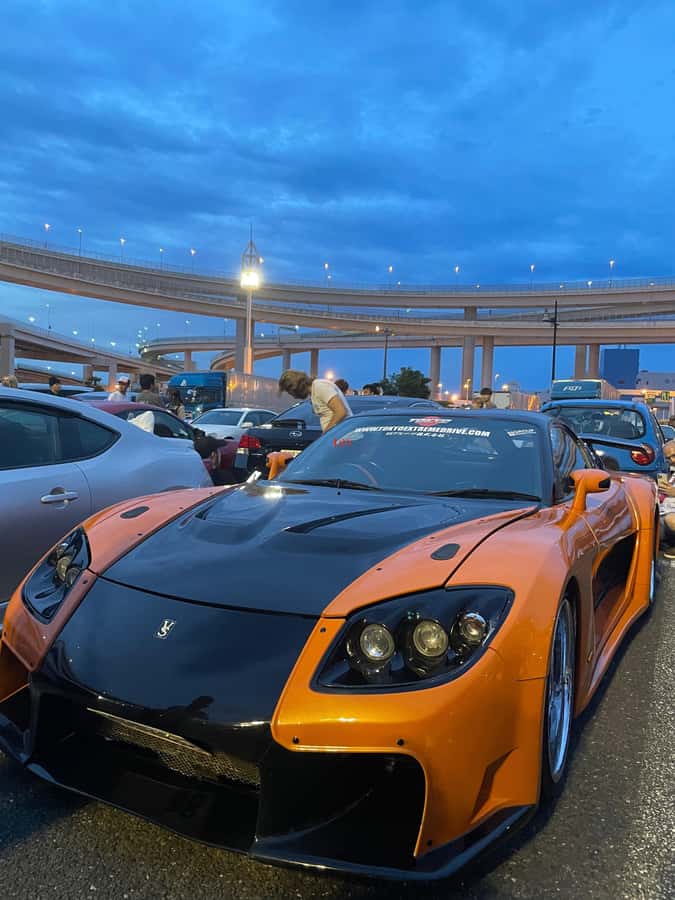
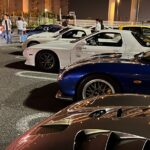
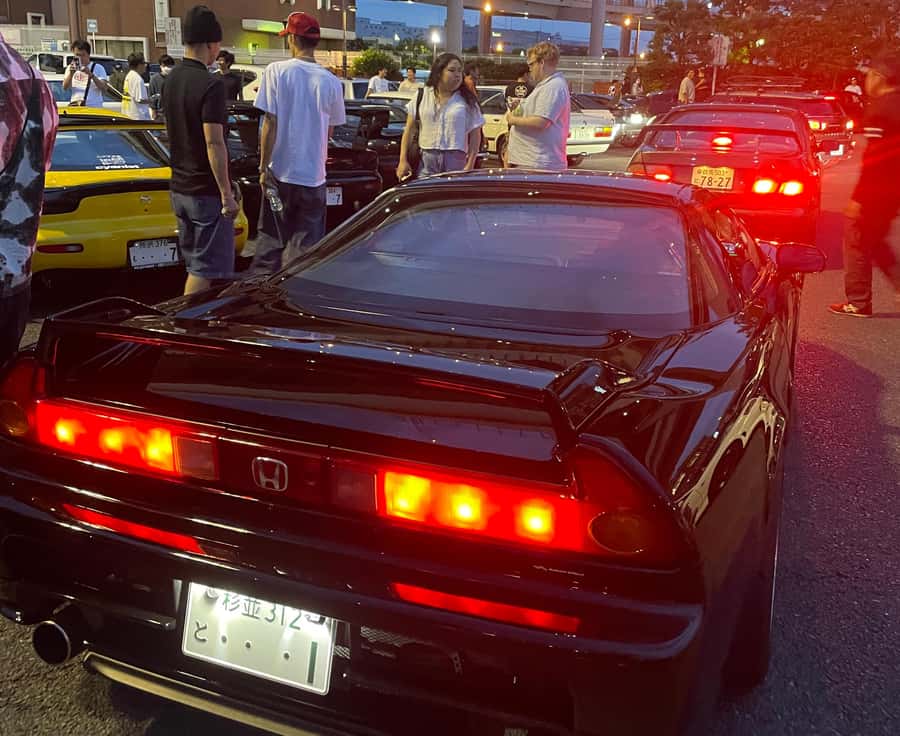
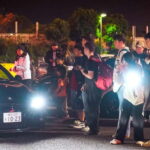
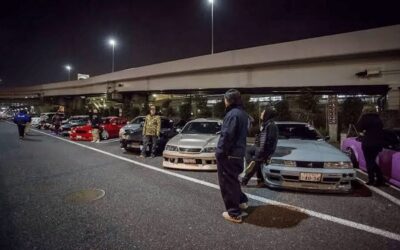
Daikoku Parking Area is not a normal tourist attraction. It is a roadside rest area in Yokohama that became famous because car owners gather there, particularly at night and on busy days. The draw is the changing lineup. You might find Japanese performance cars, modified vehicles, and expensive imports sharing the same space.
That variety is what makes Daikoku worth the trip. At a showroom, the cars are polished and arranged. At Daikoku, you see how owners actually present them, compare them, and use the space as part of the local scene.
You should allow time to look carefully. Examine the wheel fitment, bodywork, exhausts, engine-bay choices, and small owner-made touches. Ask your guide what you are seeing. The English and Japanese speaking staff can help you connect with people at car meets, which is much more useful than simply walking around with a camera.
The atmosphere can change from one date to another. Rain may reduce attendance or shift the strongest gathering to another night. Police activity can also cause Daikoku to close temporarily. This is not a flaw unique to the tour, but it is an important reason not to treat Daikoku as a guaranteed show with a fixed cast of cars.
When closure happens, the crew has taken groups to another nearby parking area. One alternative described by participants was a smaller seaside location with a good midnight view and additional JDM and exotic cars. It will not be identical to Daikoku, but the outing can still deliver the main point: seeing Tokyo’s car community in places where it actually meets.
What the late-night timing means
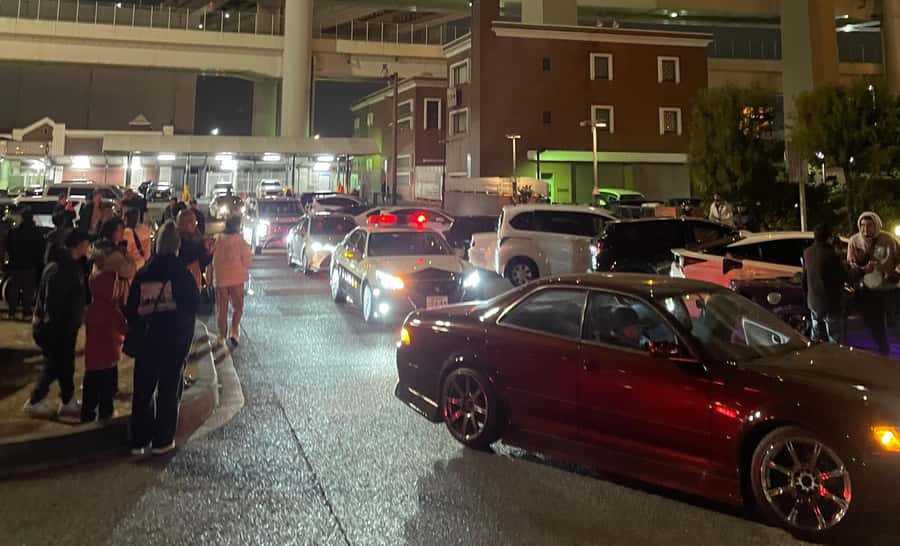
Some outings reach Daikoku after midnight and continue until close to 2 a.m. That late timing can be an advantage because the car meet may build as the night goes on. One account described cars still arriving when the group was preparing to leave.
It also affects your planning. Do not schedule an early morning activity immediately afterward. The tour returns to the original meeting point, but hotel drop-off is not part of the standard plan. The operator may discuss a late-night drop-off by direct message, so ask before you book if that matters to you.
The exact duration is not supplied, and the route can change with traffic, weather, police activity, and the state of the meet. Treat it as a substantial evening outing rather than a short attraction.
Snacks and drinks have occasionally been provided by guides, but they are not listed as a formal inclusion. Bring anything you need for a late night, while remembering that alcohol and smoking are not allowed in the vehicle.
Why the $84 price can make sense
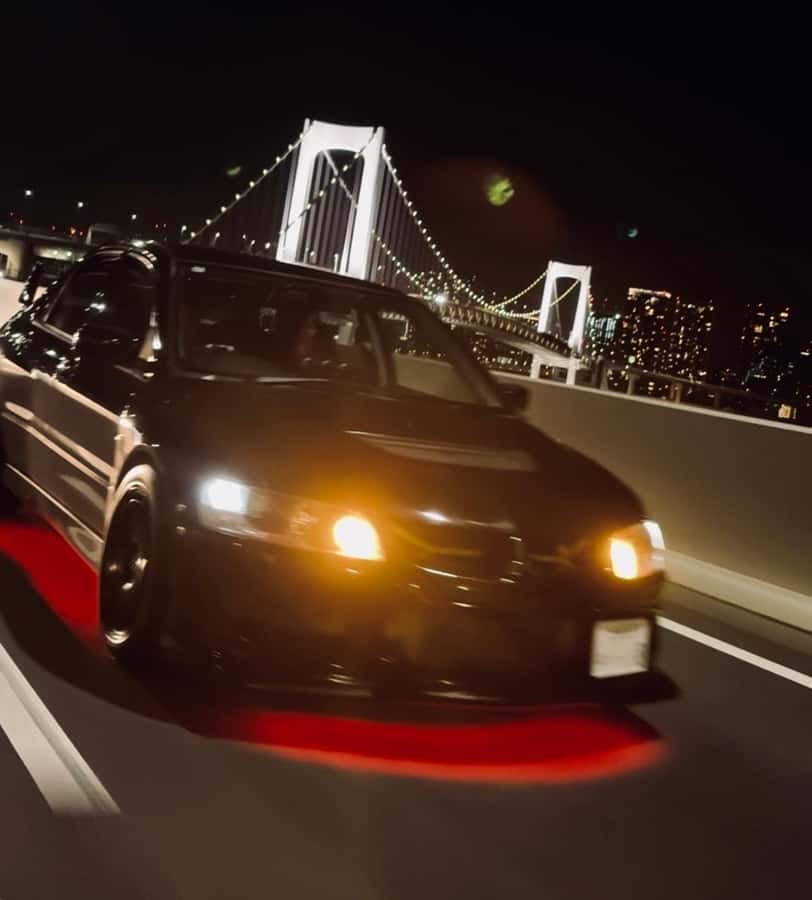
At $84 per person, this is not the cheapest way to look at Tokyo from a car. It is, however, a fair price for a specialist experience that includes the tuned-car ride, local guides, highway tolls, fuel, taxes, scenic stops, and access to a route that is awkward to arrange independently.
A taxi to Yokohama would get you from one place to another but would not provide the convoy, the car knowledge, the C1 and Wangan route, or the introductions at the meet. Renting a performance car yourself would cost more and would leave you responsible for traffic, navigation, tolls, insurance, and finding the right gathering.
The value is strongest for a car enthusiast who would otherwise spend the evening trying to reach Daikoku alone. It is also good for a couple or family group in which one person loves cars and the others want a different view of Tokyo. Several guides have made the experience accessible to people who were not already experts.
The price does not guarantee a specific car, perfect weather, or an open Daikoku. It also does not buy you private use of a JDM vehicle. You are paying for a guided cultural outing in a shared convoy, with the car itself as the setting.
Who will enjoy this most
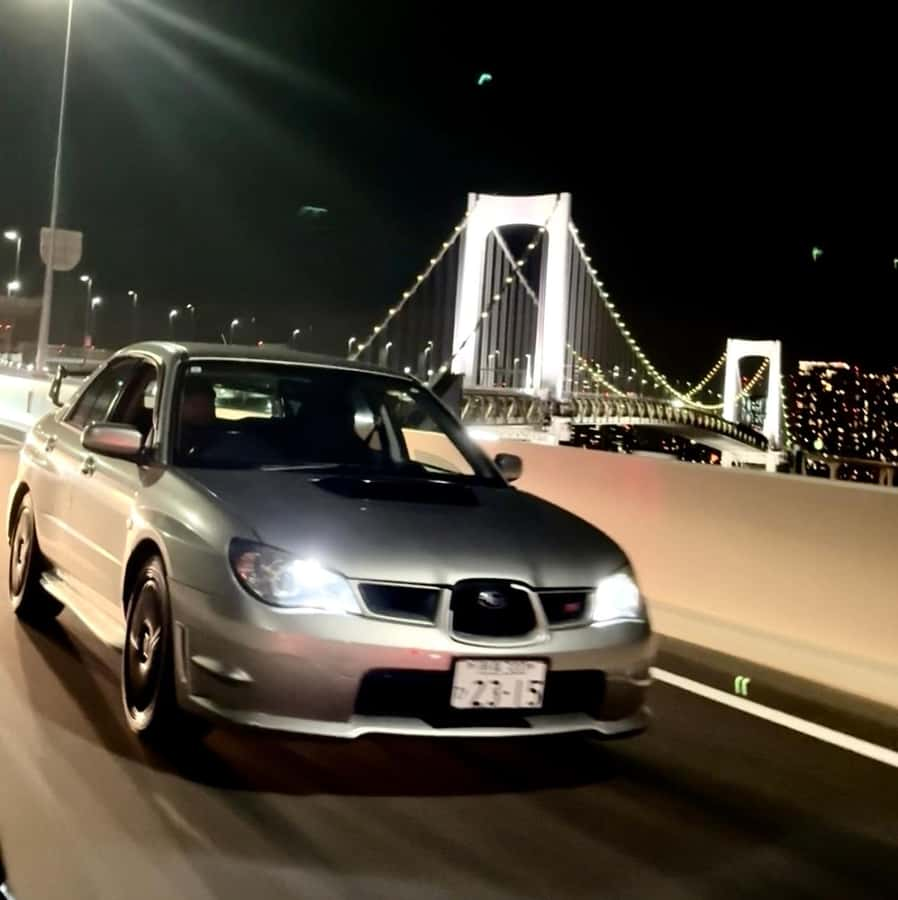
You should book this if you care about JDM cars, Japanese tuning, expressway culture, or the real locations connected with Tokyo’s automotive reputation. You will get the most from it if you ask questions and take time to inspect the cars rather than treating the convoy as a quick photo opportunity.
It also suits fans of car films and games who want to see the actual roads behind the fantasy. The Rainbow Bridge, Tokyo Tower views, C1 Loop, Wangan Expressway, and Daikoku PA create plenty of memorable scenery even if you cannot name every car.
Non-car fans can still enjoy the ride, especially with a guide like Ranul or Nikhil who talks about Japanese life as well as engines and body kits. But if you strongly dislike loud vehicles, late nights, or sitting in a moving car for a long stretch, choose another Tokyo activity.
The experience is not suitable for children under eight, people with heart problems, people prone to motion sickness, wheelchair users, or people over 70. You should also be comfortable with a fixed route and shared convoy format.
Practical booking advice for a smoother night
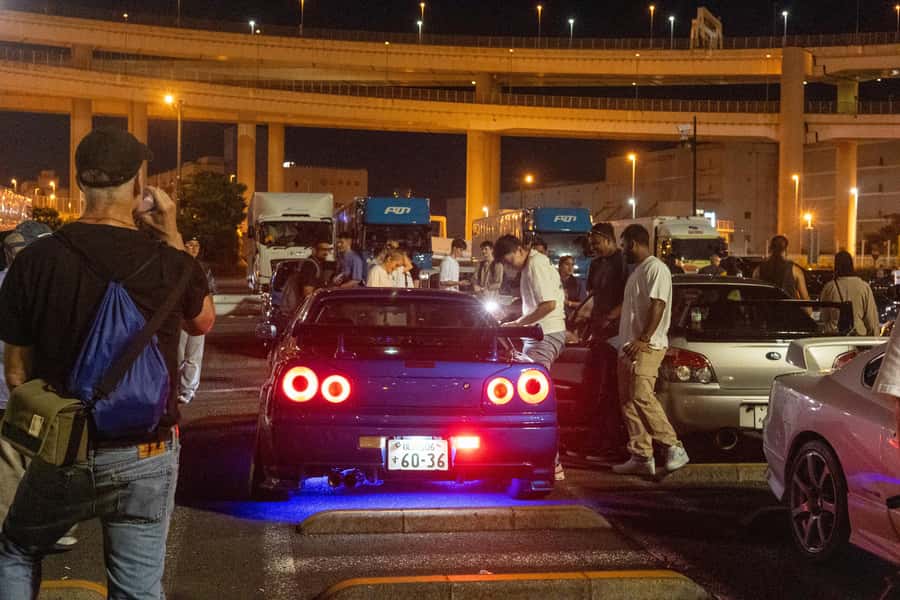
Contact the operator before booking if a particular model is important to you. This one step can prevent disappointment if the Supra, Evo, or your preferred WRX is being serviced.
Confirm the meeting instructions on the day, since the starting point is described through Game Panic Akihabara and direct messages rather than a conventional hotel pickup. Arrive ready to show identification, and wear clothing suitable for a long evening out.
Keep your schedule flexible around the weather. There is no weather guarantee, and rain can affect the meet. Bad weather does not always ruin the evening, but it may reduce the number of cars at Daikoku or alter the timing.
You can cancel up to 24 hours in advance for a full refund, and the reserve-now, pay-later option helps if your Tokyo plans are still shifting. The activity ends at the starting point, so plan your return from there.
Should you book Project Wangan?
Book it if you want access to Tokyo’s car culture with people who live it, rather than a generic city drive. The best parts are the tuned-car ride, the expressway route, the friendly guide conversation, and the chance to see Daikoku as a real gathering place.
I would not book it solely to guarantee one particular car or one perfect Daikoku lineup. Maintenance, weather, traffic, and police closures can change the night. But at $84, with fuel, tolls, taxes, bilingual guidance, and the convoy included, this is a strong-value choice for car fans and a surprisingly approachable evening for curious companions.
FAQ
Where does the experience start?
It starts near Game Panic Akihabara. Search for Game Panic Akihabara on Google and follow the directions, or contact Project Wangan on Instagram for further instructions.
Where does the activity end?
The activity ends back at the original meeting point.
Is hotel drop-off included?
No. Hotel drop-off is not part of the standard experience because the group returns together to the meeting point. You can contact the operator about possible late-night drop-off arrangements.
What kind of car will I ride in?
You can choose a ride in a tuned JDM car or a standard vehicle. The fleet may include a Toyota MK5 Supra, Mitsubishi Lancer Evolution VIII, and Subaru WRXs, but a particular model is not guaranteed.
Can I request a specific JDM car?
Yes. Contact Project Wangan through Instagram or GetYourGuide before your chosen date to ask about availability. Some cars may be undergoing maintenance.
Is Daikoku Parking Area guaranteed to be open?
No. Daikoku can sometimes close temporarily because of police activity. If that happens, the crew offers an alternative location.
What places does the route visit?
The route can include Akihabara, A-PIT Autobacs, Minato City, Rainbow Bridge, Yokohama Bay Bridge, the C1 Loop, Wangan Expressway, and Daikoku PA.
Are highway tolls and fuel included?
Yes. Highway tolls, fuel, and taxes are included in the price.
What should I bring?
Bring your passport or ID card.
Who cannot take this activity?
The experience is not suitable for children under eight, people with heart problems, people with motion sickness, wheelchair users, or people over 70. Smoking and alcoholic drinks are not allowed in the vehicle.
More JDM & Car Culture in Tokyo
More tours in Tokyo we've reviewed

JDM & Car Culture, compared.
 ★ 4.7FAST&FURIOUS EXPERIENCE Tokyo Car Club membershipFrom $138
 ★ 4.8GT-R35 800hp Club Membership – secret underground car meetFrom $205
 ★ 4.8Tokyo: Fast & Furious Tokyo Drift 3 Experience (Kaila Yu SP)From $157
 ★ 4.8Tokyo: Daikoku JDM Car Meet & Night Car Culture TourFrom $984 hours
 ★ 4.8Secret Car Meet: R34 Skyline Car Club MembershipFrom $236
 ★ 4.7Tokyo Drift: Daikoku PA Supreme Car Experience 大黒PAFrom $583 hours