
Reviewed · NIGHT TOURS
Hidden Gem Food & Drink Night Tour near Roppongi
Azabujuban gives you a different view of Tokyo nightlife. Just south of Roppongi, this old neighborhood has small izakayas, bars, and family-run restaurants tucked among the newer city streets. This four-hour walk takes you to three of them for a proper meal, homemade food, beer, and five Japanese whiskeys.
I like the small group of no more than 10 people, which makes a narrow local bar far easier to enjoy. I also like the flexible food plan: you may have yakitori, wagyu, or sashimi at the first restaurant, while the final stop features homemade dishes prepared by a neighborhood auntie. The main drawback is the fixed age limit and food focus. This tour is not suitable for anyone under 20, pregnant women, or people with food allergies.
In This Review
- Key Points
- Azabujuban Between Roppongi and Tokyo Tower
- The First Izakaya: Yakitori, Wagyu, or Sashimi
- Five Rare Japanese Whiskeys in One Hour
- Homemade Food From a Neighborhood Auntie
- Why the Three-Stop Format Works
- What the Guides Add to the Night
- Is $168 a Fair Price?
- Who Should Book This Evening?
- My Verdict: A Strong Introduction to Tokyo Nightlife
- FAQ
- Where does the tour start?
- Where does the tour end?
- How long does the experience last?
- What language is the tour offered in?
- How many people can join the group?
- What food is included?
- How much Japanese whiskey will I taste?
- Are extra food and drinks included?
- Should I bring cash?
- Can the tour accommodate food allergies?
- Who cannot join the tour?
- Can I cancel for a refund?
Key Points
- Three local stops in Azabujuban: You visit an izakaya, a whiskey bar, and another local restaurant rather than spending the whole evening in one place.
- Five Japanese whiskeys: The tasting includes five rare varieties, with 15 milliliters of each.
- A full evening meal: The included food is intended to fill you up, not merely provide a few decorative bites.
- Guides Ellen and Taku: Both guides can help explain the food, drinking customs, and local streets in English.
- A useful first-night introduction: The tour helps you get oriented to Japanese restaurants and nightlife early in your Tokyo stay.
- Bring cash: Extra food and drinks are not included, and personal purchases require your own money.
Azabujuban Between Roppongi and Tokyo Tower
The tour begins outside Azabujuban Station Exit 4, beside Oslo Coffee Azabujuban. Look for the red Japan Hopping sign. That clear meeting point matters in Tokyo, where a station exit can put you on a completely different street from the one you expected.
Azabujuban sits between two familiar sights, Roppongi and Tokyo Tower, but it has a quieter local character than either. The neighborhood is known for restaurants that can be easy to miss if you are simply walking between major attractions. Your guide leads you through the area before the food stops, giving the evening some context instead of sending you straight into the first restaurant.
I like that opening walk because it helps you understand the setting. You are not just being driven to a restaurant with no idea where you are. You get a look at the streets, the restaurant fronts, and the small-scale nightlife around the station.
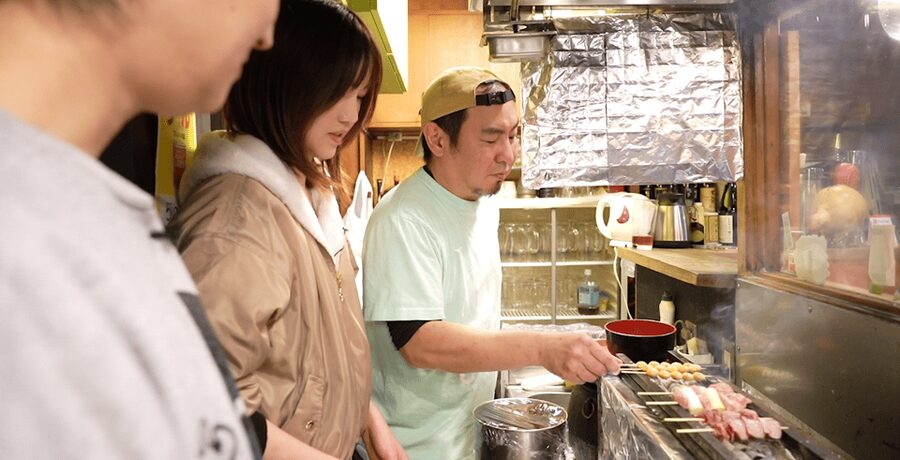
The guides are English-speaking, and Ellen has been especially helpful for visitors who want more than a meal. She has taken people to extra places along the route when time and circumstances allowed, showing them parts of the area that were not part of the main plan. Taku has also joined the evening, adding another friendly local presence.
Do not count on extra stops as a guaranteed part of your booking. The advertised plan includes three food and drink locations, and the first restaurant can change depending on availability. Think of the extra local knowledge as a welcome bonus, not a promise.
A few more Tokyo tours and experiences worth a look


The First Izakaya: Yakitori, Wagyu, or Sashimi
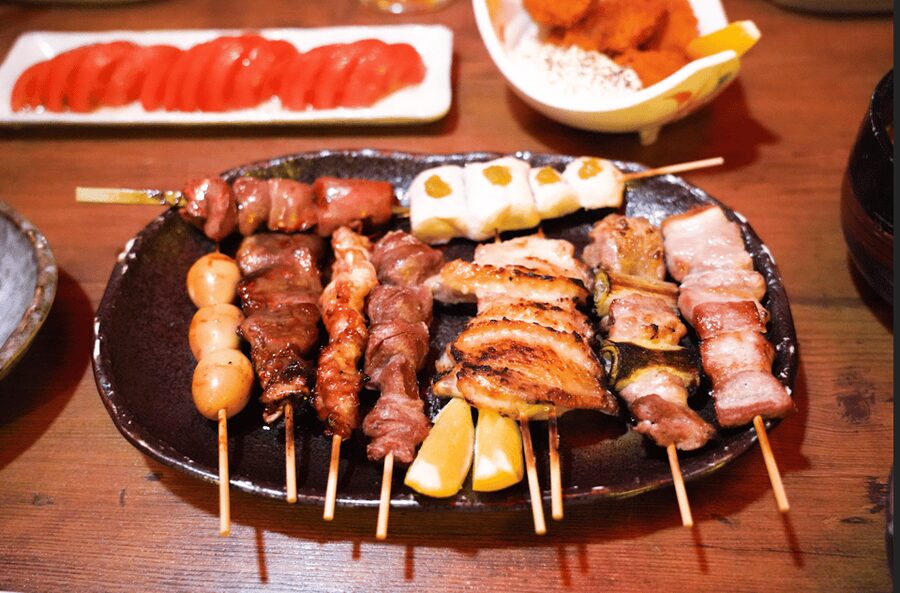
Your first substantial stop is a local restaurant where you receive an izakaya meal and one drink. The exact restaurant depends on availability, so the experience is not built around one fixed menu or one famous address.
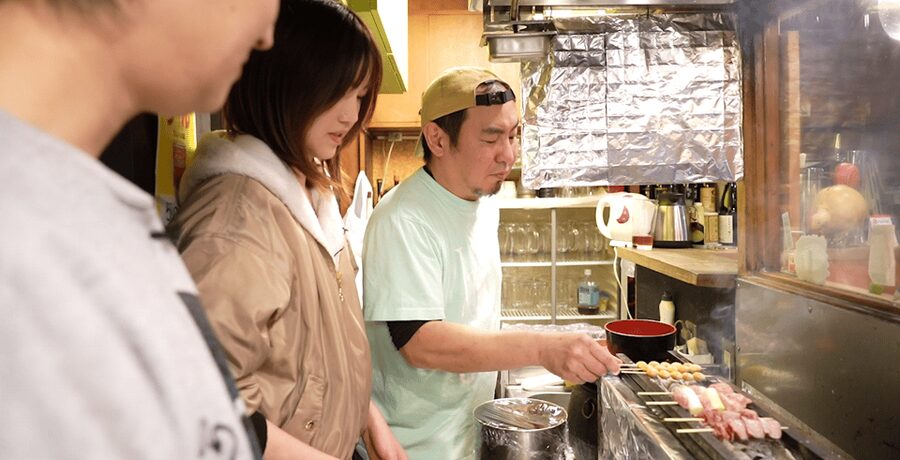
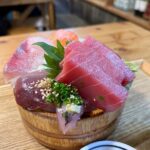
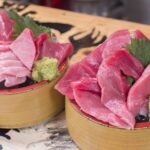
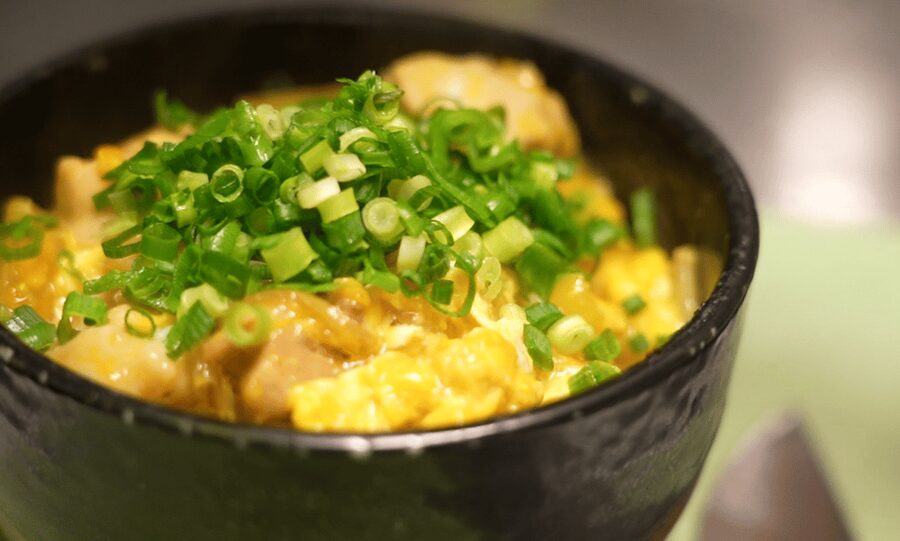
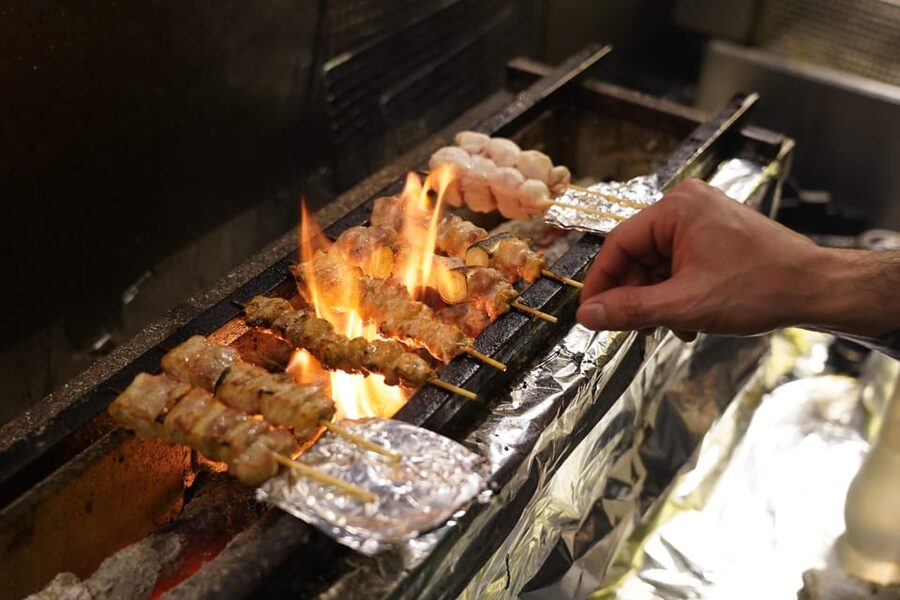
You can tell the team if you prefer yakitori, wagyu, or sashimi. Yakitori means grilled chicken skewers, wagyu brings Japanese beef, and sashimi offers fresh raw fish. The tour team will do its best to accommodate a preference, but you should contact them in advance rather than waiting until you arrive.
This flexibility is useful because Japanese food preferences can vary sharply. Some people want the smoky, casual appeal of skewers. Others are most interested in beef or raw fish. You may not get your first choice if the restaurant schedule does not allow it, but the option gives you a better chance of having a meal that suits you.
An izakaya is not simply a Japanese pub in the Western sense. It is a place built around shared food, drinks, and small plates, often with a steady flow of dishes arriving over time. That makes this a good setting for learning how Japanese diners order and eat in the evening.
The tour includes one drink here, with beer listed as part of the stop. Additional food and drinks cost extra. The supplied amount of food is meant to fill you up, so you do not need to plan a second dinner afterward. Still, bring cash if you want to order something beyond the included meal.
Five Rare Japanese Whiskeys in One Hour
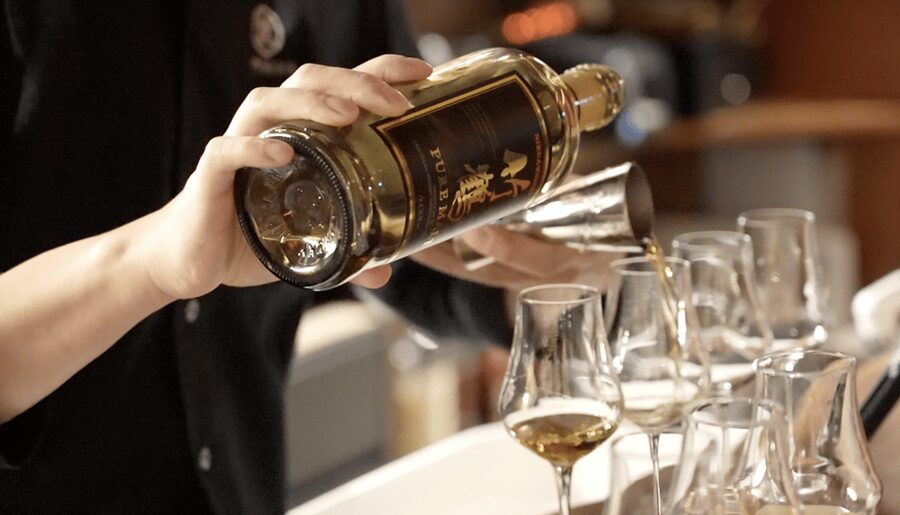
The second major stop is a local bar devoted to whiskey tasting. You receive five Japanese whiskeys, 15 milliliters of each. That is a sensible tasting size: enough to compare the pours without turning one evening into a heavy drinking session.
The point is comparison. Five small samples let you notice how Japanese whiskey can vary from one bottle to another. The tour description calls them rare Japanese whiskeys, which makes this the most distinctive part of the night for anyone interested in spirits.
I like the structure here. A single whiskey sample can be hard to judge, especially if you are new to the category. Five pours give you a point of reference, and the guide can connect the drinks to Japanese drinking culture as the tasting progresses.
The tour includes the whiskey tasting but does not include every drink you might want afterward. Personal purchases and additional food or drink are separate. Cash is specifically recommended, so keep some yen available instead of relying only on a card.
This stop also shapes the pace of the evening. You are not racing through a long list of bars. You spend about an hour at the whiskey bar, enough time to taste the pours and talk with the guide. If you do not drink whiskey, this part may feel less valuable, even though it remains one of the tour’s central features.
The activity is not suitable for pregnant women or anyone under 20. The supplied information also lists it as unsuitable for people over 95, so check that restriction before booking.
Homemade Food From a Neighborhood Auntie
The final restaurant stop brings the most personal food story. You receive homemade traditional dishes and one drink, with beer and food tasting included. The food is described as being made by a neighborhood auntie, which gives this part a different feel from a standard restaurant tasting.
That detail matters because Japanese food culture is not limited to sushi counters and polished tasting menus. Homemade dishes can show you the everyday side of cooking, including food served in a neighborhood setting rather than prepared for an international audience.
You should expect another proper serving rather than a token final snack. The overall meal is intended to fill you up, with the first restaurant and final stop working together as the main food portion of the evening.
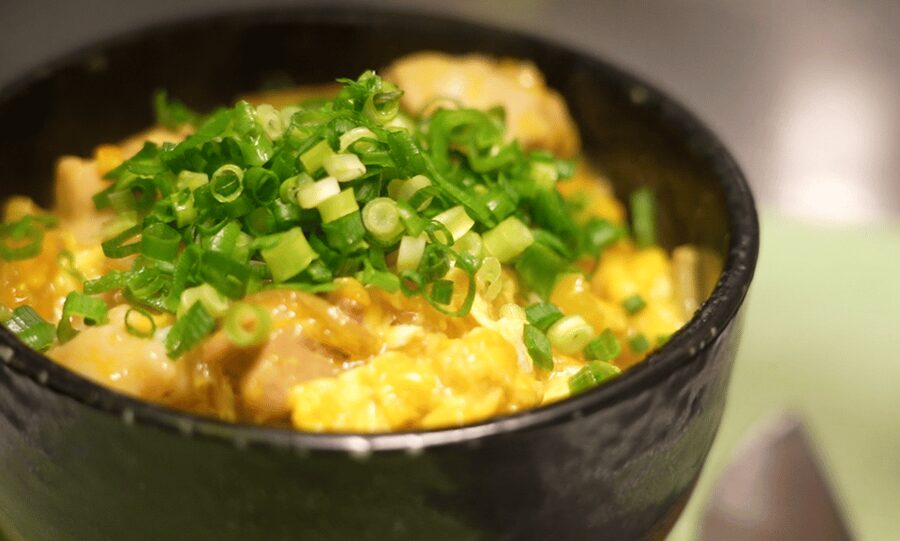
The menu is not specified in detail, so do not book this expecting a guaranteed list of dishes. Instead, treat it as a chance to try traditional homemade food chosen around the local restaurant and the evening’s availability.
Food restrictions need attention before you reserve. The tour team asks you to contact them about allergies or dietary limits and will do its best to accommodate them. At the same time, the activity is listed as not suitable for people with food allergies. That is an important warning, not a minor footnote. If you have a serious allergy, you should get clear confirmation before paying.
Why the Three-Stop Format Works
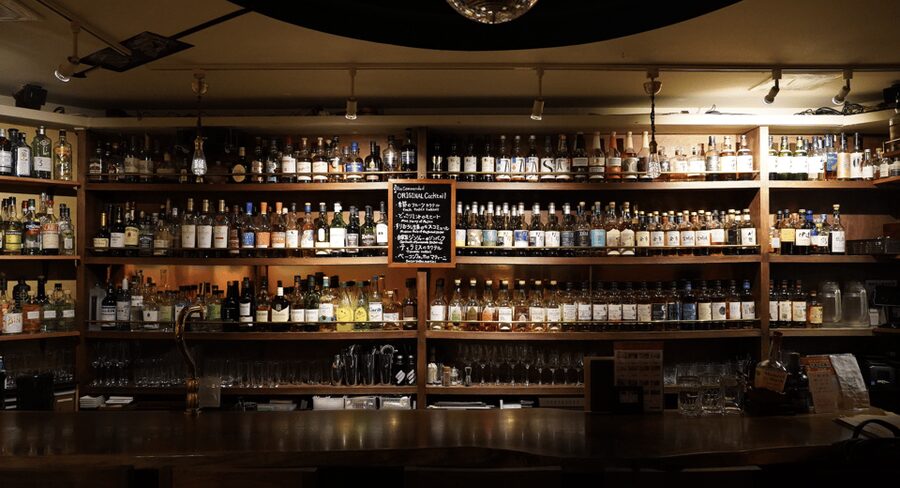
The evening lasts four hours, with roughly an hour at each main food or drink stop and walking time between them. That is long enough to create a full night out, but short enough to fit around other Tokyo plans.
I prefer this kind of route to a single restaurant booking when I want to understand a neighborhood. Each stop has a different job. The first introduces izakaya food, the second focuses on Japanese whiskey, and the third brings in homemade dishes.
The variety also reduces the risk of one disappointing dish defining the whole evening. If the first restaurant is not your ideal match, you still have a whiskey bar and another food stop ahead. The tradeoff is that you have less control than you would with a restaurant you selected yourself.
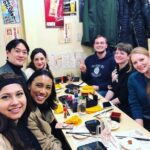
The group limit of 10 is another practical advantage. Small local restaurants and bars often work better with a compact group. You can hear the guide, ask questions, and avoid the awkward feeling of taking over a tiny counter with a large tour party.
The tour ends back at Oslo Coffee, so you are not left trying to find your way home from an unfamiliar side street. The return point also makes it easier to continue your evening in the Roppongi or Tokyo Tower area if you still have energy.
A few more Tokyo tours and experiences worth a look

What the Guides Add to the Night
Ellen is the guide most closely associated with the experience, and Taku may also take part in the evening. The useful quality here is flexibility. Ellen has adjusted the route to show extra places and explain more about the neighborhood when circumstances allowed.
That can make a big difference in Tokyo. Restaurant customs are not always obvious, and a local guide can explain what is happening without making you feel foolish for asking. You can learn how to approach an izakaya, what kinds of food are typical, and how drinking fits into a Japanese night out.
The guide is also your bridge when menus or restaurant choices are not fully predictable. Since the first restaurant depends on availability, a guide who can explain the options helps the evening feel intentional rather than random.
The activity is offered in English only. If you want a tour in another language, this is not the right choice. For English-speaking visitors, the format is direct and social, with the small group making conversation easier.
Past scores for the experience are very strong, with a 5 out of 5 rating from four reviews. That is encouraging, but the sample is small. I would place more weight on the specific strengths built into the plan: friendly guides, excellent food and whiskey, a small group, and access to places you might not find on your own.
Is $168 a Fair Price?
At $168 per person, this is not a cheap bar crawl. The value comes from what is bundled into the four hours: a Japanese izakaya meal with one drink, five 15-milliliter whiskey samples, homemade traditional dishes with one drink, an English-speaking guide, and the movement between three local venues.
If you paid separately for a good dinner, several drinks, and a whiskey tasting, the price could make sense, especially in central Tokyo. You are also paying for access and orientation. Finding small restaurants is possible on your own, but choosing places with confidence, handling the language gap, and fitting several stops into one evening takes time.
The value is strongest for your first few days in Tokyo. You can learn what sort of food you enjoy, ask where to eat next, and get a feel for local nightlife before making independent plans.
The value is weaker if you already know Azabujuban well, dislike whiskey, or prefer to order exactly what you want from a restaurant menu. You may also spend more if the included drinks are not enough and you add extra dishes or purchases.
Because the meal portion is designed to fill you up, you do not need to budget for a separate dinner. You should still bring cash for anything beyond the inclusions.
Who Should Book This Evening?
I would recommend this tour to adults who enjoy trying several foods in one night and want local guidance without joining a large group. It is especially useful if you are curious about Japanese drinking customs, do not mind sharing food, and want a relaxed introduction to izakaya culture.
It suits solo visitors and couples well, since the group setting gives you company without requiring you to organize a night out yourself. It can also work for friends who want food and whiskey rather than sightseeing at a fast pace.
You should think twice if you have strict dietary needs, do not eat raw fish or meat, or want complete control over the menu. Tell the operator about food restrictions before booking, and remember that the activity is not suitable for people with food allergies.
Wear comfortable shoes. You will walk between stops, and the evening is built around moving through the neighborhood rather than sitting in one place. The tour is also limited to people aged 20 and older.
Cancellation is flexible up to 24 hours before the start for a full refund, and you can reserve now and pay later. Check the available starting time when you book, since the tour runs for four hours and the evening schedule matters.
My Verdict: A Strong Introduction to Tokyo Nightlife
Book this tour if you want a guided first taste of Azabujuban, with a full meal, three different venues, and a focused Japanese whiskey tasting. The best parts are the small group, the local guides, and the chance to move beyond the most obvious Roppongi nightlife.
I would not choose it for a bargain meal, a family outing, or a highly controlled tasting menu. But if you are an adult who wants food, conversation, and a practical introduction to how Japanese evenings unfold, the $168 price can be fair. Bring cash, wear good shoes, tell the team about preferences ahead of time, and arrive ready to try more than one kind of Japanese night.
FAQ
Where does the tour start?
Meet in front of Azabujuban Station Exit 4, next to Oslo Coffee Azabujuban. The guide will be waiting with a red Japan Hopping sign.
Where does the tour end?
The activity ends back at the meeting point outside Oslo Coffee Azabujuban.
How long does the experience last?
The tour lasts four hours. Starting times vary, so check availability when booking.
What language is the tour offered in?
The live tour guide speaks English.
How many people can join the group?
The group is limited to 10 participants.
What food is included?
The experience includes a Japanese izakaya meal with one drink and homemade traditional dishes with one drink. The first restaurant may offer yakitori, wagyu, or sashimi, depending on availability and preference.
How much Japanese whiskey will I taste?
You will taste five types of Japanese whiskey, with 15 milliliters of each type.
Are extra food and drinks included?
No. Additional food and drinks, along with personal purchases, are not included.
Should I bring cash?
Yes. Cash is recommended for additional food, drinks, or personal purchases.
Can the tour accommodate food allergies?
You should contact the tour team about food allergies or dietary restrictions in advance. The team will do its best to help, but the activity is listed as not suitable for people with food allergies.
Who cannot join the tour?
The activity is not suitable for pregnant women, people with food allergies, people under 20 years old, or people over 95 years old.
Can I cancel for a refund?
You can cancel up to 24 hours in advance for a full refund. You can also reserve now and pay later.
More Evening Experiences in Tokyo
More Food Experiences in Tokyo
More Night Tours in Tokyo
More tours in Tokyo we've reviewed









Night Tours, compared.
 ★ 5.0Tokyo Night Foodie Tour in Shinjuku – Seasonal Sushi, Wagyu BeefFrom $111
 ★ 4.8Tokyo: Daikoku JDM Car Meet & Night Car Culture TourFrom $984 hours
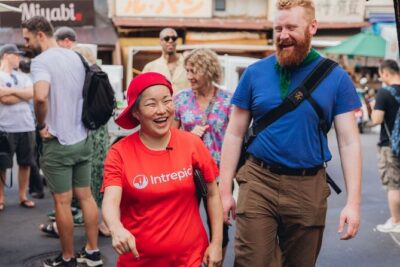 ★ 4.5Tokyo After 5: Authentic Japanese Food & Drink Night TourFrom $122
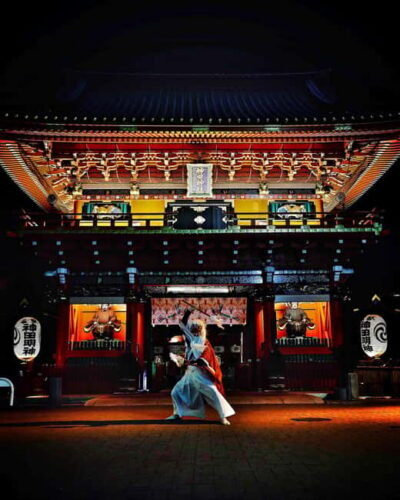 ★ 4.6Tokyo: Samurai Entertainment Night Show in Kanda ShrineFrom $412 - 3 hours
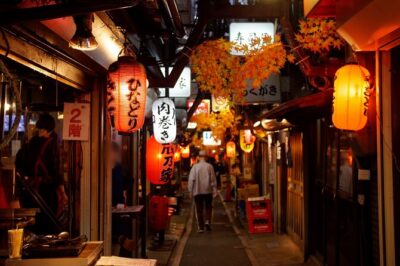 ★ 4.5The Dark Side of Tokyo – Night Walking Tour Shinjuku KabukichoFrom $25
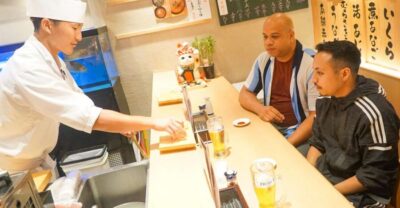 ★ 4.8Tokyo: Night Foodie Tour in ShinjukuFrom $1273 hours