
Reviewed · WALKING TOURS
Explore the Local “Non-touristy” Side of Tokyo: Jujo and Akabane Walking Tour
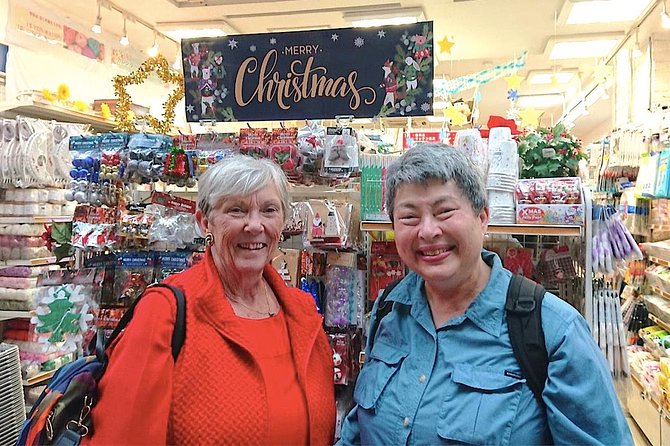
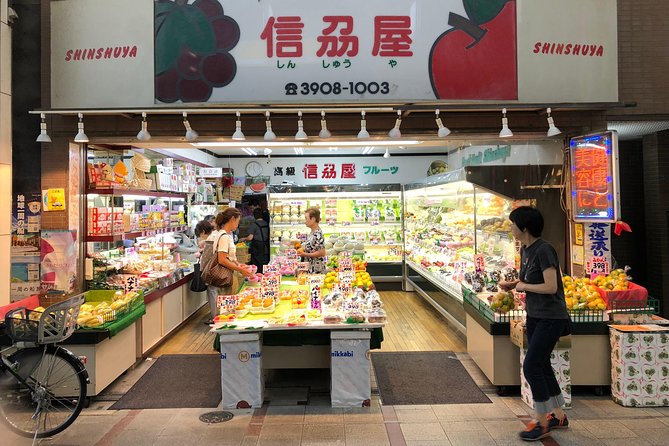
Tokyo has its famous crossings, neon streets, and grand temples. This three-hour walk shows you a quieter, more ordinary side of the city, beginning in Jūjō and ending in Akabane. The main event is Jūjō Ginza Shopping Arcade, a long old-fashioned market street where locals buy prepared food, fresh groceries, clothes, and daily supplies.
I like two things especially: the small maximum group of eight, which gives you room to ask questions, and the simple route from Jūjō Station to Akabane Station. The tour also brings useful cultural context to places you might otherwise pass without noticing, including a neighborhood park, castle remains, and an izakaya district.
The main consideration is that you pay for the guide, not for a meal or a series of included attractions. Food and drinks, transport, and hotel pickup are extra, and the 3 pm start means you will see Akabane’s drinking streets in the afternoon rather than during their evening peak.
In This Review
- Key points at a glance
- Why Jūjō is a smart place to start
- One hour among 500 shops at Jūjō Ginza
- A quiet pause at Shimizuzaka Park
- What remains at Inatsuke Castle
- Akabane Ichibangai and the afternoon izakaya scene
- What the guide adds to the experience
- Is $71.53 a fair price?
- Timing, meeting point, and walking demands
- Who should book this Jūjō and Akabane walk?
- Should you book it?
- FAQ
- How long is the Jūjō and Akabane walking tour?
- What time does the tour begin?
- Where does the tour start?
- Where does the tour end?
- How large is the tour group?
- Is food included in the price?
- Is transportation included?
- What level of fitness is required?
- Can I cancel for a full refund?
Key points at a glance
- Jūjō Ginza has about 500 shops, with food, clothing, and everyday goods in a traditional shotengai setting.
- The route links two local districts, starting at Jūjō Station and finishing at Akabane Station.
- The group is limited to eight people, while the booking information also describes the activity as private to your group.
- Akabane Ichibangai is known for daytime izakayas, giving you a glimpse of a local drinking culture that begins earlier than many visitors expect.
- The tour includes Shimizuzaka Park and castle remains, adding local history and neighborhood life to the food-focused walk.
- The $71.53 price covers the guide and local taxes, but you should budget separately for anything you eat or drink.
Why Jūjō is a smart place to start
Jūjō is not usually the first Tokyo stop people name. That is part of the appeal. Instead of beginning with a major monument, you meet your guide at Jūjō Station at 3 pm and step into a district built around daily routines.
The area’s shotengai, or covered shopping street, gives you a useful introduction to local Tokyo life. These shopping arcades are practical places first. People come to buy dinner, snacks, fresh food, clothes, and household items. You are not simply looking at a street made for sightseeing. You are watching a neighborhood function.
That difference matters. A famous Tokyo market can feel like a performance arranged for visitors. Jūjō Ginza gives you a closer look at how shopping works for residents. Your guide can explain the foods, vendors, and customs as you walk, which is particularly helpful if you cannot read Japanese menus or shop signs.
The tour description identifies Jūjō Ginza as one of Tokyo’s three best old shopping streets and puts its total at about 500 shops. You should not expect to inspect every store in one hour. The point is to read the street as a whole, notice the changing types of businesses, and learn how these arcades fit into neighborhood life.
Other walking tours we've reviewed in Tokyo

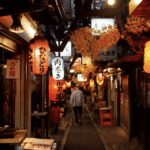
One hour among 500 shops at Jūjō Ginza
The first stop takes about an hour. That is a good amount of time for the arcade because it lets you move beyond a quick photo stop. You can look at prepared foods, fresh ingredients, clothing, and other everyday goods while your guide points out items that may not be obvious to an outsider.
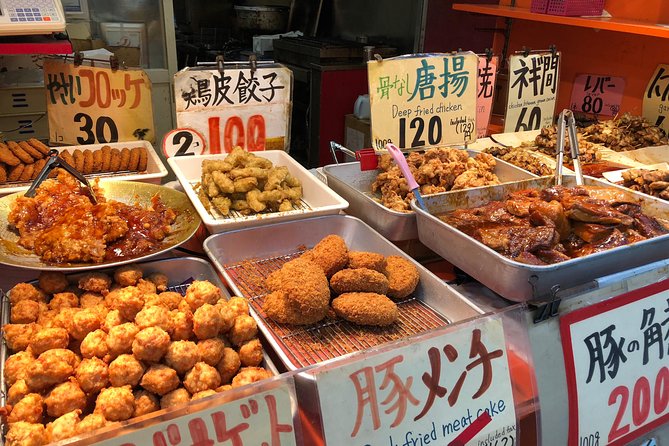
This is also the strongest part of the walk for anyone interested in food. One of the tour’s most praised features is its food information and tastings. The exact foods are not fixed in the details provided, so do not book this expecting a guaranteed menu. Still, the format gives you a chance to learn what people buy and how certain foods fit into Japanese daily life.
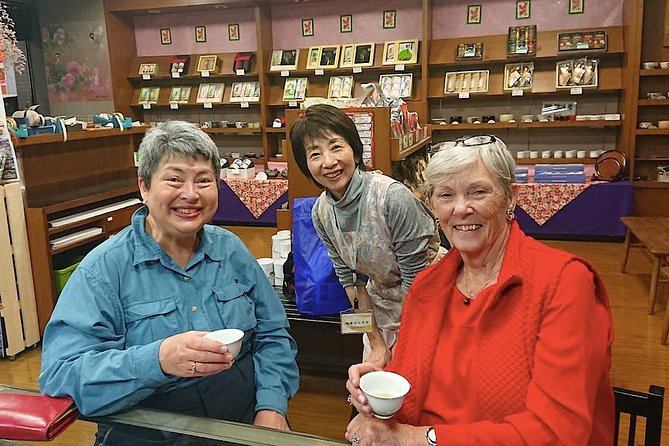
If your guide is Fumiko, you may also receive the sort of personal explanation that turns a snack into a cultural lesson. Fumiko is specifically associated with a warm, informative tour that included food tastes and tea tasting, along with instruction about temple offerings and prayers. Those extra elements may depend on the route or guide on your date, so it is sensible to treat them as possible additions rather than promised inclusions.
The free time is limited, and food and drinks are not included in the price. Bring some yen or another accepted payment method if you hope to taste things along the way, though the supplied details do not specify payment methods or a fixed tasting budget.
A practical point: this is a walking tour, not a food tour with a full lunch. If you need a substantial meal, eat beforehand or plan to continue eating in Akabane after the tour. The guide can explain what you are seeing, but your own purchases remain your responsibility.
A quiet pause at Shimizuzaka Park
After the shopping arcade, the route moves to Shimizuzaka Park for about 20 minutes. The change of pace is useful. Tokyo walks can become a steady stream of shop fronts and station streets, so a short break among trees gives your feet and attention a rest.
The park is used by neighborhood residents and includes a pond, an open square, and a roller slide reported to be 52 meters long. The slide is aimed at children, but its presence tells you something about the park’s role. This is a local recreation space, not a formal garden built mainly for sightseeing.
You may find this stop more interesting if you want to see how families and residents use public space. It is not a major Tokyo attraction, and the 20-minute visit will not satisfy someone looking for a famous garden or a long nature walk. Its value is in the contrast with the shopping arcade and in the chance to see a small piece of ordinary neighborhood life.
The tour requires a moderate level of physical fitness. Nothing in the supplied information suggests a difficult hike, but you will be walking between several stops and standing in commercial streets. Comfortable shoes are a sensible choice.
What remains at Inatsuke Castle
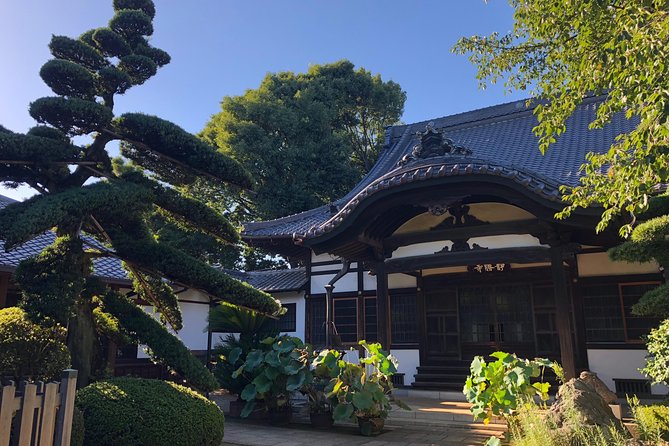
The next stop lasts about 15 minutes at the remains of Inatsuke Castle, also referred to in the tour details as Inatsuki Castle Ruins. The site is connected with Ōta Dōkan, a 15th-century warlord known for building Edo Castle. A statue of him is located there, and the remains sit at an altitude of about 21 meters above sea level.
Keep your expectations measured. You are visiting castle remains, not a reconstructed fortress with large walls, rooms, and exhibits. The short stop works best as a compact history lesson. Your guide can explain the connection between the local site and the wider story of Edo, the city that later became Tokyo.
This is the kind of stop that benefits most from a guide. Without context, a small historic remnant can be easy to overlook. With an explanation, it becomes a reminder that today’s residential streets developed over older layers of power, transport, and settlement.
Admission is not included, although the information does not give a separate admission price. The visit is short, so it should not add much time to the day, but anyone especially interested in military history may wish for more time than the schedule allows.
Akabane Ichibangai and the afternoon izakaya scene
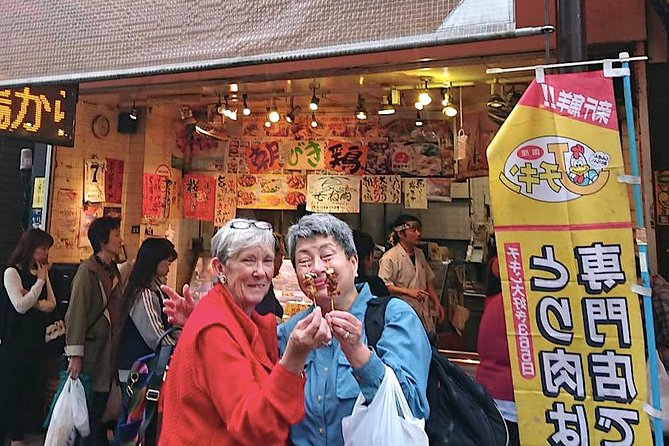
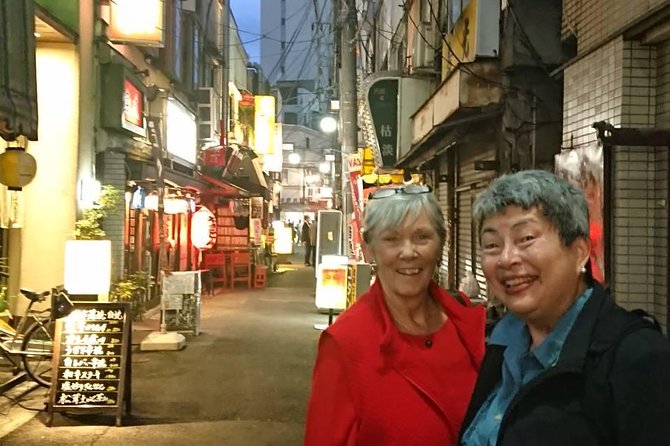
The final major stop is Akabane Ichibangai, a shopping street filled with several dozen pubs and izakayas. Many open at noon, so your 3 pm start gives you an unusual view of Japanese drinking culture. You may see older local men enjoying sake in the middle of the afternoon at their regular neighborhood spots.
This is not the polished nightlife image of central Tokyo. It is a more grounded look at small drinking establishments and the social role they play. Your guide can help explain what you are seeing and why a pub district can already be active long before dinner time.
The stop lasts about 40 minutes. That is enough to walk through the area and get your bearings, but not enough for a long izakaya meal. Food and drinks are not included, so check with your guide if you want to stop for a drink or snack. The supplied details do not say that the group enters a particular pub, so do not assume a reserved seat or included tasting.
Akabane Ichibangai is a strong finish because it gives the walk a different mood from Jūjō Ginza. Jūjō shows you shopping and food at street level. Akabane adds conversation, drinking, and local social habits. You finish at Akabane Station, making it easy to continue your evening from there, though no onward transport or hotel drop-off is included.

What the guide adds to the experience
A guide is the main reason to book this walk. You can find the shopping arcades and park on your own, but the guide supplies the connections. Why is a particular street important? What are people buying? How should you behave when visiting a temple or making an offering? Those are the questions that turn a neighborhood stroll into a useful cultural experience.
The strongest praise connected with the tour centers on experiential learning, food information, tastes, tea tasting, temple customs, and explanations of Japanese life. Fumiko is the named guide associated with that particularly detailed experience. The provider is Trip Designer Inc., but the supplied information does not promise Fumiko for every departure. Ask at booking if having her as your guide matters to you.
The small size should help. A maximum of eight people is intimate enough for questions and conversation without the stiffness of a large coach group. At the same time, the additional information calls this a private activity where only your group participates. Because those descriptions do not match perfectly, confirm the exact group arrangement before paying if privacy is important.
Is $71.53 a fair price?
At $71.53 per person, this is not a bargain if you judge it by included items alone. The price includes local taxes and a local guide. It does not include food, drinks, admission, transport to or from the attractions, or hotel pickup and drop-off.
I think the value depends on how much context you want. If you are happy wandering Jūjō Ginza and Akabane on your own, you can avoid the guide fee and spend your money in the shops and izakayas. If you want explanations, help understanding local foods, and a planned route through two districts, the fee is easier to justify.
The tour is also relatively short at about three hours. That makes it a manageable add-on rather than a full day commitment. You can pair it with another Tokyo plan before 3 pm, then continue from Akabane after the walk.
Group discounts are available, which may improve the price for larger eligible bookings. Since the tour is limited in size, booking early is sensible. It is booked an average of 68 days ahead, suggesting that popular dates may fill well before your trip.
Timing, meeting point, and walking demands
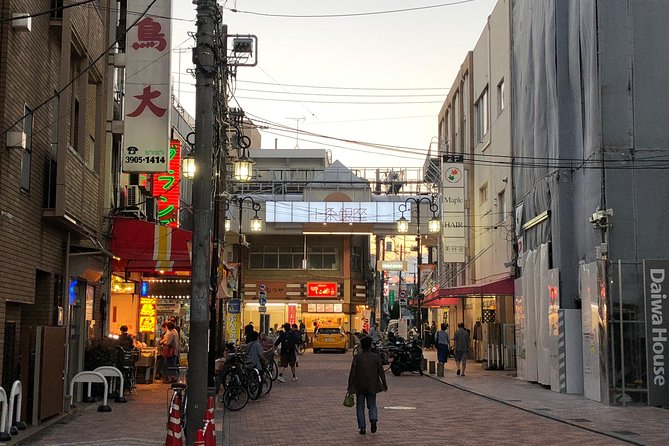
You meet at Jūjō Station in Kita City at 3 pm. The tour ends at the Akabane Station ticket gate, at 1 Chome-1 Akabane. These are specific meeting and ending points, so allow time to reach Jūjō Station on your own. Hotel pickup is not offered.
The route takes you through shopping streets, a park, historic remains, and an izakaya district. The tour does not provide transportation between attractions, so expect to walk throughout. A moderate fitness level is required, and comfortable footwear will make the experience easier.
The afternoon schedule has a practical advantage. Jūjō Ginza should still be active, and Akabane’s izakayas may already be open. The trade-off is that you will not see the district’s later evening atmosphere. If you want a full night of bar hopping, use this walk as an introduction and stay in Akabane afterward.
Confirmation is sent when you book. Free cancellation is available until 24 hours before the local start time. Changes or cancellations inside that 24-hour window are not accepted for a refund.
Who should book this Jūjō and Akabane walk?
I would choose this tour if you have already seen Tokyo’s headline sights or if you prefer markets, local streets, and small cultural details to major attractions. It suits curious eaters, first-time visitors who want help reading the city, and repeat visitors looking for a different afternoon.
It is also a good fit for people who like asking questions. The guide-led format makes the most sense when you want to understand what you are seeing rather than simply photograph it.
Families may enjoy Shimizuzaka Park, especially because of the long roller slide, but the tour is not described as a children’s activity. The historic stop is brief, and the Akabane section focuses on pubs and izakayas, so the whole route may appeal more to adults.
I would hesitate if your main goal is a full meal, a major castle, a long garden visit, or a night tour. You will get tastes only if they are offered and purchased, the castle stop is short, and the afternoon schedule ends before the liveliest evening hours.
Should you book it?
Book this walk if you want a guided look at Tokyo’s everyday side and value explanation over headline sights. Jūjō Ginza’s 500-shop arcade, the short history stop, and Akabane’s early izakaya culture give the afternoon a clear sense of place.
Before booking, confirm the guide, the private versus small-group setup, and whether any tasting or tea stop is planned for your date. If those details suit you, $71.53 is a reasonable price for a compact, well-focused introduction to two districts that many Tokyo itineraries skip.
FAQ
How long is the Jūjō and Akabane walking tour?
The tour lasts approximately three hours.
What time does the tour begin?
The tour starts at 3 pm local time.
Where does the tour start?
You meet at Jūjō Station in Kita City, Tokyo.
Where does the tour end?
The walk ends at the Akabane Station ticket gate.
How large is the tour group?
The tour is described as a small-group experience with a maximum of eight people. Additional information also describes it as a private activity for only your group, so confirm the exact arrangement when booking.
Is food included in the price?
No. Food and drinks are not included. Any purchases you make during the walk are extra.
Is transportation included?
No. Transportation to and from the attractions is not included, and hotel pickup and drop-off are not offered.
What level of fitness is required?
A moderate level of physical fitness is recommended. The experience includes walking between several stops.
Can I cancel for a full refund?
Yes. You can cancel at least 24 hours before the start time for a full refund. Cancellations or changes made less than 24 hours before the local start time are not accepted for a refund.
More Walking Tours in Tokyo


More tours in Tokyo we've reviewed






Walking Tours, compared.
 ★ 5.0Tokyo Tsukiji Fish Market Food and Culture Walking TourFrom $99
 ★ 5.0Tokyo: Imperial Palace and Shogun Historical Walking TourFrom $22
 ★ 4.9Tokyo: Shinjuku Local Bar and Izakaya Guided Walking TourFrom $343 hours
 ★ 5.0Tokyo: Tsukiji Fish Market Food and Walking tourFrom $30
 ★ 4.8Tokyo: Asakusa Walking Tour with Sensoji Temple VisitFrom $222 hours
 ★ 4.9Tokyo: Tsukiji Fish Market Guided Walking TourFrom $222 hours